Europe’s leading publisher of locally produced city guide
ESSENTIAL CITY GUIDES
Riga
Sightseeing
Arriving
Hotels
Sightseeing
Culture
Shopping
Getting around
Directory
History
Mail & Phones
Nightlife
Restaurants
See all chapters »
« Hide chapters
Churches
Essential Riga
Jewish Riga
Museums
Parks
Places of interest
Sightseeing tours
Soviet Riga
Free Download
More free downloads
All Destinations
Albania
Berat
Durrës
Gjirokastra
Korça
Pogradec
Saranda
Shkodra
Tirana
Austria
Vienna
Belarus
Minsk
Minsk (Русский)
Bosnia
Banja Luka
Bihać
Sarajevo
Bulgaria
Sofia
Veliko Turnovo
Croatia
Brač
Dubrovnik
Karlovac
Krapina
Opatija
Osijek
Rijeka
Samobor
Senj
Split
Varaždin
Velika Gorica
Zadar
Zagreb
Šibenik
Czech Republic
Karlovy Vary
Liberec
Olomouc
Plzeň
Prague
Český Krumlov
Estonia
Haapsalu
Narva
Otepää
Pärnu
Tallinn
Tartu
FYR Macedonia
Skopje
Germany
Berlin
Bochum
Cologne
Dortmund
Essen
Frankfurt
Gelsenkirchen
Hamburg
Hannover
Kaiserslautern
Leipzig
Munich
Nuremberg
Stuttgart
Greece
Athens
Thessaloniki
Ireland
Dublin
Italy
Cagliari
Kosovo
Brezovica
Gjakova
Peja
Pristina
Prizren
Latvia
Bauska
Burtnieki
Cesis
Daugavpils
Jelgava
Jurmala
Kolka
Kuldiga
Liepaja
Mezaparks
Riga
Sigulda
Lithuania
Birštonas
Druskininkai
Kaunas
Klaipėda
Kėdainiai
Nida
Palanga
Trakai
Vilnius
Šiauliai
Šventoji
Montenegro
Cetinje
Kotor
Podgorica
N. Ireland
Belfast
Derry
Lisburn
Netherlands
Amsterdam
Sittard-Geleen
Sittard-Geleen (Nederlands)
Tilburg
Tilburg (Nederlands)
Utrecht
s-Hertogenbosch
s-Hertogenbosch (Nederlands)
Poland
Auschwitz
Bydgoszcz
Chorzow
Danzig (auf Deutsch)
Frombork
Gdansk
Gdynia
Gdynia (auf Deutsch)
Gliwice
Kashubia
Katowice
Kornik
Krakow
Lodz
Malbork
Nowa Huta
Ojców
Poznan
Sopot
Tarnow
Warsaw
Wieliczka
Wolf's Lair
Wroclaw
Zabrze
Zakopane
Zoppot (auf Deutsch)
Romania
Brasov
Bucharest
Poiana Brasov
Sibiu
Russia
Kazan
Moscow
Peterhof
Pushkin and Pavlovsk
Sergiev Posad
St. Petersburg
Staraya Ladoga
Suzdal
Veliky Novgorod
Yaroslavl
Serbia
Belgrade
Niš
Novi Sad
Slovenia
Ankaran
Bistrica ob Sotli
Bled
Bohinj
Bovec
Brda
Brežice
Celje
Dobrna
Izola
Koper
Kostanjevica
Kranjska Gora
Krško
Laško
Lipica
Ljubljana
Maribor
Piran
Planica
Portorož
Posavje
Postojna
Radeče
Radovljica
Sevnica
Tolmin
Vipava
Vojnik
Štore
Sweden
Karlskrona
Switzerland
Zurich
Ukraine
Kyiv (Kiev)
Lviv
Odesa
Yevpatoriya
Home
»
Latvia
»
Riga
»
Sightseeing
»
Places of interest
Places of interest
Riga » Sightseeing » Places of interest
Āgenskalns Market
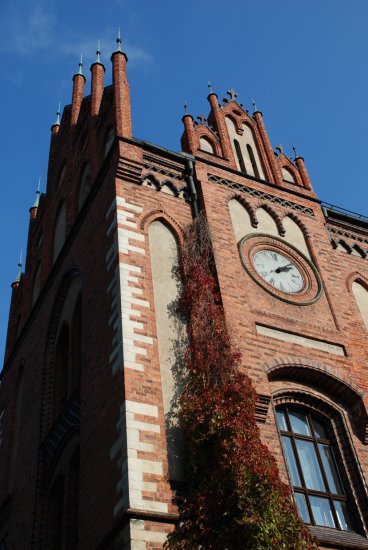
Although construction of Riga’s third largest market began in 1911, due to WWI it wasn’t completed until 1923. Since then this red brick building has become the focal point of the local community.
Read_on
(No Comments)
Big Christopher
Big Christopher, the city's protector from floods and other natural disasters, first appeared in the 16th century, in a small cave by a bank of the Daugava River.
Read_on
(No Comments)
Cat House
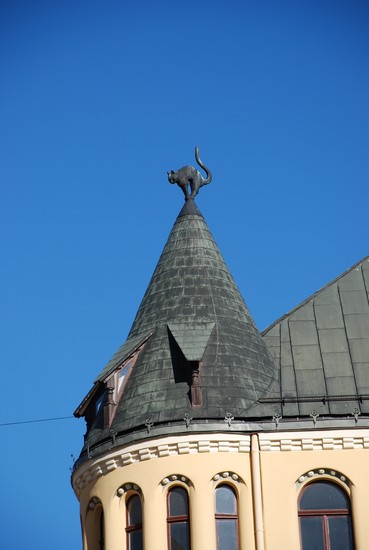
The Cat House is named for two black felines perched on the points of its towers. Not only did the beasts curse their first sculptor, he fatally fell while putting them up, but their purpose was to cause trouble.
Read_on
(No Comments)
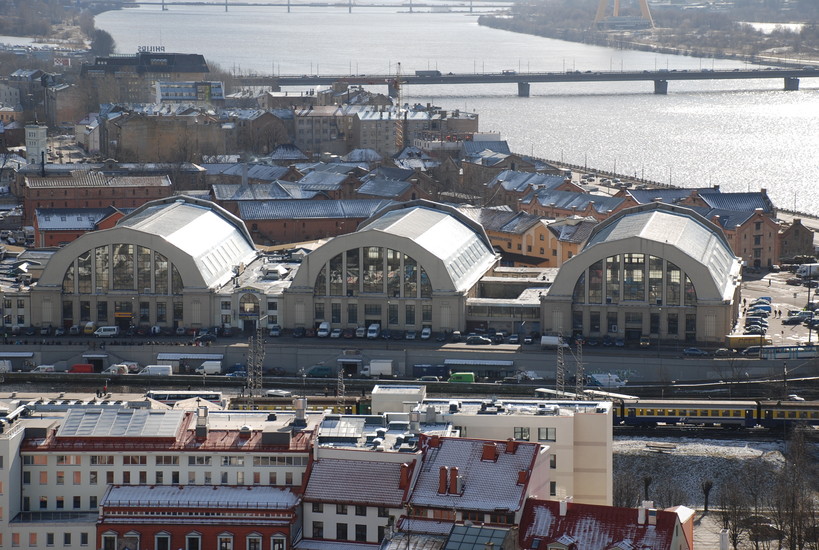
Central Market
When construction was completed in 1930, Riga’s Central Market was one of the largest and most modern marketplaces on the European continent.
Read_on
(1 Comment)
Freedom Monument
'Milda,' as she is affectionately known, was unveiled in 1935 and is a national shrine for Latvians. Designed by Kārlis
Read_on
(1 Comment)
Great & Small Guild Halls
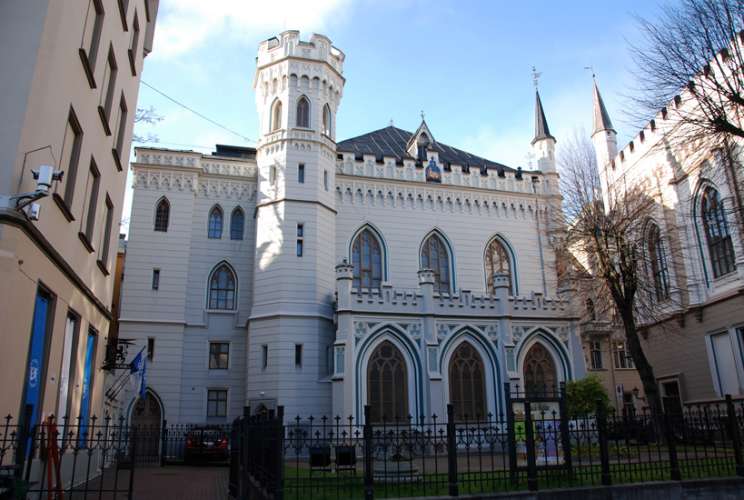
During the centuries of German economic domination, the guilds were Riga's power brokers. The former, dating from 1384, was the home of the merchants, while the latter held the city's artisans.
Read_on
(No Comments)
Grīziņkalns Neighbourhood
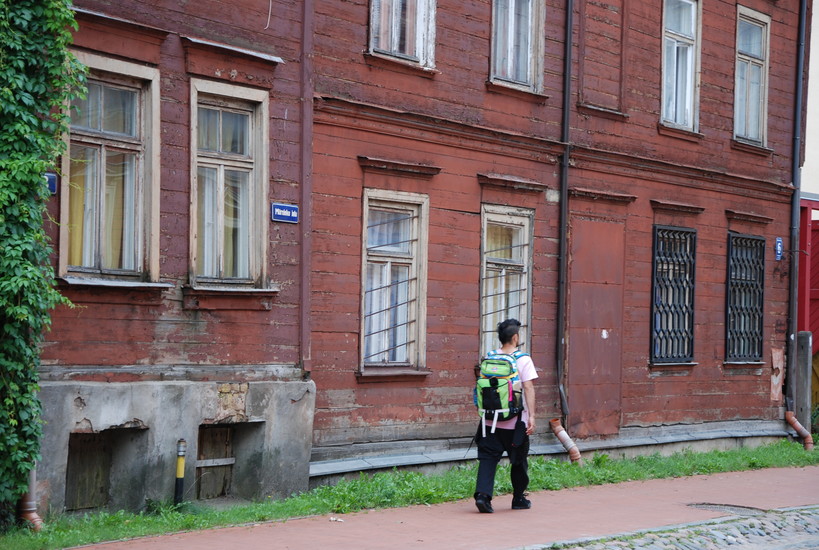
See a typical late 19th century to early 20th century blue-collar neighbourhood. Experience the Riga of the 1905 Revolution and of the writer Aleksandrs Čaks amid narrow cobble stone streets and, in some instances, ornately carved wooden houses.
Read_on
(No Comments)
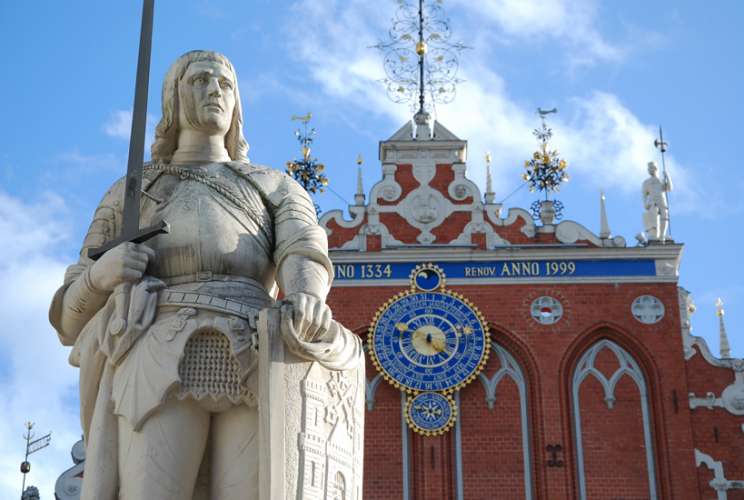
House of Blackheads
One of the architectural treasures of Riga, it was rebuilt in honour of the city's 800th anniversary in 2001. Dating from 1344, it was destroyed in 1941.
Read_on
(1 Comment)
Kennedy House
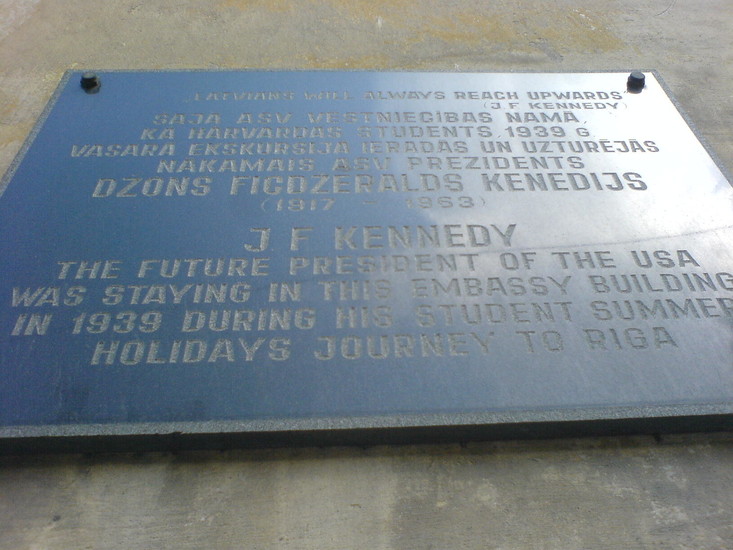
According to the plaque on the house, J.F. Kennedy, the future president of the USA stayed in this former embassy building in 1939 during his student summer holidays journey to Riga.
Read_on
(No Comments)
KGB Victims’ Memorial
Surrounded as they are by a cocktail bar, a coffee shop and a striptease club, one could hardly guess that locals once considered the unassuming rusted doors of this memorial the very gates of hell.
Read_on
(No Comments)
Laima Clock
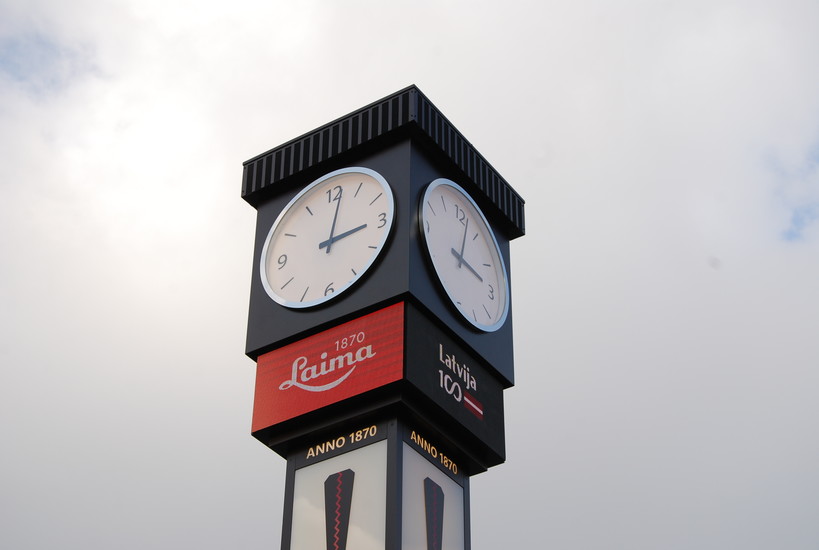
Satiekamies pie Laimas pulksteņa - let's meet at the Laima clock! The yellow-brown clock in front of the Freedom Monument has been a meeting place since it was erected by social democrats in 1924 so people wouldn't be late for work.
Read_on
(1 Comment)
Monument to the Repressed
During the Soviet occupation of Latvia, tens of thousands of men, women and children were ripped from their homes and sent to Siberia as slave labour.
Read_on
(No Comments)
Old City Walls & Swedish Gate
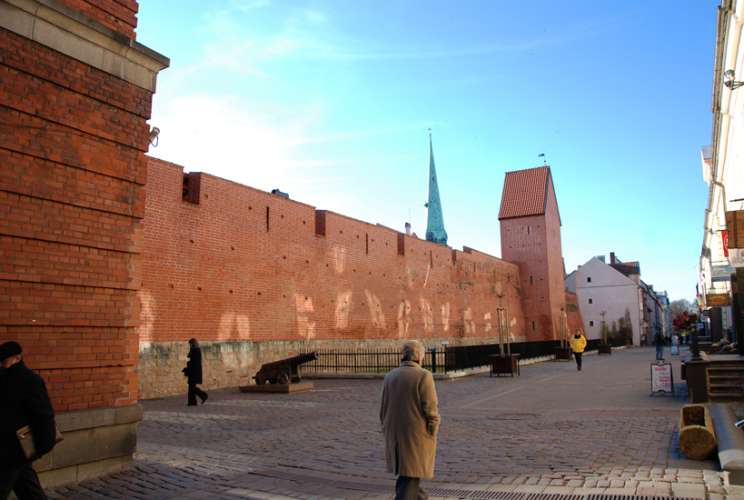
This is the oldest remaining portion of the Old Town fortifications, the rest having been progressively knocked down because artillery made them obsolete.
Read_on
(No Comments)
Powder Tower
Dating back to the beginning of the 14th century, only the rock foundations remained after it was destroyed by invading Swedish troops in 1621.
Read_on
(No Comments)
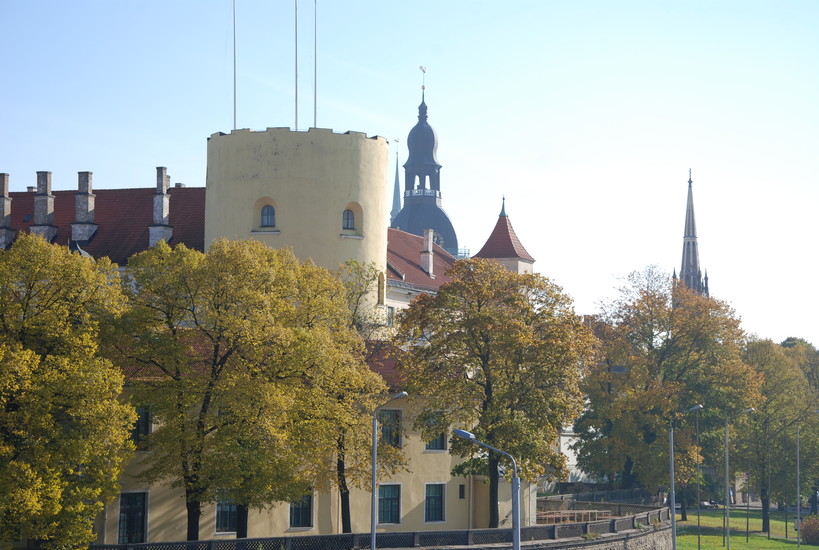
Riga Castle
Built in 1330 as a base for the Livonian Order, the castle was destroyed several times during battles with the local townspeople.
Read_on
(No Comments)
Riga National Zoo
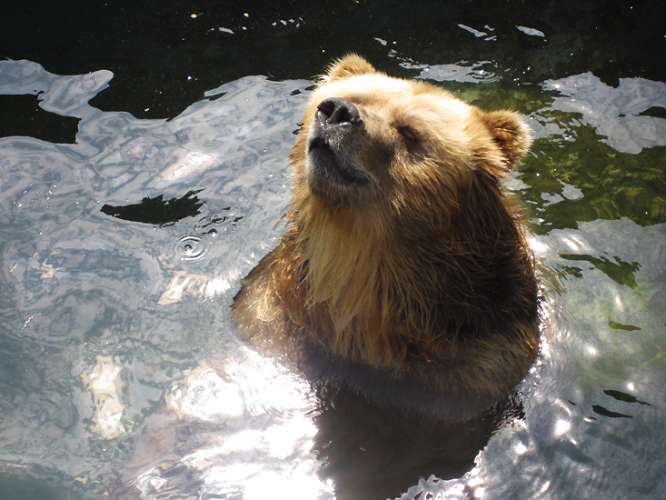
Take a look at a wide variety of animals from around the globe including tortoises from the Galapagos, Japanese macaques, Bactrian camels, African zebras, lions, tigers, giraffes and hippopotami, Asian red pandas and European bears, wolves and seals.
Read_on
(No Comments)
Salaspils
The memorial site of a concentration camp where the Nazis murdered thousands of Jews and other ethnic groups, including Latvians, is outside of Riga city limits, but worth the trip.
Read_on
(No Comments)
Three Brothers
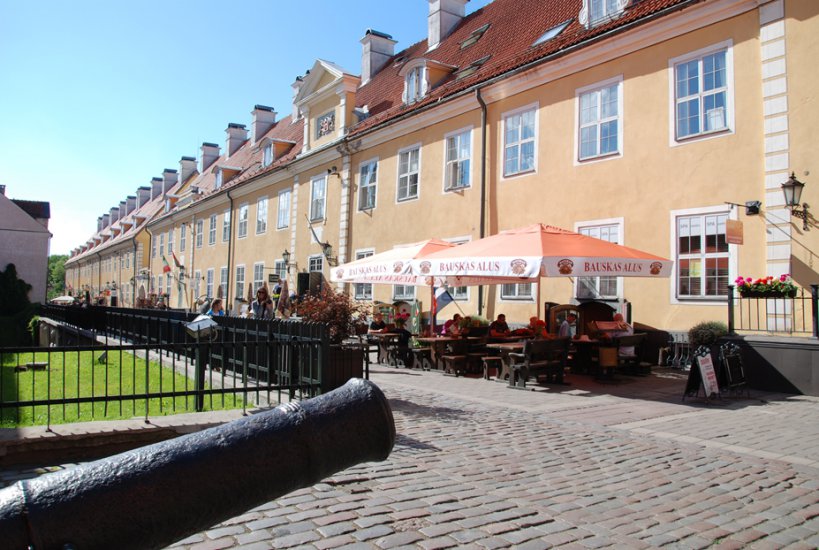
The Three Brothers are the oldest stone residential buildings in the city and represent different stages in the architectural development of Riga, from medieval to Baroque.
Read_on
(1 Comment)
Town Hall Square
The statue of St. Roland, Rīga’s patron saint, was erected in the centre of Town Hall Square in 1897, but was later moved to St.
Read_on
(1 Comment)
Warehouse District
Located just behind the Central Market these beautiful brick buildings were originally erected in the second half of the 19th century as part of a concerted effort to keep warehouses out of the city centre.
Read_on
(No Comments)