

Discover Zadar through the traces of its Roman past and set off on a short journey through the ancient city of Iader. This guide is filled with fascinating stories, historical insights and hidden details that reveal how deeply Roman heritage is woven into the streets, squares and monuments of today’s Zadar.
Whether you choose to explore every stop in detail or simply wander through the city imagining life two thousand years ago, let this guide invite you to play, discover and walk for a moment alongside the Romans who once shaped this remarkable Adriatic city.1. Trg Petra Zoranića: Gateway to Roman Iader
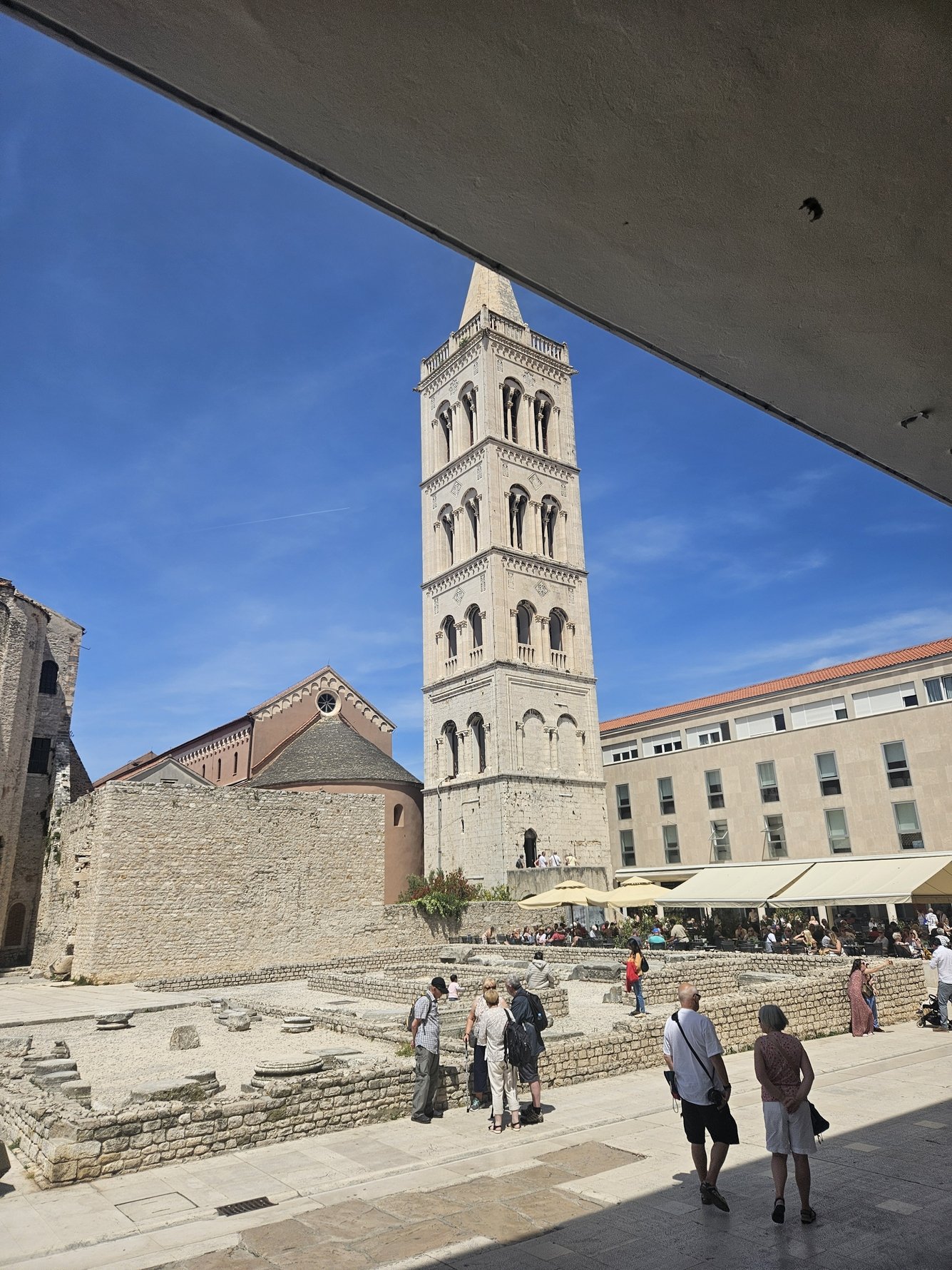
This square marks the eastern entrance to the ancient city. During its reconstruction, monumental archaeological remains were uncovered, testifying to the defensive strength of Zadar in the late 1st century BC.• What can be seen beneath the glass: Under the glass surface lie the foundations of massive octagonal defensive towers that once flanked the city’s main gate.
• Triumphal arch: Archaeologists also discovered the remains of a Roman triumphal arch with three passageways, erected by the wealthy Roman Melia family in honour of Emperor Augustus.
• Ancient column: Standing proudly in the square is a tall Roman column. It was not originally located here, but was transferred from the Forum during the Middle Ages to serve as a marker of public space.
2. Trg pet bunara: Roman Cistern and Aqueduct
Although the present appearance of the Square of Five Wells dates back to the 16th century Venetian period, the site itself inherited its strategic importance from Roman times.• Archaeological background: The Venetians excavated a vast water cistern on the very site of the former defensive ditch of the Roman walls.
• Connection to the aqueduct: This was the endpoint of an impressive Roman aqueduct stretching approximately 40 kilometres. Using natural gravitational flow, it supplied fresh water from the spring near Lake Vrana. The Romans used it to provide water for public baths (thermae) and the luxurious residences of wealthy citizens.
3. Kalelarga: The Ancient Decumanus Maximus
Today’s Široka Street, better known as Kalelarga, is not only Zadar’s main promenade but also the city’s oldest street, faithfully preserving the layout of the Roman urban grid.• Urban planning: When Zadar became the Roman colony of Colonia Julia Iader, it was systematically divided according to a geometric street plan. Kalelarga served as the Decumanus Maximus, the city’s principal east–west street.
• What it looked like in antiquity: In Roman times, the street was paved with large stone slabs, considerably wider than today, and lined with arcades and columns sheltering shops (tabernae) and artisan workshops.
4. Roman Forum and the Capitoline Temple: Centre of Public Life
Zadar’s Forum is the largest explored Roman forum on the eastern Adriatic coast. Its construction began under the first Roman emperor Augustus and was completed in the 3rd century.• Pavement and porticoes: Visitors today walk across the original Roman paving. On the elevated southwestern side stood a portico with two-storey galleries where citizens gathered to discuss politics and trade.
• Capitoline temple: On the elevated northwestern section, beneath and around today’s Church of St Donatus, stood the Capitoline temple dedicated to the Capitoline Triad: Jupiter, Juno and Minerva.
• The Pillar of Shame: On the western side of the Forum stands the only fully preserved column of the ancient temple. During the medieval and early modern periods, offenders were chained to it, publicly humiliated and whipped, which earned it its present-day name.
5. Archaeological Museum Zadar: A Treasury of Antiquity
Located next to the Forum, this museum offers a fascinating insight into the material culture of Roman Zadar and its surroundings through thousands of artefacts.• Imperial statues: The Roman gallery displays monumental marble statues of Roman emperors discovered in Nin and Zadar, including an exceptionally well preserved representation of Emperor Augustus wearing a toga.
• Everyday life: Exhibits include altars dedicated to Roman and local Liburnian deities, ancient coins, fine terra sigillata pottery, oil lamps, and reconstructions of Roman graves with burial goods.
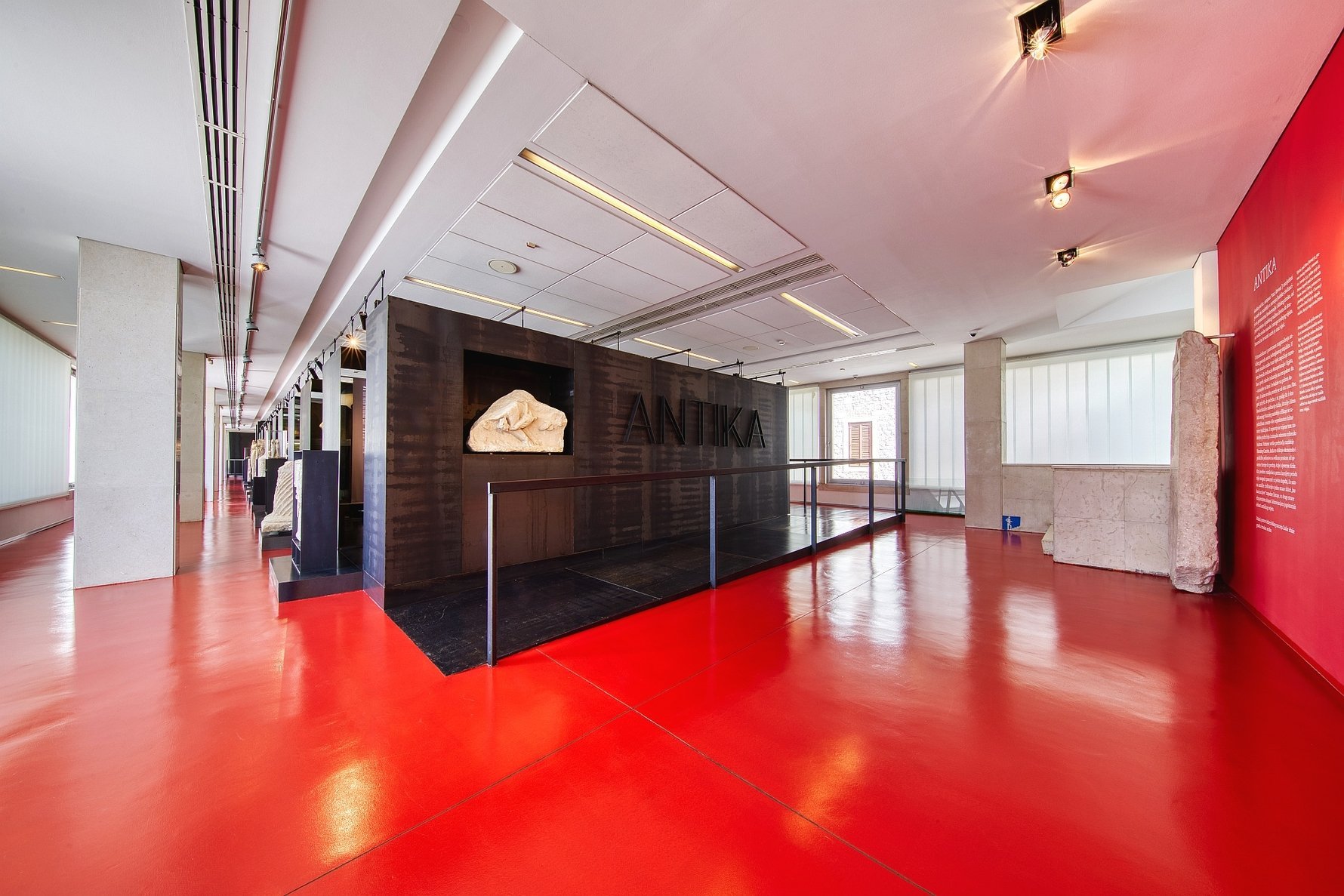
Archaeological Museum Zadar Archives
6. Museum of Ancient Glass: A Unique Collection of Ancient Glass
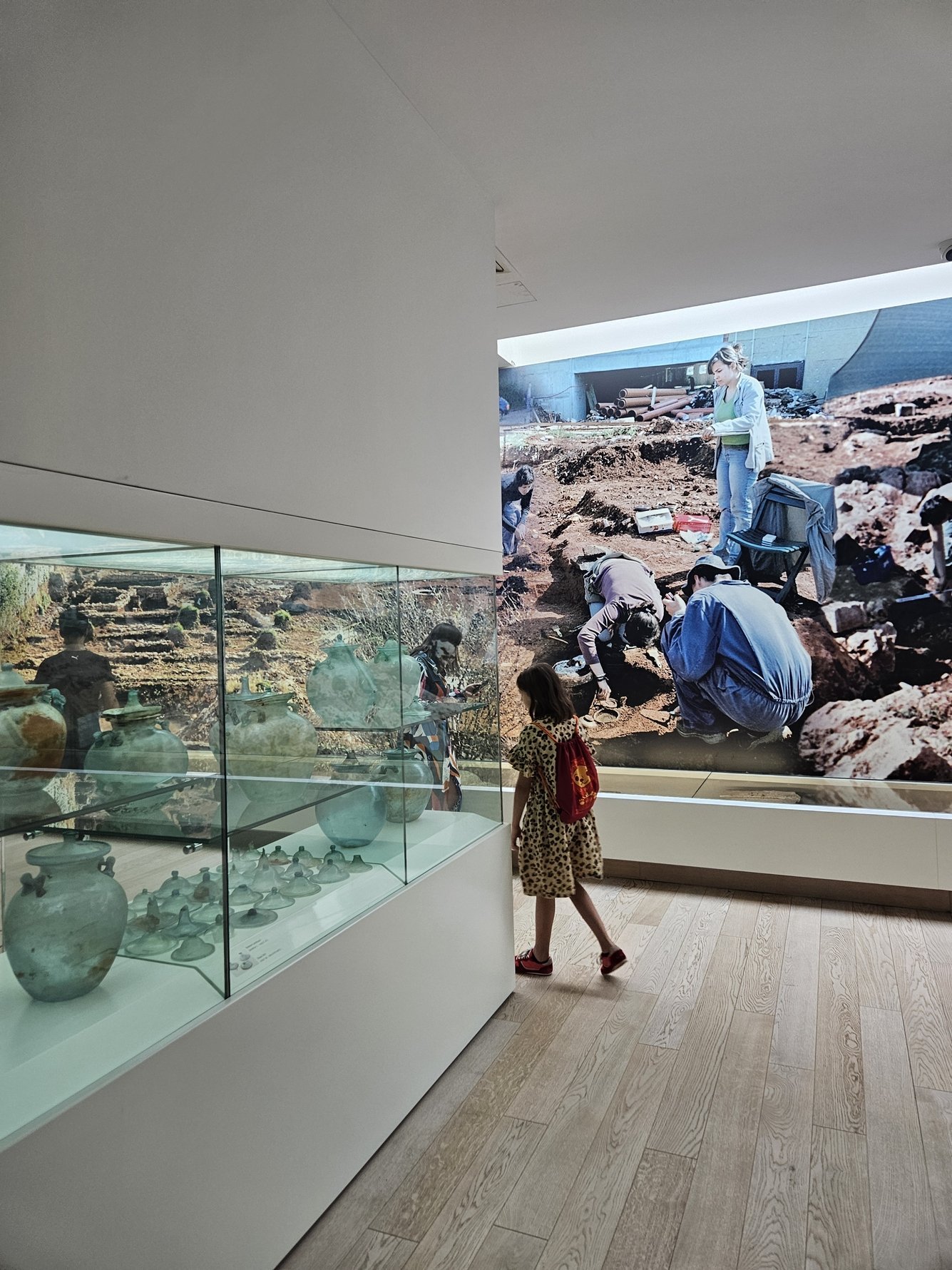
Housed in the restored 19th-century Cosmacendi Palace, this specialised museum preserves more than 5,000 glass objects from antiquity.• Master craftsmanship: Roman Iader was renowned not only for importing but also for producing fine glassware. Visitors can admire remarkably preserved glass urns, perfume and oil bottles (balsamaria), elegant goblets and luxury jewellery.
• Living history: Inside the museum, master glassblowers demonstrate ancient Roman techniques using replicas of historical tools, creating glass vessels before visitors’ eyes at temperatures exceeding 1000 °C.


Comments