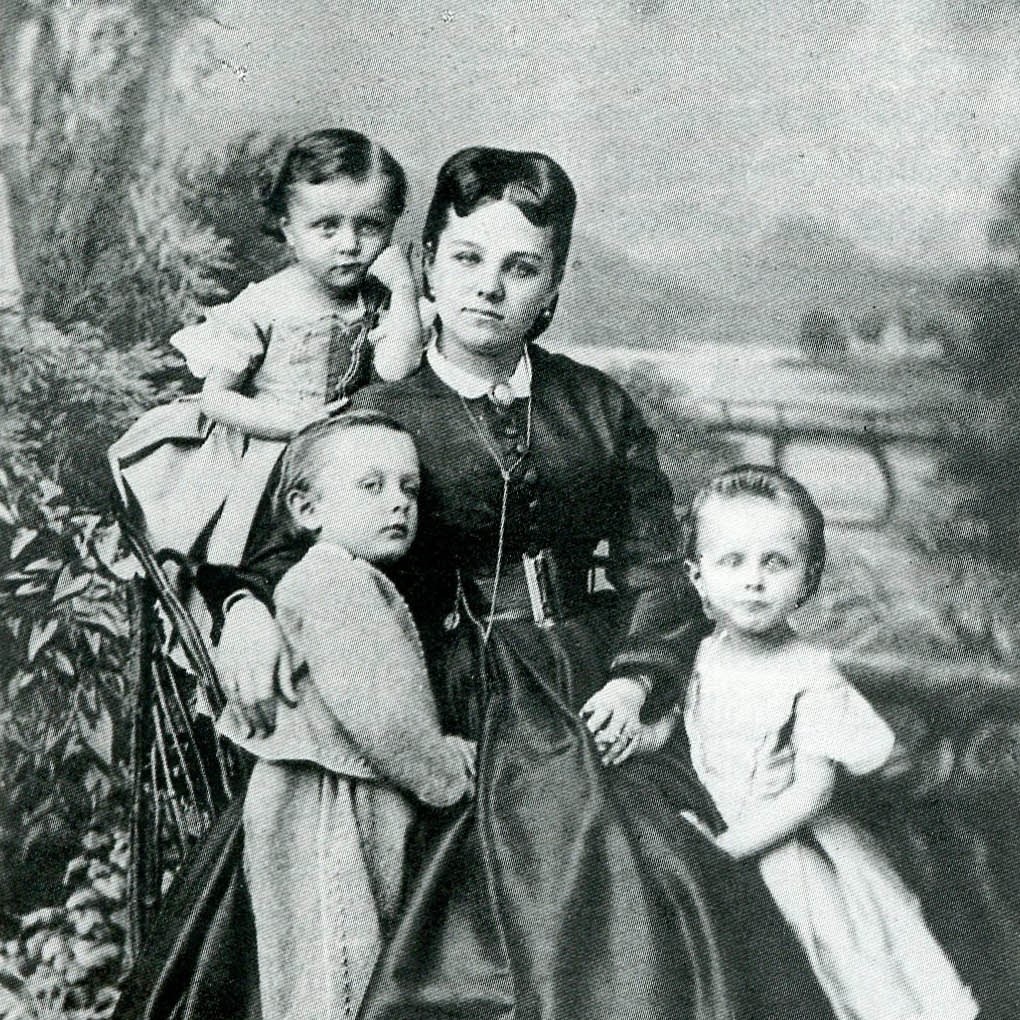
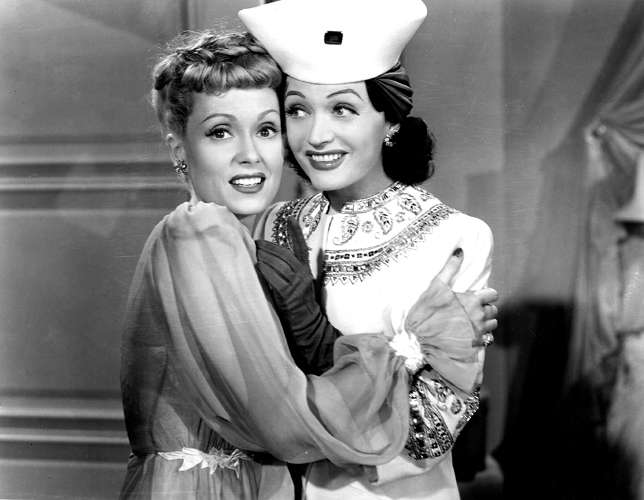
While a wikipedia entry on ‘Polish women’ begins with the sentence “The character of Polish women is shaped by Poland's history, culture, and politics,” the inverse is just as true: Polish women have shaped the history, culture and politics of Poland.
From warrior queens to Nobel Prize winners, here are 12 famous Polish ladies worth lauding:
1. St. Jadwiga, 'King' of Poland (1384-1399)
Jadwiga of Poland reigned as the country’s first female monarch (formally holding the title of ‘King’) from 1384 to 1399. She was known for her intelligence, piety, and compassion, and was beloved by her people. She was also a patron of the arts and funded numerous cultural and educational institutions. She was canonised as a saint in the Catholic Church in 1997.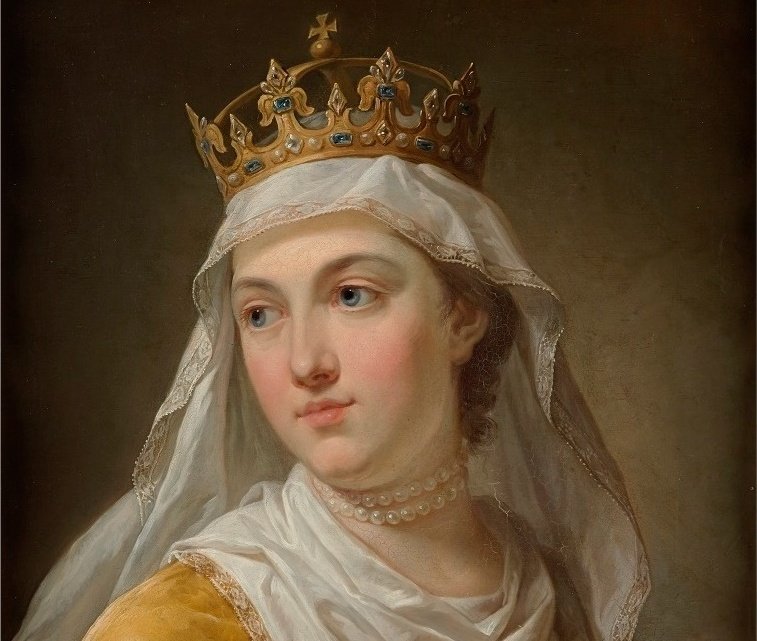
See Jadwiga's miraculous footprint in Kraków.
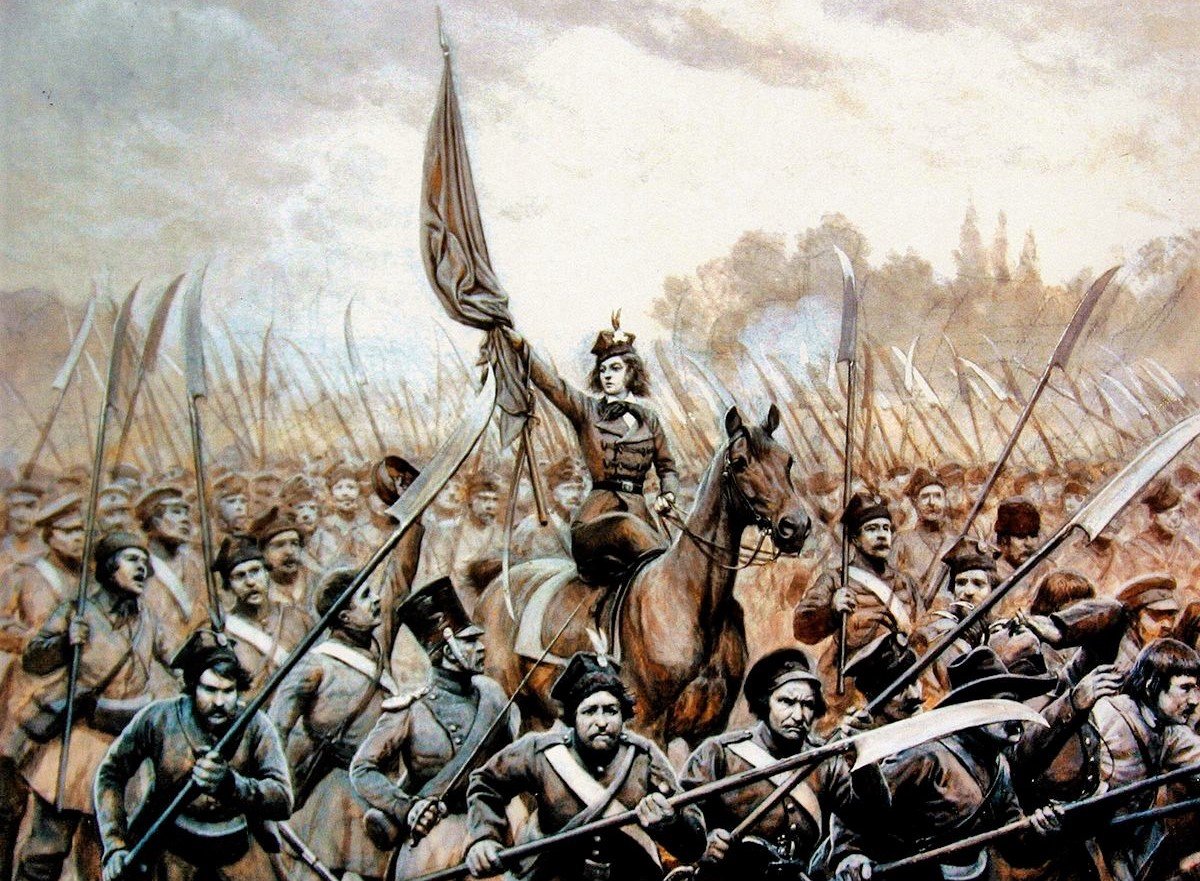
2. Emilia Plater (1806-1831)
Born into the ethnic-Polish nobility in Vilnius, (then part of the Polish-Lithuanian Commonwealth under partition), Countess Emilia Broel-Plater wrote her own legend as a leader of the November Uprising (1830-31) fighting against Russia's occupying forces. A 'maiden warrior' who rose to the rank of captain, she vowed to continue fighting even after other insurgent armies had conceded, but became ill and died at the young age of 25. Known as the 'Polish Joan of Arc,' she was venerated in numerous works of art and literature and is today a national hero of Poland, Lithuania and Belarus.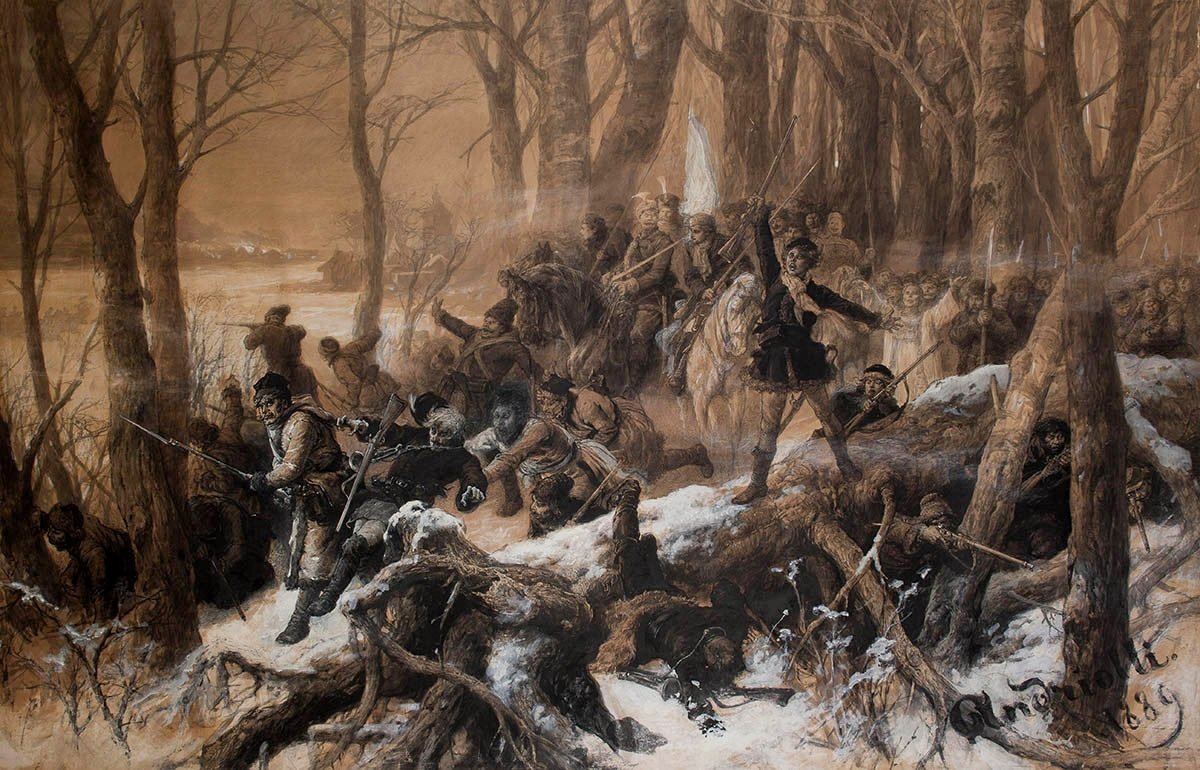
3. Maria Skłodowska-Curie (1867-1934)
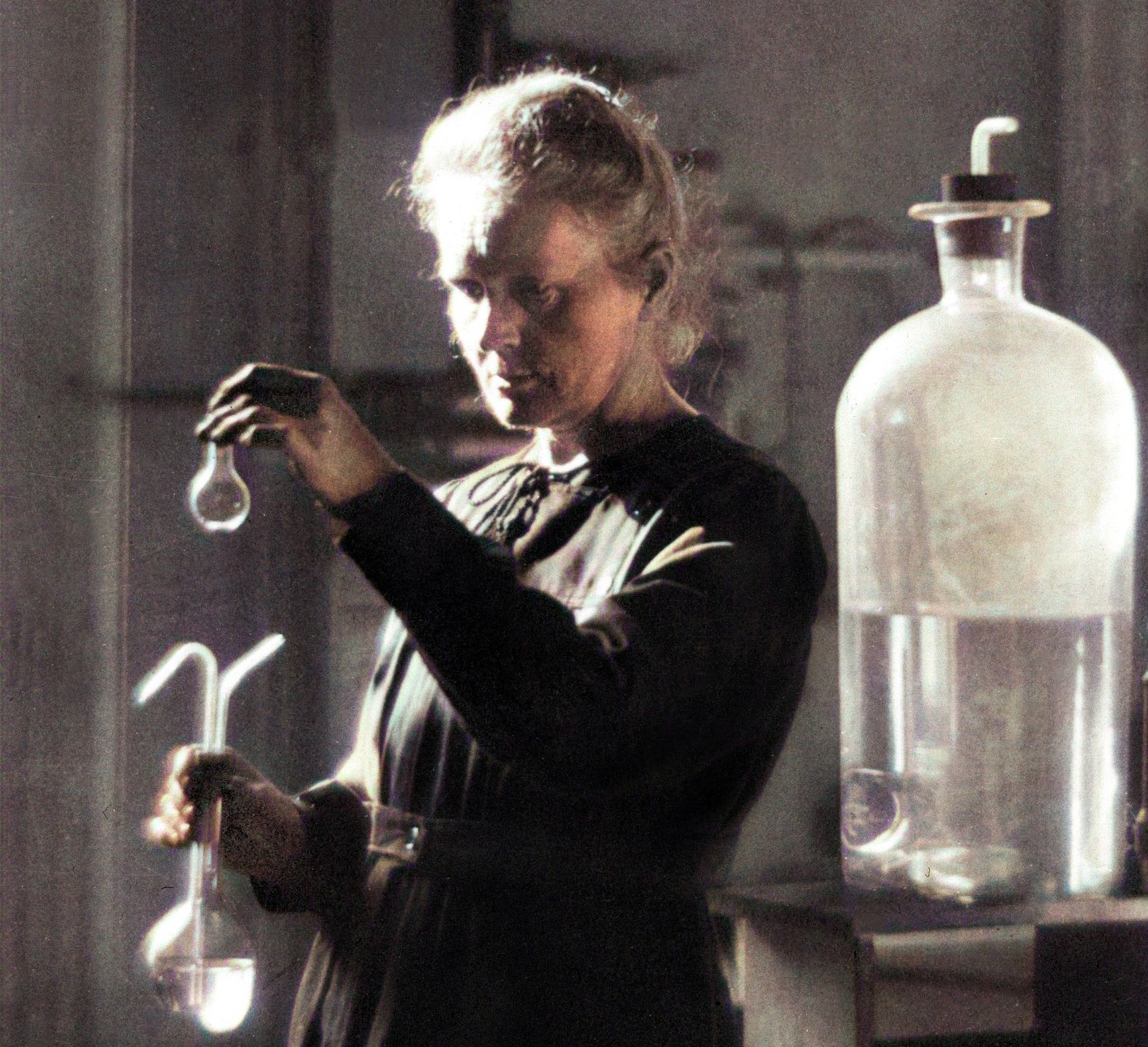
Born in Warsaw, the woman known to the rest of the world as Marie Curie was a trailblazer in science and academia. She was the first woman to win a Nobel Prize and the first person to win two Nobel Prizes in different fields (physics and chemistry). Her discoveries in radioactivity revolutionised the field of medicine and paved the way for future generations of scientists. To learn more about her life and influence, watch our video below. Visit the Maria Skłodowska Curie Museum in Warsaw.4. Helena (Chaja) Rubinstein (1870-1965)
Helena Rubinstein was a businesswoman and philanthropist who founded one of the world's largest cosmetics companies. Born in Kraków, she emigrated to Australia with nothing, launched a line of face creams and built a global cosmetics empire, becoming one of the world’s richest women. She was also a patron of the arts and a collector of modern art.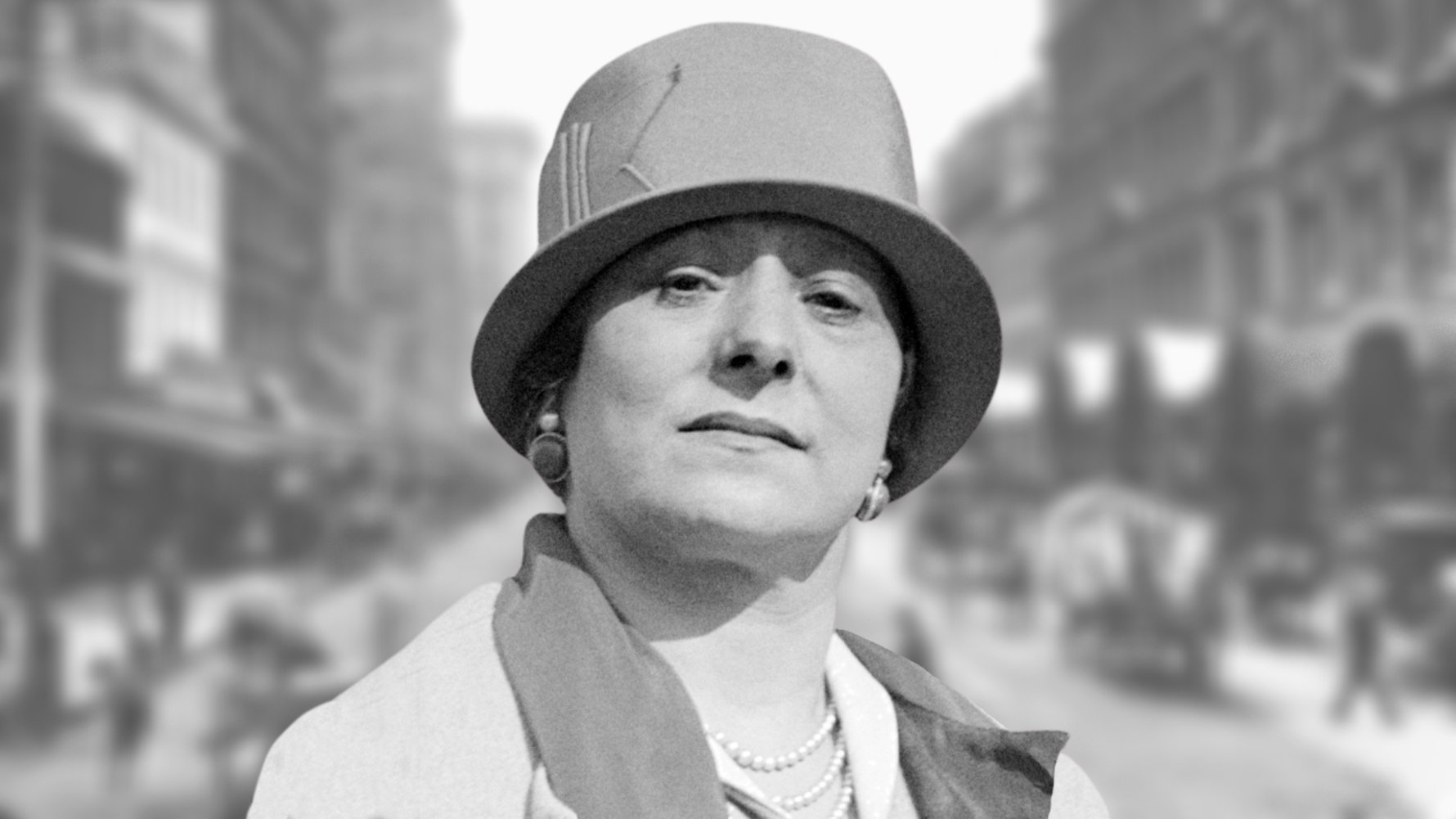
5. Irena Sendler (1910-2008)
During World War II, Irena Sendler was a gentile nurse who risked her life to save over 2,500 Jewish children from the Warsaw Ghetto. Working with the Polish Underground Resistance and Polish Council to Aid Jews, she smuggled Jewish children out of the Warsaw Ghetto, placed them with Polish families, and kept meticulous records to reunite them with their families after the war. Despite being caught, tortured, and sentenced to death, she never revealed the names of the children or their hiding places. Escaping on the day of her scheduled execution, she survived the war and lived to be 98 years old. In 1965 she was honoured by the State of Israel as Righteous Among the Nations .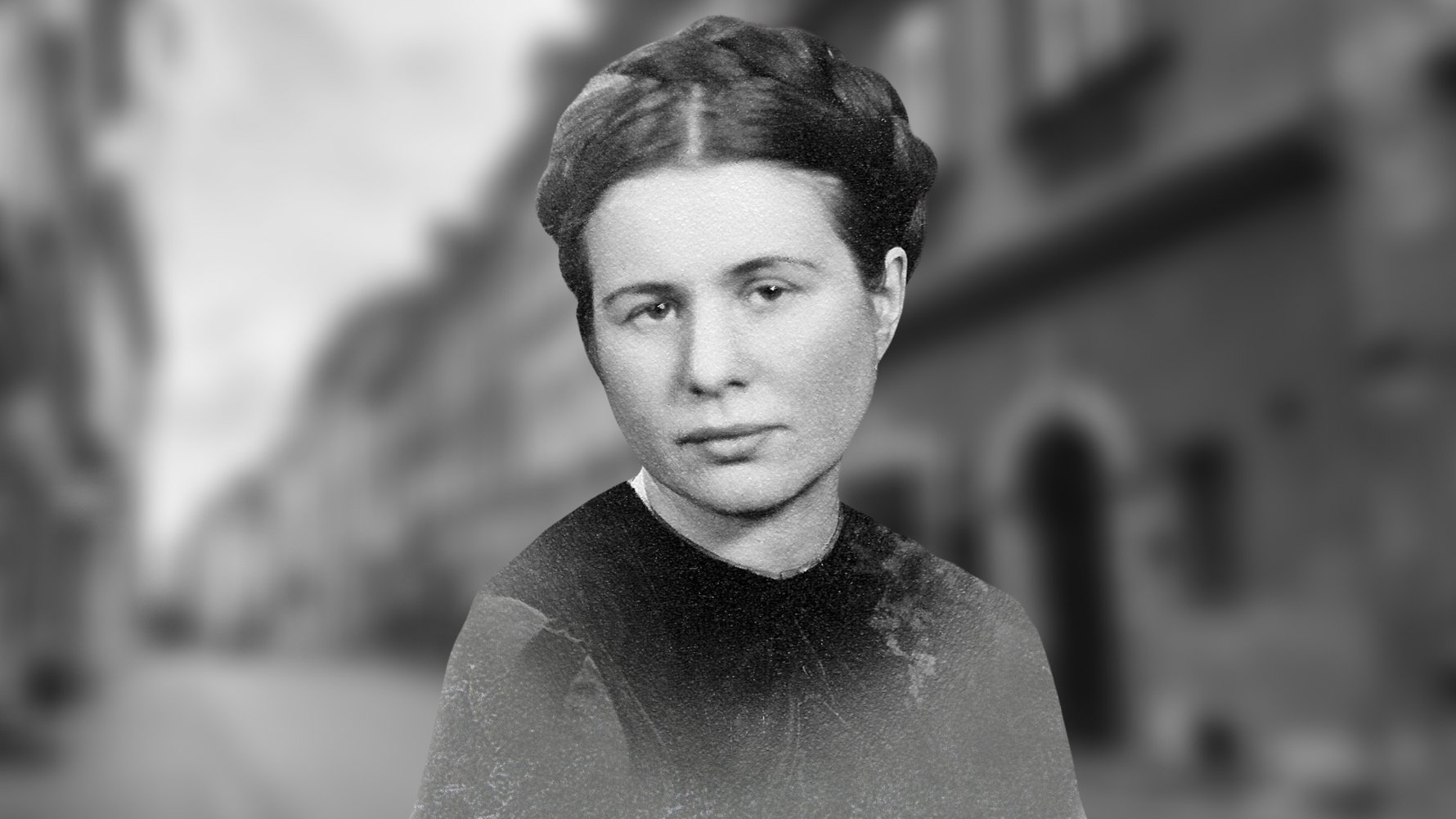
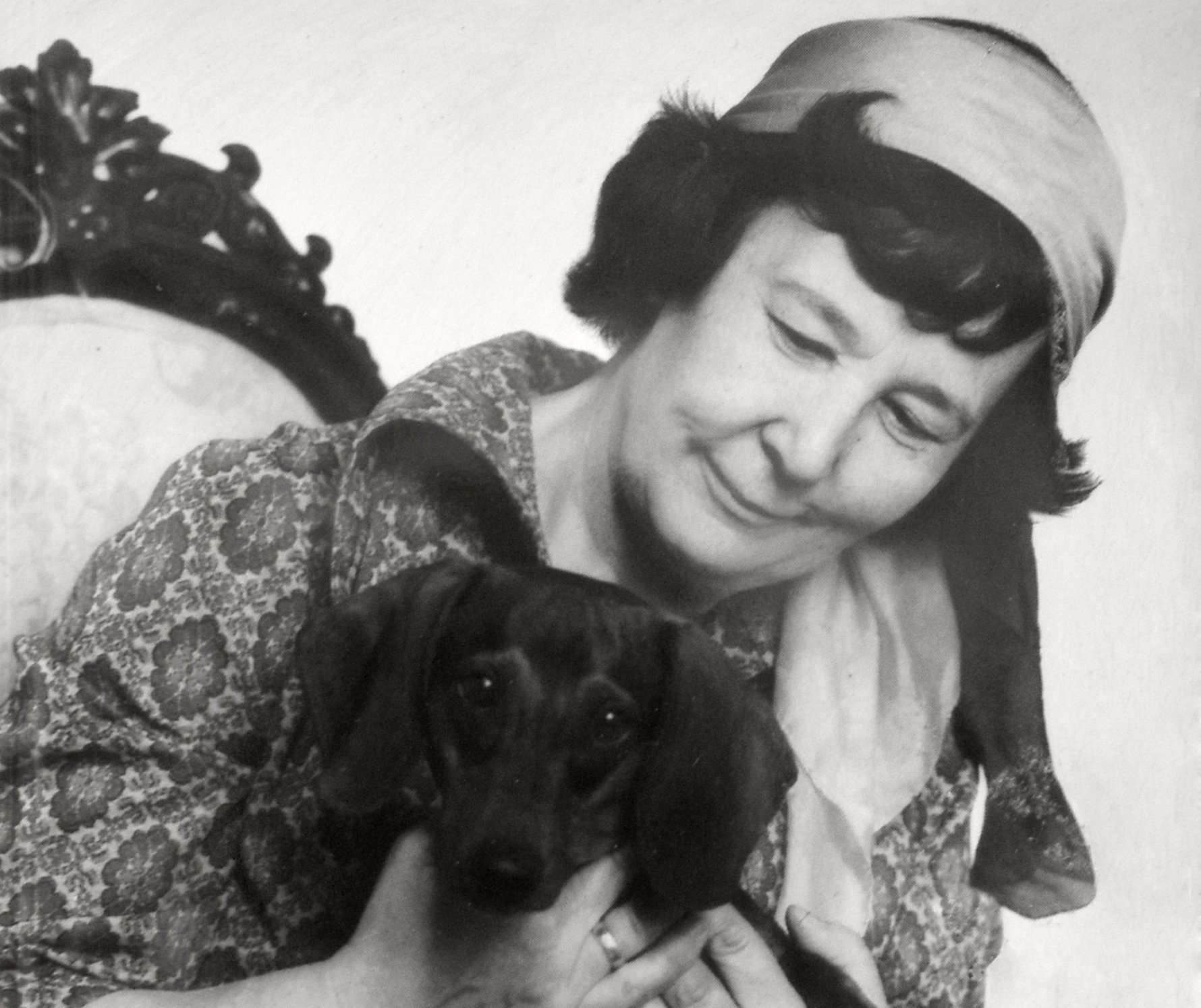
6. Michalina Wisłocka (1921-2005)
Wisłocka was a Polish feminist, gynecologist and one of the country’s first sexologists. She fought for the reproductive rights of women during the communist era and is most famous for writing the controversial book ‘The Art of Loving’ (
Sztuka Kochanie
). The book encountered many problems during the publishing process: the puritanical mentality of the communist censors made it difficult to publish almost anything about sexuality, let alone something that could be considered a sex manual. Despite this the book became a massive bestseller in 1978, inspiring a more open discourse about the sexual lives, needs, desires and habits of Poles.
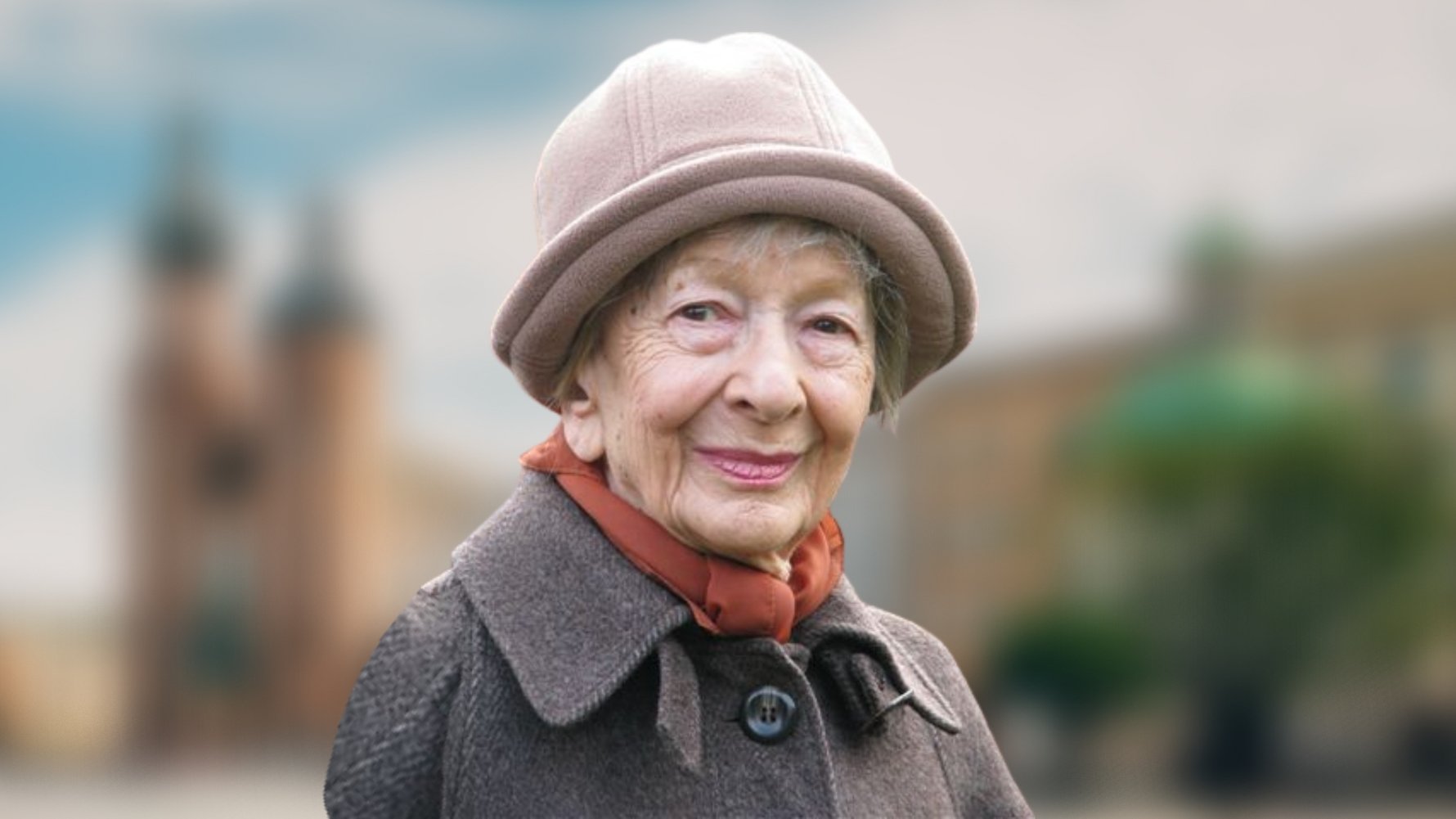
7. Wisława Szymborska (1923-2012)
Wisława Szymborska was a Polish poet and essayist who won the Nobel Prize in Literature in 1996. Her work was characterised by its wit, irony, and philosophical depth, and she tackled themes such as love, death, and the human condition. She was also a vocal critic of authoritarianism and censorship, and her work continues to inspire readers around the world today. Her strong connection to the city of Kraków played a major role in it being name the first UNESCO City of Literature on continental Europe.