

Warsaw’s history is rife with triumph and setback, with loss and resilience, especially over the last century. And what better way to learn about all that history than with an institution that literally lived through it?
We say “lived” because the Museum of Warsaw (Muzeum Warszawy) is its own breathing, thriving, life in a way. Now celebrating its 90th anniversary, this “soul of Warsaw” is a triumph of the Warsaw spirit and one you have to see – especially this year.
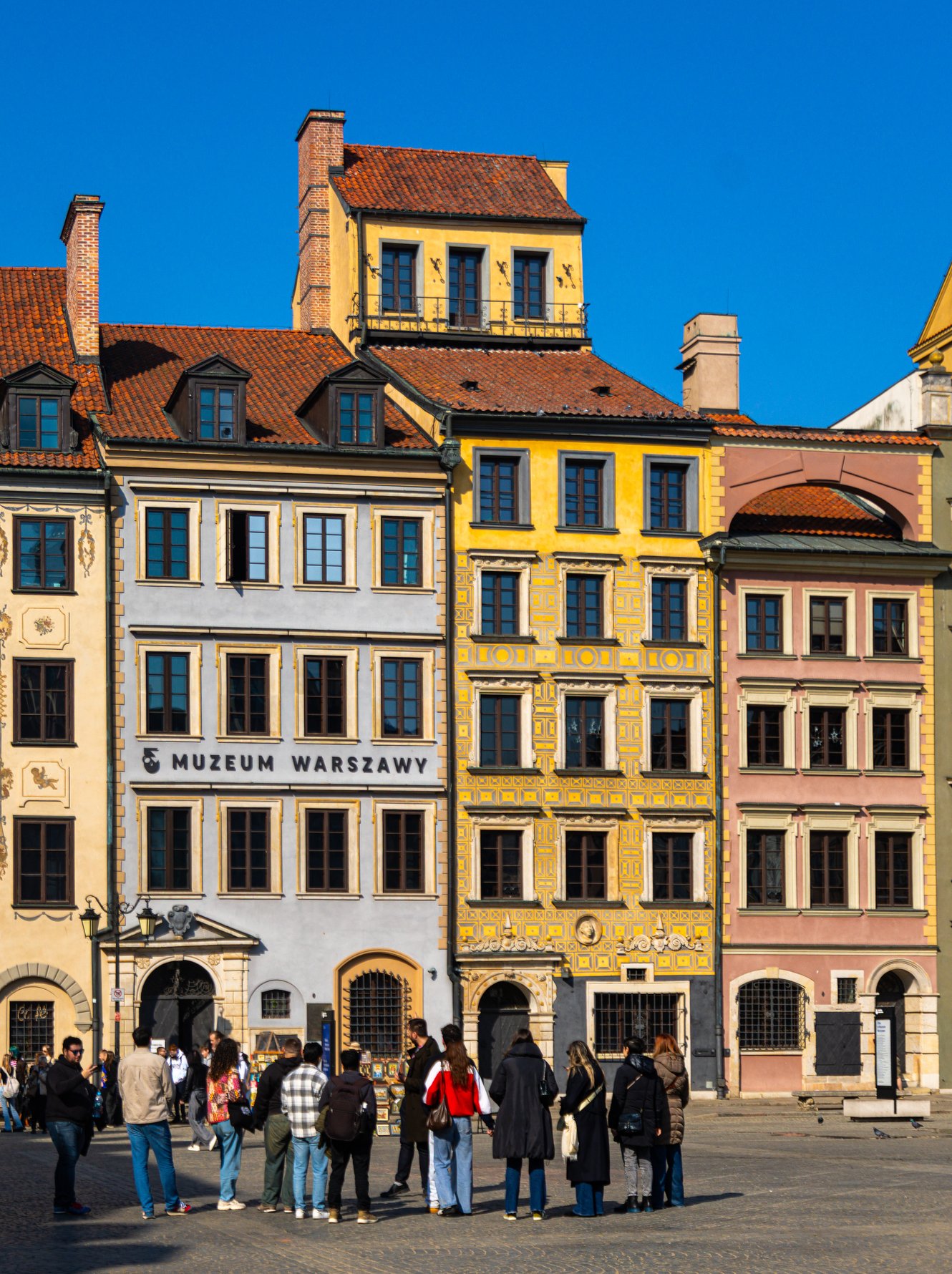
The museum existed before World War II, which saw rampant destruction across the beautiful cobblestone streets of the Old Town. After the war, it rebuilt and grew, eventually coming to stretch across a collection of 11 tenement homes.
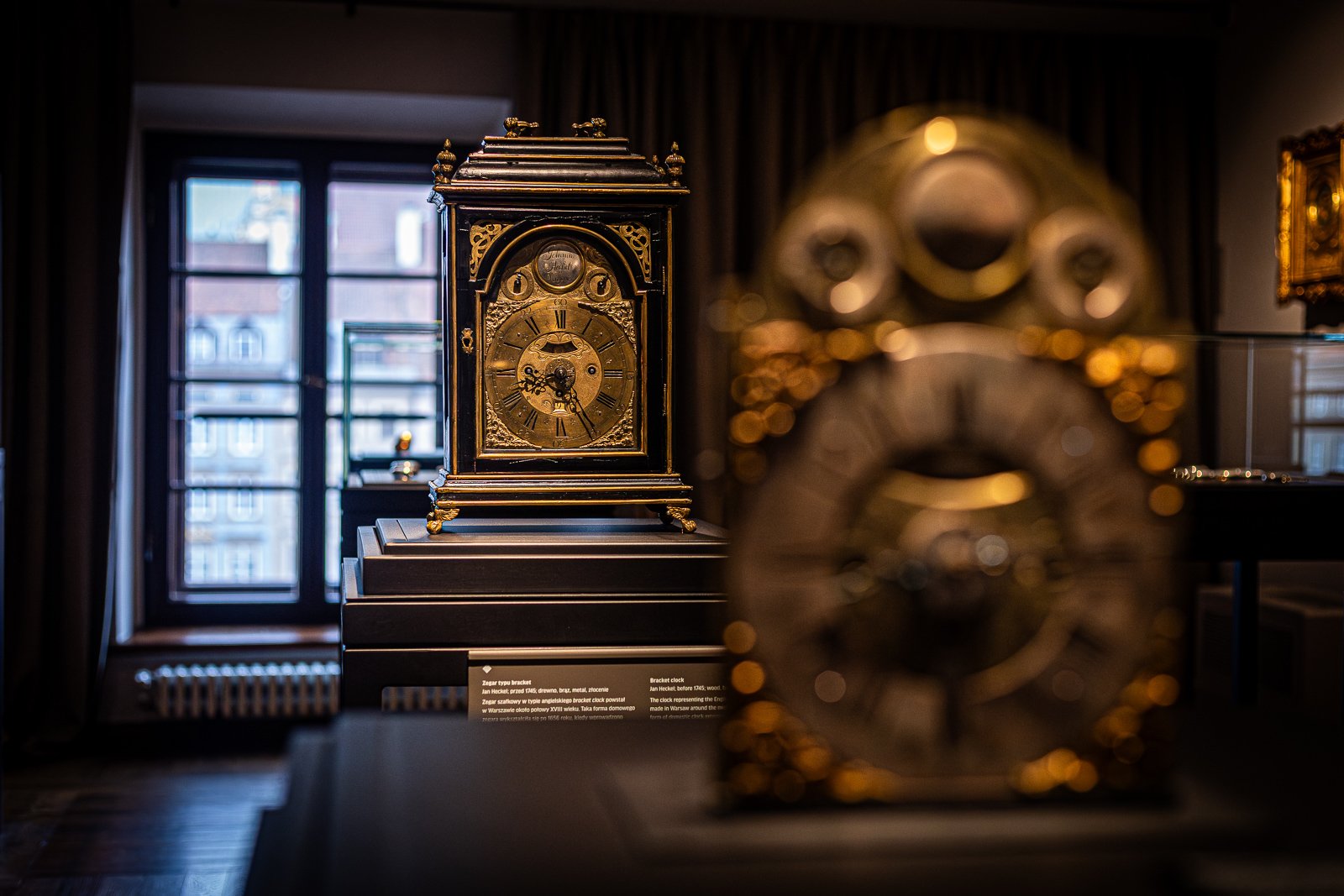
Now, it tells the whole story of Warsaw, from its foundation in the 14th century to the modern era, including post-war and communism – all through thousands of artefacts, paintings, photos and more that give visitors an in-depth understanding of the city’s history.
A 90-year celebration is certainly something to be proud of in Warsaw, a city that was largely decimated just over 80 years ago, so this anniversary is a testament to the museum’s indomitable spirit – and the desire of Varsovians to make sure their history is told.
A Must-Visit Space
There are many reasons to visit this museum, starting with their permanent exhibit, “Warsaw Things”, the most extensive exhibition of the city’s history you’ll find. Here, you can explore twenty-two thematic rooms that showcase items from Warsaw’s history – all original, from art to everyday objects. This is where you can literally see and experience the history of the city.
Learn specific information about the city, its inhabitants and its urban arrangement from the “Warsaw Data” section. Or get an insight into the history of the famous Tenement Houses that have given Warsaw its distinctive look and feel.
One of our top recommendations, though, is the exhibit on the Warsaw mermaids. The mermaid (or Syrena) is the official coat of arms of the city, found on transportation, signs and more. And, of course, this museum has all the details why.
Top off your visit to the main museum with a venture to the museum’s rooftop terrace – the highest viewing point in the Old Town with views over the Old Town Square and those distinctive red and green roofs and iconic landmarks. Climb the winding staircase to the top for – at least in our minds – the best view in the city and one of the top attractions in Warsaw.
If stairs and incredible views aren’t your thing (or you’ve already climbed your way to the top of the tower) the museum offers historical walks, and a new audio guide presents the most interesting objects int he permanent collection.
Follow the route of the Warsaw Uprising to learn about the people and events of the historic 1944 uprising against the Nazi occupation. Or follow the Old and New Town walk to explore the historic Old Town and discover more about its history and monuments. The museum deftly expands beyond its 11 tenement buildings.
A Storied History
When we say that this museum has seen it all over the last (almost) century, we mean it. Founded in 1936 the museum was originally housed in three buildings on the Old Town Square. The remaining buildings that now make up the museum have lived many lives over the last few centuries, including—at different points -- a pharmacy, hospital, and headquarters of a Polish military group.
But when war broke out and demolished much of Warsaw over the ensuing six years, the museum and surrounding buildings were not immune to the trauma. Its curator, Antoni Wieczorkiewicz, was captured by the Nazis and sent to a concentration camp, where he later died. In 1944, the museum (and much of the Old Town) was destroyed by the Nazis during the Warsaw Uprising, leaving just facades and some internal structures behind.
After the war, the museum received findings from the ruins and rescued family heirlooms, helping them put together their first post-war exhibition. That exhibition opened in 1955 after the museum’s resilient, years-long effort to rebuild.
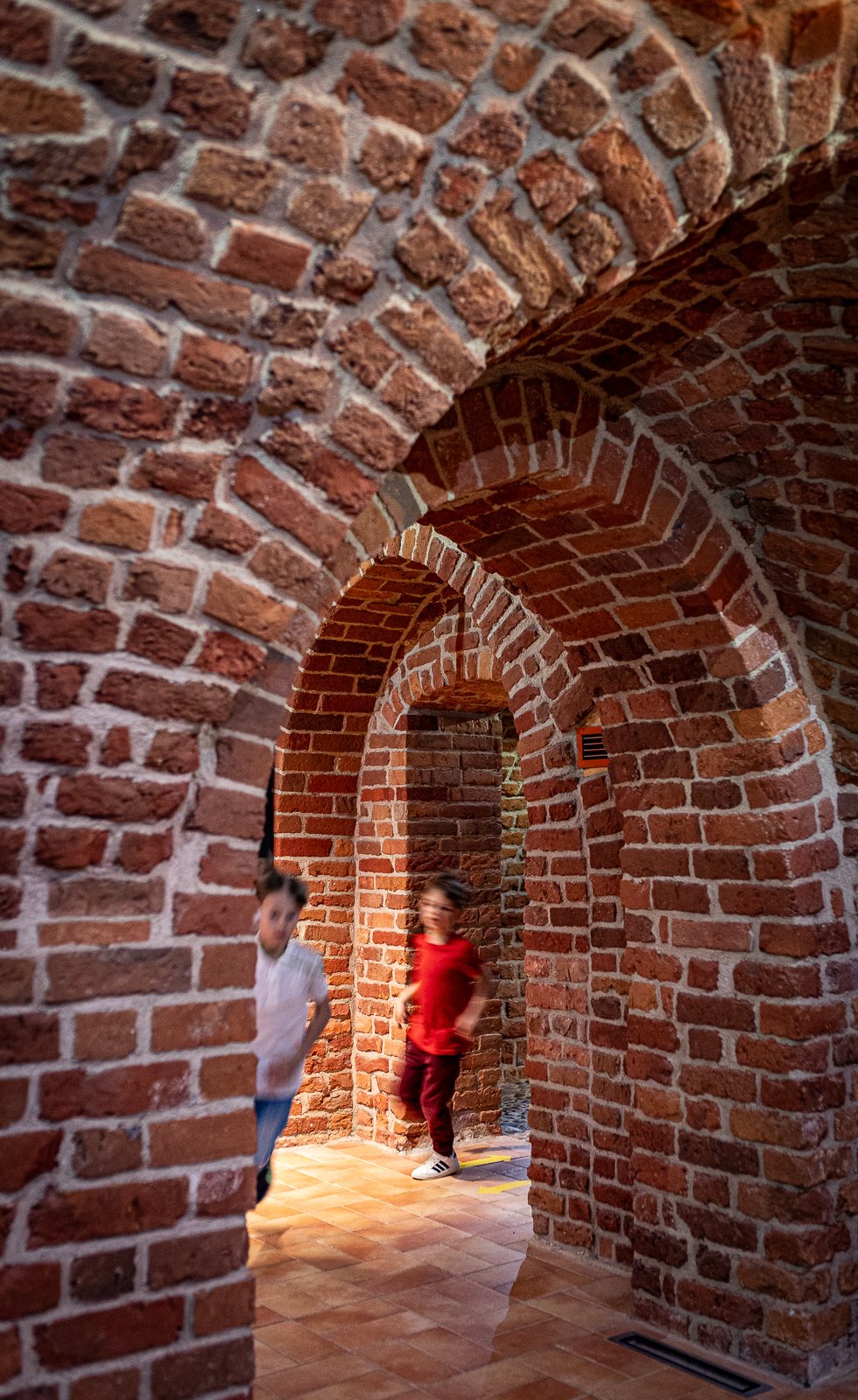
The restoration continued in the 21st century when cellars under the main buildings were brought back to life. You can still see the effects of war there today – one preserved cellar alcove is blackened and burned from the assault on the city. Step inside and step back into history.
Today, the museum can be seen as a kind of box of objects – things to uncover and discover that all act as windows into the city’s history.
Key Artefacts
The entire museum tells the story of Warsaw’s history, but there are some key artefacts that are central to the museum’s history, and indicative of the city’s efforts to rebuild. These, we consider unmissable.
The first is the coins. These are collections of coins from the 17th and 18th centuries buried below the ground. During the 2010 renovation, these coins were first discovered – a remarkable find, given they were hidden and buried for hundreds of years. Today, you can visit the coin room in the cellar and see a hole in the stone ground where the riches were buried and later found.
In another cellar room, you’ll find pieces of pottery (some put back together, some still in parts) which were discovered after the war, as a result of the bombings. Turn a corner and see the film “Warsaw Will Not Forget” – the history of the city and its valiant efforts of reconstruction
On the first level, you’ll find a number of items saved from war, including a bridge plaque and a remarkable, ornate gold door handle from the original City Hall, which a worker saved amid the building’s destruction.
Upstairs, in the Room of Photography, one picture sticks out: a woman sitting on a log next to a ramshackle hut offering manicures and pedicures. This was taken very soon after the city’s destruction, when they had few materials but a great desire to bring Warsaw back to life.
But the history of the museum doesn’t stop at World War II – artefacts and paintings throughout the space show the life that existed amid communism. Across the wall of one quiet room, find a painting of steel workers done by famed Warsaw painter Wojciech Fangor (whose works have frequently been featured at New York City’s MoMA). It’s an example of socialist realism - the style of art ordered by communist authorities in Poland at the time – blended with elements of modernism, which would become his preferred style.
A tear gas canister in another room carries a fascinating story: it landed in the museum during protests in the Old Town amid Martial Law in Poland in the 1980s. A smart museum worker took it and recognized that it was yet another object that would tell a piece of Warsaw’s storied history.
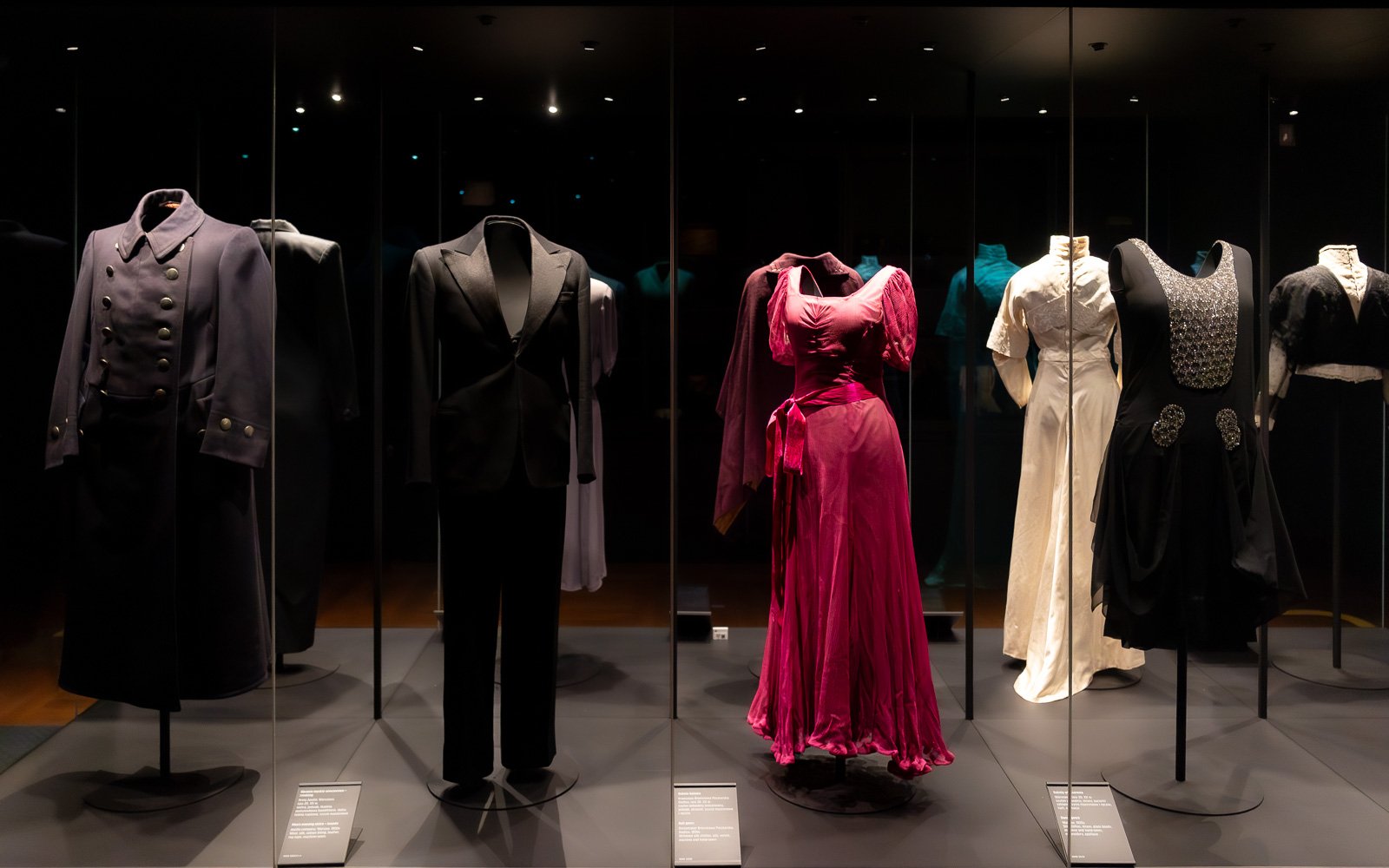
And the objects stretch before the modern era as well. One room features tons of pre-war dresses, suits and shoes that give an indication of what fashion looked like in previous centuries. A glass exhibit holds a piece of a robe excavated from the crypt of the last Mazovian dukes. In the same room, you can see the original, ornately painted ceiling that lived in the museum before the war.
The whole life of Warsaw – and in a way, Poland – stretches out across multiple tenement buildings and seven stories in this museum.
This is the identity of Warsaw, all at once.
Comments