

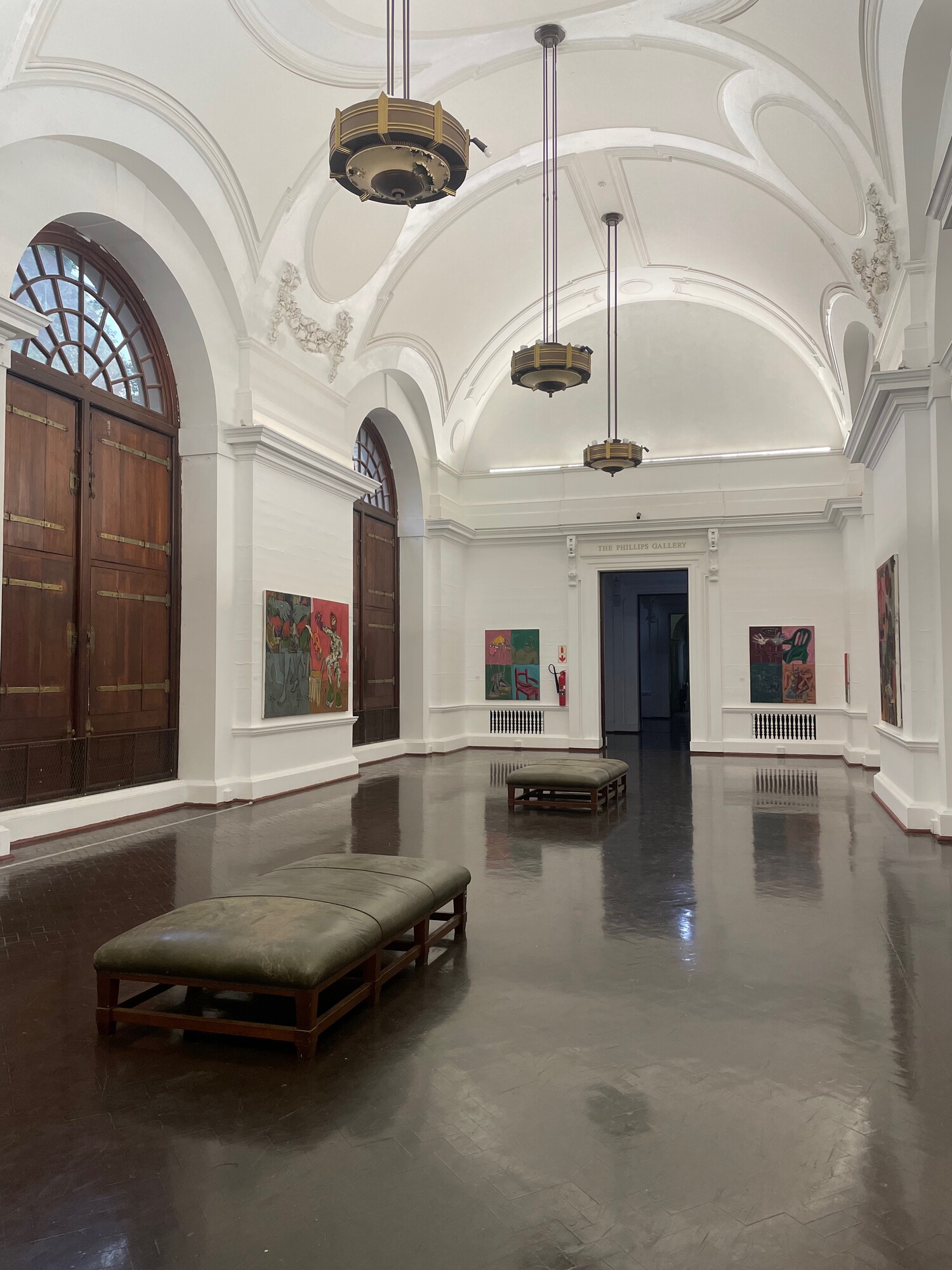
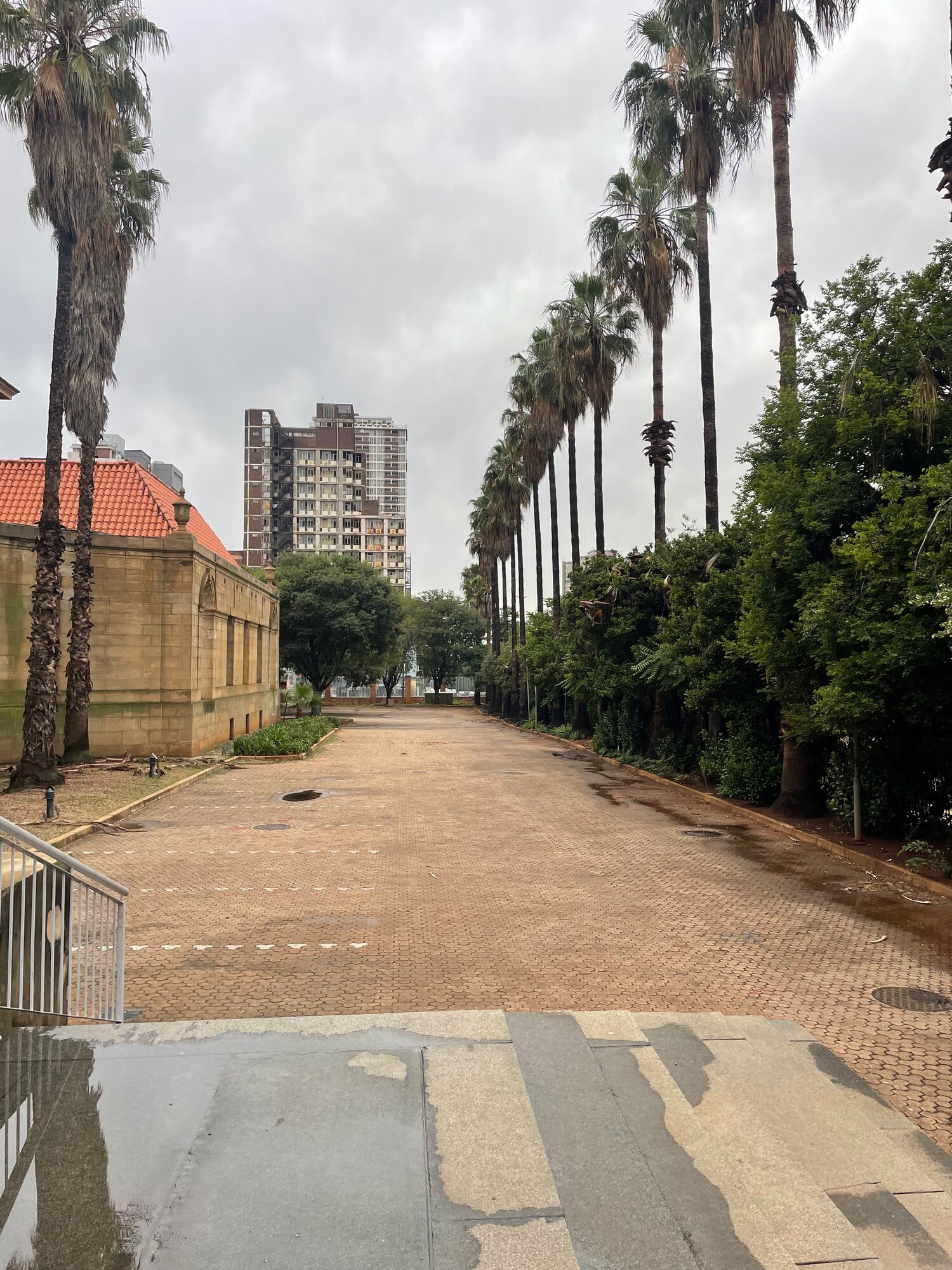
Years of deferred maintenance, stalled repair efforts, whispers of deep corruption, and institutional drift have left the building in a state of disrepair that is a monument to how those entrusted with safeguarding the inner city allowed it to erode. Now, after years of institutional neglect and what often has felt like a quiet abdication of responsibility to the very residents left to endure the decline, the same officials appear to position themselves as the heroes of its repair.
The official restoration plans announced in 2025 (in a haze of G20 bravado) were met with relief — but it felt more like the relief of exhaustion rather than confidence. In the backstory – in 2024, legal action was initiated by the Johannesburg Heritage Foundation (JHF) and the Friends of JAG (FOJ) moving the matter beyond internal concern. JAG like the the Johannesburg Public Library has become a site of civic reckoning.
For those who have worked quietly and persistently behind the scenes to secure a future for JAG, the announcement however did signal possibility, that at least on paper, JAG’s official decline could no longer be normalised.
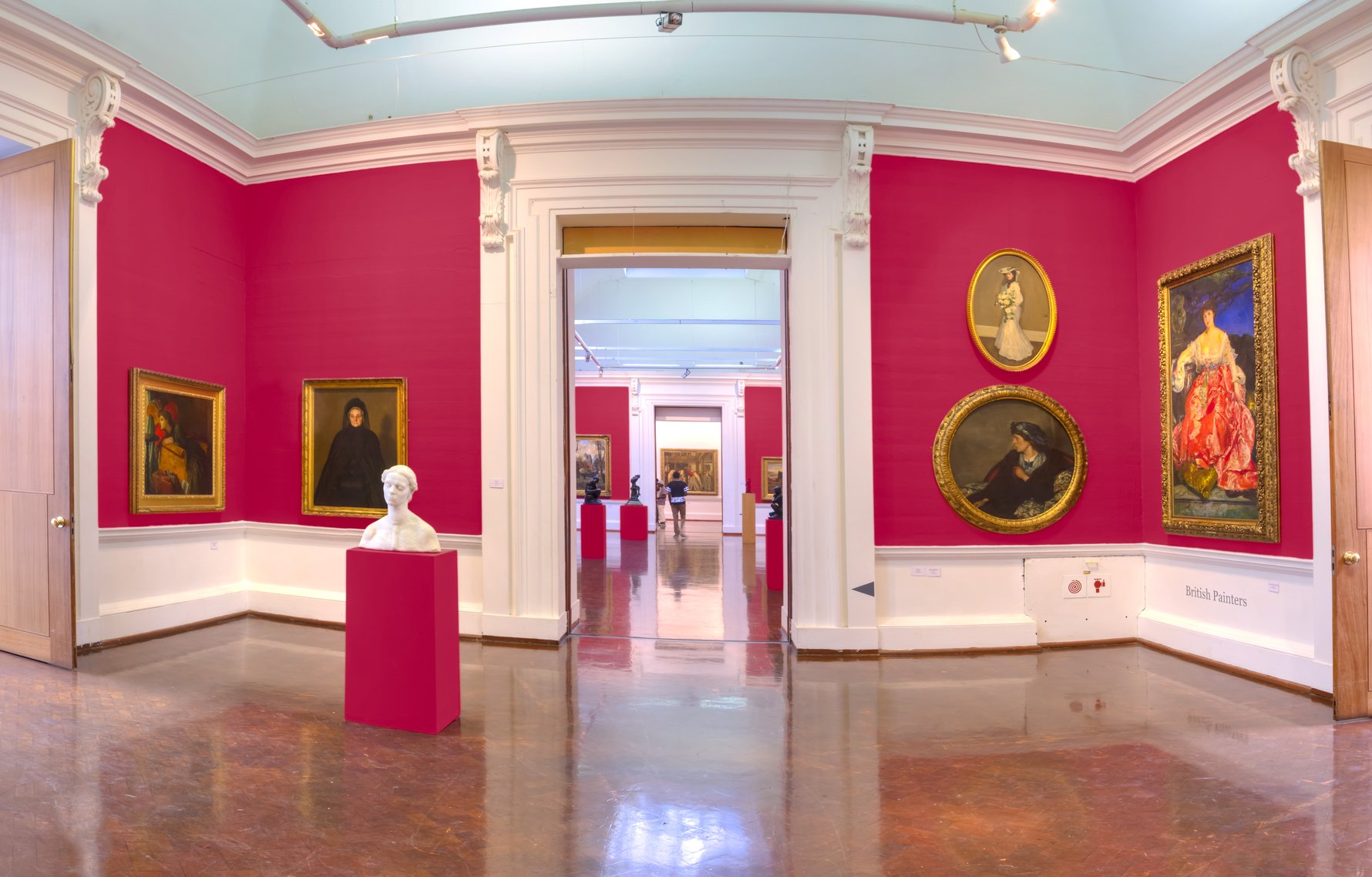
Whether that moment proves to be a genuine turning point — or simply another entry in a long ledger of stalled interventions — now depends on what follows.
Joburg has heard bold promises before. Announcements are not outcomes. And in a city where ambitious plans too often stall between press conference and implementation, the path forward remains fragile — contingent not on vision alone, but on whether this time, follow-through matches rhetoric.
What is at stake is not only the preservation of a historic building. JAG symbolises something larger: access to art, cultural investment, and the kind of city Johannesburg chooses to be. In a metropolis still negotiating the legacies of inequality, neglecting its foremost public gallery is not a neutral act — it reinforces the very divides we claim are urgent to confront.
Perhaps most telling, in our work across the city over the past 12 years, we have repeatedly heard the same refrain: “My first encounter with art was at JAG.” For many, it was a school outing — a bus ride into the city, a quiet moment standing in front of a painting that felt unexpectedly personal. For others, it was an after-school refuge while waiting for transport home, wandering the galleries in the late afternoon. Some remember being taken there by parents or grandparents, the visit carrying the quiet weight of inheritance — culture passed from one generation to the next. These are not abstract policy outcomes. They are formative experiences.
Long before art fairs, private galleries, and curated districts reshaped the cultural map of Johannesburg, JAG was where thousands first understood that art was not distant or elite — it was public, accessible, and theirs. That memory — of access, of possibility, of belonging — is perhaps the gallery’s most powerful legacy. And it is precisely what stands to be lost if restoration is treated as a construction project rather than a civic responsibility.
Projects of this scale are complex, but complexity can never be an excuse for inertia. JAG’s future will depend on sustained cooperation and accountability between the City of Johannesburg (COJ) — whose reliability as a civic partner has too often been brought into question — and the broader community of artists, patrons, funders, and citizens who understand the gallery’s value, and have a right to sit at the table to determine its future.
In our view, restoration is the baseline, the bare minimum. If JAG is to become a grounding force again — and a beacon for the future of art in Johannesburg — it will require more than repairs. It will require leadership, transparency, and like all creative acts, imagination. And, most urgently, follow-through.
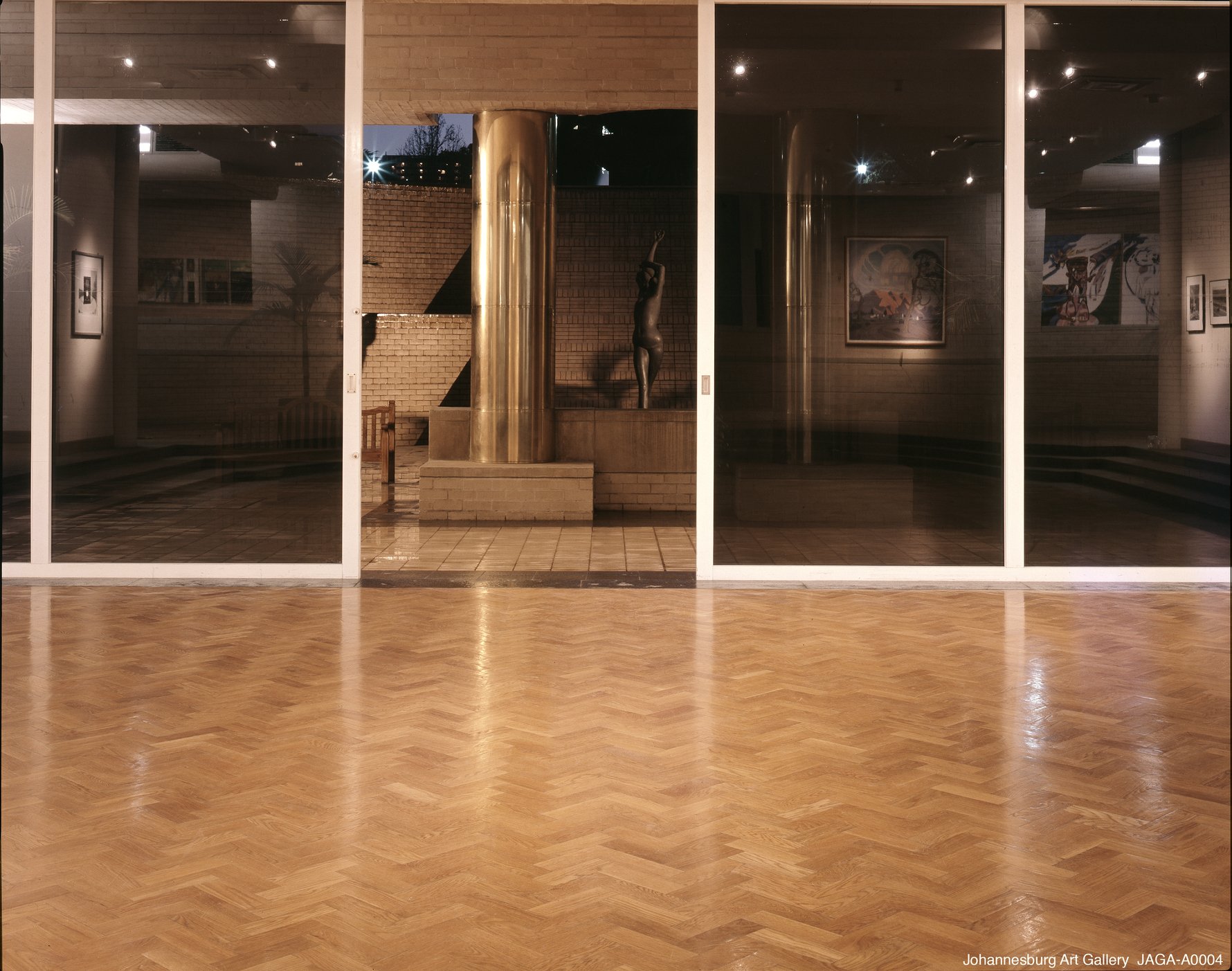
Why JAG is significant in southern Africa
Reported to house more than 9,000 artworks, the Johannesburg Art Gallery (JAG) collection — much of it unseen for years, and some of it reportedly having toured Asia while the building itself faltered — is widely regarded as the largest public art collection in sub-Saharan Africa. It spans historic African art, European works from the 14th to the 20th centuries, and a significant body of modern and contemporary South African art. Scale alone, however, does not guarantee relevance.As major galleries and commercial art spaces have migrated northwards with capital and development, JAG has remained anchored on the edge of Hillbrow, in the inner city. Its location is not incidental. It places the gallery at the fault line of Johannesburg’s ongoing debates about access, power, urban neglect, and who cultural institutions are ultimately for. Few public buildings in the city sit so squarely at the intersection of art and belonging. And yet its symbolic weight stands in stark contrast to its material reality.
Despite sustained curatorial efforts over the years to redress historical exclusions and reframe the collection, public discourse around JAG has increasingly centred not on its intellectual ambition, but on decay. Failed repair attempts. Damage to parts of the collection and archive. Falling visitor numbers. Administrative instability. The narrative has shifted from stewardship to crisis.
The city deserves more than patched ceilings and repaired facades. It deserves institutions that function. It deserves custodians who understand stewardship as a long-term obligation, not a press opportunity. It deserves transparency, competence, and follow-through. We deserve public spaces that are safe, open, and genuinely accessible — not only geographically, but psychologically. Spaces where a child, or adult, from Hillbrow, Yeoville, Soweto, or Rosebank can encounter beauty without feeling out of place.
We deserve cultural institutions that reflect the full story of Johannesburg — its fractures and its brilliance — and that actively work to expand who feels entitled to enter them.
Separate histories
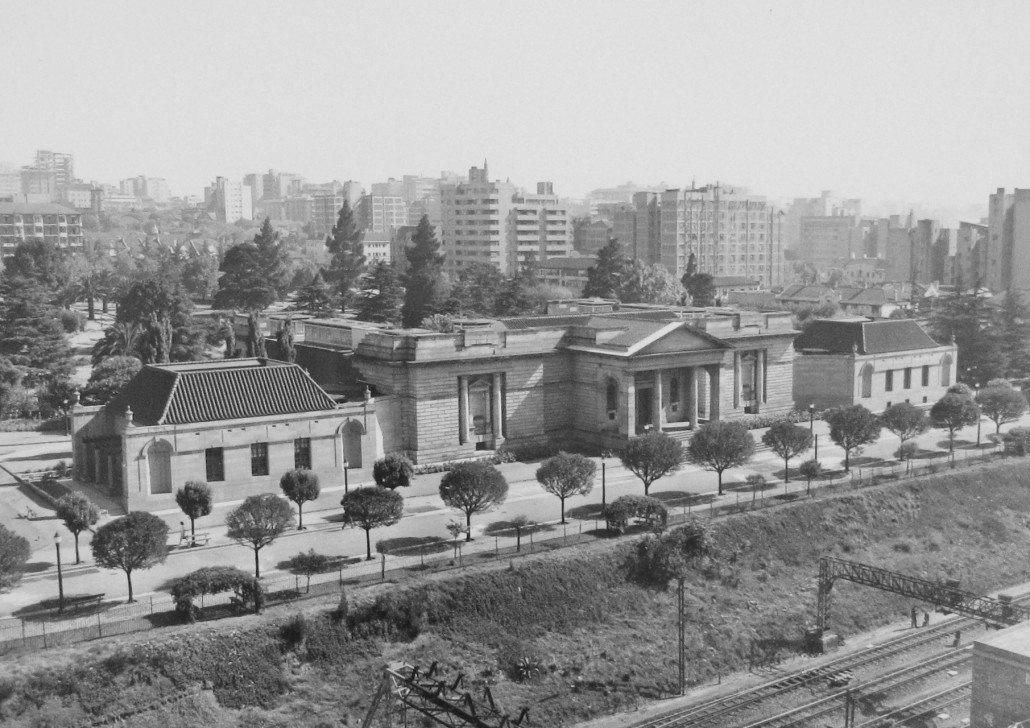
Bordering high-rise Hillbrow, the city's first high-density residential district, the Johannesburg Art Gallery and Joubert Park – the oldest and most central public park in Joburg – were originally conceived as elite leisure spaces for white South Africans. Both formed part of a broader mission to reshape Johannesburg from a mining town into a city in its own right. Art, of course, has always been entangled with the colonial project. As cultural worker Thulile Gamedza noted in her response to critiques of the 2025 FNB Art Joburg art fair, questions of race, power, and who holds the resources to shape the art world remain unresolved.
JAG’s history as Johannesburg’s premier gallery, combined with its position in Hillbrow – an area that has undergone some of the city’s most profound social shifts since Apartheid and is now largely home to black working-class residents – places it in a uniquely charged position. It sits between worlds that have long remained separate, with many seeing the gallery as holding the potential to bridge the often siloed art sphere and the lived realities of the city around it.
Like many of Johannesburg’s historic institutions, JAG is inextricably linked with the legacies of colonialism and extraction. Lady Florence Phillips, wife of mining magnate Sir Lionel Phillips, drove the creation of the gallery, and in 1915, the building designed by Sir Edwin Lutyens was completed. The structure reflected the aspirations of the newly formed Union: to embed itself within European imperial and modernist traditions. Unsurprisingly, the early collection was dominated by European works from the 18th to the 20th centuries.
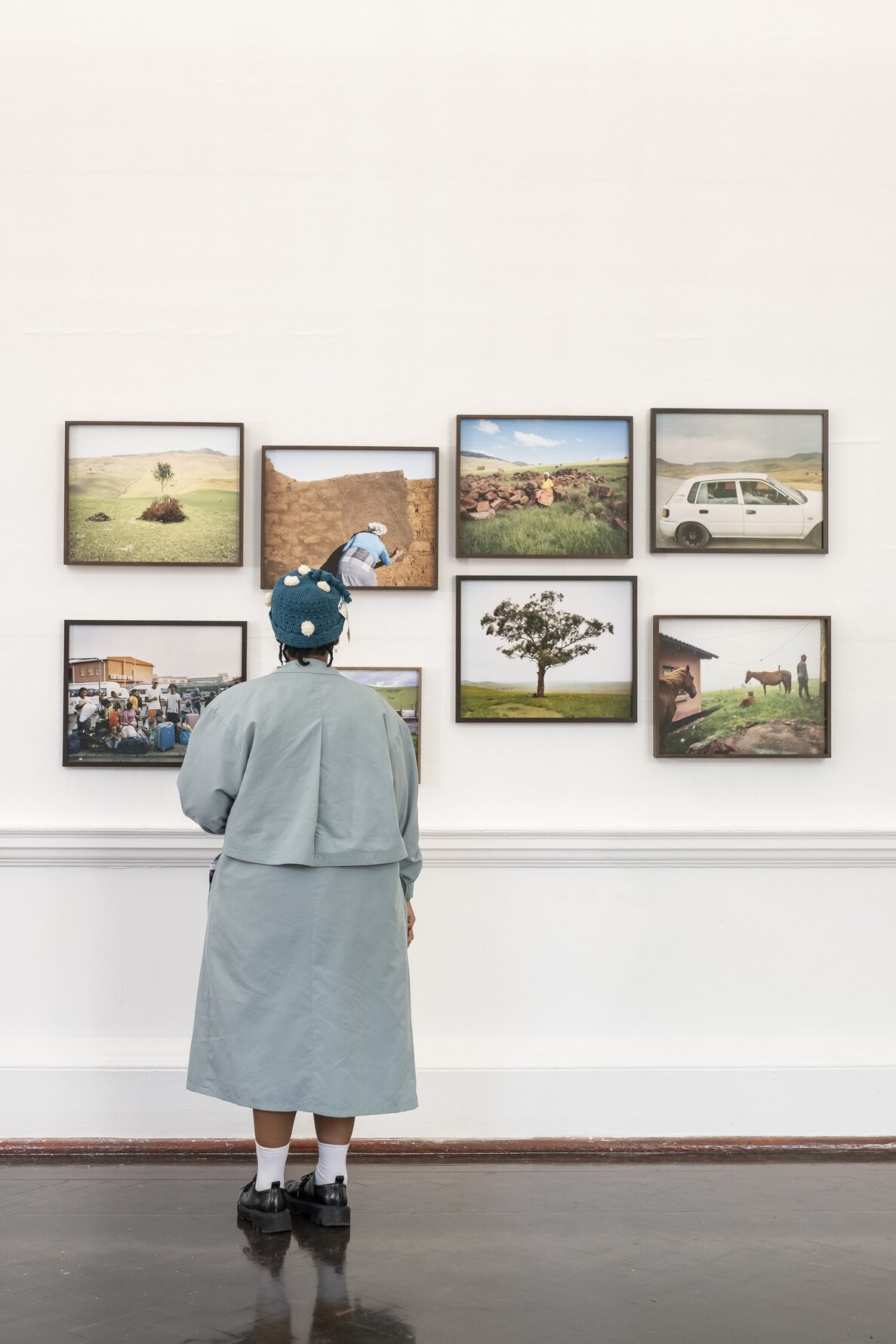
The gallery’s detachment from its immediate context was evident even in its original south-facing design. Aside from the notable acquisition of Yellow Houses by artist Gerard Sekoto in 1940, JAG largely remained a space of segregation and exclusion until the end of Apartheid.
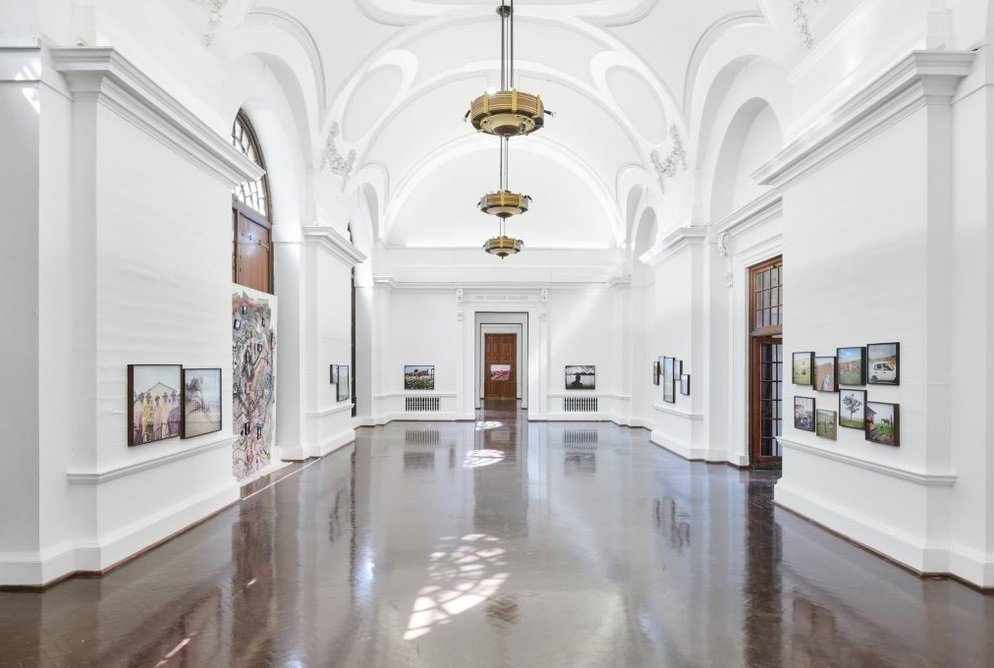
Photo: Goodman Gallery.
From then, the collection and programming shifted considerably, with conscious efforts to redress historical imbalances. Historic African works, once framed as ethnographic artefacts, were increasingly recognised as artworks deserving of the same research and curatorial care as European traditions – a transition reflected in powerful exhibitions such as Art and Ambiguity (1991). Other shows, including The Neglected Tradition (1988), which documented the history of black South African artists, and the ground-breaking Africa Remix (2007), further signalled the gallery’s departure from its earlier role as a repository for colonial imaginations.
The late 1990s and into the 2000s saw a number of landmark exhibitions and exciting cultural interventions at the gallery. During that time Clive Kellner served as Director of the Johannesburg Art Gallery (1999 to 2008). Under his tenure the strong curatorial focus and efforts to reposition the gallery within post-apartheid South Africa’s shifting cultural landscape included attempts to make the institution more globally connected and locally responsive. What the gallery lacked in budget during those years, it made up for in cultural weight — and in an openness to fresh ideas, experimentation, and collaboration. There was an energy that belied the constraints: a sense that intellectual ambition could compensate, at least partially, for financial limitation.
Of course, the period leading up to 2010 — and the years immediately after — was marked by an intense optimism about what Johannesburg might become. As the city prepared to host the 2010 FIFA World Cup, investment flowed into infrastructure, public space upgrades, transport systems, and inner-city renewal. There was a palpable sense that Johannesburg stood on the cusp of reinvention — that it could recast itself on a global stage, confident and forward-looking. The World Cup moment fuelled belief and created momentum. It suggested that coordinated political will, private capital, and civic ambition could align.
In that climate, the future felt expansive. Institutions like JAG were imagined not as relics to be stabilised, but as cultural anchors in a city on the rise.
On another note, today, Clive Kellner leads the Joburg Contemporary Art Foundation (JCAF), a privately funded initiative that has quickly positioned itself as one of the city’s most rigorous contemporary art platforms — commissioning research-driven exhibitions, supporting scholarship, and operating with a level of institutional stability that public museums in South Africa have increasingly struggled to sustain. The contrast is difficult to ignore: one institution buoyed by private funding and strategic clarity, the other still fighting for structural reliability. In Joburg the lines have long blurred between who is accountable for what in the public and private realm.
Deterioration, decay, and mismanagement
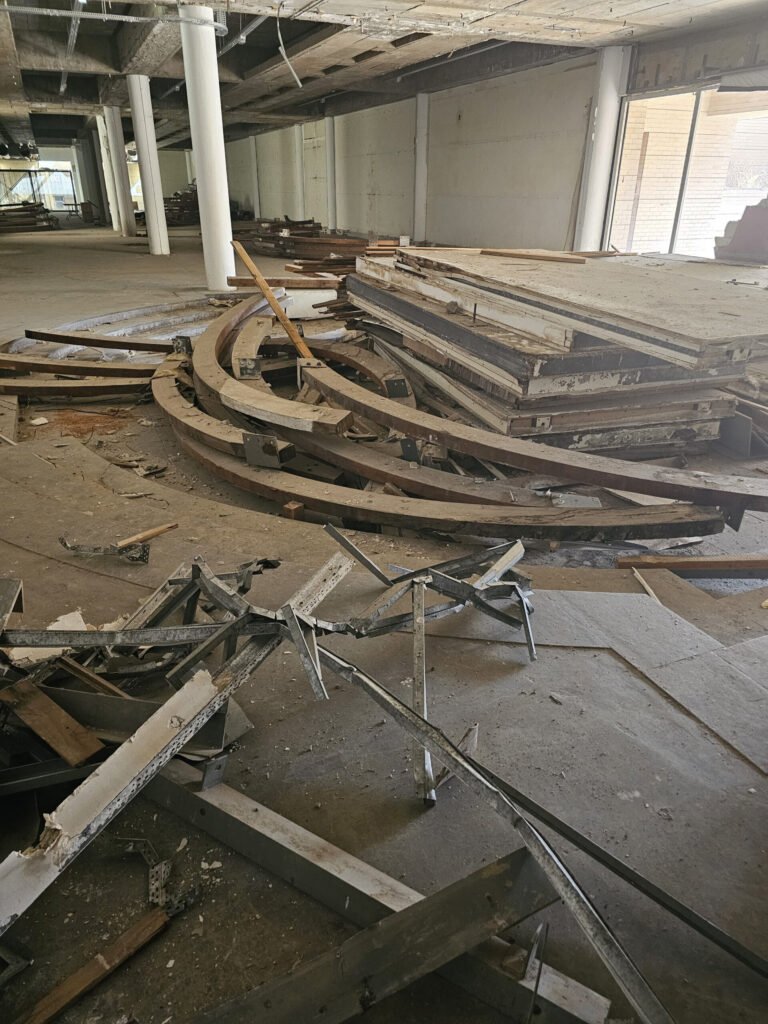
Photo: Johannesburg Heritage Foundation.
Despite all of this Johannesburg Art Gallery still inspires awe. Its opulent halls and towering pillars retain their grandeur – but the signs of deterioration are impossible to ignore: cracking walls, holes in the roof, and damaged parquet flooring.
Since the 2010s, the gallery has struggled visibly. The JHF notes that JAG receives roughly 5,000 visitors per year – a stark contrast to the 189,000 visitors recorded by Cape Town's Zeitz Museum of Contemporary Art Africa in 2023. Perceptions of the surrounding area undoubtedly play a role, with concerns about safety continuing to deter many would-be visitors. Yet the decline is also materially driven: damage to the roof and flooring has significantly reduced the amount of space that is open to the public.
Many of the gallery’s structural complications can be traced back to the Meyer Pienaar extensions of the 1980s, where the additions were poorly integrated with the original building. Over time, neglect and insufficient maintenance compounded these issues. Flooding and mould became recurring problems, forcing the gallery to close temporarily in 2017. The situation deteriorated further after a widely criticised repair job in 2021, which left large sections of the gallery inaccessible and allowed water leaks to damage parts of the collection and archive. (For detailed accounts of JAG's condition, see Ferial Haffajee's 2024 Daily Maverick article and reporting by Mariapaola McGurk and Natanya Meyer for Mail & Guardian.)
Taken together, these failures have reshaped how the institution is viewed, putting JAG's role and relevance within Johannesburg’s cultural landscape into question.
Restoration plans
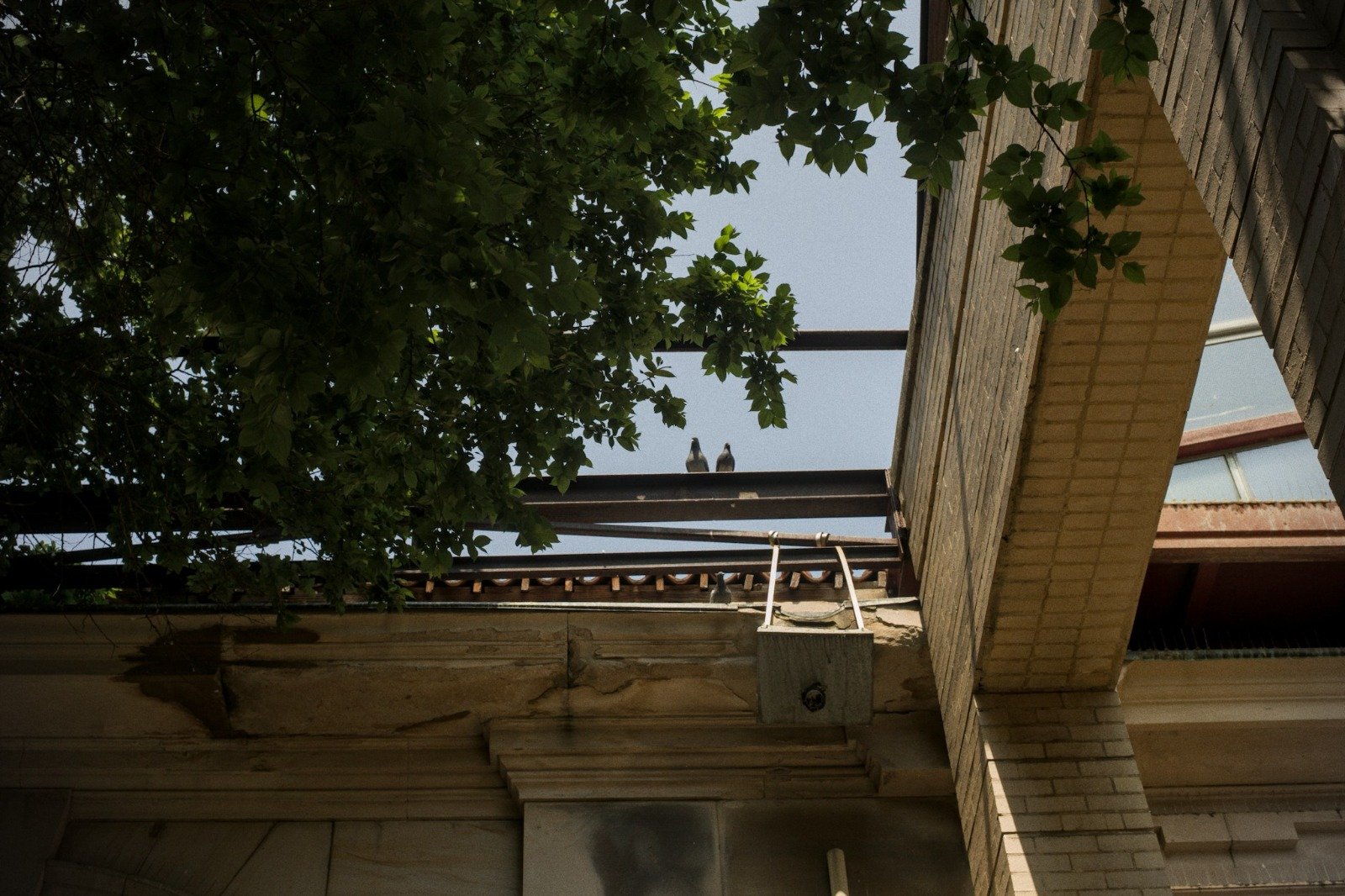
This is what the City seeks to address through its restoration programme. The process began in early 2025 under the Johannesburg Development Agency (JDA), with approvals from the Provincial Heritage Resources Authority of Gauteng in November 2025. Central to the work is repairing and waterproofing the roof of the Meyer Pienaar extensions, alongside long-overdue upgrades to the gallery’s electrical, fire safety, and water management systems. The project invites comparison with other major civic restorations such as the Johannesburg City Library – a benchmark to watch closely.
Early developments have been encouraging, notably Mayat Hart Architects and Heritage Consultants being brought on as sub-contractors to Lamela Consulting. Yet the project has not been without controversy, with art writer Heidi Sincuba's piece on the Gallery from April 2025 highlighting the lack of transparency in the initial contracting and consulting period.
Recent objections have centred on the planned relocation of JAG’s collection during construction. The JHF, FOJ, and the Democratic Alliance have all raised concerns about the feasibility of the proposed timeline and the City’s decision to use Museum Africa in Newtown as a temporary storage site.
For the JHF and FOJ – two civic bodies long involved in advocating for the gallery – the dispute has been compounded by what they describe as insufficient engagement, as requests for consultation have repeatedly gone unanswered.
In a statement from February 2026, the City has committed to ensuring Museum Africa is fit for purpose and compliant with international museum standards. Pre-relocation upgrades are said to include "state-of-the-art climate and humidity control and advanced security features". The City further justifies its use of state-owned facilities on insurance and legislative grounds, arguing that the upgrades will deliver value beyond the temporary relocation.
There's no doubt that proper storage of JAG’s collection is imperative. But while the City should steer this process, stakeholder confidence will depend increasingly on transparency and consultation. Formal approval from the South African Heritage Resources Agency (SAHRA) and JAG’s Art Gallery Committee will be critical to maintaining democratic oversight.
These tensions are emblematic of wider distrust between the public and private sectors in South Africa. Yet, if the restoration is to succeed, co-operation will be essential. Leadership in this context cannot come at the expense of rigorous debate – a point FOJ emphasise in arguing that only a genuinely multi-stakeholder partnership can secure the gallery’s long-term future.
Reimagining the Johannesburg Art Gallery
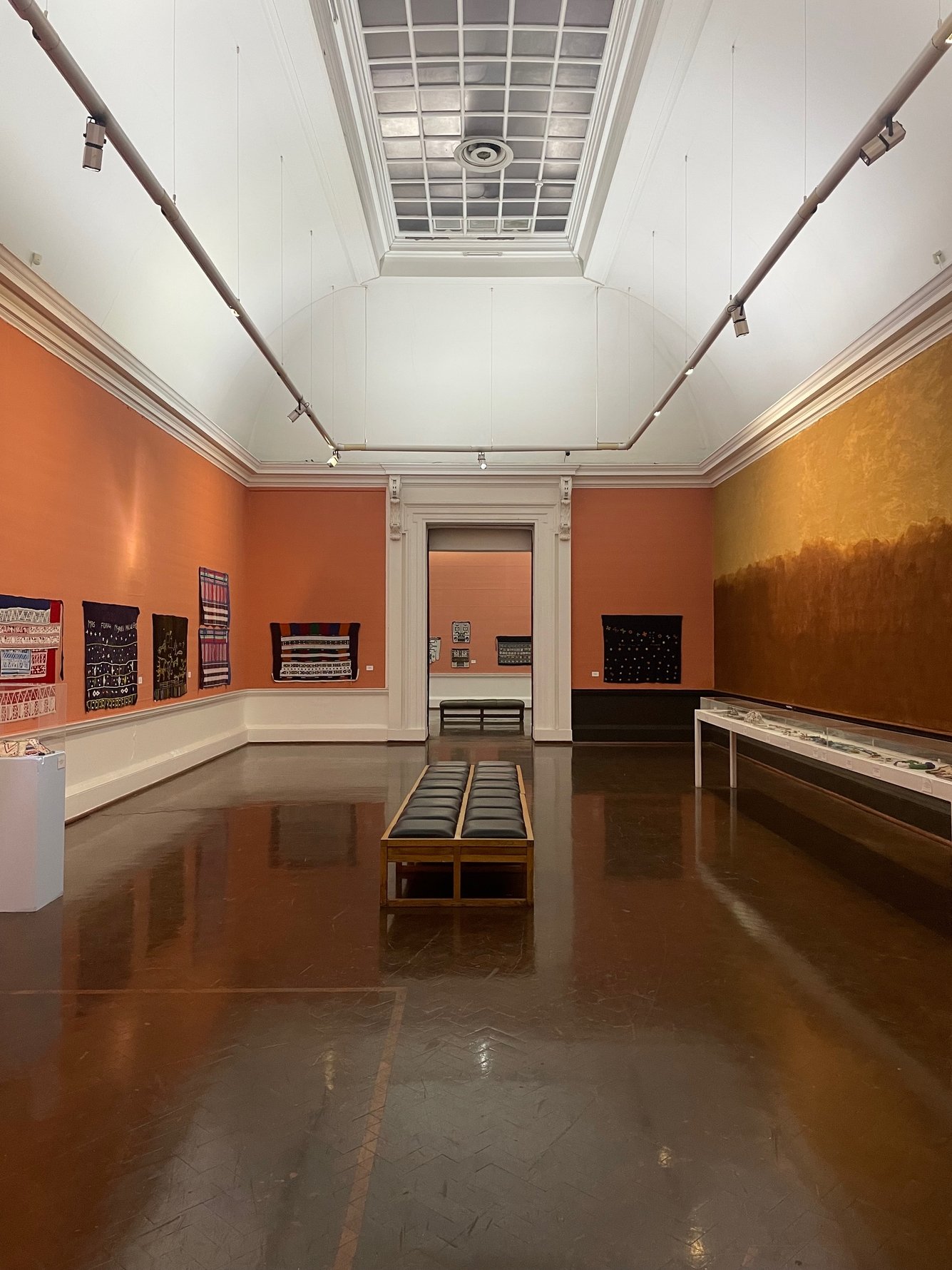
Photo: Johannesburg in Your Pocket.
For the Friends of JAG, the key is not just restoring the gallery, but answering a larger question: "What role can an art collection play in unlocking the potential of the cultural and creative industries for current and future generations of citizens of the city?"
Glimpses of this possibility can be found in JAG’s recent history, in its efforts to redress the gallery’s past, and in the work of institutions long excluded from it under Apartheid. The task of reimagining, however, is bound up in the tensions between what should be preserved and what should change. These surface clearly in Thembeka Heidi Sincuba’s article, In the Shadow of the Gallery, which looks at JAG and its potential future as a struggle for the identity of Joburg – one that could either reproduce the past or, as JAG curator Khwezi Gule says, "[construct] something that truly reflects and serves the people who’ve always been left behind”. If only that carried the insitutional weight it deserves.
An early example of this thinking was the Joubert Park Public Art Project of the early 2000s, which attempted to bridge the disconnect between JAG and its immediate surroundings. The initiative sought to "turn the gallery inside out", using performances, workshops, and exhibitions that extended into the park and actively engaged the surrounding community. While short lived, it pointed towards the sort of approach needed to position JAG not as a static repository of the past, but as an active force in the making of art and history.
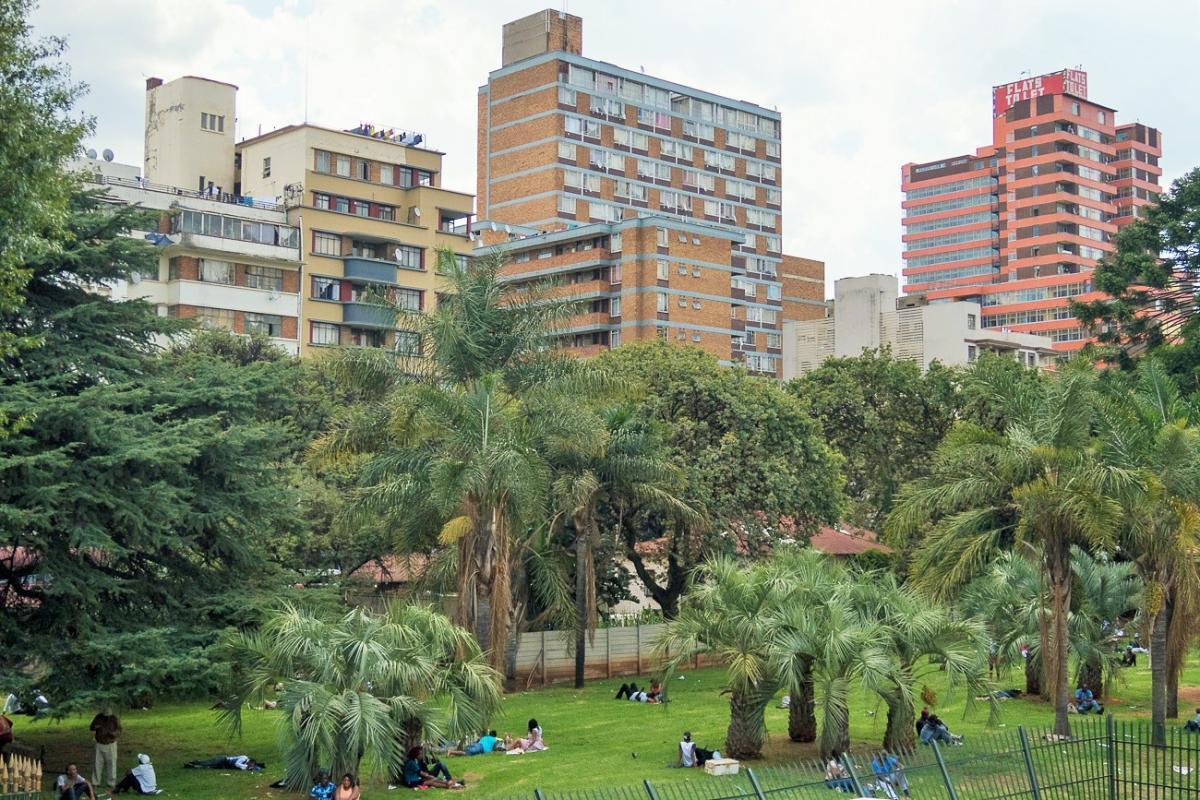
Institutions such as the Federated Union of Black Artists (FUBA), the Thupelo Art Workshops, Mofolo Art Centre, and the Johannesburg Art Foundation offer alternative visions of the role of art outside the gallery. Central to these initiatives was an understanding of art as social infrastructure – something that connects communities, nurtures artists, and embeds creative practice within everyday life.
Those involved in JAG’s restoration are aware of these possibilities. In One Hundred Years of Collecting: The Johannesburg Art Gallery, released to mark the centenary of the Johannesburg Art Collection, contributors reflect on the institution’s past while envisioning a future that moves beyond the constraints of its colonial architecture and history. They picture JAG’s role shifting from a custodial space to an active participant in civic life. The argument is compelling: in present-day Johannesburg, the city’s primary gallery should not be a storehouse of relics, but a steward of vital, evolving heritage.
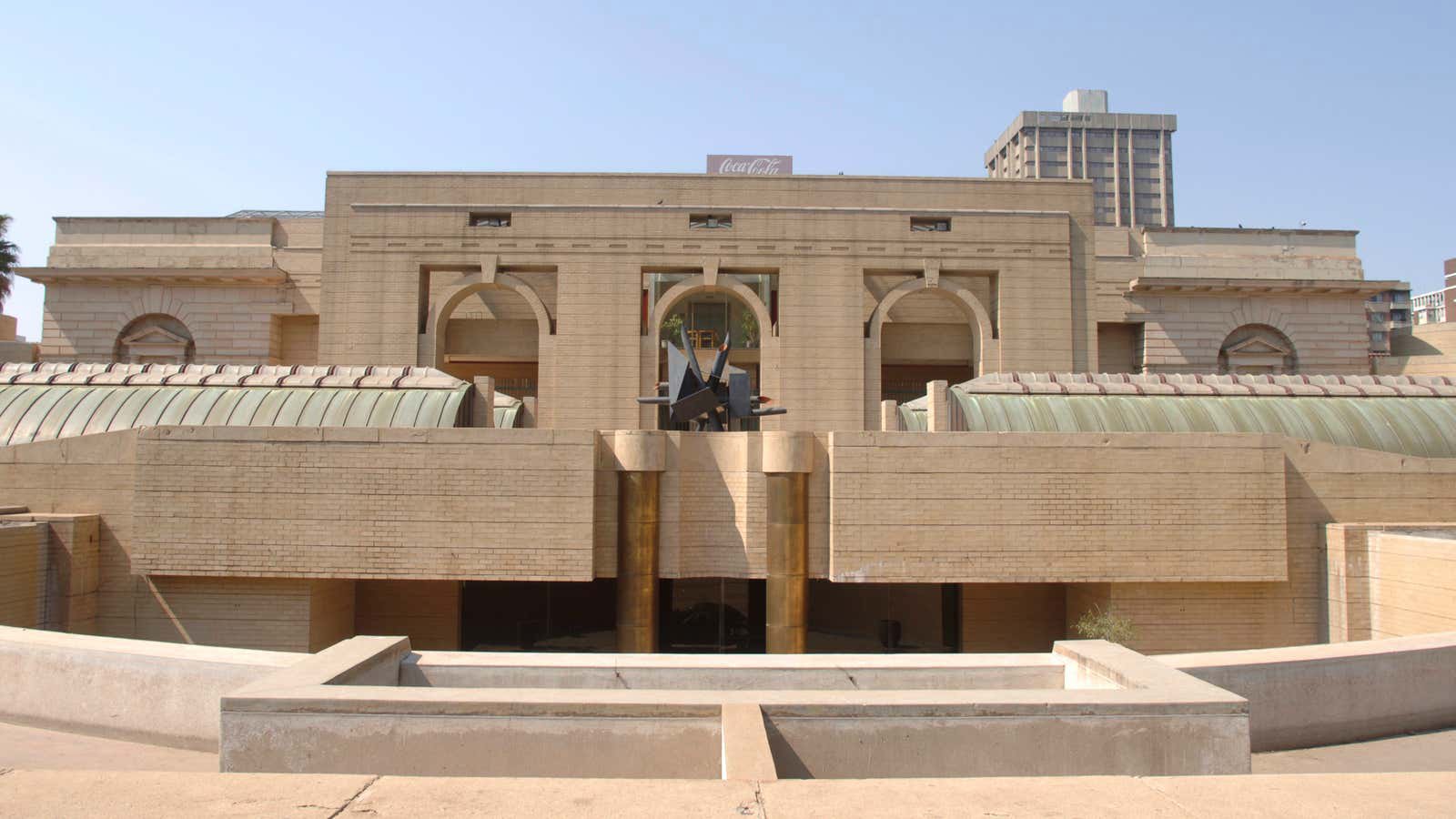
The restoration of the Johannesburg Art Gallery is essential, and it is encouraging to see the process finally under way. But restoration is only the baseline. JAG’s history demands something deeper: a reckoning with what the gallery is for — and for whom it exists.
The debates and tensions surrounding the current process are not distractions; they are the work. They surface the unresolved questions about access, ownership, power, and representation that have shadowed the institution since its founding. Avoiding those conversations in the name of expediency would only entrench the very divides the gallery now has an opportunity to confront.
If the City can hold that space open — not defensively, but with genuine accountability — and if all stakeholders can move toward a shared, future-facing vision, JAG could yet become a public institution that not only faces the city honestly, but actively serves the communities it was once designed to exclude.
That would be restoration in its fullest sense not simply of a building, but of purpose.


Comments