

Grounded in reality
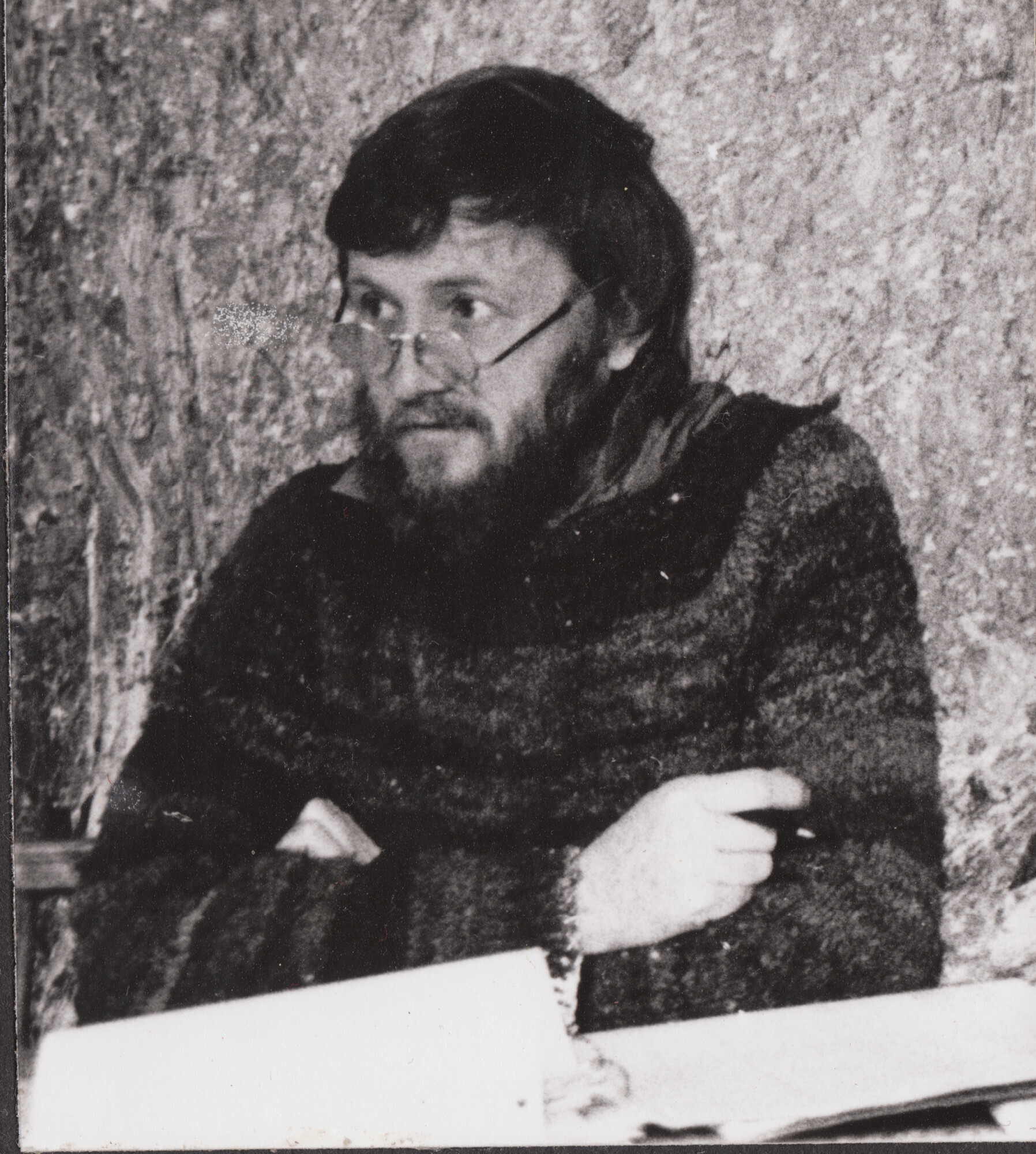
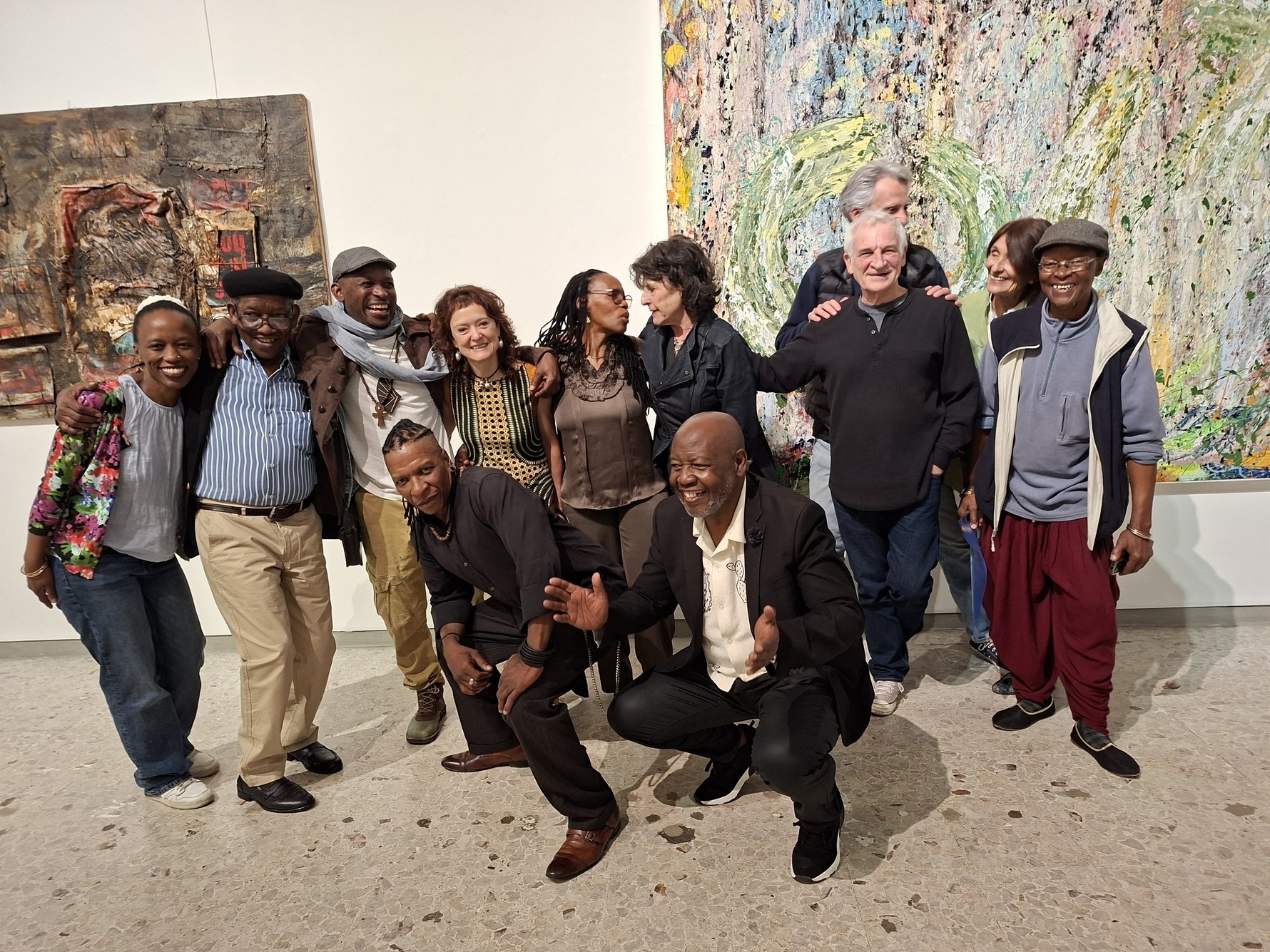
It was in the 1960s that Bill Ainslie's career as an artist in Johannesburg begun. His early exhibitions consisted of figurative pieces showing everyday situations and people in South Africa, and it was in this period that he met fellow artist Dumile Feni. Feni introduced him to circles which included artists, writers, activists and members of the anti-apartheid movement.While on the surface it might be easy to dismiss the vivid brush strokes and experimentations of Ainslie and his peers at the Johannesburg Art Foundation (JAF) as frivolous and indulgent, the true nature of these works is a community that saw the possibilities of freedom, of a new world, and a new country: one in which everyone had the right to express themselves as they saw fit.
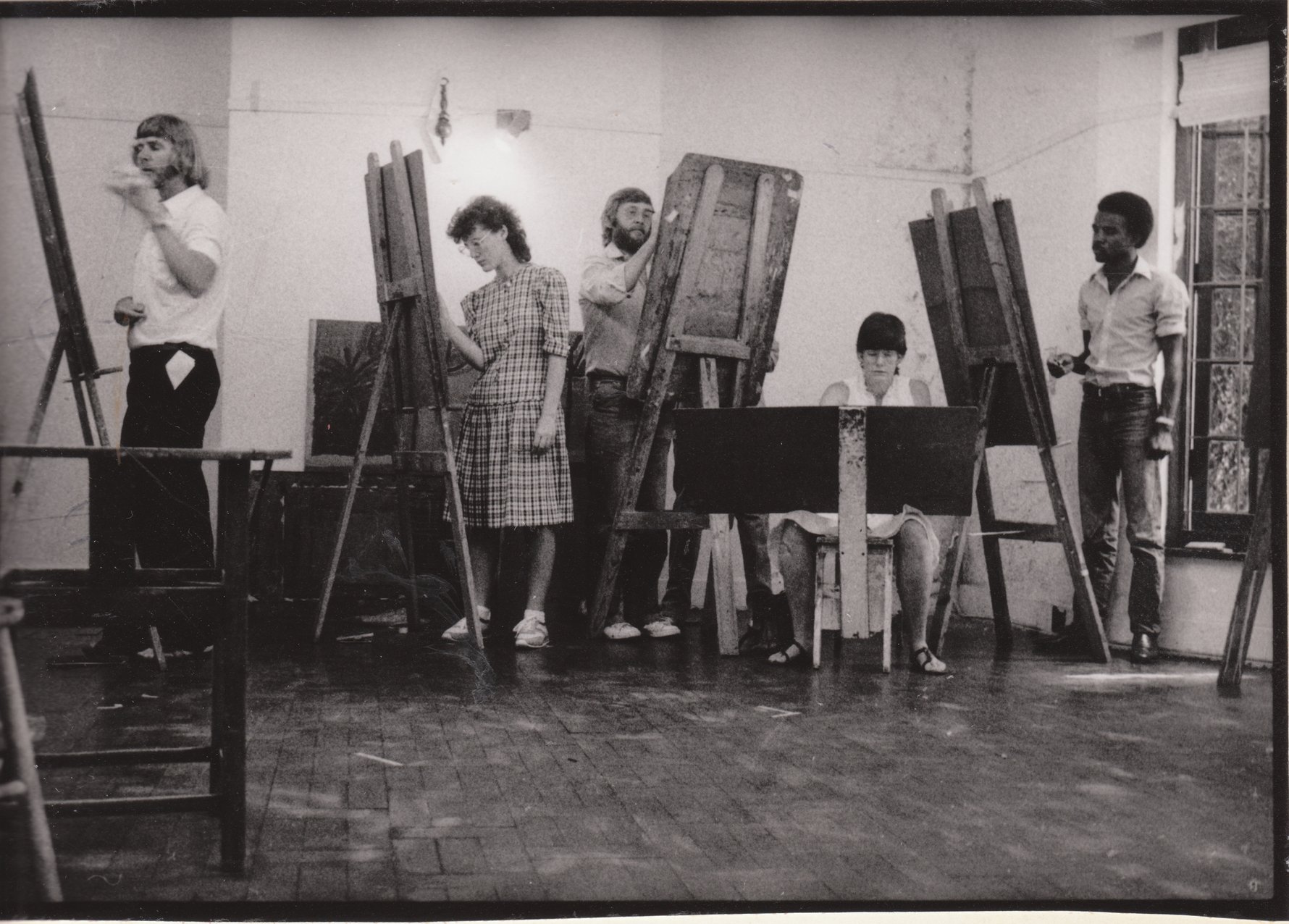
After teaching at high-school level and then through his home studio, Ainslie and his wife Fieke founded the JAF in 1977. It thrived up until 1992 and its focus on anti-racism, participatory workshops, and art as a way to bring about personal and social transformation made it a space of creativity, experimentation, and freedom in an otherwise oppressive society.
Outside of the foundation, Ainslie played an instrumental role in setting up the Federated Union of Black Artists (FUBA) and the Thupelo Workshops alongside artists David Koloane and Kagiso Patrick Mautloa. At the opening of Intersections, Mautloa, who curated the exhibition with Wilhelm van Rensburg, senior art specialist at Strauss & Co, spoke of Ainslie's method of teaching, saying, "Bill Ainslie didn't say 'sit down, go and do this', he would give you the space to do things and let things happen. And from there, you would take the baton and run with it."
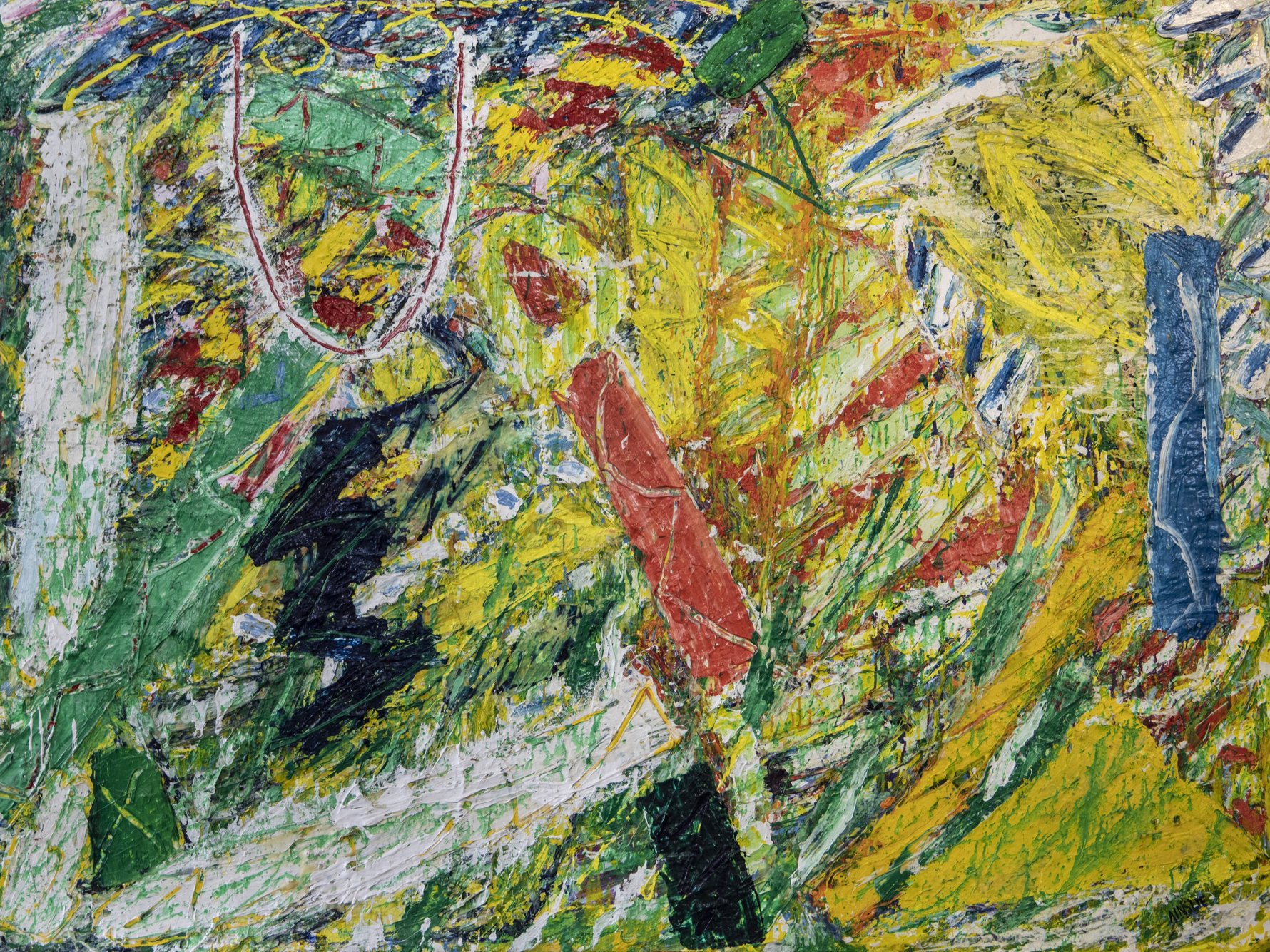
It was during the period of the foundation that Ainslie shifted towards abstraction. This decision was informed by his belief that "everybody freely chooses to discover for themselves what they really most need in their lives, and in this they encourage others to do the same".
In his 2019 article looking at the legacy of Ainslie, writer Michael Gardiner tells a story of how poet Mongane Wally Serote had frequent debates with Ainslie about the validity of abstraction as opposed to protest and social art, dismissing abstraction as not being socially relevant or grounded in the struggles of the people. Gardiner writes that after a stay at the Ainslie's house, where Serote was surrounded by large and small abstract works alike, he came to realise "the force and validity of abstract art in its poetic interplay with shifting multidimensionality and how basic to a liberated mind and heart such awareness is".
And while the foundation is no more, other spaces emerged from it, most notably Bag Factory Artists' Studios, and the growing number of artist studios in Johannesburg ensure that its visions lives on.
Ripples of information
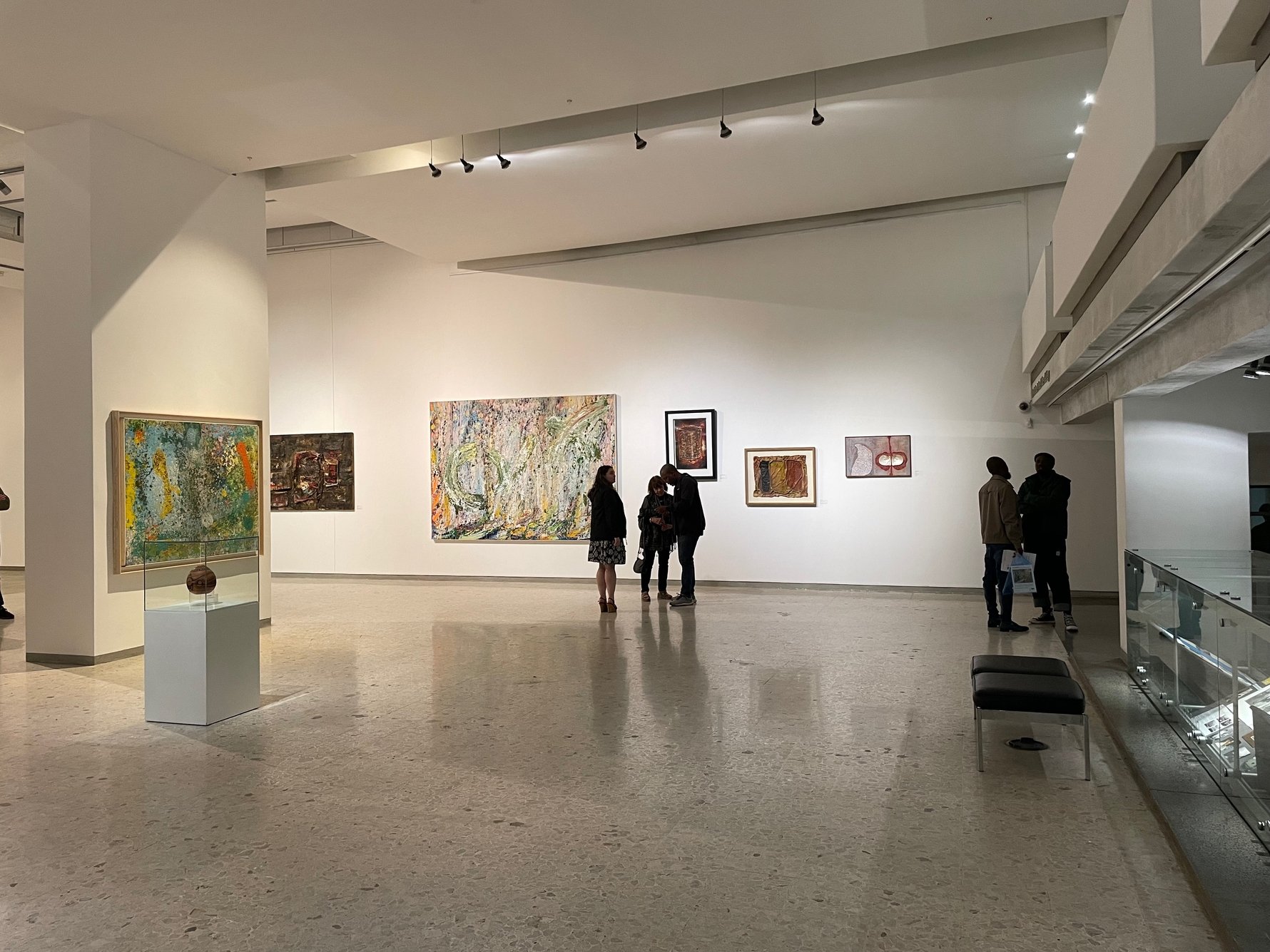
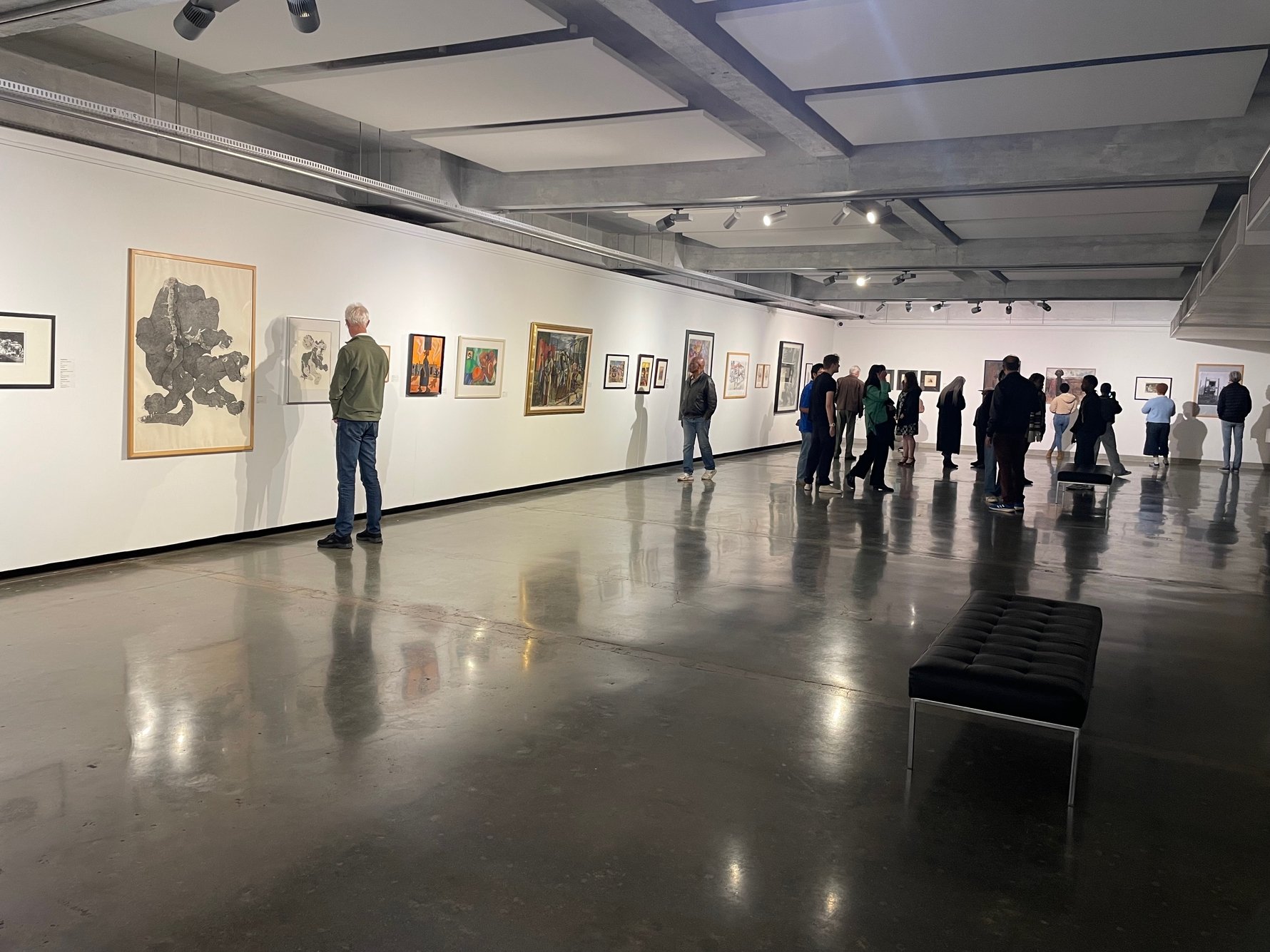
Intersections has been long in the making, in part prompted by Gardiner's 2019 article, and it brings together an incredible array of works by Ainslie, as well as JAF affiliates such as Dumile Feni, Helen Sebedi, David Koloane, Lynda Ballen, and William Kentridge.
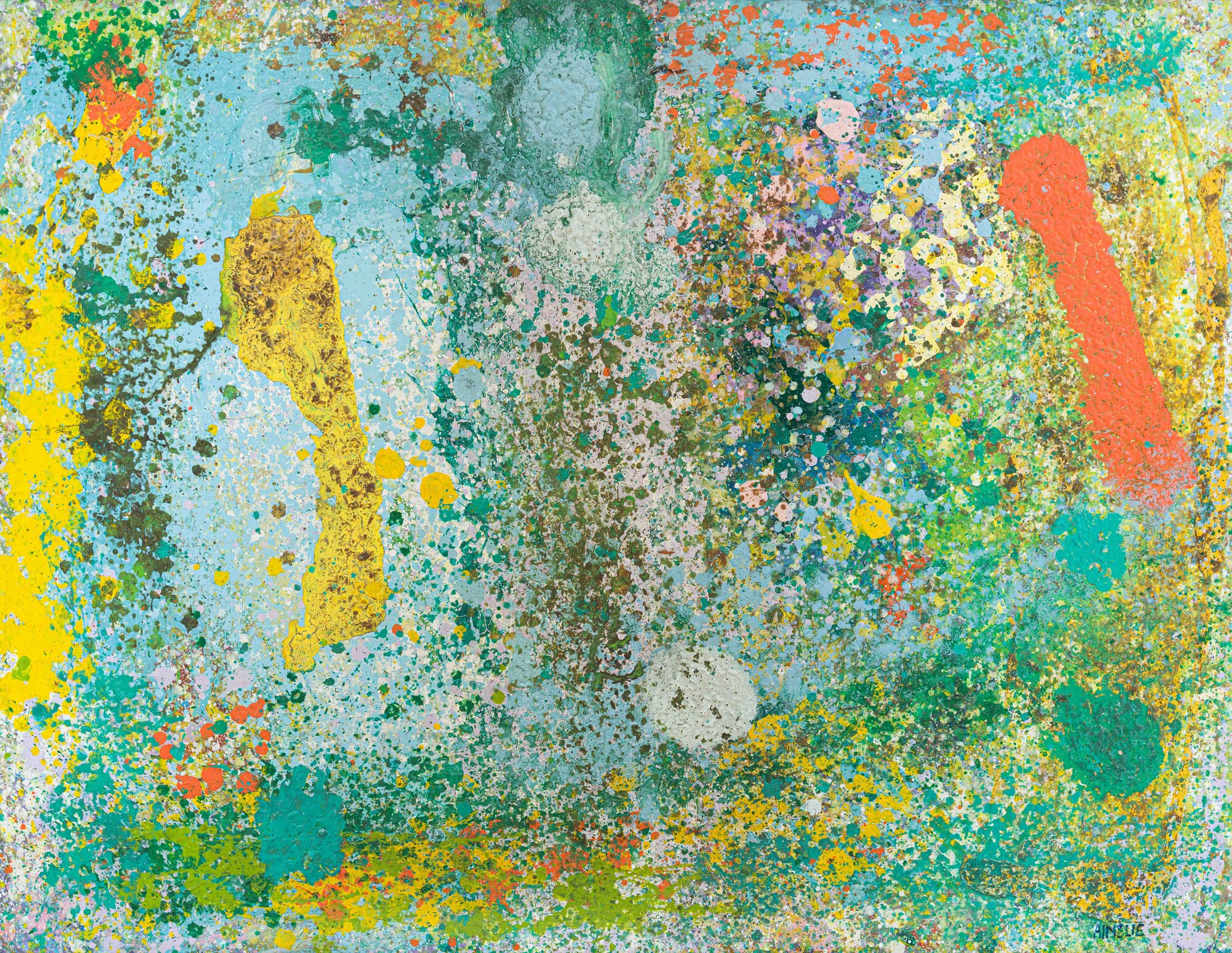
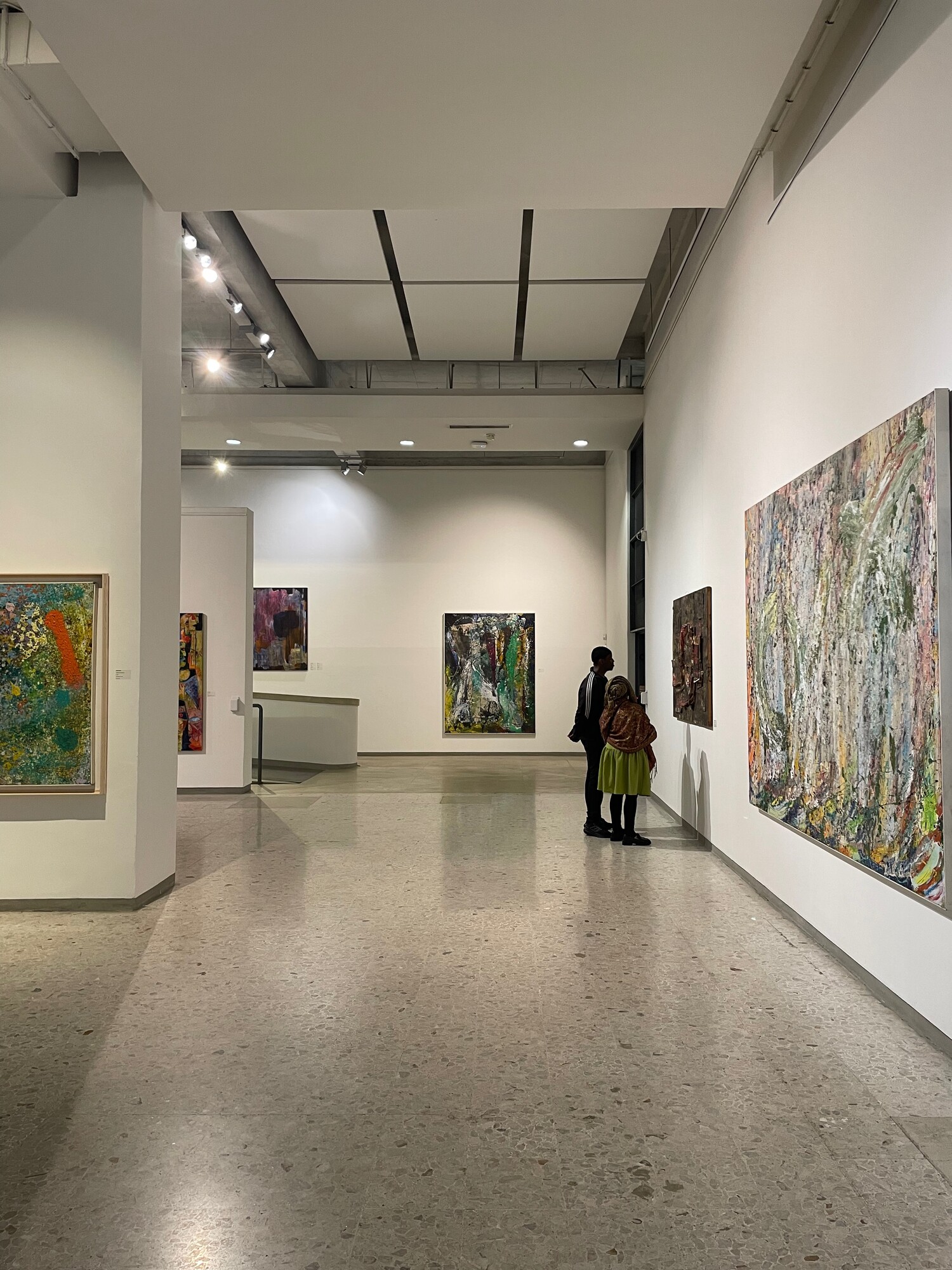
The bottom floor of the exhibition at WAM highlights the far-reaching impact that Ainslie had, both through the foundation and in the evolution of his work from more figurative paintings to the grand abstractions that he has become known for. It brings together works from private and public collections, many of which visitors would otherwise not have an opportunity to see. As you move through the exhibition, the interplays of texture and light create a varied and emotional experience, and it is best enjoyed when you have time to soak in the feelings and images that emerge from the strokes, layers, and swirls of colour.
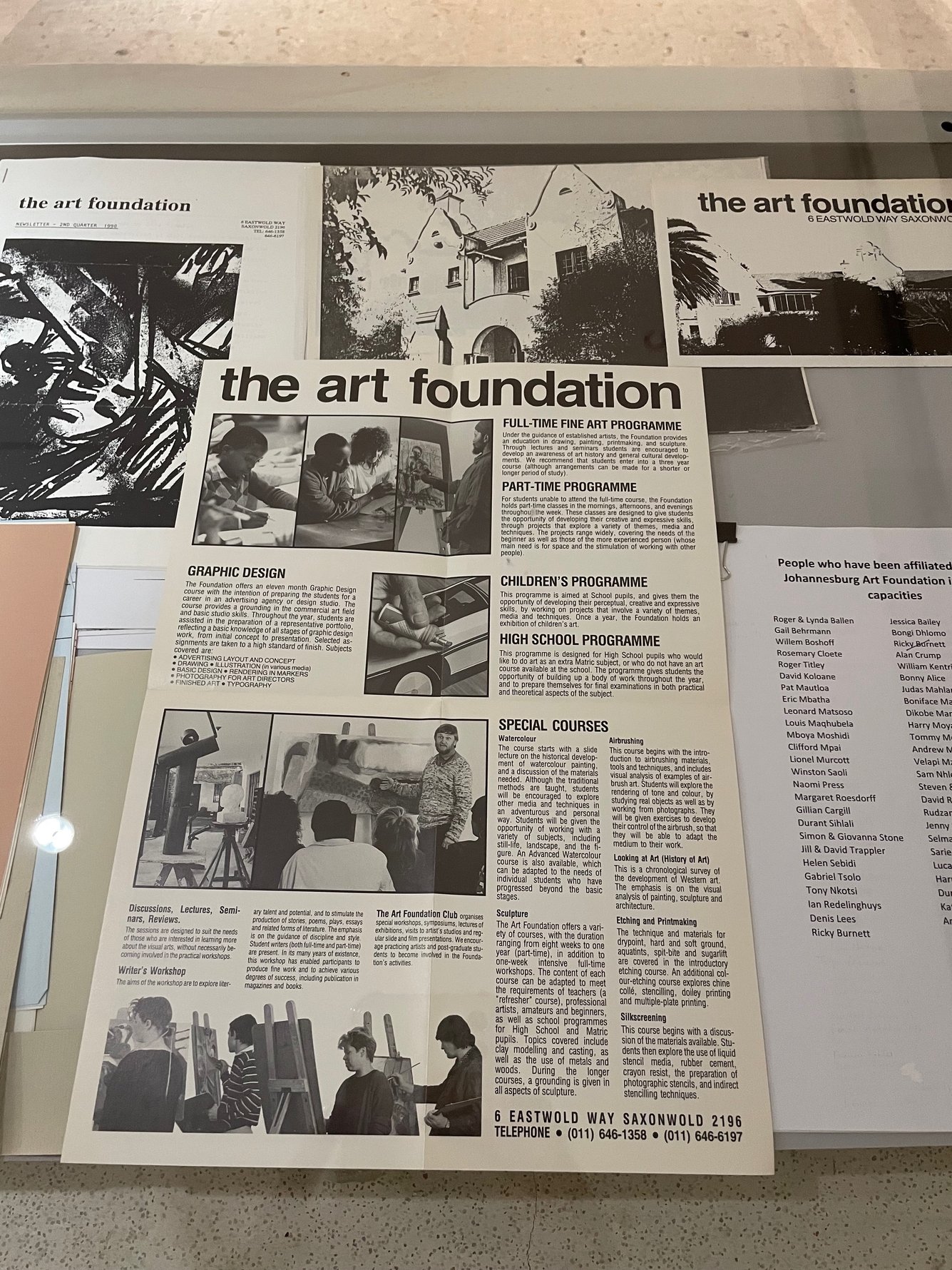
On the upper floor, archival materials collected by Mautloa and Gardiner, which Mautloa dubs "ripples of information", trace the impact of the JAF and the responses to it, with works by Ainslie's contemporaries showing the ripples that he left behind in Johannesburg and South Africa.
The exhibition is as bold and exciting as Ainslie's works, and shows the myriad voices that found a space to express themselves at the foundation. In doing so, it becomes more than a showcase; it becomes part social history and a statement about the importance of artists, studios, and spaces that give people the freedom to express themselves.
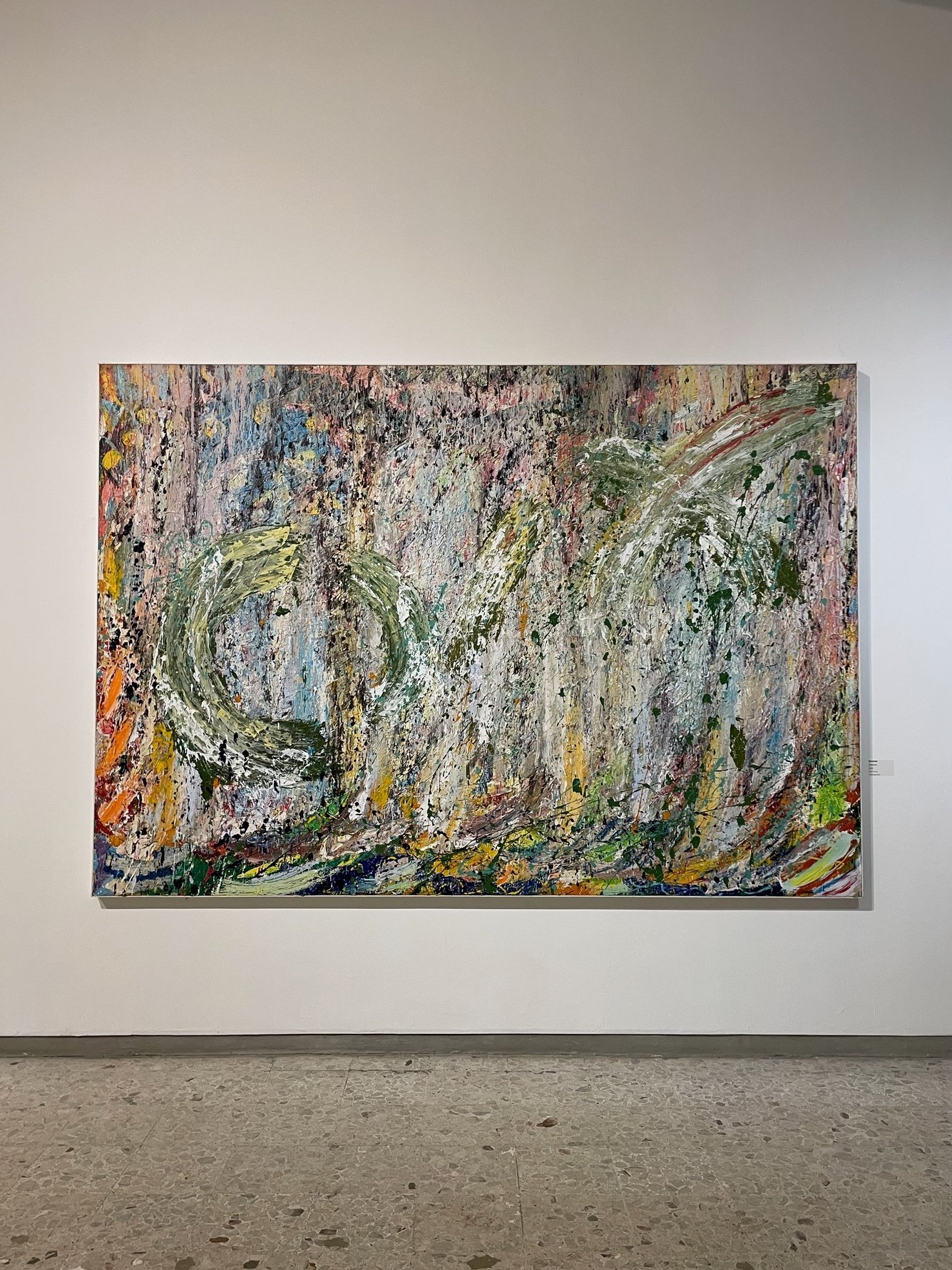
As we stepped out of the exhibition and onto Jorissen Street in Braamfontein, contrasting emotions crashed around us. From the dense and urgent Carousel to the swirls of paint in Tsitsikamma, thick and as evocative as the landscape it takes its name from, there is an impossibility of colour to Ainslie's works. In being able to see such a large number of his works together, the difference in the qualities of the paintings, and the thoughts and feelings they provoke, becomes even more apparent. And it is this, combined with the range of mediums and styles that other affiliates worked in, that gives the exhibition a sense of endless possibility.
The mystery of art
The Russian revolutionary Vladimir Lenin said that "art is for the people". In The Noise of Time, Julian Barnes' fictional memoir of Dmitri Shostakovich, the Russian composer grapples with this phrase and the tensions of creating art that is authentic to himself while avoiding the repressions of Stalinism.
He never does reconcile the two, and the question of what art is for remains a mystery. Ainslie, in creating a space free from the dictums of government or society, allowed people to explore this mystery for themselves. To find their own innate creativity and voice, to find out for themselves why they are compelled to make it, and what purpose it might have.
The extent and nature of art is a mystery, and to limit it as being any one thing is to curb the radical freedom that art promises. The exhibition comes at a time when freedom of expression is once again increasingly under threat with rising fascism and social conservatism globally.
The decision by the Minister of Sports, Arts and Culture, Gayton McKenzie to pull Gabrielle Goliath's series Elegy from the 2026 Venice Biennale due to it addressing the genocide in Gaza shows that even in South Africa, where the right to freedom of expression is enshrined in our constitution, the freedoms we have are fragile and that the work of the JAF is incomplete and always will be. We need to defend our right to expression, to art, and that this has to go beyond art itself and to touch a greater humanity and the society around us, as Ainslie did.
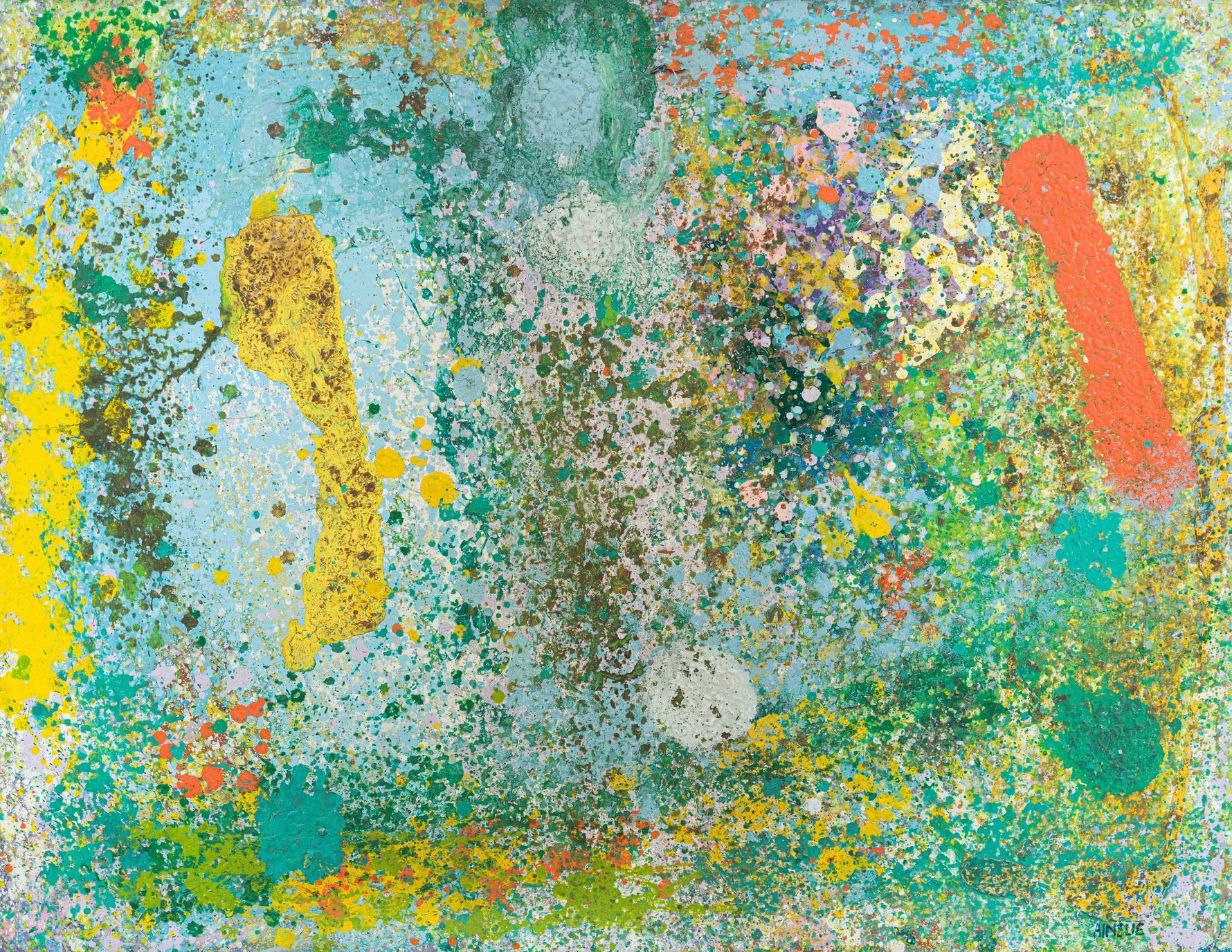
Intersections: Bill Ainslie and the Johannesburg Art Foundation runs until Fri, Mar 20, 2026 at Wits Art Museum. The exhibition presents a new and vital portrait of Ainslie and the foundation, and is a wonderful starting point for those unfamiliar with his work, while providing new explorations for those already familiar with Ainslie and the JAF.
And for those who want to dive deeper in to the works of Ainslie and the Johannesburg Art Foundation, Sophia Ainslie, daughter of Bill Ainslie, launched the book Bill Ainslie: South African Artist and Cultural Catalyst alongside the exhibition.


Comments