Poland’s cities tend to steal the spotlight, but beyond the urban buzz lies a surprisingly wild country shaped by primeval forests, shifting coastal dunes, alpine ridgelines and vast river wetlands.
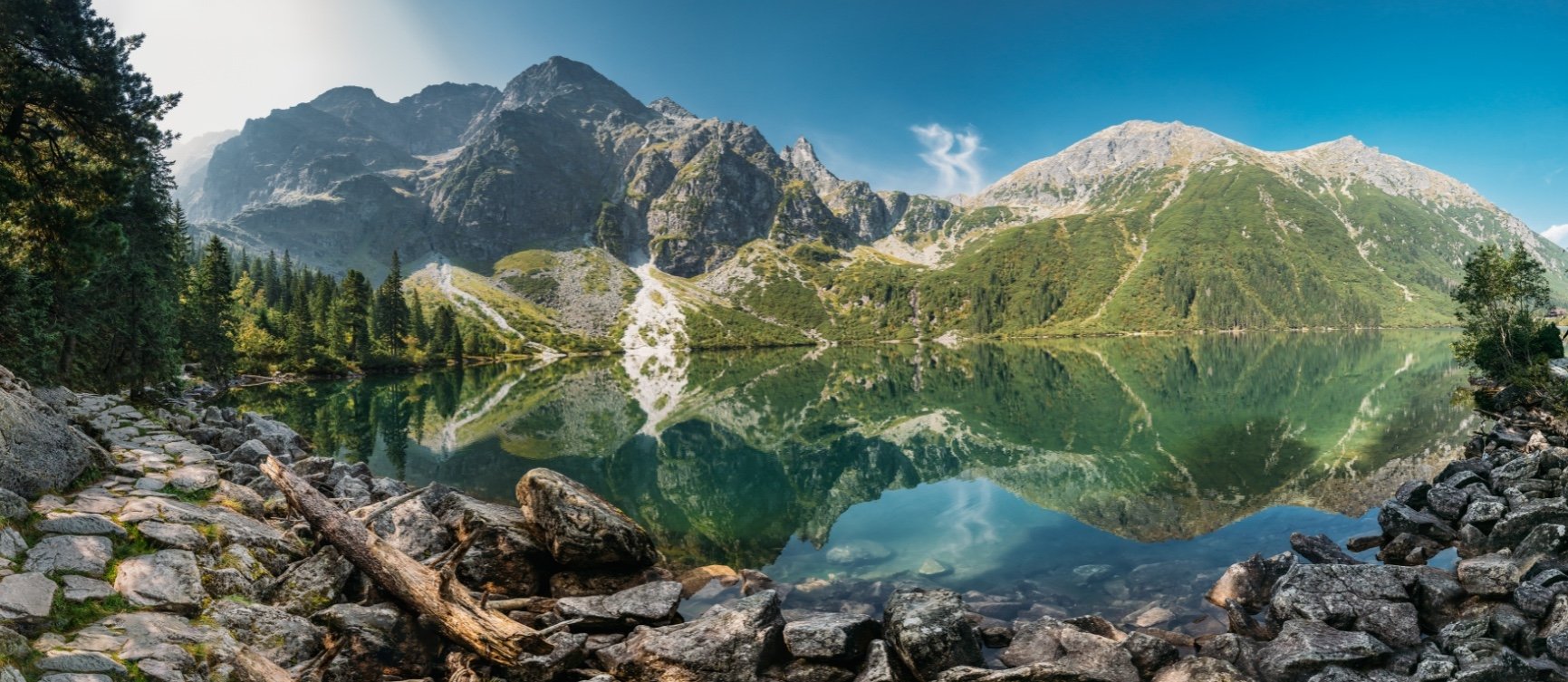
The stunning Morskie Oko in Southern Poland's Tatra National Park. Photo by Grisha Bruev.
In total, Polish National Parks protect 23 areas of exceptional natural value, many of them within easy reach of major population centres and perfectly suited to day trips or weekend escapes. From the elk-filled woods of Kampinos National Park on Warsaw’s doorstep to the high peaks of Tatra National Park and the remote połoniny of Bieszczady National Park, these landscapes reveal a quieter, wilder side of the country that most visitors never see. Whether you’re after serious hiking, rare wildlife, birdwatching or simply fresh air and open space, these eight national parks make an excellent place to start.
Just 20km northwest of Warsaw, Kampinos National Park is one of Europe’s rare national parks bordering a capital city. Its unusual mix of forest, wetlands and inland sand dunes supports elk, beavers and lynx, while historical traces of wartime resistance remain scattered throughout the woods. With hundreds of kilometres of marked cycling and walking trails, it’s the easiest way to swap city noise for birdsong without leaving the metropolitan orbit.
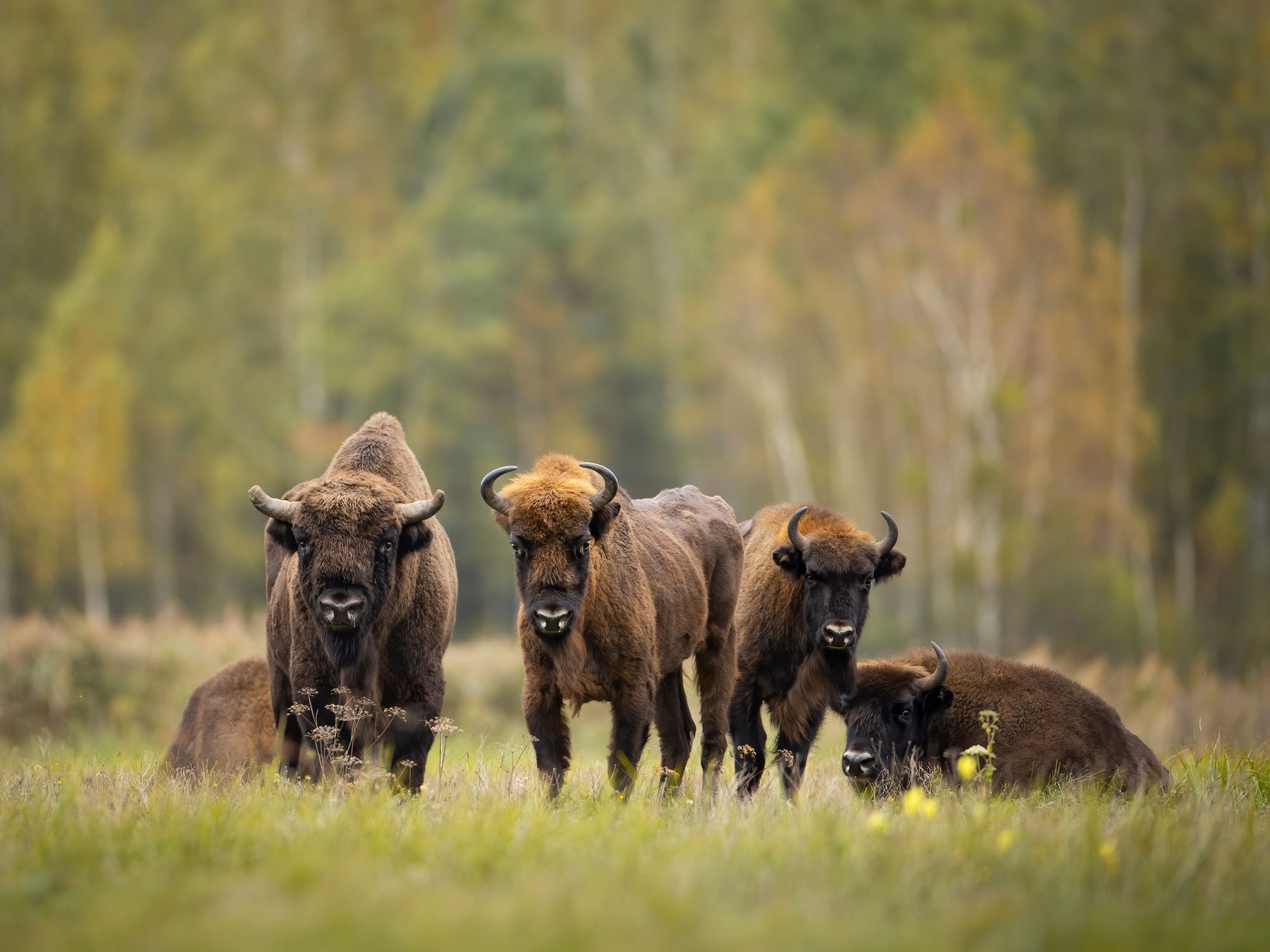
Around 90km southeast of Białystok, Białowieża National Park protects Europe’s last remaining primeval lowland forest and is a UNESCO World Heritage Site. Towering centuries-old oaks shelter the continent’s largest population of European bison, alongside wolves, lynx and rare birdlife. Much of the strictly protected forest can only be entered with a guide, making visits here feel more like expeditions than walks.
Białowieża National Park | Home to Europe's largest population of European Bison. Photo by Grzegorz.
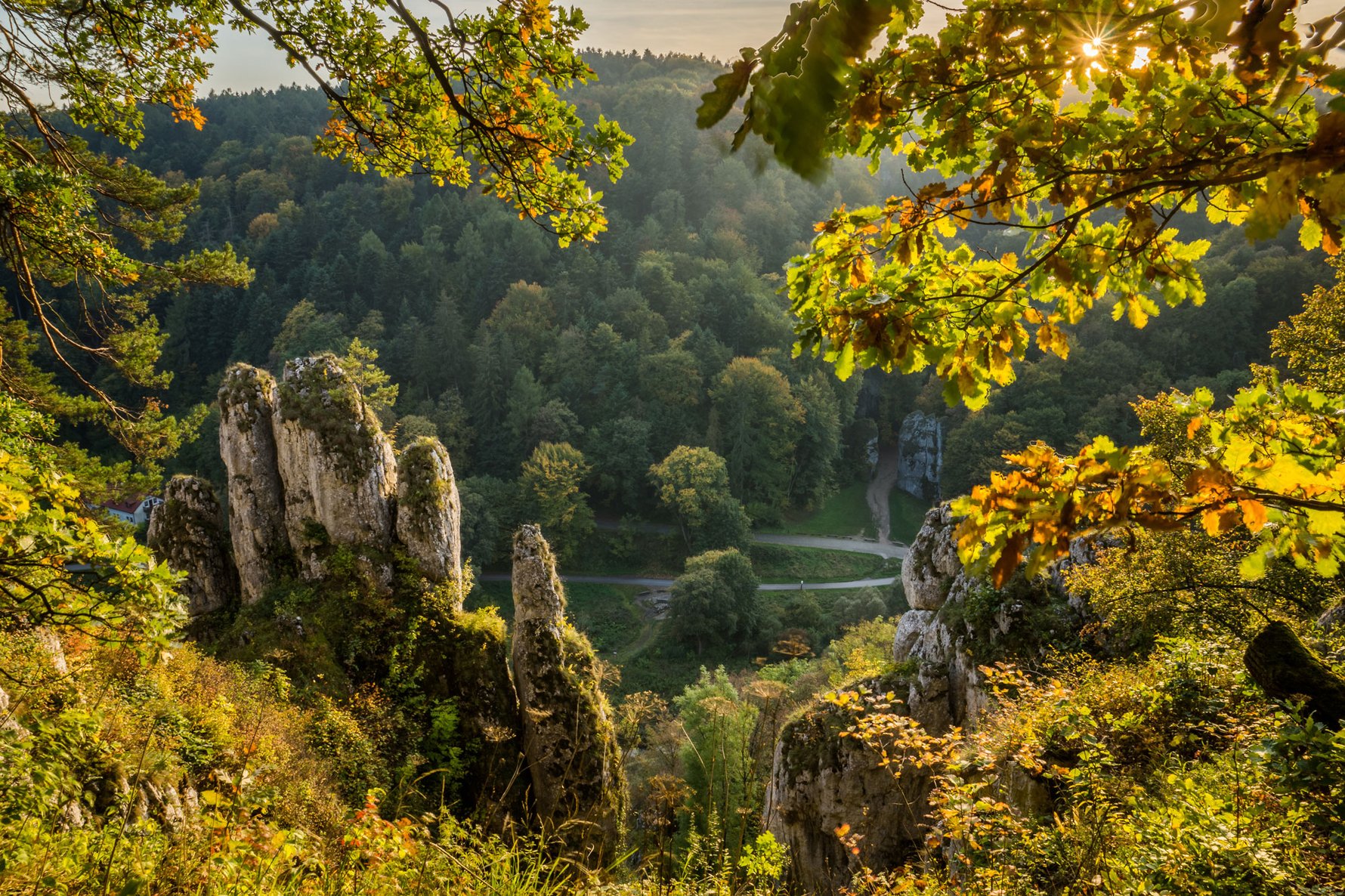
Just 24km north of Kraków, Ojców National Park packs dramatic limestone valleys, castles and caves into Poland’s smallest national park. Highlights include the iconic Maczuga Herkulesa (ENG: Club of Hercules) and the Renaissance landmark Pieskowa Skała Castle, while over 400 caves and excellent walking trails make it ideal for a day trip into the Jura Upland.
Ojców National Park and some of it's many mesmerising rock formations. Photo by Artur Bociarski.
Słowiński National Park Dune hikes / Birdwatching / Photography / Coastal cycling
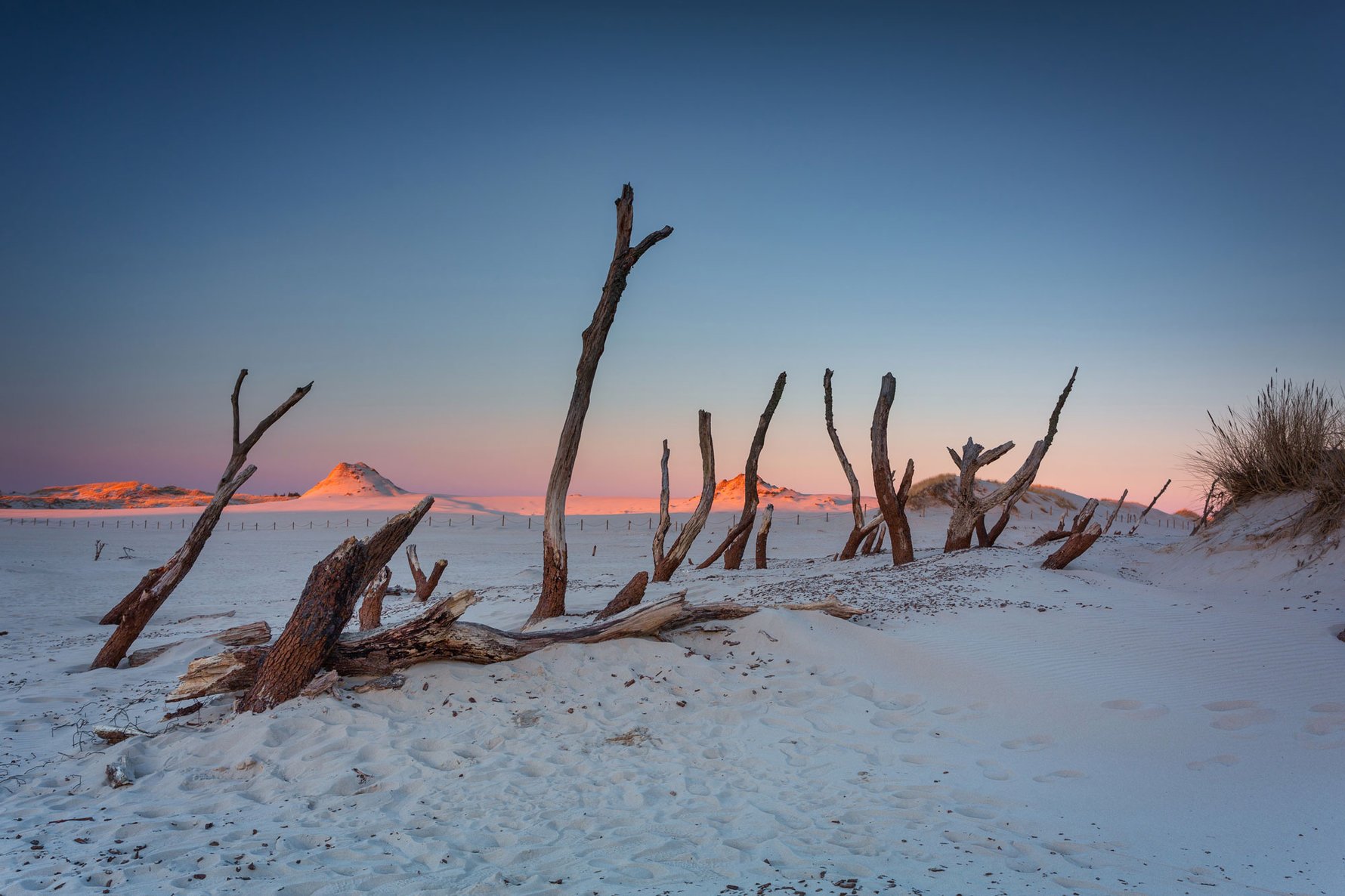
Located about two hours northwest of Gdańsk, Słowiński National Park is famous for its vast shifting sand dunes that slowly migrate inland like a Baltic desert. Between the dunes lie lakes, peat bogs and forests that attract huge numbers of migratory birds, making this one of Poland’s most unusual coastal landscapes.
The shifting sand dunes of Słowiński National Park in Northern Poland. Photo by Patryk Kosmider.
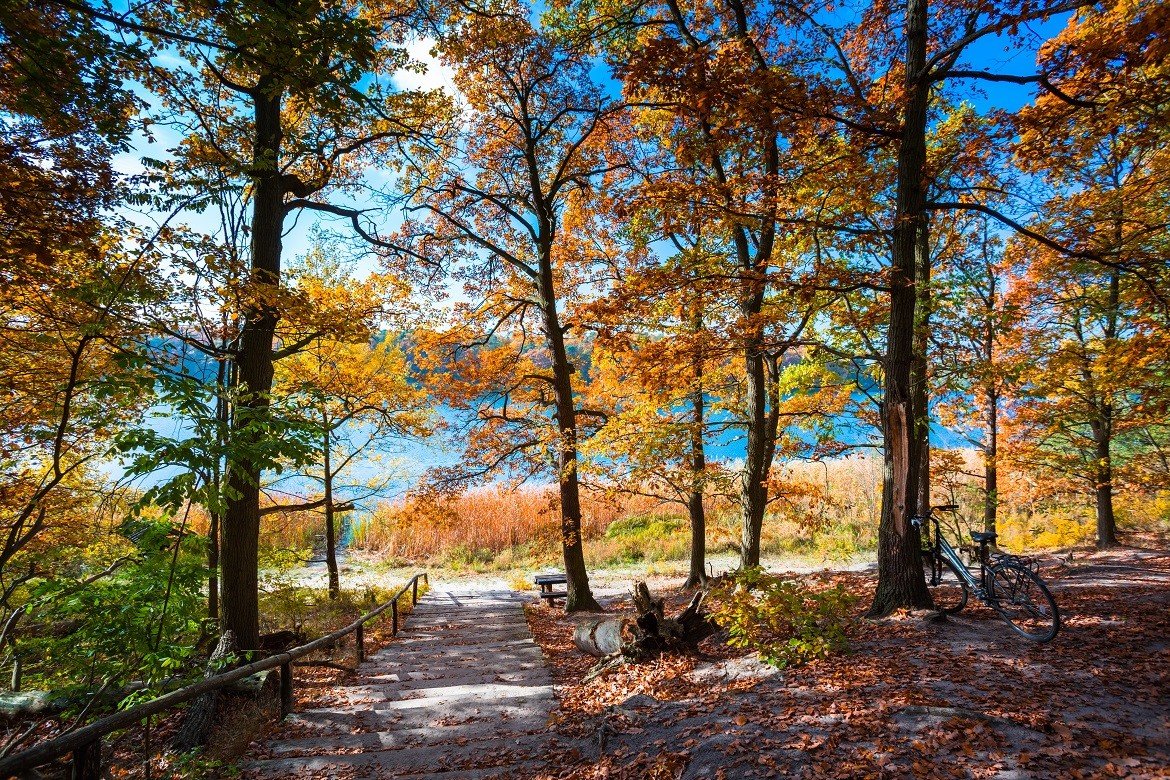
Only 15km south of Poznań, Greater Poland National Park combines post-glacial lakes, forests and gentle hills into one of western Poland’s most accessible nature escapes. A dense network of hiking, cycling and horse-riding routes makes it especially appealing for active day-trippers looking to explore beyond the city limits.
Tatra National Park Mountain hiking / Panoramic views / Wildlife spotting / Winter sports
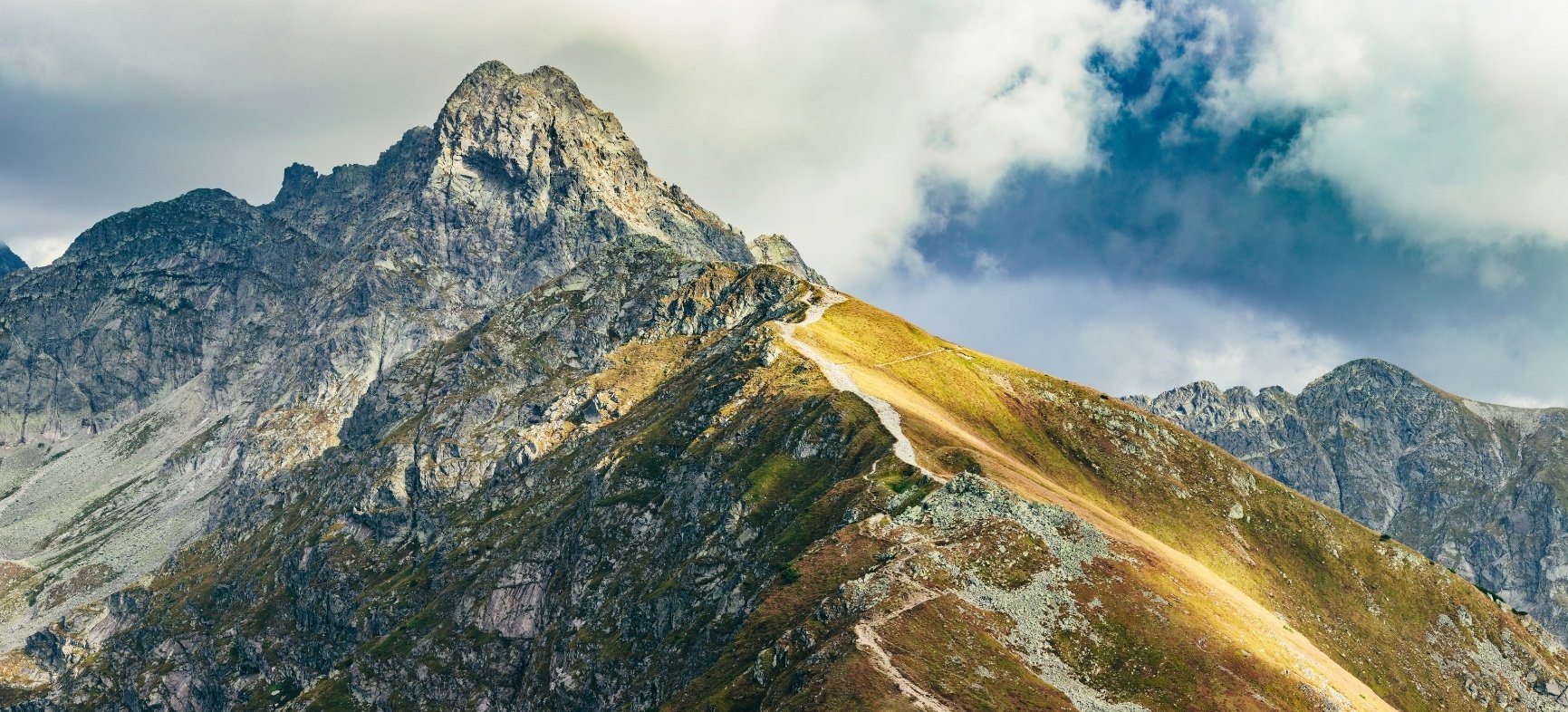
South of the popular resort town of Zakopane (about two hours from Kraków), Tatra National Park protects Poland’s only alpine landscape, complete with jagged peaks, glacier-carved lakes and high mountain trails. Iconic destinations like Morskie Oko and the summit of Rysy draw hikers year-round, while cable cars make the scenery accessible even without serious climbing experience.
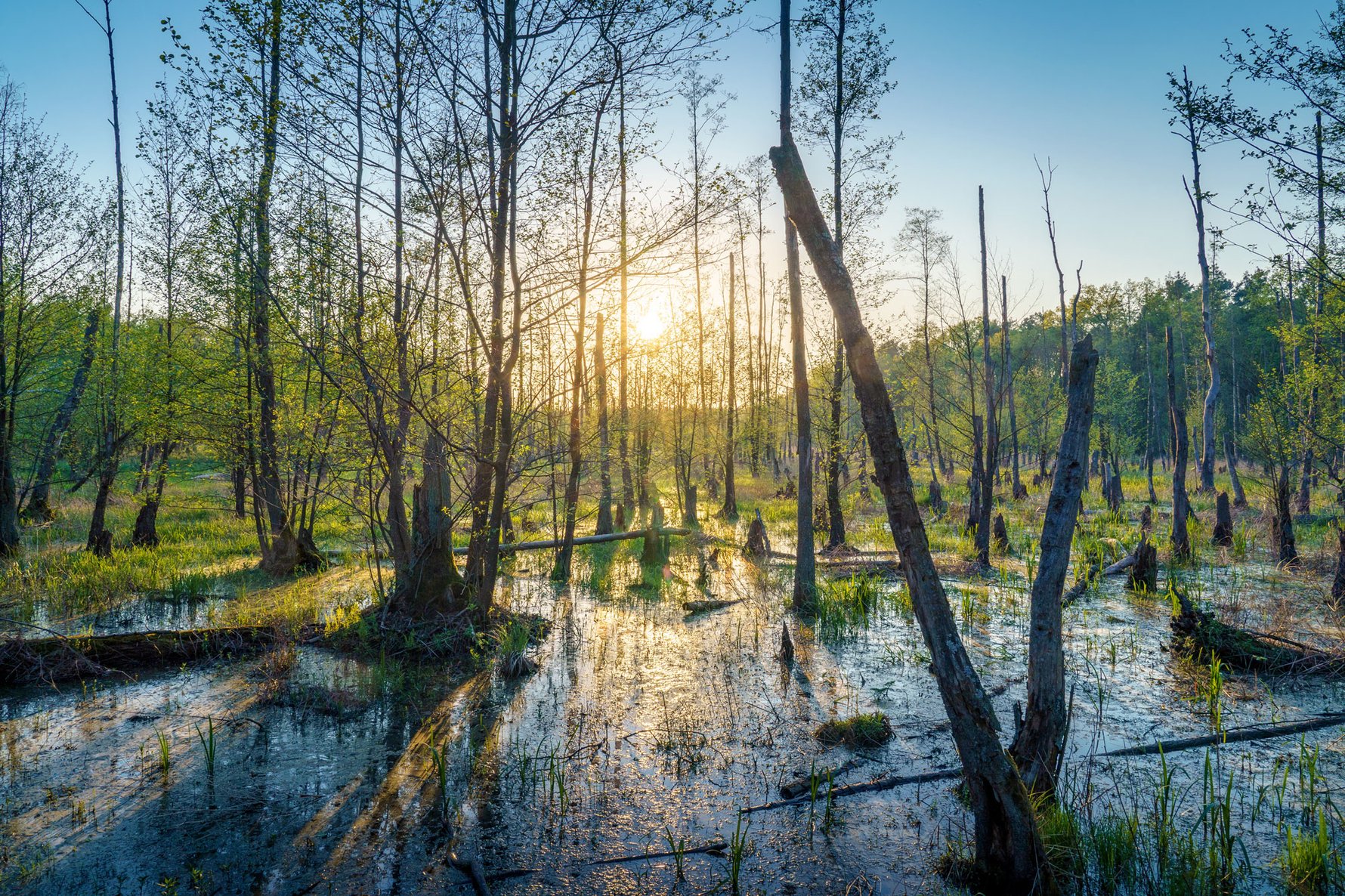
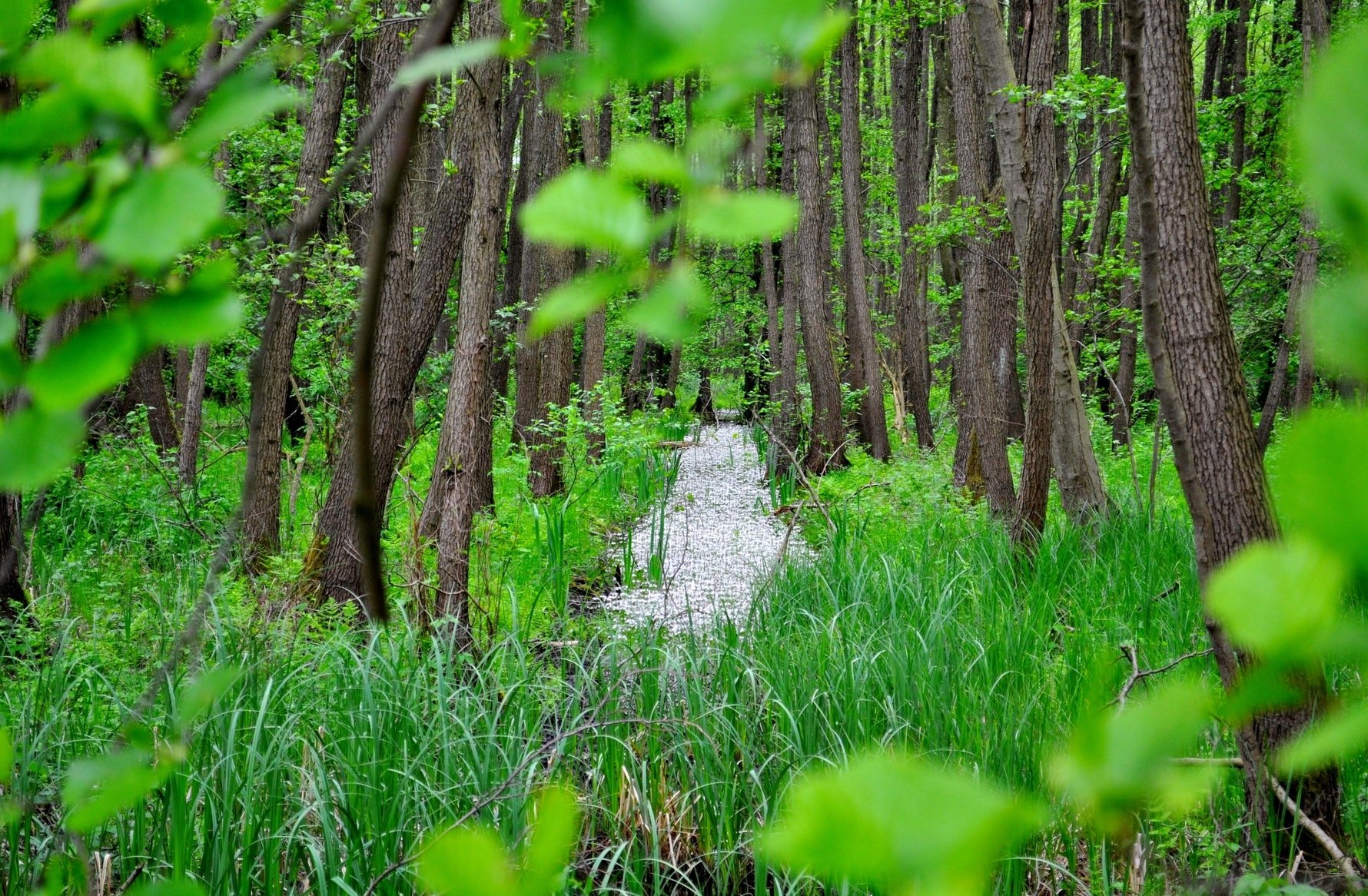
Near Gorzów Wielkopolski on the German border, Warta Mouth National Park protects vast wetlands at the confluence of the Warta and Odra rivers. Seasonal flooding creates one of Central Europe’s richest bird habitats, with tens of thousands of geese, cranes and waterfowl gathering here during migration periods. Quiet observation towers and cycling routes make it especially rewarding for patient nature lovers.
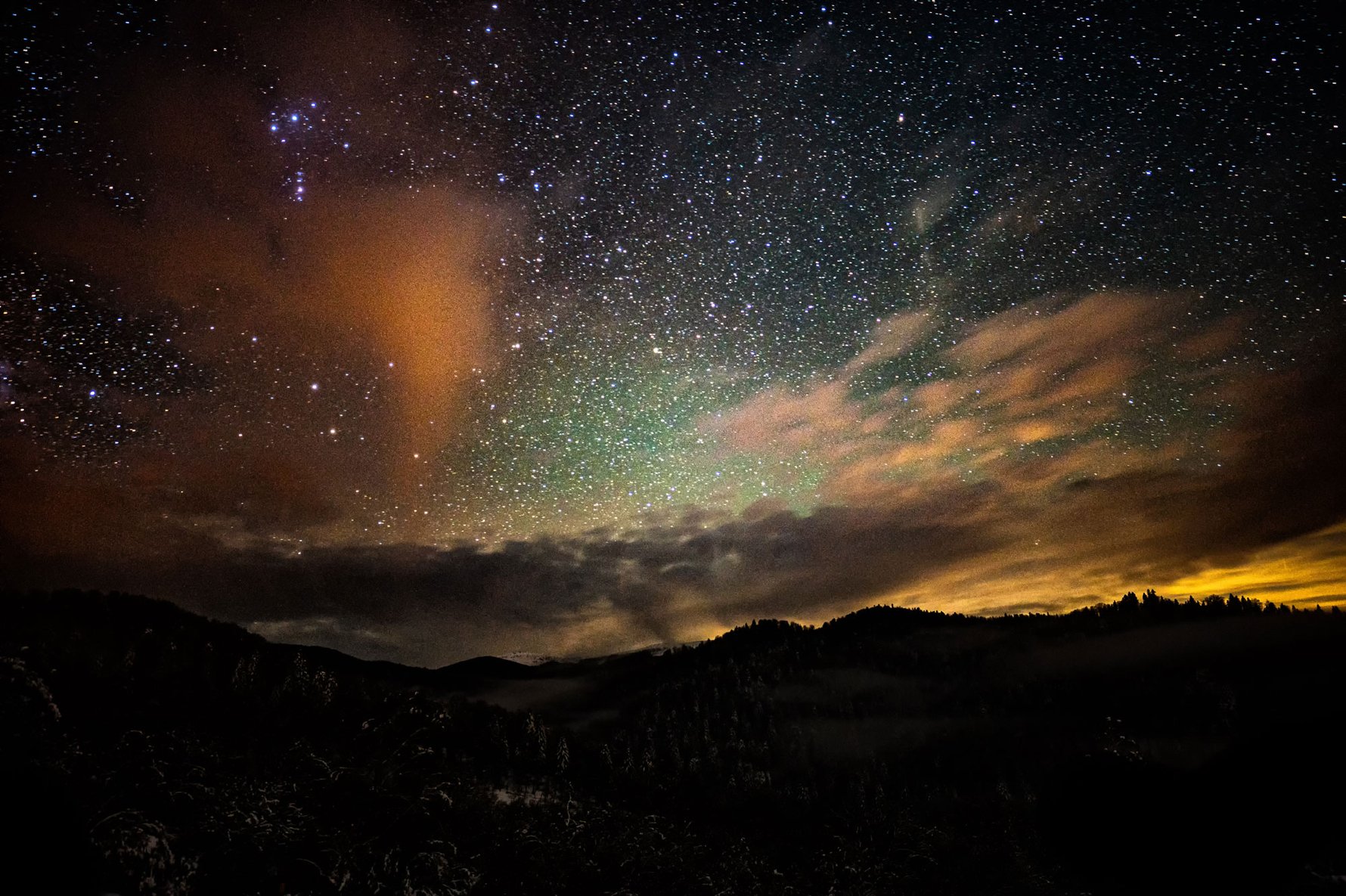
About three hours south of Rzeszów, Bieszczady National Park offers some of Poland’s most remote mountain scenery, defined by rolling połoniny meadows and deep beech forests. Wildlife thrives here and development remains minimal, making the region ideal for long-distance hiking, stargazing and travellers looking to experience Poland’s wild southeast at its quietest.
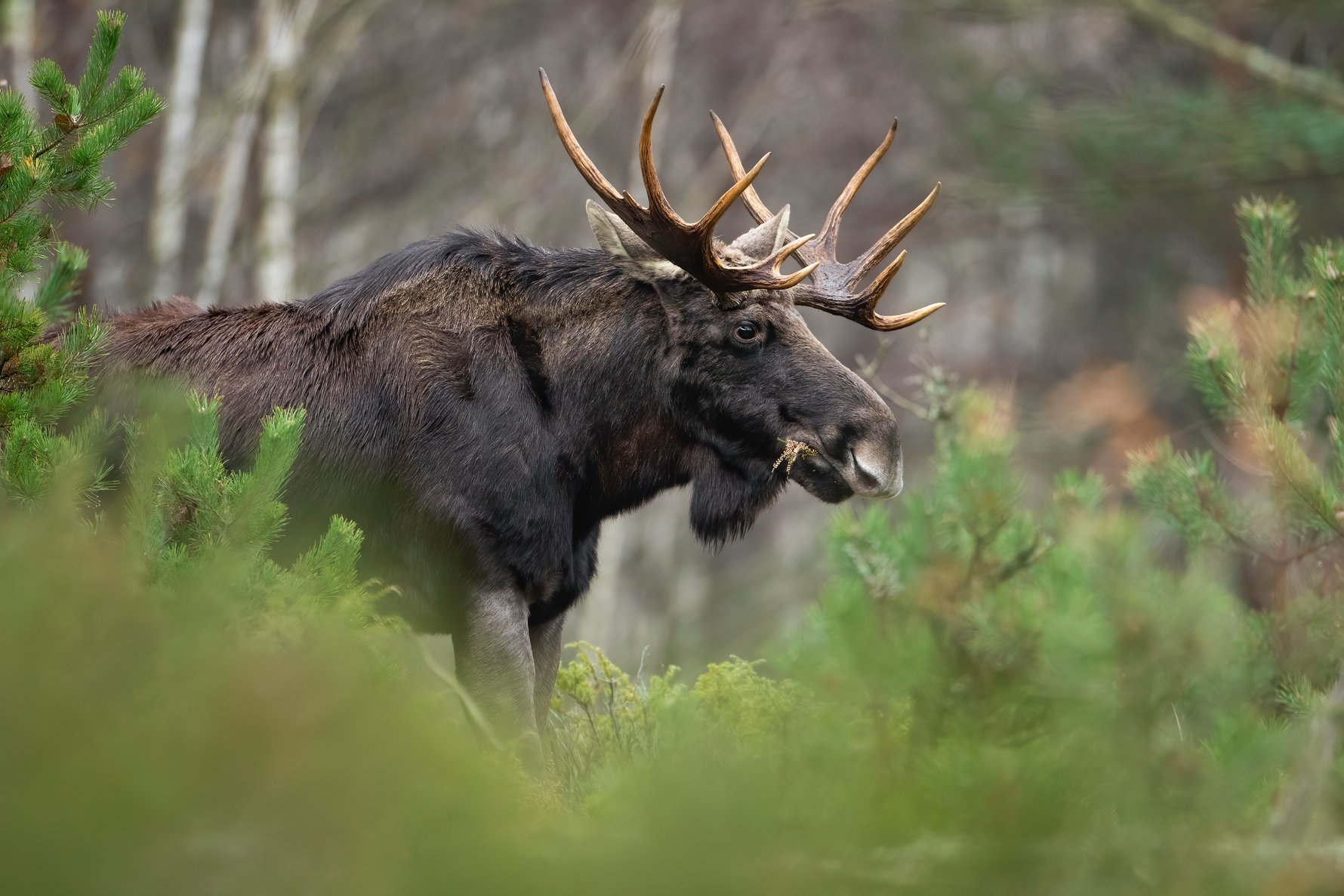
Located about 40km northwest of Białystok (and roughly two hours from Warsaw), Biebrza National Park protects the largest marshland landscape in Poland and one of Central Europe’s most important bird habitats. Over 270 bird species have been recorded here, while the wetlands are also the country’s best place to spot the iconic Eurasian moose in the wild. Unlike Poland’s mountain parks, Biebrza rewards slow exploration along boardwalks, cycling routes and canoe trails through flooded meadows, willow thickets and wide open river valleys.



Comments