
There are few places where it’s easier to get ‘off the beaten path,’ as they say, than in Warsaw.
The Polish capital’s World War II obliteration, sprawling redevelopment in the post-war era and sheer size and scope today have resulted in the city’s ‘places of interest’ being quite spread out, but also hidden all around in plain sight. Unlike Kraków, Gdańsk, Wrocław and other Polish cities with compact historical centres, Warsaw’s well-travelled ‘tourist trail’ is not that obvious and essentially limited to its modestly-sized Old Town, the northern section of its 'Royal Route' along ul. Krakowskie Przedmieście and ul. Nowy Świat, and part of the west riverbank near Copernicus Science Centre. Beyond those areas, you’re basically off the beaten path, and even in those areas, getting away from the crowds and discovering something unexpected is often as easy as ducking into a courtyard or onto a sidestreet. As a result, it’s not difficult to immerse yourself amongst locals in Warsaw. In fact, this ability to be a tourist without necessarily feeling like one is one of the city's most appealing aspects for visitors.
If you’re looking for alternative activities or offbeat places to visit, you’ll certainly find no shortage in the Polish capital, both in the city centre and outlying suburbs. Read on and follow the linked venues for plenty of options to put on your alternative Warsaw itinerary - one we're confident most locals will be impressed by and forced to admit they haven't completed themselves. Go forth, go far and gain favour, intrepid one. Warsaw lays itself bare before you!
Explore Warsaw's Citadel & Forts
Warsaw Fortress (Twierzda Warszawa) was a system of military fortifications built under Russian rule in the 19th century, most of which still exist throughout the city today in various states of decay or renewal. The largest part of the fort system, and first to be built, is known as the Warsaw Citadel, and lies along the river just a bit further north than the well-trafficked boulevards along Warsaw’s Multimedia Fountain.
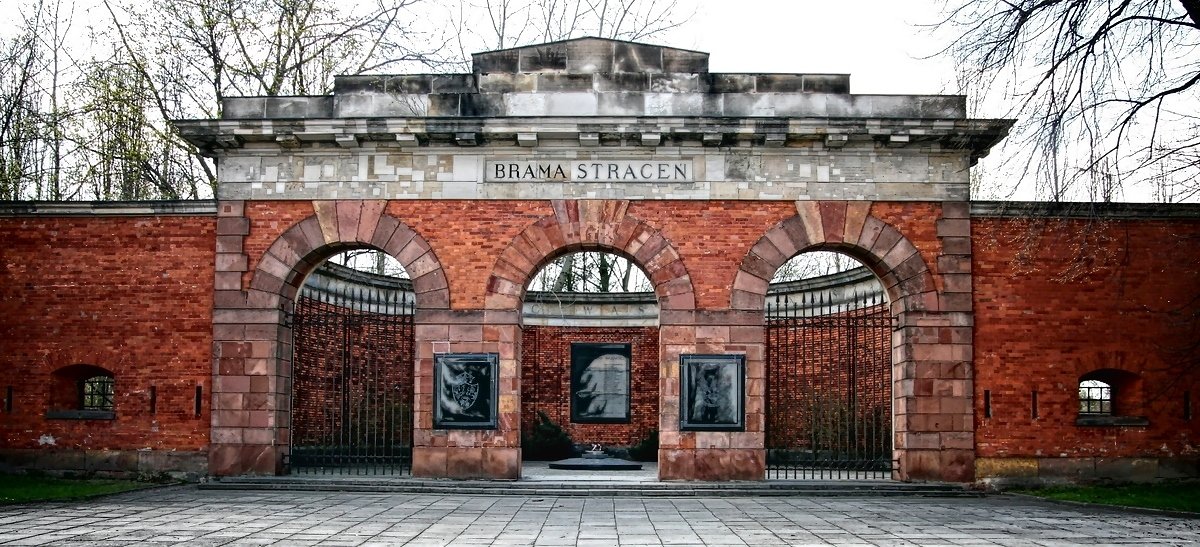
Built just after the November Insurrection of 1830, unlike most fortresses, the main purpose of the Warsaw Citadel was not to protect the city from outside invaders, but to hold a garrison of Russian soldiers that would be ready to squash any sort of Polish political uprising coming from within Warsaw. The fort never saw any true action in WWI and became an infamous political prison during and after WWII. Today the monumental red brick fortifications house several museums and galleries, including the Katyń Museum (in the southern end) and the Museum of the 10th Pavilion (in the northern end). The latter is a branch of the Museum of Independence and probably your best bet for seeing the interior of the complex, including tunnels, prison cells, the prisoner yard and execution sites, as well as plenty of paintings, artefacts, munitions and museum exhibits.
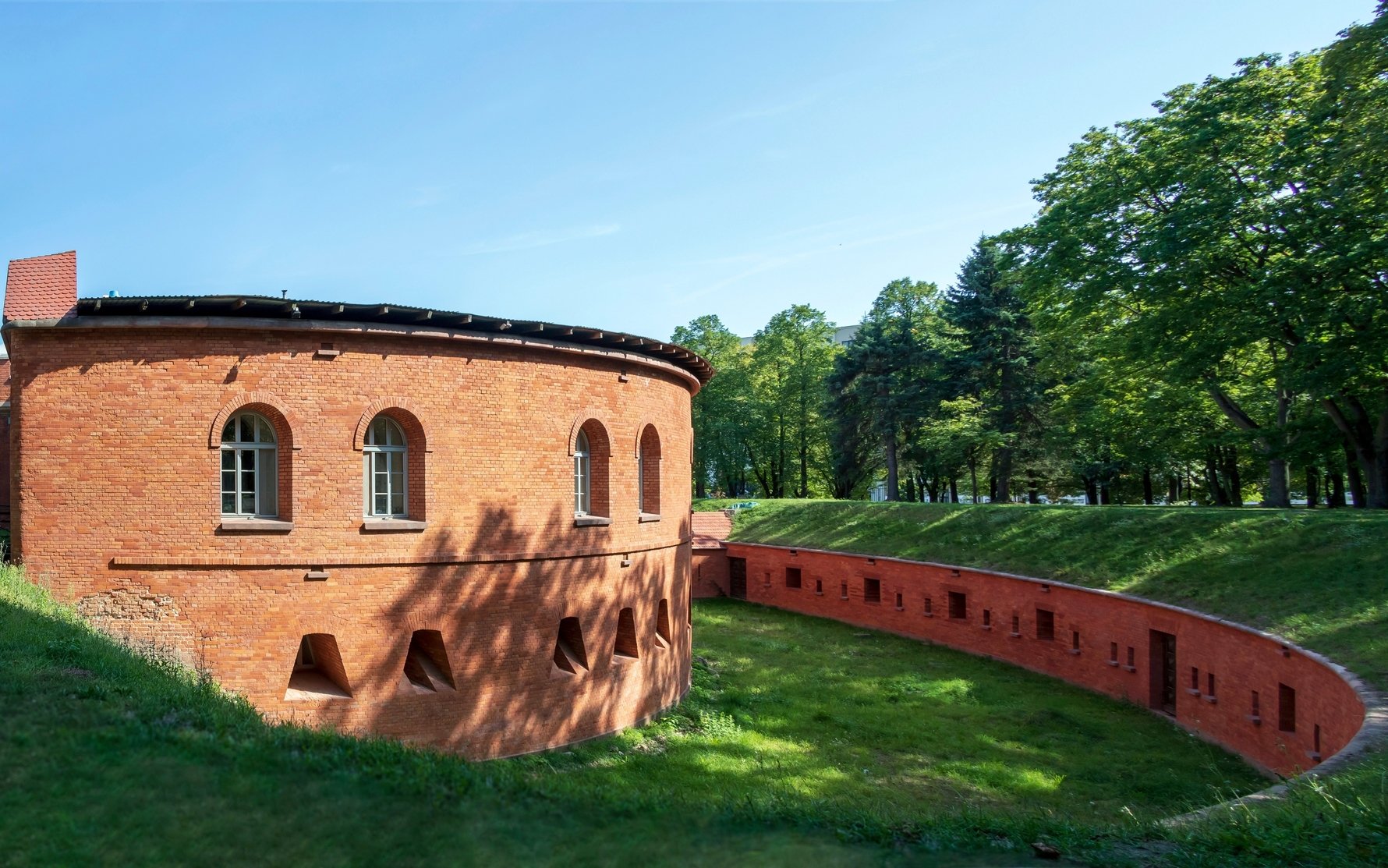
From the north end of ul. Freta - a pedestrianised street that’s popular with tourists, a five-minute walk ul. Zakroczymska leads you to two smaller auxiliary forts: Fort Legionów and Fort Traugutta. Both have been well-preserved and are today in the hands of private investors; while Fort Traugutta is in the midst of redevelopment, Fort Legionów has been renovated and turned into Forteca - a venue mostly used for private events, but which also hosts a lovely farmers’ market on Wednesdays (08:00-14:00). Another 5mins on foot from there and you’re at the entrance of the Warsaw Citadel and Katyń Museum, making this a very easy detour to do from popular sightseeing routes.