

.jpg)
.jpg)
.jpg)
“Luxury in a cup.” It sounds simple, but for Georgia Kellow, it’s a deliberate redefinition. Founded in Joburg in 2022, Cup Classique is a women-owned tea startup guided by a slow-growth philosophy and a closed-loop approach, driven by one ambitious idea: changing the world, one cup of single-origin tea at a time.
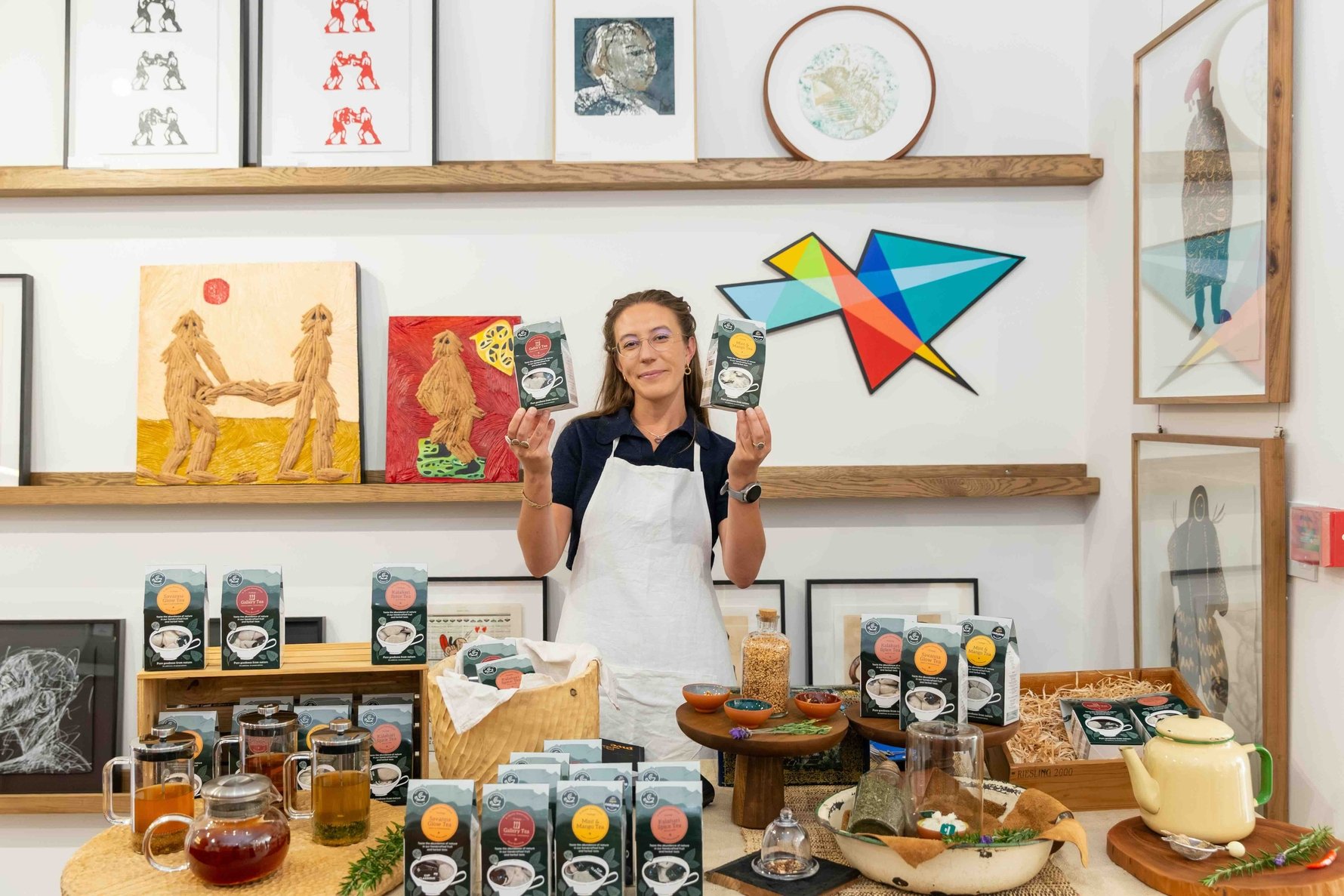
With Cup Classique, luxury isn’t excess or imported prestige. It’s locality, craftsmanship and sustainability – and the confidence that something made slowly, thoughtfully and close to home can hold its own. As Kellow says: “It’s luxury in a cup – but rooted in real, local production.”
Gallery sips: Cup Classique’s flagship at 223 Creative Hub
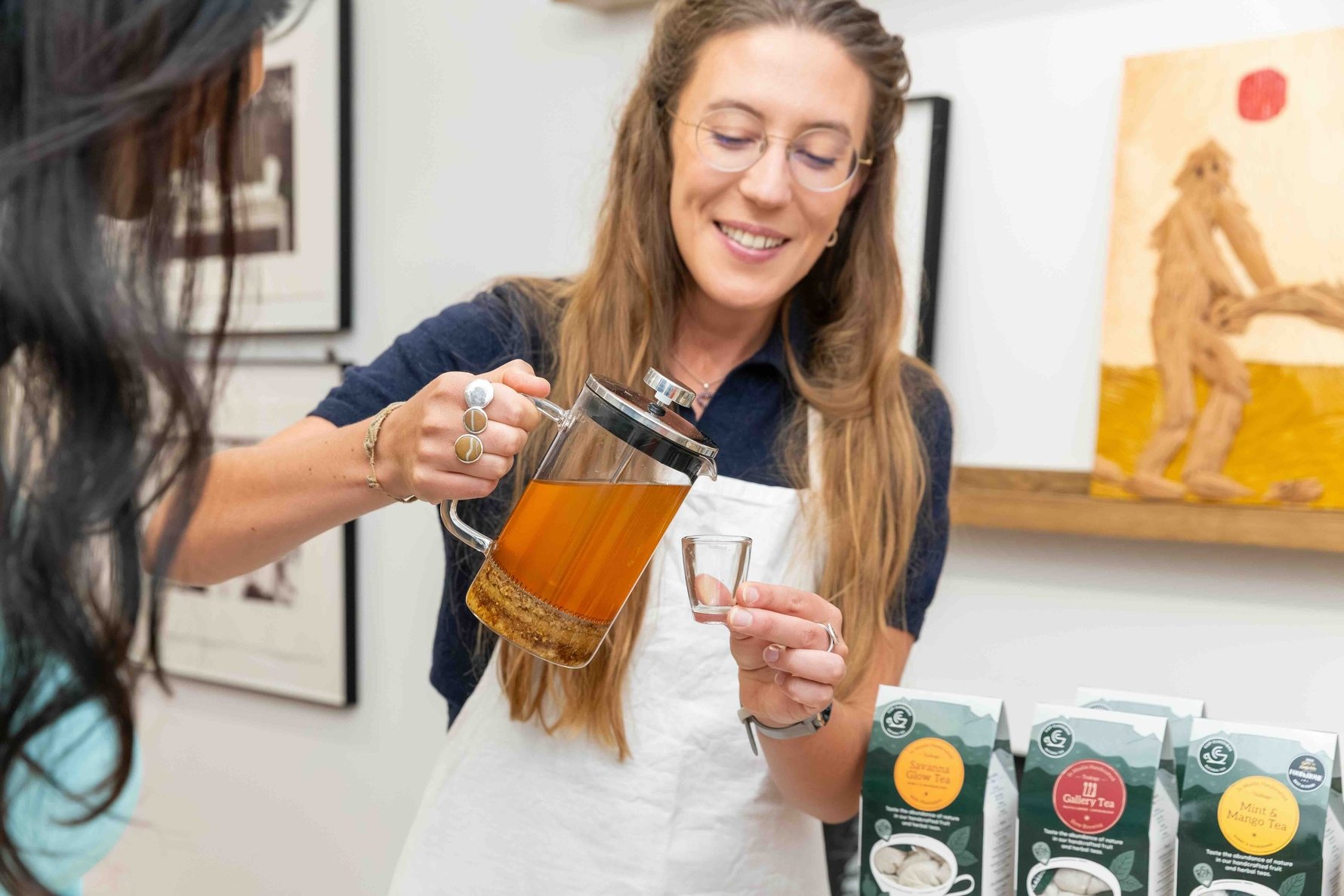
Our team gets to do plenty of fun things around the city, but a tea tasting in an art gallery? This was a first. Cup Classique launched its flagship at 223 Jan Smuts Creative Hub in Rosebank (February 2026), where we quickly learnt that a “simple” cup of tea is anything but.
At 223 Creative Hub, part gallery, part gathering space, the setting invites you to slow down. But it’s Kellow who sets the tone. She talks us through each Cup Classique blend the way you might tell a story to friends. There’s no rush or over-explaining. Instead, Kellow gently frames what we’re tasting, encouraging curiosity over correctness.
We started with Savannah Glow: warming and fruity, with pineapple, rooibos and ginger. “Some people would say it’s their favourite, because it really fits everyone’s palate,” Kellow tells us. Next came fresh Mango and Mint, which won over this writer with just a touch of sugar, while others preferred it straight. The beauty of these teas is there’s no right or wrong way to enjoy them.
“We don’t standardise flavour – nature changes, and we’re proud of that.” – Georgia Kellow, founder of Cup Classique
Kellow highlights each blend’s purpose. “The African Mint is small batch, because the indigenous mint doesn’t like to be farmed. We blend it with garden mint and lemongrass. Kalahari Spice is for spice lovers – if you enjoy chai, that’s your tea. Three Is A Party – Verbena is our closest to a green tea, with lemon skins, lemon balm and verbena; it’s slightly bitter if over-steeped.” There’s even a signature 223 blend, inspired by the gallery, with notes of rosehip, lemon and buchu – a crisp cup, with an aroma that reminded us of passion fruit.
After tasting, one team member said: “You can taste Kellow's passion in her teas – they’re a love letter to our country.” Another shared: “I enjoyed the Mint & Mango – refreshing, creamy and a little sweet. The zesty Savanna Glow tea was also a favourite. A great immune booster for the colder months.” We left with a few extra boxes, including the unusual, savoury Karoo Dusk blend, inspired by South Africa's semi-desert regions close to Kellow’s heart.
A garden, a thesis, a beginning
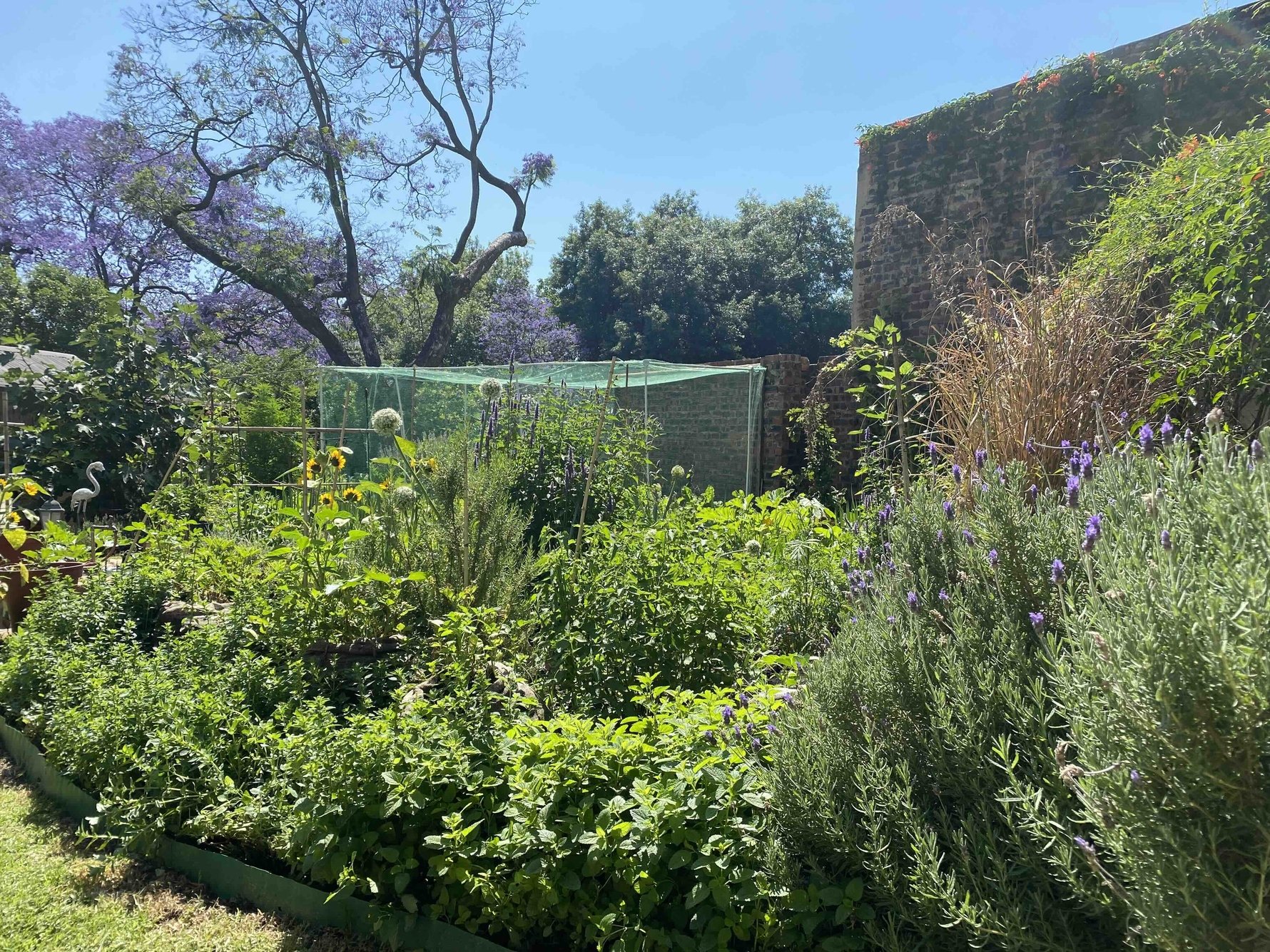
Cup Classique grew from Kellow’s journey through soil, gardening and small-scale farming.
The story didn’t start with tea – it began with soil. Childhood days spent gardening with her aunt instilled an early understanding of food, labour and care. Years later, while completing a Master’s in Anthropology, Kellow returned to these ideas through research on urban agriculture.
What began as a small experiment – transforming a barren patch beneath a jacaranda tree into a productive garden – soon evolved. She started supplying nearby households, then restaurants. The project became both a practical exploration and an academic inquiry into food systems and sustainability. Eventually, this led her to herbs – and ultimately, to tea.
From herbs to tea: A local gap
Growing up between cultures (Kellow is South African with German ancestry), she noticed a curious contradiction: despite South Africa’s rich biodiversity, most herbal teas on local shelves are imported – even mint, often packaged locally, comes from elsewhere.
Her guiding question: What if tea could be grown, processed and consumed locally?
“If we can’t scale it in South Africa, I’d rather not include it at all.” – Georgia Kellow, founder of Cup Classique
With entrepreneurial instinct sharpened by research, Kellow pivoted from vegetables to herbs. The margins made sense, but more importantly, so did the mission. If consumers were calling for more sustainable, local products, this was a tangible way to respond.
Learning from the ground up
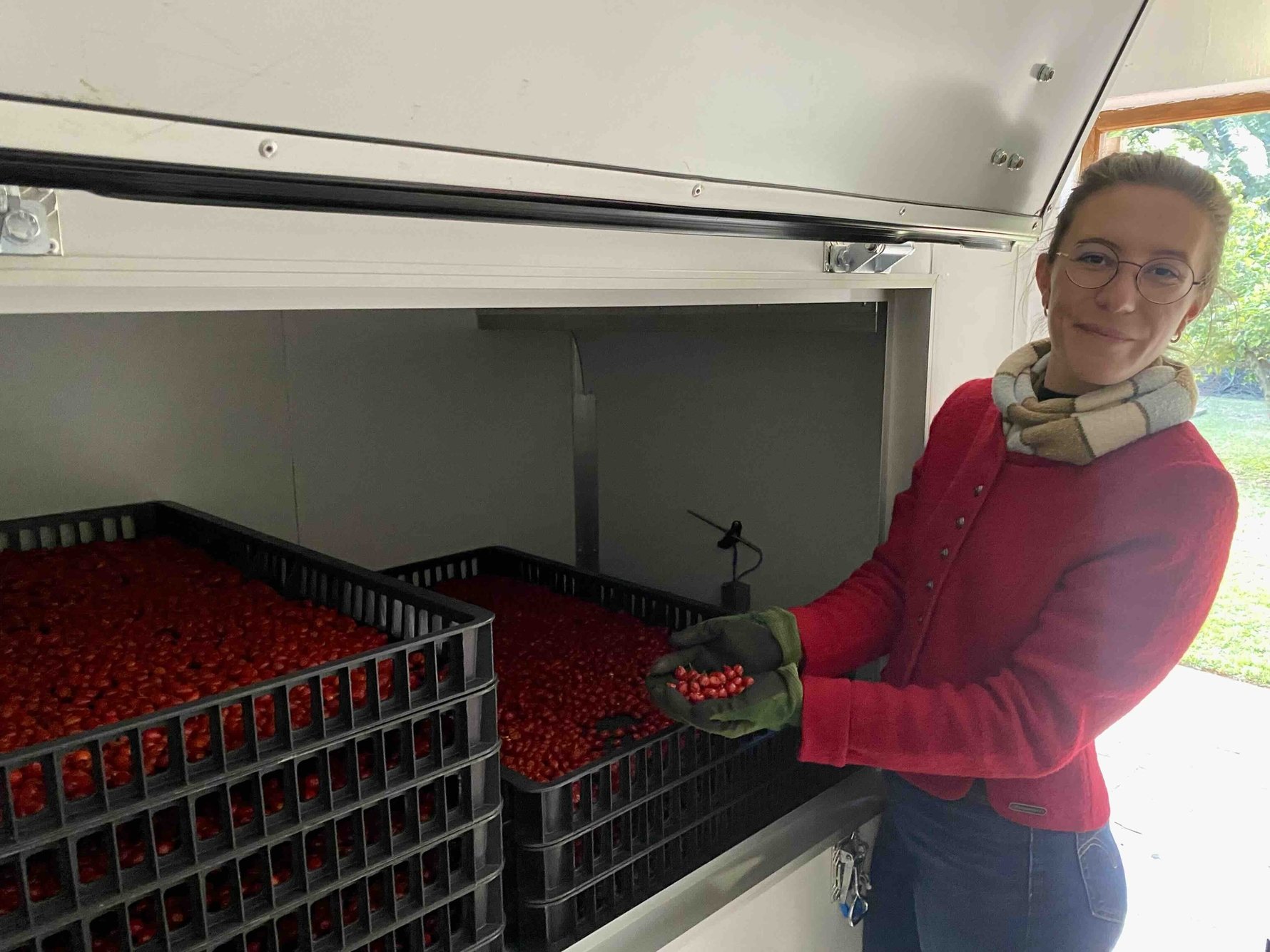
Before launching Cup Classique, Kellow immersed herself in farming. She moved to a Klein Karoo farm, working as a labourer from planting to preparing exports for international markets. The hands-on experience shaped not just her understanding of agriculture, but her sensitivity to labour, scale and sustainability.
Only then did Cup Classique take form – a name playfully nodding to South Africa’s own Cap Classique wine.
A network of small-scale farmers

Cup Classique works closely with small-scale farmers across South Africa, keeping delicate herbs – lemongrass, lemon balm, verbena, African mint – close to home. “If we can’t scale it in South Africa, I’d rather not include it at all,” Kellow says. This intentional approach ensures each cup remains deeply connected to its origin.
Not you average teabag
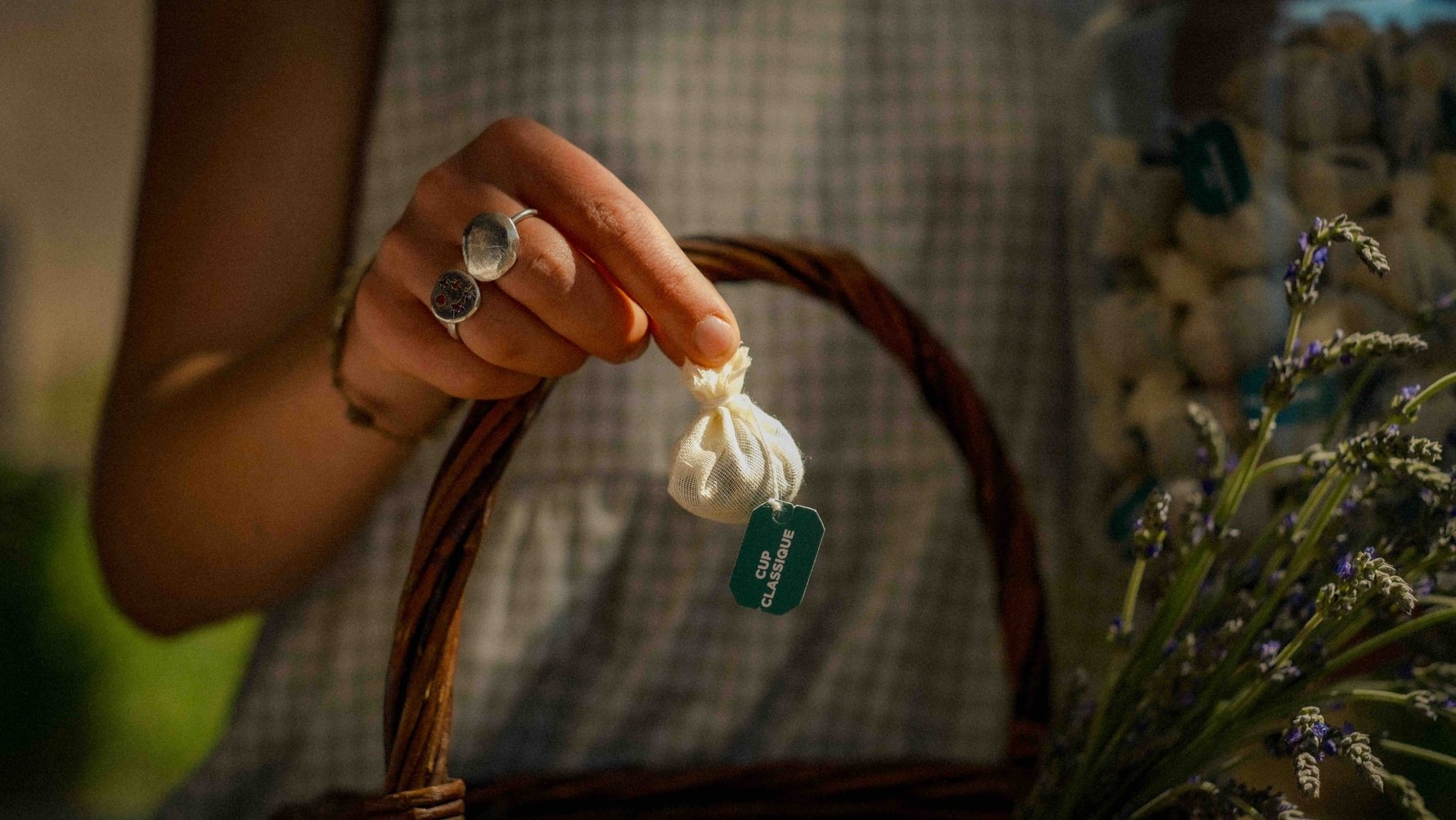
Frustrated by imported materials and microplastics, Kellow developed handmade, plastic-free muslin teabags produced locally. Each one is cut, filled and sealed by hand – a labour-intensive process that prioritises quality and job creation. In a market driven by speed and automation, this is a conscious choice: not how fast production can scale, but how meaningfully it can grow.
Flavour as storytelling
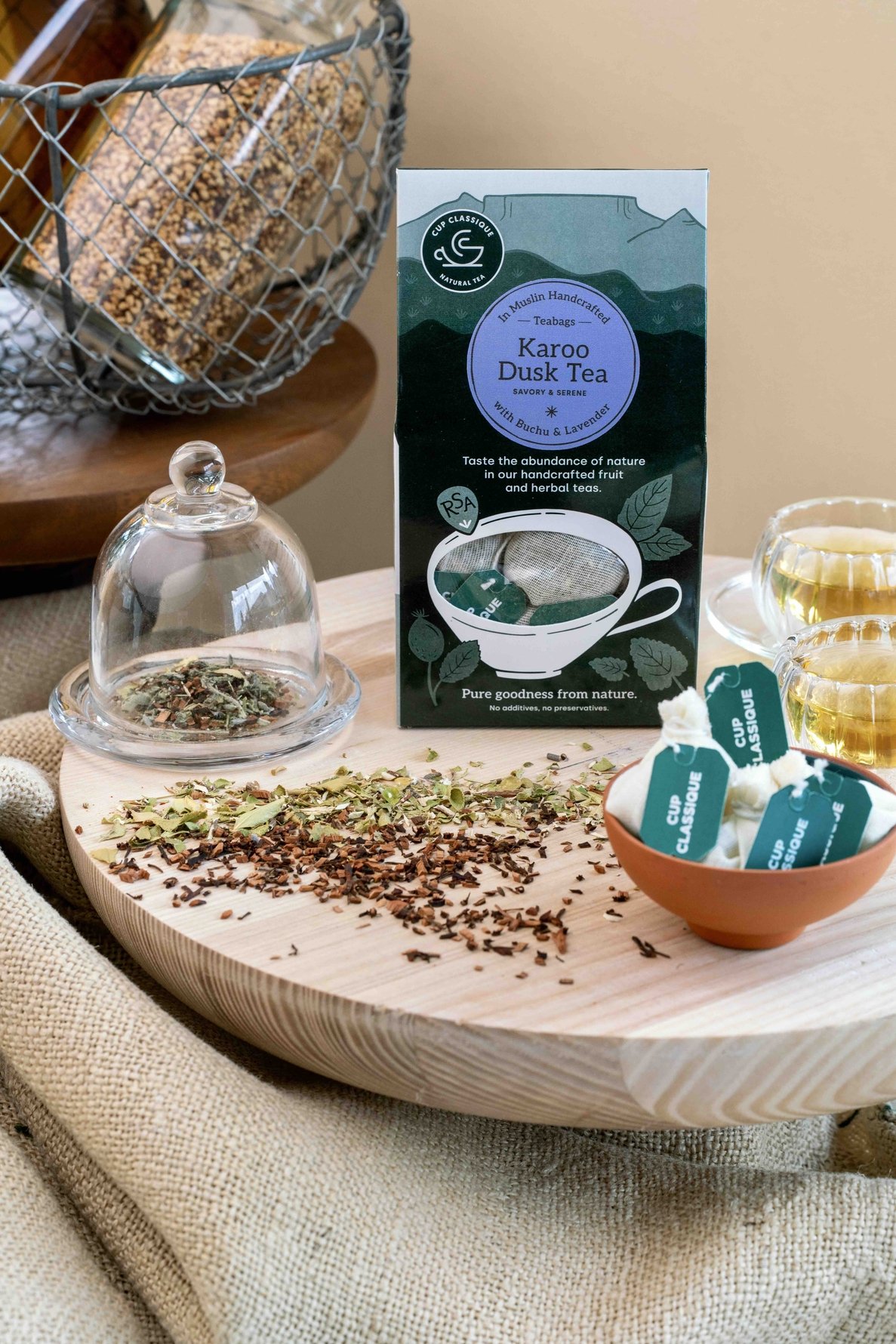
Each Cup Classique blend is a narrative. Savannah Glow (pineapple, ginger, rooibos), Karoo Dusk (evoking rain on dry farmland) and Kalahari Spice (a local chai) are rooted in place, memory and sensory experience. The blends evolved with the brand: from single-origin simplicity to layered, expressive teas that invite exploration and personal interpretation.
Natural, uncompromised
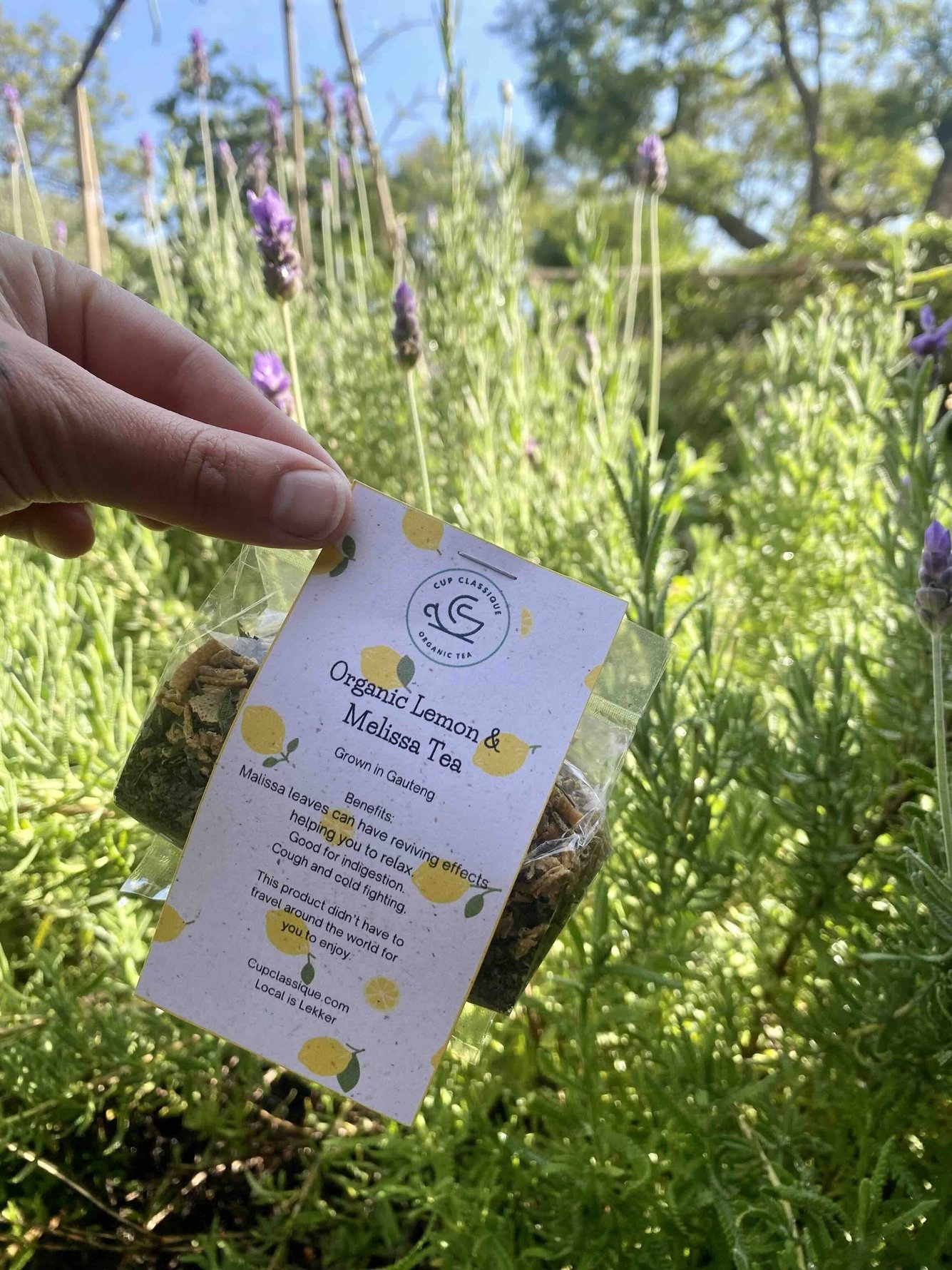
All teas are free from additives, flavour enhancers, added sugar, or oils. Seasonal variations naturally occur, and Cup Classique embraces these subtleties. “We don’t standardise flavour – nature changes, and we’re proud of that,” says Kellow. It’s an approach that educates as much as it delights, inviting consumers to see tea as an agricultural product, not a manufactured one.
Rethinking what we drink
Coffee isn’t the default anymore. People are gravitating towards lighter caffeine, functional drinks and more intentional choices. Tea is evolving, but most hospitality spaces haven’t caught up. This is where Cup Classique quietly makes its case. All blends are naturally caffeine-free, versatile for a mid-morning pause or an evening sip. The focus isn’t prescriptive health benefits – it’s enjoyment first.How to enjoy your tea
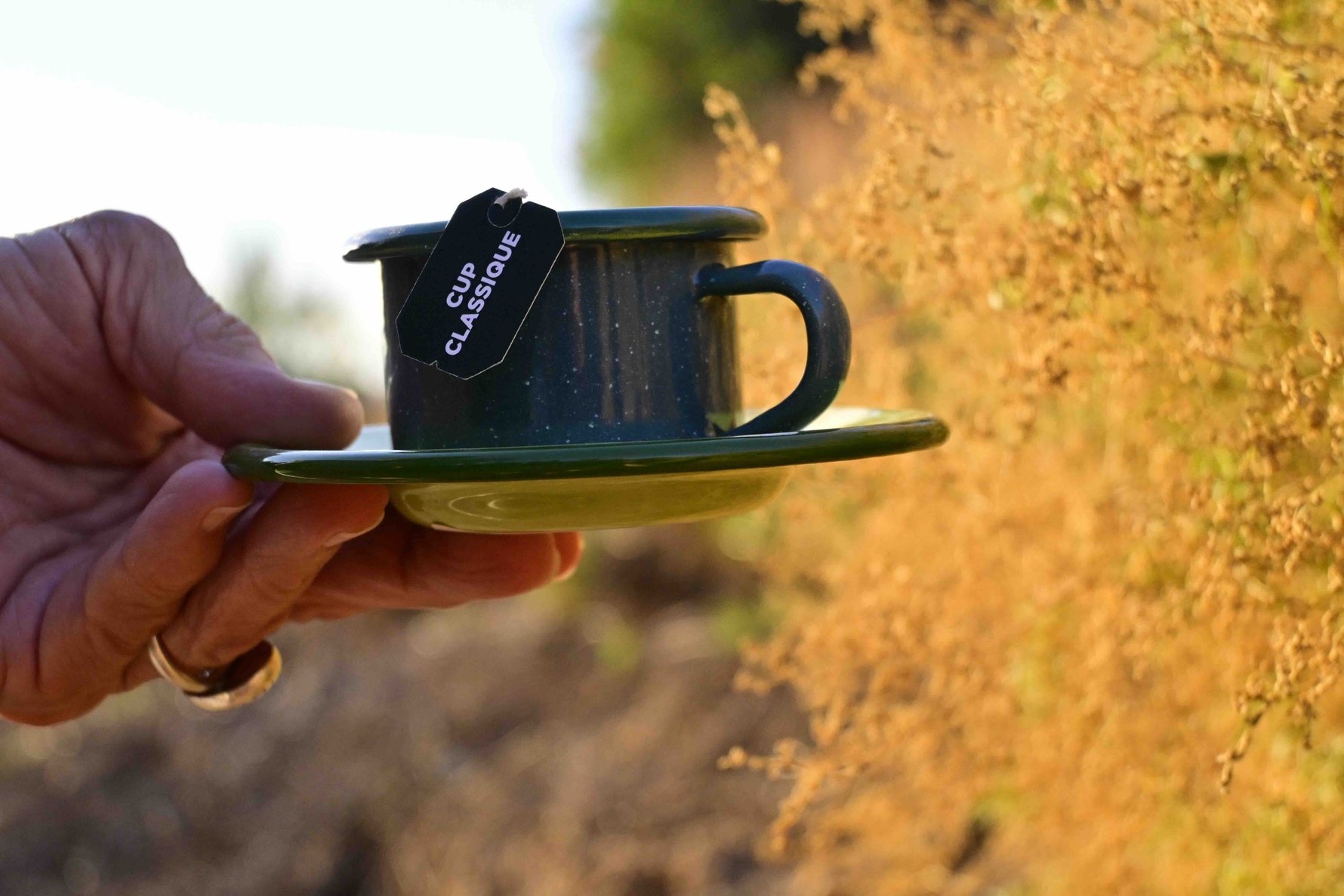
Preparation is flexible. Hot or cold, re-steeped to reveal new layers, Cup Classique teas invite experimentation rather than strict rules.
Where to find Cup Classique teas
Visit the flagship at 223 Creative Hub on Jan Smuts Avenue for cup-by-cup enjoyment or to take a box home – perfect for a quick visit or a slow, considered ritual. Don’t forget a few Jack Rabbit Chocolate Studio bonbons while you’re there.
For updates on tea experiences at 223 Creative Hub and beyond, follow @223jansmuts_creativehub and @cupclassique on Instagram.
You can also find Cup Classique at:
– GardenFresh (Parktown North)
– Dunkeld Fruit and Flowers (Dunkeld)
– Pantry by Marble (Rosebank, Hazelwood, Bassonia)
– The Service Station (Melville)
– Glenda's (Hyde Park)
– Craighall Spar
– The Landing and Yeast Bakery (Edenvale)
A peek ahead
Cup Classique partners with La Motte Ateljee for the RMB Latitudes art fair (Fri, May 8 – Sun, May 10, 2026) on a bespoke blend inspired by Jacob van Schalkwyk’s forest paintings. The goal: translate the dreamlike winter landscapes of the Franschhoek Valley into taste and experience – a fitting step for a brand that tells stories through flavour.
Keep sipping: Three more tea spots around Joburg
– Tea and Antique: Elaborate cold or hot teas (Bedfordview or Sandton branches).
– Gabriella's Tea Room: Emerald creeper walls, antique chandeliers and a crackling fireplace for indulgent high teas and private events (Parktown North).
– Nigiro Tea House: Imported teas paired with sweet and savoury snacks (Parkhurst).


Comments