

But beyond the official framing of a cultural “homecoming”, the exhibition raises more difficult questions – about memory, authorship, and the silences that shape how this story is being told, writes Johannesburg In Your Pocket founder Laurice Taitz-Buntman.
Anyone who grew up in South Africa during the late apartheid years recognises the peculiar dissonance that occurs when official language drifts too far from lived reality. You find yourself standing in a room where people seem to politely accept the story being told, while another part of your mind quietly insists that the record is incomplete. For me, moments like this trigger an almost physical reaction – a memory of being told, as a child, that everything was fine when the evidence suggested otherwise.
That feeling returned this week.
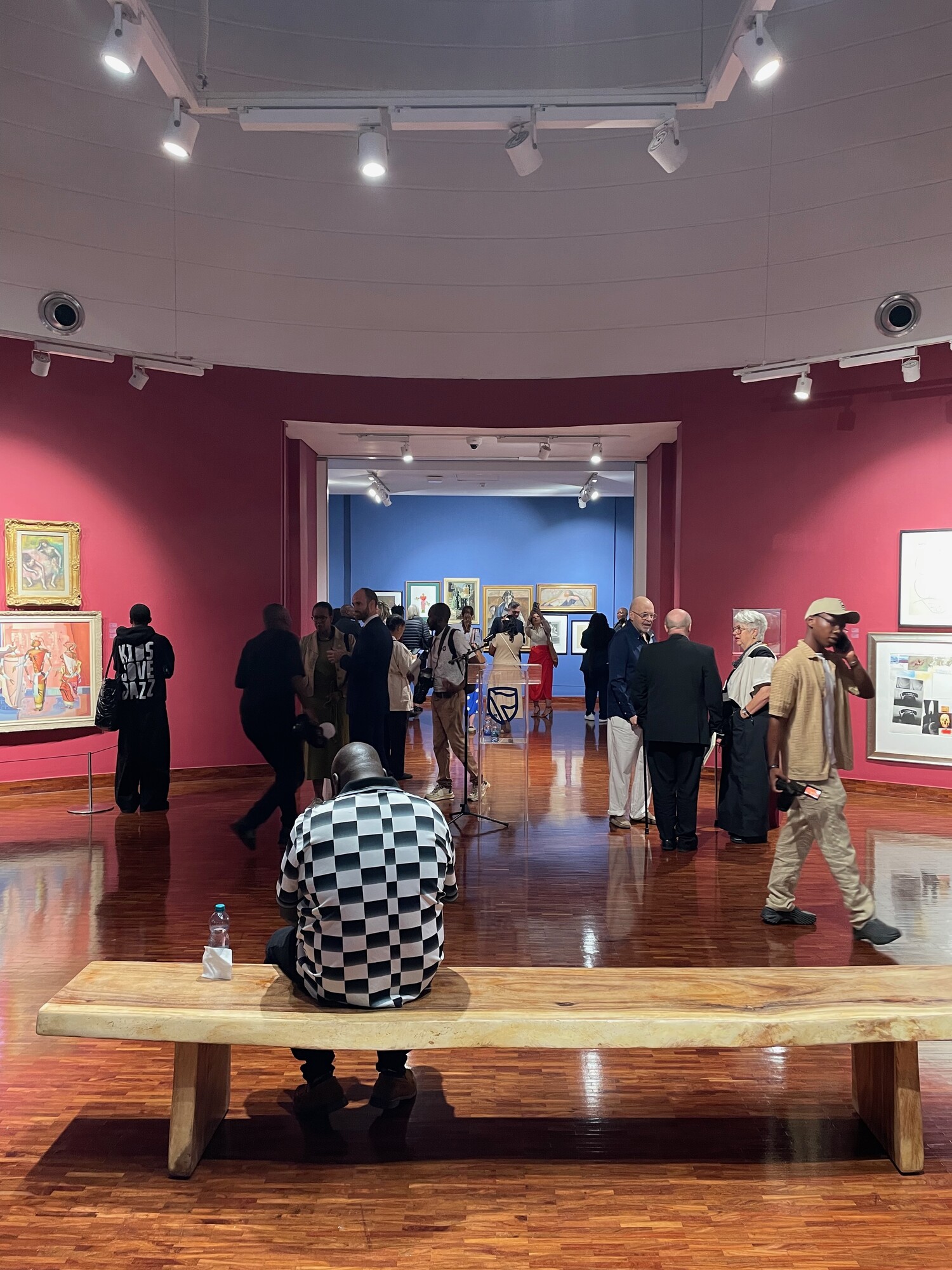
But first, the exhibition. In many ways it's a gift. Standard Bank Gallery, which shut its doors last year, has now reopened and an exhibition of works from one of Africa’s most important public art collections can once again be seen, in a beautiful and accessible space. For that, the team behind this deserves genuine credit.
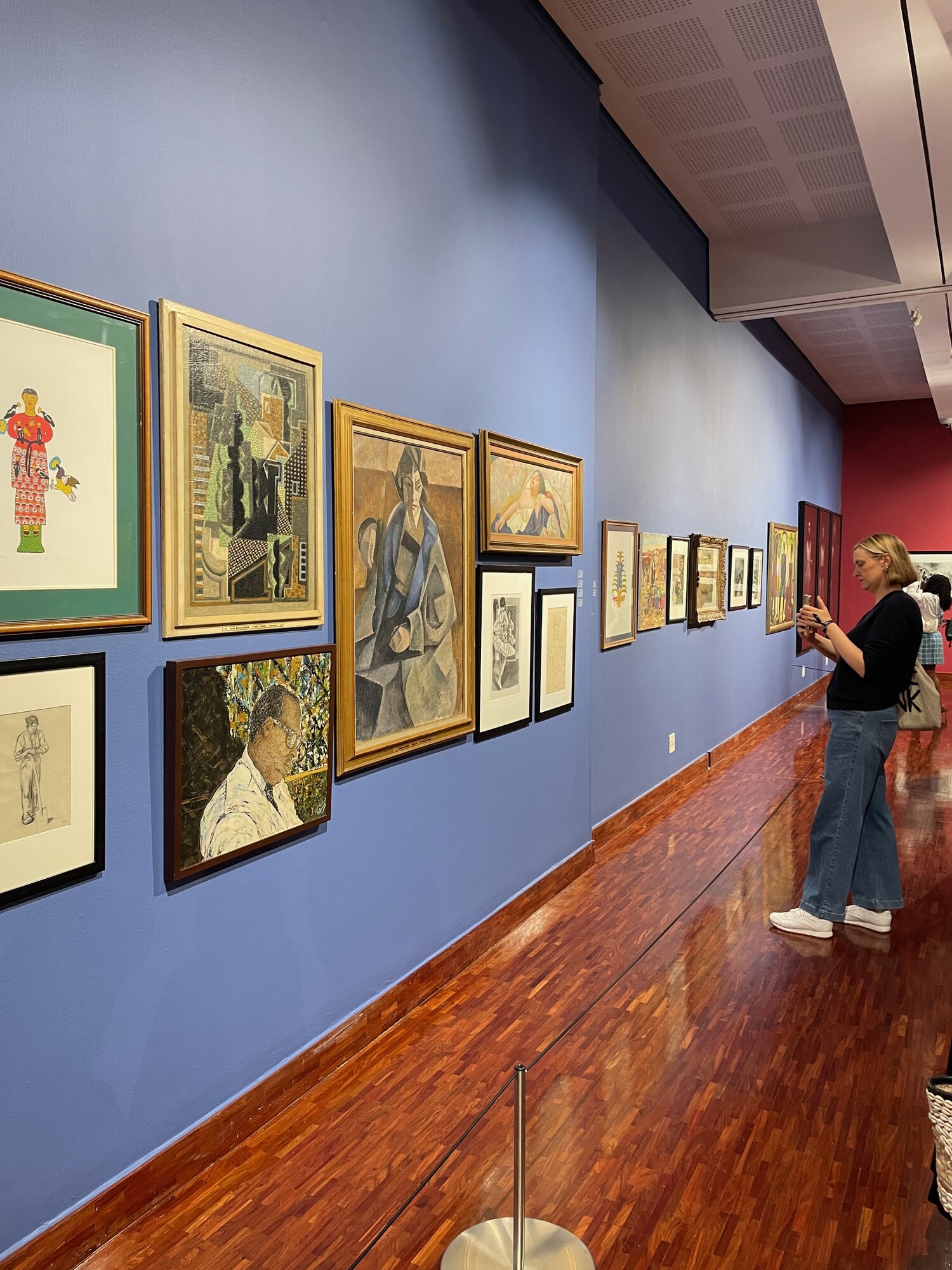
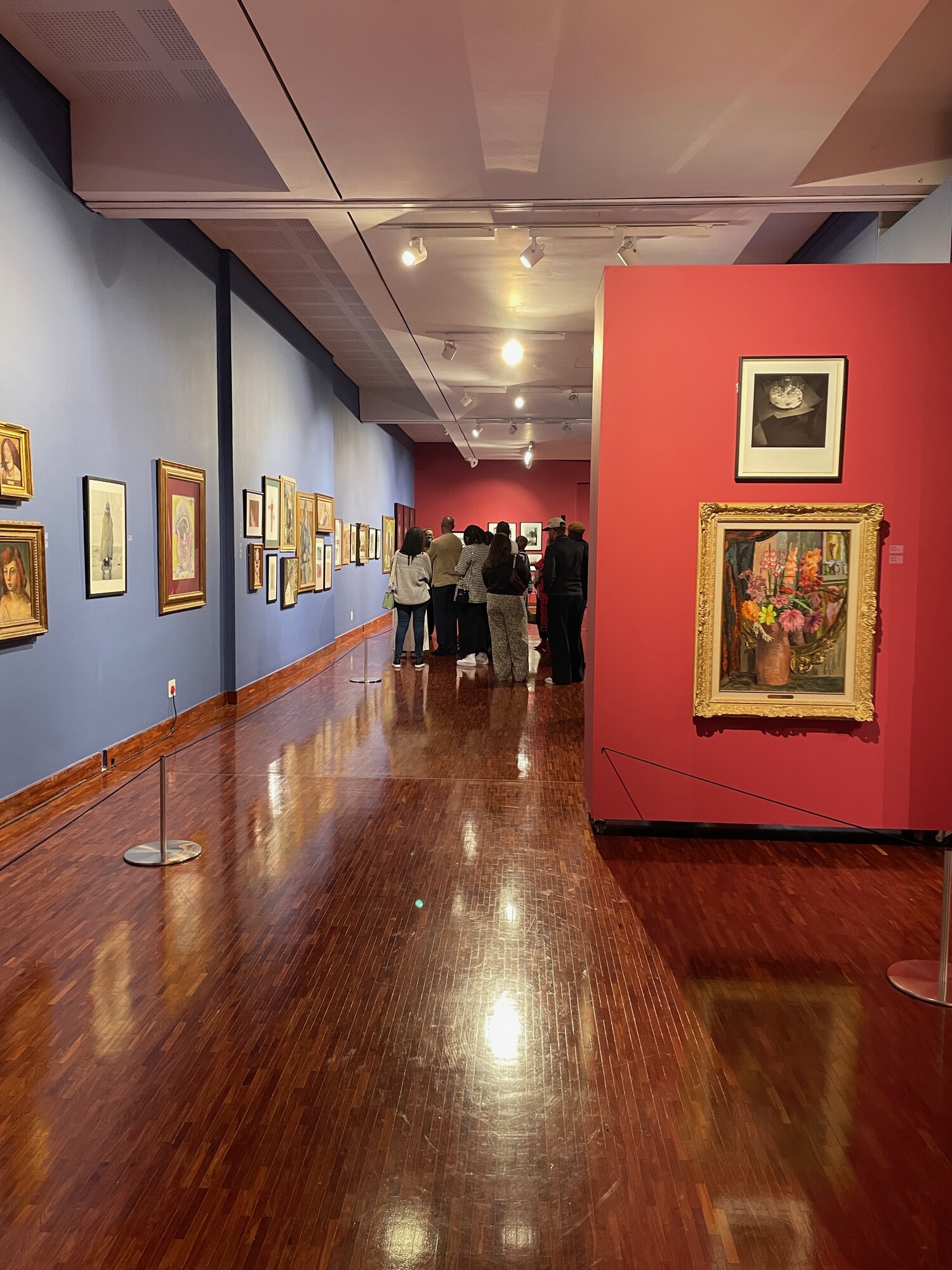
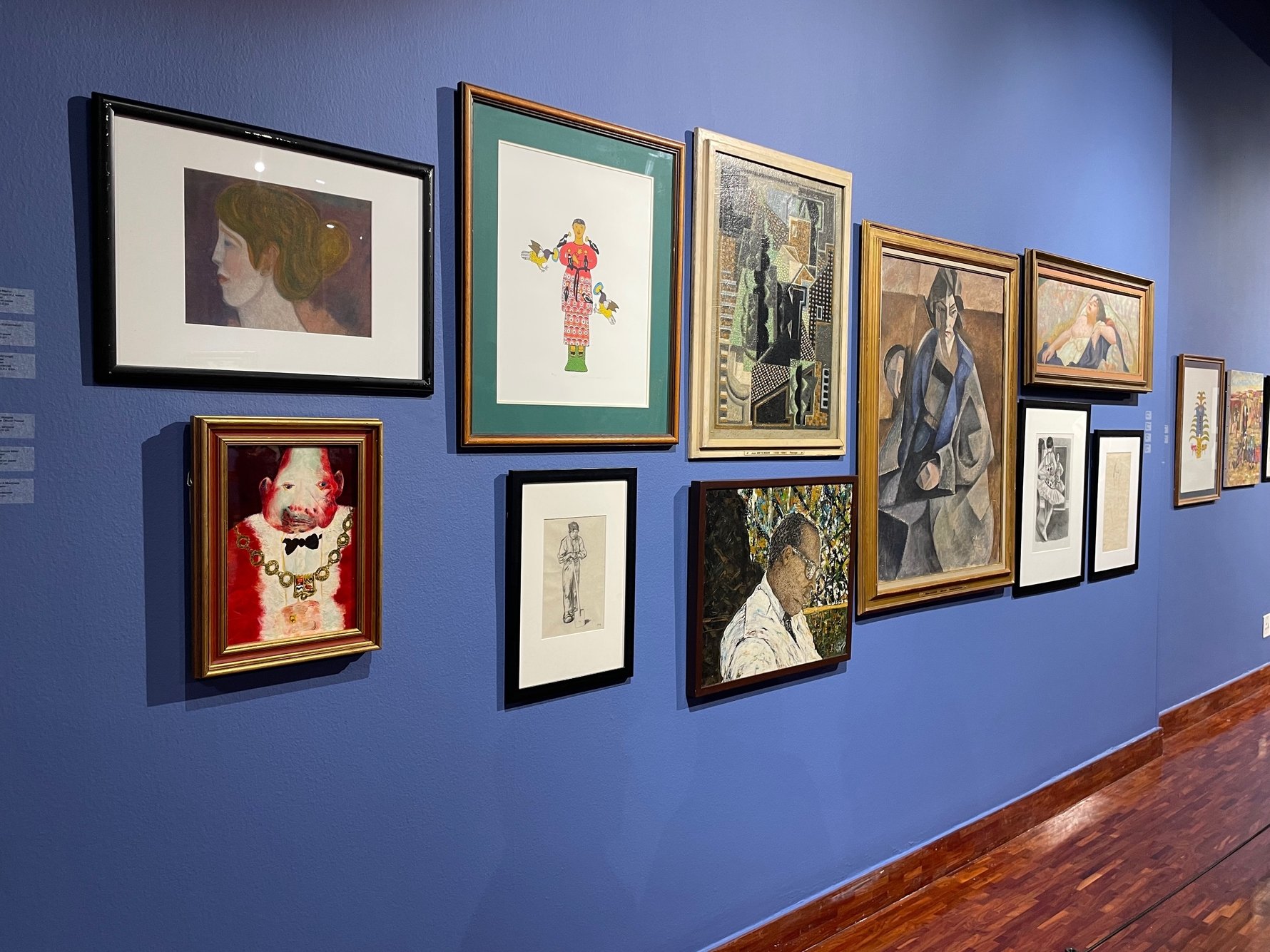
The works span decades and continents, opening up a dialogue between Europe and Africa. Among them are a portrait of Lady Florence Phillips by Antonio Mancini (1909), the driving force behind the establishment of the Johannesburg Art Gallery (JAG) in 1910. The gallery officially opened its doors in 1915 in a landmark building in Joubert Park. Phillips' aim was to establish a permanent cultural institution in a young, mining-driven city that she felt lacked "moral and cultural upliftment". On the richly painted walls at Standard Bank Gallery, the collection is astonishing, ranging from classical to contemporary. It's a treat to see works by Gerard Sekoto, George Pemba, Gladys Mgudlandlu, and William Kentridge arranged next to those of Francis Bacon, Dante Gabriel Rossetti, Pablo Picasso, and Claude Monet. For an outsider it's a pure privilege, and one that belongs to the people of Johannesburg.
"It is difficult not to notice when memory is being gently rearranged."
But if you have followed the story, or rather the saga, of the Johannesburg Art Gallery over the past decade, the moment is impossible to view as simple homecoming, and one of cultural renewal. Listening to the official speeches I was conscious that the true custodians of this city are rarely the people who arrive at the podium once the crisis has passed.
Although in this case it has not been a single crisis, but a succession of them – many of which remain unresolved, including the fate of the full collection and its safe relocation. Read the latest on this by Anna Cox for Daily Maverick, published two days after the opening.
The JAG collection has survived years of uncertainty because people have cared enough to fight for it – among them an historic founder, artists, historians, activists, and ordinary residents who refused to let it quietly disappear from public view. If there is a homecoming to celebrate, it belongs to them too.
The JAG collection exists because it was entrusted to the City of Johannesburg for its people. It belongs, in the deepest sense, to the city. Yet for years the institution responsible for protecting it has allowed the building that houses it to slide into visible decay.
The gallery in Joubert Park has moved through successive stages of crisis: infrastructure failure, stalled restoration plans, confusion over budgets, and a persistent sense that responsibility was drifting. This has put the works at risk, and what is on show at Standard Bank Gallery is only around 150 pieces of a much greater collection that are now safely stored in museum conditions.
Throughout this period it has not been official leadership that kept the issue alive. Artists raised alarm. Historians spoke out. The Johannesburg Heritage Foundation (JHF) pushed for transparency. Civil society groups demanded answers. Friends of JAG and others refused to allow the conversation to fade.
Without that pressure it is entirely possible the collection might have quietly slipped further from the city’s attention.
Which is why the tone of the opening felt so strange. Because in the carefully choreographed language of the day, the years of contestation seemed to evaporate. The exhibition was framed as a triumphant return – a cultural homecoming – rather than the result of sustained struggle.
"And now we are asked to celebrate the dashing 'rescue' of the collection, as if it had wilfully wandered off on an overseas tour and, like an errant dandy, is being called home for family business. There is no way to truthfully frame this as a triumphant narrative."
It is difficult not to notice when memory is being gently rearranged. What struck me most, though, was not only what was said – but what was not. Because in this exhibition, the silences speak loudly. At the entrance, the curatorial voice is almost anonymous. There is no clear sense of who has shaped this selection, or how decisions have been made. The names – and with them, accountability – recede into the background.
More striking still is the absence of acknowledgement of the Friends of JAG and the JHF – both of which have played a sustained and public role in advocating for the protection of the gallery and its collection. They were not named, nor were the many individuals, curators, historians, and cultural workers who have spent years insisting that this collection matters.
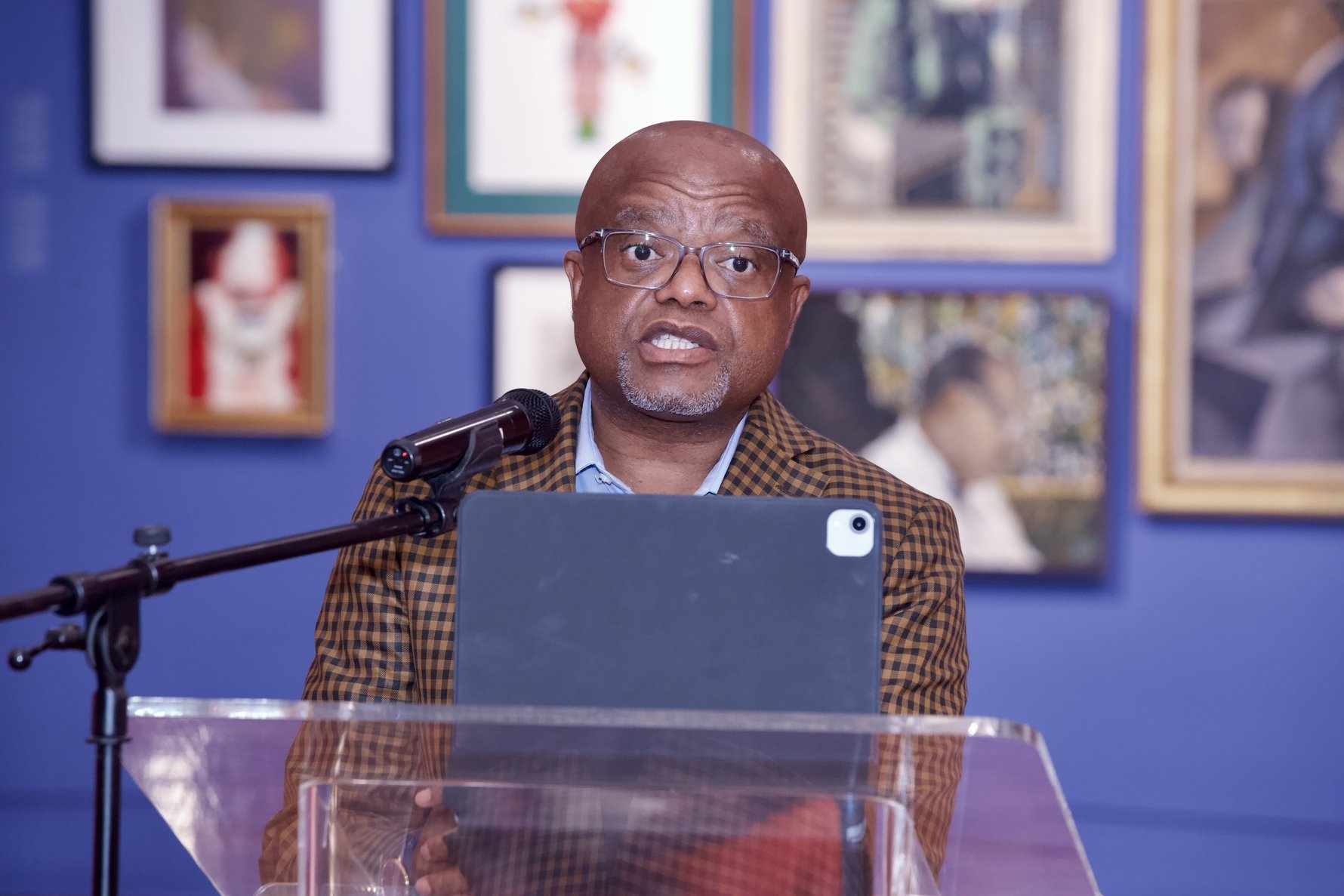
And then there are the works themselves. Presented with remarkably little context. No stories. Sparse interpretation. My companion on the day, a veteran art historian, remarked that the commentary at points resembled something that one would use to challenge first-year students to "think" about what they are seeing.
You move from piece to piece without a clear sense of timeline, of acquisition, of controversy, of meaning. The (ironically) transparent labels used are mostly illegible and resemble fine print. The collection is presented as if it exists in a kind of historical vacuum – detached from the very conditions that shaped it. The result is a subtle but persistent dislocation.
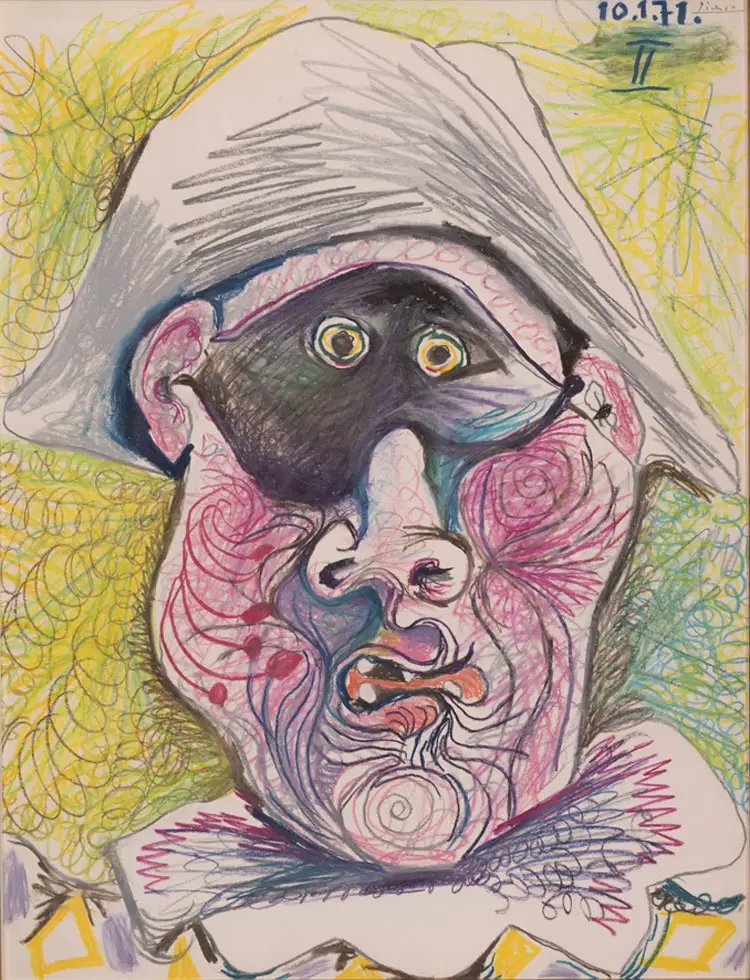
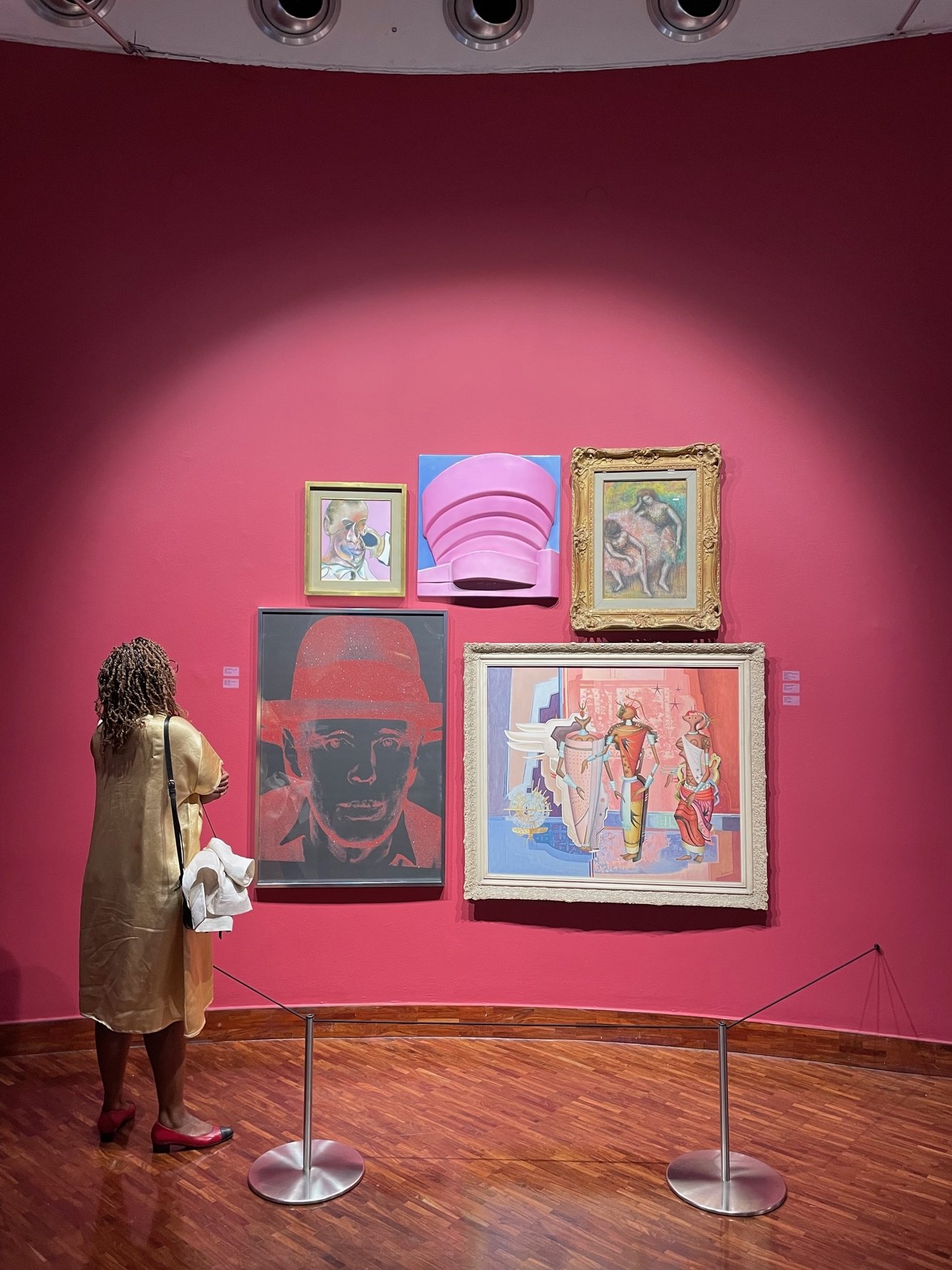
A Picasso hangs on the wall – the same work that once sent shockwaves through Johannesburg in 1973, when its acquisition (funded by Friends of JAG) consumed the gallery’s entire annual budget and ignited public debate. Here, it appears without that history. Without the friction that made it matter. Nearby, a portrait of JAG's founder Lady Florence Phillips is given no particular emphasis. You would not know, unless you already did, that you are looking at the figure most responsible for the institution’s existence. Even the exhibition design gestures towards history without fully engaging it. The wall colours echo the interiors of the original gallery – once a bold and controversial decision – but that story, too, goes untold.
All the elements are here. But the connective tissue – the stories that would make the works legible, human, accessible – is largely absent.
Johannesburg is increasingly a city held together by three uneasy forces: civil society, corporate institutions, and government. When the state falters, citizens organise. When public institutions decay, corporates sometimes step in to stabilise what they can. These arrangements can work. In fragile cities they often have to. But they depend on honesty about how we arrived here.
What becomes corrosive is when those who failed to protect something step forward to narrate themselves as its rescuers – particularly in an election year, when long-running crises suddenly begin to produce convenient victories.
"It is not that the works are not welcome. It is that the story of how we arrived here that is far from settled. Johannesburg does not need another exercise in narrative polish. It needs honesty."
The week had offered an unexpected counterpoint. Only days earlier I had attended a special memorial sitting for a dear relative, Justice Lewis Goldblatt, at the High Court – a man who lived the law with ethics and integrity at its centre. The precinct surrounding the court is in a shocking state: broken, collapsed, and dispiriting in ways that make you wonder how people enter it every day without feeling their souls eroding. And yet inside the warren of court buildings something extraordinary persists.
There is dignity there. Respect for the law. A sense of responsibility carried quietly by the people who work within those rooms. Despite the decay around them, something important is still being held in trust.
The contrast with JAG could not be sharper. This absence matters because it points to something deeper than oversight. It suggests what happens when the people who have carried an institution through its most difficult years are not meaningfully included in shaping how it is presented. Because the execution falters in precisely the places where lived knowledge would have made the difference – in context, in storytelling, in acknowledgement. In memory.
At JAG the crisis has been visible both inside and out – a building deteriorating physically while the institution itself seemed to drift without clear protection or direction. What should be a cherished cultural inheritance has increasingly felt like a casualty of wilful neglect. And more than that, a defiance of the idea of public good. Until today there is no public catalogue of the Johannesburg Art Gallery collection, despite the city's role as custodian. Nor is there a plan for restoration of precious works that have been damaged over the years. Sadly some of the works on display at Standard Bank Gallery – on a closer look – have been poorly retouched.
Even the title – Homecoming – sits uneasily. For many visitors, the works were never understood to have “left” in any meaningful public sense. They went walkabout in South Korea for many months before this became public knowledge. Their absence, like so much around the gallery, unfolded quietly and unevenly.
And now we are asked to celebrate the dashing "rescue" of the collection, as if it had wilfully wandered off on an overseas tour and, like an errant dandy, is being called home for family business. There is no way to truthfully frame this as a triumphant narrative.
It is not that the works are not welcome. It is that the story of how we arrived here that is far from settled. Johannesburg does not need another exercise in narrative polish. It needs honesty. Because the survival of the JAG collection was never guaranteed by the speeches of officials. It was secured by the persistence of those who refused to look away.
The true custodians of this city are the ones who refuse to let the story be forgotten. If this moment is to mean anything, it should not end at the gallery doors. It should extend into support for the organisations and individuals who have done the work of holding this institution in public consciousness – the JHF, the Friends of JAG, and others who continue to advocate for transparency, accountability, and care. There was no mention of them on the day.
It should also demand more from the exhibition itself. More context. More history. More acknowledgement of the people, the debates, and the decisions that shaped this collection. Because without that, the works risk becoming objects to be looked at – rather than stories to be understood.
When another member of our team visited on the day of the opening, the crowds had begun to thin and he began speaking to one of the security guards, asking what he thought of the exhibition, and whether he had a favourite. "He told me he wished there was more information – more writing alongside the works – because he didn’t know the artists or the stories behind them."
The distance became clear. Not between the past and the present. But between the collection and the people it is meant to belong to.
Perhaps that is the unresolved question at the centre of all this. We are trying to hold two reckonings at once: the longer history of the gallery – rooted in a colonial past – and the more recent struggle to prevent its collapse. The second has not yet been resolved. And until it is, the first cannot be fully confronted.
So the question lingers. Not only how we save the Johannesburg Art Gallery – but what, and who, are we saving it for.
Homecoming is at Standard Bank Gallery (44 Frederick St, Marshalltown) until Sat, Oct 31, 2026.
Support the work of Friends of JAG and Johannesburg Heritage Foundation
Become a member to support these vital organisations. Follow Friends of JAG and Johannesburg Heritage Foundation. Their work, as well as that of ordinary gallery staff at JAG, has helped ensure the gallery has stayed open over the past few years.
To keep up to date on the city's plans on the gallery's restoration follow the Instagram accounts of City of Joburg and Johannesburg Art Gallery, and make sure to show up for any community meetings that are held as part of this process.


Comments