

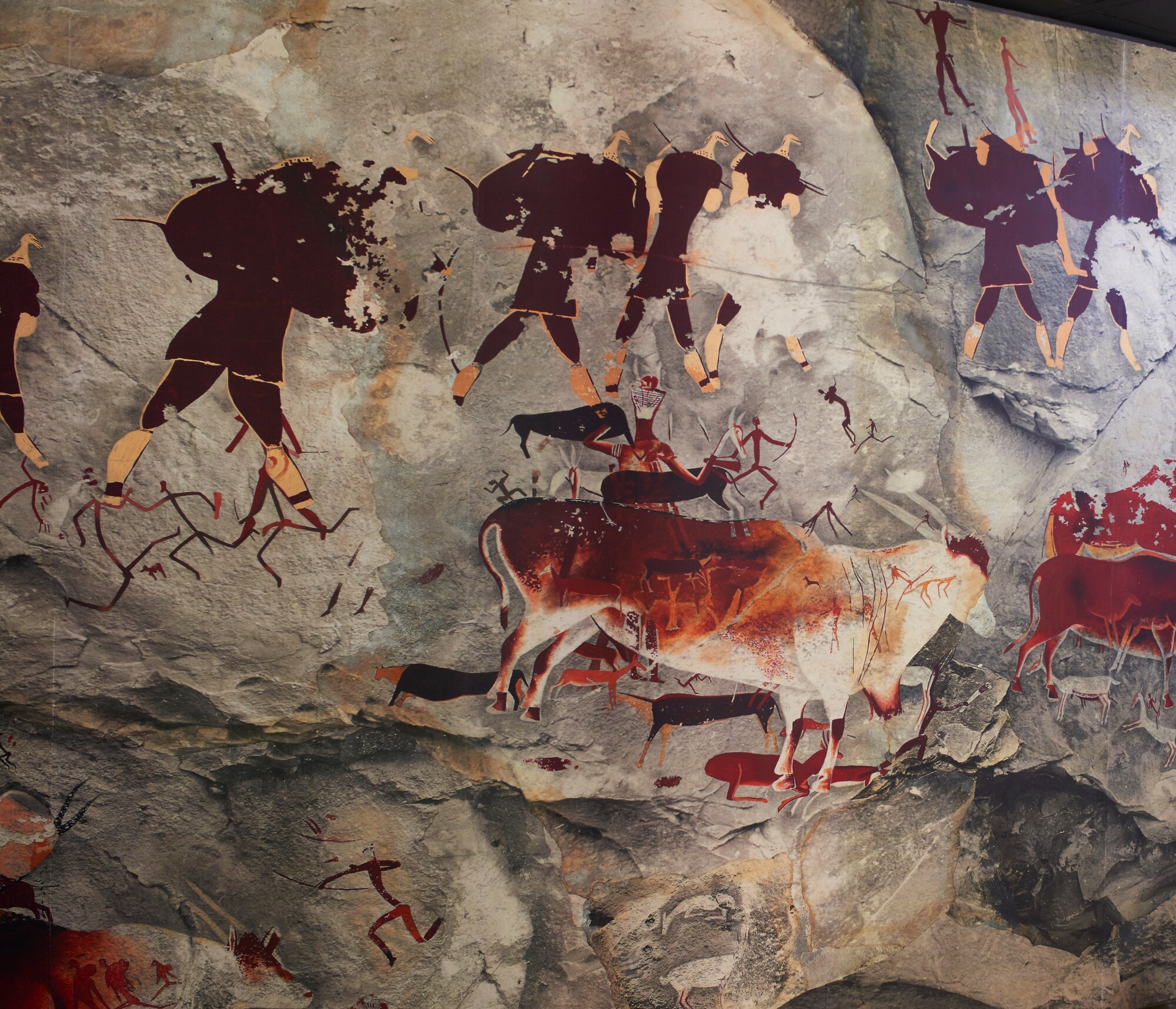
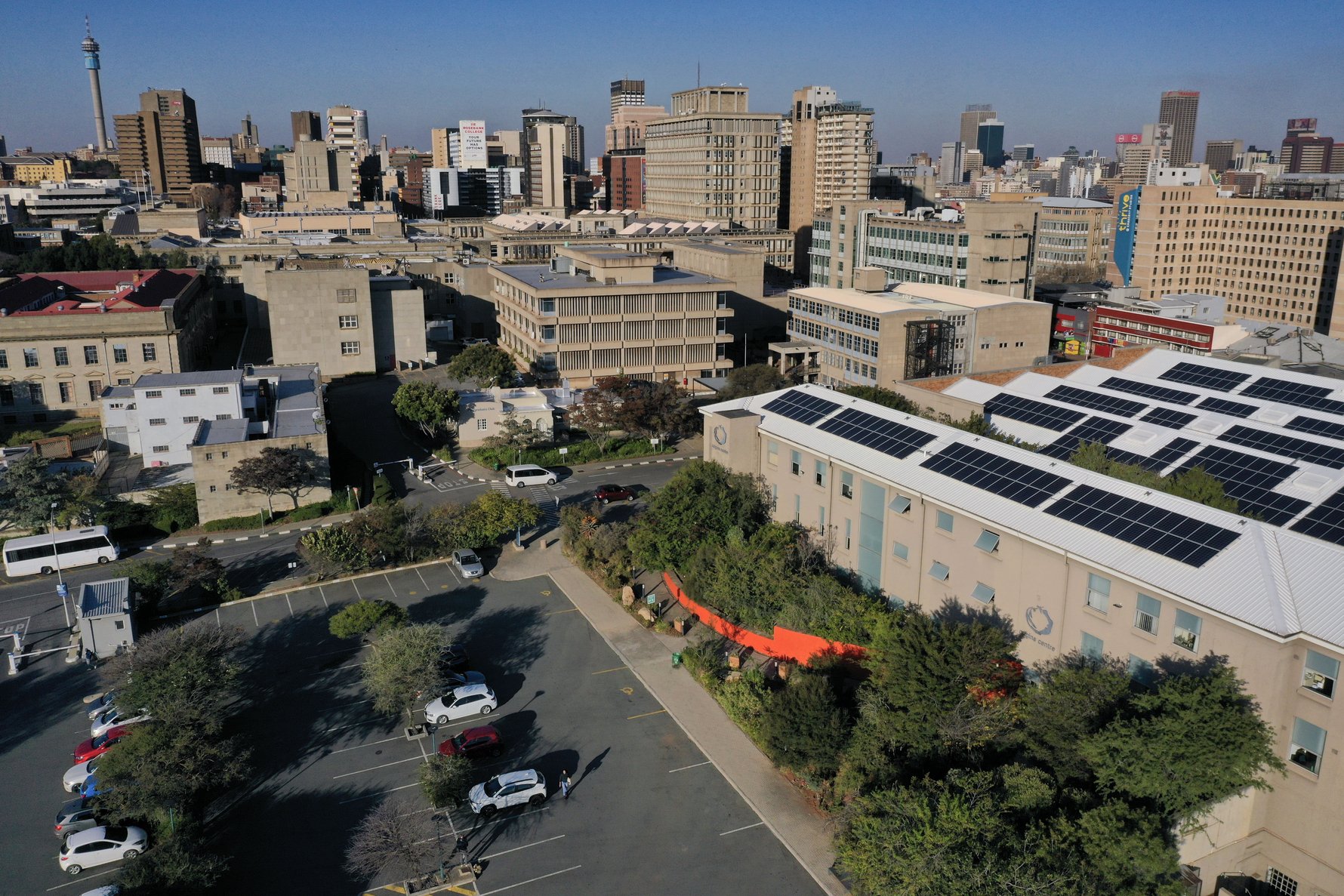
That curiosity plays a part in her role as curator and acting head of the Origins Centre, a museum in Braamfontein under the umbrella of Wits University. Established in 2006, Origins focuses on human evolution, creativity, and belief systems, drawing on archaeology, rock art, ethnography, and contemporary art to situate Africa at the centre of the human story. It’s a working museum as much as a public one: a place for exhibitions, research, conversation, and hands-on engagement.
"I love the friendliness and humanity of Joburgers and the assortment of people." – Tammy Hodgskiss
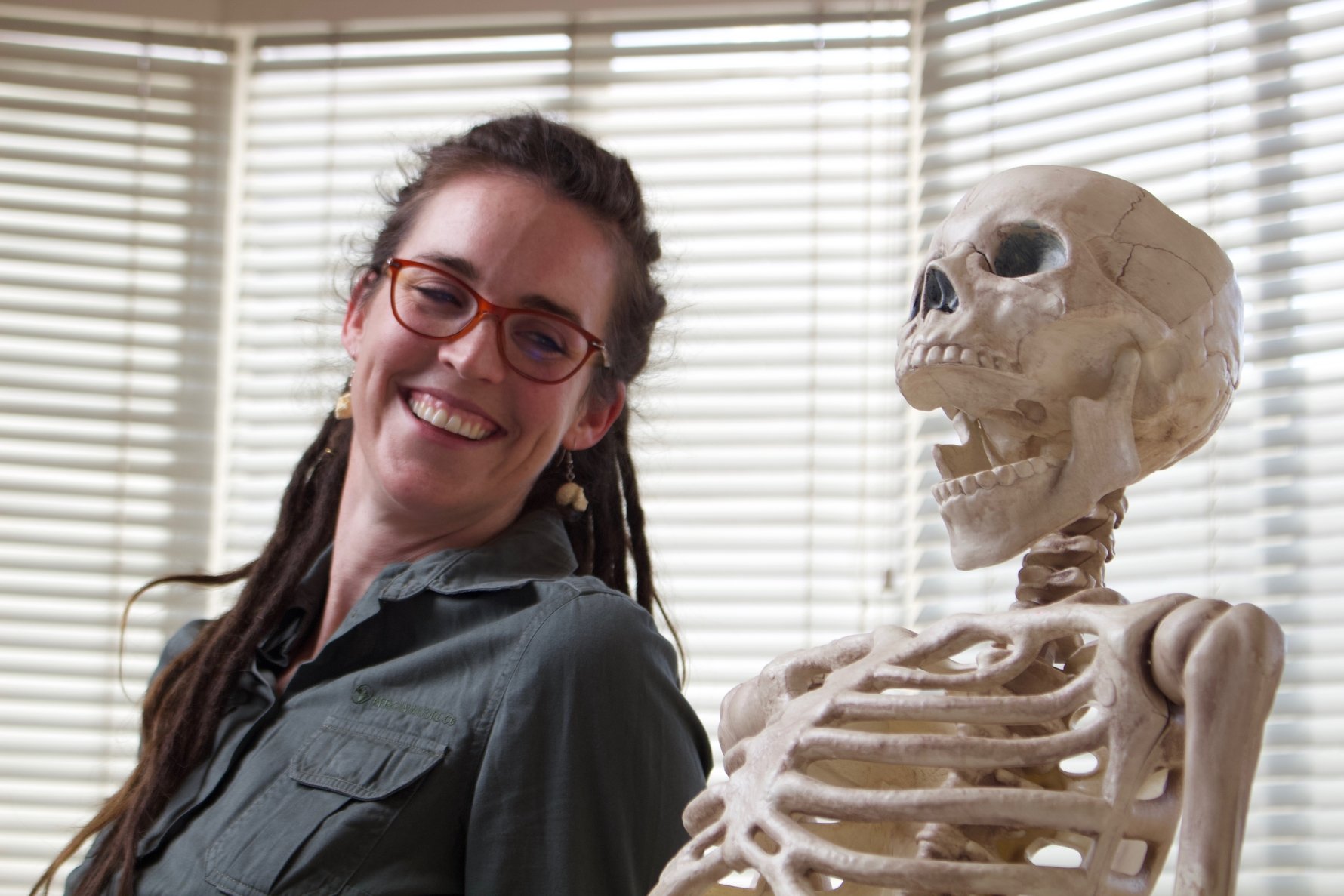
After more than two decades* at Wits as both student and staff member, Hodgskiss brings a distinctly Joburg sensibility to the role: practical, collaborative, and open to experimentation. She moves between research and public-facing work, between planning exhibitions and getting her hands dirty, and between deep time and the present moment – all while helping to shape Origins as a museum space that is active rather than reverential, and accessible rather than sealed off.
As the Origins Centre turns 20 in 2026, we caught up with Hodgskiss to talk about curating ancient human history in the middle of Johannesburg, what really goes into running a university museum and, of course, her well-travelled rock collection.
*Published in February 2026.
Who is Tammy Hodgskiss?
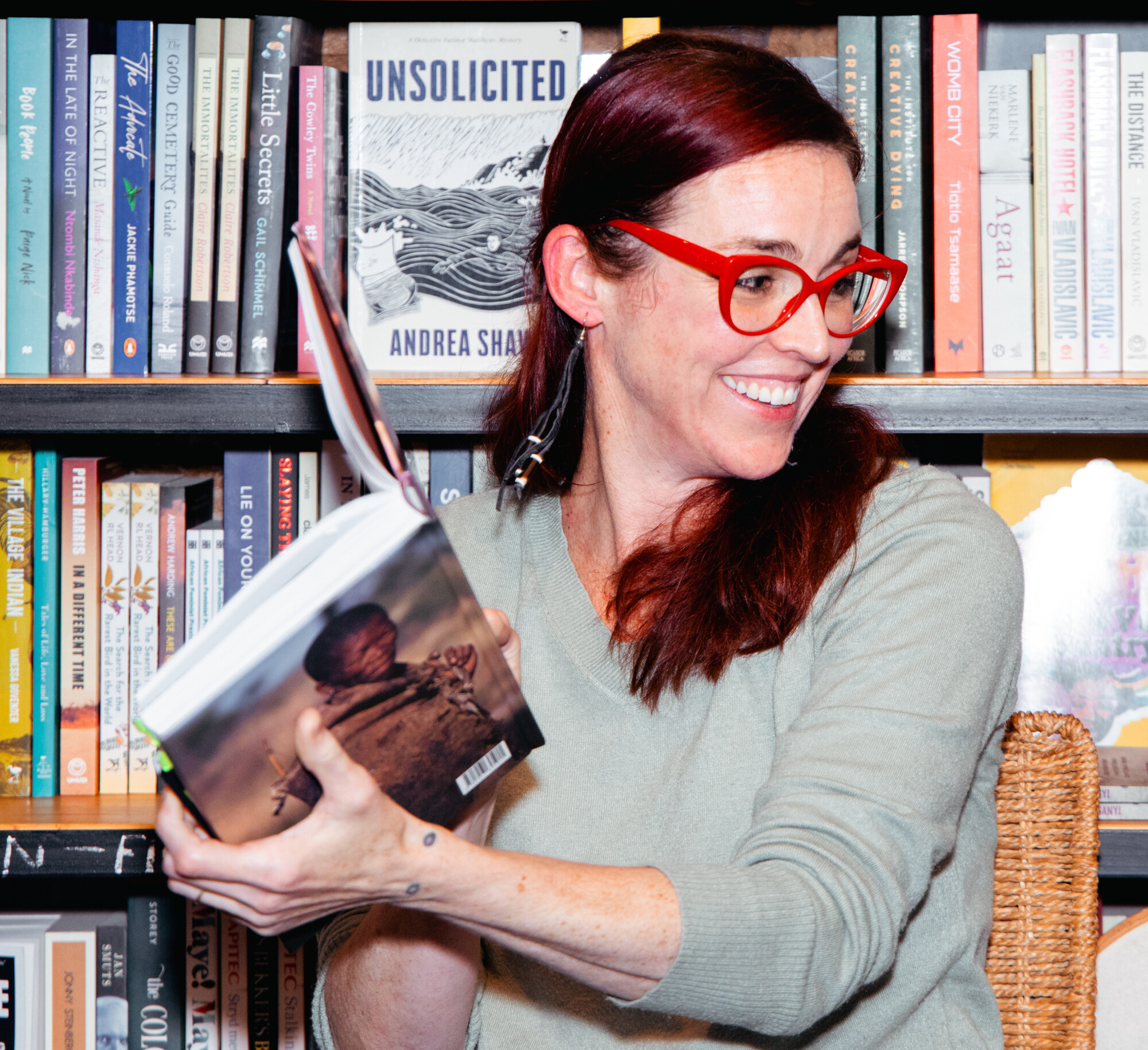
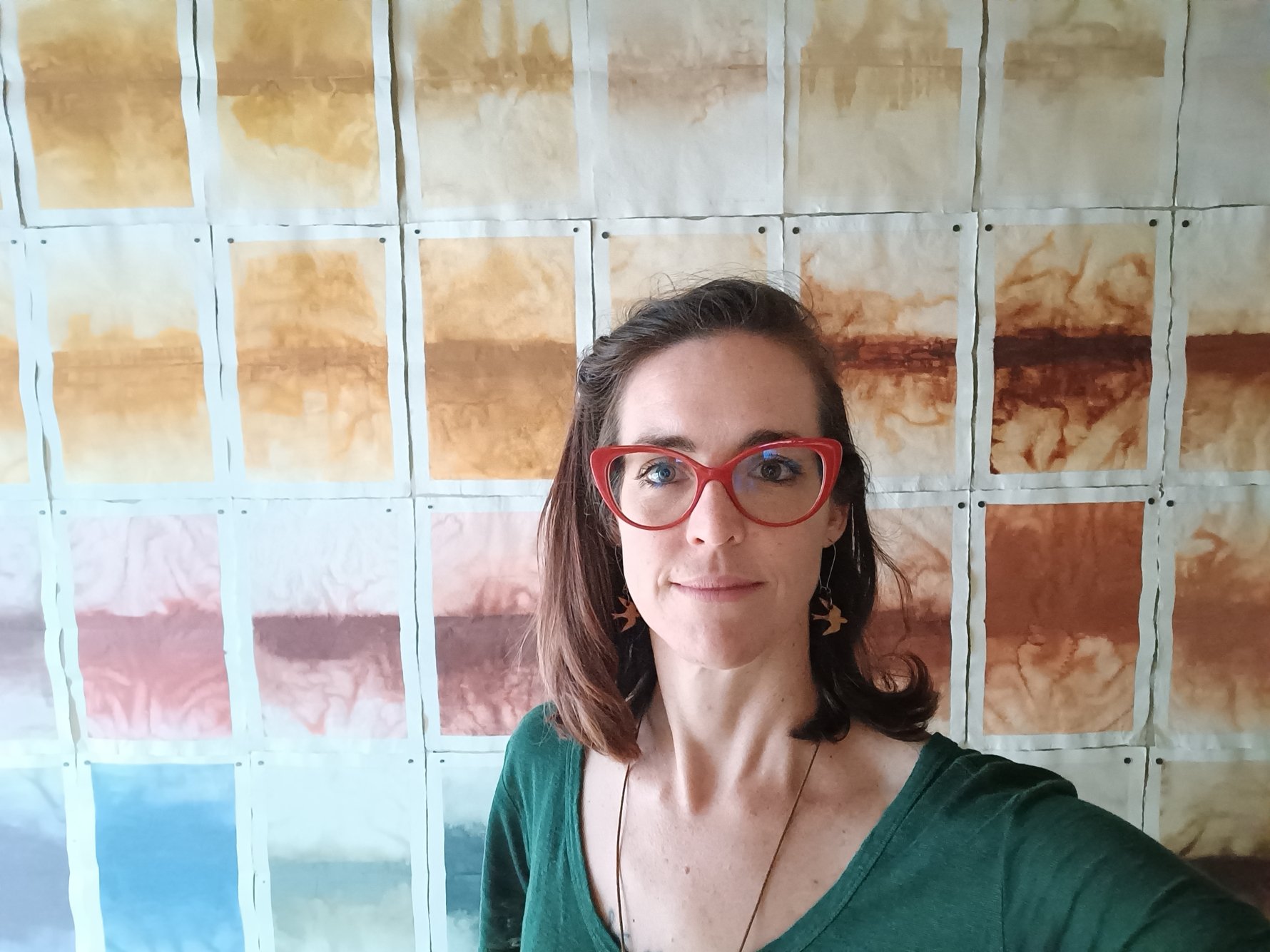
Tammy Hodgskiss is also Tammy Reynard; just call me Tammy or "the ochre lady". I’m an archaeologist, ochre researcher, and the curator and acting head of the Origins Centre museum at Wits University. I’m also an enthusiastic experimenter, published researcher, wife (to another archaeologist), and mother of two awesome kids. My research focus is on archaeological and historic ochre and mineral pigments – I spend a lot of time with dirty (red) hands, showing people pretty rocks.
What’s something about your role as the curator at the Origins Centre we’d be surprised to learn?
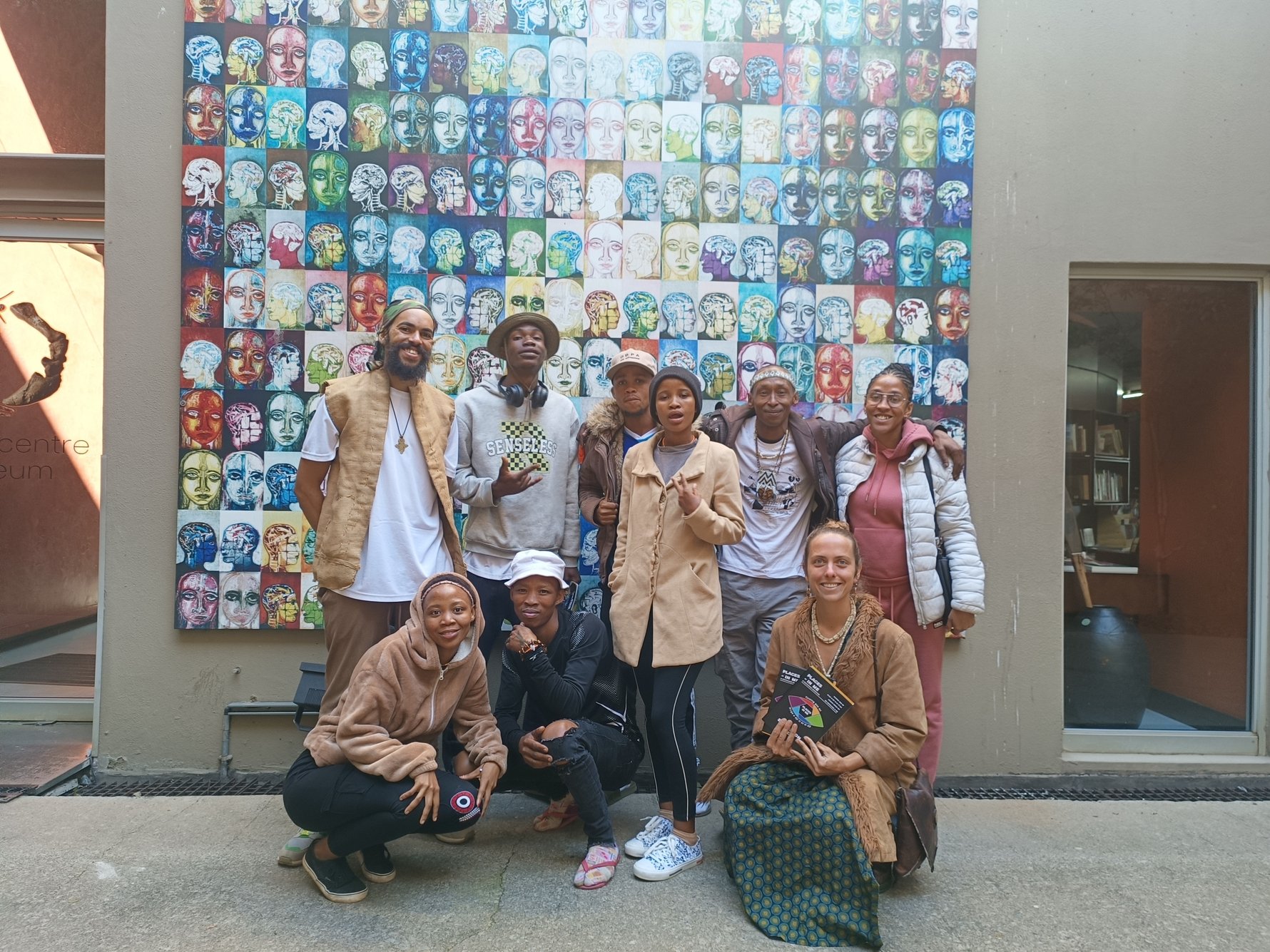
A curator can have so many different roles. At Origins, we don’t have our own huge collection that I curate – we work with the Rock Art Research Institute, which curates the rock art and ethnographic objects – but I look after the permanent exhibitions, coordinate the programming and installation of temporary exhibitions, and I plan public events so people can engage more with the museum.
"Origins Centre is a beautiful and calm place – like a cave; a place of sanctitude, quiet, and coolness in the middle of the hustle and bustle of the city." – Tammy Hodgskiss
Walk us through a day in your life at the Origins Centre – what sorts of things would we find you doing?
You can often find me running up and down stairs, assisting exhibitors, painting walls, adjusting lighting, carrying tape, paint, rocks, and chairs... But I also spend a lot of time in my office responding to emails, planning and scheduling, doing admin, creating posters and social media content, checking exhibition texts, trying to clean my office, and supervising post-graduate students.
What has been most enriching or fascinating to you about working as the Origins curator over the years?
It would have to be the people. From the people I work with, at Origins and Wits, to the exhibitors, artists, researchers, students, photographers, kids, heritage practitioners, teachers, explorers, tourists, and families I interact with. I have met so many inspiring people from around the continent and globe who are doing so many different things – it makes the world a smaller and friendlier place for me.
What do you love about the institution itself? It’s such an unusual space in the city.
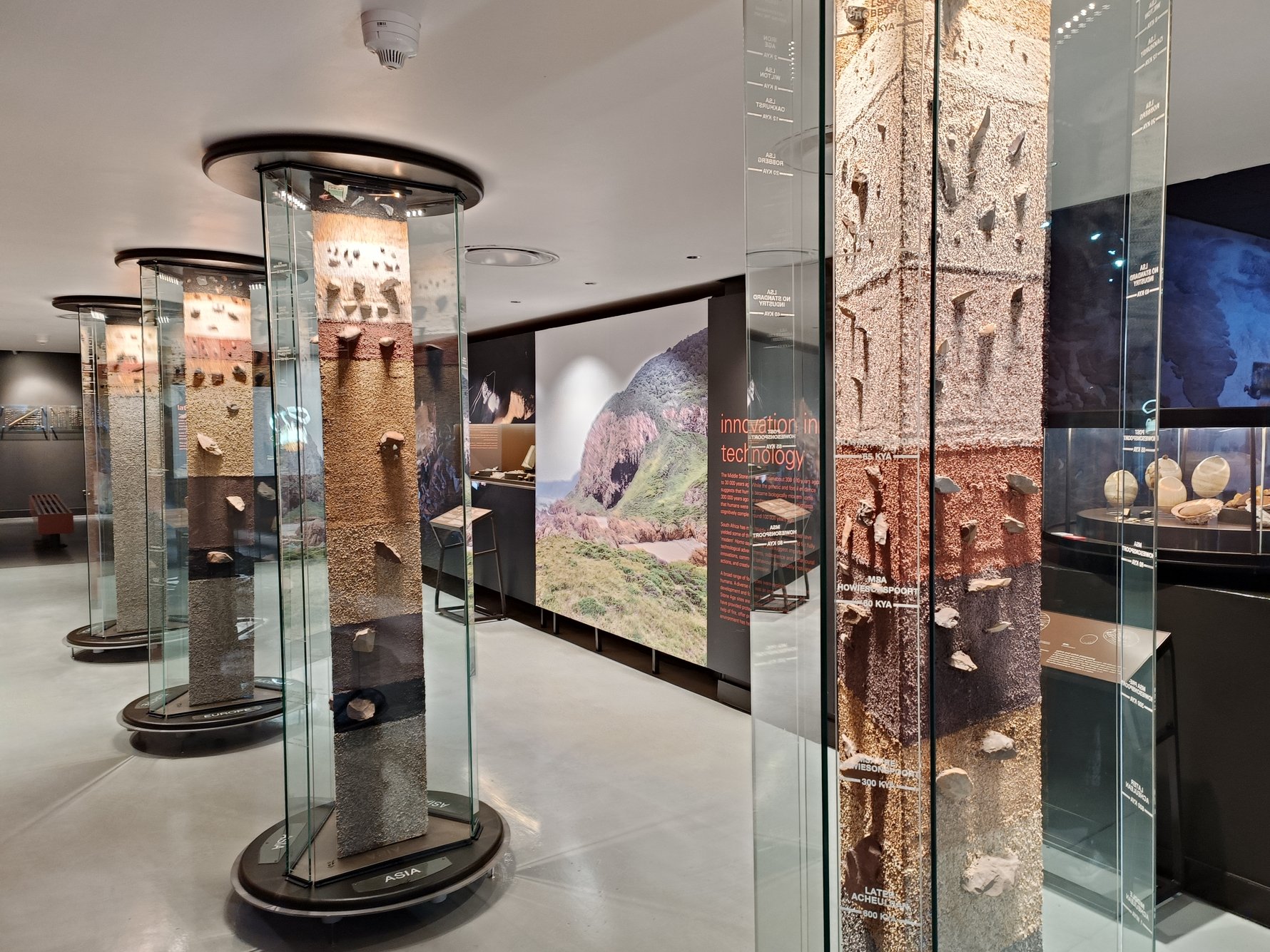
Origins Centre is a beautiful and calm place – like a cave; a place of sanctitude, quiet, and coolness in the middle of the hustle and bustle of the city. In the museum, one is surrounded by the changing stories, innovations, art, and beliefs of hundreds of thousands of years of people (and hominins).
"I spend a lot of time with dirty (red) hands, showing people pretty rocks." – Tammy Hodgskiss
What does it mean to curate deep human history in post-apartheid South Africa, particularly within a university?
It’s important to ensure that the museum provides a space for open reflection and honest conversation. Histories and our understanding of deep time, people, and place are constantly changing, and it’s difficult for museums to capture all the stories and perspectives. Texts, displays, and museum spaces need to be transformed – not just by physically changing them, but through temporary exhibitions and art installations. Or to facilitate conversation through workshops and public lectures.
South Africa is such a vibrant, multicultural place, but with a difficult history and many social and economic worries. We need to address this, speak about it, each find our place, learn from the past, and find real social connections. As a university museum, we also have the opportunity to bridge the gap between academics, students, and the public – and at Origins, this bridge is also a meeting place of the sciences and the humanities.
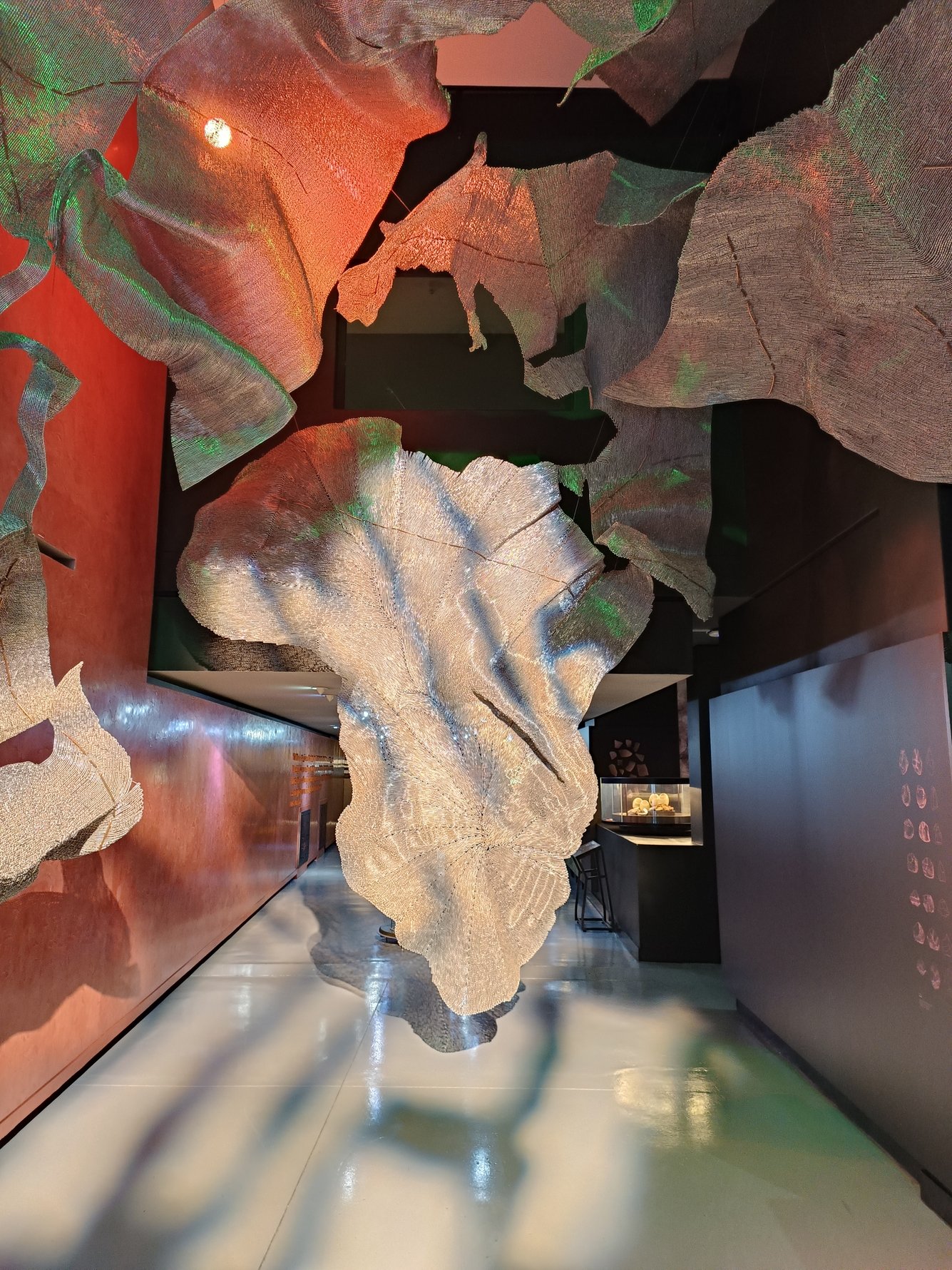
Photo: Supplied.
What kinds of reactions from visitors stay with you the most?
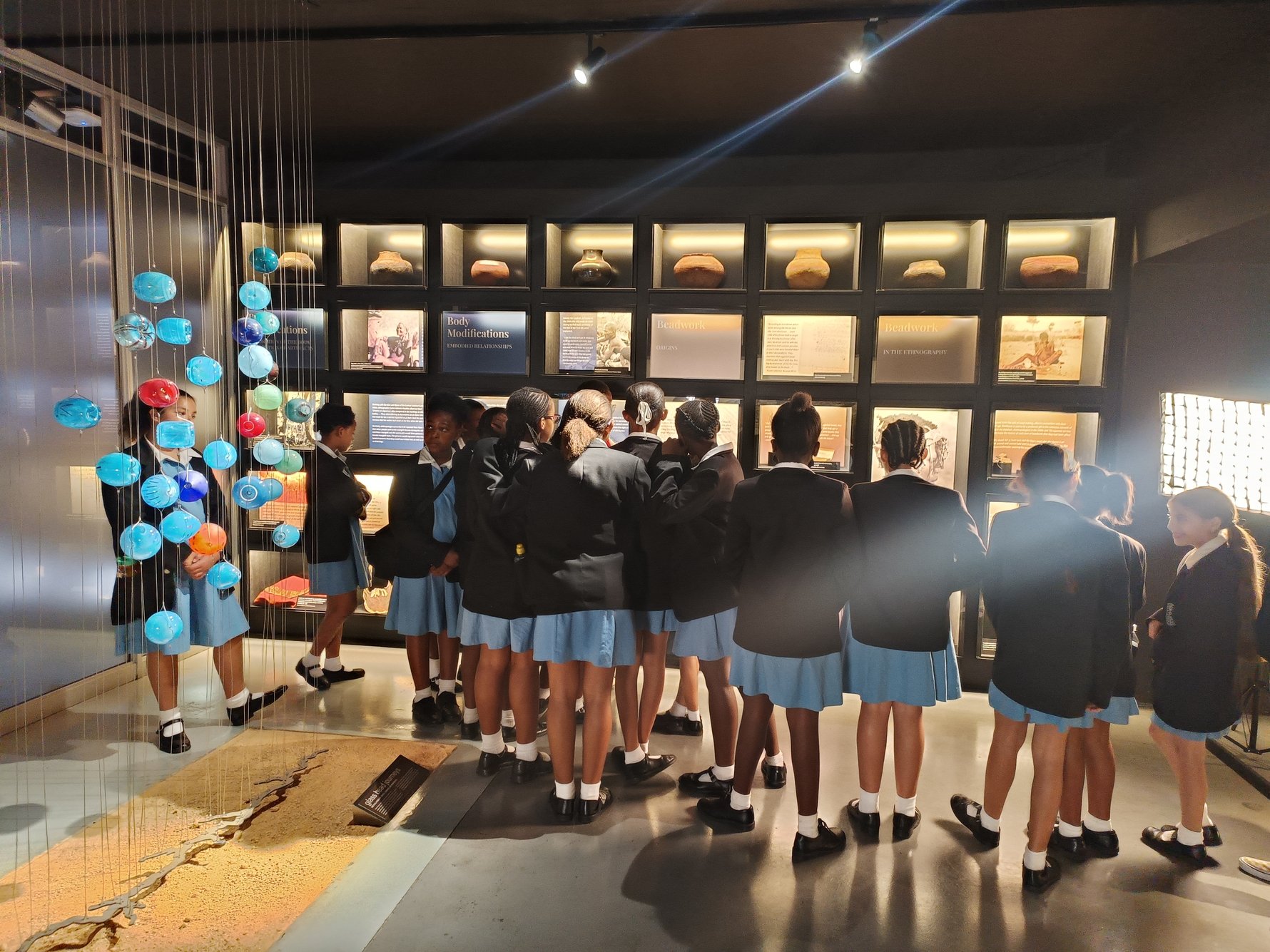
I love the connection people feel to the museum. Guests are often shocked by the size of the place (and that they didn’t know it was here). I love the response from guests when they first walk into the museum and see the hand-woven World Map by Walter Oltmann that almost envelops you, welcoming you home to Africa – the birthplace of humanity. Or when they open the drawer of hominid skull replicas. Or when they walk into the "Tapestry Room" and the 11 4x2 metre brightly coloured hand-embroidered panels surround you, illustrating the history of the San peoples and visualising a connection with the past and rock art.
"It’s important to ensure that the museum provides a space for open reflection and honest conversation." – Tammy Hodgskiss
Tell us a bit more about the programming offered at Origins Centre. What are your aims with this public-facing aspect of the centre?
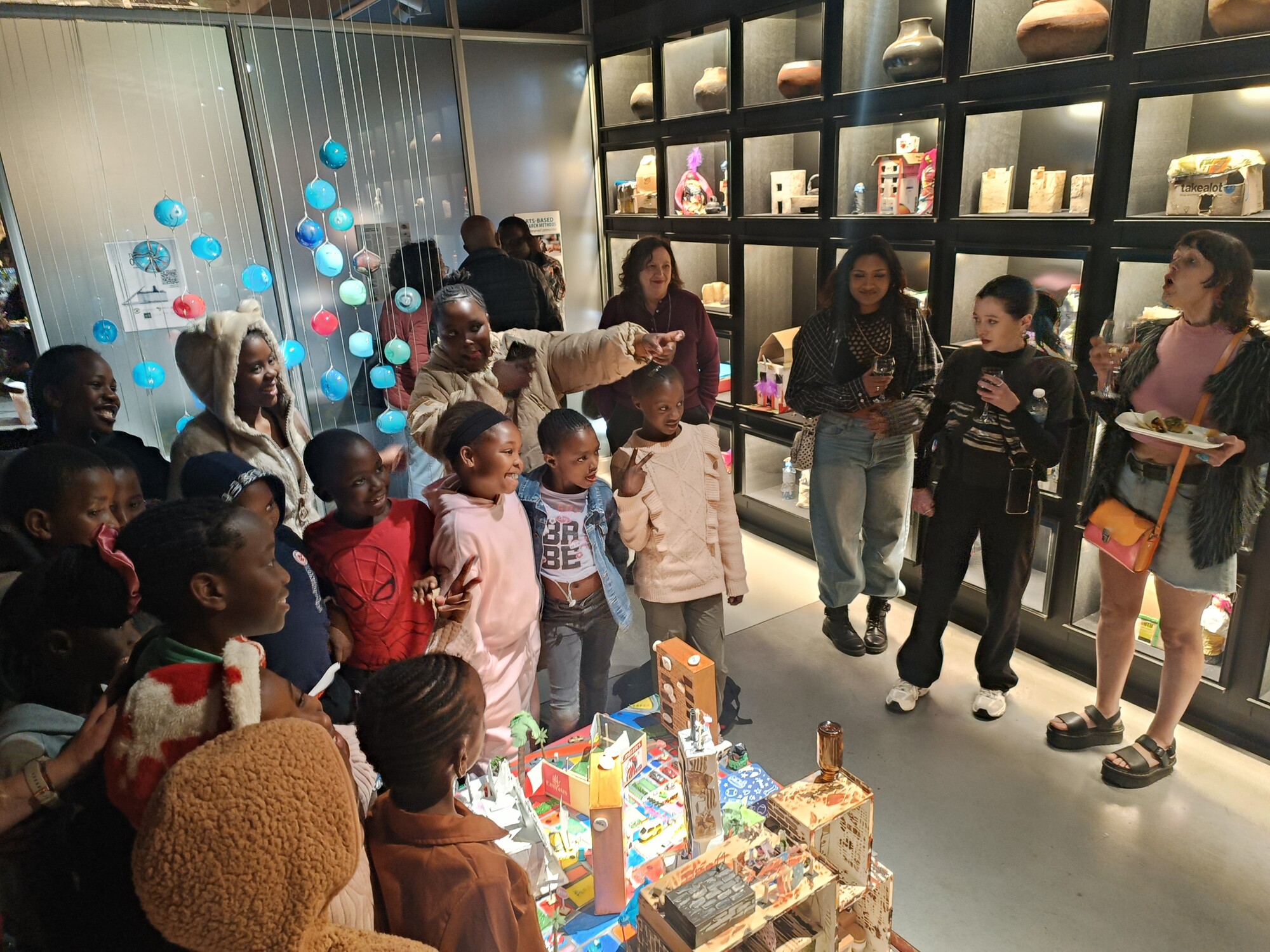
We have tried to create a vibrant space – not "just" museum exhibits. The museum was designed to incorporate film, interactive displays, and contemporary artworks, and the museum layout is an exploration in itself. We offer fun and varied public programming to grow interactions and interest. We host regular temporary exhibitions (with walkabouts and artist activations connected to them); offer ochre painting workshops for groups; and Dr Kirti Ranchod hosts monthly mental wellness sessions at Origins (mostly on the third Saturday of the month). There are also hands-on creativity sessions, public lectures or book launches by local and international researchers, and interactive and enjoyable family archaeology activity days.
We are a space where the public can access the amazing archaeological and ethnographic collections that Wits conserves. We aim to make people excited about archaeology, history, and South Africa and Africa’s very important place in the human journey.
Before becoming a curator, what first drew you to archaeology?
The exploration into the unknown and discovering things. And digging in the sand and mud. When I came to the Wits open day the year before I started studying (and still had no idea what I wanted to do), the archaeology department had set up a smelting furnace and bellows, which I thought was so cool. That made me decide to study archaeology.
You’ve found your niche in ochre – an earth pigment often linked to early symbolic behaviour. How has working so closely with this material changed your understanding of the past, or of humanity itself?
Working with ochre and understanding how people around the world have used this unassuming mineral/soil/rock for many different purposes for so many tens of thousands of years has made me feel connected – to places, to people now, and to the people in our deep past. Ochre has allowed me to think of the simple things that make us human, that connect us to each other and spaces, and help us to communicate with each other or make us feel happy or sad. These elements are somewhat removed from archaeological narratives, because the personal stories and the feelings of those in the past aren’t retrievable – but it’s still important to think about them.
Is there a pigment sample at the Origins Centre that you feel especially connected to?
I have so many ochre rocks and samples that I love; treasures collected or gifted from all over the world (but mostly from Southern Africa). The pieces I love the most are the hard, red-purple and sparkly hematites, for example, from Ngwenya Mine in Eswatini, Olieboomspoort in Limpopo, and Sunrise Ochre Mine in Wyoming, USA (I recently received this one, it’s like fairy dust). I also have a beautiful piece of blue vivianite from Oregon, USA, that was a gift from ochre whisperer Heidi Gustafson, which is really special to me.
"Working with ochre and understanding how people around the world have used this unassuming material for many different purposes for so many tens of thousands of years has made me feel connected – to places, to people now, and to the people in our deep past." – Tammy Hodgskiss
What can we look forward to from Origins Centre in 2026?
Origins turns 20 this year, so we have great celebratory events planned, including talks and performances by some of the artists and people who made Origins the special museum it is, and connecting further with descendant and indigenous communities, as well as the Wits student community and the Wits Science Enterprises and Museums. We are just finishing up some awesome upgrades to the museum, including new lighting, projectors, and display cabinets, so the museum is looking amazing. We have 10 temporary exhibitions planned by artists, photographers, and Master's students which explore an assortment of themes. We’ll continue to offer curriculum-aligned guided tours, ochre painting workshops, lectures on human evolution, hands-on activities, and family days.
Visit wits.ac.za/origins for more information, and follow @tammyhodgie on Instagram to stay in the loop.
Rapid-fire round: Six questions about Joburg
What brought you to Joburg and what makes you stay?I’m a proud Joburger through and through. Born and bred. I love the friendliness and humanity of Joburgers and the assortment of people. There are always new places to explore, and new initiatives. It’s alive.
Your favourite Joburg suburb and why?
I live in Westdene and I love the diversity and community spirit.
Who is one Joburg personality you would honour with the Freedom of the City if you could, and why?
I would think more smaller scale – about people making a difference within communities. People like Tamzyn Botha with Shade and her work with children in Brixton (and with the Windybrow Arts Centre and Gerard Bester).
If you were Joburg's mayor for one day what would you change?
I would reduce the pay of politicians and the high-ups and redistribute more money to public schools and increase teachers’ pay.
The perfect weekend in Joburg includes...
Going to Sci-Bono Discovery Centre in Newtown and then roller skating at Westgate Mall, or some shopping at Cresta Shopping Centre. Walking or running around my neighbourhood. Maybe visiting a charity or second-hand shop – a favourite is the Charity Shop for Cats (Bounty Hunters) in Melville (my kids come along to spend time with the kitties).
Three words that describe this city.
Vibrant. Diverse. Complex.


Comments