Sheer City comes to Joburg for a high-impact, underground collaboration with VNJ BALL across Club AM and Carfax on Fri, Jan 23, 2026. Book your tickets here.
Off the back of Sheer City’sinaugural block party-style takeover of Cape Town, the magic travels to Joburg for a one-night-only extravaganza across two inner-city venues. Leading the charge is Richard Marshall, founder of Sub-Sahara Electronica, veteran festival promoter, and curator of Sheer City. The decentralised nightlife model was born from decades of experience in South Africa and abroad, and Marshall is dedicated to creating spaces where music and community come first – stripped of social media distractions and commercial spectacle.
For the Joburg edition, Marshall pairs up with Lelowhatsgood, Johannesburg-based DJ, curator, and community connector whose work with VNJ BALL has been instrumental in shaping inclusive and expressive dancefloor culture.
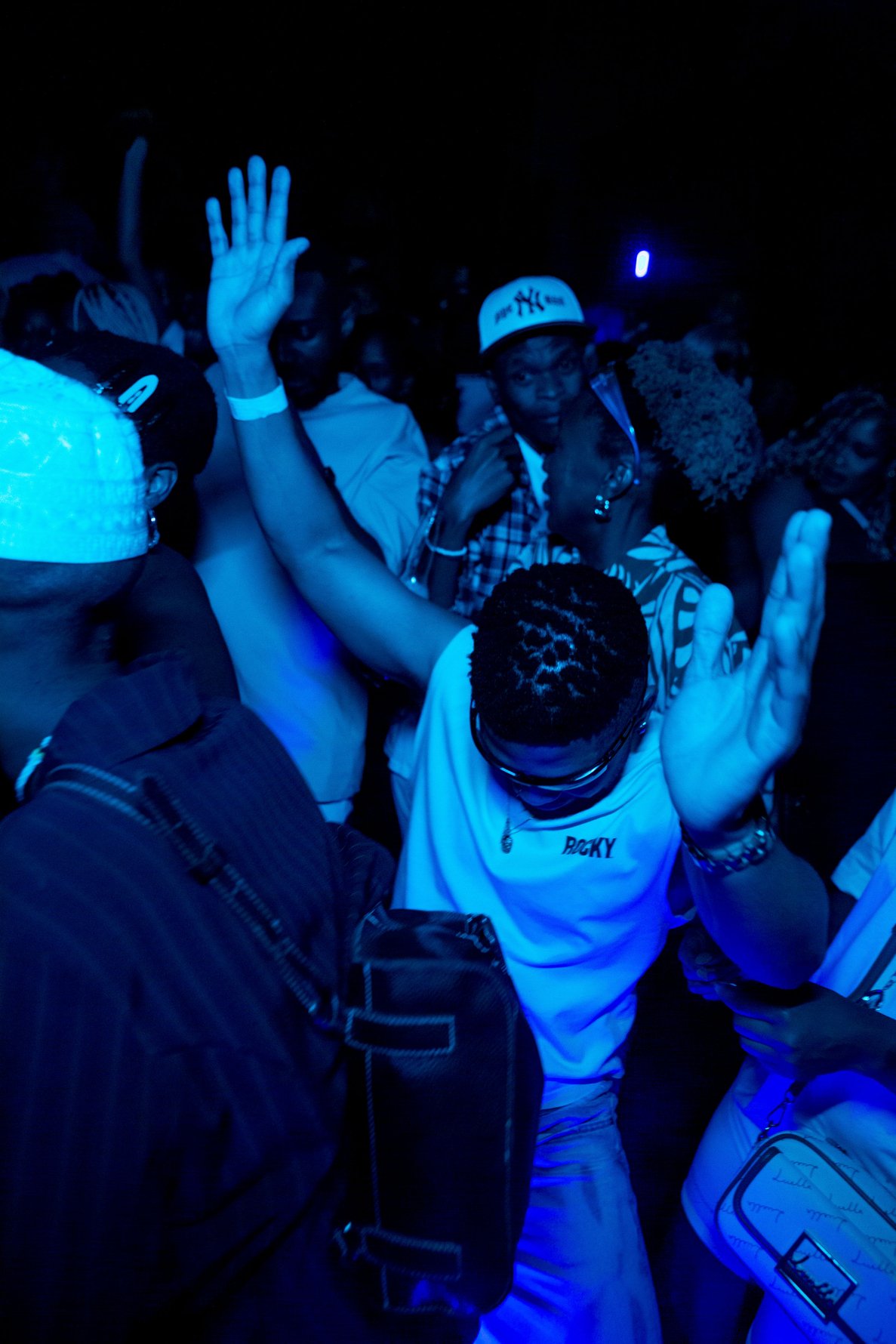
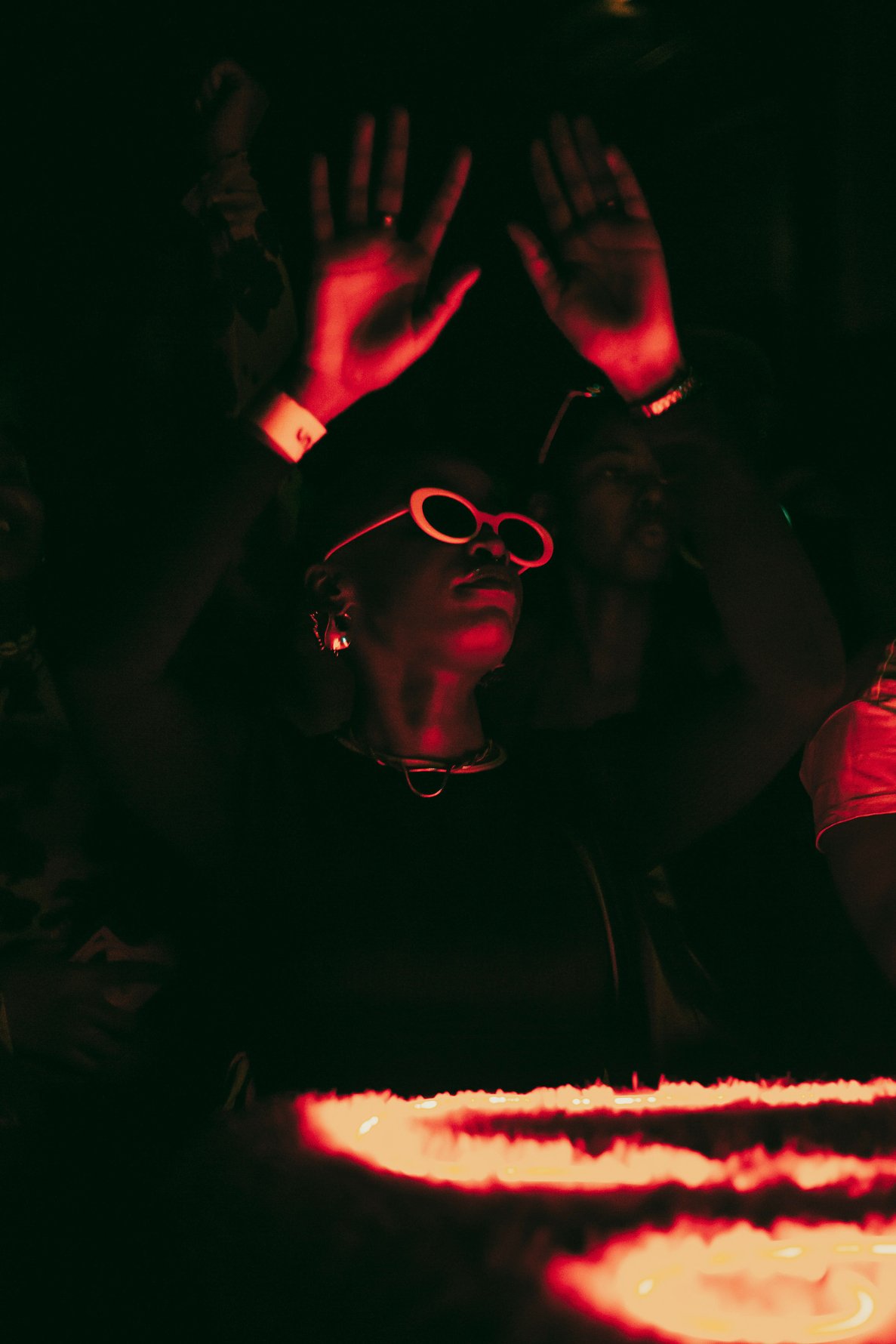
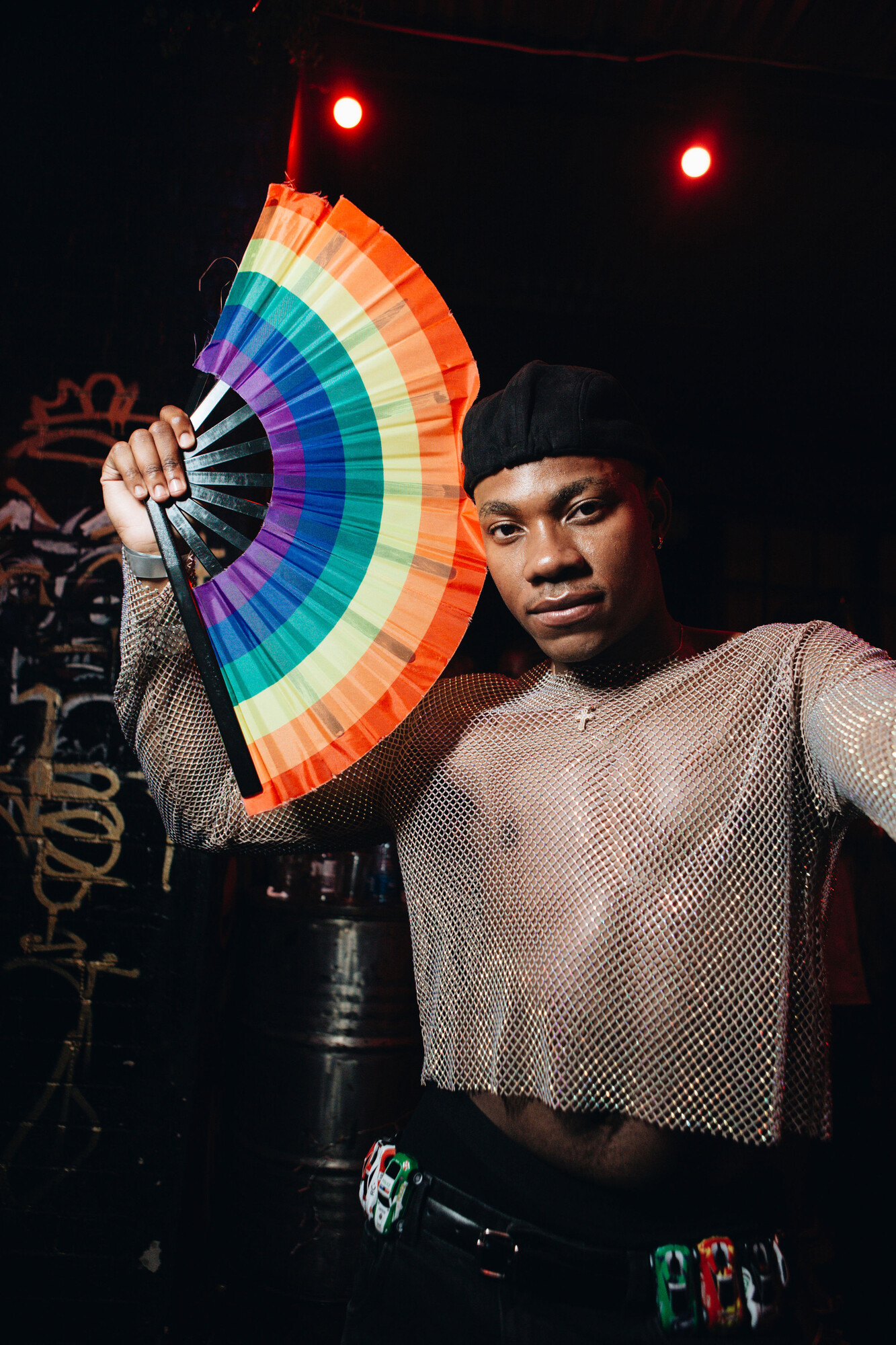
Sheer City brings late-night energy across two Joburg venues. Photo: @thirdris_sa.
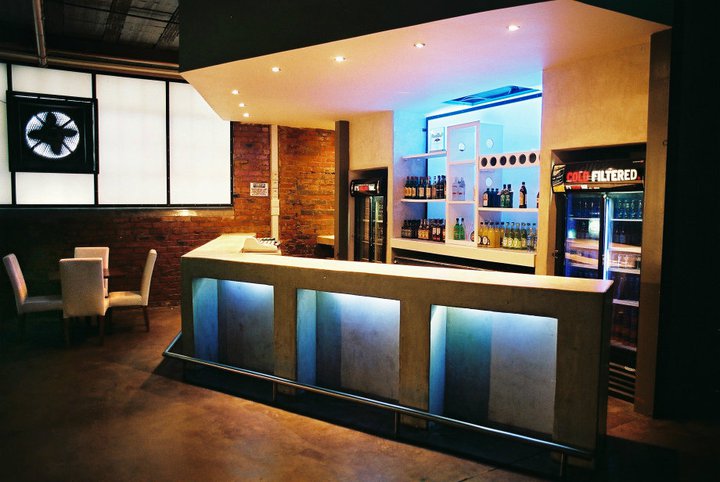
Some of the city’s most respected underground collectives come together for Sheer City x VNJ BALL, including Living Machines, The Loft, Movement is Medicine, and The Breakfast Club. The venues? Carfax and Club AM in Newtown. The line-up? From 20:00 till late, expect peak-time house and techno, ballroom energy, and late-night release from global and local selectors at the forefront of contemporary electronic music: headlined by Germany's Cinthie, the UK's Make A Dance, and London-based South African Esa. The energy? The organisers describe it as "an invitation into a shared space where queer culture, electronic music, and underground communities intersect without hierarchy. Each room becomes part of a larger constellation of sound, bodies, and intention."
To enjoy it fully, Marshall says: "Put your cell phone away!" We caught up with the duo ahead of Sheer City's Joburg touchown to find out more about what it means to purify rave culture, reclaim the dancefloor, and showcase the best of South Africa’s underground electronic scene.
Sheer City and VNJ BALL meet in Johannesburg for one night only. What makes this the right moment for this collaboration? Lelowhatsgood: The nightlife community in Johannesburg is so rich and diverse in genres and culture, and [an event like Sheer City] brings all of that into one space. We’re bringing together collectives who have been cultivating different dance communities over the years; showcasing all of that talent in a night of celebration with amazing headliners. This will be a night to remember forever.
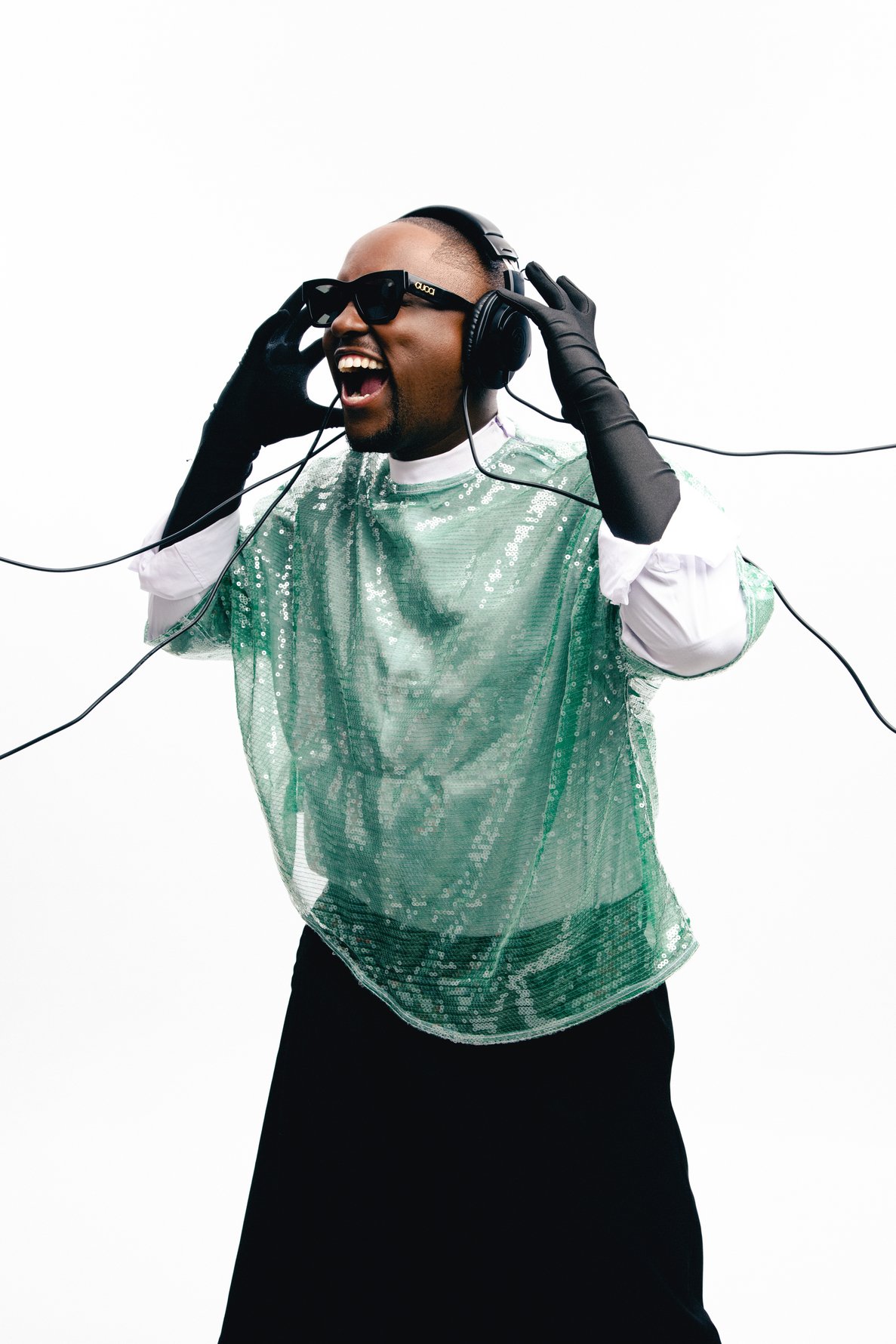
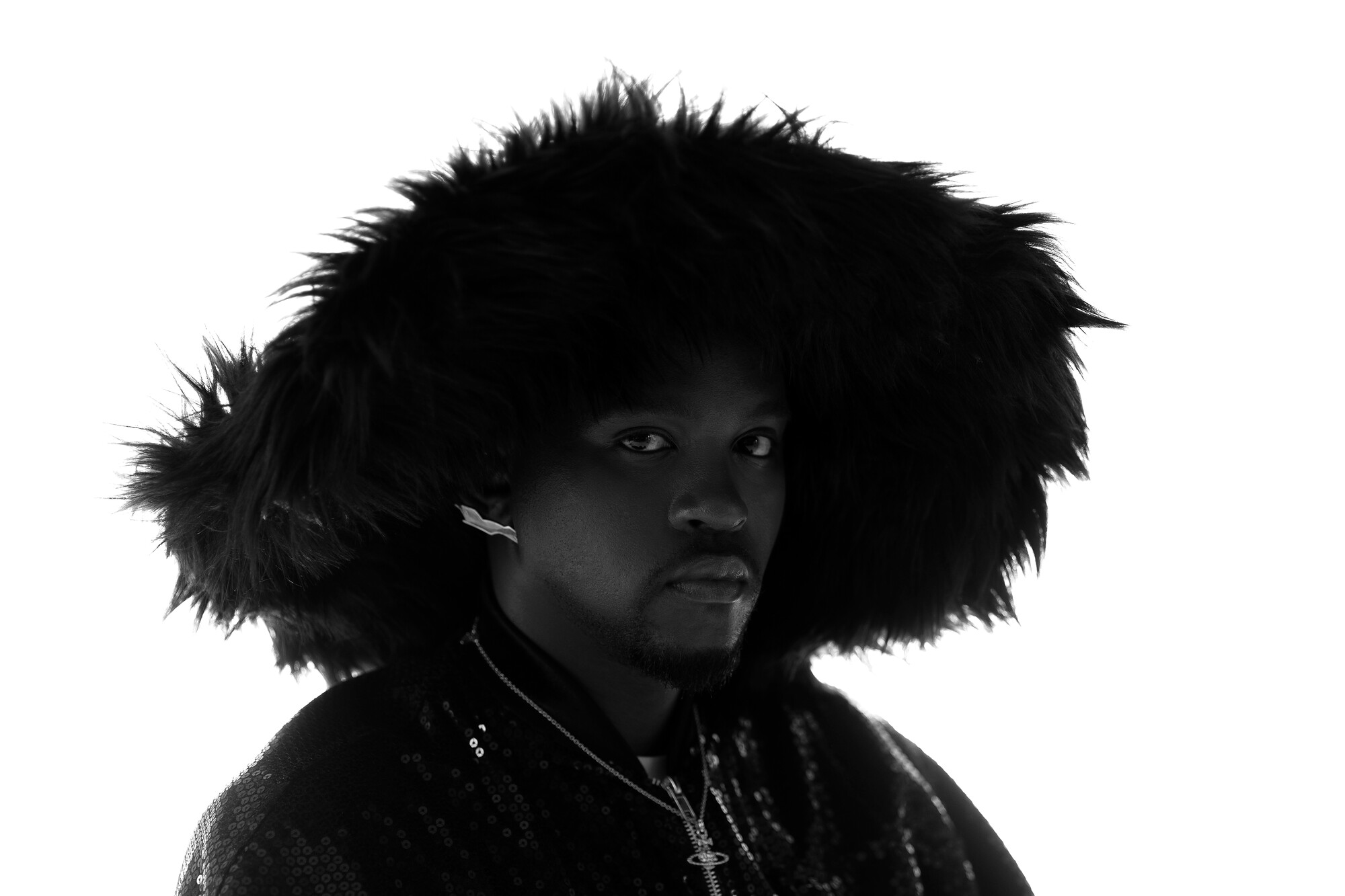
Johannesburg-based DJ, curator, and community connector, Lelowhatsgood. Photo: Supplied.
How has this edition been distilled for Joburg? Richard Marshall: We have curated an evening that really speaks to the city and its dance culture. At its core, the Johannesburg edition is a collaboration with VNJ BALL, whose influence has been instrumental in shaping inclusive, expressive dancefloor culture in the city. For this night, VNJ BALL unites some of Joburg’s most respected underground collectives and communities. The line-up reflects Sheer City’s founding intention: a return to rave culture in its purest form, driven by exceptional selectors, deep musical intelligence, and dancefloors shaped by community. Lelowhatsgood: We’re going back to the roots of what dancefloor spaces should feel like. No frills or excessive production, just back to the core of what raves should be – music and people first. We’re bringing the soul back to the dancefloor.
More and more rave events are going "no-phone". Why does this matter to you? Richard Marshall: What is a rave? It’s dark, it’s where you explore yourself and find experiences that are just for you – without having to worry about sharing them with the world. Festivals used to be a place for self-expression and unity; they now feel more like Instagram adverts. Seeing people invade DJ booths for selfies and using the flashes on their phones on the dancefloor... all of this social media-driven behaviour is doing our collective minds in! In an age dominated by algorithms, content, and constant documentation, people are truly craving analogue, unfiltered music and dance experiences.
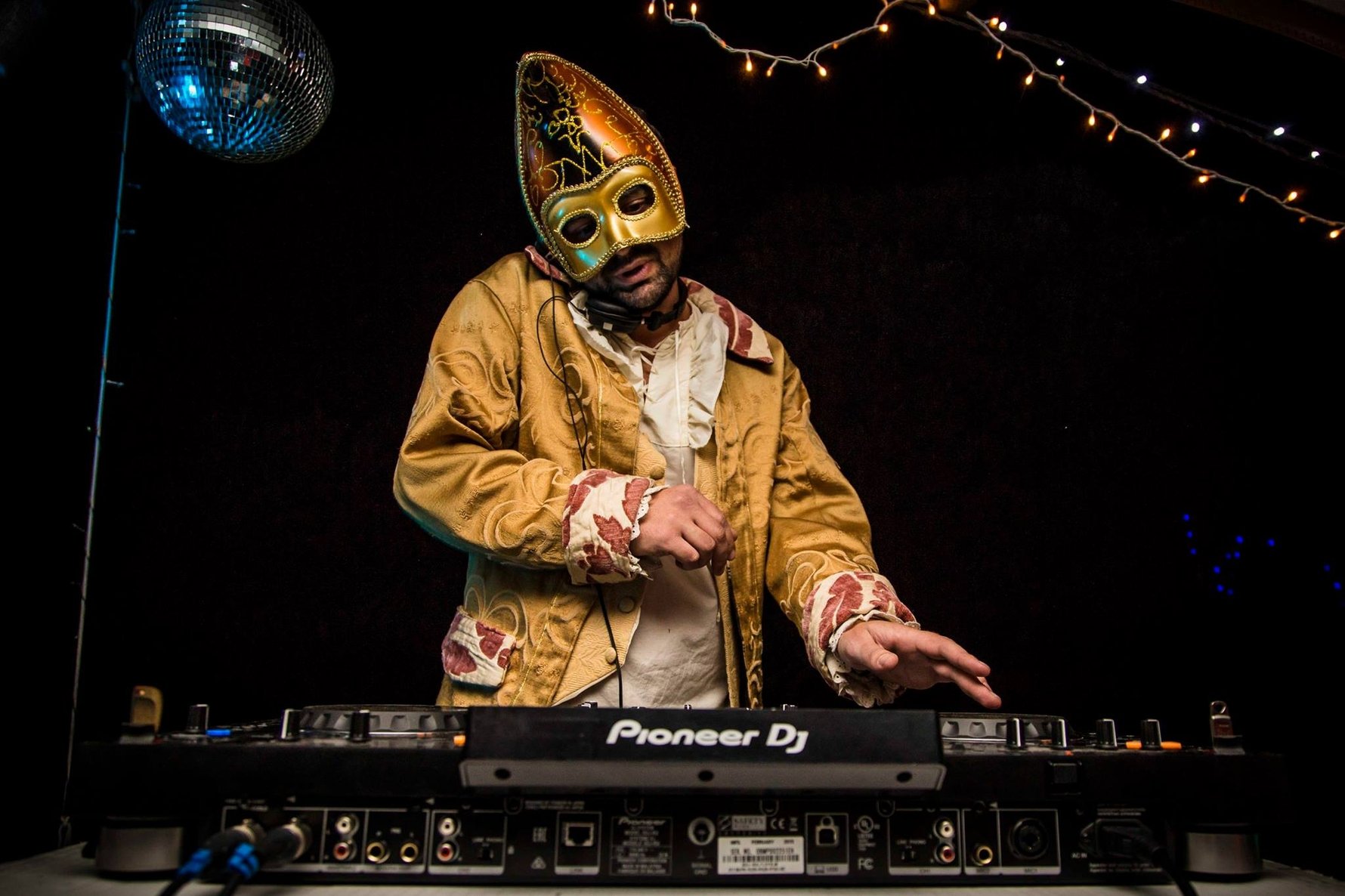
Richard Marshall is the founder of Sub-Sahara Electronica and Sheer City curator. Photo: Supplied.
Johannesburg’s club culture carries history, resistance, and reinvention. Which parts of the city’s nightlife legacy are you honouring, and which are you challenging? Lelowhatsgood: We’re honouring what the scene is right now and what that means for young people in the city. Most might see it as an escape, but the honest truth is that a lot of people are looking for connection and bonding outside of their daily lives. The Covid-19 pandemic robbed so many young people of the chance to experience true connection, so it's important for us to bring back lost recipes.
Why was it important to centre movement, identity, and freedom so explicitly? Lelowhatsgood: Centering movement, identity, and freedom in club culture was – and remains – profoundly important, because clubs historically weren't just venues for entertainment; they were social laboratories, sanctuaries, and sites of resistance.
You work goes beyond “events” and into community. What responsibilities come with bringing those communities into a club environment? Lelowhatsgood: We’re holding space for communities that are always discriminated against in mainstream spaces. There’s also the responsibility to bring in intentional curation that centres people within the community to be storytellers in their own way. Beyond that, there’s also the duty of care and physical safety – training security and staff to be sensitive to event policies and preventing cases of harassment, and also ensuring a zero-tolerance policy is communicated and enforced.
The line-up spans local legends and international selectors without feeling imported. What does intelligence on the dancefloor actually look like to you? Lelowhatsgood: It’s all about perspective. From a local line-up point of view, it’s about showing what the current energy is in the host city. While drawing inspiration globally, a lot of sounds are still rooted in what African electronic music is right now, and the showcase will reveal exactly that. It’s a beautiful cultural exchange from both local and international acts, showing how we can all draw inspiration from each other.
Sheer City takes it back to the roots of rave culture. Photo: @thirdris_sa.
What does growing international attention mean for local South African artists and events? Richard Marshall: In the early 2000s, South Africa's techno scene was mainly underground. International promoters and techno artists have really taken notice of the South African scene – they recognise Mzansi for its genre exports and as a destination with serious dance music infrastructure and crowds hungry for proper underground sounds. As global interest intensifies and local infrastructure continues improving, the trajectory suggests South Africa is becoming a regular fixture on the techno touring map, rather than an occasional exotic detour. This is more about a moment to really highlight talent – to ensure the longevity and growth of the scene.
What needs protecting in Johannesburg right now? Lelowhatsgood: Exactly what Richard said! We need to protect more spaces for these events and different kinds of expression to exist, and for the underground scenes to be supported as much as the mainstream spaces.
When the sun comes up and the city resets, what do you hope will stay with people from this night? Richard Marshall: The true joy of being so immersed in the moment that you’re lost in it. Lelowhatsgood: I personally want this night to set the tone for what can be possible and what more we need to do to grow our scene. This is a preview of how amazing 2026 can be for our industry and creative community.
Don’t miss this chance to be part of it – book your tickets for Sheer City x VNJ BALL in Joburg on Fri, Jan 23, 2026.