

Looking to expand your collection? We spoke to those in the know for some tips and advice
CIYP: You’ve recently moved to a new location. What does this change mean for Kolekcionart and your visitors? What role does your new space play in shaping the overall experience of discovering art?
Nikola Kolveshi Radlović, Co-founder & CEO of Kolekcionart:
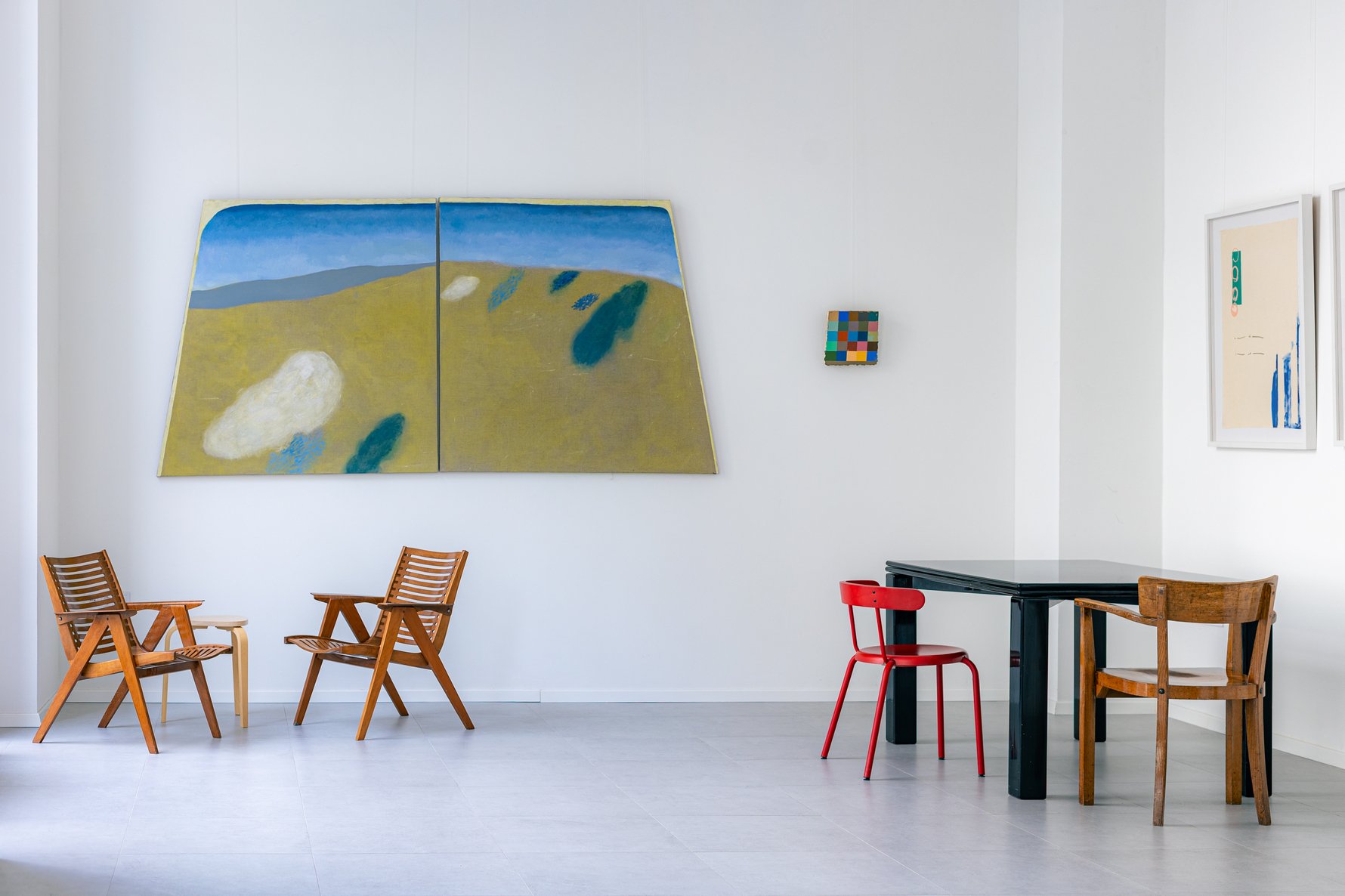
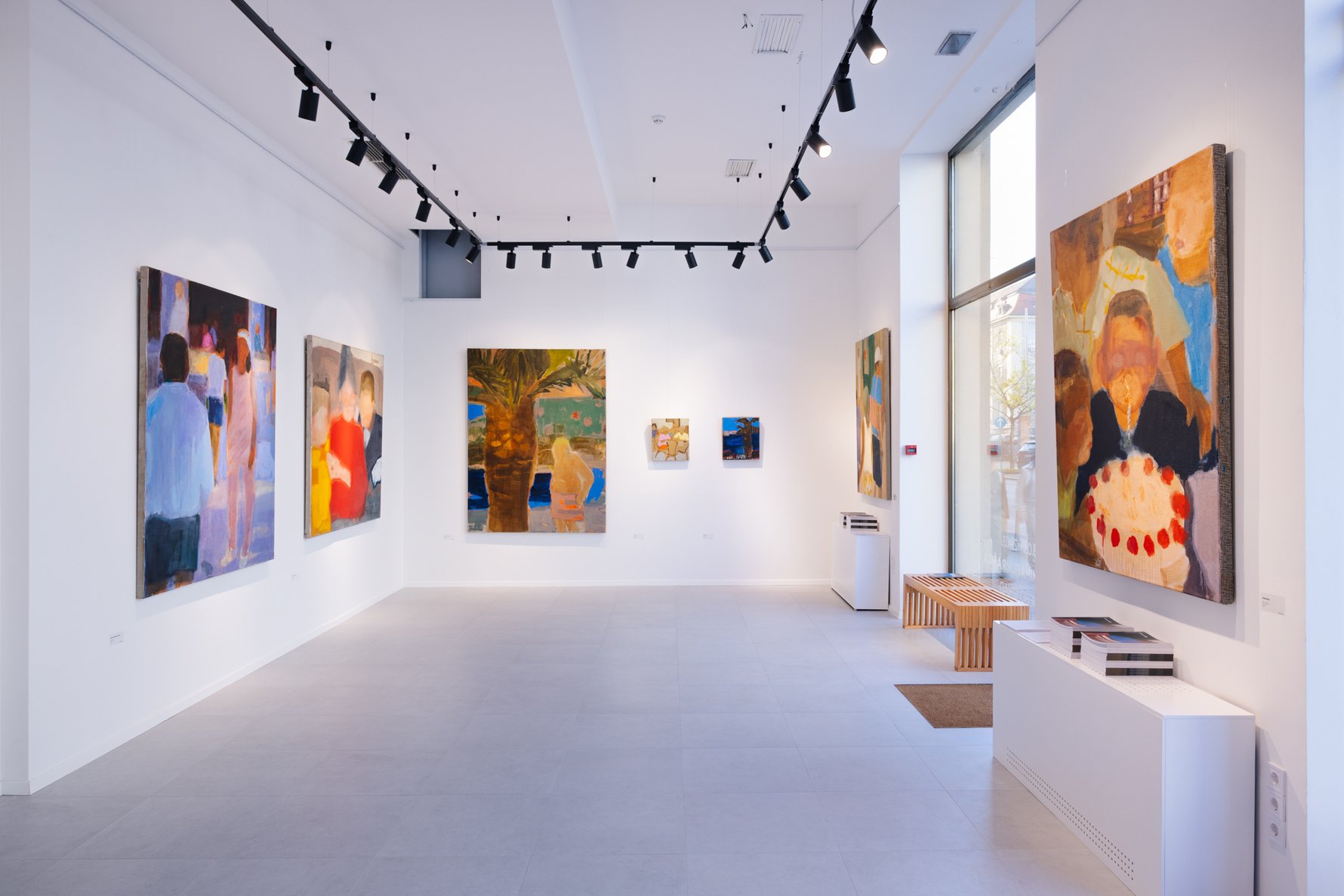
For us, this move represents a very important and exciting step forward. After three years of operating in a smaller white cube space, we’ve transitioned into a significantly larger and more representative venue, which allows us to produce more ambitious exhibitions and present our artists’ works in a more refined and comprehensive way - both during exhibitions and in periods we refer to as our permanent display, when we have works by various artists we represent on view.
For collectors and visitors, the experience of encountering artworks has changed considerably. A larger space allows for the necessary distance to fully engage with the works, as well as the possibility to present larger-scale pieces, which enhances their presence and impact. Galleries are often perceived as places to slow down and experience art more deeply - and our new space truly supports that idea.
Moreover, we are already seeing that the new space is attracting a new kind of visitor - people who might not have been drawn to our previous location. Alongside those who have been following us over the past three years and are excited about this new chapter, we are now welcoming a new audience that is gradually becoming part of the Kolekcionart community.
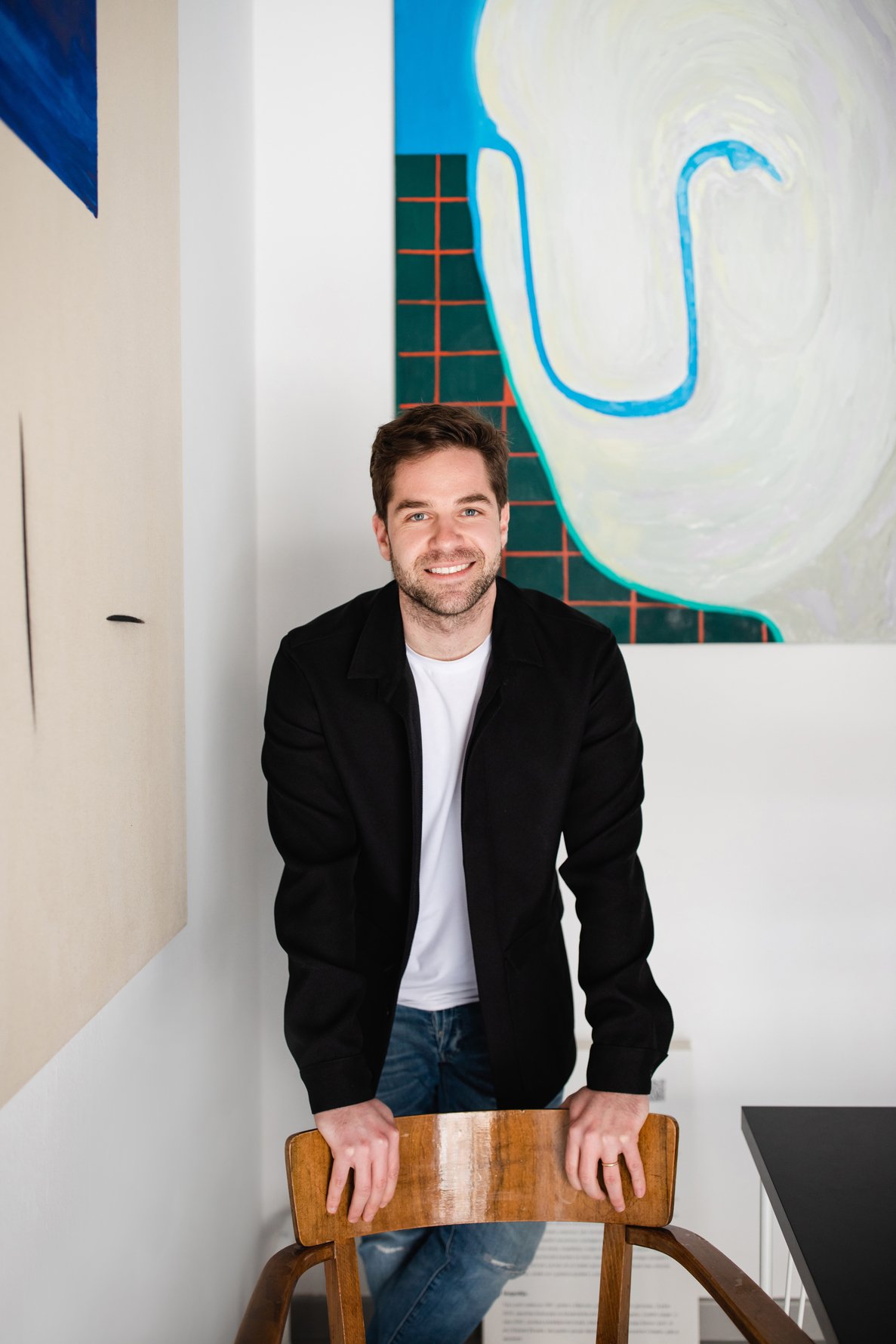
Nikola Kolveshi Radlović, Co-founder & CEO of Kolekcionart: , Photo by Sanja Tušek
CIYP: How would you describe the Croatian art market today to someone discovering it for the first time?
Nikola Kolveshi Radlović, Co-founder & CEO of Kolekcionart:
The Croatian art market is relatively small and still, in many ways, in a phase of development - perhaps even experiencing a kind of new renaissance. What is particularly important, however, is the presence of outstanding contemporary artists whose work is increasingly recognized internationally. This creates an opportunity for collectors to acquire high-quality works at a stage when they are still more accessible in terms of pricing — not only compared to where those artists may be in the near future, but also in relation to comparable works in more established markets such as Austria or Italy.
Traditionally, the market has been driven by a smaller group of collectors focused on established 20th-century artists. However, in recent years, we’ve seen a clear shift - a growing interest from a new generation of buyers who want to collect and live with works by their contemporaries.
CIYP: For tourists or first-time buyers, how easy is it to buy art in Croatia? Where should they start?
Nikola Kolveshi Radlović, Co-founder & CEO of Kolekcionart:
Buying art in Croatia is still not particularly straightforward, especially when it comes to works by emerging and contemporary artists. That was one of the main reasons we founded Kolekcionart - to make the process of discovering and acquiring art more accessible and transparent.
We’ve focused on building strong digital channels - primarily a website with detailed information and transparent pricing, as well as social media platforms that increase the visibility of artists and their work.
For first-time buyers, the best approach is to research a few relevant galleries online to get a sense of their artists and aesthetics, and then visit the galleries in person.
CIYP: What makes buying art here unique compared to other European cities?
Nikola Kolveshi Radlović, Co-founder & CEO of Kolekcionart:
What makes buying art here unique is the opportunity to discover local artists who are often not present in other markets or major European art centers. For visitors, that creates the possibility of taking home an authentic connection to the place through art.
At the same time, the process of buying art itself is quite similar to other European cities. What is still developing, however, is a stronger network of private galleries that comprehensively and consistently represent artists, and support their long-term careers.
CIYP: What kind of artworks and artists can visitors expect to find at Kolekcionart?
Nikola Kolveshi Radlović, Co-founder & CEO of Kolekcionart:
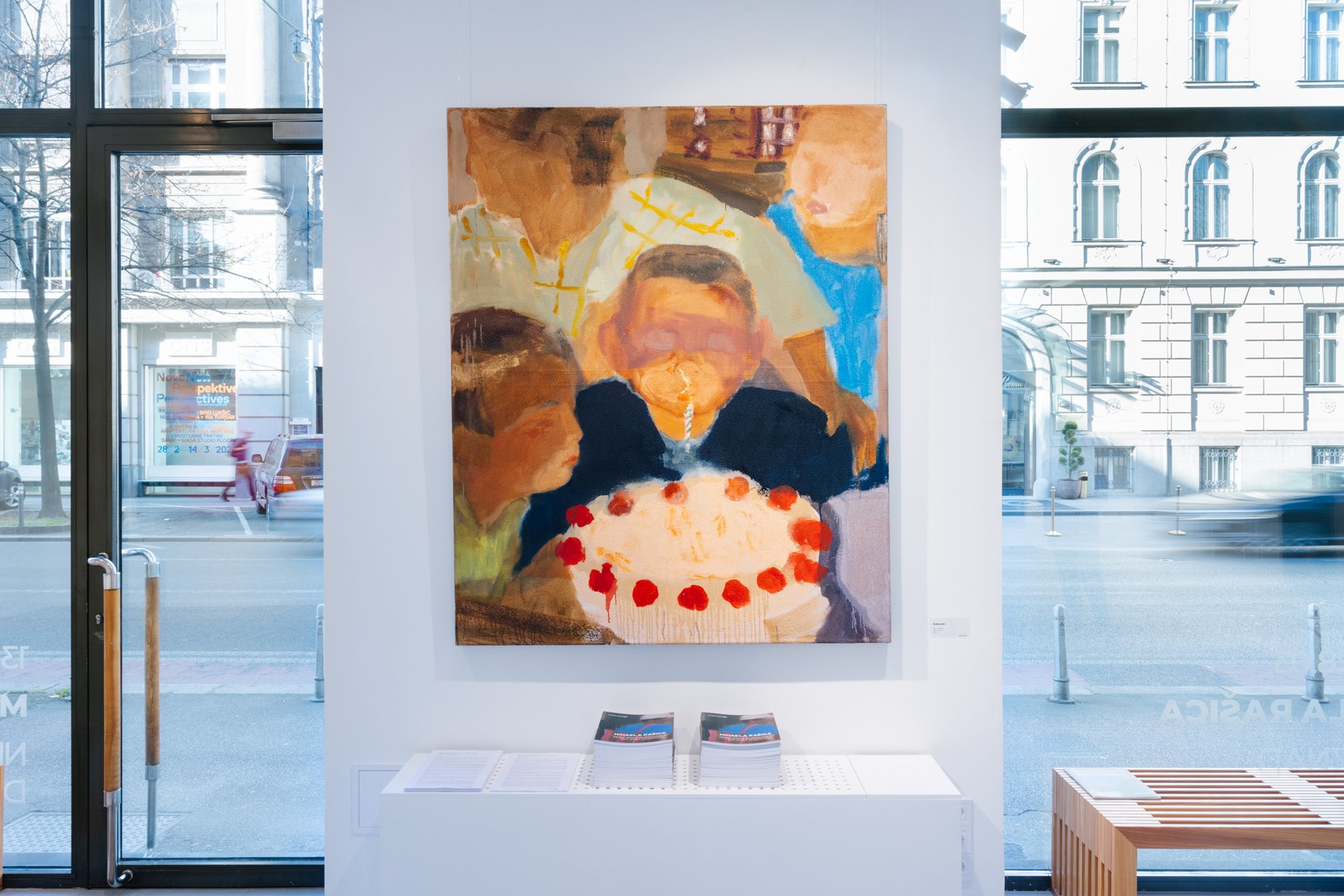
At Kolekcionart, visitors can discover contemporary art by academically trained artists from the younger and mid-career generations, including some of the most prominent names currently active on the local scene.
In terms of media, the focus is primarily on paintings and limited-edition prints, such as silkscreen and lithography, with a smaller number of sculptures.
The works themselves span a range of visual expressions, but we are consistently guided by artists with a strong and recognizable voice, and clear long-term potential.
CIYP: Are there specific price ranges that make art collecting accessible to beginners?
Nikola Kolveshi Radlović, Co-founder & CEO of Kolekcionart:
Prices vary depending on the medium, format, and the artist’s career, but there are clear entry points for new collectors.
Limited edition silkscreen prints typically range from €100 to €150. Smaller works often on paper, such as watercolor and gouache, usually fall between €200 and €400, while larger paintings generally start at around €1,000 and upwards.
CIYP: How do you help clients, especially international ones, choose the right piece?
Nikola Kolveshi Radlović, Co-founder & CEO of Kolekcionart:
The most important thing is that a buyer chooses something that genuinely resonates with them. Our role is to guide that process through conversation — understanding what draws them to certain works and identifying the artists they connect with most.
From there, we expand the selection by introducing additional works and provide context about the artist’s background, practice, and achievements, helping clients place the work within a broader artistic and societal framework.
CIYP: Can visitors easily take artwork home with them, and what should they know about shipping or regulations?
Smaller works or prints can easily be taken home. For larger pieces, we usually arrange shipping after clients return to their home countries.
There are no customs duties within the European Union, while exports outside the EU are generally subject to import duties and VAT depending on local regulations. We handle the entire export process from Croatia and advise clients on any additional costs, while also organizing the logistics.
CIYP: What trends are you currently seeing among collectors in Croatia and abroad?
Collecting is becoming increasingly personal, with buyers focusing more on works that resonate with them emotionally rather than purely as investments.
There is also a growing interest in contemporary artists, particularly among younger collectors who want to support artists of their own generation. At the same time, collectors are becoming more informed and selective, with a stronger focus on quality, authenticity, and long-term potential.
Digital platforms are also playing an increasingly important role in how collectors discover and engage with art.
CIYP: How important is Zagreb as a destination for contemporary art lovers?
Zagreb is becoming an increasingly relevant destination for contemporary art lovers, even if it is not yet as internationally recognized as some larger European art capitals. What makes it particularly interesting is the combination of strong institutions - starting with the Academy of Fine Arts, which consistently produces highly skilled and distinctive artistic voices - alongside an independent scene and a growing network of private galleries.
The city also has a solid institutional framework, with institutions such as the Museum of Contemporary Art and the National Museum of Modern Art, which present both Croatian and international art.
At the same time, Zagreb is compact and accessible, allowing visitors to gain a meaningful overview of the scene in a relatively short time. This makes it an exciting destination for those looking to discover something new and still relatively under the radar.
CIYP: Finally, if someone buys their first artwork in Zagreb, what do you hope they take away from that experience?
I hope they take away that sense of excitement - the moment of discovering an artist and a work that truly resonates with them. That is ultimately the most beautiful part of the experience.
At the same time, I hope they gain a deeper understanding of the local art scene and culture, and make an informed decision. In that way, the artwork they take home becomes more than just an object — it becomes a story they can share and pass on.



Comments