

In the southwest of Zagreb lies Trešnjevka, one of the city’s largest and most densely populated neighbourhoods, covering roughly 15.7 square kilometres and home to over 120,000 residents.But numbers alone cannot explain Trešnjevka. To understand it, you have to walk its streets.
A name rooted in nature
Trešnjevka’s story begins long before it became part of the city. The name itself comes from trešnja — the Croatian word for cherry. In the 18th century, this area was little more than open pastureland dotted with wild cherry trees.From these humble beginnings, Trešnjevka slowly evolved into a working-class suburb, especially during the 20th century when industrialisation drew workers and families to the area. Over time, it transformed into a dense urban neighbourhood — but it never lost its grounded, unpretentious spirit.
A neighbourhood everyone passes through
Locals often say: “If you move to Zagreb, sooner or later you’ll live in Trešnjevka.”It’s not an official slogan, but it rings true. For generations of students, young professionals, and newcomers, Trešnjevka has been the first home in the capital, affordable, well-connected, and full of life. This constant flow of people has shaped its identity: Trešnjevka is not polished, but it is authentic, a place where different stories overlap.
Old streets, new energy
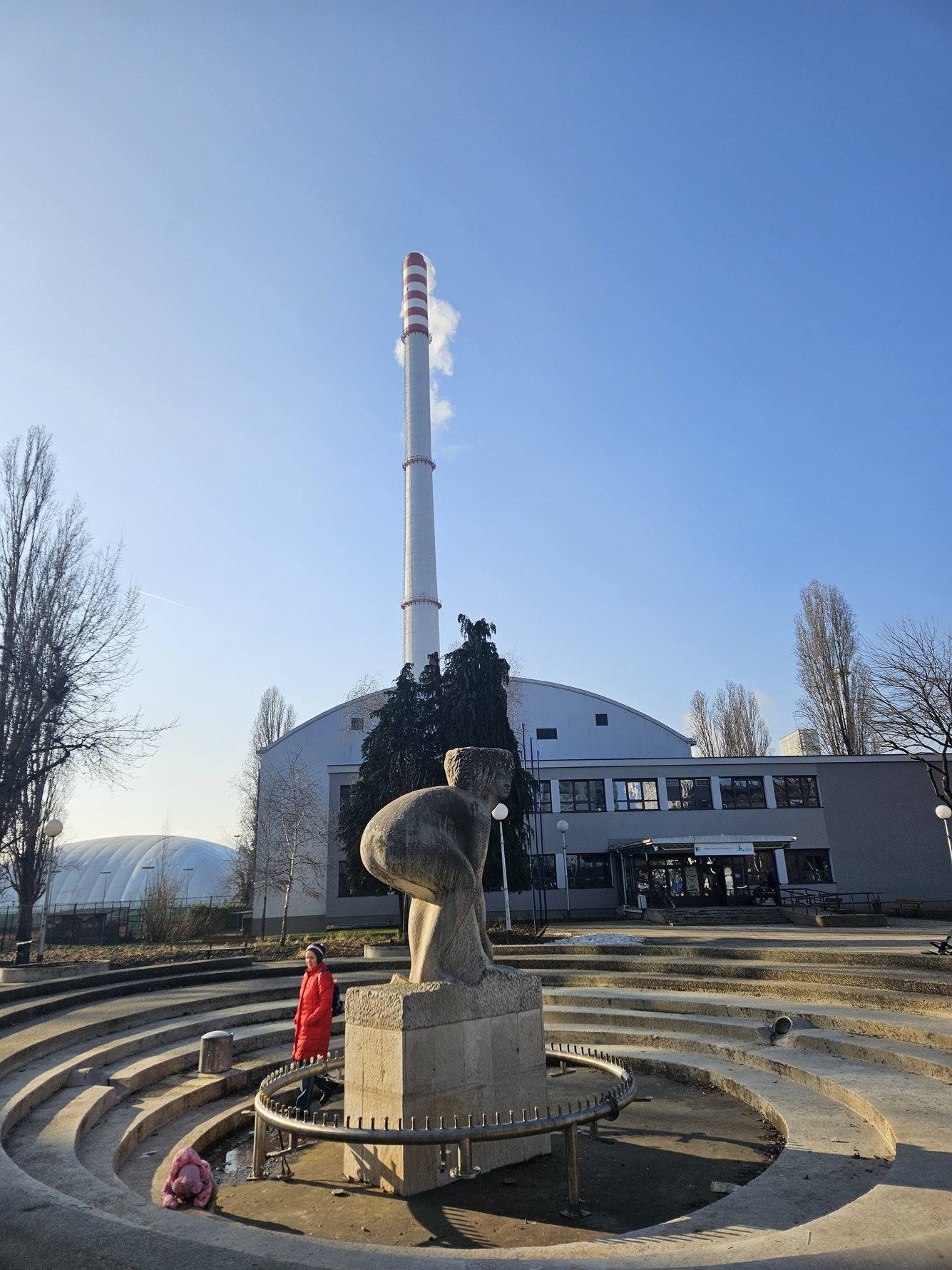
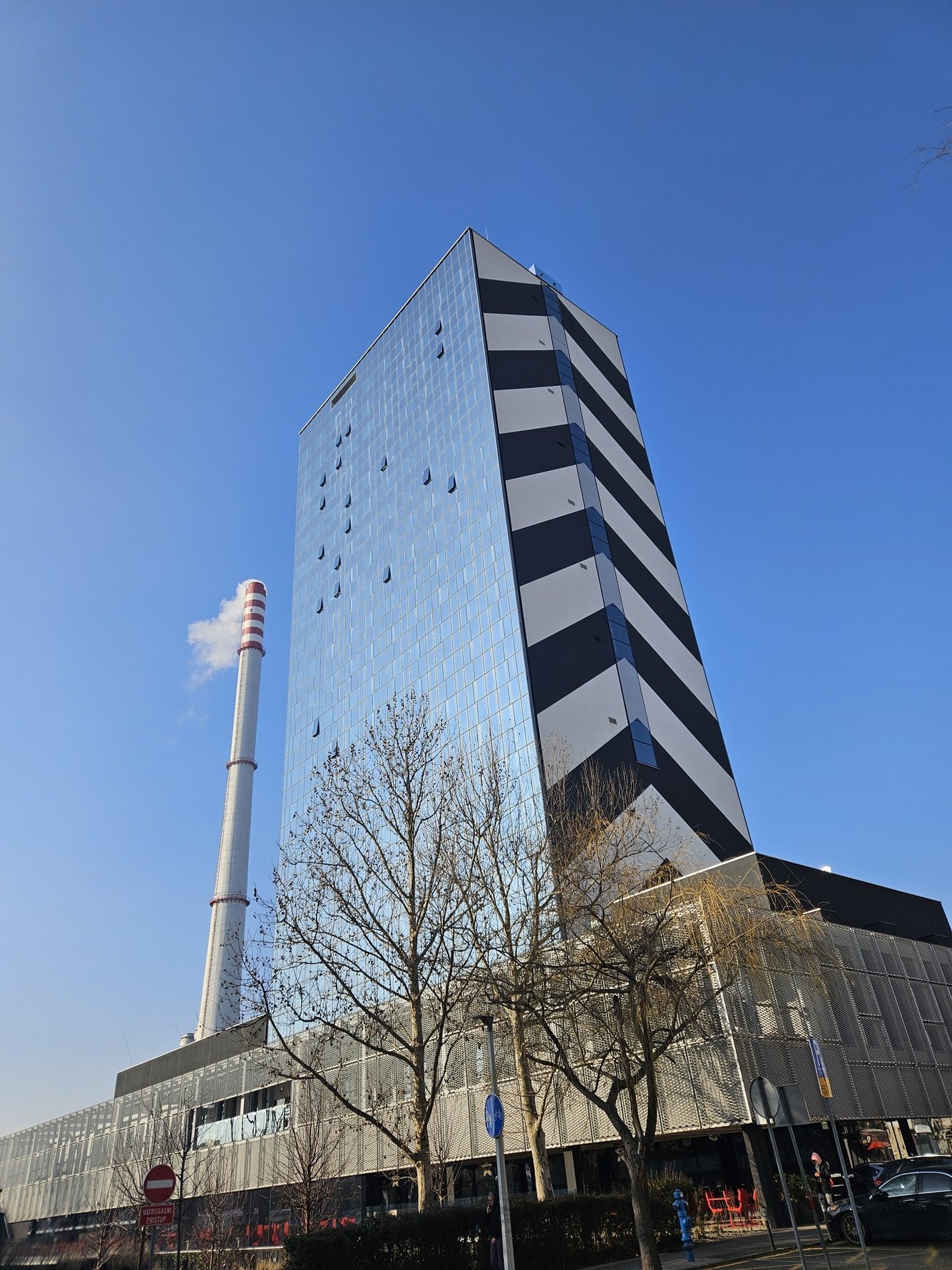
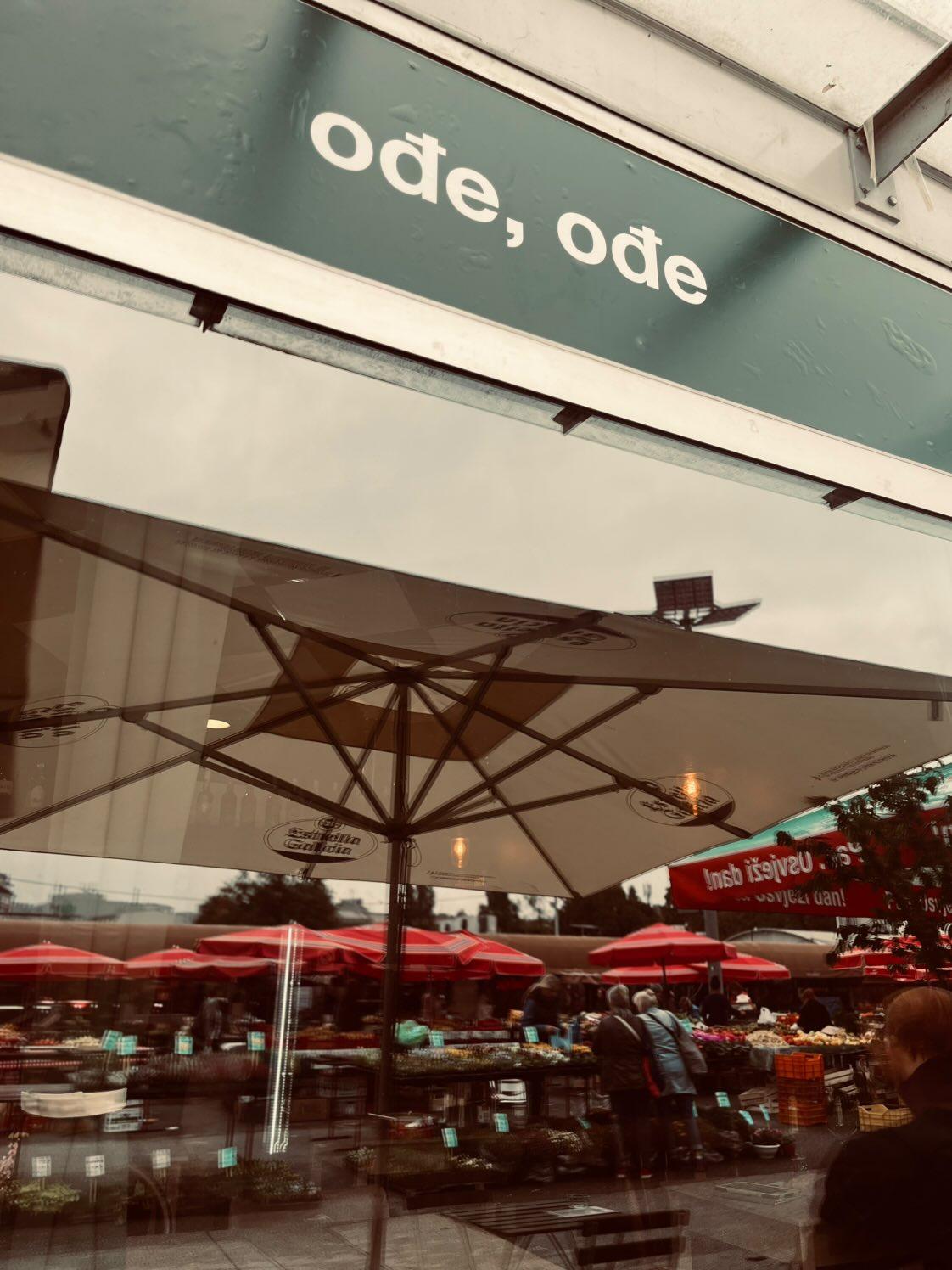
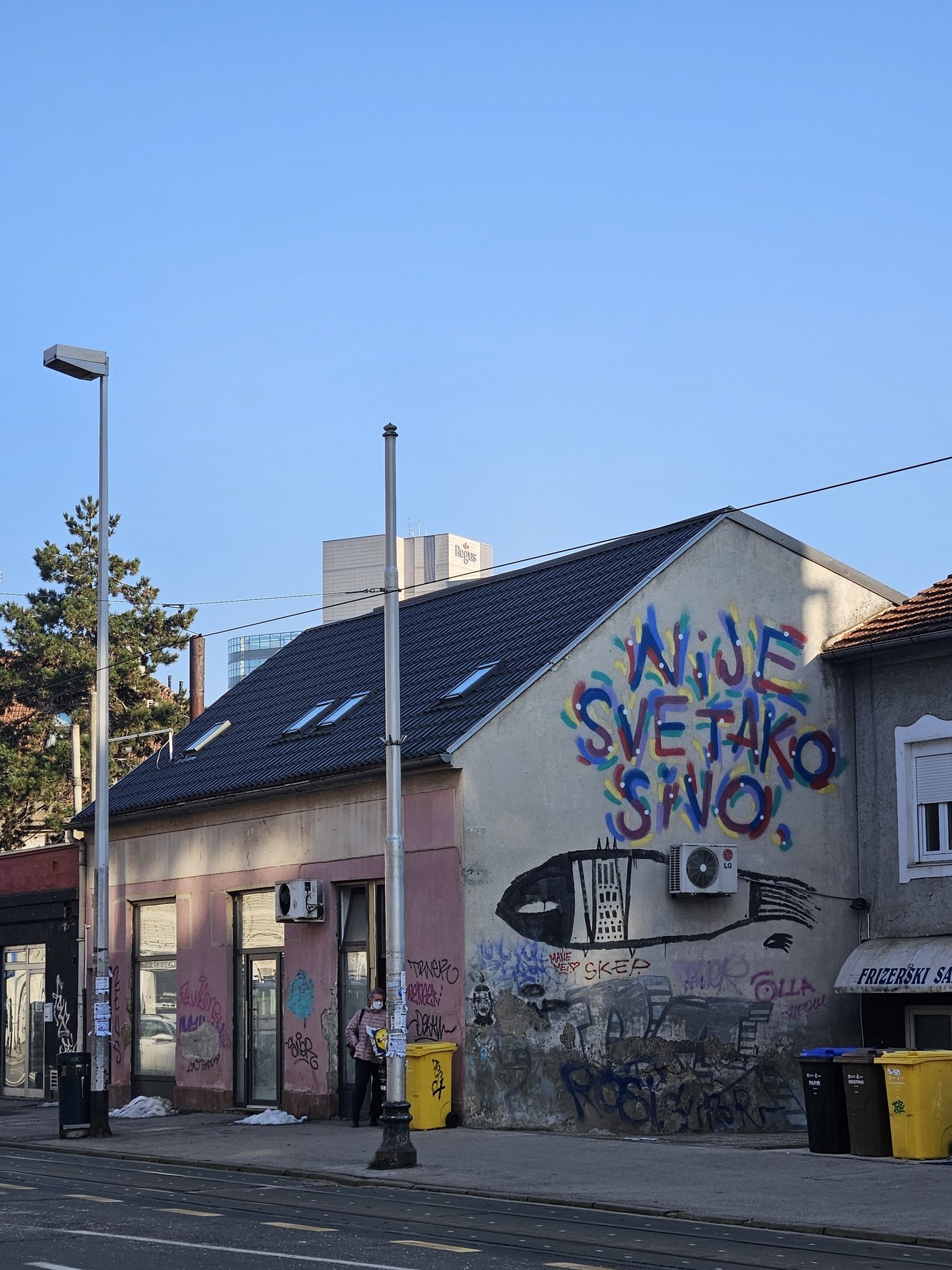
Trešnjevka today is a fascinating blend of contrasts. Traditional single-storey houses with gardens stand side by side with modern apartment buildings. Narrow streets, once rural paths, open into lively avenues lined with cafés, bakeries, and small independent shops.In recent years, the neighbourhood has seen a wave of new openings — from contemporary restaurants and bakeries to specialty coffee spots — giving it a fresh, urban edge. Places like Ođe, Ođe bring a playful, locally inspired approach to food, while restaurants such as Izakaya introduce global flavours into the neighbourhood. Spots like Made in Pasta, Big Bite and Bekal reflect the diversity of casual dining, while Šareni leptir and the unapologetically traditional Janje & prase keep things grounded in local taste.
Trešnjevka’s café scene is just as dynamic. RUKE Coffee, Holographik Space and Luft Bar represent a newer generation of thoughtfully designed spaces, while places like Peaches & Cream effortlessly transition from daytime coffee spots into evening hangouts.
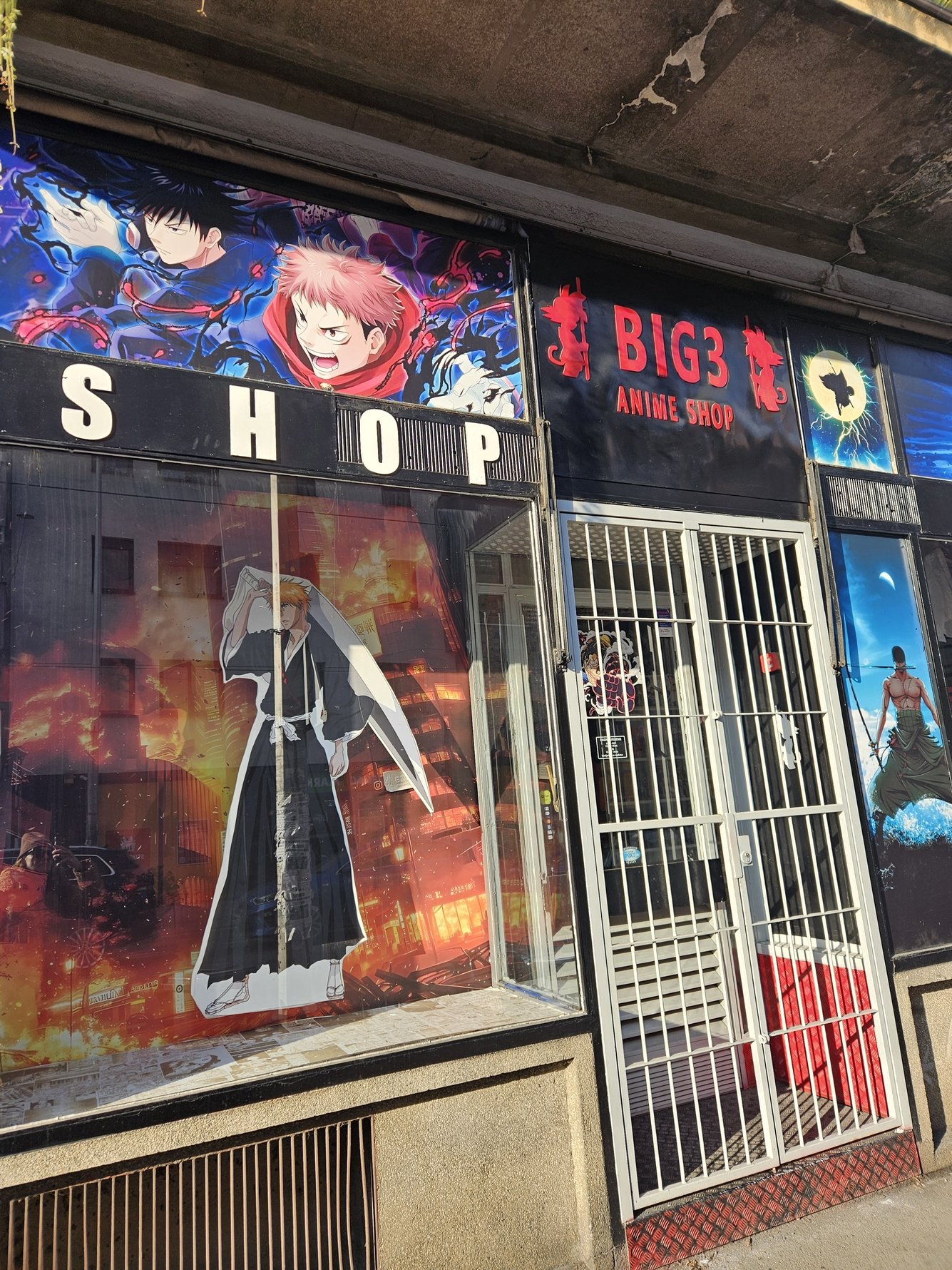
But what truly sets the neighbourhood apart is its subcultural layer. Vinyl enthusiasts and collectors gather in small, character-filled record shops such as Dirty Old Shop, KarmaVinil and Free Bird, while niche stores like Anime Shop Big 3 reflect the growing presence of global pop culture within the local community.
This coexistence of old and new — from long-standing habits to constantly emerging places — is exactly what gives Trešnjevka its unmistakable charm.
The heart of the neighbourhood: the market
At the centre of it all lies Trešnjevački plac — the Trešnjevka market, often described as the neighbourhood’s true beating heart.Its origins date back to the early 20th century, when local women (“kumice”) informally gathered here to sell produce to the rapidly growing community. The official market developed in the 1930s and quickly became a vital meeting point for everyday life. For decades, the market was more than just a place to buy food — it was a social hub where everything could be found. Older residents still remember a time when, alongside fruit, vegetables, and dairy, live animals were occasionally sold here, reflecting its roots in a semi-rural past. Today, the market is not just about shopping — it’s about experience. It remains a place where daily life unfolds slowly, in conversations, routines, and familiar faces.
Culture that grows from the neighbourhood
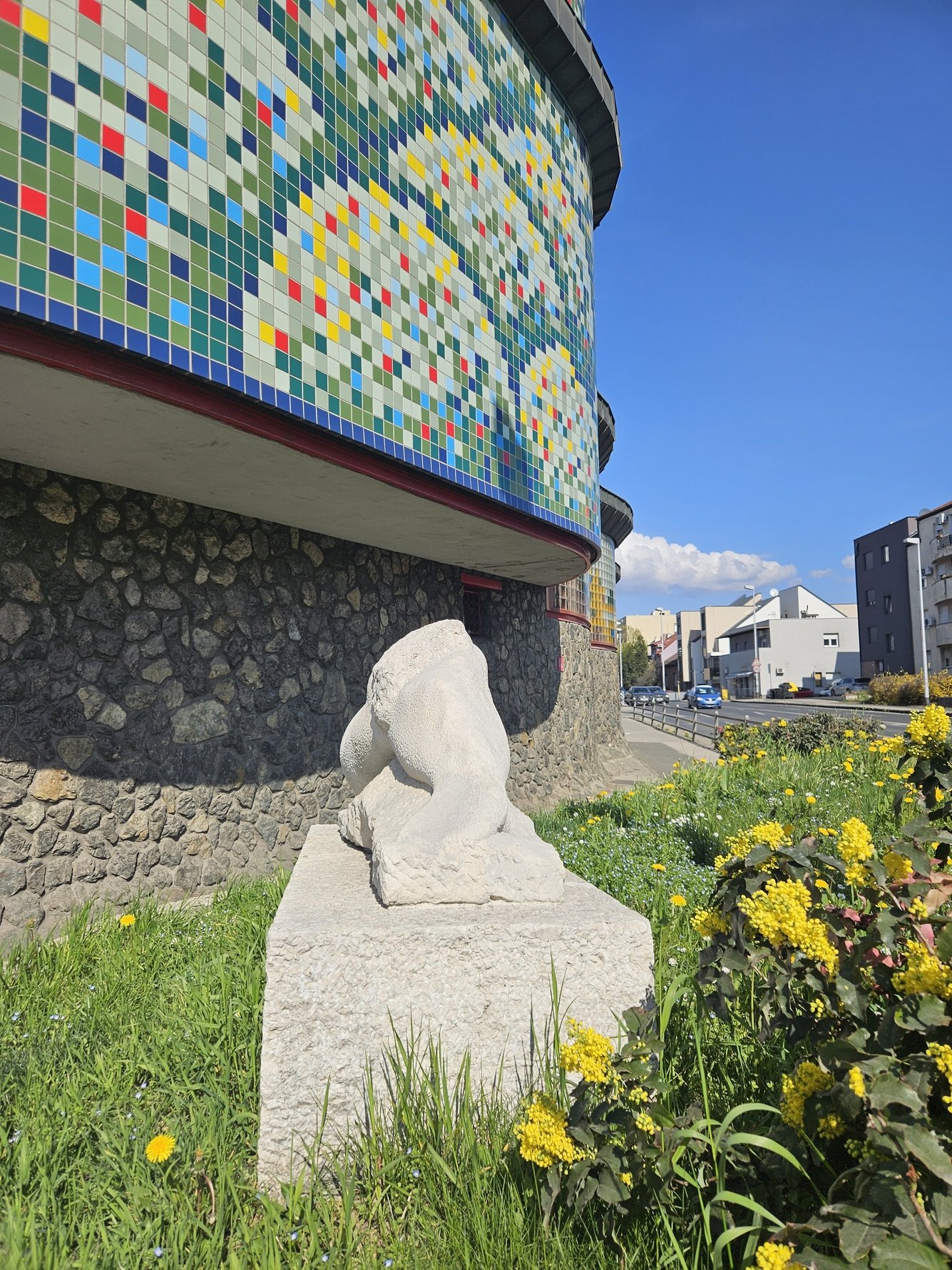
Trešnjevka is also one of Zagreb’s most vibrant cultural hubs. Institutions like the Trešnjevka Cultural Centre and the Trešnja Children’s Theatre have long been pillars of community life, offering workshops, exhibitions, and performances that are deeply rooted in the neighbourhood. The Nikola Tesla Technical Museum adds a layer of scientific and industrial heritage, while the Dražen Petrović Museum stands as a tribute to one of Croatia’s most iconic athletes.The newest addition to the local cultural scene is HNK 2 — the second stage of the Croatian National Theatre — which has brought high-profile contemporary productions into a more local, accessible setting. Its programme, often featuring bold reinterpretations and cabaret-style performances, has quickly gained popularity, with shows frequently selling out.
Beyond institutions, culture here spills into everyday life: small concerts, art in public spaces, neighbourhood festivals, and a strong sense of shared memory.
The real Zagreb
Trešnjevka may not be the postcard version of Zagreb. You won’t find grand squares or baroque façades here.Instead, you’ll find something else: morning coffee rituals, busy local markets, children playing between buildings, and a mix of generations sharing the same streets.
It is a place of contrasts — old and new, modest and creative, chaotic and warm — where Zagreb feels most real.
And that is exactly why so many people, at some point in their lives, call Trešnjevka home.



Comments