

RMB Latitudes’ International Focus series is a compelling way to encounter contemporary art from across the continent. Rather than presenting a broad survey of galleries, the fair dedicates significant space and curatorial attention to a single country each year – offering visitors a more sustained, nuanced look at the artistic conversations shaping a particular region. For 2026, that spotlight falls on Nigeria.
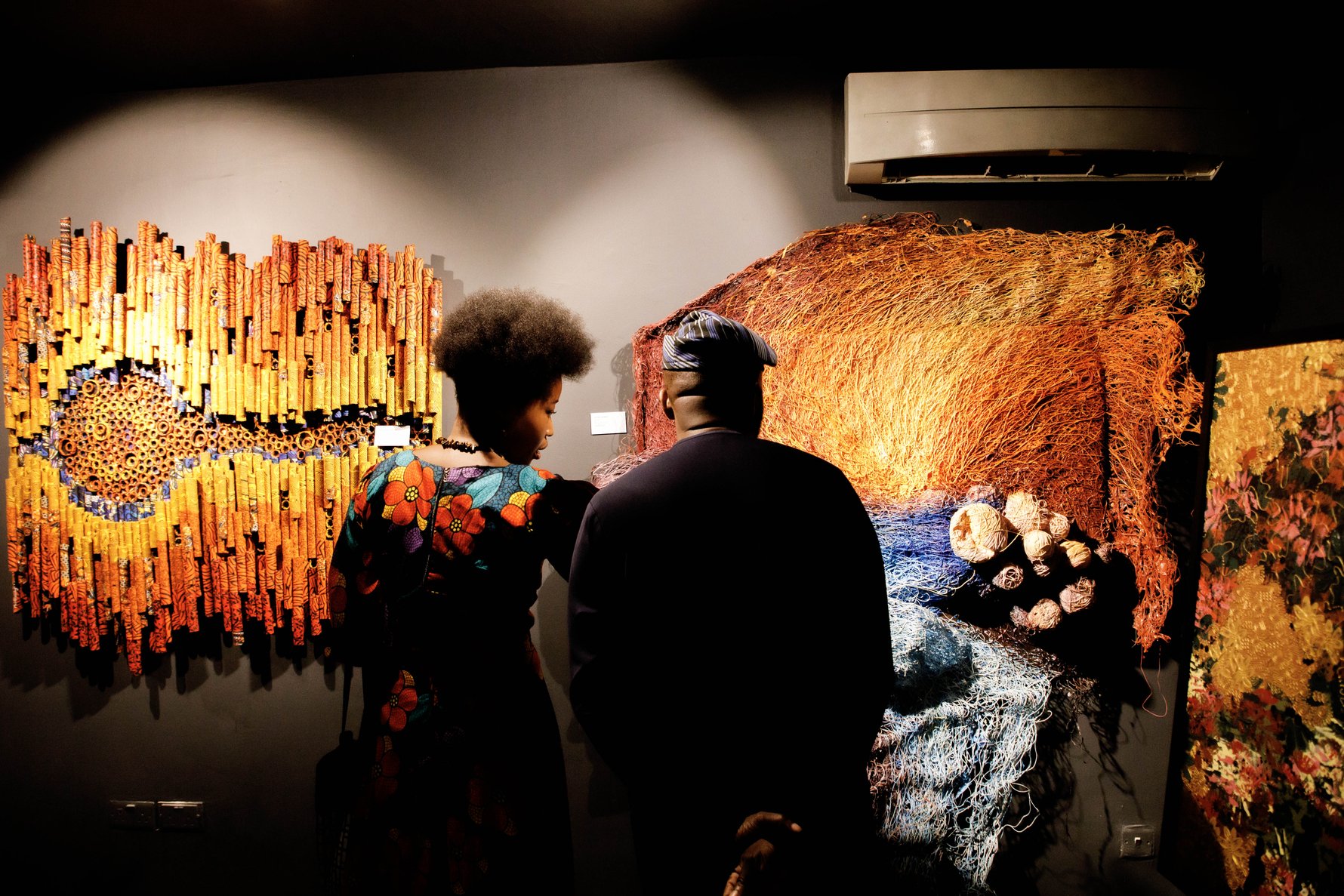
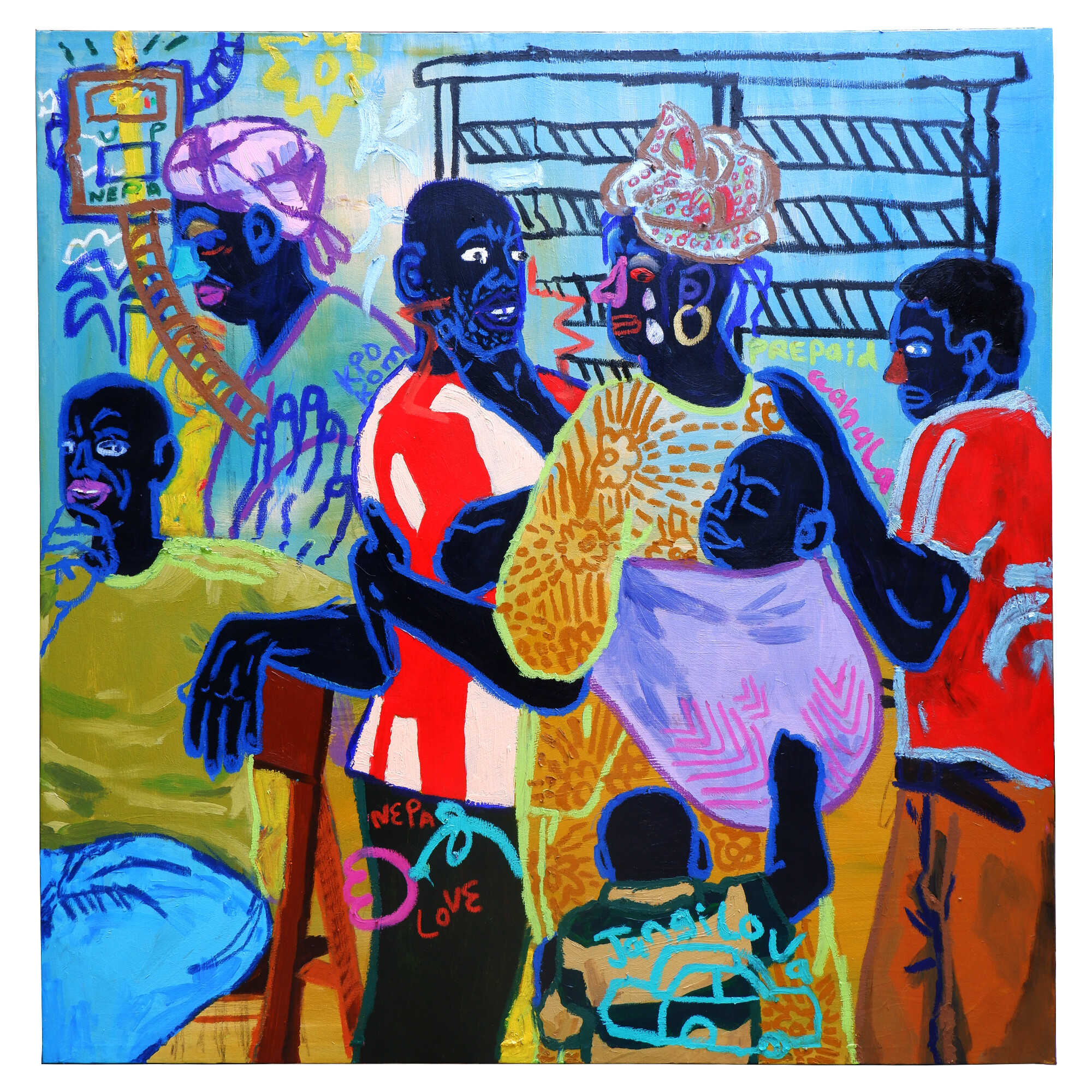
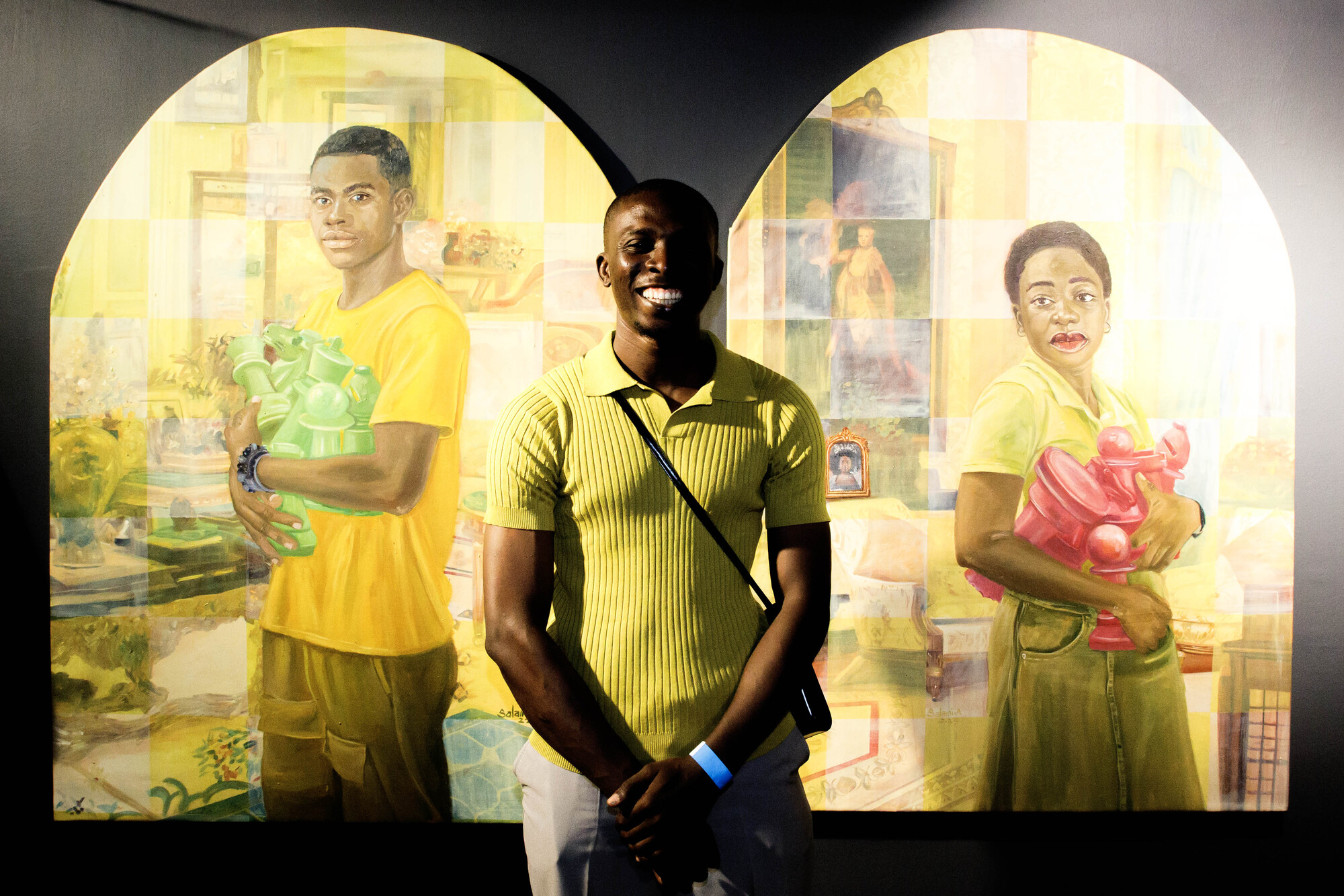
Developed in partnership with Yenwa Gallery, Nigeria in Focus connects two of Africa’s most influential creative cities: Lagos and Johannesburg. Following a landmark exhibition at Miliki in Lagos, the programme arrives at RMB Latitudes with work by 31 artists selected from nearly 600 open-call submissions across Nigeria. Co-curated by Ugonna Ibe-Ejiogu, founder of Yenwa Gallery, and Boitumelo Makousu of Latitudes, the selection promises a dynamic mix of contemporary practices, perspectives and emerging voices.
"Lagos is loud, chaotic and theatrical. Joburg can feel quite controlled, even a bit cautious in comparison." – Roberta Coci
This meeting between two of the continent’s most potent cultural engines feels especially resonant given the fair’s 2026 theme, Oasis. The theme serves as a metaphor for Johannesburg’s 140th anniversary: as a city famously founded without access to a major natural water source, Joburg represents a triumph of human persistence and the ability to create in unlikely places. In many ways, this mirrors the instinct to create found in Lagos; in both cities, a feverish state of creativity blossoms and blooms not just in spite of, but often as a result of, complex socio-economic environments.
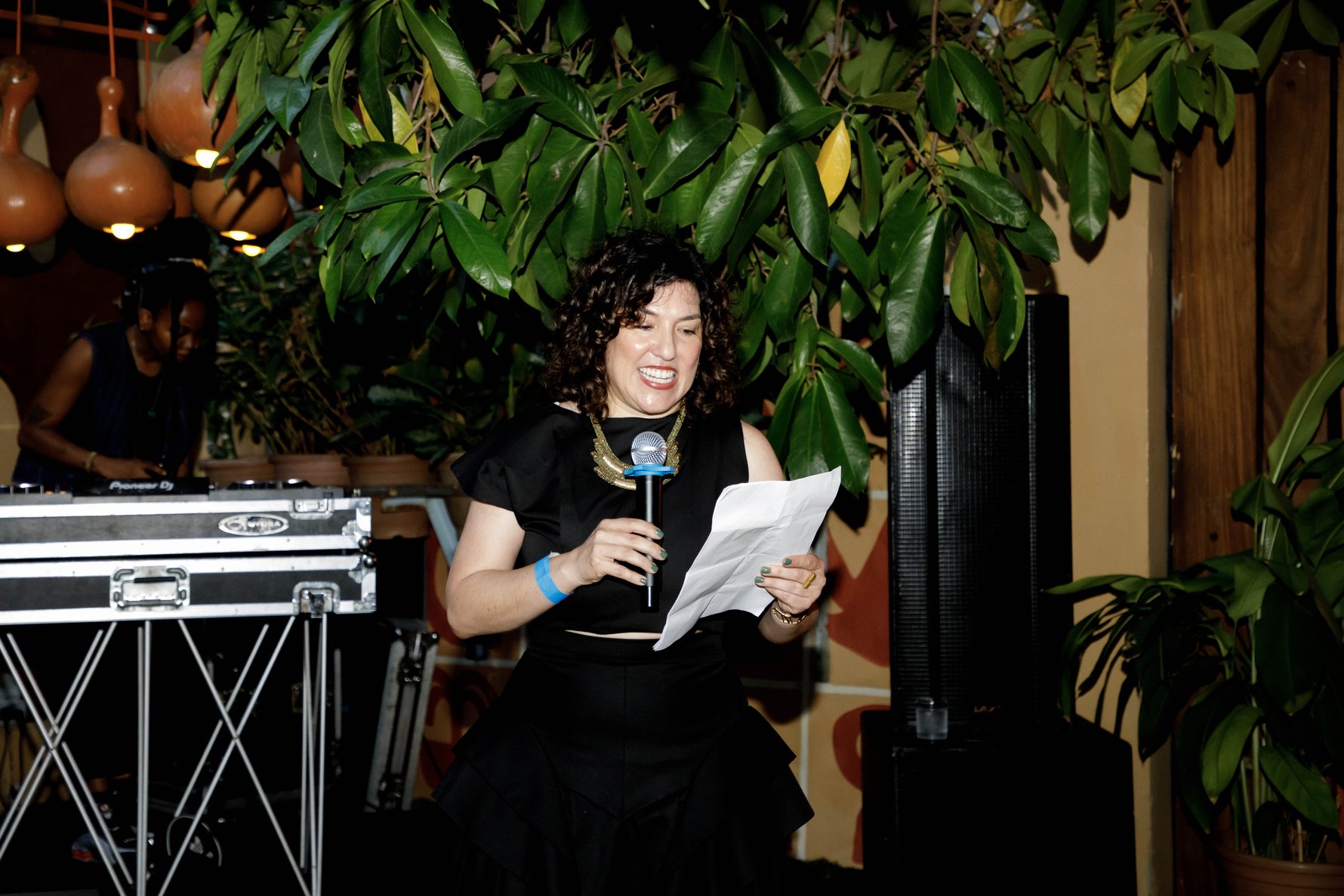
Having just returned from Lagos, we chatted to Roberta Coci about what to expect from Nigeria in Focus, how Lagos and Johannesburg compare and why this cultural exchange feels particularly resonant right now. If you haven’t booked your tickets for RMB Latitudes 2026 yet, this should convince you.
What was it like landing in Lagos?
It’s not subtle! From everyone’s loud outfits and even louder music and conversations, it’s a sensory overload – in the best possible way! I’m glad we heeded the advice to organise protocol to walk us through the airport, as it’s pretty overwhelming. That said, I was pleasantly surprised by the friendliness and efficiency at the airport, considering the stories I had been warned about. Stepping out of the airport, the night-time heat and humidity literally slaps you – it’s quite something. I’m only used to that kind of climate on holiday, at a beach!
Lagos and Johannesburg are both cities whose names carry a lot of weight. How do they differ from each other and how are they the same?
They’re clearly both cities where culture and economy are tightly linked, but they express it differently. Johannesburg has a kind of internality to it, it’s more reflective, and Lagos is the opposite – it’s extroverted, confident and unapologetically commercial. There’s less anxiety about the market there, and I think that’s something we can learn from back here.
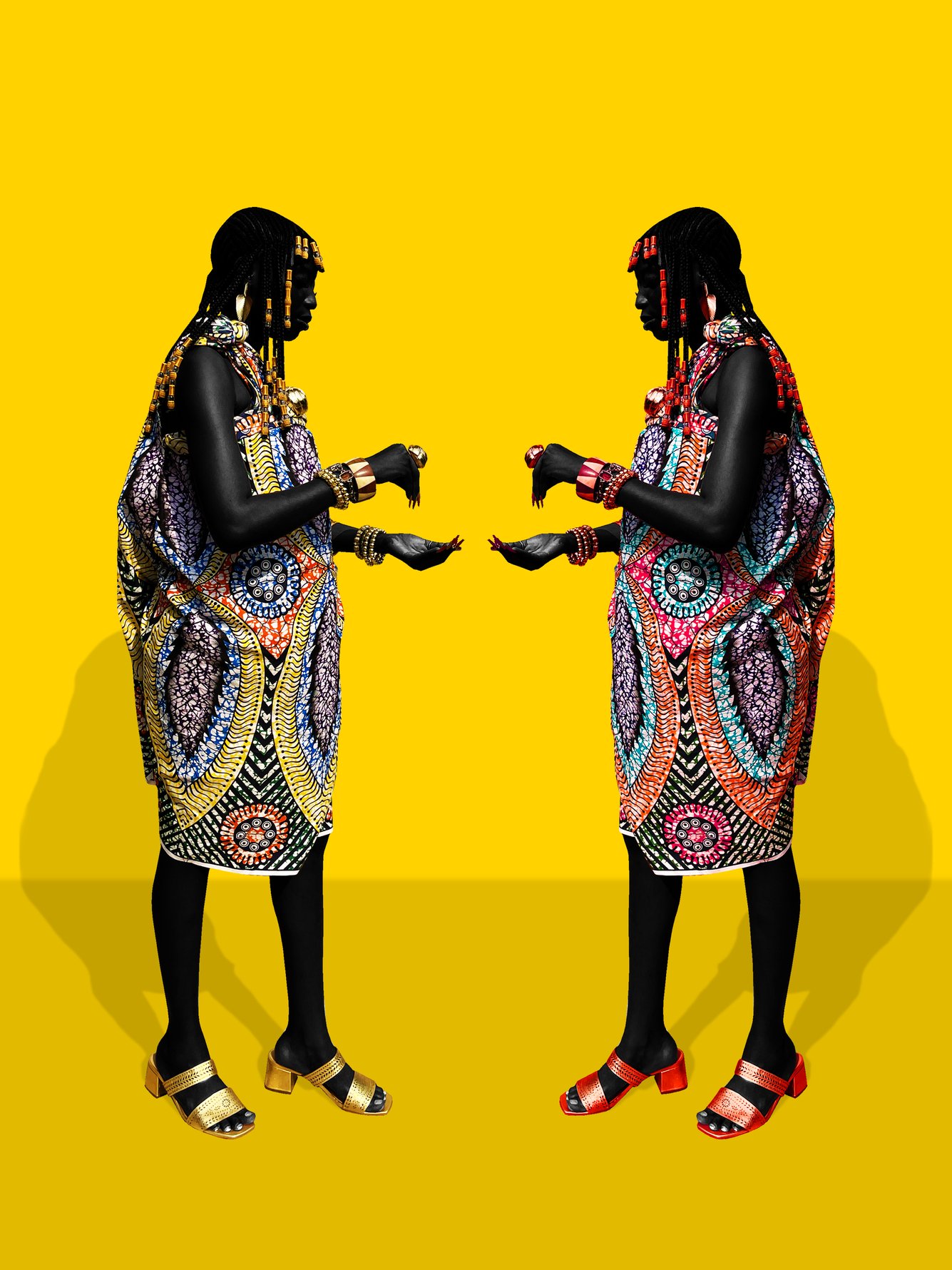
What surprised you most about the art scene in Nigeria?
How connected it is. It’s a really tight-knit scene – people know each other, support each other and there’s a genuine sense of being in it together. It feels collaborative rather than competitive, which gives it a very different kind of energy to most art ecosystems I’ve been exposed to.
"The focus is on building a showcase that is considered, and opens up conversations." – Roberta Coci
How does the energy of Lagos compare to Joburg?
Lagos is loud, chaotic and theatrical. Joburg can feel quite controlled, even a bit cautious in comparison.
Favourite moment from the trip?
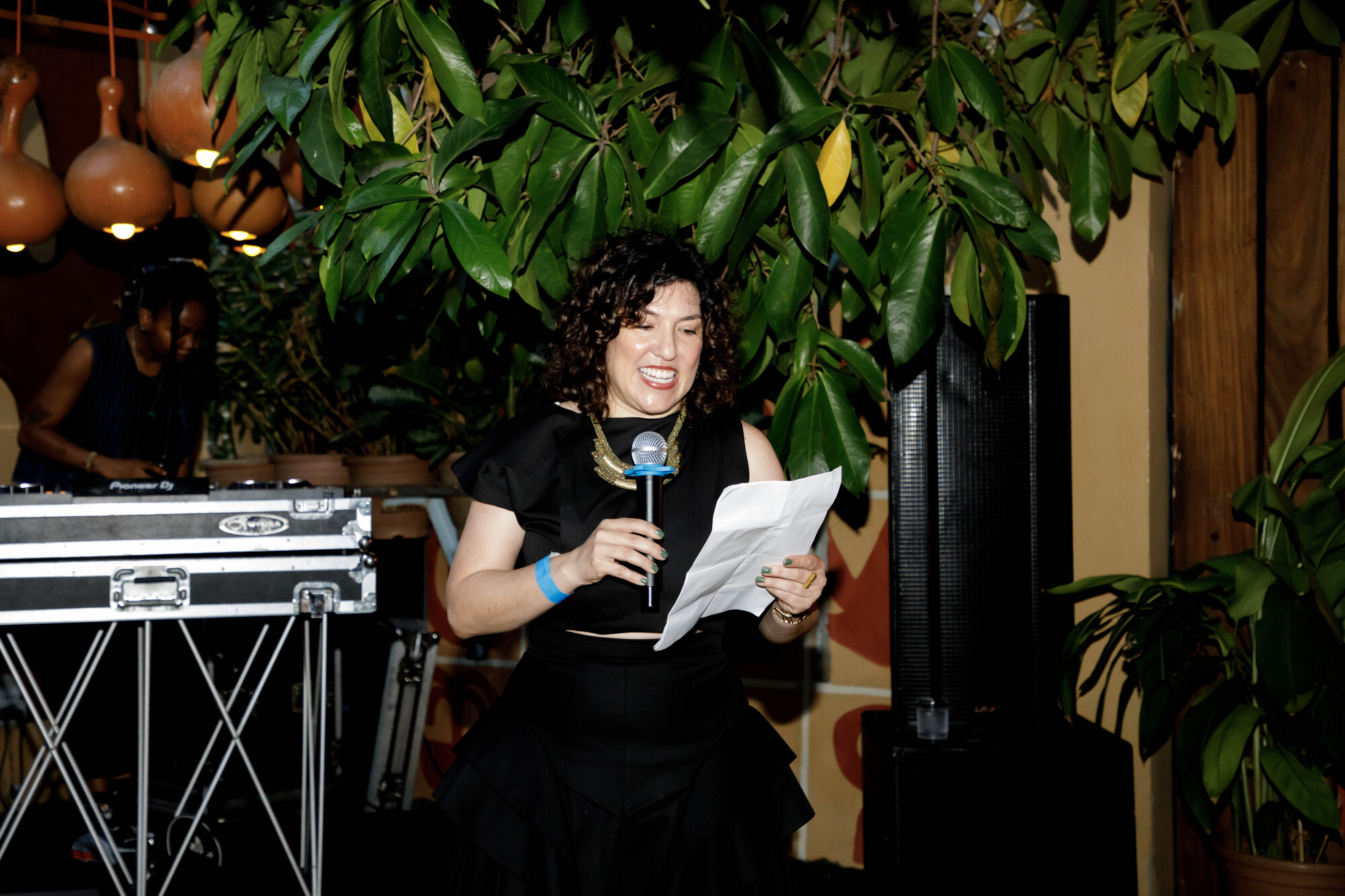
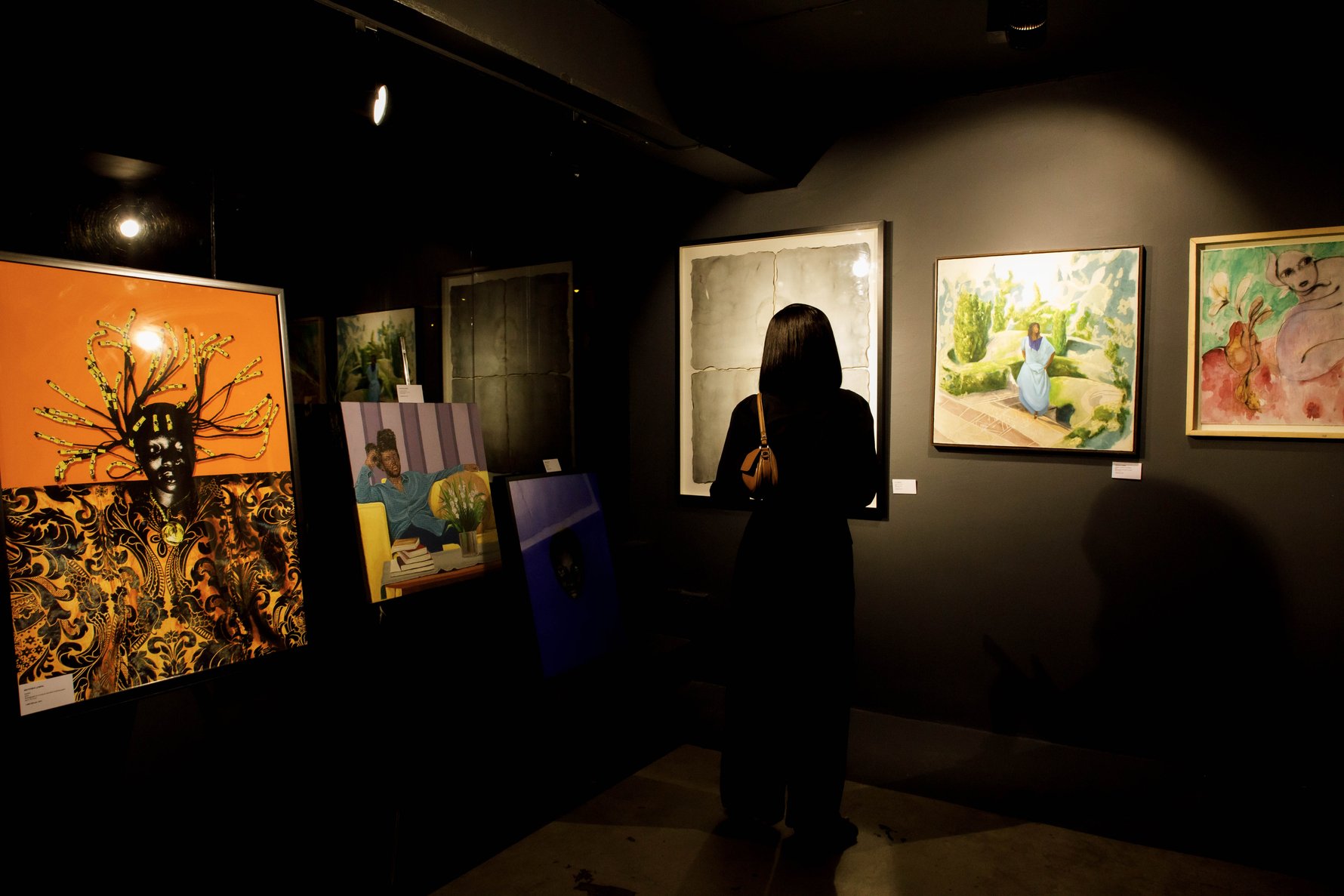
Opening our Nigeria Focus exhibition at Miliki in Lagos. It was important to us that the work be shown locally first, and it was a very proud moment for Latitudes, and me personally, opening such an important international exhibition.
Most memorable encounter that you had?
Being invited to visit collector Femi Akinsanya’s home. He has over 700 contemporary African works and more than 1,000 traditional pieces in his collection. As amazing as it was to see this extraordinary collection, the real joy was Femi himself. He is one of the most passionate and energetic people I’ve met, and hearing him talk about his collection was a reminder of how much individual collectors shape these ecosystems.
Why should someone visit Lagos? Any tips?
Because it’s one of the most culturally influential cities on the continent right now, and that’s only accelerating. Tips: You have to meet it on its own terms. Don’t try to control the experience too much – work with people who understand the city and give yourself time to actually absorb it.
Why was Nigeria chosen for this year’s International Focus?
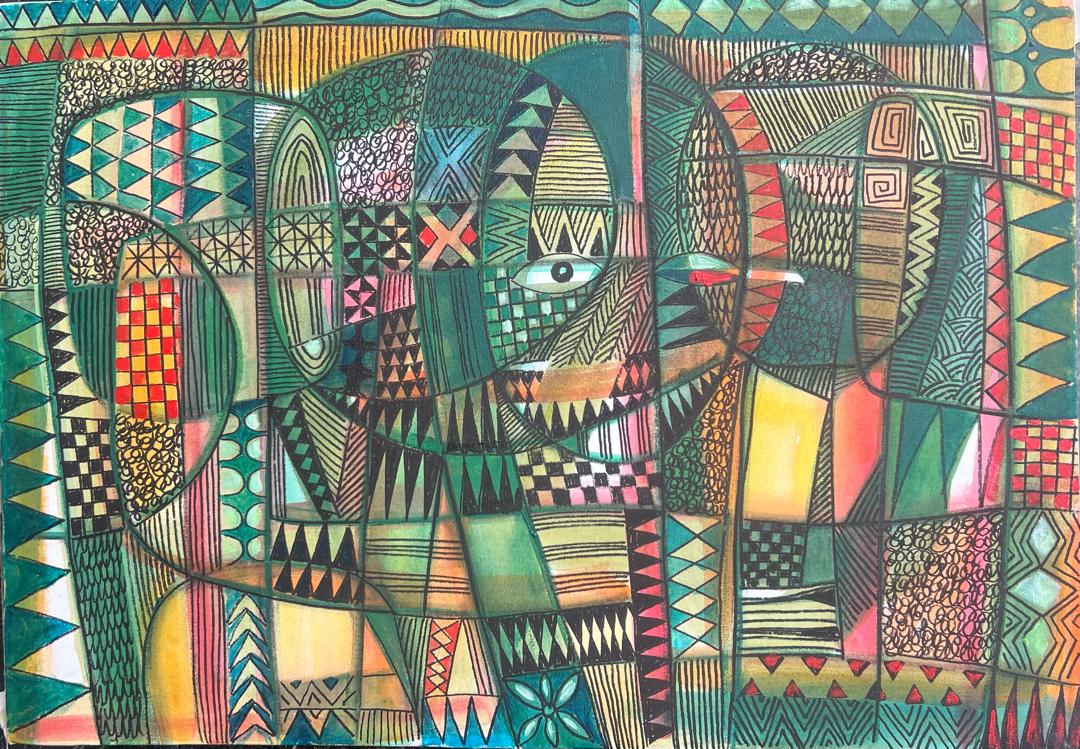
Nigeria felt like a natural focus for this year. It has one of the most dynamic and globally visible art ecosystems on the continent – with strong local collectors, influential artists and a growing international presence. It feels like the right moment to build a more intentional connection with Johannesburg.
What did the open call reveal about the current preoccupations of Nigerian artists?
There’s a strong engagement with identity and movement – both physical and economic – but what stood out more was the ambition. The work isn’t small in its thinking (nor its scale). There’s a willingness to experiment materially and conceptually, and to take risks.
Why is it important to create a connection between Lagos and Johannesburg? What can people between these two cities draw from each other?
Because at the moment, they operate slightly in parallel, which doesn’t make sense given their influence. Lagos brings market confidence and a decisive collector culture. Johannesburg brings criticality and institutional thinking. If those things connect more directly, it will strengthen both ecosystems.
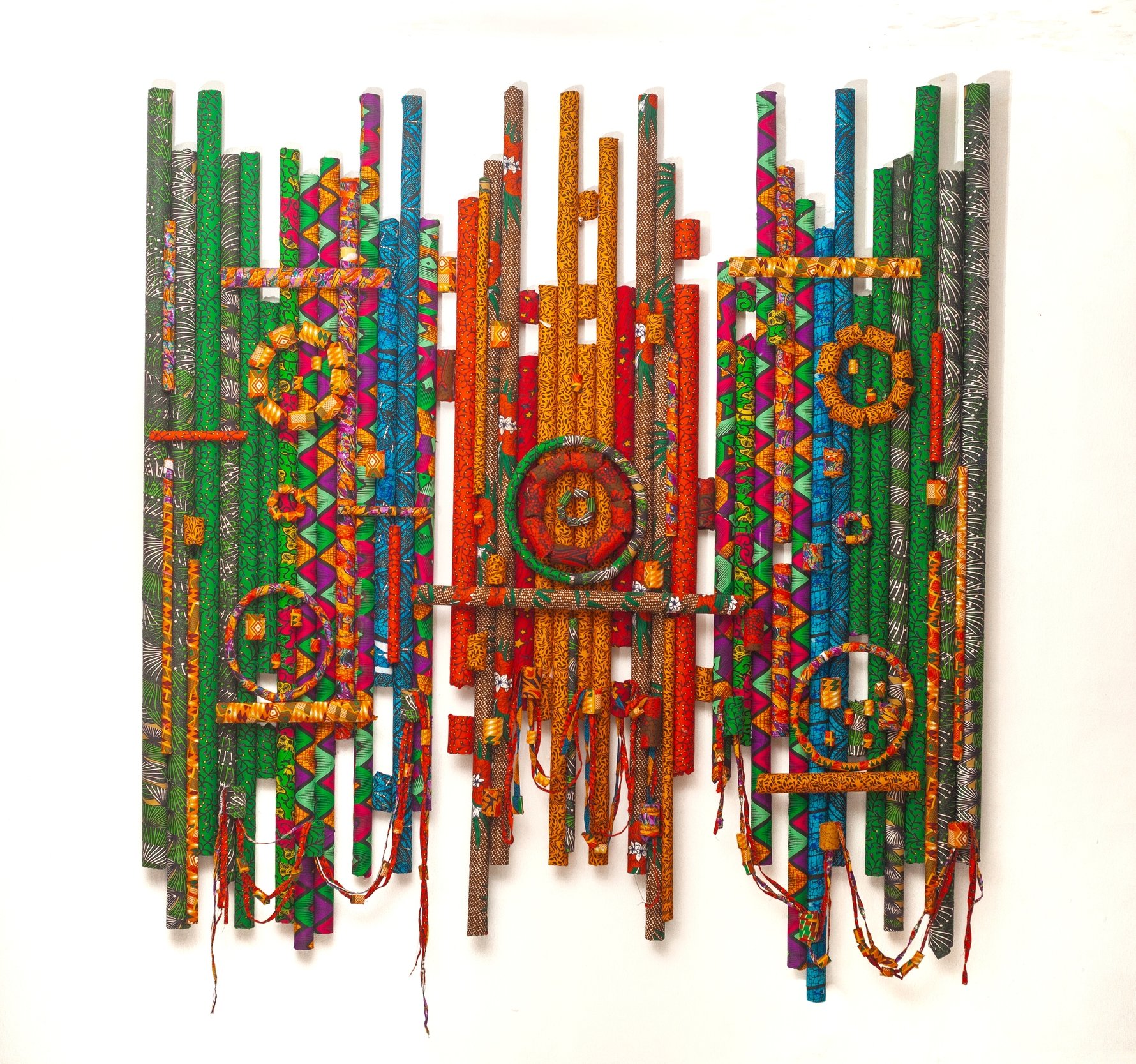
Even with narrowing it down to one country, with the sheer amount of work and artists, how do you go about creating a reflective showcase of art from Nigeria?
We definitely would never try to capture everything – that would never be possible. The focus is on building a showcase that is considered, and opens up conversations.
"There’s a boldness and confidence in the work that mirrors the country itself, and it made it clear that the exhibition needed to rise to meet that, rather than contain it." – Roberta Coci
The selected artists range from those who are internationally established to those who are comparatively unknown. How do you balance and create space for each to shine?
By not over-hierarchising. If the work is strong, it will hold its own. At Latitudes, we’ve always been confident about allowing those conversations to sit side by side without any one feeling like a footnote.
How did your ideas of what this In Focus should look like change after seeing Nigeria and the artists' works for yourself?
Seeing the work in Lagos shifted the scale of the project for me. There’s a boldness and confidence in the work that mirrors the country itself, and it made it clear that the exhibition needed to rise to meet that, rather than contain it.
Who are the collectors in Nigeria? Is it mainly local or international?
There’s a very strong and active local collector base. What struck me was how engaged and decisive they are – they simply walk up to a piece and know that they want it, in an instant.
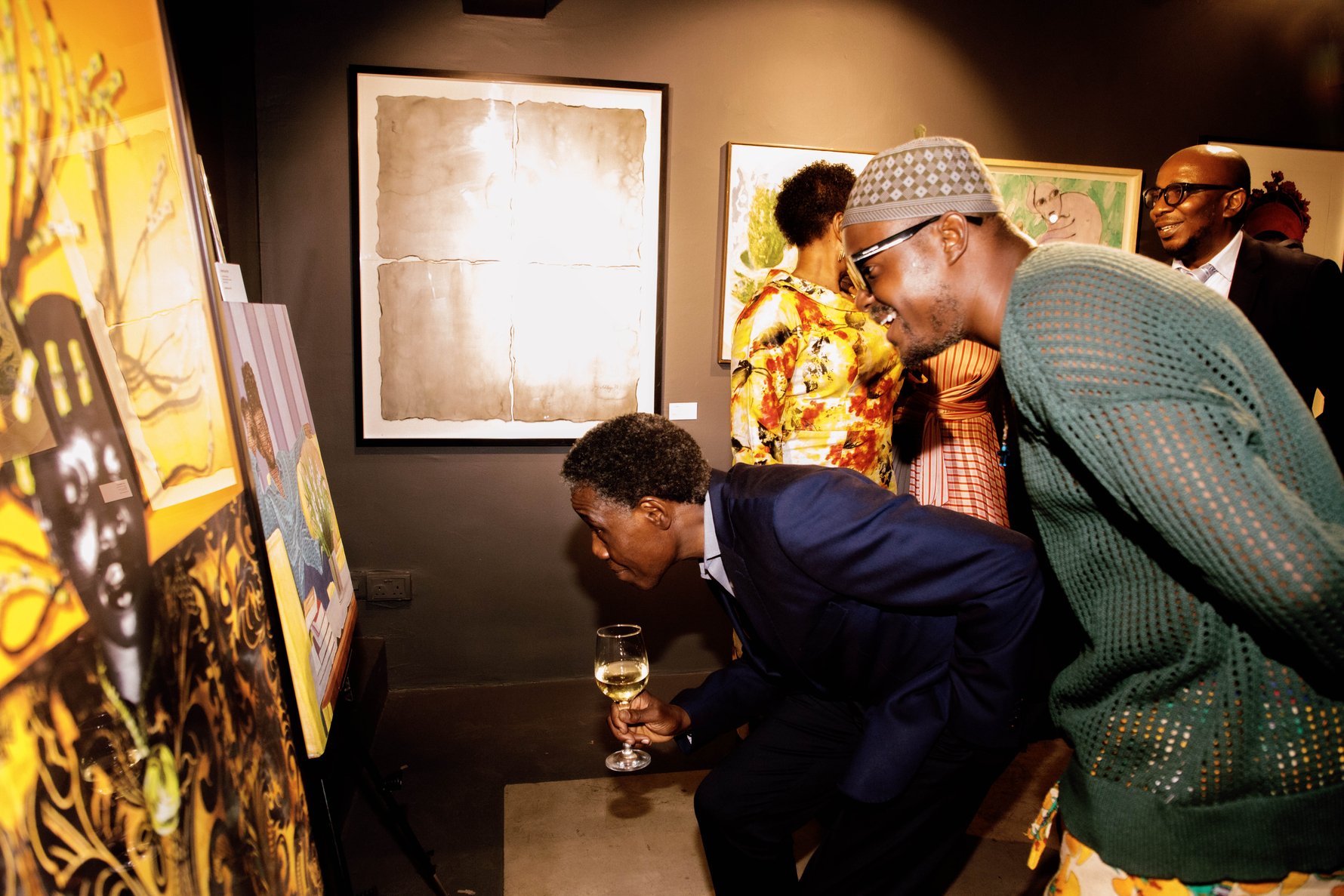
What makes this Nigeria in Focus iteration a pivotal moment for the African art calendar?
Because it’s not extractive. It started in Lagos, with a local audience, and now is travelling. That shift in approach is important, as it’s about building continuity rather than just showcasing.
Beyond the fair, how do you see this dialogue and conversation evolving?
Through actual relationships. Not just projects, but ongoing exchanges between artists, galleries and collectors. If it stops at the fair, then we haven’t done it properly.
Catch Nigeria in Focus as part of the RMB Latitudes Art Fair at Shepstone Gardens from Fri, May 22 – Sun, May 24, 2026. Book your tickets now.


Comments