

.jpg)
Johannesburg has always been a city that is unafraid to reinvent itself. In 2026, the city turns 140 years old, and we thought it was as good a time as any to look back and celebrate Joburg and some of its other landmark birthdays this year.
1. Johannesburg turns 140
For a city of the scale, energy and importance of Joburg, 140 years is extraordinarily young. It didn't grow slowly from a village or a port, rather it exploded into existence, and it has never really stopped accelerating since.
Within its first decade alone, the population rocketed from a few thousand fortune-seekers to over 100,000 people, with the inner city and its earliest suburbs, such as Fordsburg, Doornfontein and Braamfontein, taking shape. From its inception until now, it has always been a city of migrants and promise, where people are pulled towards it for work, reinvention, survival or opportunity.
What makes Joburg particularly unusual, and endlessly fascinating to try and navigate, is that its development has never been contained to one centre. Rather, it has sprawled, shifted, and splintered, and today it is better understood as five distinct urban nodes strung out roughly south to north, each with its own character, economy, and gravitational pull.
"Joburg has always been a city of migrants and promise, where people are pulled towards it for work, reinvention, survival or opportunity."
At the southern end sits Soweto, effectively a city within a city, home to an estimated 1.3 million people and it carries a cultural and political weight that should not be underestimated. Once a township created to house black workers excluded from the CBD, it is today one of Joburg's most visited destinations, with its own thriving economy, and the birthplace of some of the country's most defining moments.
Then comes the inner city. The city's original central business district (CBD), it is dense and chaotic and endlessly alive, an immigrant city in miniature where Joburg's founding-era architecture shares blocks with Nigerian hair salons, Ethiopian restaurants, and Pakistani corner stores, with the streets carrying the varied and frenetic energy of the continent. While dominant narratives paint the city as a picture of decay, this obscures the enormous economic, cultural, and social activity which still emerges from the city's orbit.
Moving north, Rosebank is the city's middle ground. Part lifestyle hub, part business node, Rosebank blends galleries, markets, restaurants and corporate headquarters into a walkable (by Joburg standards) urban strip. Further north still is Sandton. Dubbed Joburg's second CBD, it grew in prominence at the end of Apartheid when business and investment followed white flight from the inner city. It now contains the most expensive square kilometre of real estate in Africa, although new developments in Midrand that continue this relentless northward spread may seek to one day challenge this.
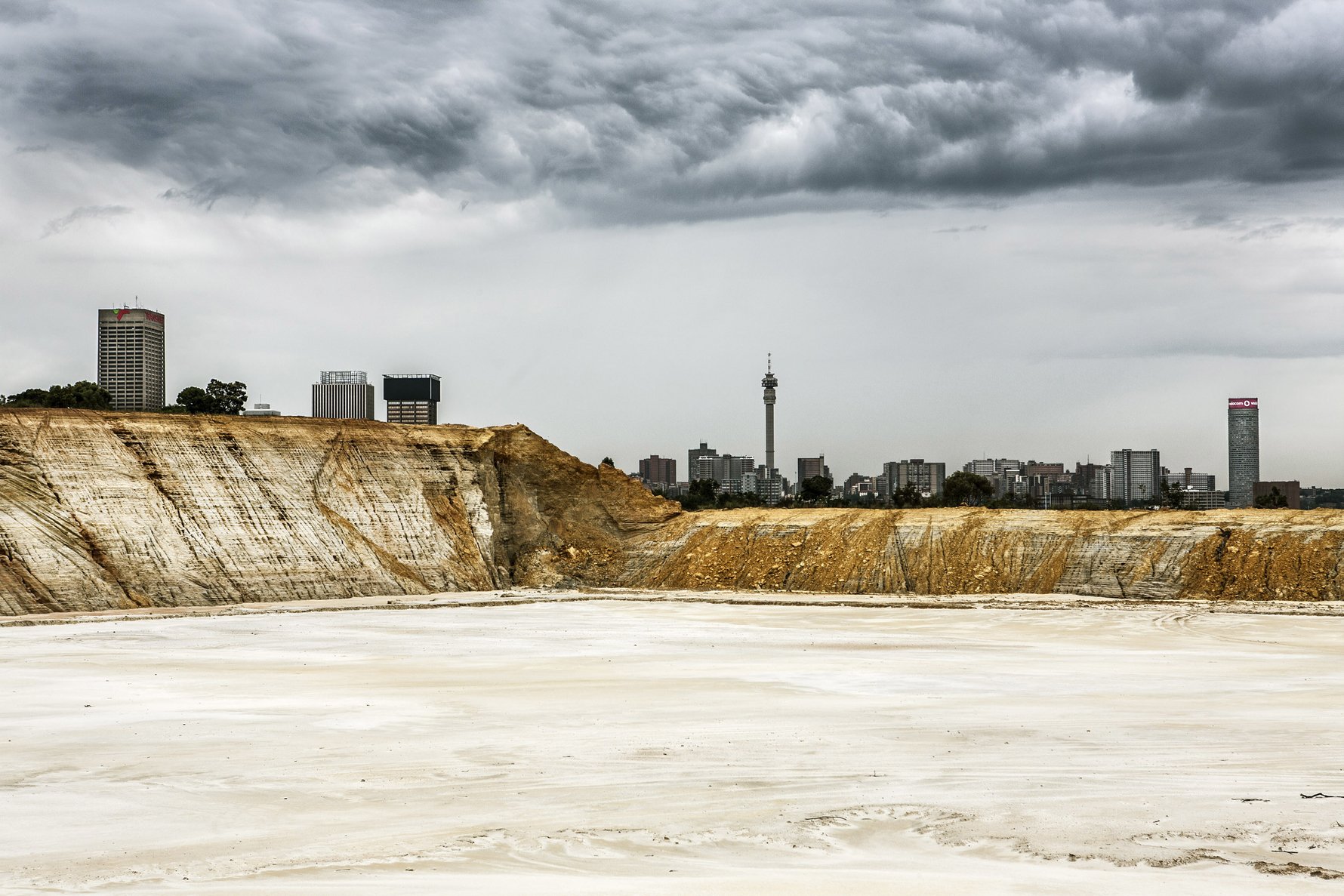
From east to west the city is equally complex. The East Rand ("rand" being the Afrikaans word for reef) is a sprawling industrial and residential corridor that's home to OR Tambo International Airport, technically part of the municipality of Ekurhuleni, although many Joburgers still refer to it as part of Johannesburg. The West Rand carries much of the old mining heartland, with the acerbic yellow mine dumps looming on the horizon like replicas of Table Mountain.
"It is this tension – between potential and its unrealised promise, between creativity and the weight of history, between a city that keeps reinventing itself and one still reckoning with what it was – that makes Johannesburg unlike anywhere else."
The greater Johannesburg metropolitan area is home to an estimated 6 to 7 million people, and tops the list as the largest city in sub-Saharan Africa by economic output. It is also one of the most unequal urban environments on earth, a place where extraordinary private wealth sits in visible proximity to profound deprivation, and where the spatial legacy of Apartheid continues to shape the lives of its residents.
That history is unavoidable. And for all the impressive facts and stories about Johannesburg, it is a city built on exploitation and blood, one that for most of its history degraded and destroyed the lives of the people who built it. It is a past almost impossible to shake off, and the ghosts of the past haunt any visions of its future.
It is this tension – between potential and its unrealised promise, between creativity and the weight of history, between a city that keeps reinventing itself and one still reckoning with what it was – that makes Johannesburg unlike anywhere else. In Johannesburg: The Elusive Metropolis, editors Achille Mbembe and Sarah Nuttall write: "It is an original city, speaking in an original voice. Even in its most self-destructive moments, it is a place where a new and singular metropolitan vocabulary is being born."
At 140, Joburg is still, in many ways, becoming, and we can't wait to see what it evolves into next.
2. Rosebank turns 130
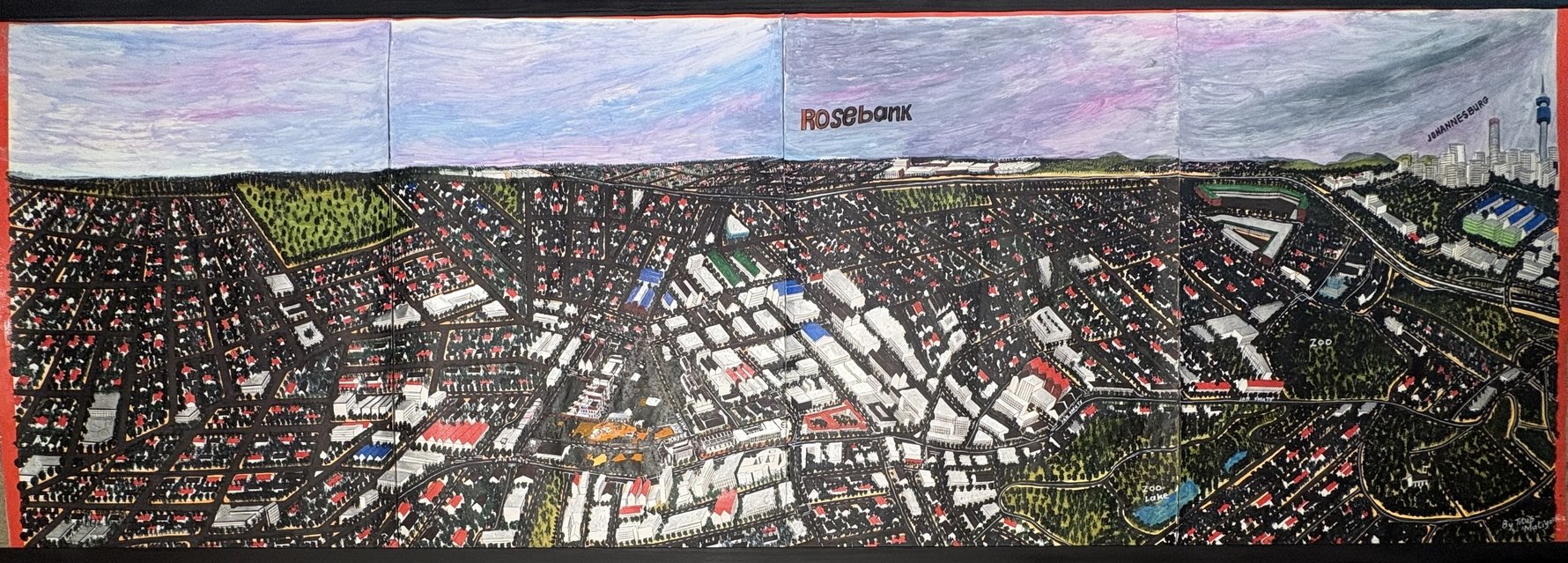
Officially registered in 1896 and named for the wild roses that flourished in the area, Rosebank has evolved from a leafy and genteel suburb into a vital urban node in the fabric of the city, partly due to the area being one of the major stops on the Gautrain route. Bridging the inner city and Sandton, developments like Keyes Art Mile, Everard Read and Circa Gallery, and Goodman Gallery have transformed Rosebank into a major cultural centre of the city. By day, the glittering office buildings fill up, along with cafe society... and at night the bars and restaurants come alive. With walkability a hallmark of experiencing Rosebank, it is one of the easiest areas in Joburg to touch down in and start exploring.
3. Goodman Gallery turns 60
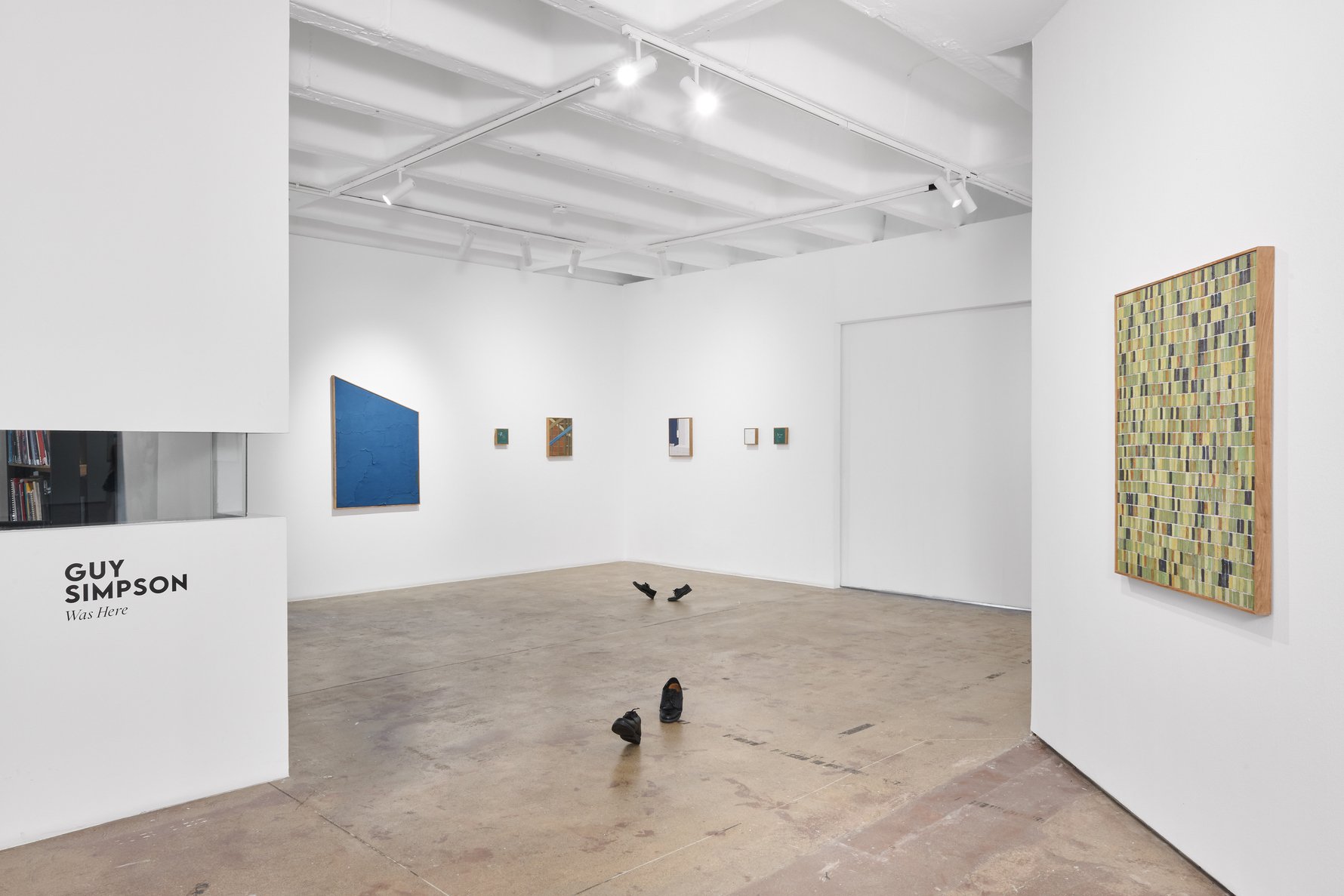
Since its founding in 1966, Goodman Gallery has spent six decades at the forefront of South African contemporary art. One of the few commercial galleries to actively champion and represent artists who challenged Apartheid, Goodman Gallery represents foremost artists such as William Kentridge, Sam Nhlengethwa, Sue Williamson, and David Koloane. In recent years, they have expanded their focus to the broader African continent and diaspora and with galleries in Johannesburg, Cape Town, London, and New York, they remain a pre-eminent voice supporting African artists across the globe.
4. 50 years since the Soweto Uprising
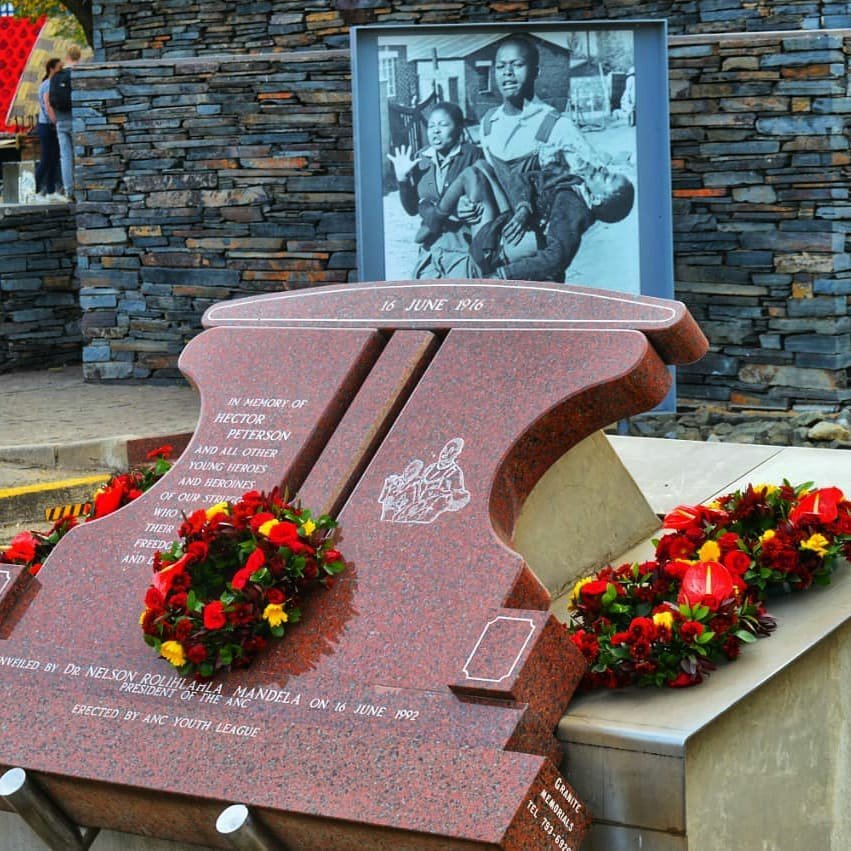
The year 1976 marked a pivotal turning point in South Africa: on June 16, pupils in Soweto protested against the imposition of Afrikaans as the language of instruction and the Apartheid government and police responded with deadly force. The uprising that followed galvanised the South African resistance movement and images from the protests shocked the world. It would take more than 20 years after this for the Apartheid government to come to an end and 50 years on, the day demands reflection both on the progress made since then, and an honest reckoning of the work that is still to be done. The best way to learn about, or revisit, this moment in Joburg's history is at the excellent Hector Pieterson Memorial and Museum, set to undergo renovations later this year.
5. The Market Theatre turns 50
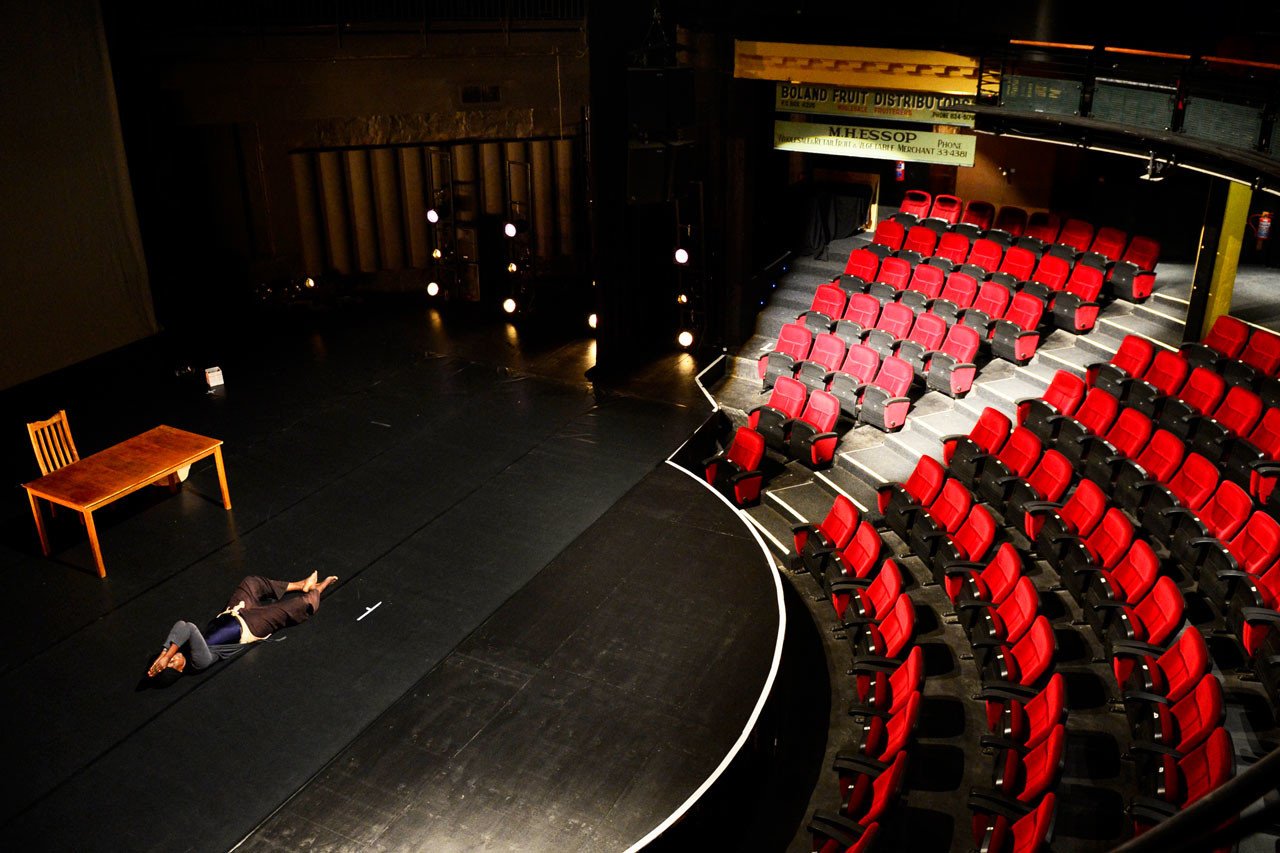
That same year in Newtown, a converted fruit market opened its doors as the The Market Theatre. Known as "the theatre of the struggle", The Market Theatre was one of the few cultural institutions that openly challenged and resisted Apartheid. That legacy continues today with a mix of new African theatre as well as South African classics, and it remains the place to go to for groundbreaking theatre that is as thought-provoking as it is entertaining.
6. Artist Proof Studio and the Bag Factory both turn 35
Two of Johannesburg's most enduring creative institutions share a birth year, and both Artist Proof Studio and Bag Factory Artists' Studios are testaments to the idea that the city's creative infrastructure is as important as its cultural output.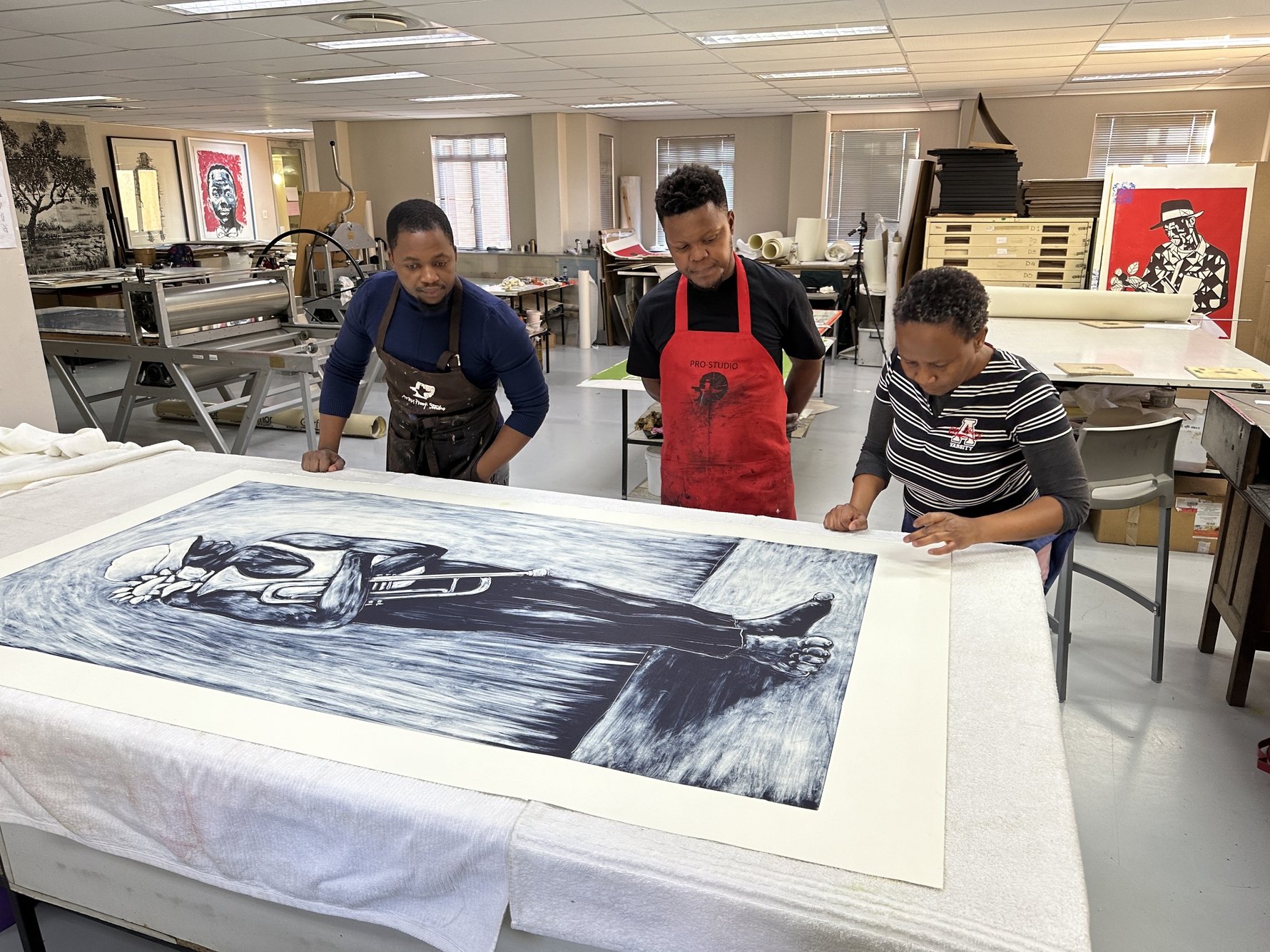
Artist Proof Studio is one of Johannesburg’s most essential creative educational spaces. Founded in 1991 by Kim Berman and the late Nhlanhla Xaba, APS has pushed its own model of creating accessible art education and art prints, while still retaining artistic rigour and excellence. This has seen them train over 400 artists including Phillemon Hlungwani, Mbali Tshabalala, Nelson Makamo and Lindo Zwane. Speaking on their legacy exhibition at Strauss & Co, which ended on Apr 17, 2026, Wilhelm van Rensberg, senior art specialist and head curator at Strauss & Co, said, "The APS legacy is not confined to the past, but remains an active, unfolding commitment to access, imagination and collaboration."
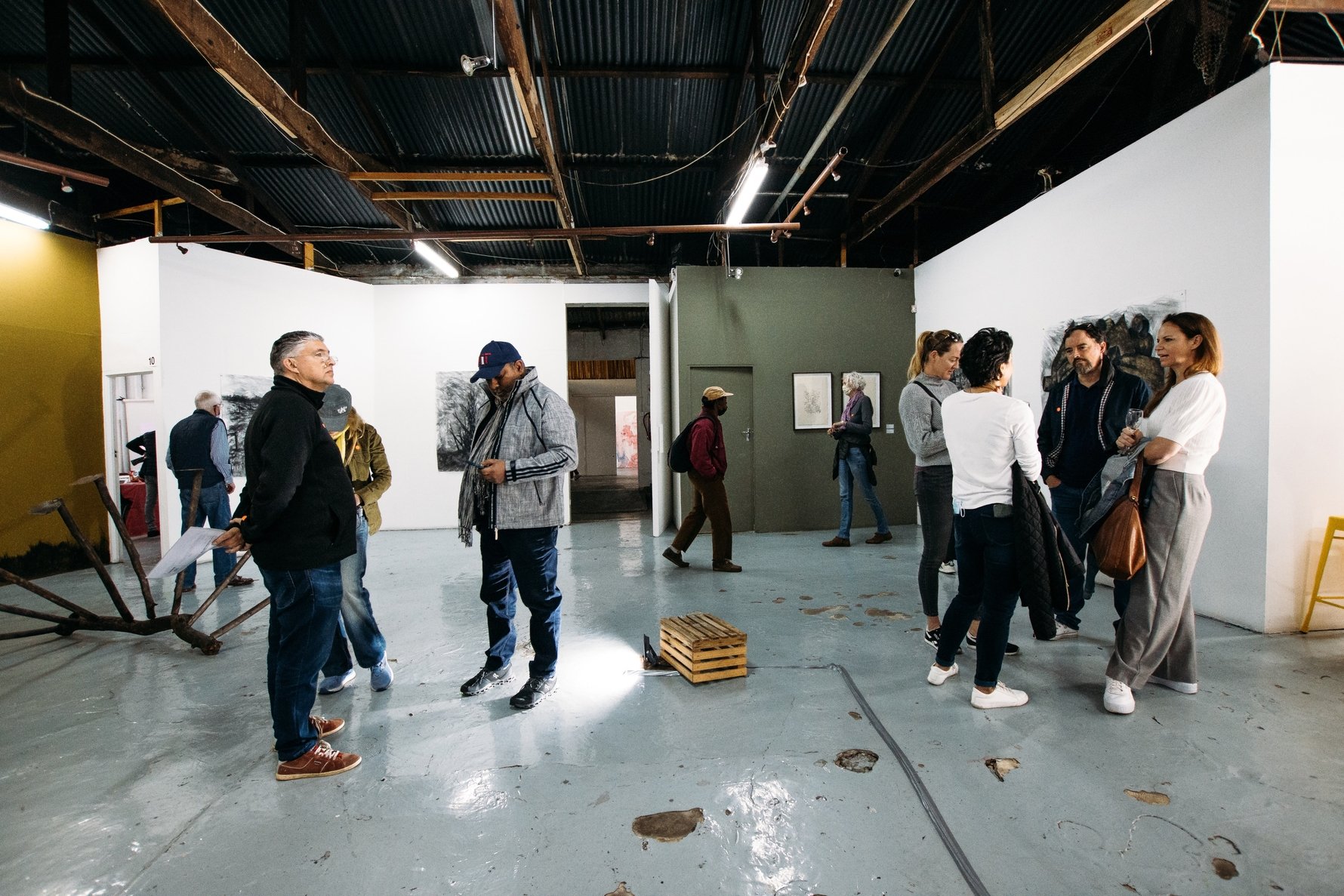
Then, Bag Factory Artists' Studios in Fordsburg has been an international artists' residency and studio space that has quietly shaped the careers of generations of South African and visiting artists. Rooted in the spirit of collaboration and shared learning processes, Bag Factory has not only profoundly shaped the visual landscape of South Africa, but has shown the importance of artistic hubs that are rooted within communities.
7. 30 years of South Africa's Constitution
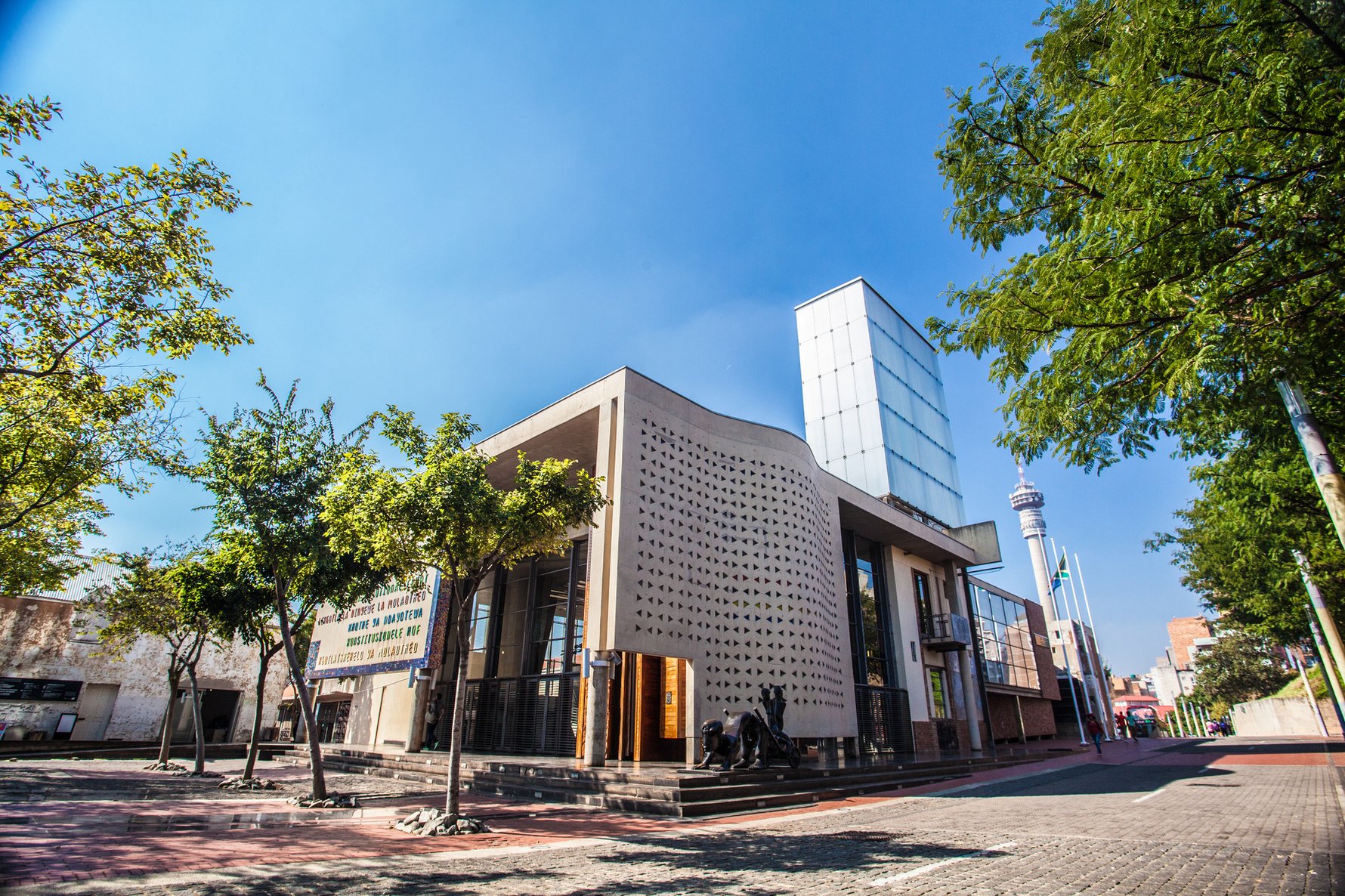
Widely regarded as one of the most progressive constitutions in the world, our Constitution is the bedrock of the country's attempt to build something new from Apartheid and has played an essential role in protecting the rights of the country's citizens since it was enacted in 1996. In the same year, the Truth and Reconciliation Commission (TRC) was established under the chairmanship of Archbishop Desmond Tutu. Thirty years on and the promises of the Constitution, as well as the complex legacy of the TRC, continue to be debated and tested.
8. The Apartheid Museum turns 25
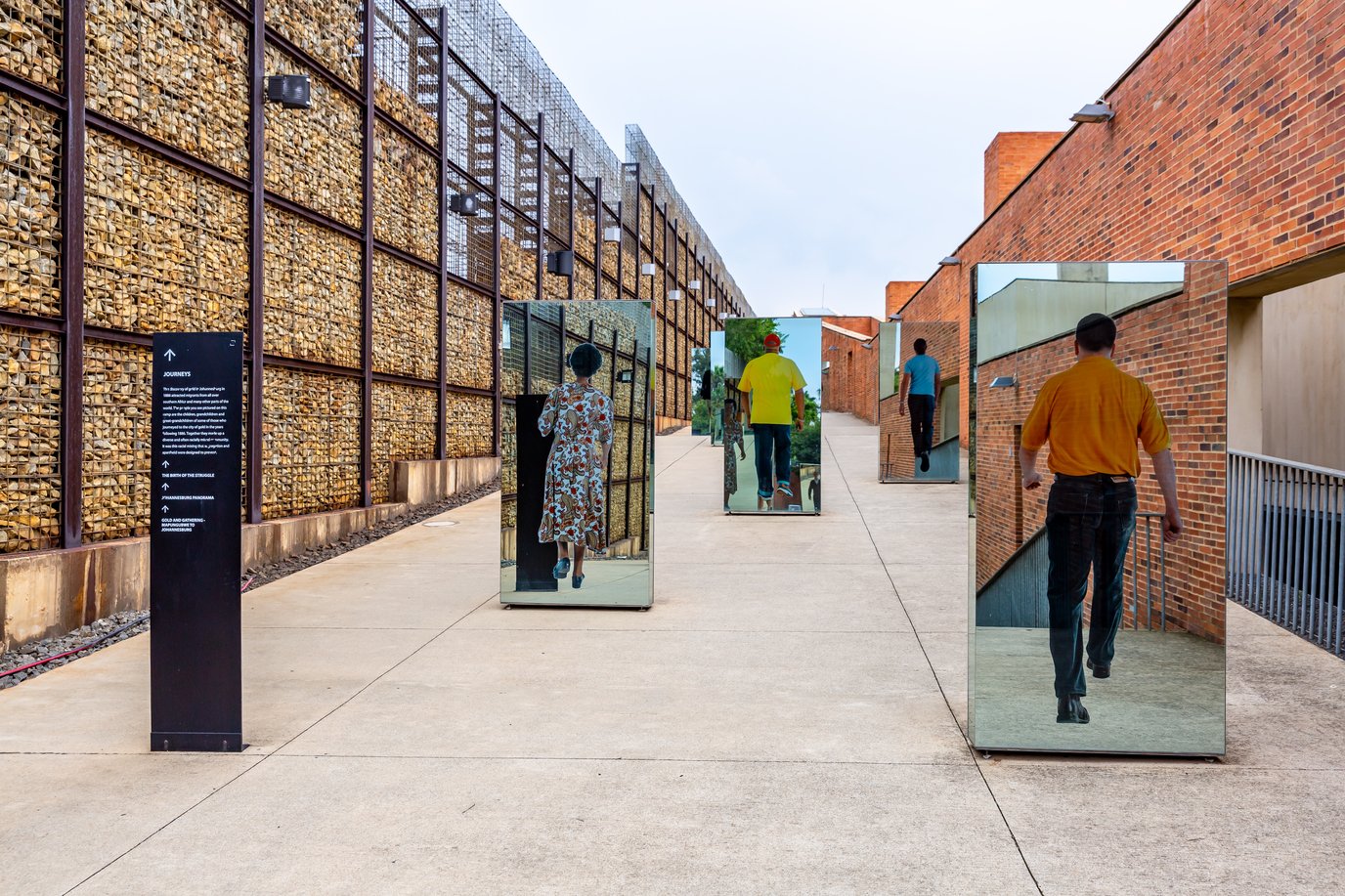
An essential experience in the city, the Apartheid Museum bears witness to the systematised injustice that was Apartheid. At once sobering and inspiring, the carefully designed exhibits uncover the atrocities of colonialism and Apartheid, and recognise the fierce resistance that these caused. While it can be uncomfortable, the museum remains integral to reckoning with the country's past, and in a time of rising fascism globally, ensuring that we recognise and resist any turn towards oppression in the present.
9. Joburg Ballet turns 25
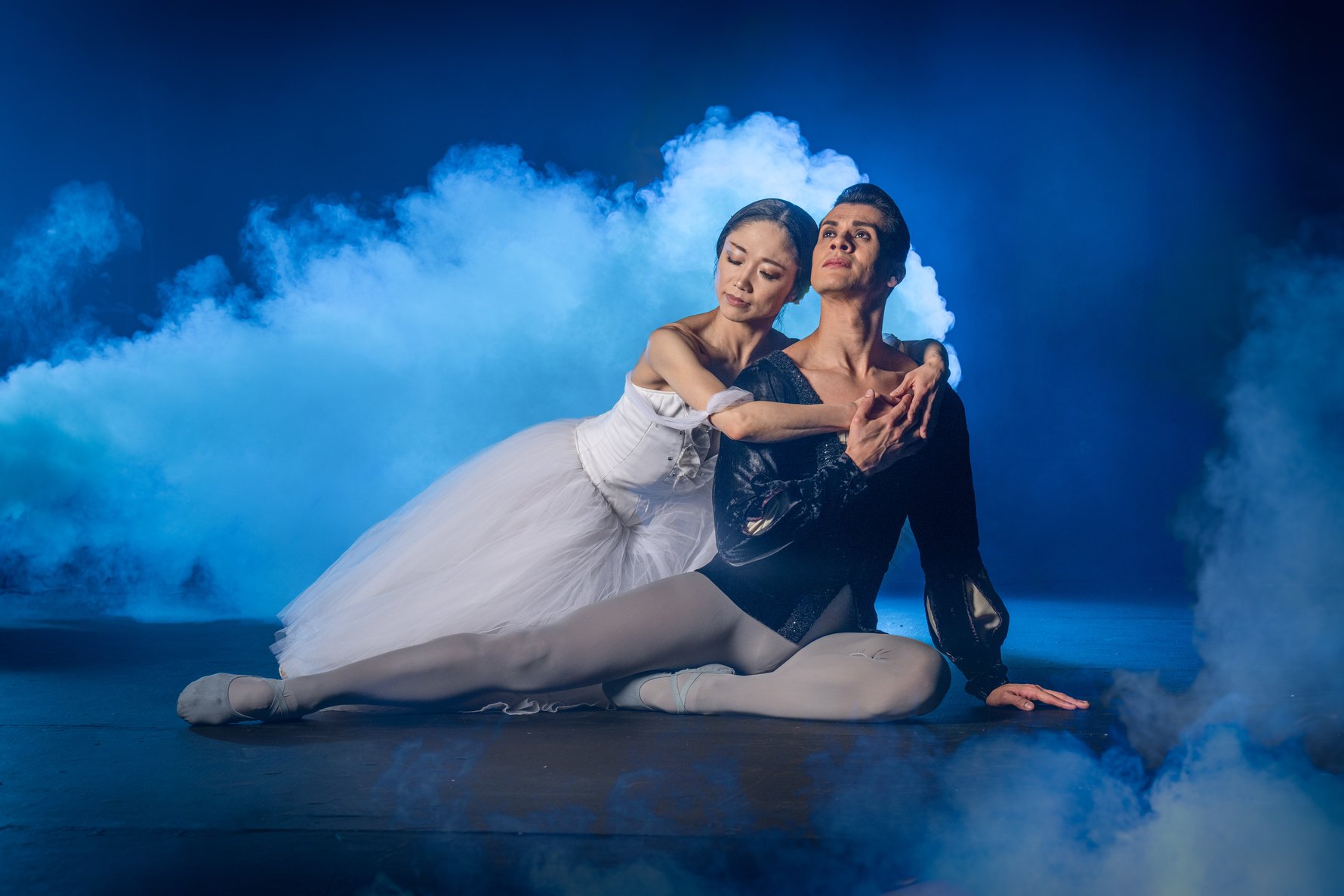
After the closure of PACT Ballet in 2001, Joburg Ballet was founded by six dancers who wanted to ensure classical ballet lived on in Johannesburg. Aside from putting on world-class performances through their professional ballet company at Joburg Theatre, Joburg Ballet also nurtures the next generation of dancers and choreographers through their school and development programmes. Their 25th anniversary programme revisits classics, brings a new ballet in collaboration with the University of Johannesburg, and more ways for people to share in the wonder of movement, with Sunset Rooftop Performances at PlayBraam, as well as their participation in the whirlwind that is Contra.Joburg.
10. Wits Origins Centre turns 20
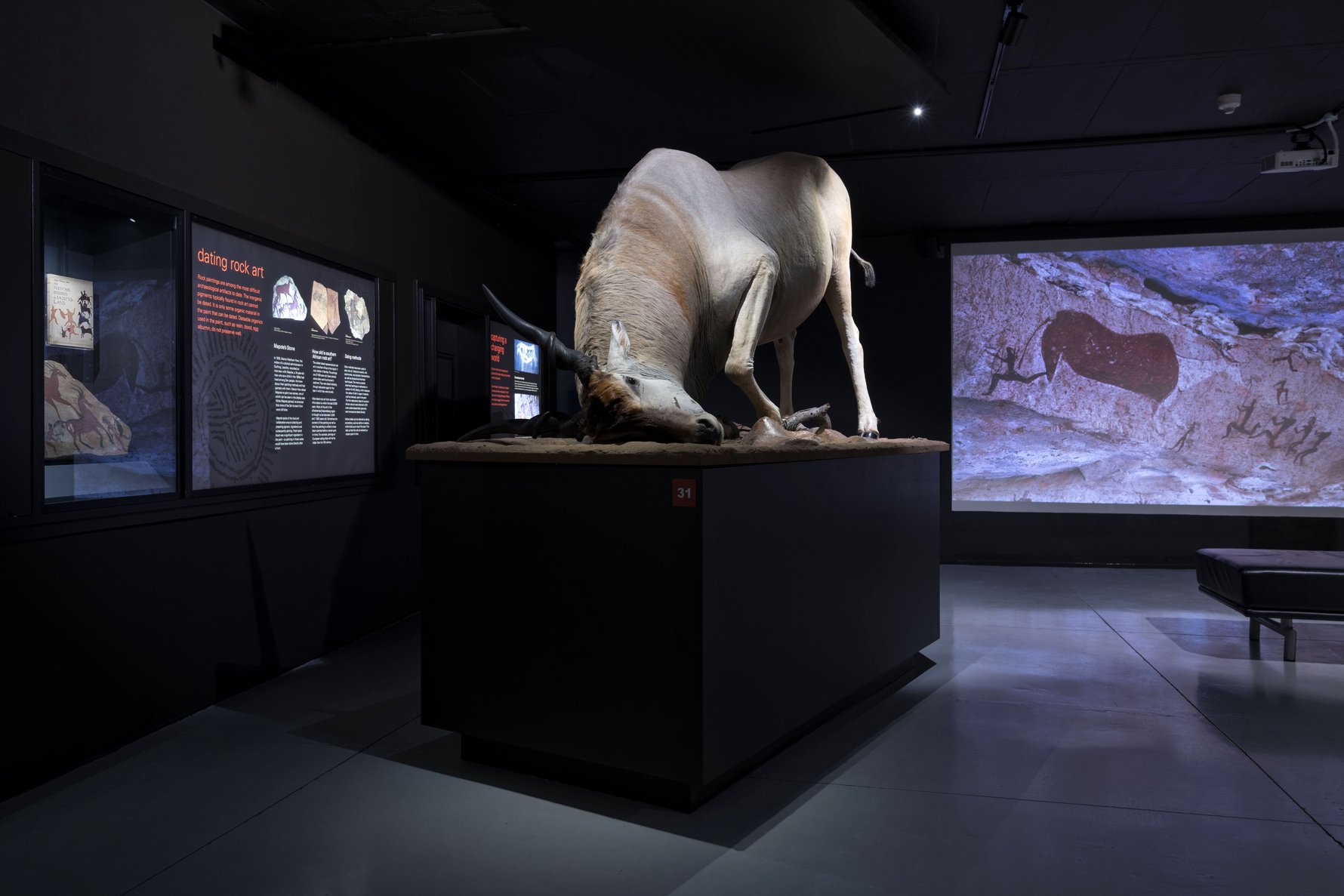
Wits Origins Centre at Wits University houses one of the finest collections of rock art and artefacts charting the story of human origins on this continent. It's an important counterpoint to a city so often defined purely by its industrial past, and the regular stream of exhibitions by artists and researchers to complement their permanent exhibits make each visit feel fresh, offering new ways of thinking about and engaging with the past. Read our interview with Wits Origins' curator, Tammy Hodgskiss.
11. Bassline Fest turns 20
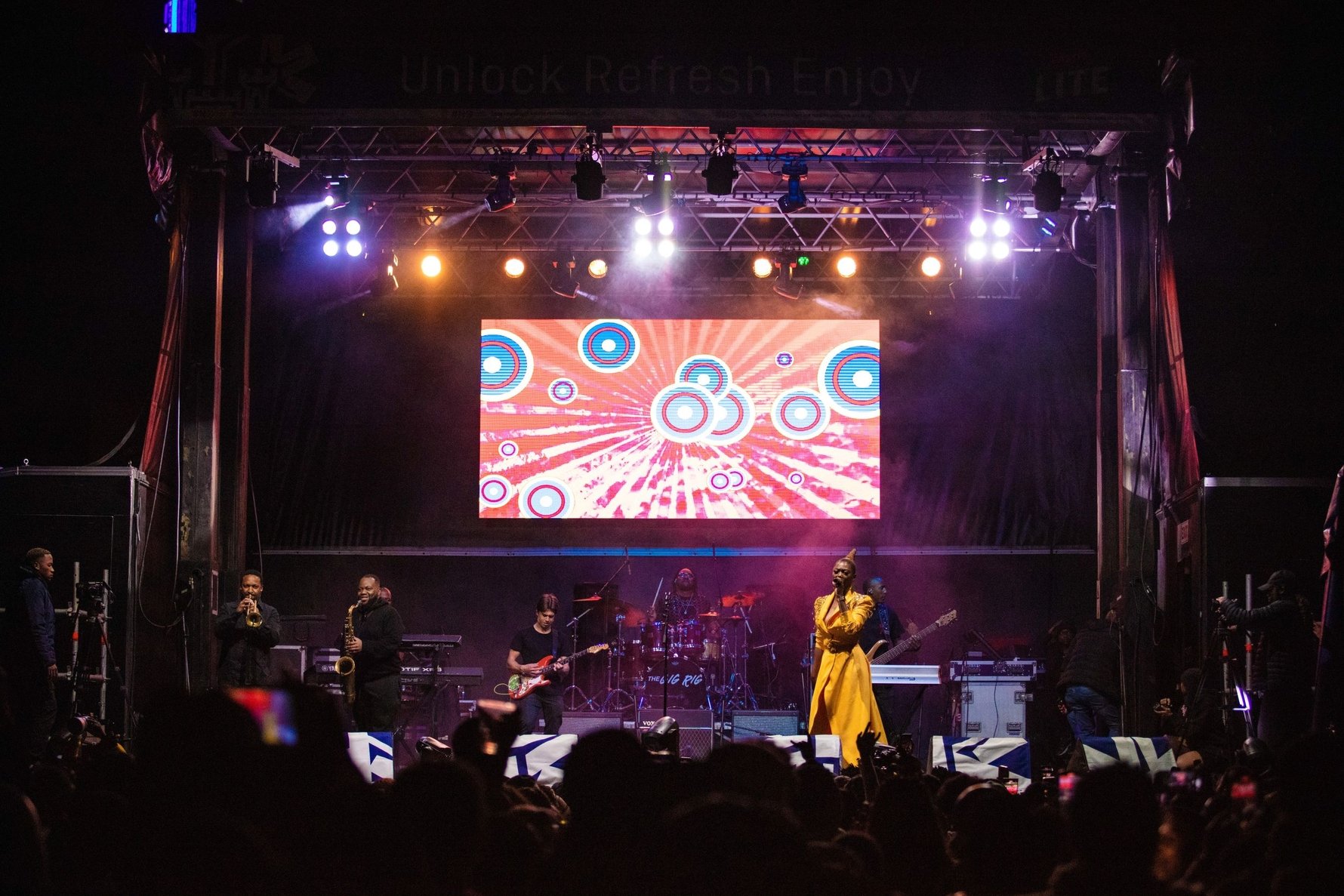
Originally a live music venue in Melville and later Newtown, The Bassline hosted the likes of Vusi Mahlasela, Hugh Masekela, Miriam Makeba, Moses Molelekwa and Johnny Clegg, among over 3,000 other concerts. Bassline Fest was started alongside it to celebrate the voices pioneering African music and keep the legacy of the original venue alive. Book your tickets for the concert on Sat, May 23, 2026 at Constitution Hill to see and hear what all the fuss is about.
12. Keyes Art Mile turns 10
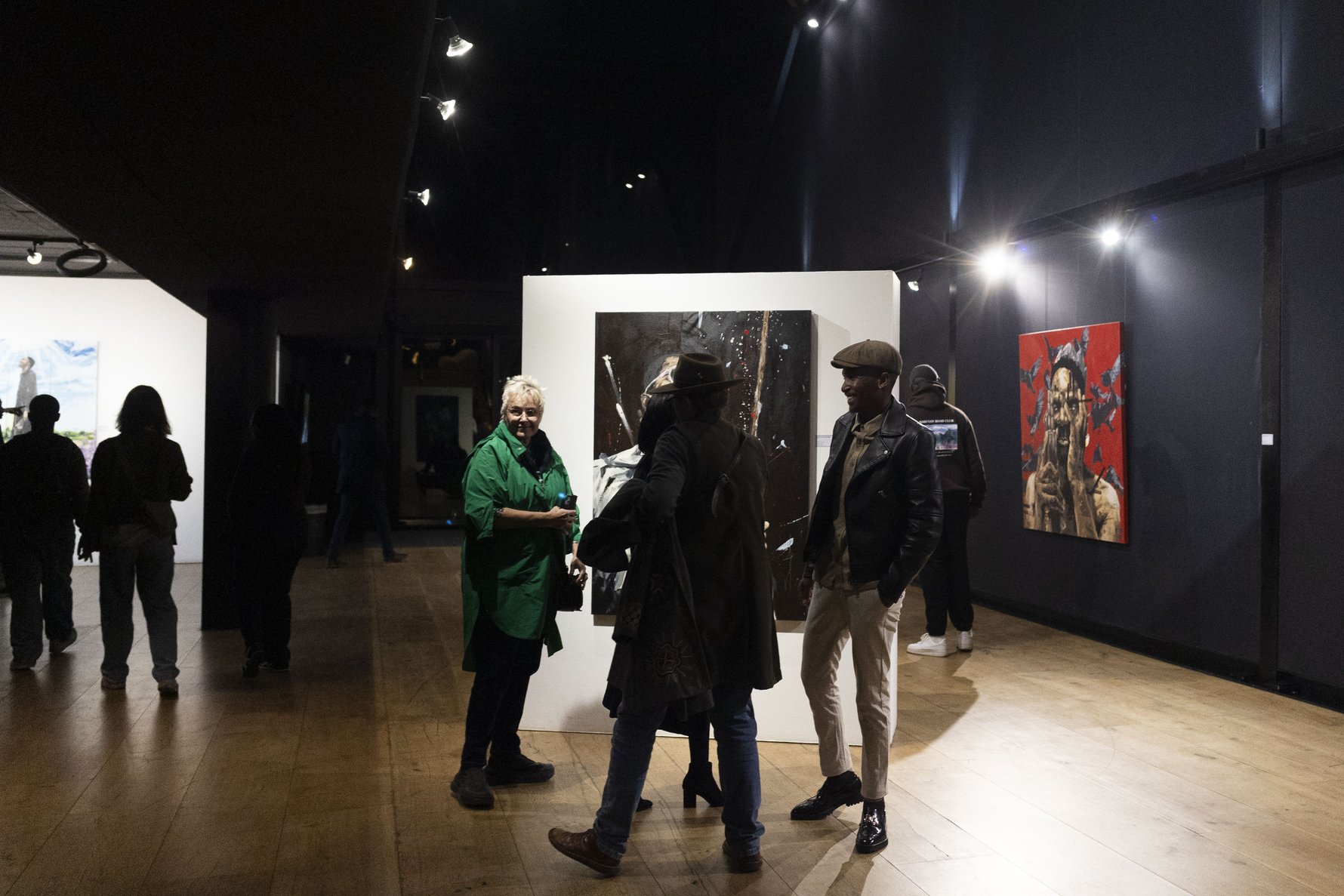
Photo: Alet Pretorius.
Ten years ago, Keyes Avenue in Rosebank was a quiet, unremarkable street, with Everard Read Gallery as the lone occupant after St Teresa’s School. Then, in 2016, the Trumpet Building opened and something clicked. The street began to burst with new energy as Keyes Art Mile set out to create a place where art, design, food, work and leisure all came together. A decade on, and it is one of the most appealing strips in the city: indigenous trees line the pavement, Everard Read now sits among art gallery arrivals such as BKhz and Lizamore on Keyes, and the Trumpet Building anchors it all with its Atrium, galleries and rooftop restaurants, with David Higgs' Marble having expanded far further than we might have imagined.
Looking ahead, Keyes Art Mile is looking like it will only get better, with the breaking of ground for Keyes Art Mile 2.0 under way. The development will bring more gallery spaces, restaurants, retail and residential units, while also creating a rooftop garden and new green network. The vision is lofty, but we have no doubts that the team behind Keyes Art Mile will pull it off.
12. Mall of Africa turns 10
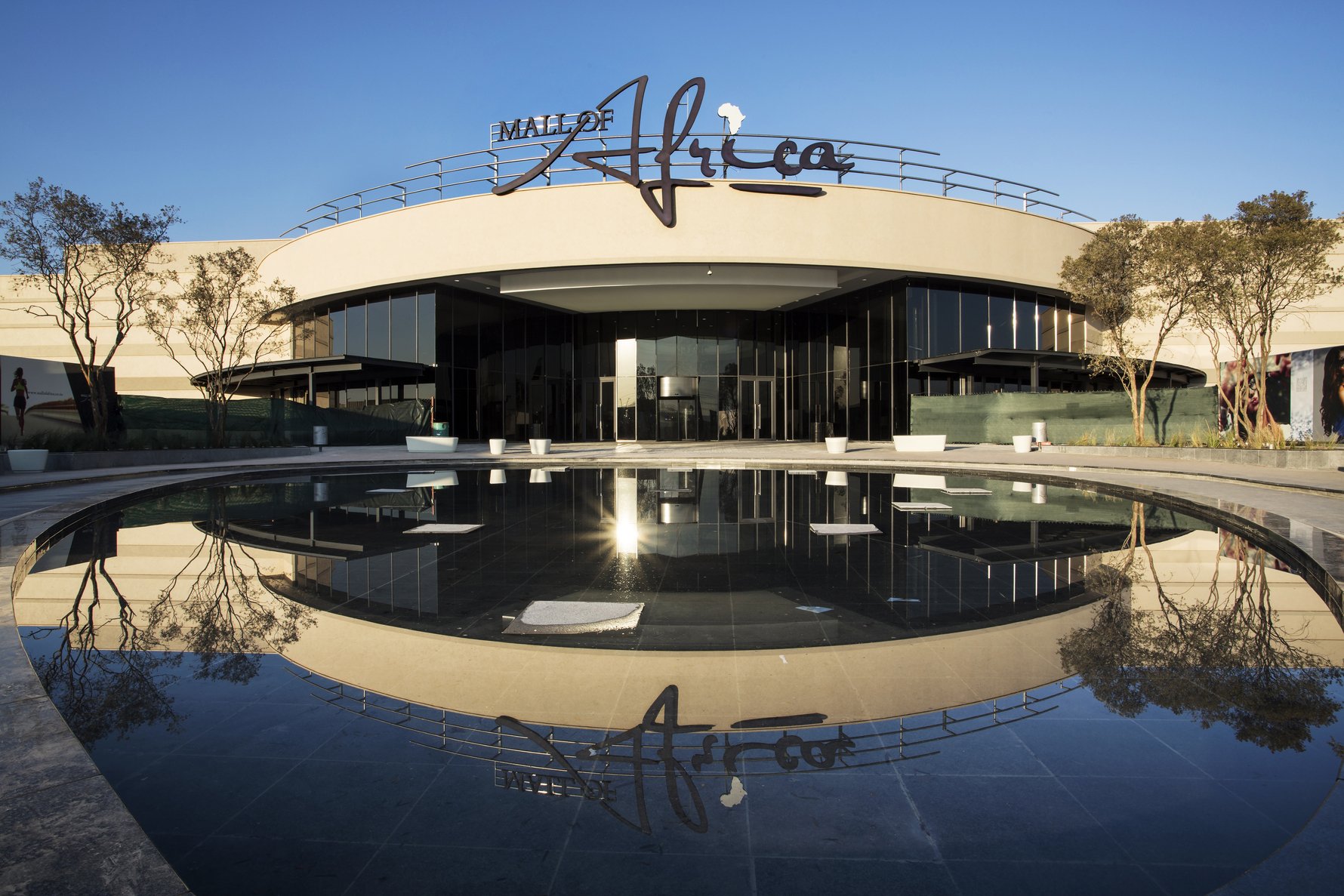
Shopping malls in Johannesburg come to hold a strange gravitas in the areas they emerge in. Usually at the forefront of new developments and improvement districts as was the case in Sandton and Rosebank, or central melting points of trade as in The Ethiopian Quarter in town. As the focal and launching point of Waterfall City in Midrand, and the largest single-phase mall built in Africa, this is what Mall of Africa sought to emulate. It adds to Johannesburg's nodes of Soweto, the City Centre, Rosebank and Sandton, and in a short space of time has already become tremendously successful. There is something worth pausing on in that ambition. Built in a single phase on open veld, themed around Africa's geological and ecological landscapes – the mineral wealth of the south, the great lakes of the east, the rainforests of the centre – it was, at least symbolically, locally rooted. It has also shown that integrating sustainability in developments is viable, and at opening its solar system was among the largest integrated retail systems in the world. Most importantly, for Midrand, a corridor that had long been a formless sprawl of warehouse parks and industria, it provided something that had simply not existed before, a centre.
Mall of Africa turns 10 years old on Tue, Apr 28, 2026. Keep an eye on their Instagram for celebration announcements.
13. Girls on Bikes turns 3
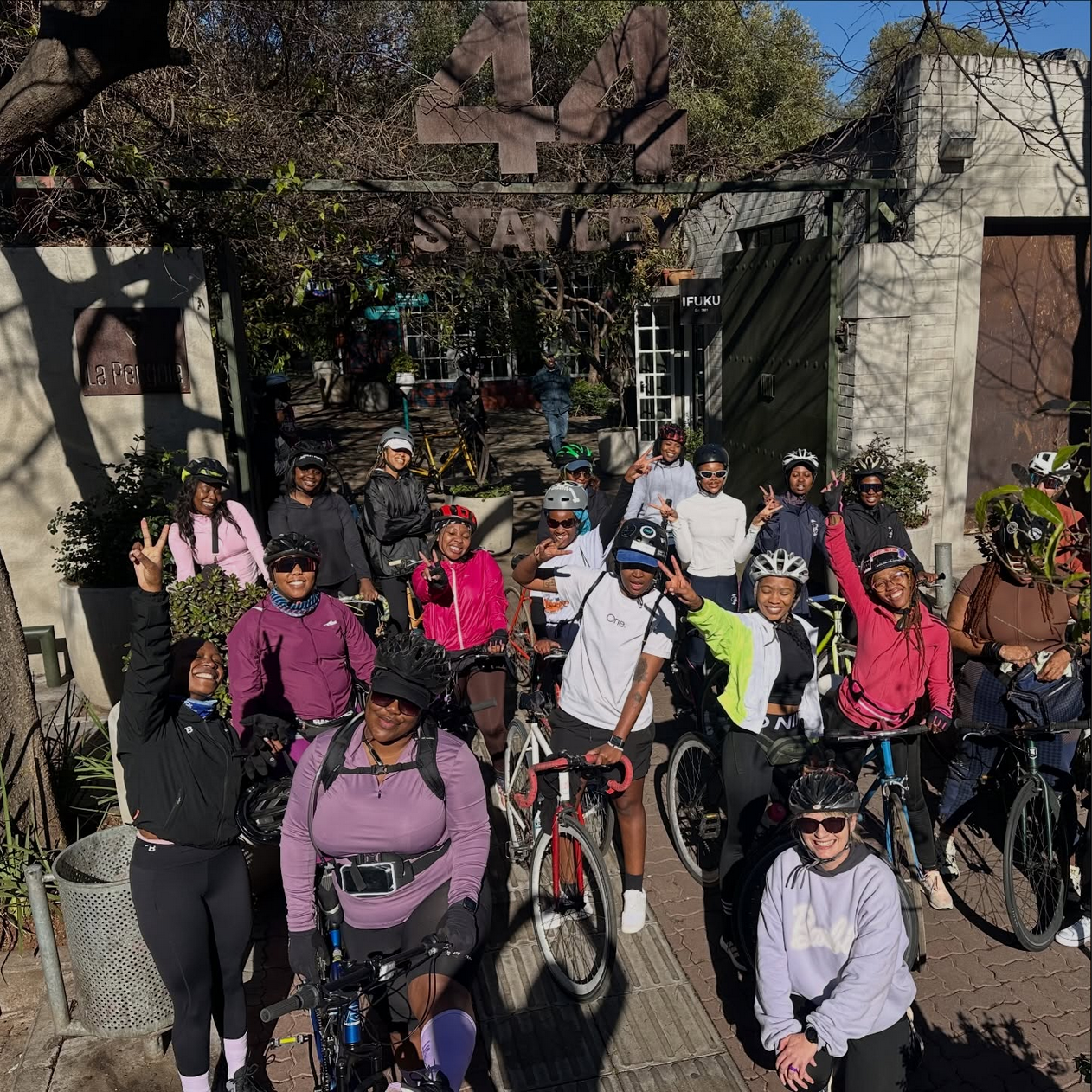
For a more recent birthday, Girls on Bikes turns three. We love what this group has been doing since it was founded in 2023 to get more women on bicycles, create a safe space to feel free, and make some friends along the way. What started as a handful of women showing up for a ride has grown into a moving community and it's great to see an initiative that not only gets people active, but allows for more women to engage with the city's streets safely. Read about our Girls on Bikes experience.


Comments