

Cities in flux
This exhibition is a variegated portrayal of urban life in which the city is not a fixed form, but a constantly shifting organism made up of individual dreams, fears, hopes and actions. Atlas of Uncertainty hones in on this flux, finding both similarities and differences across these contexts. Bringing together a mix of practitioners and mediums, the exhibition creates a textured view of Accra, Nairobi and Johannesburg – and the forces shaping them – while also connecting to more generalised views of what the city is, and what it might become.
"Atlas of Uncertainty makes you feel as if you're occupying multiple cities at once."
From deep time to the present
You enter through part of the permanent exhibition at Wits Origins Centre – a space concerned with human histories stretching back millennia. Moving from there into Atlas of Uncertainty feels surprisingly seamless. Both trace the movement of people and how meaning is made. The shift from past to present doesn’t jar; it deepens the experience. It’s also a fitting place for this roaming exhibition to begin, placing visions of the future in dialogue with the past.Getting lost in the city
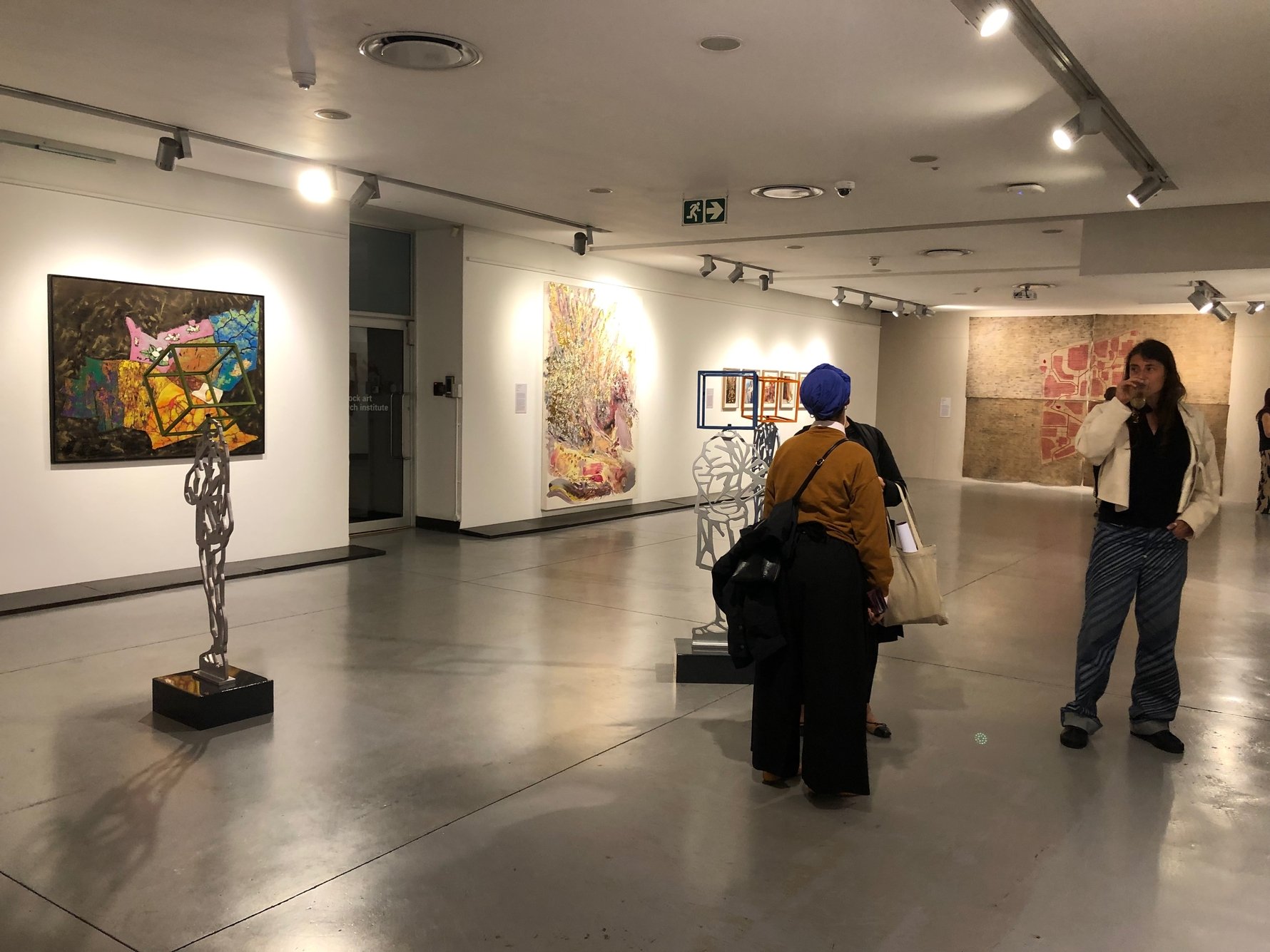
Photo: Johannesburg In Your Pocket.
Atlas of Uncertainty unfolds over multiple rooms connected by passages, stairs and bridges. While the actual floor space might not be huge, the burrow-like feeling that is created by these interconnected rooms gives the exhibition an expansive feeling as it develops in bits and pieces. Each room feels contained and manageable, but as they connect with one another, new ways of looking and seeing emerge.
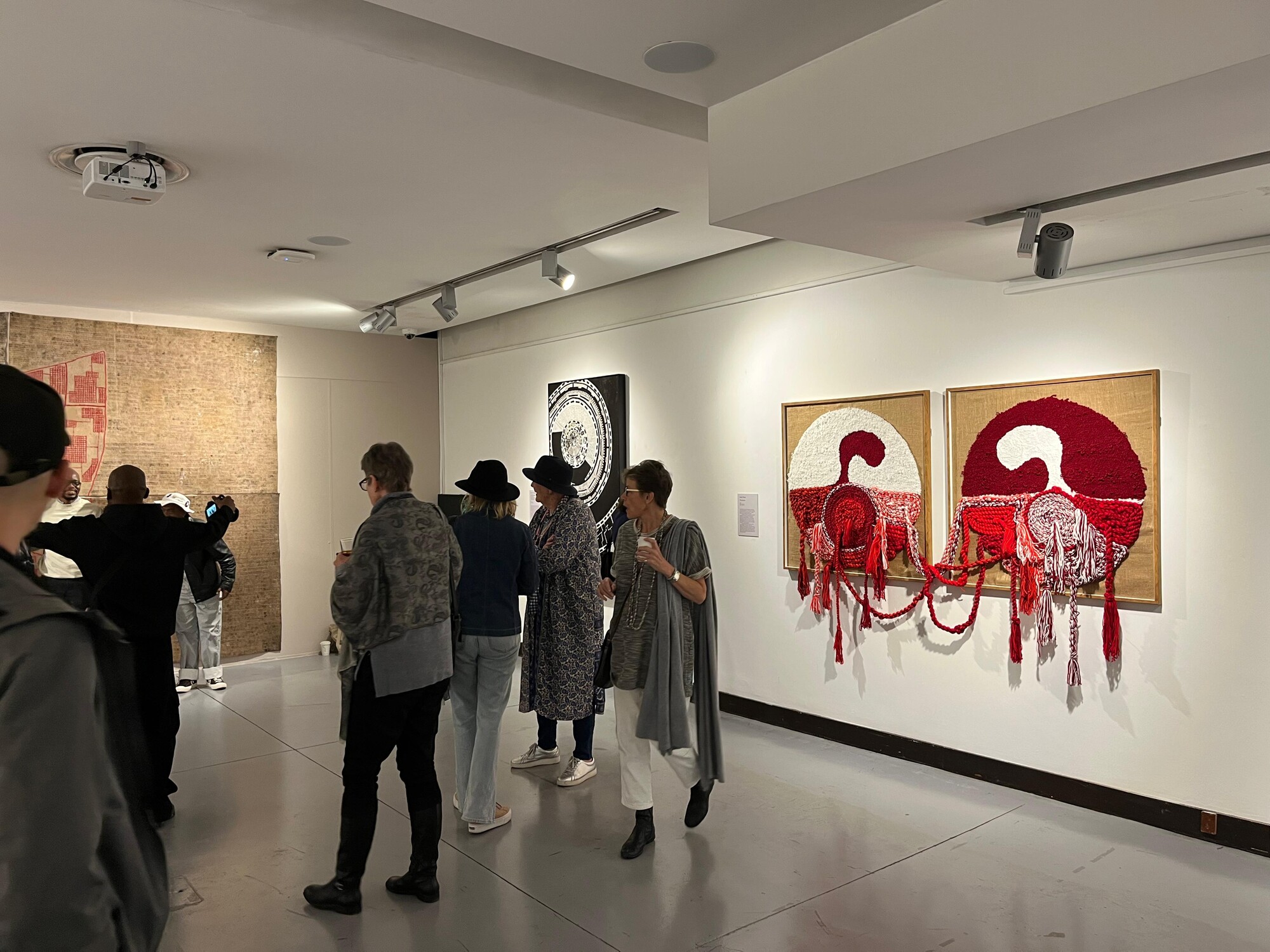
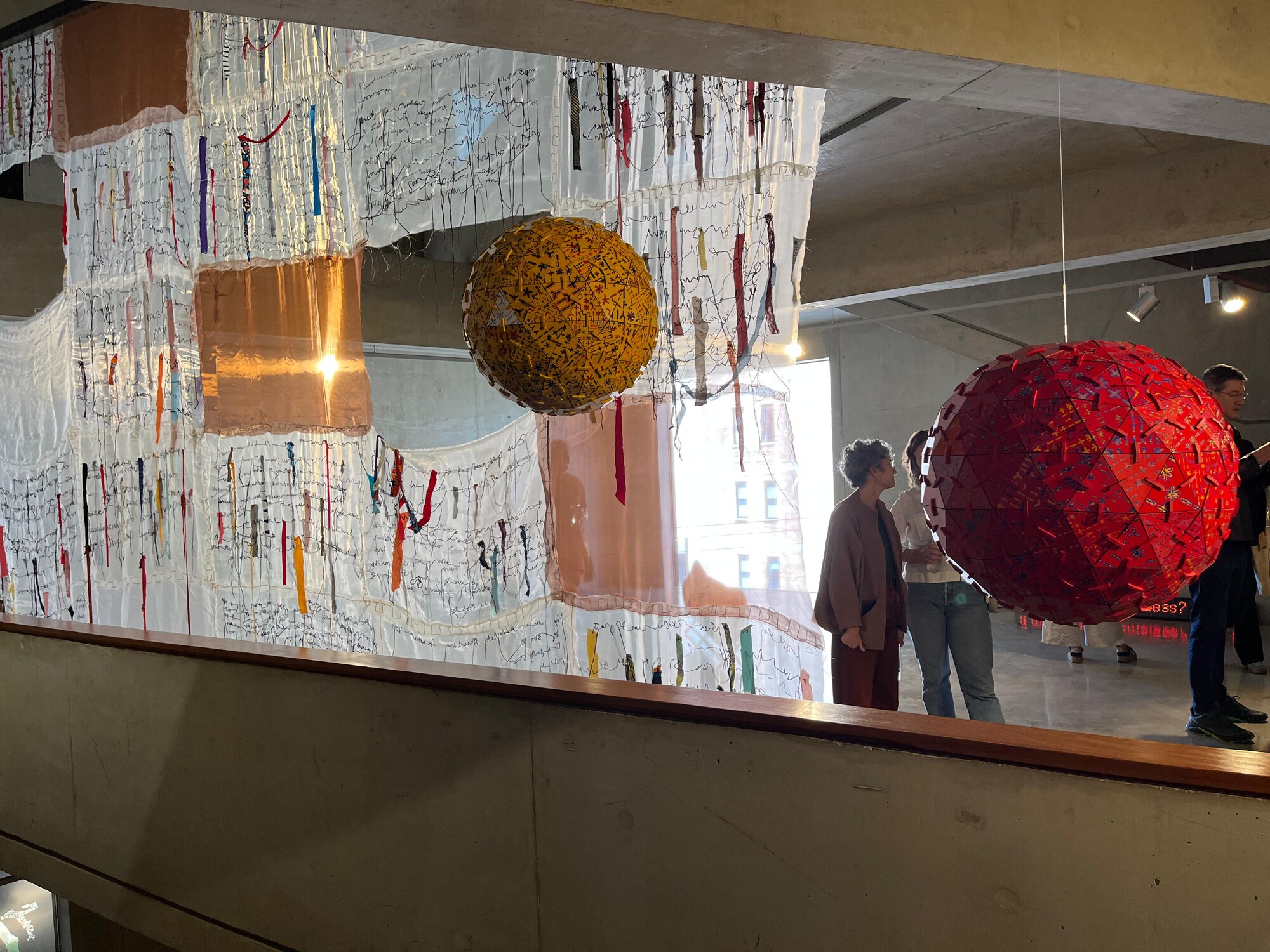
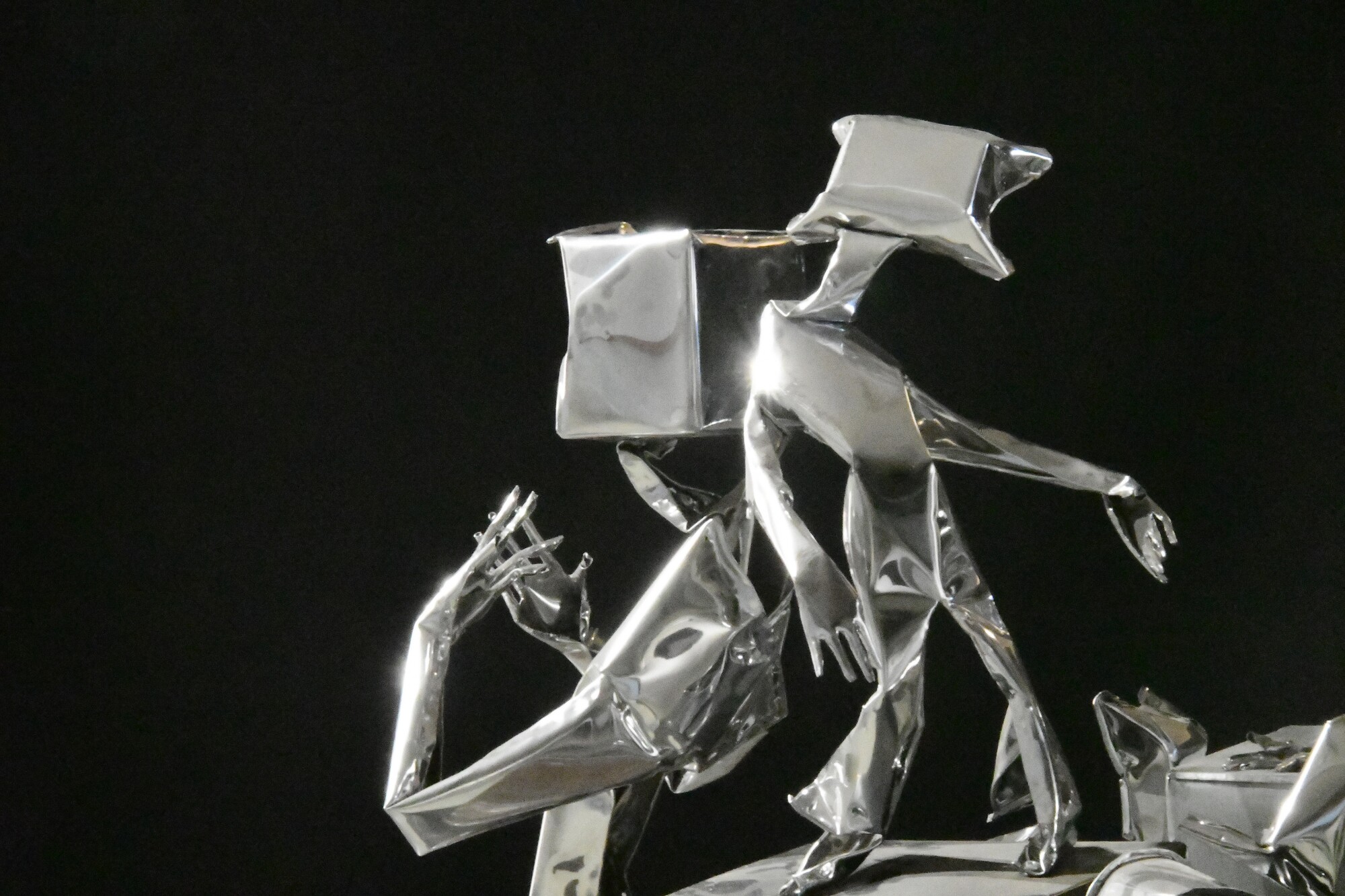
Even after a second visit, the cascade of views, voices, sights and sounds means that we still feel like a third visit is in order. It's a mix of textiles, paintings, sculpture, audio, video and maps in what, much like a city, can at times feel like an overload of sensory inputs. Then, a work sucks you in, and suddenly you feel like you have a point of reference in which to situate yourself.
We were reminded of a passage on finding yourself in a city by travel writer Jonathan Raban in his book Soft City: "In those dazed moments at stop-lights, it’s possible to be a stranger to yourself, to be so doubtful as to who you are that you have to check on things like the placards round the news-vendors’ kiosks or the uniforms of the traffic policemen. You’re a balloonist adrift, and you need anchors to tether you down… For at moments like this, the city goes soft; it awaits the imprint of an identity. For better or worse, it invites you to remake it, to consolidate it into a shape you can live in. You, too. Decide who you are, and the city will again assume a fixed form round you. Decide what it is, and your own identity will be revealed, like a position on a map fixed by triangulation. Cities, unlike villages and small towns, are plastic by nature."
The exhibition builds on quantitative data around migration and urban living in Accra, Nairobi and Johannesburg, asking contributors to reflect on these issues and illuminate them in ways which quantitative data alone cannot. In doing so, it reveals both what cities can hold and what they conceal. It asks us to remain open to possibilities that might unsettle our assumptions and to treat migration, displacement and precarity as social realities to be understood in all their complexities.
As we walked through the exhibition, it was striking to see the Johannesburg skyline through muted glass in one of the rooms. It wasn’t that we had forgotten we were in the city – more that Atlas of Uncertainty makes you feel as if you’re occupying multiple cities at once. You’re pulled in all manner of directions, as the noises, sights and textures of both real and imagined places overwhelm the senses. Seeing such a physical marker of Johannesburg again came as a jolt, a reminder that the questions the exhibition raises are still being negotiated in the mass of concrete on the other side of the glass.
Mapping the works on show
The sense of movement and displacement that Atlas of Uncertainty conveys is like an electron, quietly vibrating, ready to form new connections at any moment. It just needs you to engage with it.
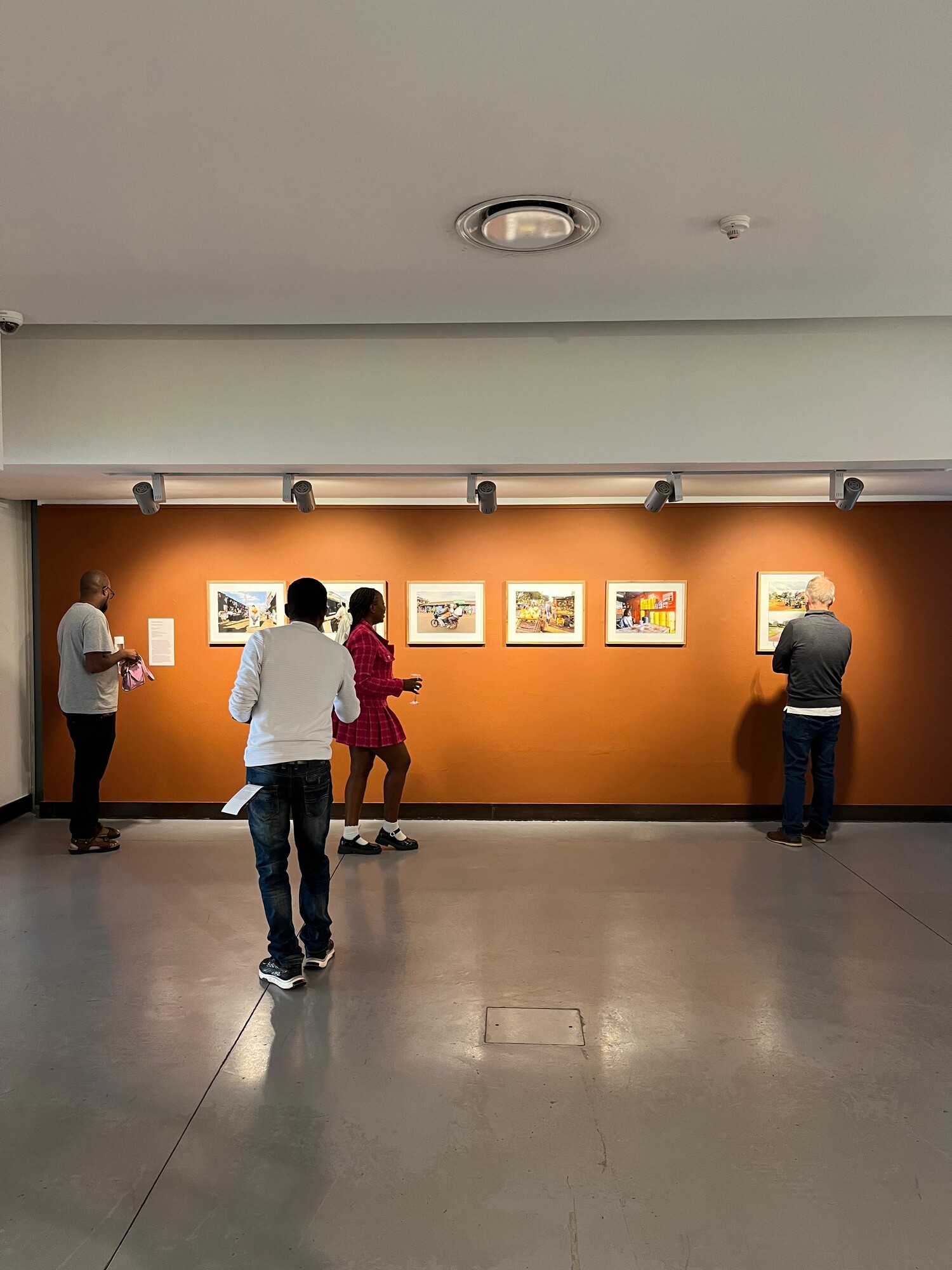
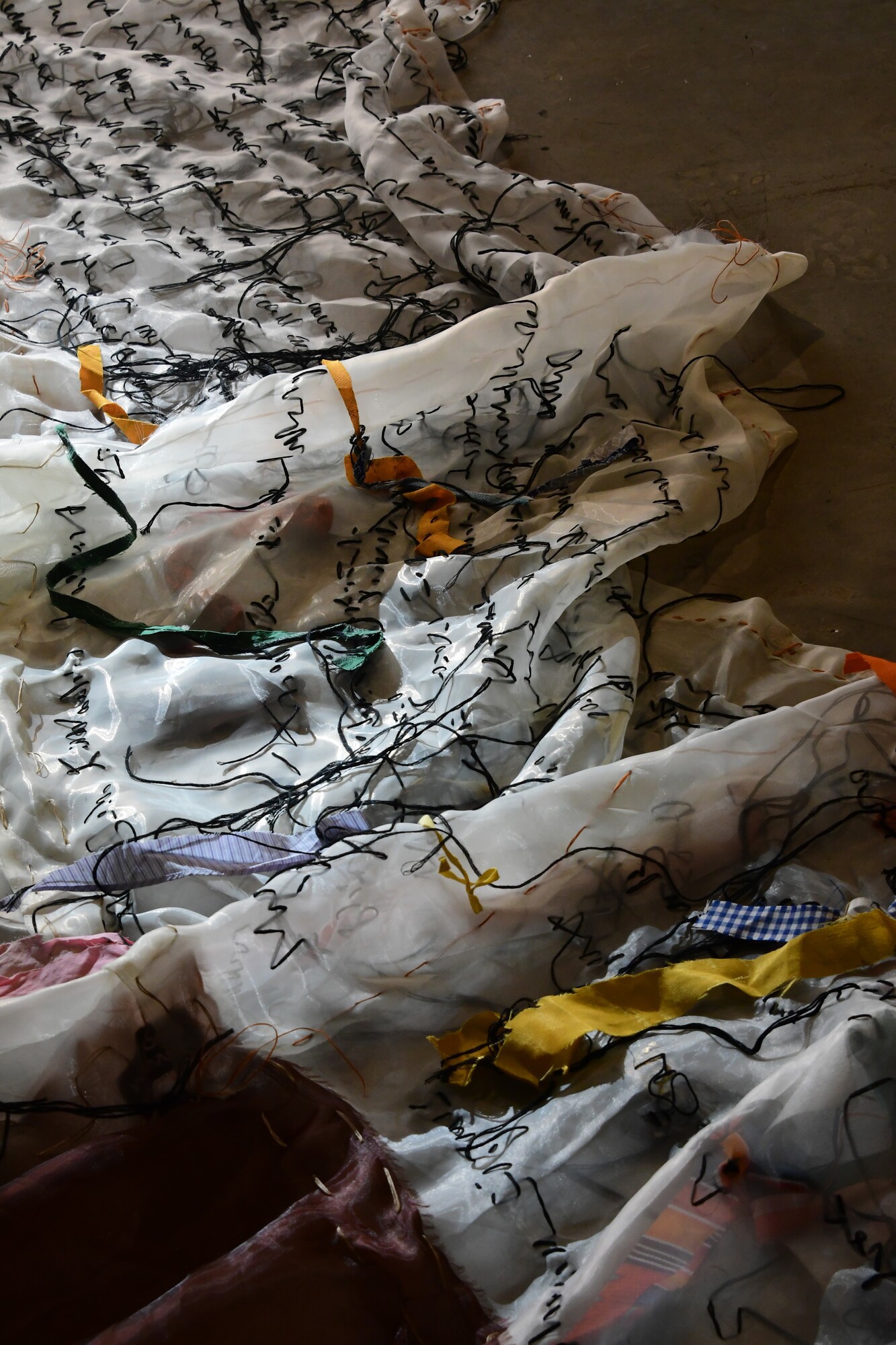
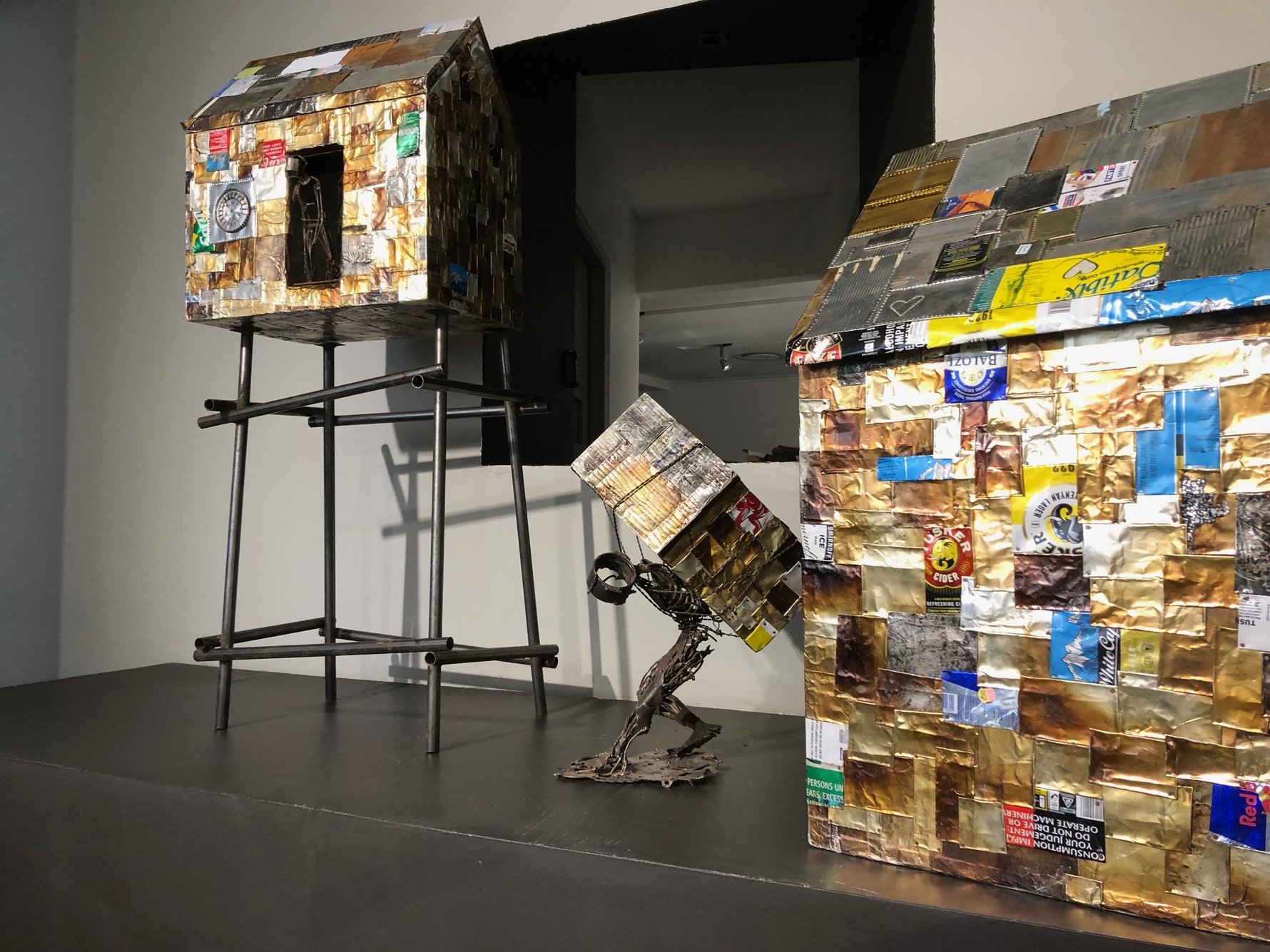
One moment we were thrust in to a sci-fi world of present-day Nairobi in Madini, as Daniel Muchina overlays and merges videos of the city. Sometimes figures move across the screen, ghost-like and transient in shifting multicoloured pixels. Then it was the Kibera Arts District's sparkling edifice to the familiar improvised housing found throughout African cities in Migrating Homes: Gateways of Our Conventional World, which posits the home as not just a building but a memory or dream. Vulcanised rubber emerges to form an improvised shop in Durosinmi, part of Dela Anyah's ongoing exploration of informality and the tyre industry in Accra, while the floating worlds of Angelina Kusi Hori's Beaded Atlas reweave narratives across the air.
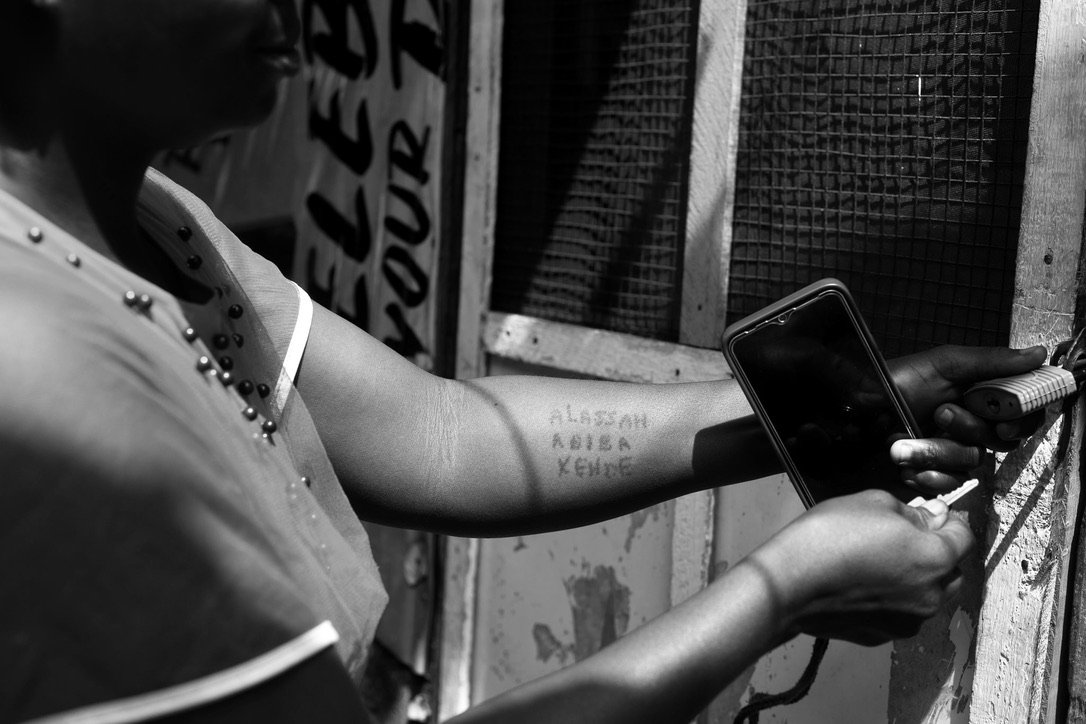
Maps are present throughout. Some trace migration patterns, Wezile Harmans marks the memories and daily informal routes that are omitted from official maps in When We Travel, Where Do We Settle?, in Ink Trails ASK's photos charts the tattooing traditions of Kayayei-northern Ghanaian women and the Windybrow Arts Centre details the emotions and collective ideas of different spaces in Hillbrow. They all point at more, and suggest at the ephemeral quality to the ways in which cities come to occupy our minds.
Always becoming
With rates of urban growth and migration in Africa set to skyrocket over the next decade, Atlas of Uncertainty puts Africa at the centre of asking what our future cities might look like. Johannesburg is an apt place for it, with migration, both voluntary and forced, being a key shaper of the city since the discovery of gold 140 years ago. It has meant that the city has always been a melting pot of different identities and cultures. By bringing this together with Nairobi and Accra, Atlas of Uncertainty gives us new ways to make sense of the movement, displacement, opportunity and inequality around us.Atlas of Uncertainty does not offer fixed or easy answers. Rather, through the multitude of voices it brings together, it broadens and softens our conceptions of what a city is, and what it can be. Above all, it forces us into a state of openness, and asks us to carry this outward into the cities around us, highlighting the rich experiences, stories and cultures that await.
See Atlas of Uncertainty at Wits Origins Centre
Part of a broader project by the African Centre for Migration & Society and the Oxford/Wits Mobility Governance Lab that brings together social scientists, architects, activists and artists, the travelling exhibition will include a digital platform and book that further explore migration, city life and our futures.Atlas of Uncertainty is on show at Wits Origins Centre from Sat, Apr 18 – Fri, Jul 3, 2026, with a book of the same name publishing in early 2027. Follow their Instagram and website for more.


Comments