

*Published May 2026.
A space of stillness
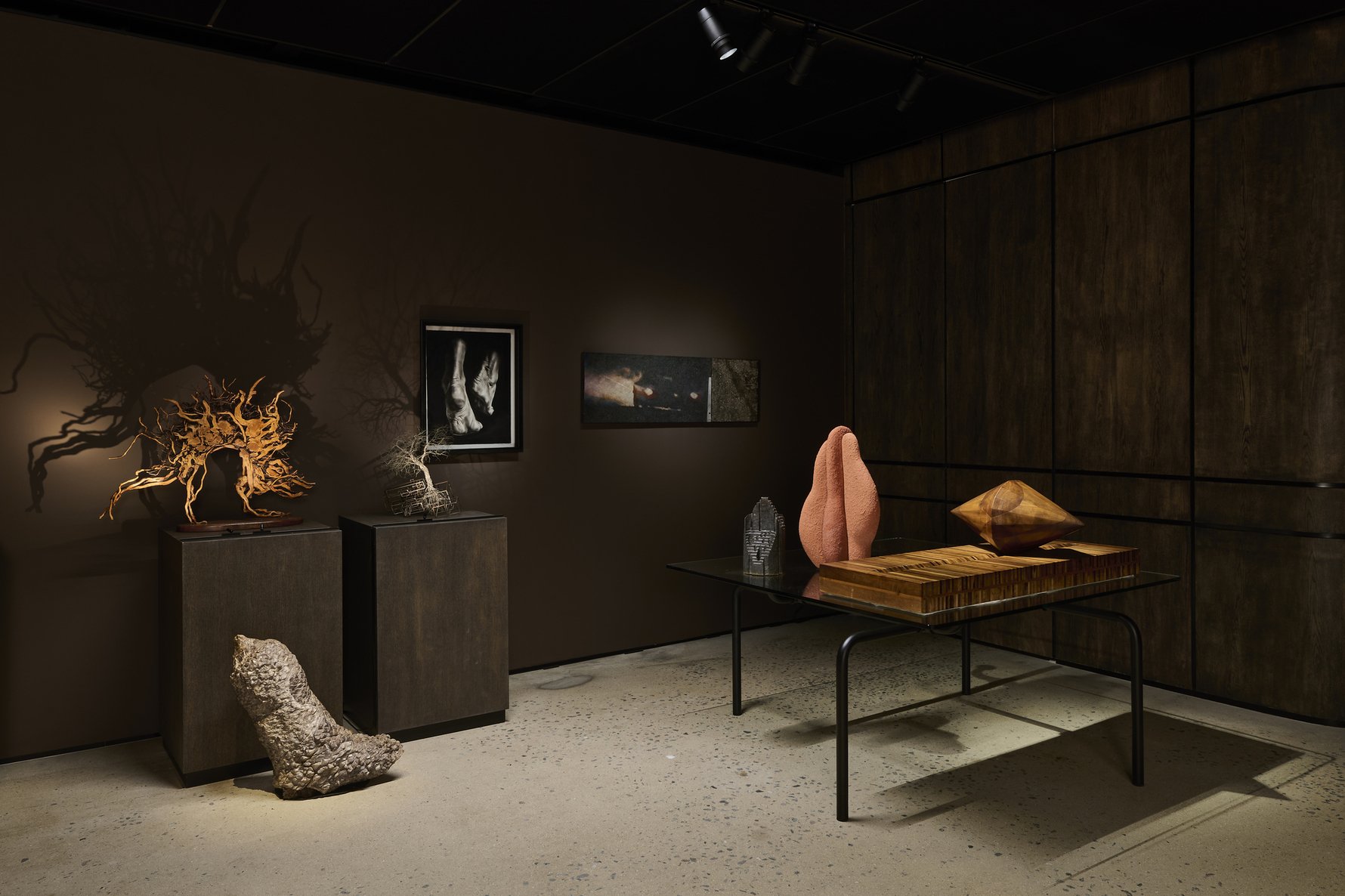
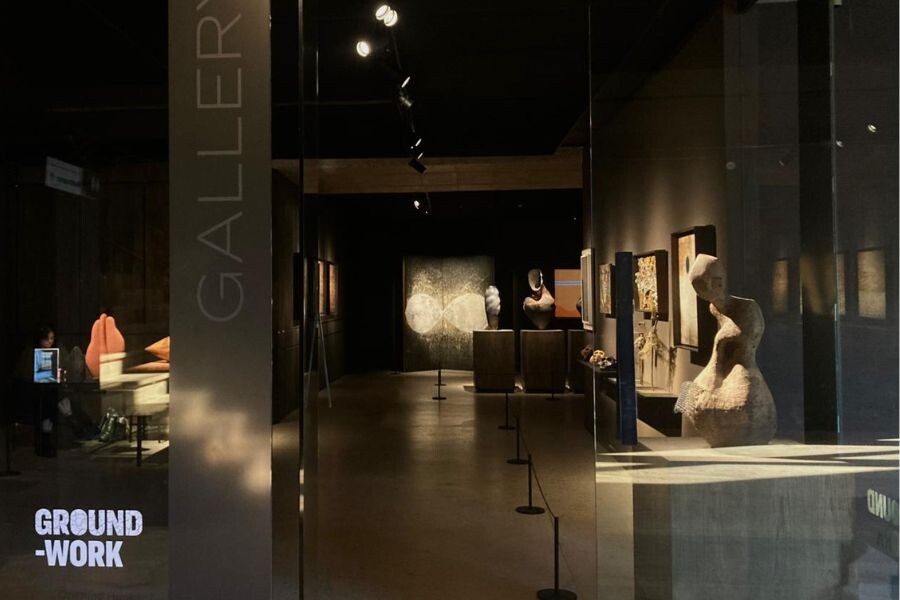
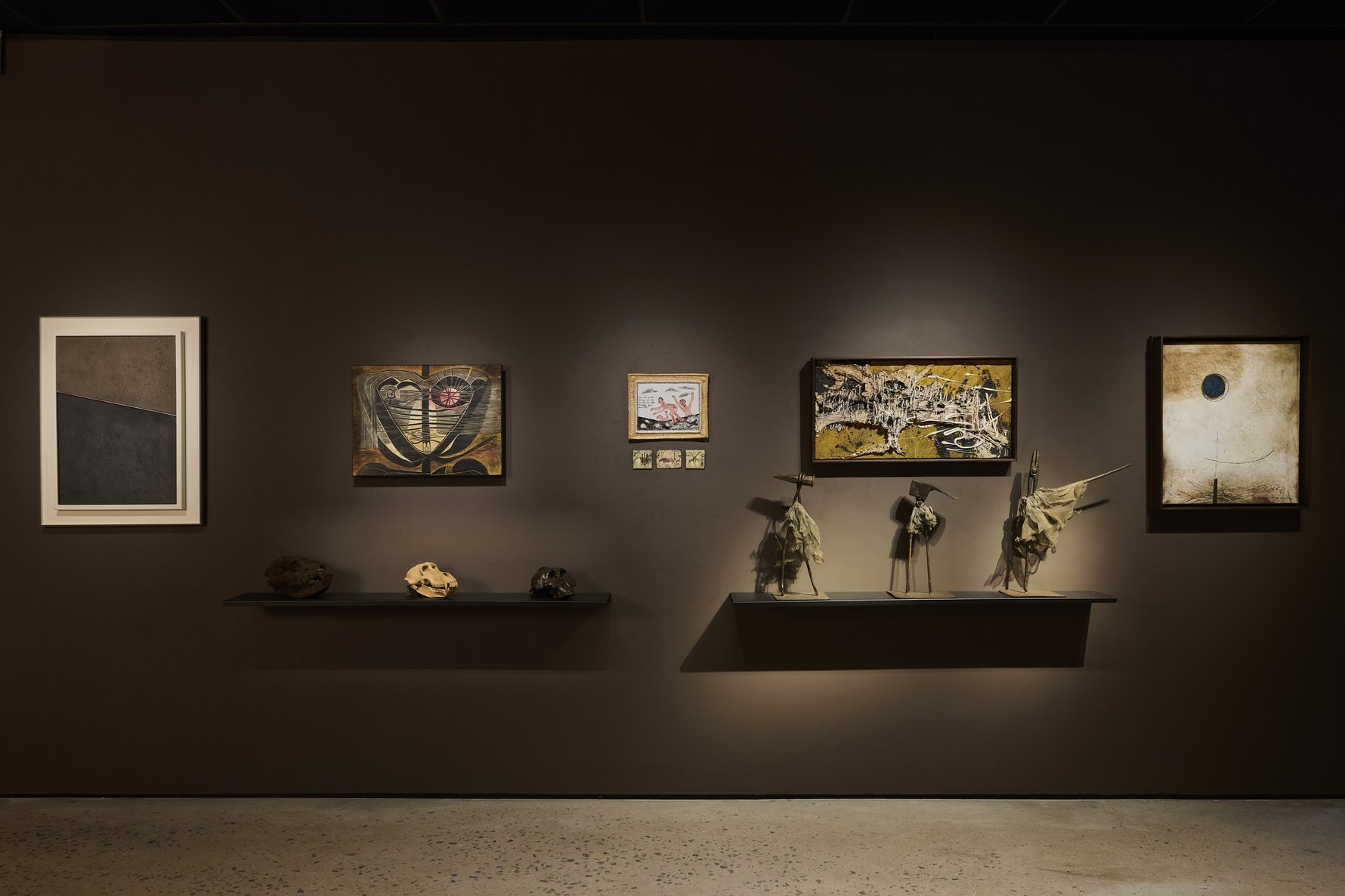
Stepping into the dark, ambiently lit Gallery 1 almost feels like entering a womb or a cave; the space was designed with a certain stillness in mind, and it's as though the world outside has stopped existing for a moment. This was a focus in creating the gallery space – quiet and off-centre from the busy passageway of the Trumpet Building's Atrium. Gallery 1 creates an intimacy that slows the viewer down, drawing attention to texture, weight and the physical act of making.
The fertile in-between
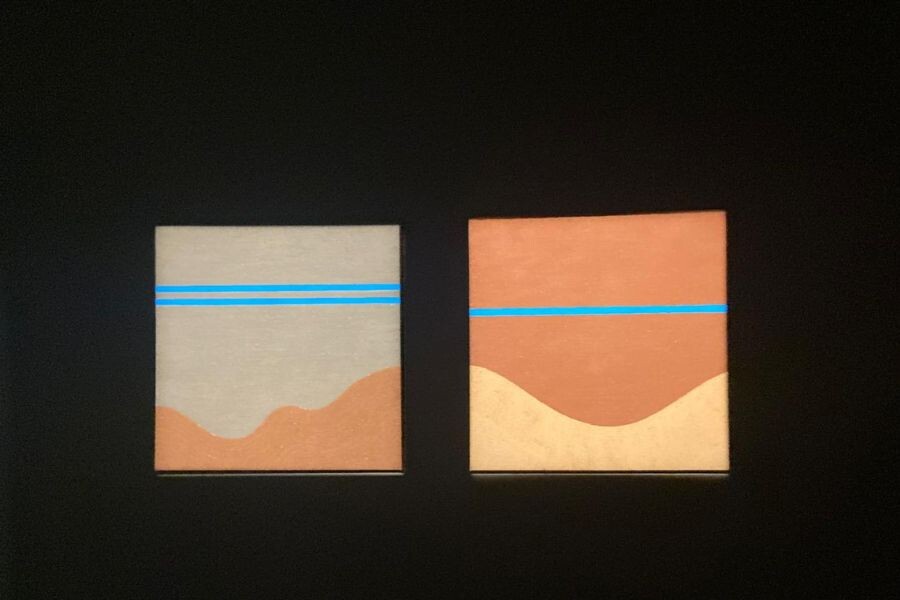
Groundwork doesn’t shy away from the mucky, messy nature of construction or transition. With Siyabonga Fani’s three vase-like vestiges hand-built from terracotta and Seretse Moletsane’s dirtscapes, we are invited to consider soil, clay and dung as materials of beauty.Siyabonga Fani – vessels as thresholds
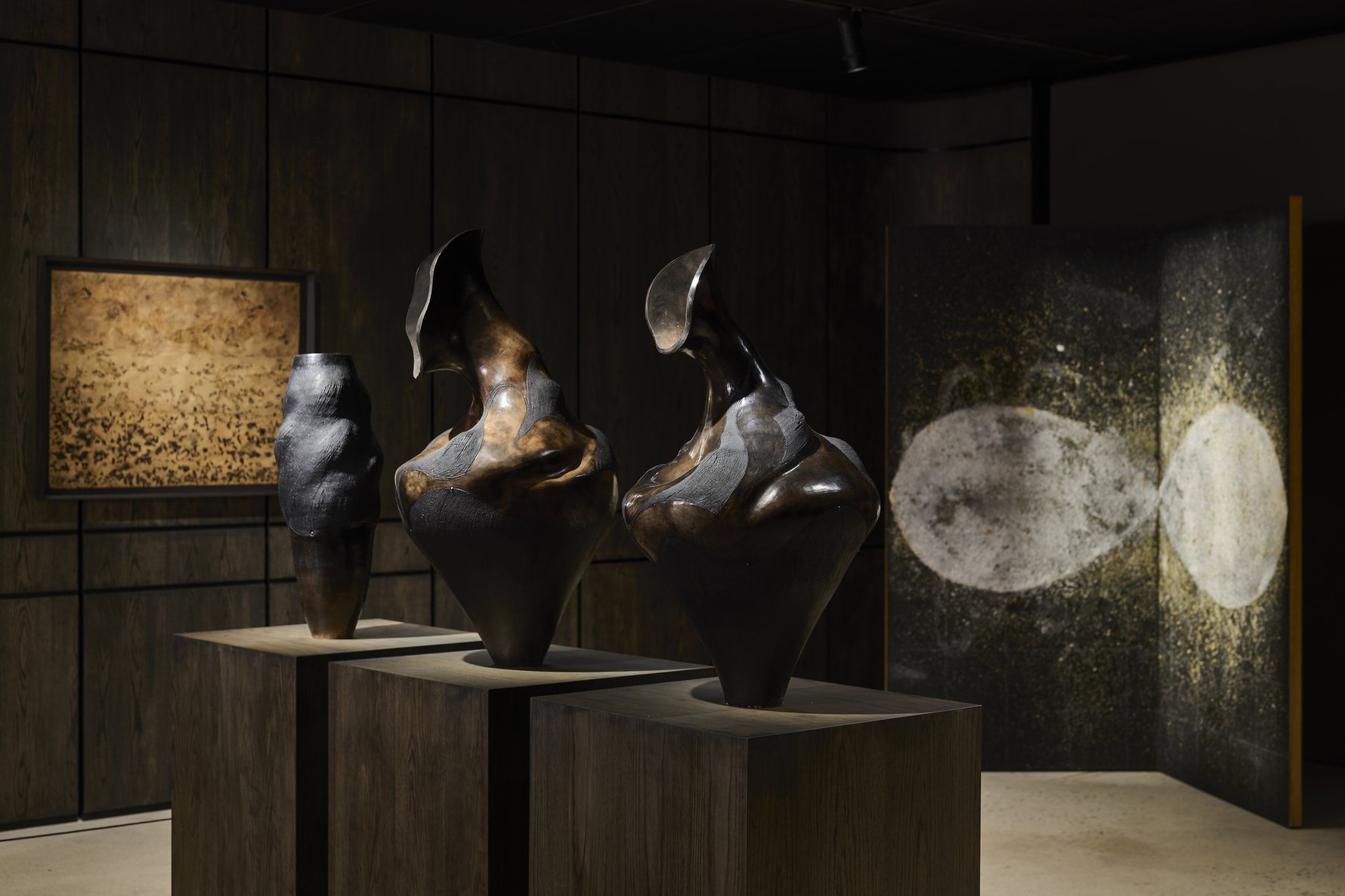
Fani’s structures are in between things; part ancestral vestiges, part gesture to cultural heritage, part cracked-earth, drought-parched Eastern Cape rivers, but also part township, part urban smog, part city-centre view from a train at dusk. The second skin of Johannesburg we carry with us, regardless of where we come from.
Seretse Moletsane – soil, memory and home
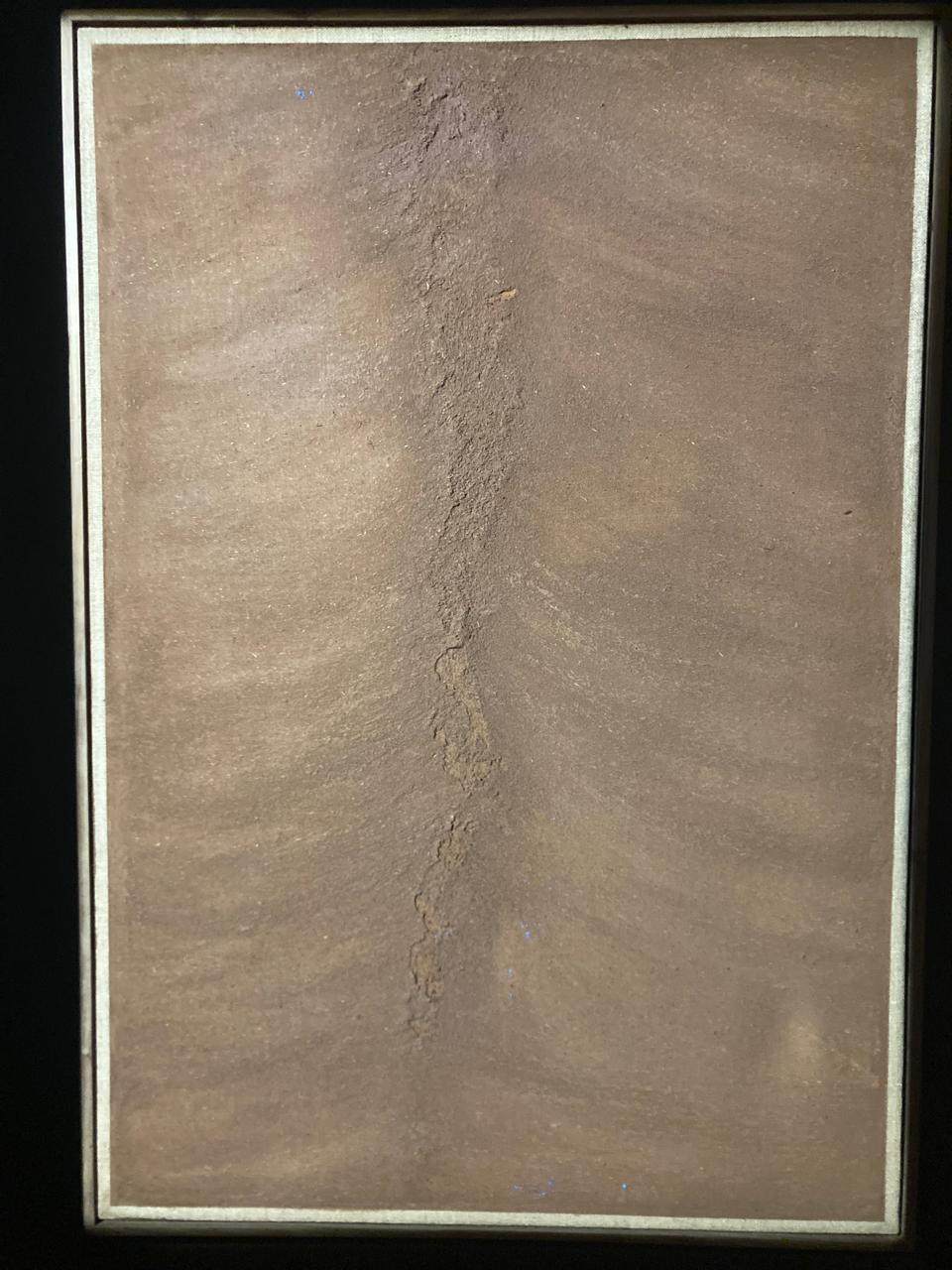
Seretse translates directly from Setswana to mean “mud”, fitting for an artist dealing with soil, cow dung and Marela – a brightly pigmented powder paint he first encountered while studying the decorative traditions of Basotho and Ndebele women, who use it to adorn the exteriors of mud homes.
Moletsane’s works sit at the intersection of traditional ideas of home and the self-described “city boy” and his urban worlds. A Setswana concept called ho hata mabala – referring to the physical and spiritual recharge of reconnecting with one’s home – becomes particularly resonant here.
Beth Diane Armstrong – architecture in miniature
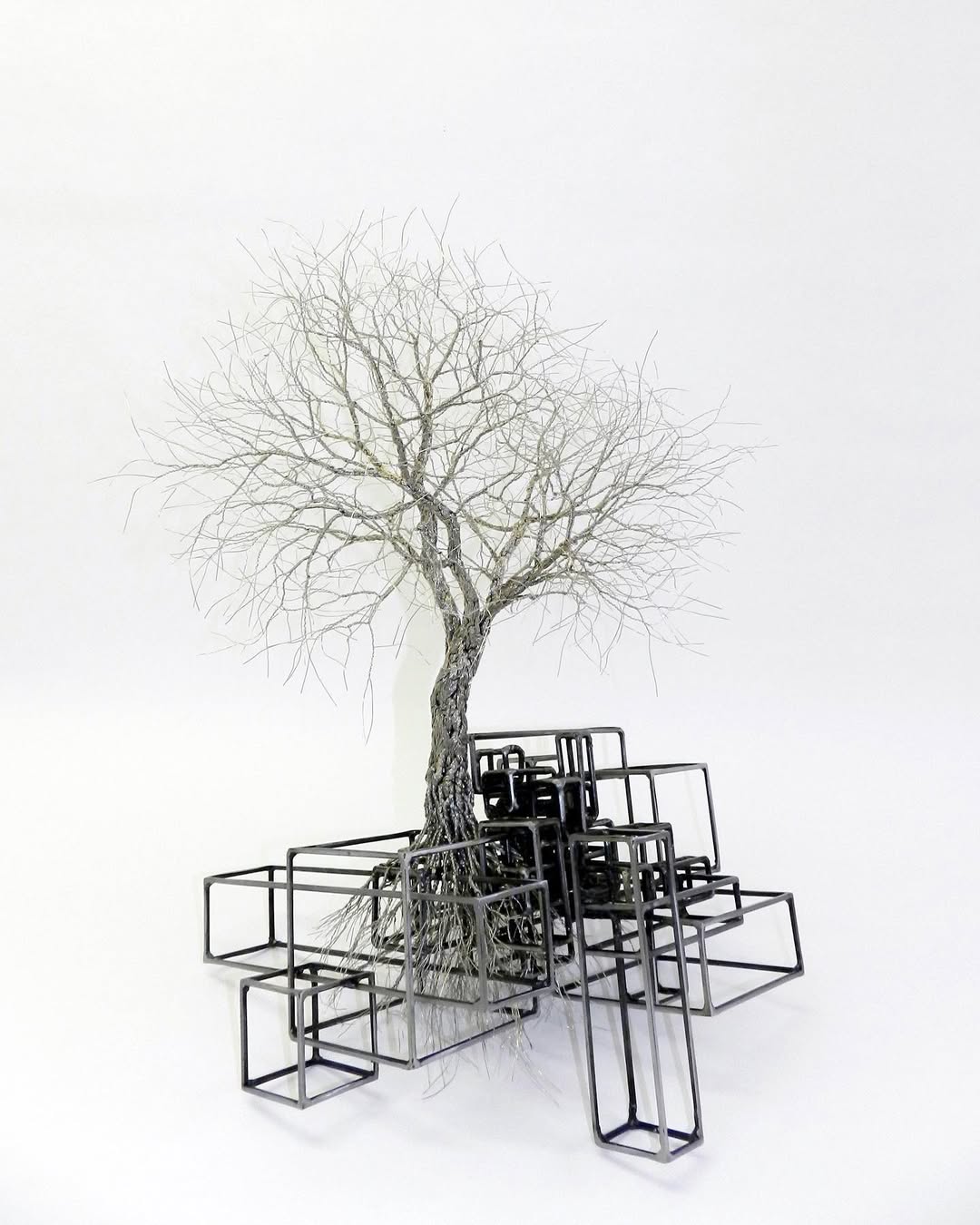
Sculptors like Beth Diane Armstrong reveal the tension between heaviness and delicacy embedded within construction itself. Using galvanised steel wire and welded steel rods, Armstrong’s Strata forms a rigid geometric framework in which an immensely intricate tree sits atop – at once rooted and weightless.
The work explores how the organic can exist suspended between growth, decay and renewal, anchored within an urban metal grid. Especially poignant in the context of Rosebank’s expansion, Armstrong considers the relationship between built and natural environments, and the ways they continuously shape one another.
Keyes 2.0 – art mirroring construction
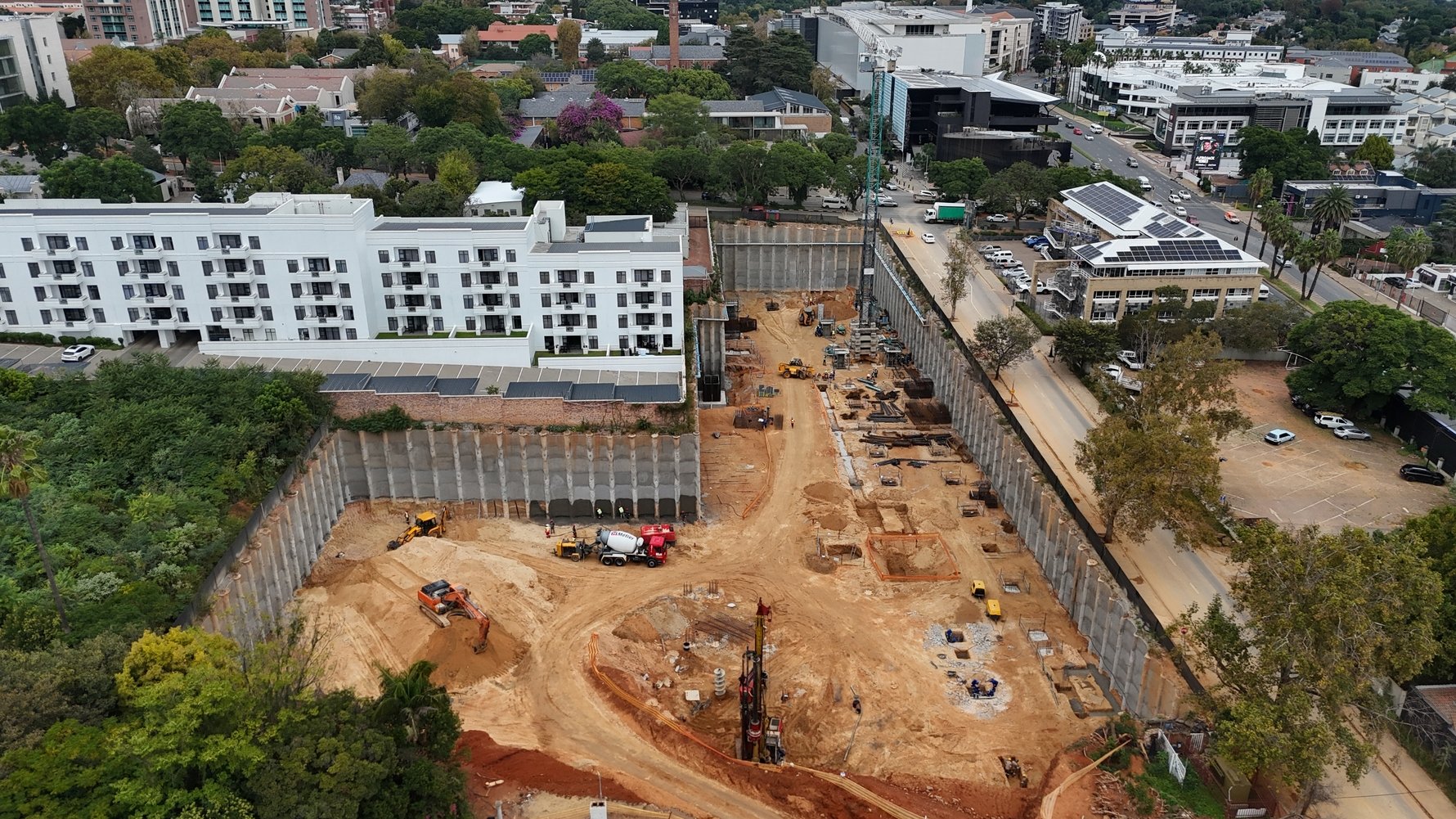
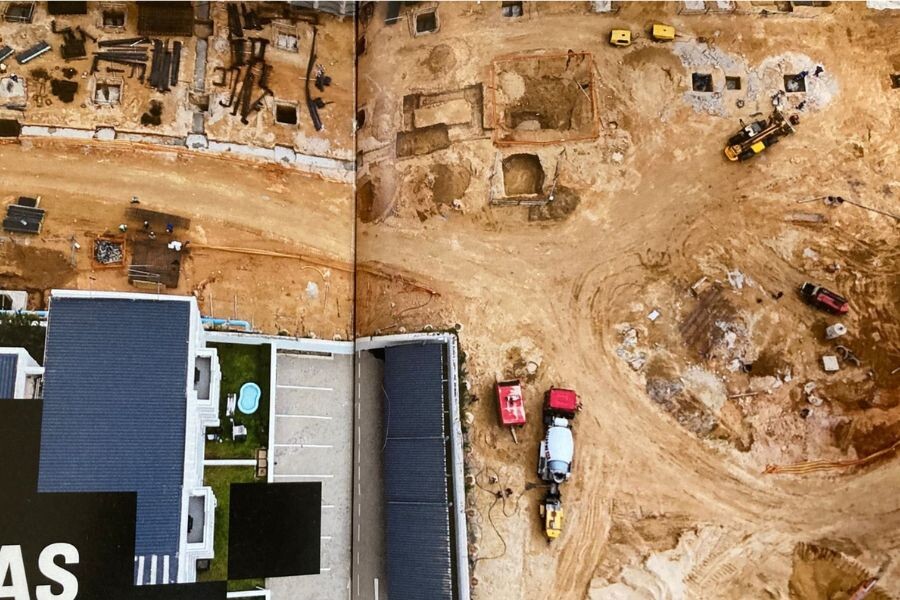
Marking the long-awaited expansion of Keyes 2.0, Groundwork speaks to transition: the act of tearing down and building back up through layering, carving, burning, compression and erosion. Across Keyes Avenue, the actual groundwork is taking place, laying a foundation for a new way of life in Rosebank.
Rosebank’s Keyes Art Mile launched 10 years ago with the Trumpet Building, envisioned as a new art-forward precinct in Joburg. While the process has been slow, the concept of Keyes 2.0 has started to reveal itself through a vast, 23-metre-deep excavation, exposing concrete and the rich layers of earth beneath it.
The vision for Keyes 2.0 includes 36 properties – residential, hotel, retail, gallery and outdoor sculpture spaces – with a focus on pavements, street edges and how people move through and inhabit these spaces. As vital as the art is to the precinct, so too is the community around it.
The large-scale construction unfolding in the area is artistically interpreted through many of the same materials, translated into smaller-scale works that reflect the processes of construction themselves, bringing the outside, inside.
The exhibition and the precinct begin to mirror one another: both built from the same logic of transformation.
Deep time beneath the city
Johannesburg’s story is also geological.
Roughly 2.023 billion years ago, a 15km-wide asteroid struck the region, tipping the gold basin upwards and creating a series of parallel reefs stretching roughly 100km from east to west, with present-day Johannesburg at the centre. The discovery of gold later drew fortune hunters from across the continent – and from much further afield.
In some ways, the city of gold was set in motion two billion years ago when that asteroid struck – or perhaps even earlier, when the Witwatersrand was an ancient sea washing up sediments of sand and gravel. Even then, the gold glimmered beneath the surface.
Material memory – from earth to artwork
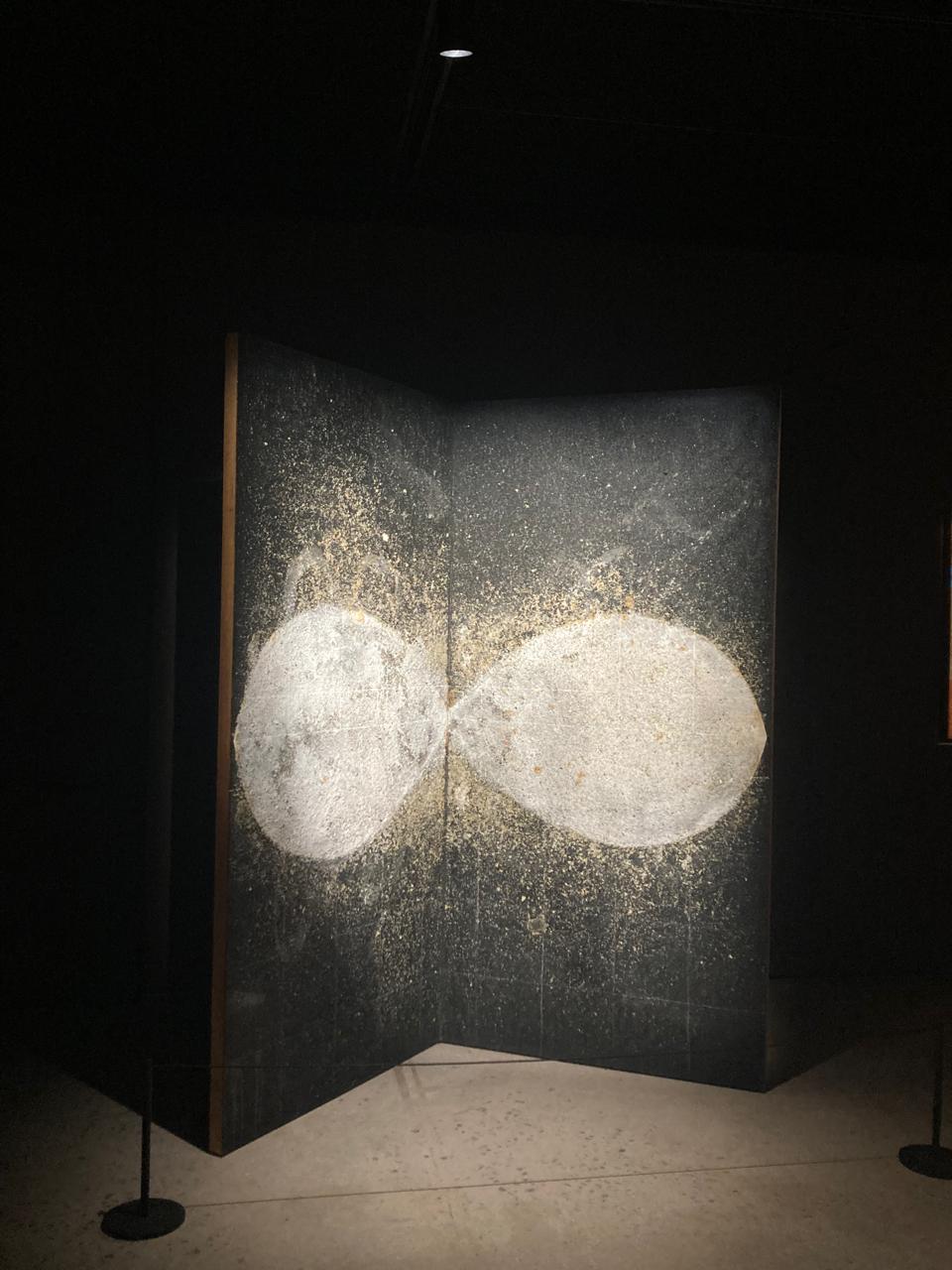
The materials used by the artists in Groundwork, from sand to clay and even Karel Nel’s 540 million-year-old carboniferous dust, have been with us from the very start. How we use them continues to shape the ways that our city is formed. As the exhibition text reads, “These substances echo the building process itself, reminding us that architecture and cities are shaped from geological matter, natural resources and human labour.”
Building, extracting, repeating
As Rosebank prepares for its own transformation, both of physical construction and of cultural transition, the exhibition reminds us that Johannesburg has always existed within a cycle of extraction, removal and rebuilding, using the same materials again and again.And regardless of how many layers of concrete and glass rest atop it, our city is made of earth.
See Groundwork at Gallery 1, Keyes Art Mile
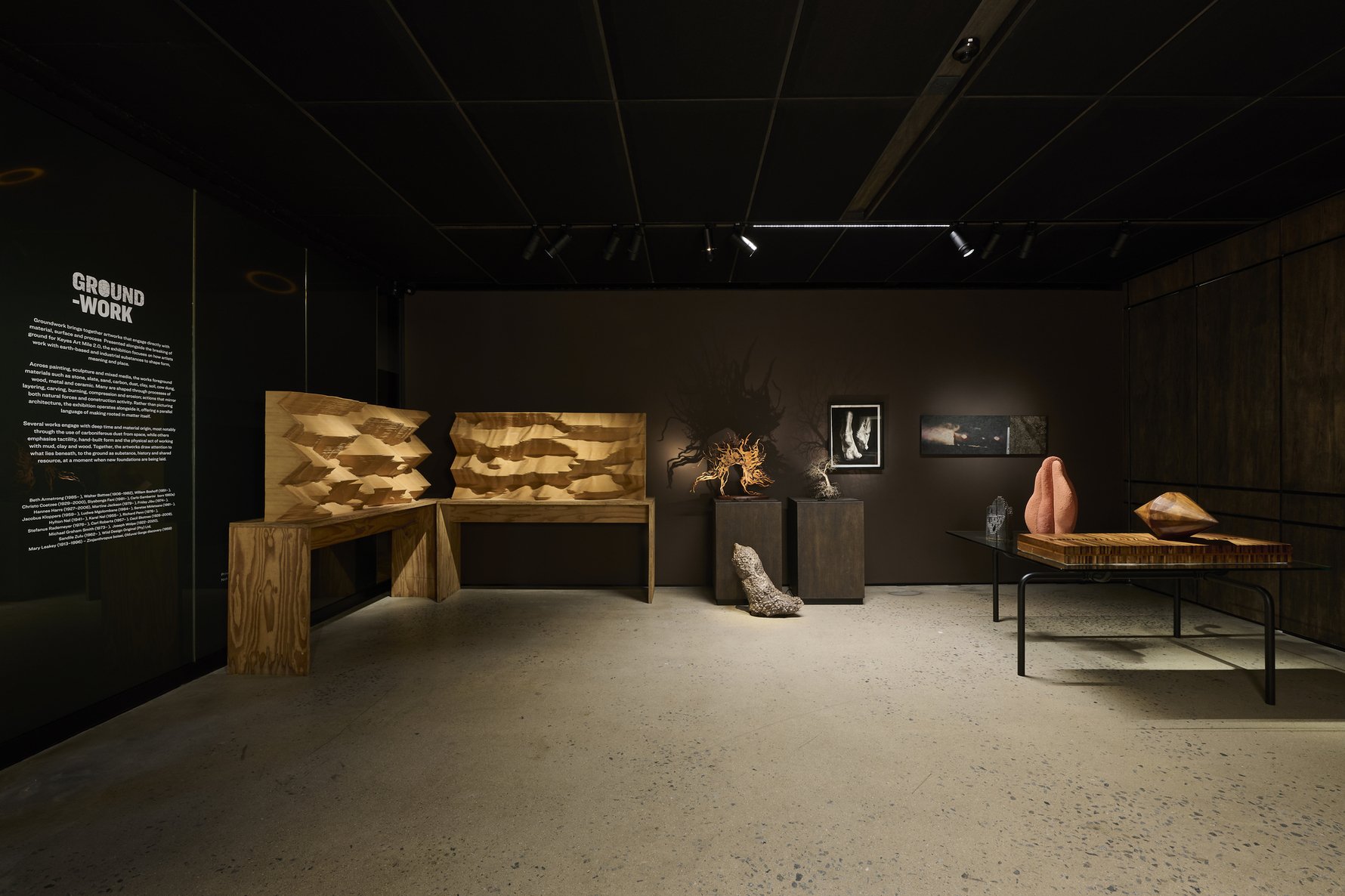
Groundwork is curated by Ann Roberts and features work by a phenomenal array of artists including Beth Diane Armstrong, Willem Boshoff, Christo Coetzee, Siyabonga Fani, Walter Battiss, Carlo Gamberini, Cecil Skotnes, Seretse Moletsane, Karel Nel and Sandile Zulu. The exhibition is on show until mid Jun, 2026.
Further reading: Joburg’s Keyes Art Mile 2.0: A vision finally takes shape after a decade of dreaming by JIYP founder Laurice Taitz-Buntman for Daily Maverick.


Comments