

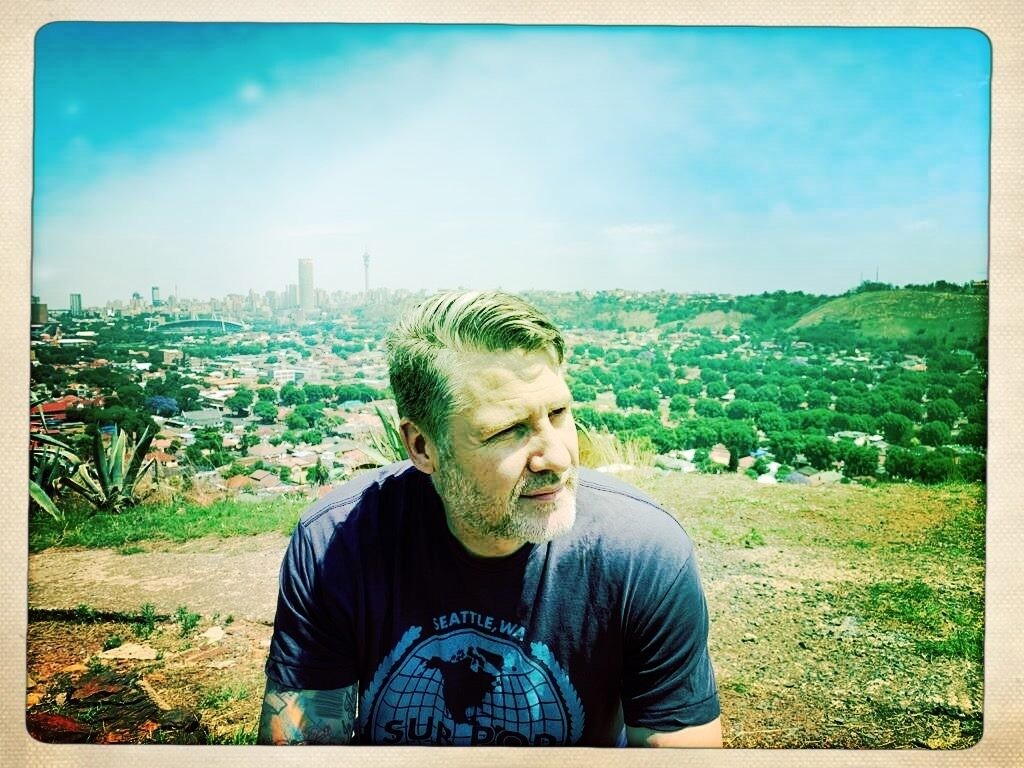
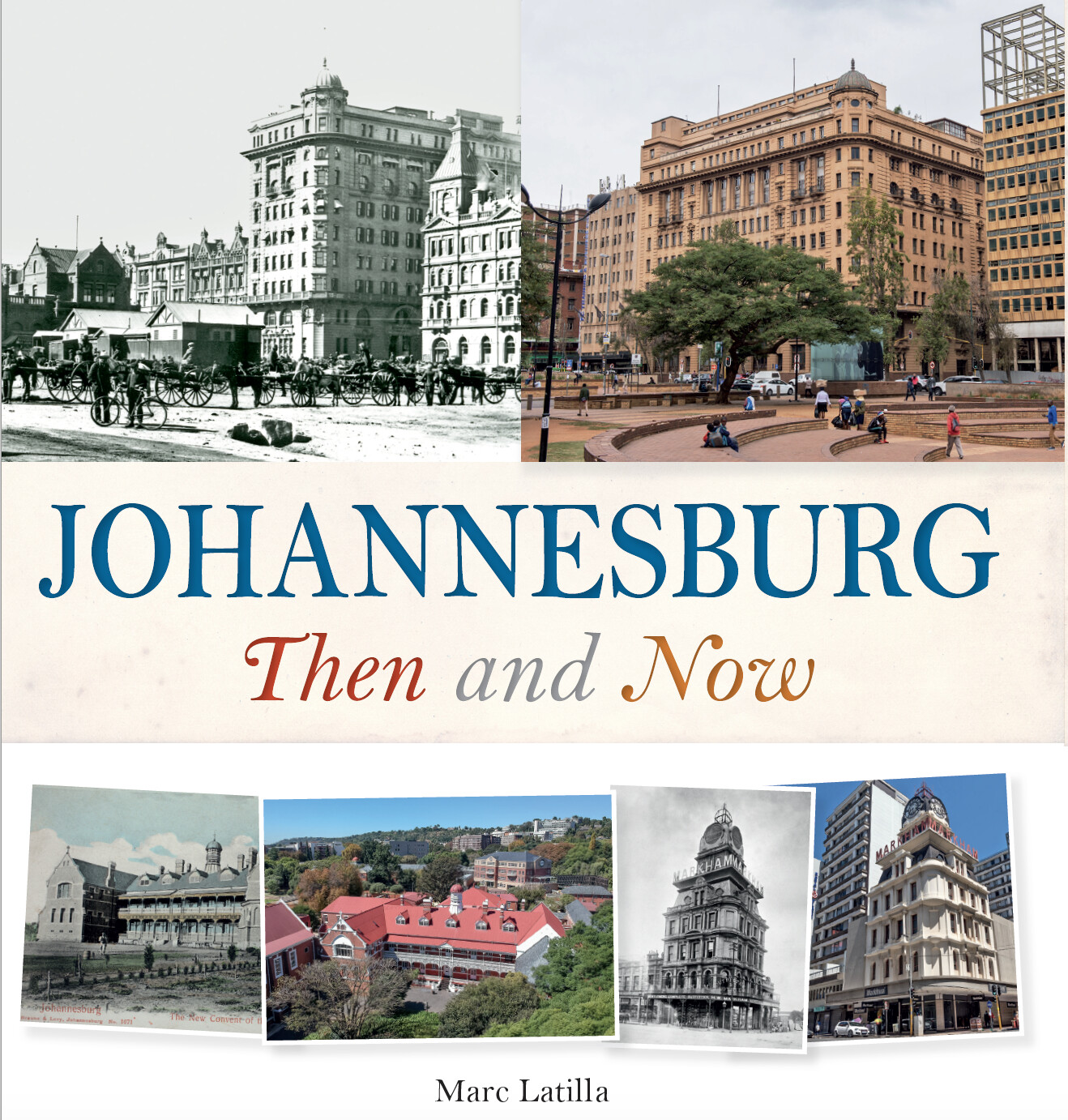
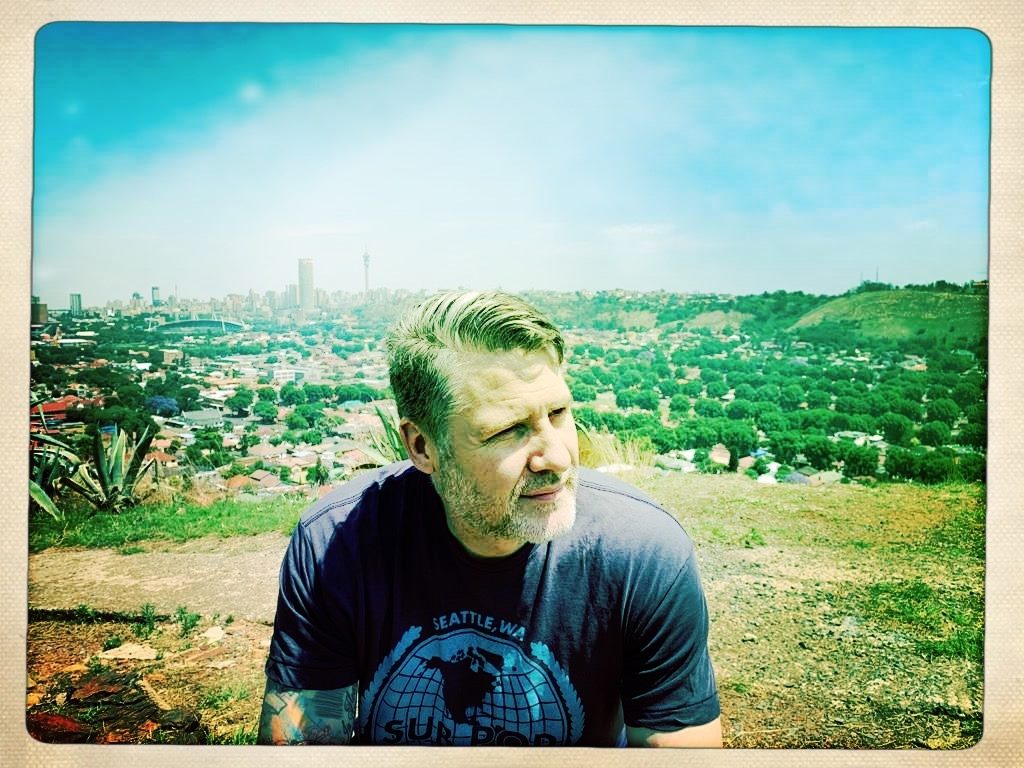
Marc Latilla began researching the history of Melville in 2010 during a home extension, and what started as a mild curiosity blossomed into a suburb-by-suburb excavation of Johannesburg's lost histories. Drawing from archival photographs, records and city folklore, he fills in the blanks on his blog Johannesburg 1912. This culminated in his book, Johannesburg Then and Now, where present-day photographs are contrasted with old photos of Joburg, and now, he is working on a book on the history of trams in Johannesburg. When he is not scouring the city's history, Latilla is, in his own words, "a jaded music industry executive".
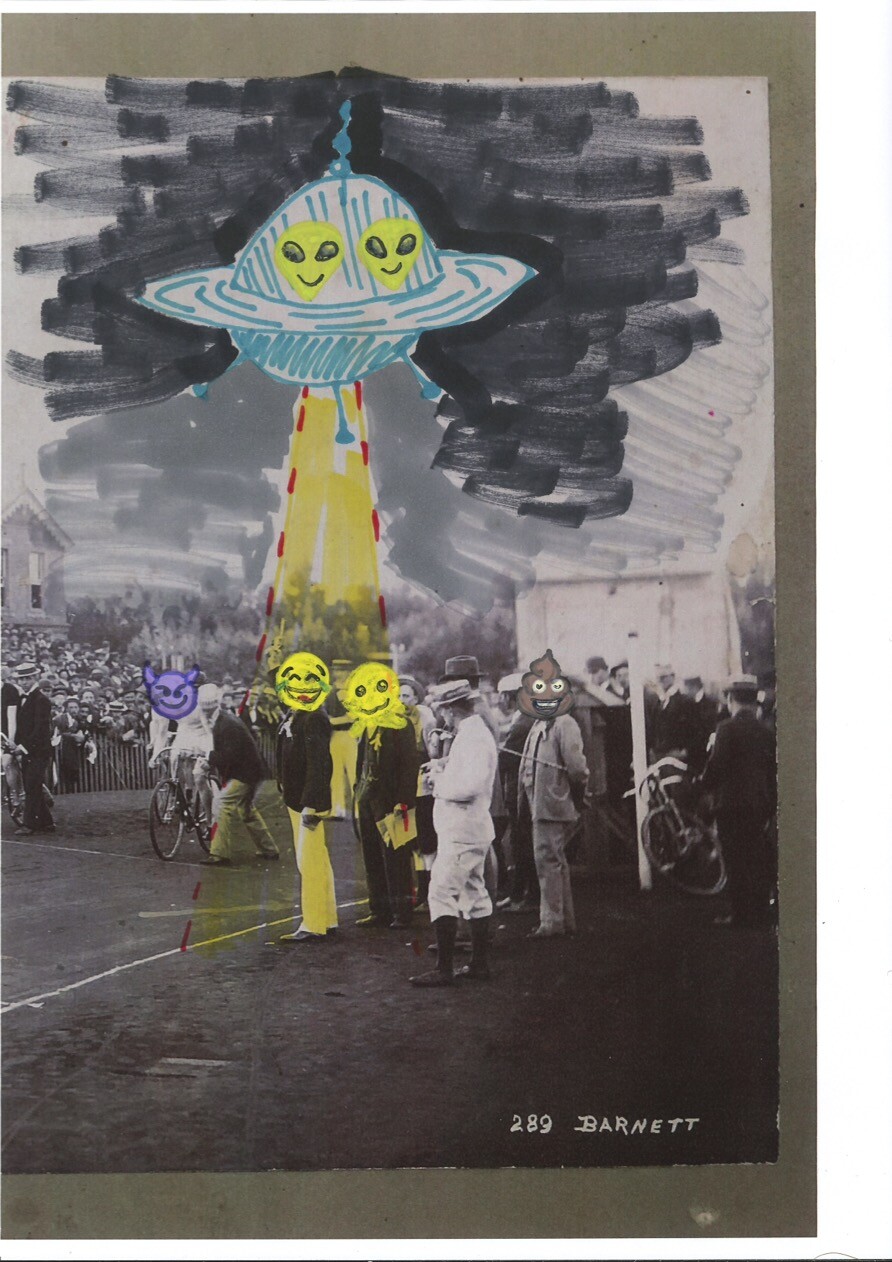
For June's Keyes Art Night, we are collaborating with Keyes Art Mile in Rosebank and creative arts academy Open Window for a special edition of the Makers' Table. We reached out to Latilla for archival photographs from his collection which can be cut up, drawn on and reimagined by people on the night. We have been following Latilla's work on the city for years, and decided it was long overdue to ask him a few questions about Johannesburg, his research and Keyes Art Night's Makers' Table. It has us eagerly awaiting his book on trams, something we did not think we would be, and gave us a few rabbitholes to explore in the city's history. Read on, and make sure to stay up to date with Latilla's work at Johannesburg 1912.
"Preservation is important, but so is looking at history in a different way by different people." – Marc Latilla
The history of Joburg's trams
What was one of the most surprising things you found out about Joburg during your research for Johannesburg 1912 and Johannesburg Then and Now?Segregation existed in Johannesburg from its start and it plays a huge part in some of the city’s challenges to this day.
Your upcoming book dives into the history of trams in Johannesburg. Why did this become the next focus of your work?
I did a short history of trams piece on my blog about 10 years ago using the Tony Spit book as my main reference. It’s a great book packed with a lot of information, but has an odd flow about it being almost chronological in every way. Spit died in 1968 before he finished the book. It was completed a few years later by Brian Patton and published in 1976 but has been out-of-print for decades.
Fast-forward to a few years ago, I was contacted by a French antique dealer and offered a collection of Johannesburg tram photos. I purchased the lot after he shared a few low-res images, mainly because they needed to come back home. It took time and research, but it turned out the photos were mostly documents of the last days of certain tram routes. During this time, I managed to get access to some original source documents relating to horse and electric trams. It felt like a topic that needed an update with some new photos and a more structured history. It is also an experiment in digital self-publishing, as the subject matter is too niche for traditional book publishers. Release date is set for early 2027 unless someone picks it up.
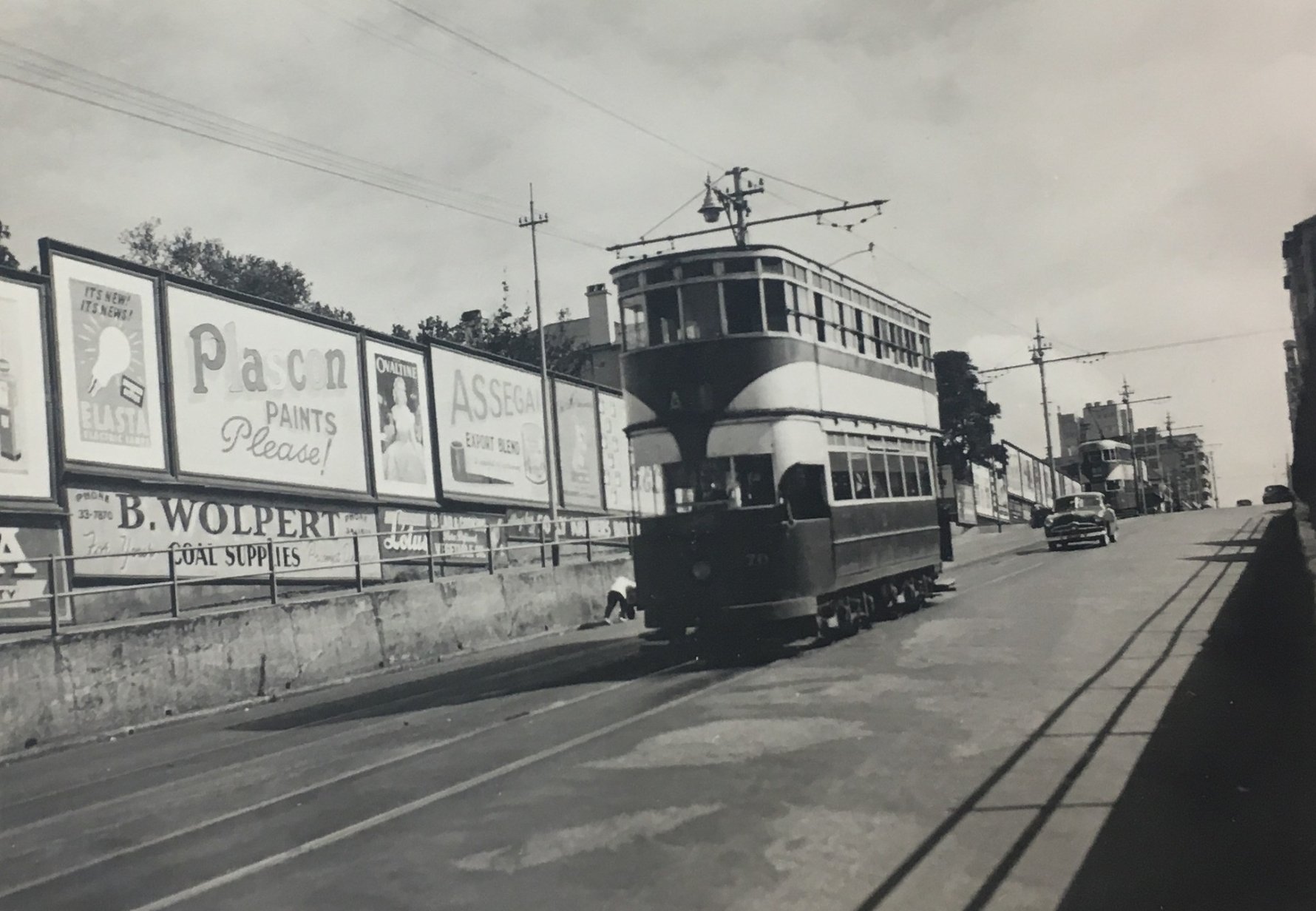
How much did the original tram network dictate the urban geography of the city we navigate today?
It was the other way around. The trams all ran on existing roads and the planners tried to ensure no one was more than half a kilometre from a tram stop. It was the existing railway line that started life as the "Rand Tram" (more in the book), as well as various hills on certain routes that caused problems for the trams. Although some routes included "native trams", it predominantly served the white population and suburbs.
When digging through the archives for this project, what was the most surprising or unexpected piece of history you uncovered about how early Joburgers moved around?
Before trams, walking and bicycles were how one got around, along with cabs (a horse drawn vehicle that could seat up to three people). These cabs were the domain of Afrikaner drivers, and the forage for the horses were supplied by Afrikaner farmers who also supplied the horse trams. Requests to upgrade to an electric tram system were stalled several times by Paul Kruger and his Volksraad in the 1890s, partly to keep these farmers from losing their livelihoods. The electric tramway only opened in 1906 replacing the horse tram.
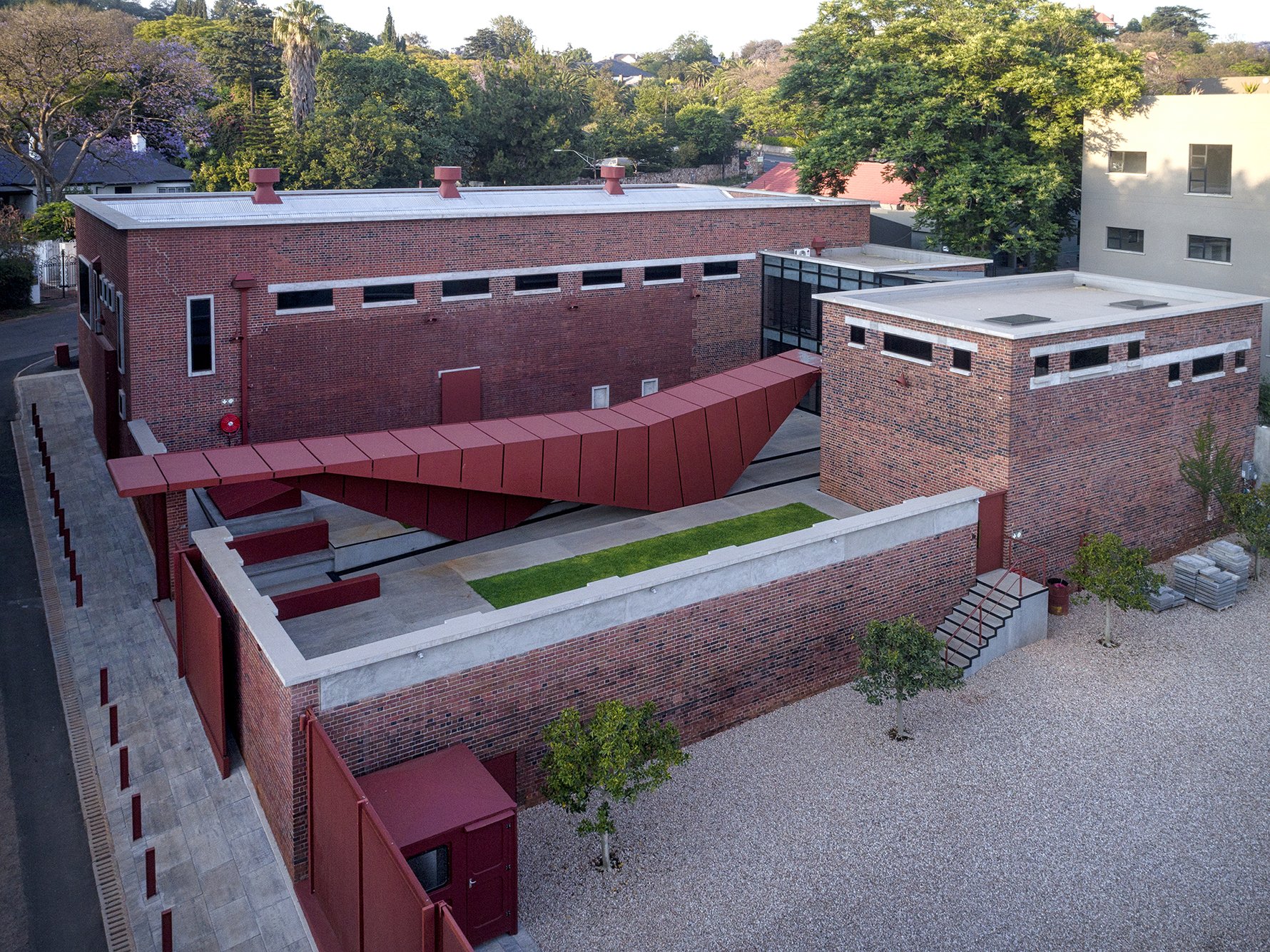
Photo courtesy of Graham De Lacy.
How did the loss of the tram network impact Johannesburg?
By all accounts, people were generally happy to see them go, even though they carried a lot of passengers. From the late 1940s onwards, they were seen as a nuisance, especially as more cars took to the roads. Several bad accidents did not help the tram’s image nor did the anti-tram sentiment in the press. Trolley and diesel buses had already taken over most of the routes by the time it closed in 1961. The appointed scrap dealer had a bumper few months.
Where can people go to see remnants of these old tram networks?
There is virtually nothing left as it’s been gone for more than sixty years. The old tram sheds in Newtown were converted into offices and they still stand. In Jeppe, one can see some tracks coming through the road due to the degradation of the tar. The tracks were meant to have been removed, but evidently not all of them were. There are also some examples of the trams themselves at the James Hall Transport Museum at Wemmer Pan, including the No.20 tram that headed the final ride procession with the mayor on 18 March 1961. Lastly, a few old substations still stand in Forest Town and Kensington with links to the tram network.
On The Maker's Table at Keyes Art Night
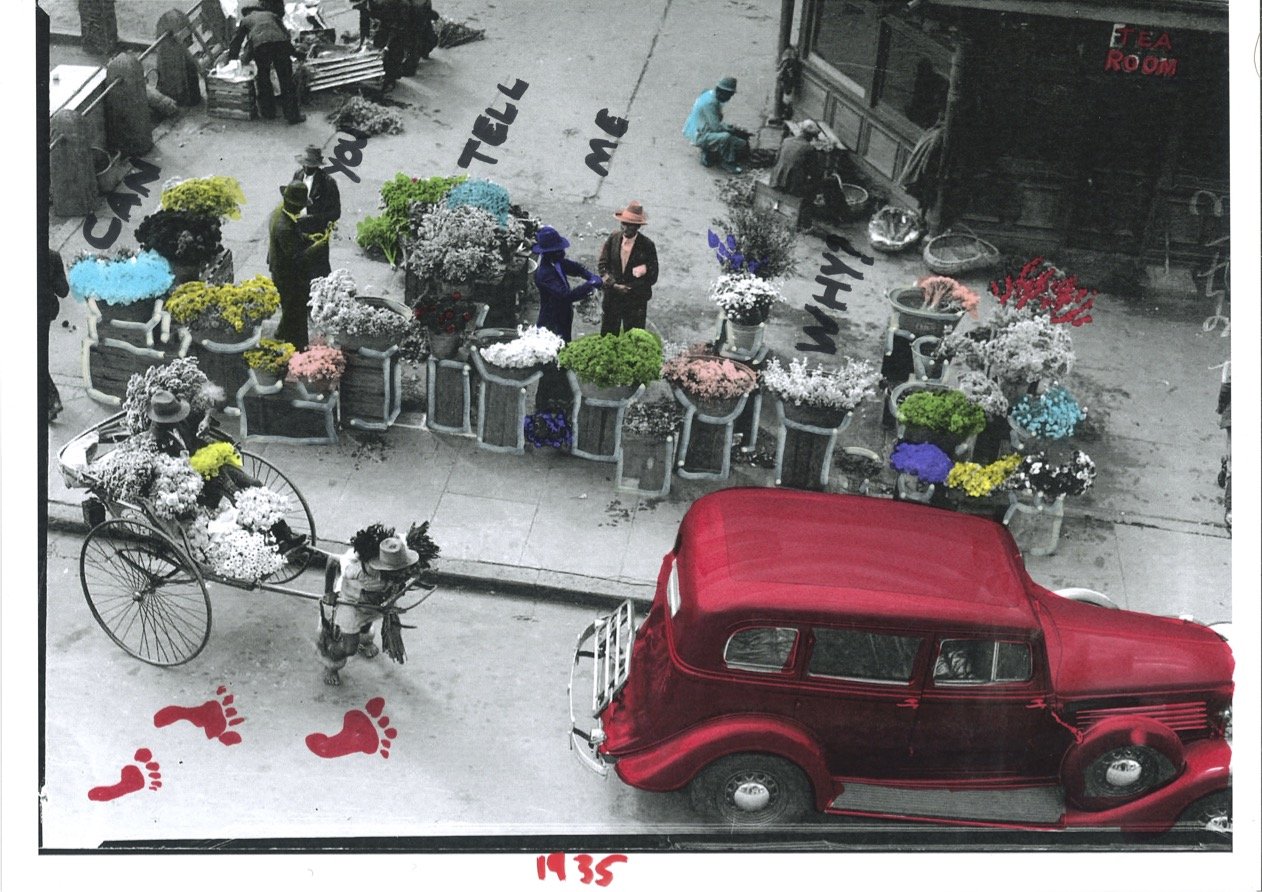
For the upcoming June Makers Table at Keyes Art Night, participants will be physically altering archival black-and-white photographs. As someone who meticulously preserves history, how does it feel to invite the public to cut up, colour and layer over these historical documents?
Fortunately, they’re only copies! Preservation is important, but so is looking at history in a different way by different people.
How vital are these kinds of participatory, hands-on interventions in shaping the cultural identity of Johannesburg?
If it gets more people interested in the history of the city, then I’m supportive. Who knows where these ideas and interactions might lead.
"Even a blank canvas needs a frame and foundations." – Marc Latilla
The Makers' Table frames Johannesburg not as a completed city, but as an unfinished and contested space. When you look at the archival images being used for this session, do you see them as a record of what we’ve lost, or a blank canvas for what the city could still become?
Some are images of things that no longer exist and have is no living person left to remember them. That snapshot, or false memory, can be dropped into the modern context, where perhaps it can be concluded that what came after could have been done better. Even a blank canvas needs a frame and foundations.
If you were sitting at the table, what would you draw into an old photo of Johannesburg?
I'm terrible at drawing, but I’d probably make notes about the photo…
Joburg, then and now
"There’s a particular ‘staying power’ that we Joburgers have. We can absorb a lot and are good at bouncing back." – Marc Latilla
You’ve documented so much of Johannesburg’s architectural rise, decay and transformation. With the restless metabolism of the city, how do you view heritage within it, particularly architectural?
Johannesburg has lost a lot of architecturally relevant buildings, many of them in the building booms of the 1930s and 1950s. There has to be room for progress and growth, but equally, important buildings need to be preserved.
It’s a difficult, and often emotional task, as many important buildings are in areas where it is not economically feasible to deploy large amounts of capital. The old and dilapidated Three Castles Building in Marshall Street is a great example of this, as is the on and off restoration of the Rissik Street Post Office. Despite some nearby progress, the long-term viability of these two examples don’t feel right at the moment. The current management and political crisis in Johannesburg feeds into that negativity. If these old buildings could be restored and repurposed to properly serve the people in the area, that would be ideal.
There are pockets of great successes in the city and my hope is over time they spread. Having said that, not everything needs to be saved, especially if it is holding back real progress, but the important buildings, the ones that will be relevant long after we are gone, do.
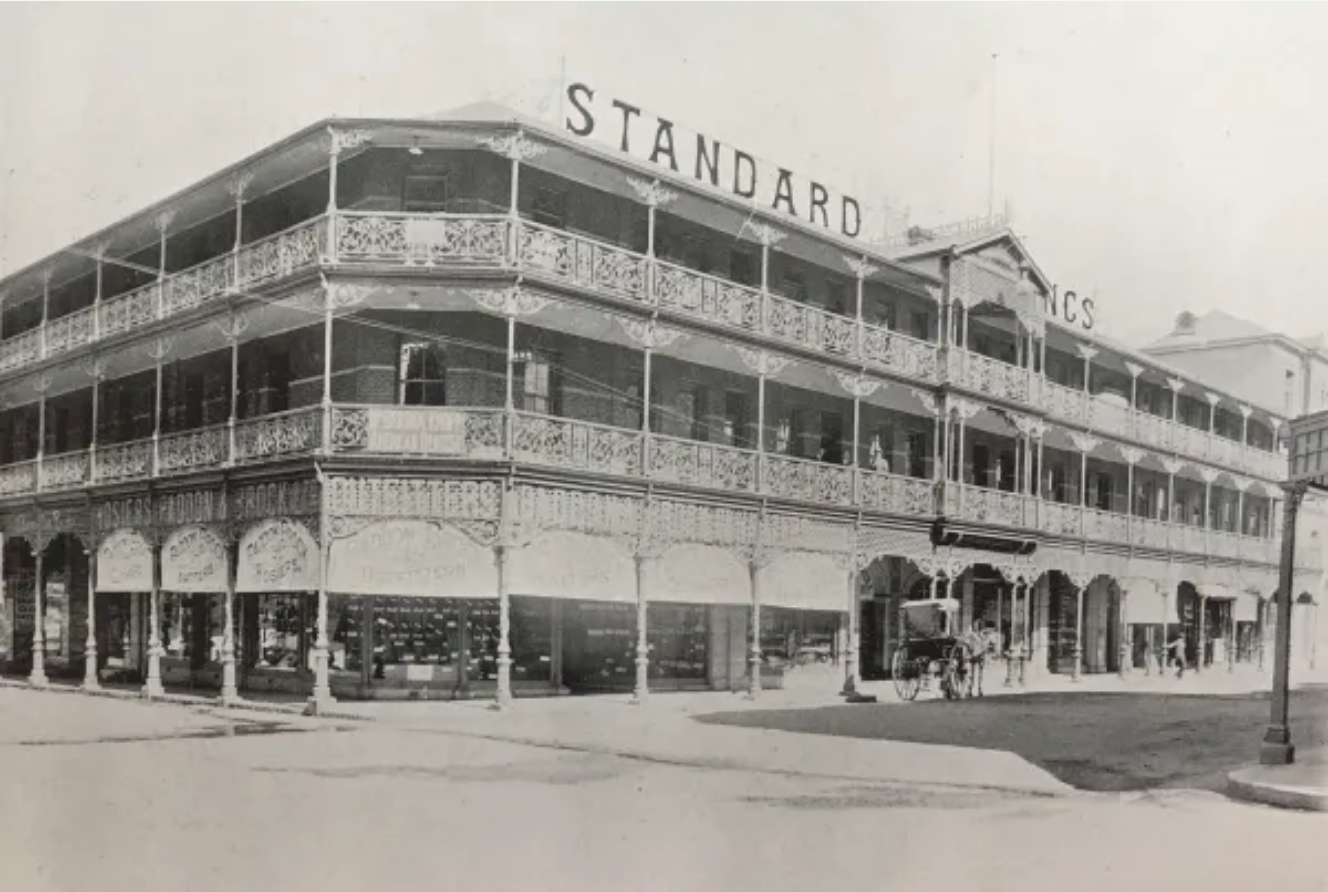
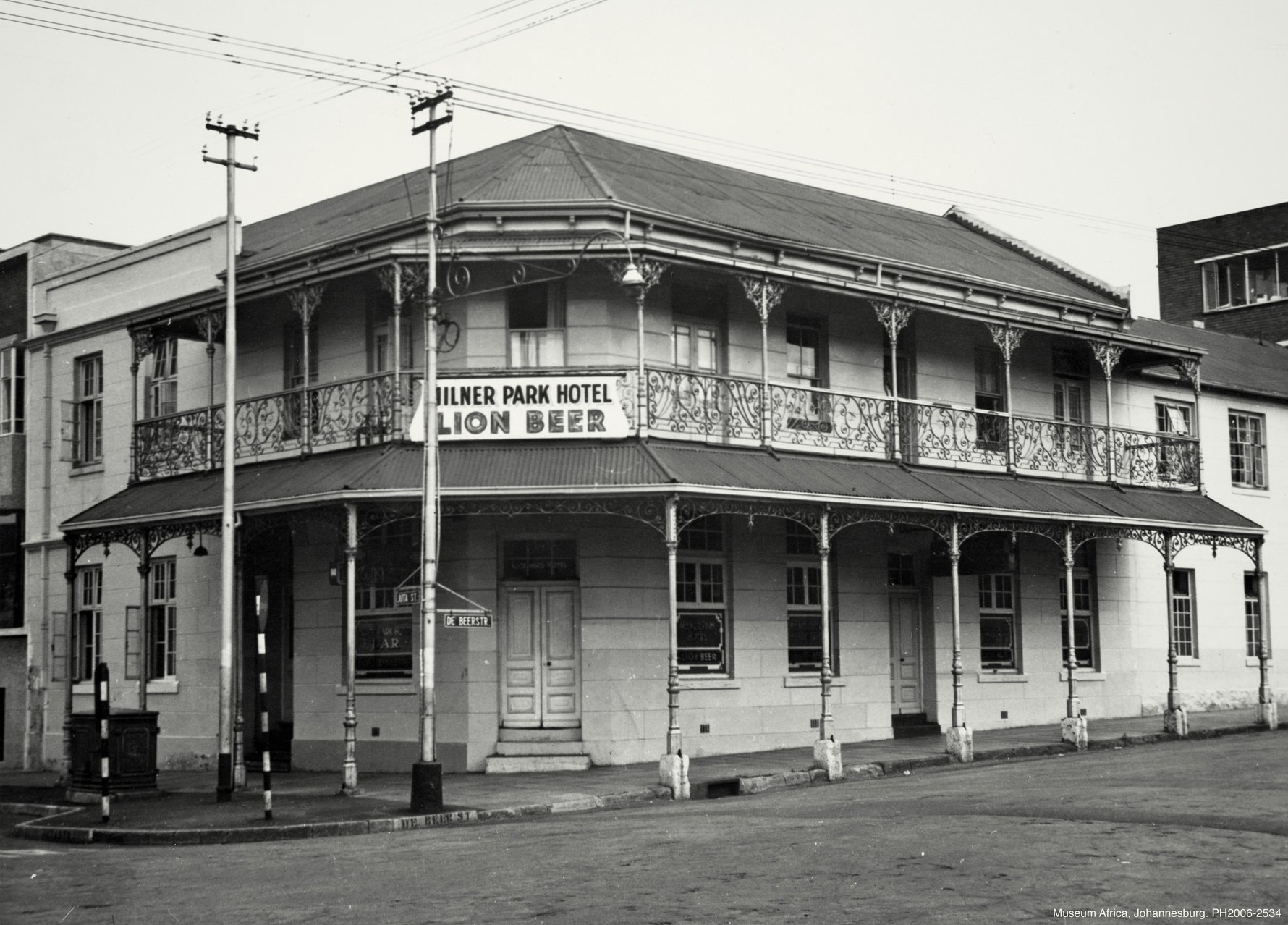
Photo courtesy of Marc Latilla, sourced from Souvenir of Johannesburg.
If you could magically restore one erased building in Johannesburg for people to experience today, which would it be?
It would have to be the old Standard Theatre and Arcade which stood behind the Rissik Street Post Office, and only because I would want to see it. It was built in 1891, encased by a three-storey Victorian building in the the late 1890s, condemned as unsafe in the late 1940s and demolished in 1959.
For Joburgers wanting to engage more deeply with the history in front of them, what is one detail or architectural quirk they should start looking out for on their daily commute?
There are so many! I always keep an eye out for old out-of-use street signs for places that no longer exist, vintage street light poles, Art Deco flats in the suburbs, tin houses, properties with old stables and remnants of late Victorian and early Edwardian iron work that was imported from Scotland and used on balconies and garden walls and gates.
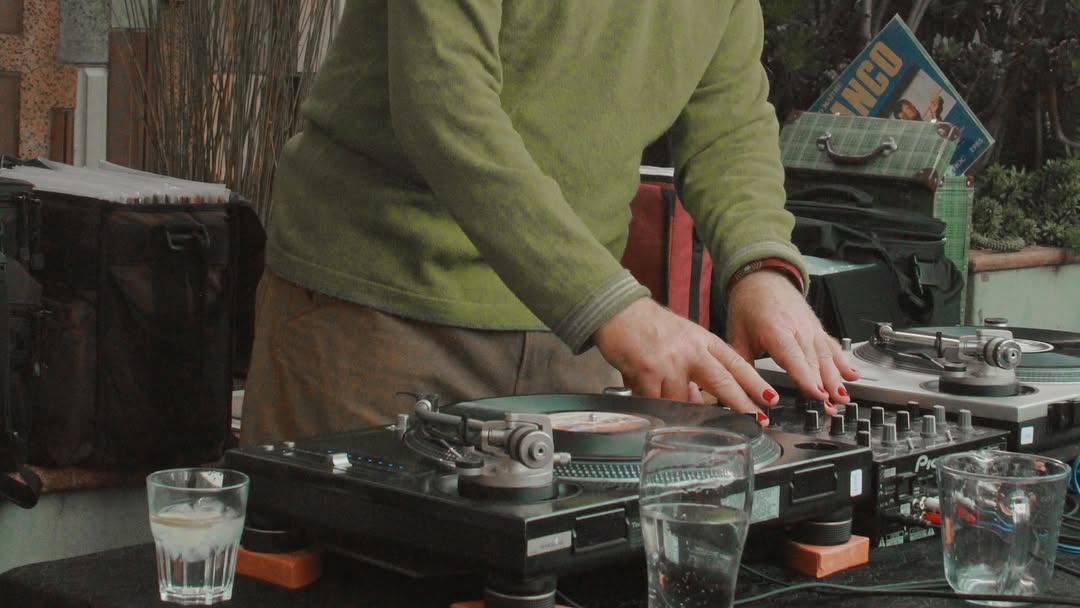
Photo courtesy Of Breezeblock Café.
Before your work on urban history, you were a DJ and musician. Where do you go for music in Joburg today?
I’ve always been in the music business, mainly retail, but on the record label side for the last 15 years. The DJ history goes back to getting club tapes when I was in primary school, and eventually learning to play in 1989. I retired in 2019 after a decade-long stint with Charles Leonard at the old Kitchener's in Braamfontein, and too many to mention other gigs over the years. I’ve documented the history and music of some of the old clubs at marclatilla.com in an ever ongoing series.
I go where the bands I want to see are. This could be anywhere from Smoking Kills in Melville, to The Troyeville Hotel, to Linder Auditorium, Carfax in Newtown or outdoors at Marks Park.
You've probably done some of the most extensive historical research on Johannesburg's suburbs. Which would be your favourite and why?
Thank you for saying that! It’s so hard to choose. I want to say Parktown, although I’ve not got there yet in terms of writing about it. It was the discovery of what the suburb used to look like that sparked my interest in documenting the old suburbs. I also want to say Melville, because we’ve lived there for almost 25 years, but then there is Hillbrow, where I grew up as a teenager and have done some research on.
It has had so many faces, from the early rural-like suburban years, to the Art Deco flats in the 1920s and 1930s, to the highrise period from the 1950s onwards, to the cultural melting pot of the 1960s and 1980s with the overlapping "grey area" period, and then the total population switch post-1994. Ask 10 different people, and you will get as many different viewpoints on Hillbrow. It still stands tall today, misunderstood, neglected, and generally unloved, with some buildings that are extremely well run and looked after, and others that are falling apart.
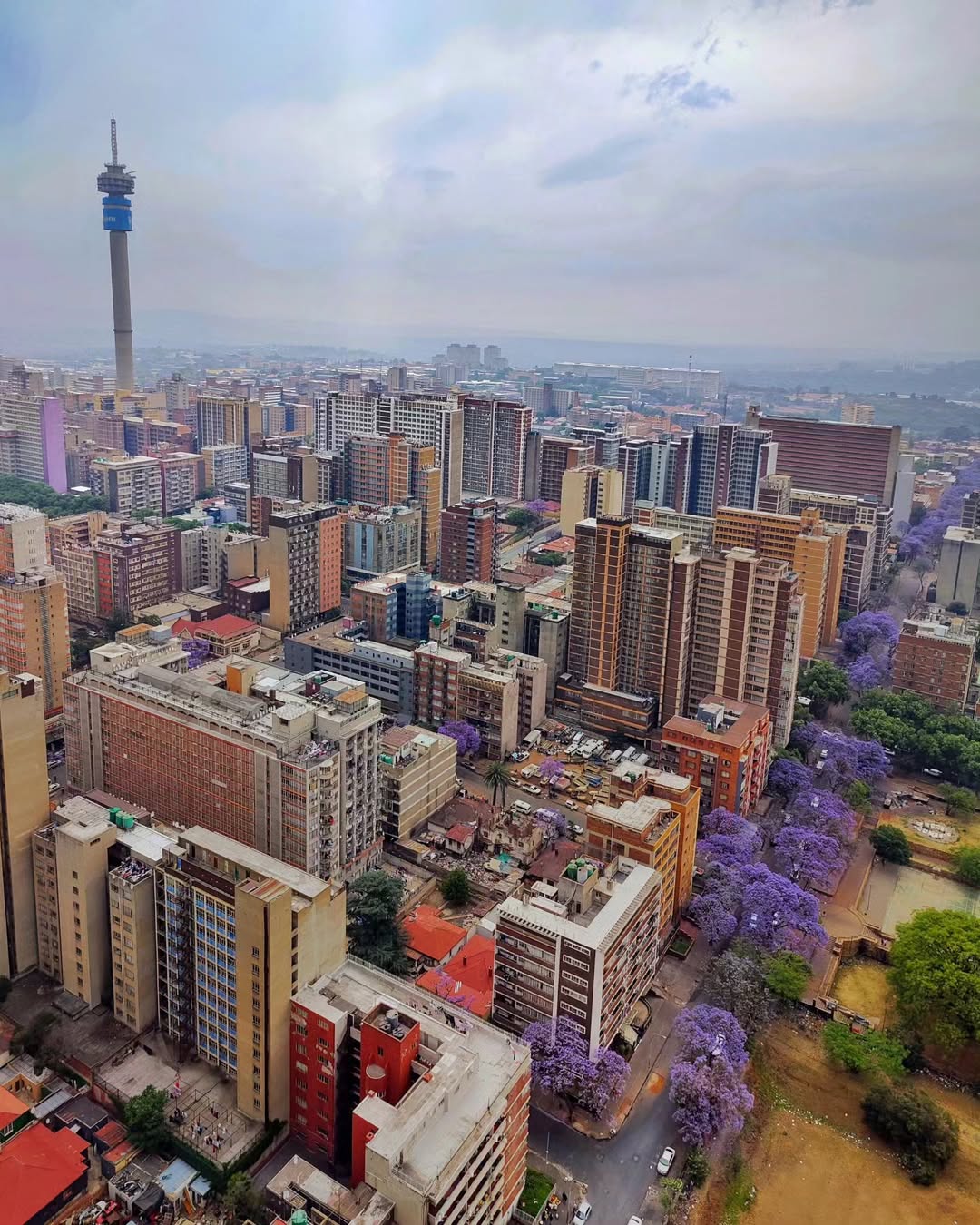
Three words that describe this city.
Resilient, expressive, bullish.
What do you love most about Joburg?
The haphazardness of it all. One can travel though several historical and architectural periods, and experience all four seasons, in a single day.
What makes someone a Joburger?
There’s a particular "staying power" that we Joburger’s have. We can absorb a lot and are good at bouncing back.
What three things should a visitor not leave Joburg without seeing or experiencing?
I try to take all our international visitors on a whistlestop Joburg tour. When it was still open, the top of the Carlton Centre was the first port of call (please push for this to be re-opened!) for the basic history and overview, followed by a drive through the old city and Hillbrow, a visit to the Old Fort at Constitution Hill, Munro Drive viewpoint, and if time allowed, a Soweto visit. The visitors get running commentary on the way and told that staying in a hotel in Sandton, Rosebank, or Westcliff is not a true reflection of the city is about.
There are so many great tours (Local Places, Johannesburg Heritage Foundation, Lucille Davie, Eenblond) that cover all of the above. The Red Bus tours are a great starting point.
Marc Latilla provided the archival photographs for June's edition of Keyes Art Night, a relaxed evening of art, conversation and creativity. Galleries such as BKhz, Lizamore on Keyes, Gallery 1 and Aspire Art all stay open late. All that creative inspiration needs to go somewhere and The Makers' Table provides the perfect outlet for your own creativity, with all the supplies provided. Stay up to date with Latilla's work here, and find out what is happening at Keyes Art Night every month here.


Comments