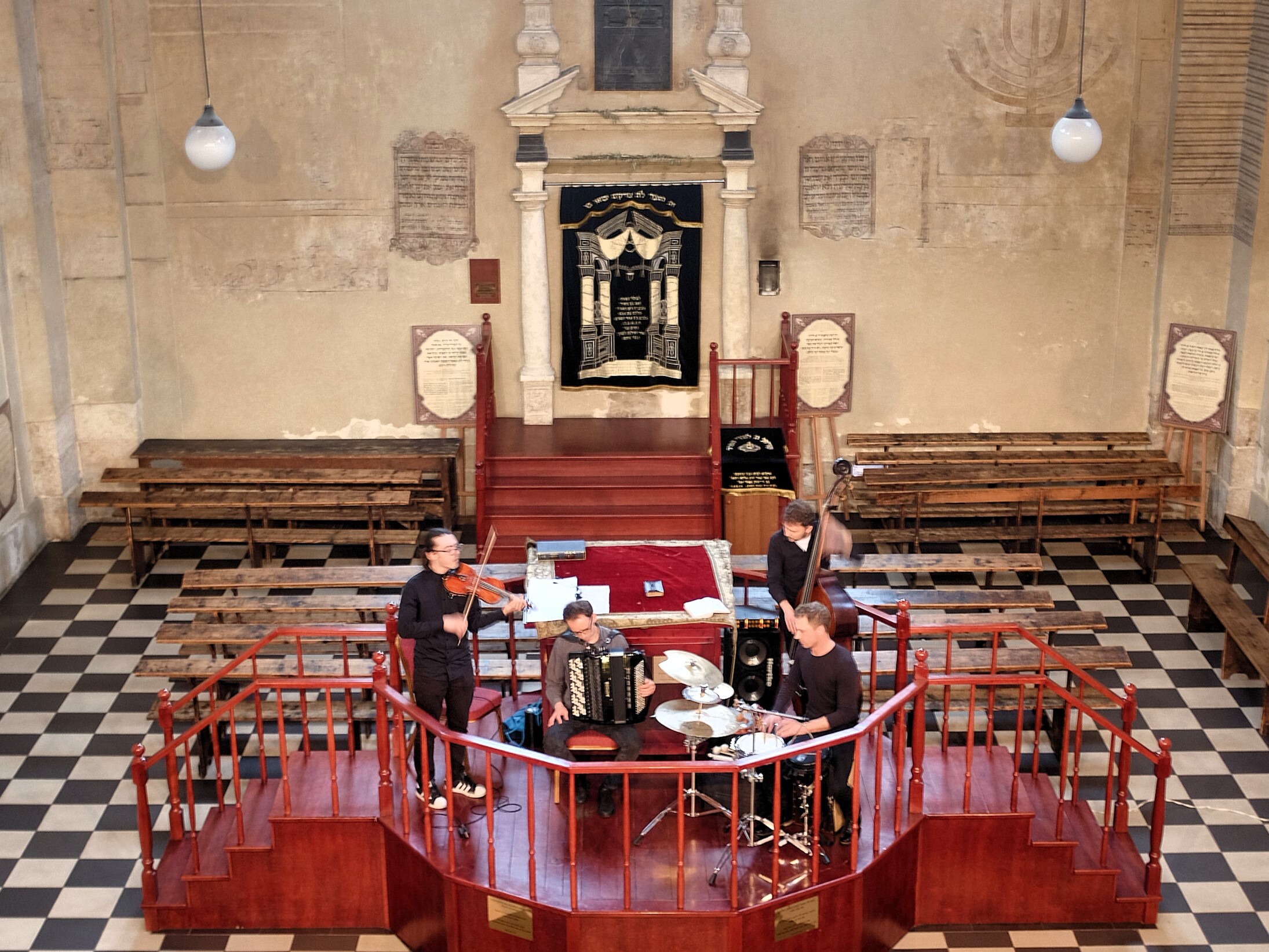
Kraków is a hotbed for klezmer music, and attending a concert of this energetic, Eastern-infused folk music is a popular option for tourists.
Though not much is known about the genre’s early beginnings, klezmer grew out of the musical tradition of the Ashkenazi Jews of Eastern Europe, and was widely popularised in the 18th century by troupes of travelling musicians who performed Yiddish dance tunes at weddings and other celebrations. Originating from Jewish devotional music, the genre evolved significantly at the beginning of the 20th century when it reached the United States via Jewish immigrants, who began to incorporate elements of American jazz music into the sound. After gradually waning in popularity, the genre experienced a revival in the 1970s and '80s as contemporary musicians in the US and Europe were drawn to its strange and forgotten sounds and began investigating its roots.
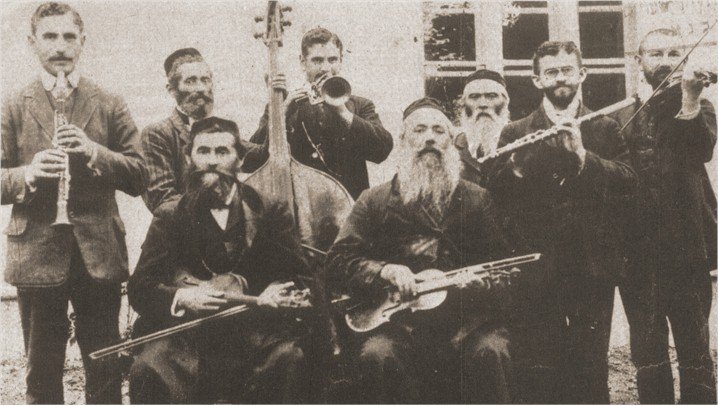
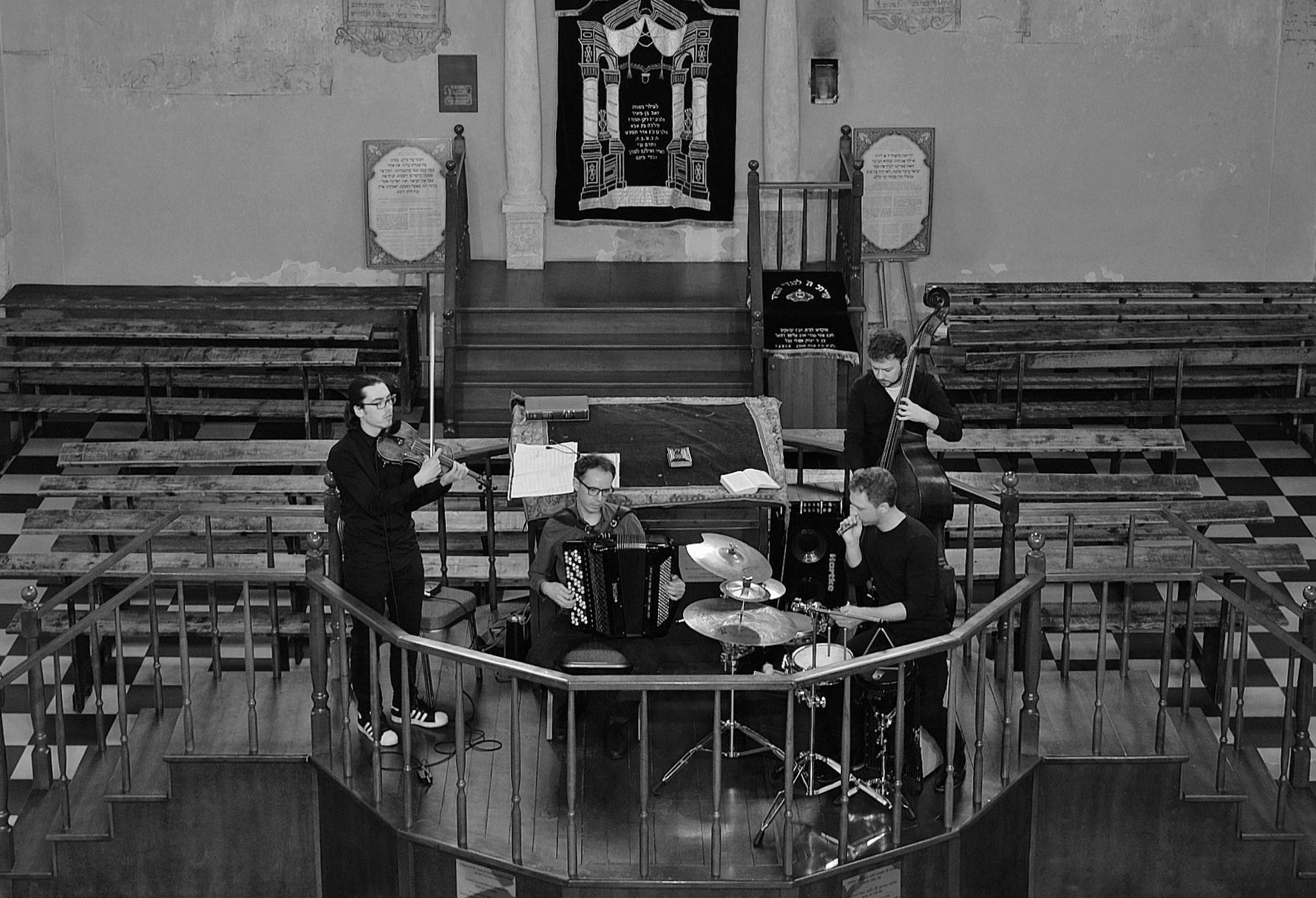
The name klezmer actually comes from the Hebrew words kli (tool or utensil) and zemer (to make music), translating to ‘vessels of song,’ and initially referred only to the musical instruments themselves, but later became a pejorative word for musicians; it wasn’t until the 1970s that the term klezmer came to denote a musical genre. Typical instruments in a klezmer ensemble might include violin, clarinet, accordion, trumpet, trombone, double bass or cimbalom (similar to a hammered dulcimer).
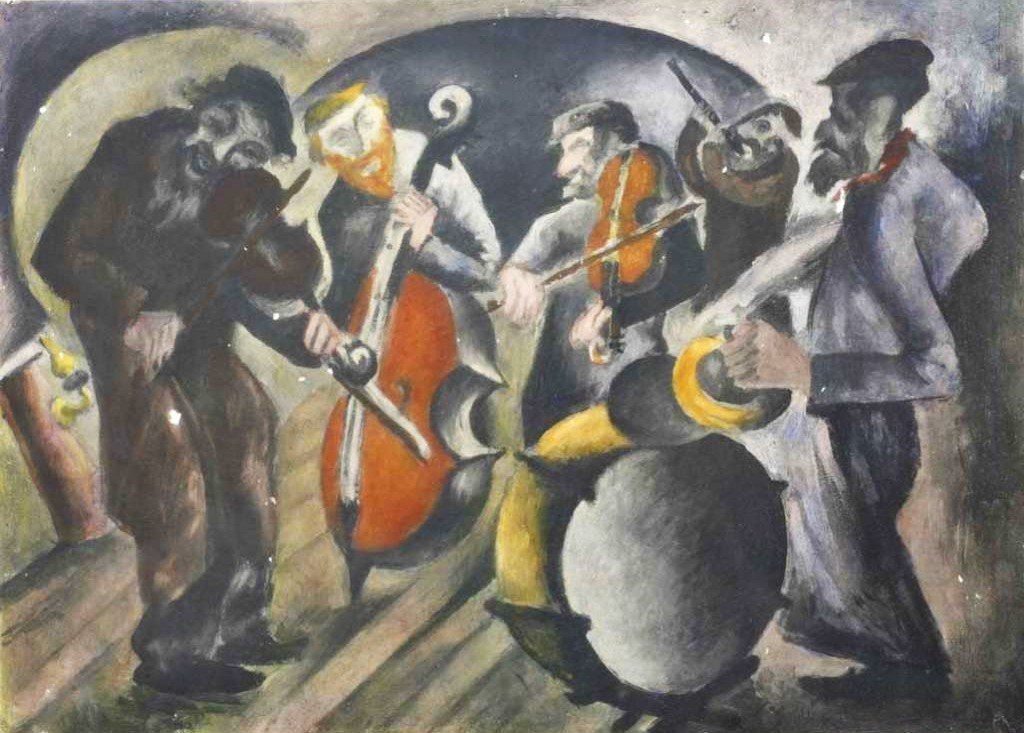
Klezmer’s Polish revival occurred in the 1990s, with its nucleus in Kraków around now-legendary local bands like Kroke and Bester Quartet (formerly The Cracow Klezmer Band), who brought new energy and interest to the genre, inspiring a new generation of players. Today there are dozens of klezmer bands and ensembles performing regularly in the cafes, restaurants, museums and synagogues of Kazimierz - the city’s former Jewish district. Ironically, very few of these bands are Jewish, but mostly composed of Polish Catholic graduates of the Kraków Musical Academy who view their sound as Jewish-inspired world music. Nonetheless, klezmer concerts have essentially become incorporated into the city's Jewish heritage tourism and seeing a performance is a fine way to spend an evening.
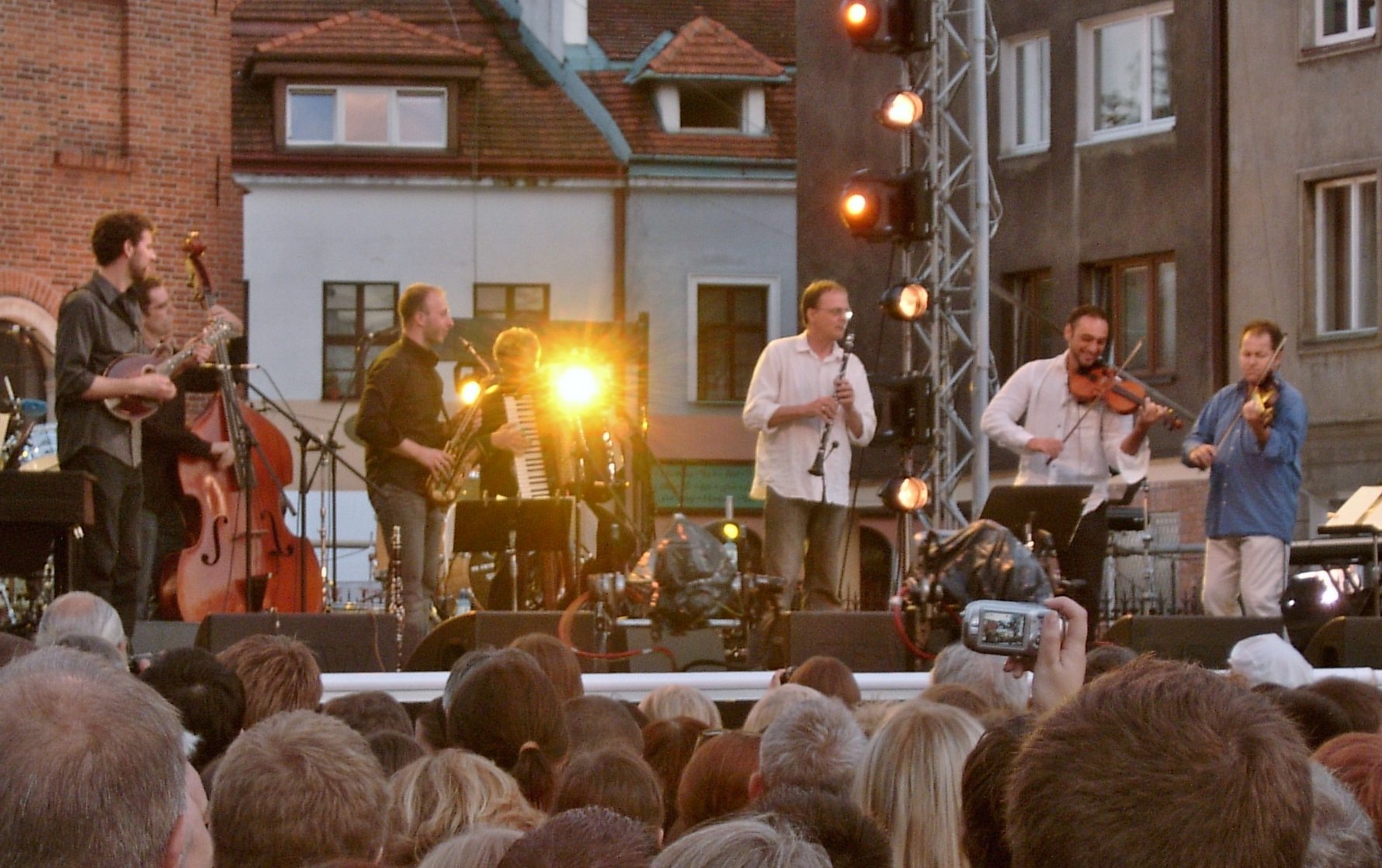
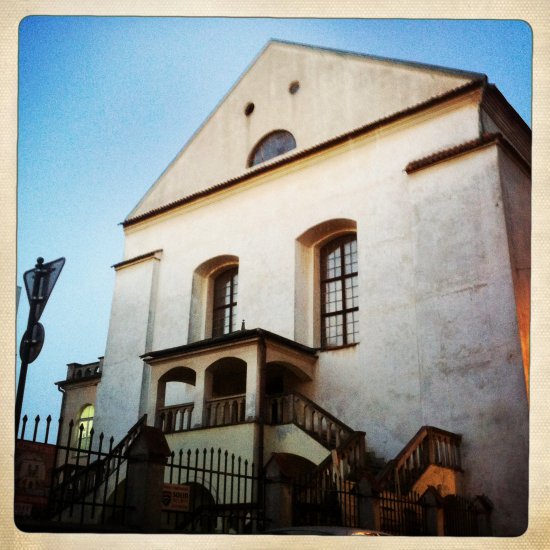
During the summer season, concerts occur almost daily in such restaurants as Klezmer Hois, Ariel, Awiw, Ester and Dawno Temu Na Kazimierzu, but also frequently in the Kraków's many synagogues and Jewish cultural institutions. From June until mid-November, cracowconcerts.com organises klezmer concerts multiple times per week in their own special venue. Kraków also boasts two annual festivals when the sounds of klezmer and Jewish culture fill the streets -the Jewish Festival and Aj, jaj, jaj Klezmer Festival - both of which take place in the summer months, sometimes simultaneously.
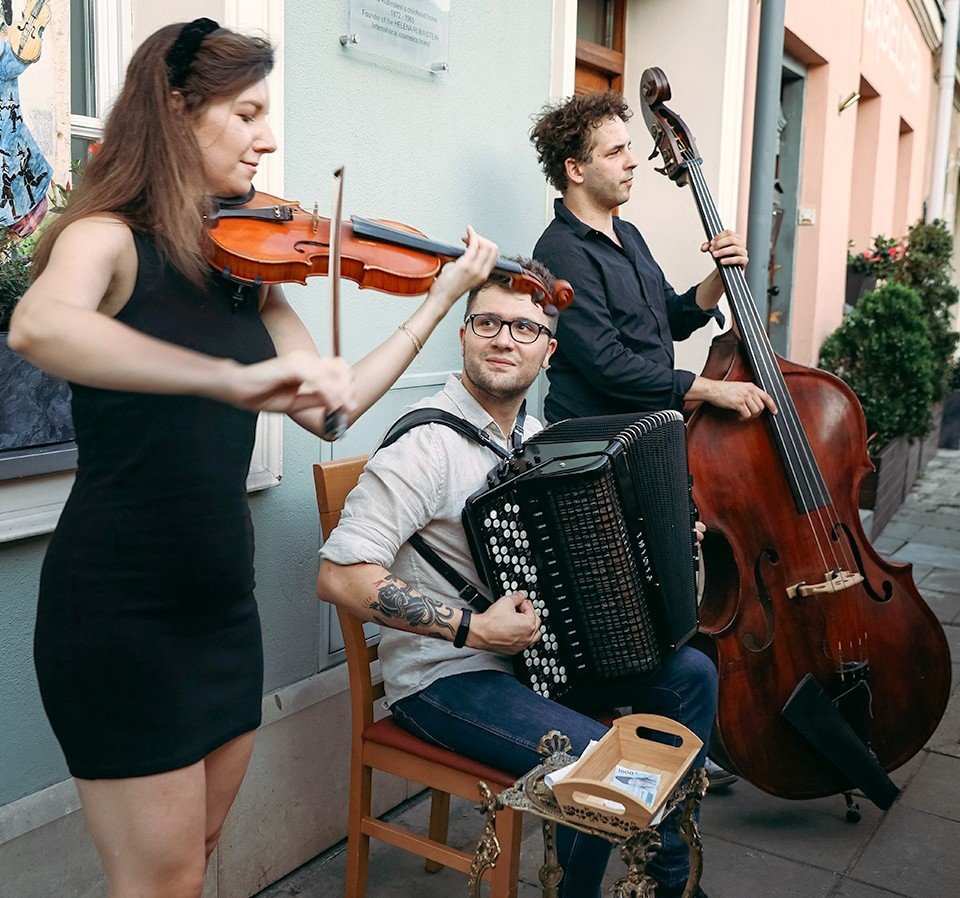
Dinner & Klezmer on Szeroka Street
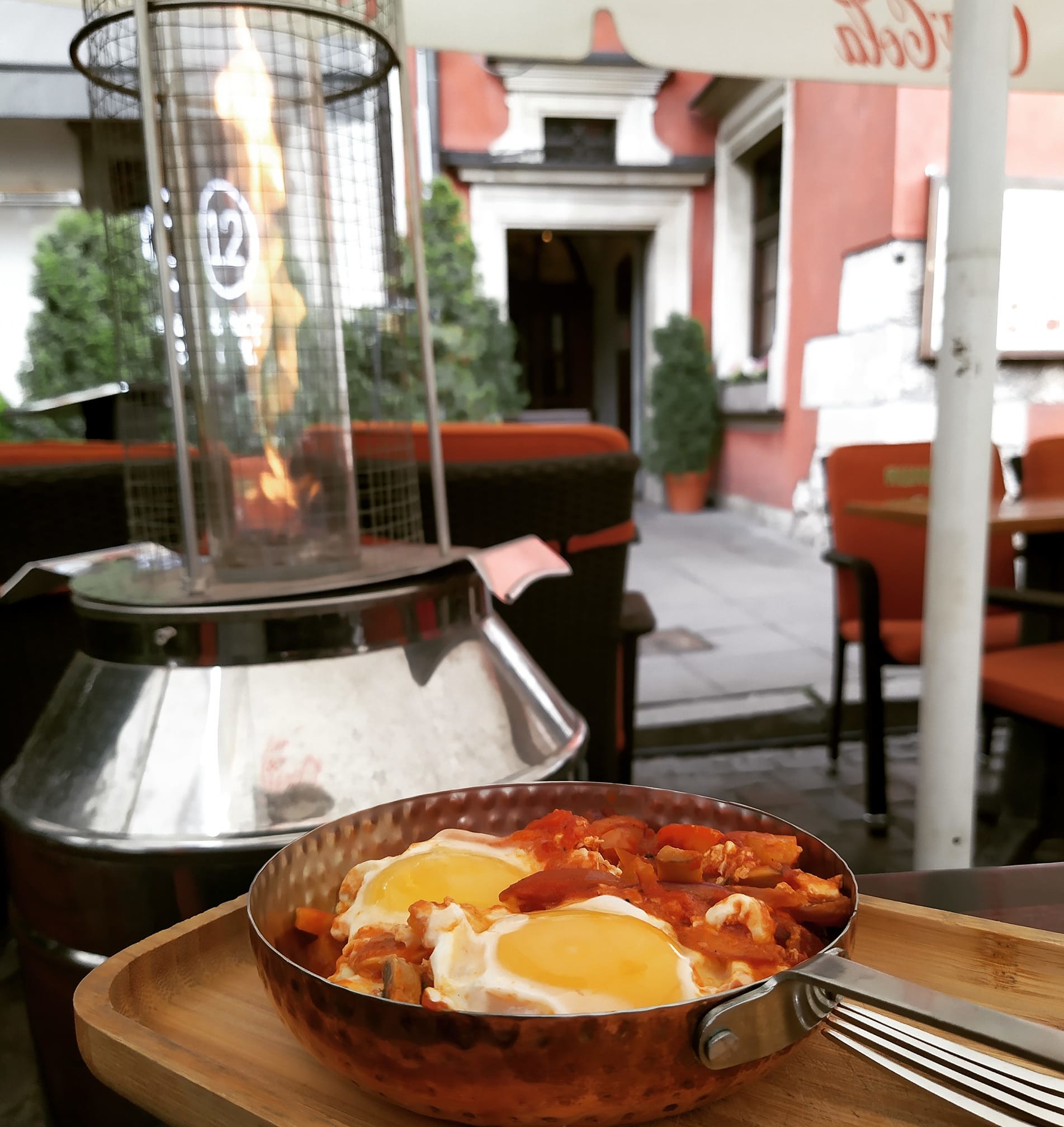
As mentioned, many of the 'Jewish-style' restaurants on Szeroka Street have live klezmer music in the evenings, either indoors or outside in the summer patio. Although it may seem like by ordering a drink you can enjoy a 'free show,' that's not the case at restaurants like Klezmer Hois and Ariel, where a cover charge for the band of 40-50zł is usually added to your bill. While seeing a klezmer performance can certainly make for a memorable evening, be aware that the experience is curated for tourists, the food can be hit-or-miss, and the costs are not always transparent. Follw the links below to find out more about klezmer concerts at each specific venue, and when one might be happening during your visit.