

As of late 2025, Gdańsk has now become a UNESCO city of literature, one of only three in Poland, with a designation that "broadly highlights the city’s literary culture, diversity, and dedication to storytelling and culture as central to inclusive development."
Gdańsk's literary heritage is multifaceted, with many unique individuals, institutions, and cultures contributing to its 1000-year history. It has been shaped by its emalgamation of border identities - Polish, German, Kashubian, and Baltic - all of which have regularly appeared in works from the area. As a key trading city on the Baltic, this port has always been a conduit of new ideas and investment in the arts, as well as a metaphorical character in numerous literary works.
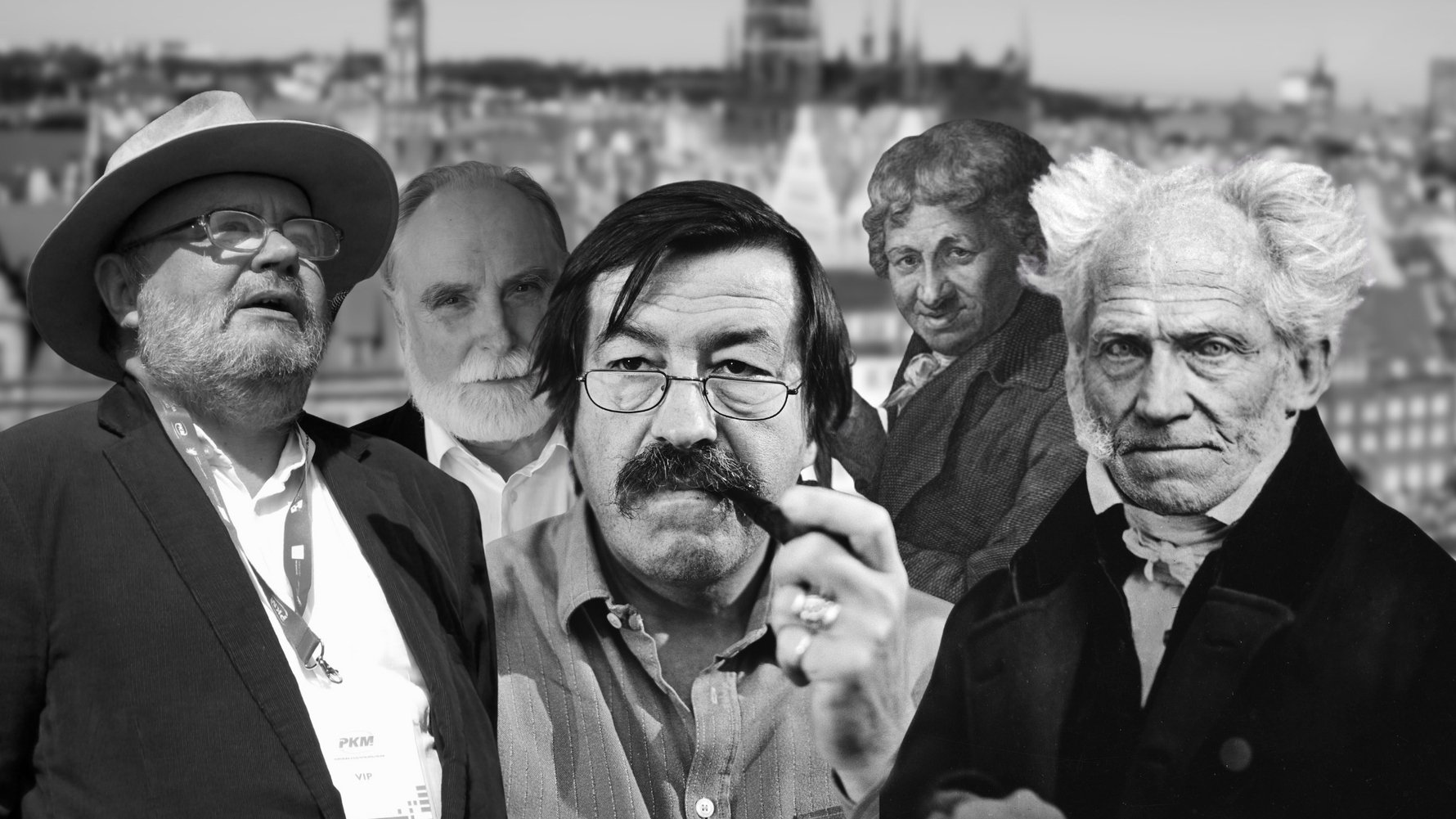
An intellectual hub through the ages...
In the Renaissance, Gdańsk became an international city, rivalling other cities in Europe with its influences in arts, culture, and literature. 20th-century political turmoil and the devastation of WWII has inspired the city's most famous authors to peel back the many historical and cultural layers that Gdańsk represents. The Solidarity movement, born in the shipyards of Gdańsk, was highly influential in Poland and elsewhere in Central/Eastern Europe, spearheading independent publications and encouraging an entire generation to express themselves in writing and through other creative media.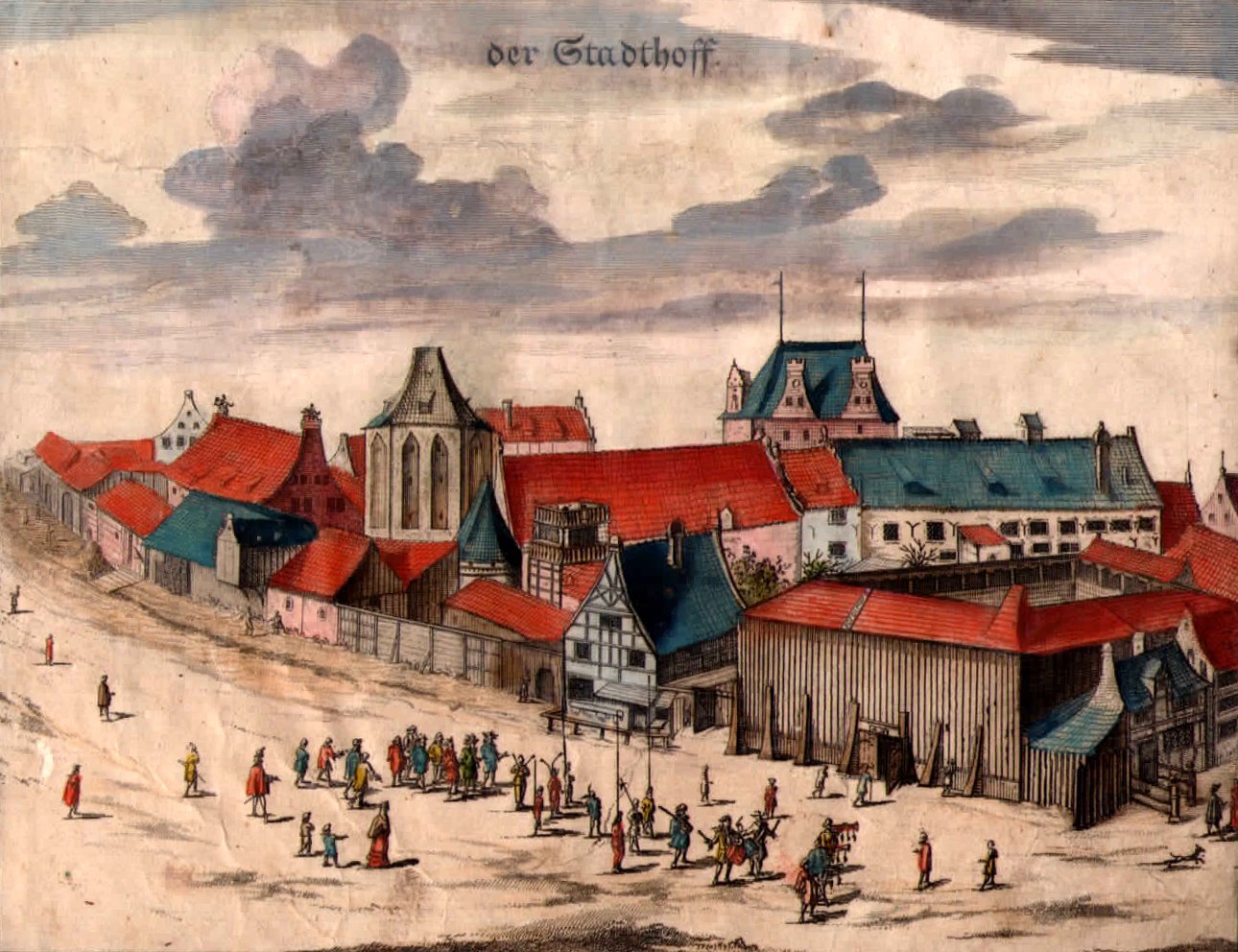
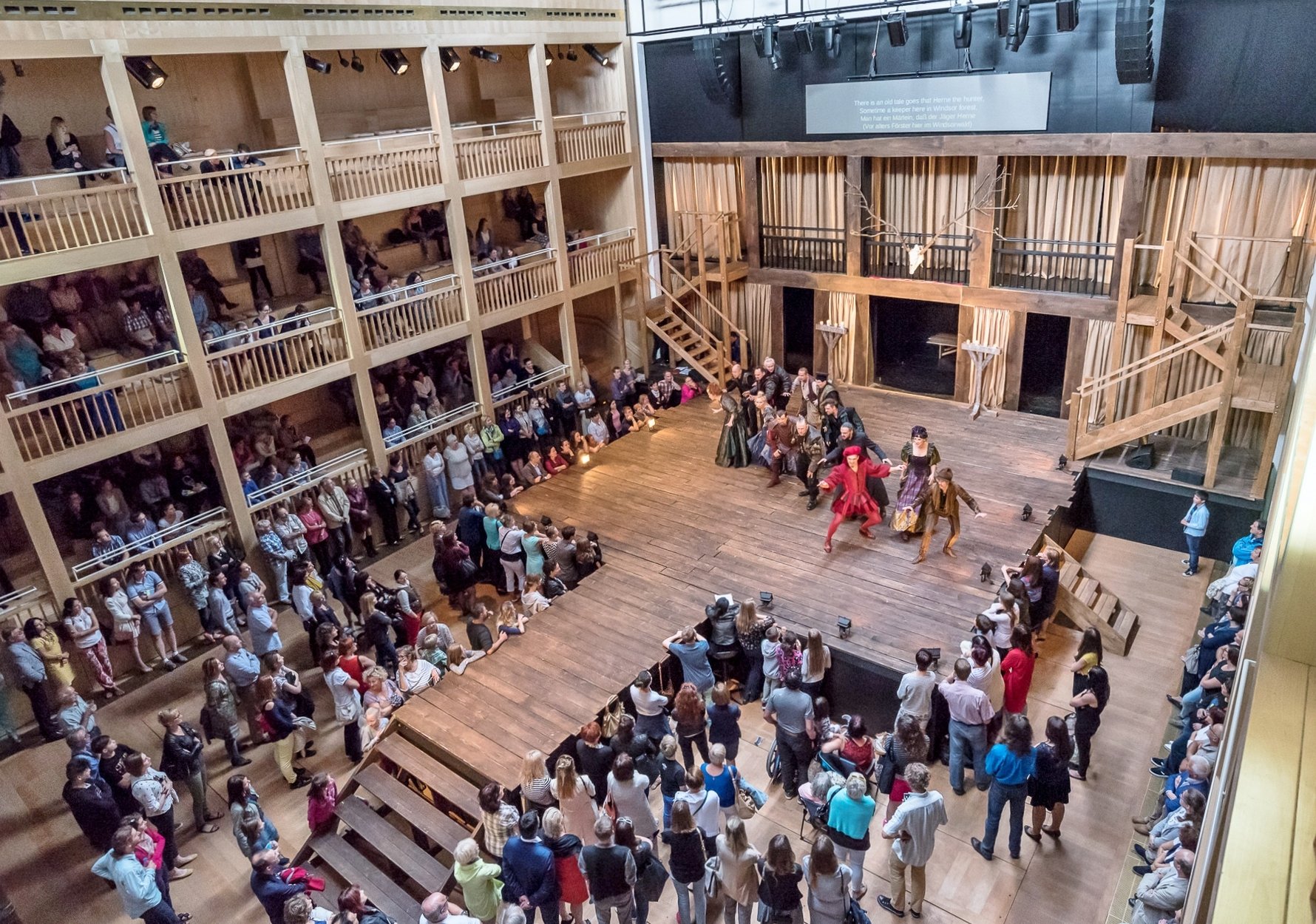
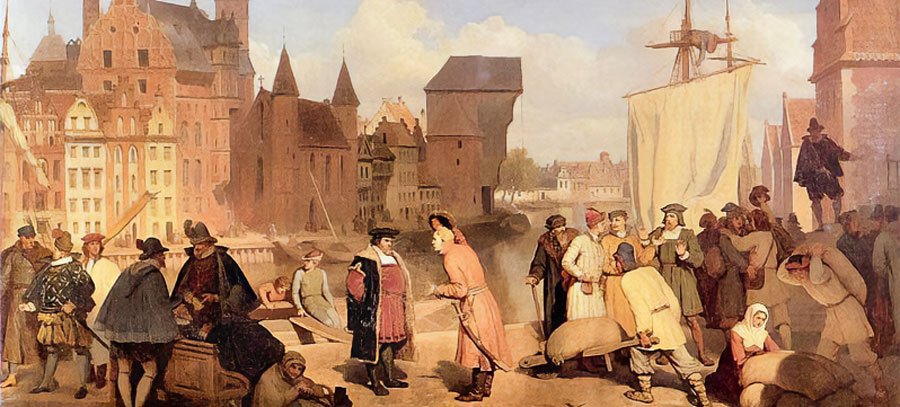
Gdańsk in local terms...
Witnessing the rise of fascism and receiving the first shots of WWII, Gdańsk was heavily effected by the conflict on many levels. Amidst the destruction, the area's cultural demographics would change, bringing on an identity crisis for many residents of the city. One such individual was Günter Grass (1927–2015), a German-Polish-Kashubian who would write extenstively on the city in these years of change. The German-language novel The Tin Drum (1959) is his best-known work, presents pre-war Gdańsk, not as a city of wealth and oppulence, but as a chaotic mix of regular people from different cultural groups - German and Polish, Bourgeois and working-class, Catholic, Protestant and Jewish. While these dynamics are effectively destroyed by rising German nationalism, good and bad is not so clear cut. There is a great deal of moral ambiguity. War and nationalism are shown not as epic forces, but as moral failures unfolding in kitchens, streets and courtyards.
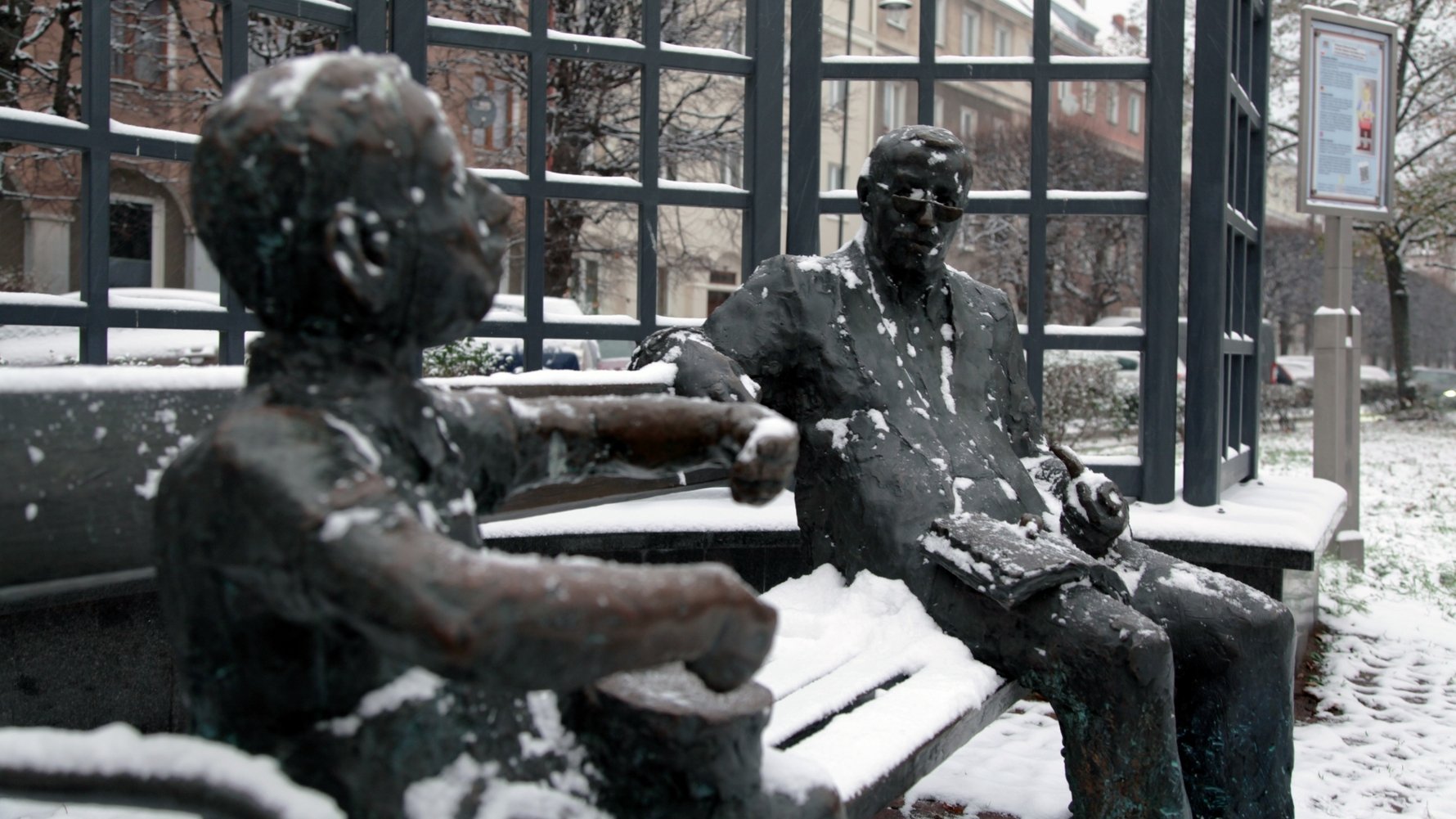
Similar themes are explored in the works of Paweł Huelle's Weiser Dawidek (1989) and Stefan Chwin's Hannemann (1995), though the absurdity and satire of Grass is replaced by a sense of melancholy and quiet reflection. Grotesque, noisy, and confrontational shopkeepers, artisans, and small-time schemers, are replaced by a quiet moral pressure from the words and actions of teachers, doctors, children, and intellectual outsiders. Huelle and Chwin are of a generation that had inherited a scarred and deeply-effected Gdańsk, and trying to make sense of it through the memory of others. In contrast, Anna Czekanowicz writes of a Gdańsk that is not defined by the events of the 1930s and 40s, but as a present-tense city, looking forward in its prose and focused on the stories of contemporary inhabitants.
Literary culture in Gdańsk | What to see and do?
Visitors in Gdańsk can encounter literature at public readings, author talks and festivals held throughout the year in cultural venues such as the European Solidarity Centre, independent bookshops and university spaces linked to the University of Gdańsk. The city regularly hosts literary festivals, including the ongoing program of the Gdańsk Miasto Literatury. These events and discussions are often open to non-Polish speakers or accompanied by English materials. Smaller readings and poetry evenings often take place in cafés and cultural centres, making it easy for visitors to drop in without specialist knowledge. Even outside organised events, browsing local bookshops or libraries offers a glimpse into how strongly literature remains woven into Gdańsk’s public and civic life. With it's new UNESCO title under its belt, Gdańsk literary program is only expected to grow, so keep an eye on this space!
Comments