

Get to know the flavours of Poznań by working your way through our edible itinerary.
When it comes to travel these days, gastronomy is just as important as sightseeing. Poznań’s culinary reputation has been on the rise since the fall of communism, and took a leap forward in 2023 when it became the third Polish city (after Kraków and Warsaw) included in the Michelin Guide. Noble traditions, agricultural roots and centuries of regime change have resulted in the blend of Polish, German, Czech and Jewish influences that today make up Wielkopolska’s unique culinary profile. Here are eight essential tastes that have become synonymous with the city of Poznań, plus our advice on where to try them. Smacznego!1. Pyry z Gzikiem

In a tight race with cabbage for the crown of national vegetable, potatoes ('ziemniaki') are synonymous with Poland, but nowhere are they so celebrated as in Poznań. Not only does the humble spud have its own local museum, it has its own name in the local dialect - 'pyra' - which you can cheekily use in reference to Poznaners themselves.
Poles have invented myriad ways to prepare and consume ‘pyry’ (vodka, anyone?), but in Poznań they are traditionally baked in their skins and served with ‘gzik’ - a topping of soft quark/cottage cheese mixed with sour cream and chives, and sometimes spices, diced radishes and other upgrades. This simple, affordable dish can be found as an appetiser, and sometimes even a main course, on the menu of almost every Polish restaurant in town, while some eateries specialise in jacket potatoes with a wide range of toppings.
Restaurants in Poznań serving gzik'd meals include Wiejskie Jadło, Bamberka, Food Fort, Pyra Bar, Pyraland and Hyćka.
_____
2. Szagówki

What can you do with leftover potatoes…? If you said ‘dumplings' ...you gave but one of many correct answers. Poznań has its own take on this starchy side dish that’ll stick to your ribs. ‘Szagówki’ are mashed potatoes mixed with flour, eggs and salt, then formed into rolls, sliced into pieces and boiled again. Known as ‘kopytki’ across most of PL, the local name comes from the way they are cut diagonally, or ‘na szagę’ in the local dialect. Szagówki are commonly served across Poznań with roasted meats, gravy or goulash, and you can try them in Wiejskie Jadło, Bamberka, Pierogarnia Stary Młyn, Pyra Bar, Pyraland and Hyćka.
_____3. Szare Kluchy
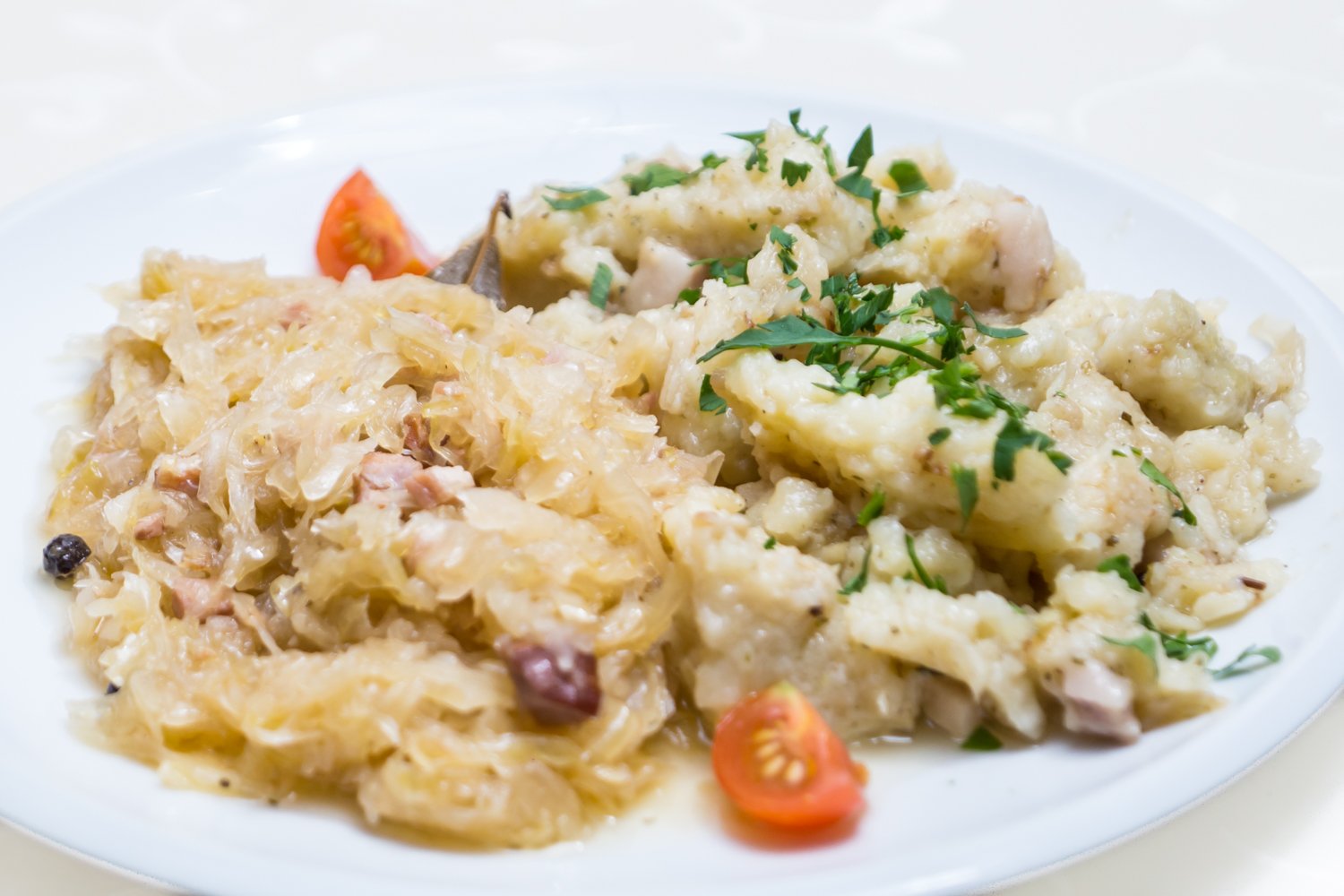
‘Szare kluchy’ translates to ‘grey dumplings,’ which is the least appetising colour in gastronomy, but also the colour that raw potatoes turn after you shred them - the first step in making this popular peasant dish. Add eggs and flour, form them into lumps and boil - and you basically get a more dense, grotesque-looking version of szagówki. Tradiyionally served with cabbage, you can try them in Wiejskie Jadło, Bamberka, Pierogarnia Stary Młyn, Pyra Bar and Hyćka.
_____4. Kaczka po Poznańsku

Of course, it's not all peasant fare in Poznań. This was one of Poland’s first royal capitals after all, and the nobility were particularly fond of feasting on duck ('kaczka') and goose ('gęś'). ‘Poznań-style duck’ consists of roast duck served with apples, sauteed red cabbage and steamed yeast dumplings. A meal fit for a king, you’ll find it on the menu of almost every traditional restaurant in town. Don’t be surprised to also see duck stuffed in pierogi, or standing in for other meats in popular dishes around Poznań, including burgers.
Try it in Ratuszova, Bazar 1838, Wiejskie Jadło, Bamberka, Modra Kuchnia, Pyra Bar, Vis a Vis Koziołków and Hyćka.
_____
Get offline and explore local food culture IRL with our latest Poznań guidebook!
_____
5. Czernina
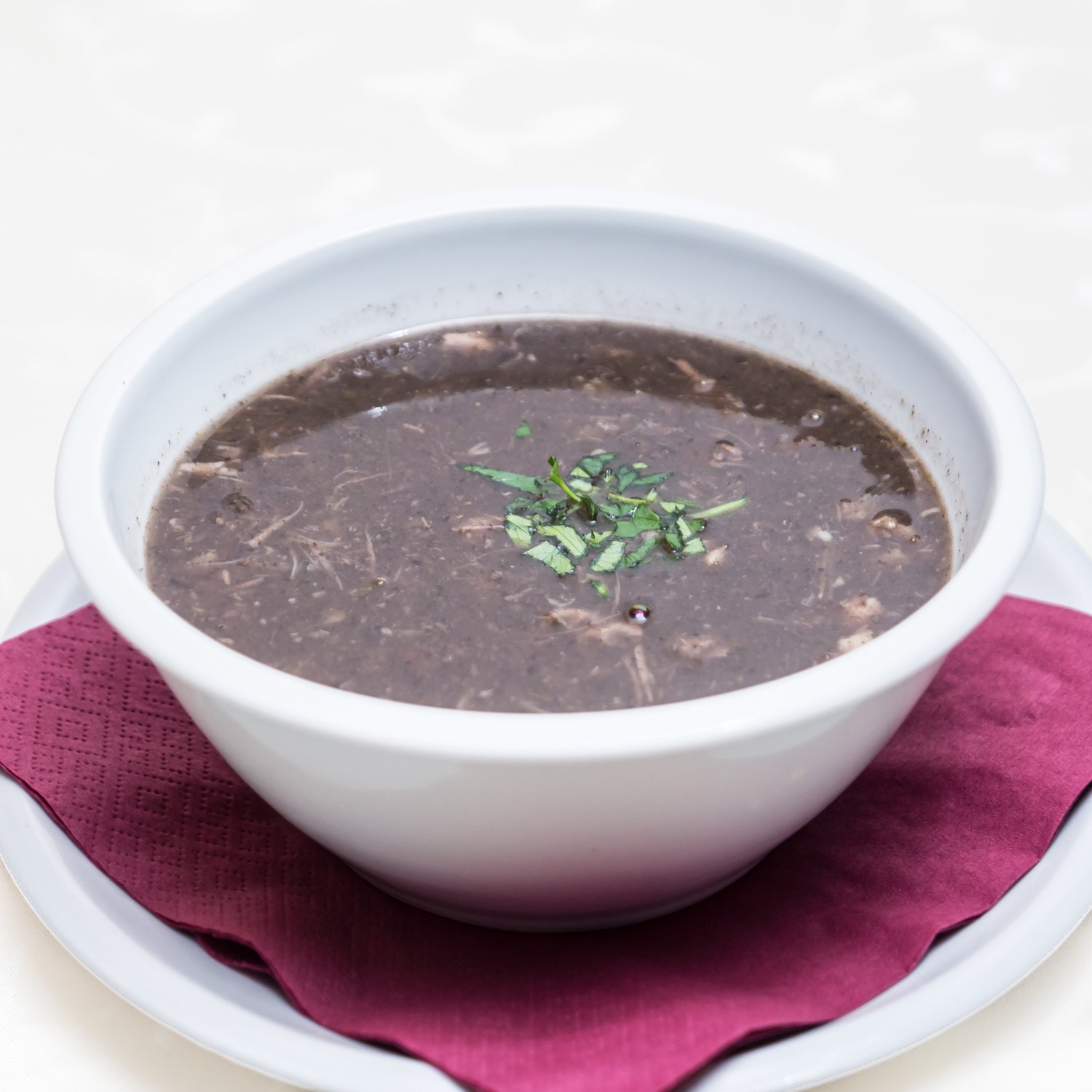
Not one’s to be wasteful, locals also traditionally used duck to make 'czernina' - a soup made of bone broth, duck blood and dried fruit. Known as ‘black soup,’ in the 19th century this dark dish was served to suitors whose marriage proposals had been rejected by the parents of the intended. Hardly subtle, it’s perhaps not surprising that the soup’s popularity has dipped prodigiously in modern times, disappearing from most menus. Polish writer Olga Tokarczuk, who won the Nobel Prize for Literature in 2018, did the dish no favours in her 2022 novel The Empusium, in which the protagonist recounts the trauma of being forced to eat czernina as a child. Some unsolicited advice: go ahead and bravely order a bowl for yourself, but don’t order for your partner.
Try it in Bamberka, Tumska, Posto and Hyćka.
_____
6. Rogale Świętomarcińskie
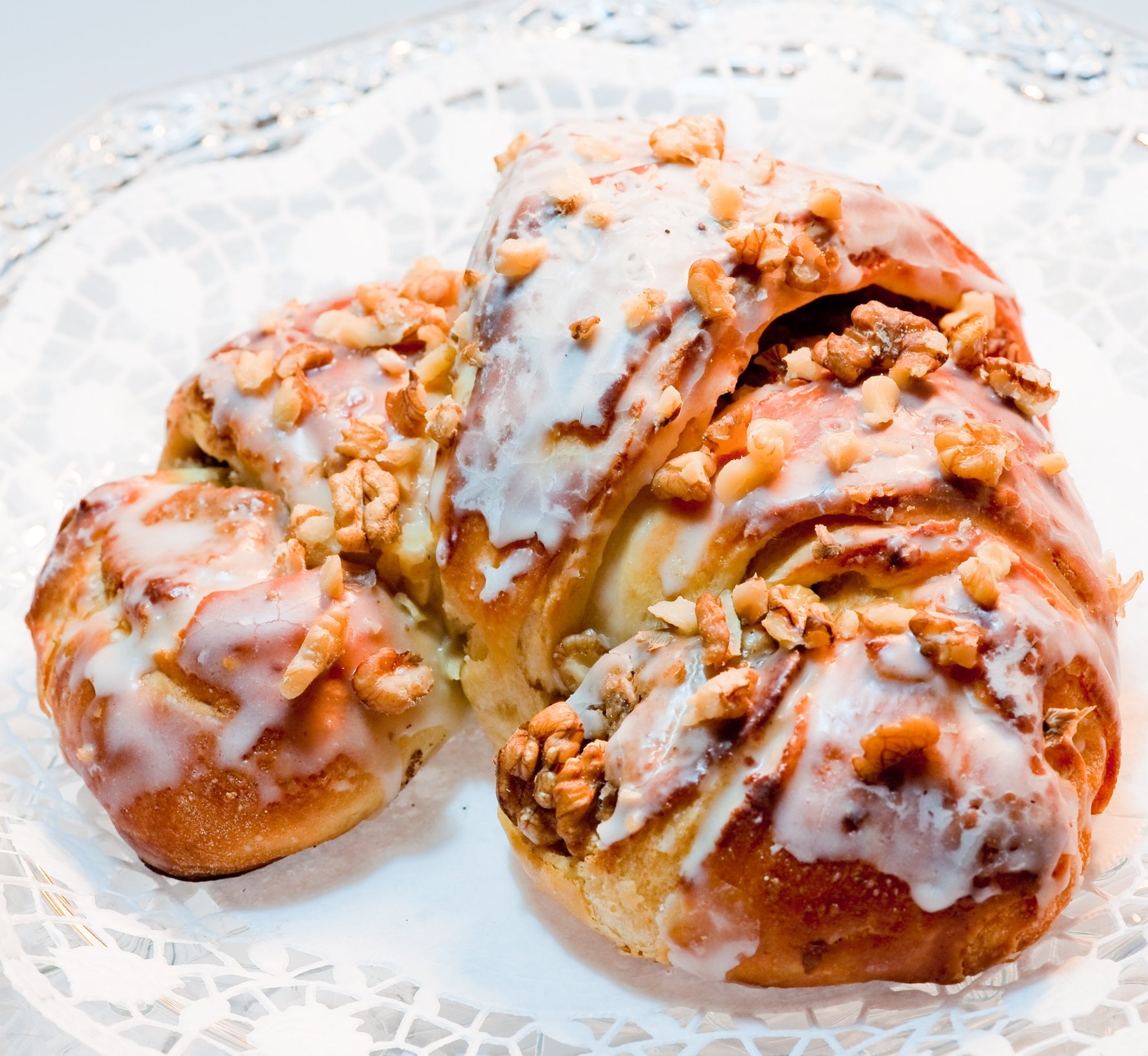
Need a palette cleanser? Try a St. Martin’s croissant - Poznań’s most popular sweet treat, street food and city symbol. These rich, crescent-shaped pastries consist of semi-flaked dough filled with a sweet paste made of white poppy seed, almonds, dried fruit and candied peel, then glazed with sugar and topped with chopped walnuts. Popularised in the 19th century, today these pastries are a point of local pride, and their production is fiercely protected. In 2008, St. Martin’s Croissants received the EU’s ‘Protected Geographical Indication’ status, meaning that only certified local bakers can offer official ‘rogale świętomarcińskie.’ As such, they are often bought as souvenirs of Poznań to share back home.
Traditionally eaten on November 11th to celebrate St. Martin’s feast day, over a million rogale are consumed just for that event. Throughout the rest of the year they are a bit of a tourist confection, and their prices reflect that. Found in the windows of most local bakeries, St. Martin’s croissants are typically sold by weight, and you might be a bit shocked at what they cost. A single rogal can cost anywhere from 20-40zł, so pay attention to the prices; not all are fair or equal. They are filling though, and once you’ve tasted one, you might be hooked. If you’re craving for more, you can visit the Poznań Croissant Museum and bake your own, which is honestly not a bad value.
Try them: While November is the high season for these treats, their immense popularity means that they can be found in Poznań's bakeries and sweets shops year-round.
_____
7. Gęsina na Świętego Marcina
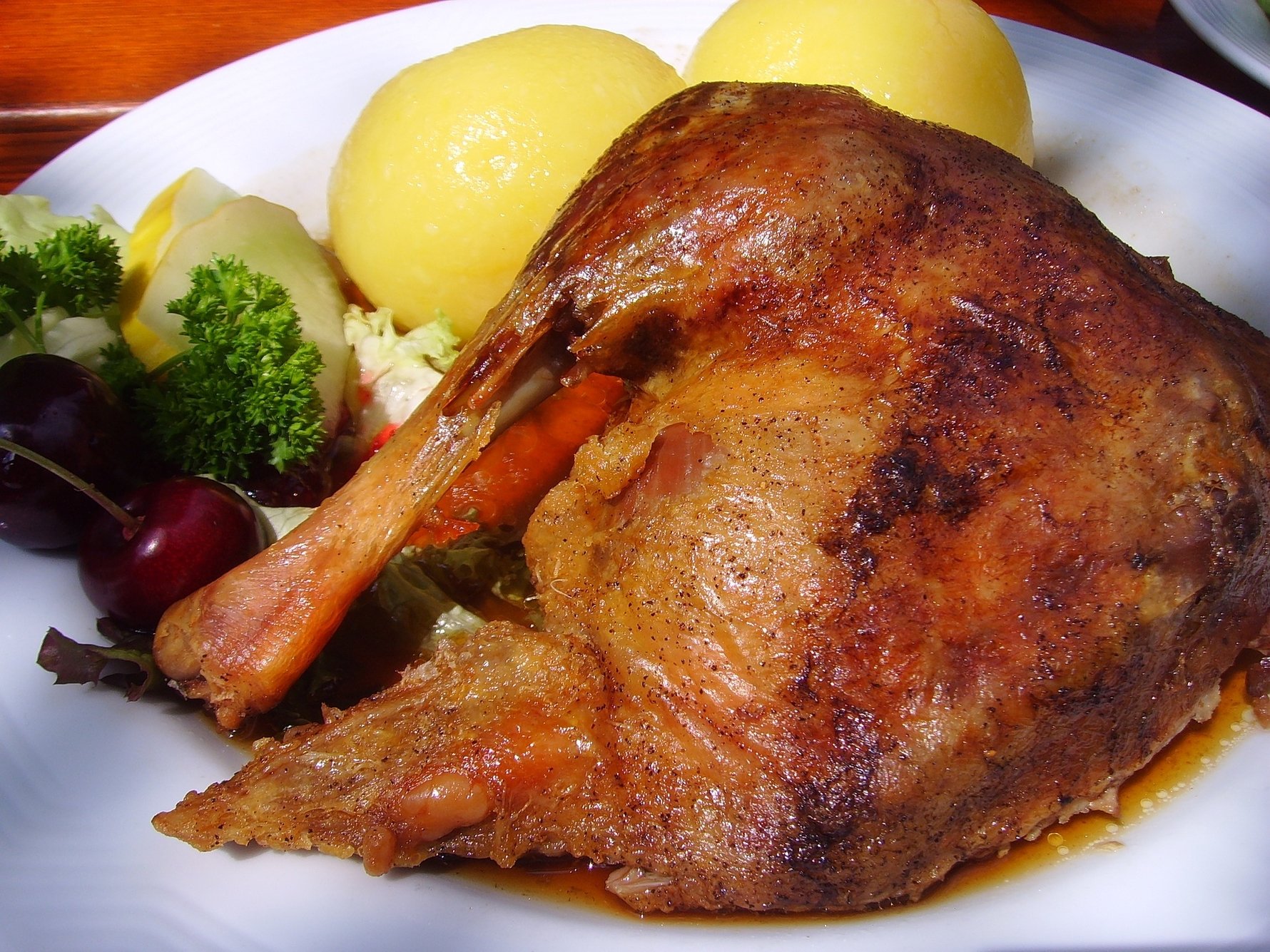
Goose is not exactly a staple of Wielkopolska cuisine, nor is it really a regional specialty, but it also makes a dramatic appearance each year around St. Martin’s Day. Each November, Poznań, as well as many other places around Poland, holds an official ‘Gęsina na Świętego Marcina' (Goose for St. Martin’s Day) food festival, with participating restaurants serving goose dishes for an entire month beginning from the Friday before St. Martin's Day (Nov 11th). The tradition is connected with the legend of St. Martin of Tours - the city's patron saint - who apparently hid from his election as bishop in a shed full of geese, only to be betrayed by their squawking and honking.
Typically the plumpest bird by late autumn, the goose symbolises abundance, and is served in a variety of ways - most commonly baked with apples or plums, and served with cabbage and potatoes (similar to 'kaczka po poznańsku'). Try St. Martin's Goose in Avocado, Cucina 88, Hyćka, Flavoria and The Time.
8. Hyćka

A traditional product of Wielkopolska, this delicate elderberry flower liqueur is known for its mild, sweet taste, delicate aroma and health benefits, which include strengthening the immune system and improving metabolism. Śródka’s ‘Hyćka’ restaurant - where they make their own - is the place to try it, or buy some for your liquor cabinet. They also offer delicious elderflower syrup, which can be added to teas and lemonades.
_____
9. Piwo Grodziskie
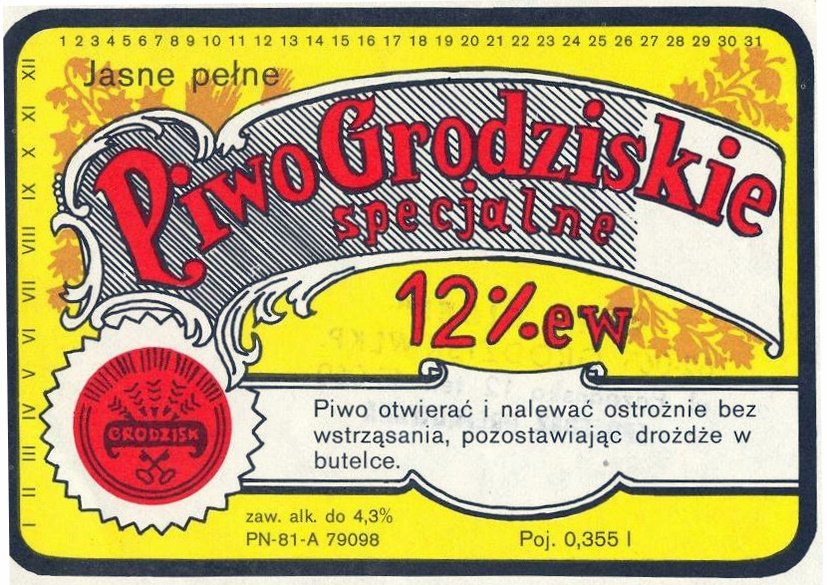
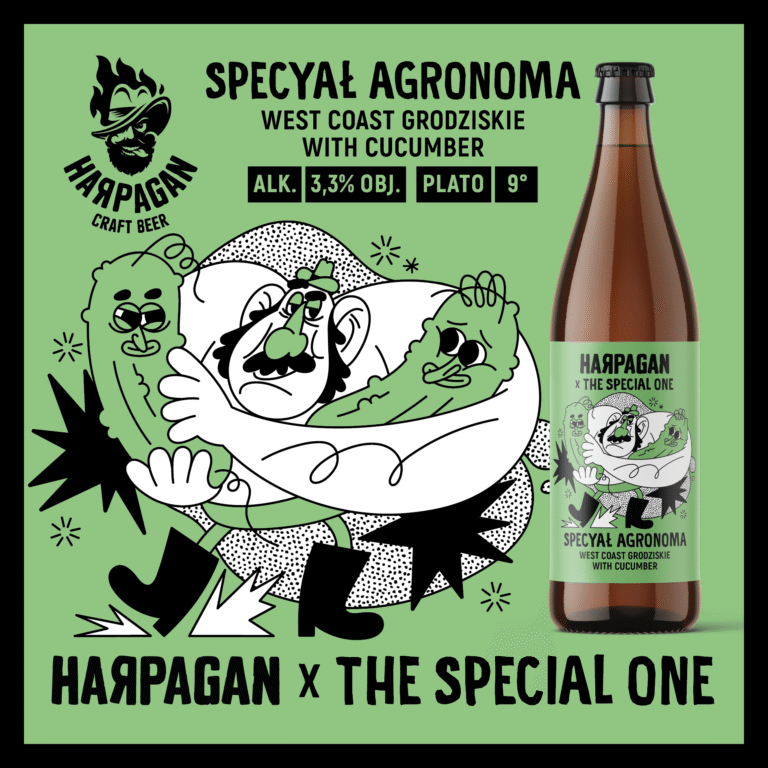
Originating from Grodzisk Wielkopolski - just 40km west of Poznań - this uniquely Polish style of beer dates back to at least the 14th century. Light and low in alcohol, grodziskie is a smoked wheat beer known for its golden hue, crisp carbonation, and subtle smoky flavour. Popular across Poland until WWII, the style has seen a revival in recent years and now features in the portfolios of many local breweries. Although perhaps an acquired taste, give it a try between Lechs. You should be able to easily find Grodziskie beers in most alcohol shops and convenience stores, as well as local multi-tap bars like Tam Gdzie Zawsze, Ministerstwo Browaru, Wściekły Chmiel, Dom Piwa, Cooliozum, Piwna Stopa and Ulotnie.
Comments