

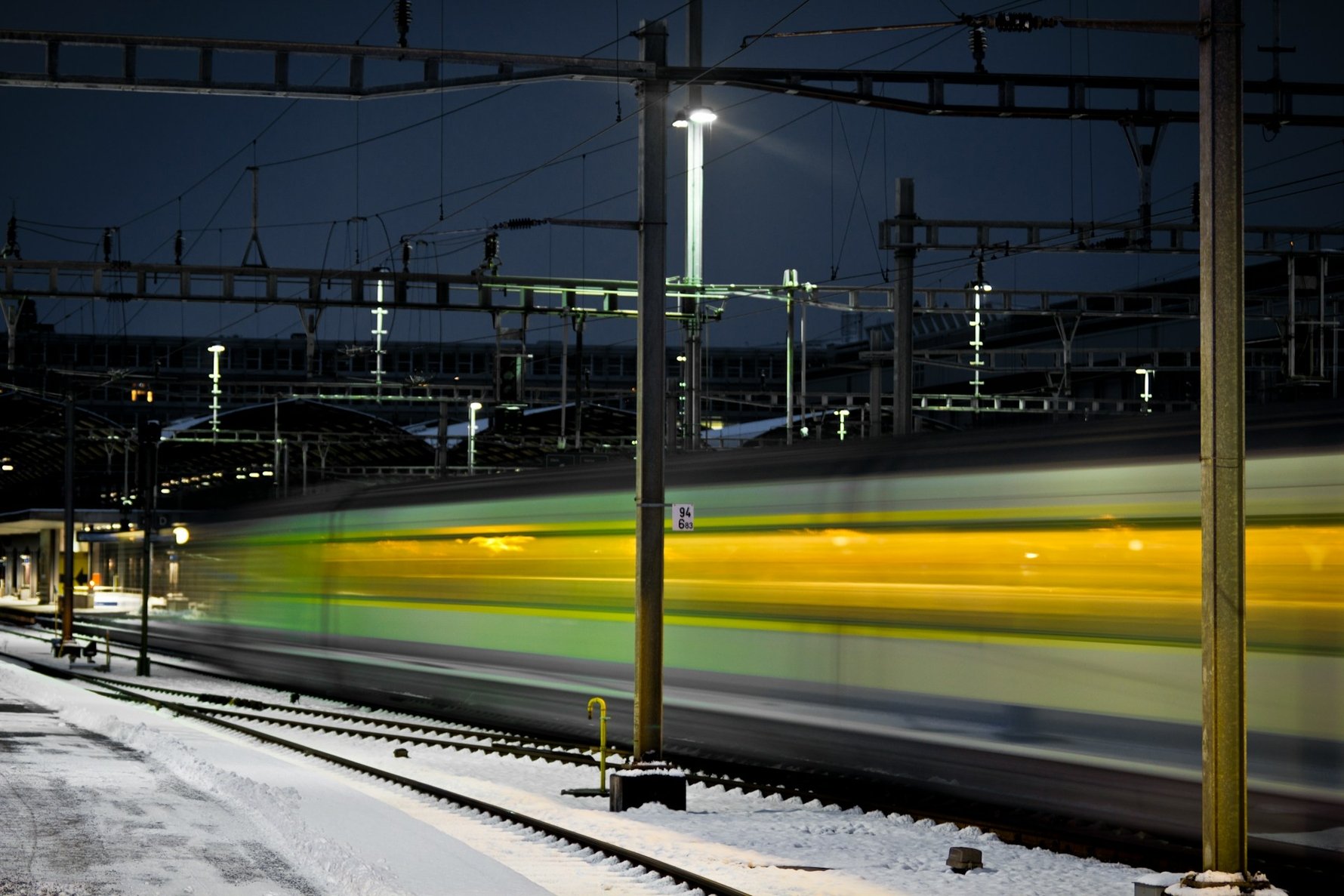
Lucerne Train Station: The Hub of Everything
Lucerne Bahnhof is the point from which everything else radiates. It stands at the northern tip of Lake Lucerne and combines the functions of an SBB rail terminal, a regional bus interchange, the departure point for lake cruises, the location of the main tourist office, and an underground shopping mall that will rescue you if you need a watch, a fondue set or a reasonably priced sandwich at any hour of the day. Luggage storage is available at the station; so is a bike rental service, which is worth knowing.Rail connections from Lucerne are excellent. Zurich is 41 to 50 minutes away by direct train, with services running every 30 minutes throughout the day. Bern takes about an hour, Basel around an hour as well, both served by hourly direct trains. Zurich Airport can be reached in just over an hour on a direct service, which makes Lucerne a very workable base for flying in and out of Switzerland without touching Zurich itself. Timetables and tickets are at sbb.ch; the SBB Mobile app will also handle this, and is considerably less stressful than a Swiss ticket machine if you are unfamiliar with zone-based fare systems.
City Buses and Trolleybuses: Getting Around Town
Within Lucerne itself, the city buses and trolleybuses operated by VBL (Verkehrsbetriebe Luzern) are the main means of motorised transport. The network runs 23 daytime routes on a mixture of conventional buses, electric trolleybuses and hybrid vehicles, connecting the station with the various corners of the city and surrounding municipalities. Services run from roughly 05:00 to 00:30; not 24 hours, but late enough that you are not marooned after dinner.The fare system is zone-based. Zone 10 covers the entire city of Lucerne, including Kriens, Emmenbrücke, Meggen and Littau, and as a visitor it is almost certainly all you will need – all the main sights fall within it, as does the bus to the valley station of the Pilatus cable car. A single ticket valid for one hour in zone 10 costs CHF 4.10; a day pass for the same zone is CHF 8.20 (half-price with a Half Fare card), which works out cheaper than two single rides and therefore represents a rare piece of Swiss pricing that works in the visitor's favour. Short-distance tickets (up to six stops) are CHF 2.50. Tickets are purchased from machines at bus stops before boarding; ticket inspectors do exist and the fine for travelling without one is CHF 90 – a sum that tends to concentrate the mind.
For late-night travel on Friday and Saturday, the Nachtstern network of night buses operates 11 routes out of the main station to the surrounding areas. These require separate tickets (CHF 7 or CHF 10 depending on route), purchased from the driver. Standard tickets and day passes are not valid, which is worth knowing before you confidently wave your day pass at the driver at 1am.
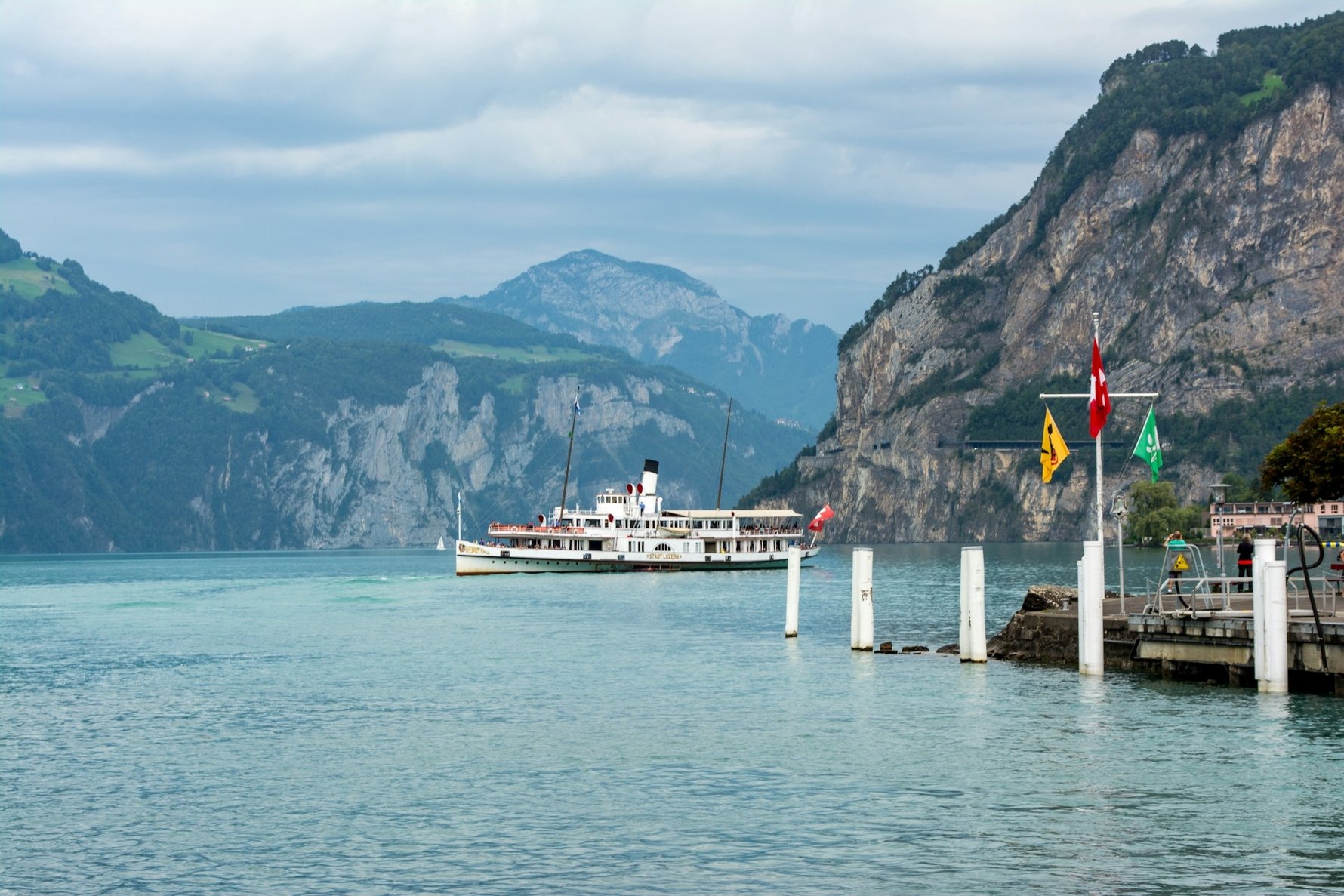
Boats on Lake Lucerne: Public Transport With Views
The Lake Lucerne Navigation Company – the Schifffahrtsgesellschaft des Vierwaldstättersees, or SGV, for those who enjoy a challenge – operates a fleet of 20 vessels including five Belle Époque paddle steamers dating from the Jugendstil era. This is public transport. You can use these boats to get from A to B in the same way you might take a bus, except that A and B are connected by 38 kilometres of fjord-like lake surrounded by the Central Swiss Alps, and the journey may involve a sit-down lunch in an onboard restaurant. The contrast with, say, the Northern Line is significant.Boats depart from the piers (Bahnhofquai) immediately beside the train station. The main destinations are Weggis, Vitznau (for the Rigi), Beckenried, Gersau, Brunnen, and Flüelen at the far southern end of the lake. The full journey from Lucerne to Flüelen takes around three hours and fifteen minutes and passes through some of the finest lake scenery in Switzerland, including Lake Uri, which narrows into something resembling a Norwegian fjord and is closely associated with William Tell – whether you believe in him or not. Services run year-round, though more frequently in summer. Up to twice per hour in peak season on the busier routes.
Boat tickets can be purchased on board or at the piers. The Swiss Travel Pass and the General Abonnement (GA travelcard) cover all scheduled SGV services for free, which makes the boats a particularly good deal for visitors already holding one of those passes. The Lucerne Travel Pass also covers them. Holders of the Swiss Half Fare card pay 50%. Children under six travel free; those aged 6 to 15 pay half price. Note that the Passepartout monthly and annual travelcards (valid on city buses) only extend to the boats on the shorter Lucerne–Weggis–Vitznau segment, not the full lake.
SBB Trains: Getting Out Into the Region
For destinations beyond the city that the boats don't reach, the Swiss Federal Railways (SBB) connect Lucerne to the wider region efficiently and frequently. The Voralpen-Express provides a scenic two-hour-fifteen-minute direct connection to St Gallen; Interlaken is reachable in around two hours and forty minutes via a change at Bern, putting the Bernese Oberland within easy day-trip range. Closer to Lucerne, local trains serve communities around the lake that are not on the main lines.Swiss trains are, as you will already know if you have been to Switzerland before, extremely punctual. A missed connection is a genuine event; trains waiting for you are not. The rule is to check the time and be on the platform a minute or two early, not because the train will leave early, but because it absolutely will leave on time.
PostBus: Into the Mountains
For anywhere the train network doesn't reach – and in the mountains, that is quite a lot of places – the Swiss PostBus fills the gap with characteristic efficiency. The yellow PostBuses serve alpine valleys and mountain villages across the region, including communities in the cantons of Obwalden and Nidwalden that would otherwise require a car. They are covered by the Swiss Travel Pass and function seamlessly as part of the broader public transport network; the SBB Journey Planner at sbb.ch routes you through them without fanfare. Timetables at postauto.ch.The Gotthard Panorama Express
Worth a separate mention is the Gotthard Panorama Express, a combined boat-and-train journey that runs between Lucerne and Lugano (or vice versa) and constitutes one of the more spectacular ways to spend a day in transit in Europe. The route begins with a boat journey from Lucerne across the full length of the lake to Flüelen, followed by a panoramic train ride through the historic Gotthard mountain railway and down into the canton of Ticino. The scenery transitions from Central Swiss Alpine to almost Mediterranean in the space of a few hours, which is one of Switzerland's more entertaining tricks. The train section is covered by the Swiss Travel Pass (with a compulsory seat reservation); check sbb.ch for the combined ticketing options.Arriving From Zurich Airport
Zurich Airport is the main international gateway for visitors to Lucerne, and the connection is straightforward. Direct trains run from the airport to Lucerne roughly every 30 minutes, with the fastest services taking just over an hour. The airport train station is located directly beneath Terminal B, accessible without going outside, which in a Swiss winter is not an irrelevant detail. Buy your ticket before boarding at the machines in the station, or via the SBB app.There is no airport of any size closer to Lucerne itself. Basel-Mulhouse is possible for those arriving from certain European destinations, but involves a longer onward journey. For most international visitors, Zurich is the answer.
Tickets, Passes and What to Buy
Switzerland's ticket ecosystem is generous in its options and occasionally bewildering in its specifics. Here is a simplified version of what visitors to Lucerne are likely to find useful.Visitor Card Lucerne – Free for anyone staying overnight at a hotel (or many other accommodations) in the city. Covers unlimited travel on buses and local trains within zone 10 for the duration of your stay. Does not include boat trips on Lake Lucerne. Also comes with discounts on mountain railways, cable cars and various attractions. Collect it from your accommodation when you check in, or ask if it hasn't appeared. It costs you nothing and is the easiest free upgrade in Switzerland.
Zone 10 Day Pass – CHF 8.20 for unlimited bus and local train travel within the city zone for a calendar day. Worth buying on days when you plan to cross the city more than twice. Available from machines at stops and the station.
Lucerne Travel Pass – Available for 3, 4, 5 or 10 consecutive days, covering trains, buses, boats on Lake Lucerne, and a substantial number of mountain railways and cable cars in the Central Switzerland region (including Pilatus and Rigi). The successor to the long-running Tell Pass. Good value if you are based in Lucerne for several days and planning multiple mountain or lake excursions. Available at the tourist office in the station and online at lucernetravelpass.ch.
Swiss Travel Pass – The national option, available for 3, 4, 6, 8 or 15 consecutive days. Covers all SBB trains, PostBuses, city buses, and scheduled lake boats across the entire country, plus free admission to over 500 museums and 50% off many mountain railways. If you are spending time in multiple Swiss cities or regions, this is almost certainly better value than buying individual tickets. Children aged 6 to 15 travel free with the Swiss Family Card when accompanying a parent. Available from the tourist office at Lucerne station and at any staffed SBB ticket counter.
Swiss Half Fare Card – A one-month pass for CHF 120 that gives 50% off virtually all public transport in Switzerland. Not useful for a short stay, but worth knowing about if you are spending extended time in the country.
All tickets within the Passepartout zone system (city buses and local trains) can be purchased at machines at stops, at the station, or via the SBB app. The machines default to the cheapest applicable fare; if you somehow spend more by buying a single than a day pass would cost, the machine will charge you the day pass rate instead, which is the sort of consumer-friendly design decision that Switzerland occasionally gets credit for.


Comments