This In Your Pocket Guide is available as

Bookmark and Share

Lodz | Sightseeing | Monuments

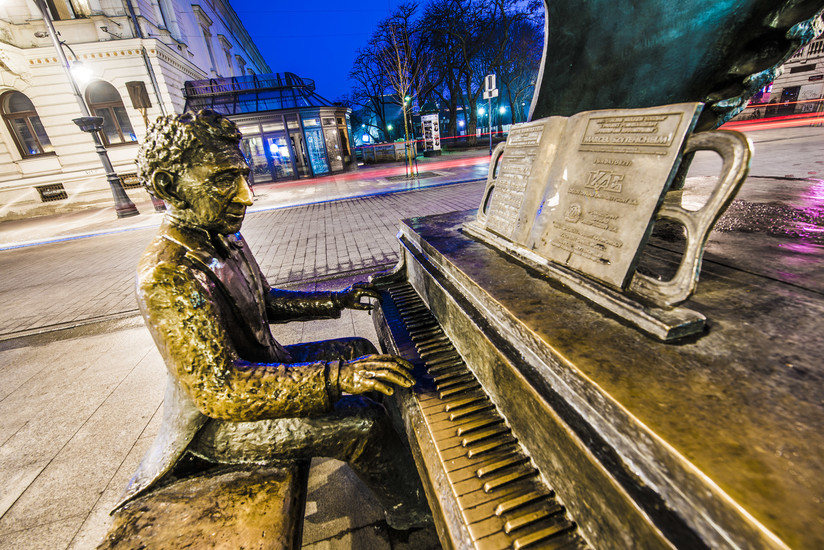
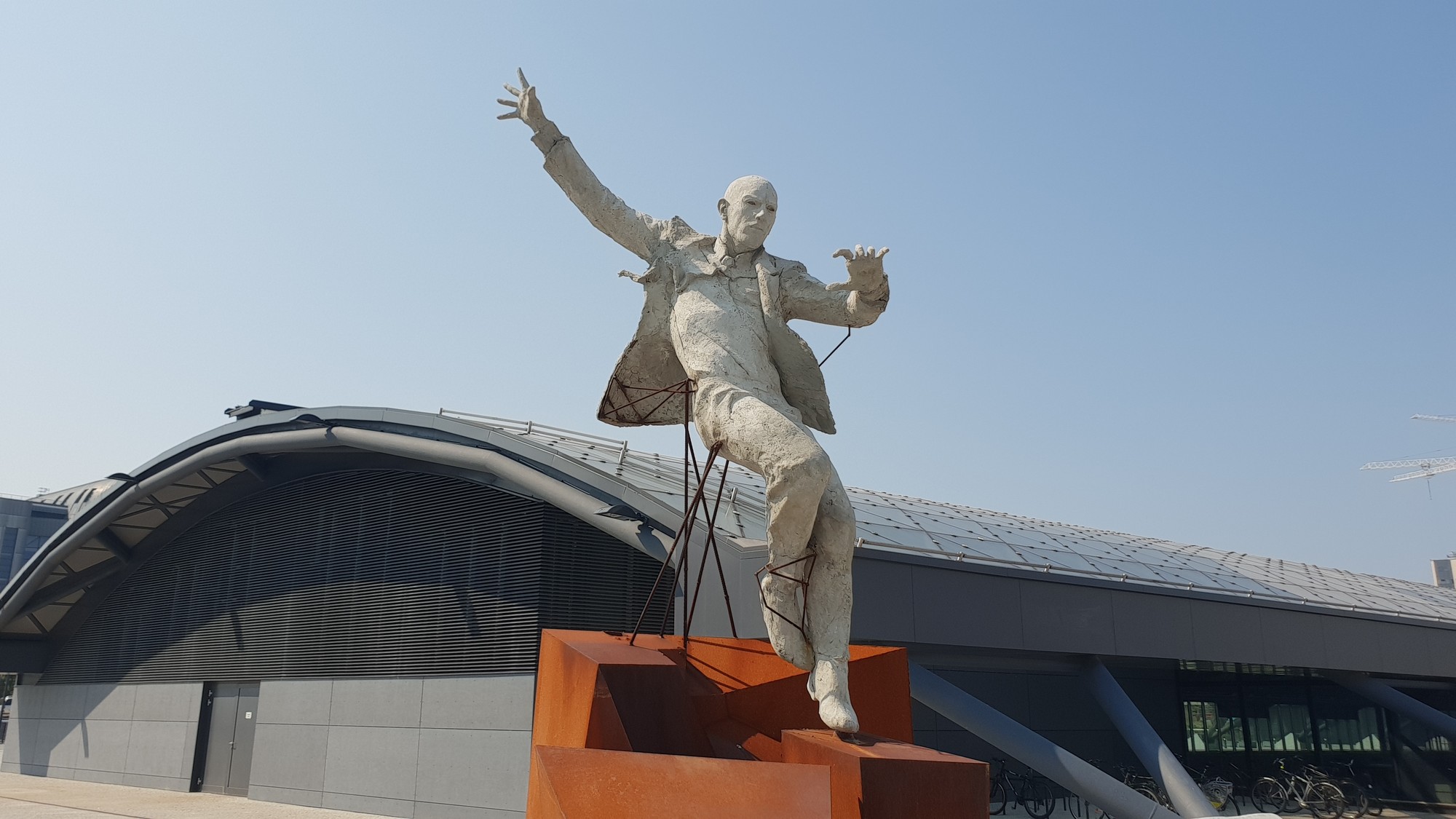
Szytenchelm’s idea of adding Julian Tuwim to Piotrkowska proved so popular he expanded on it, adding the figure of Rubinstein to Piotrkowska 78 a year later. Weighing one ton, and depicting the pianist dwarfed behind a winged piano, the sculpture created a storm. A music box was part of the parcel, with the insertion of a two złoty coin allowing visitors to choose a piano tune which would then be played. The tourists loved it, the critics hated it – not to say the residents who lived directly above the incessant fairground noise. Local art figures slammed the installation, citing amateur workmanship and shoddy proportions. Ewa Rubinstein, the pianist’s daughter, threw her toys right out of the pram, and at one stage threatened to boycott the city unless the statue was removed. Moved to voice her anger to the President and Prime Minister she was eventually placated by the removal of the music box, though rumours persist of the statues impending demise.
So what of the man it depicts. Born in Łódź in 1887 the dapper Jewish pianist Arthur Rubinstein stands out as one of the finest musicians of the 20th century. Like professional spod Albert Einstein, the young Rubenstein did not start speaking until he was three years old, choosing instead to communicate via non-speech sounds such as grunts and squeaks – apparently one of the traits associated with genius. He made his debut in Berlin in 1900 and spent much of his life touring the world and dazzling audiences, settling in London during WWI and then going even further, to the USA, when WWII kicked off. Although he toured extensively the annihilation of much of his family in the Holocaust prompted him to promise to never again perform on German soil. He continued to play up until 1976 when failing eyesight forced him into retirement, though his ailing health did little to stop the silvery lothario from leaving his longstanding wife for the arms of a younger woman. He finally passed away in 1982 with his ashes scattered in Israel in a forest named in his honour. His fleeting presence in Łódź is honoured by a bronze statue of him that stands outside the house he was born in.
[...]


Add your comment

ul. Piotrkowska 78

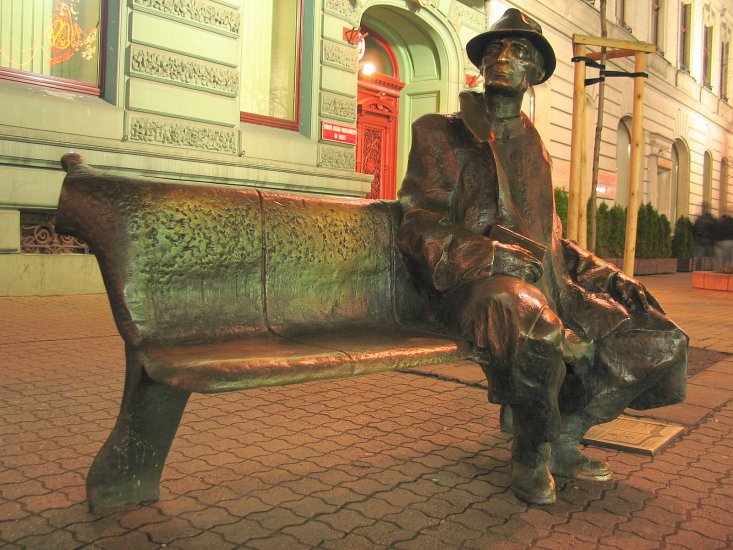
Unveiled on June 10, 2006 here’s yet another work from the hand of Marcel Szytenchelm. Melded from bronze this number depicts Stefan Jaracz (1883-1945), a distinguished star of the Polish stage. For years he served Warsaw’s Ateneum Theatre as director, as well as being a bit of a name in the theatres of Łódź. He survived wartime imprisonment in Auschwitz only to die months after liberation in 1945. This monument sees our man sat on a theatre chair, with three vacant spots next to him for the benefit of those who’ve just trekked it up Piotrkowska.
[...]


Add your comment

ul. Piotrkowska 152

Łódź-born Julian Tuwim (1894 - 1953) was a Jewish writer and poet who studied law and philosophy at Warsaw University and was the co-founder and leader of the Skamander group in 1919. A major figure in Polish literature, best remembered for his contribution to children's literature, Wojciech Gryniewicz’s comical statue dates from 1999, and was based on a design by Marcel Sztenchelm - it was to be the first of many statues of eminent citizens to be unveiled on Piotrkowska. A favourite meeting spot, children like to sit on his lap and it’s considered good luck for lovers to rub his nose. [...]


Add your comment

ul. Piotrkowska 104

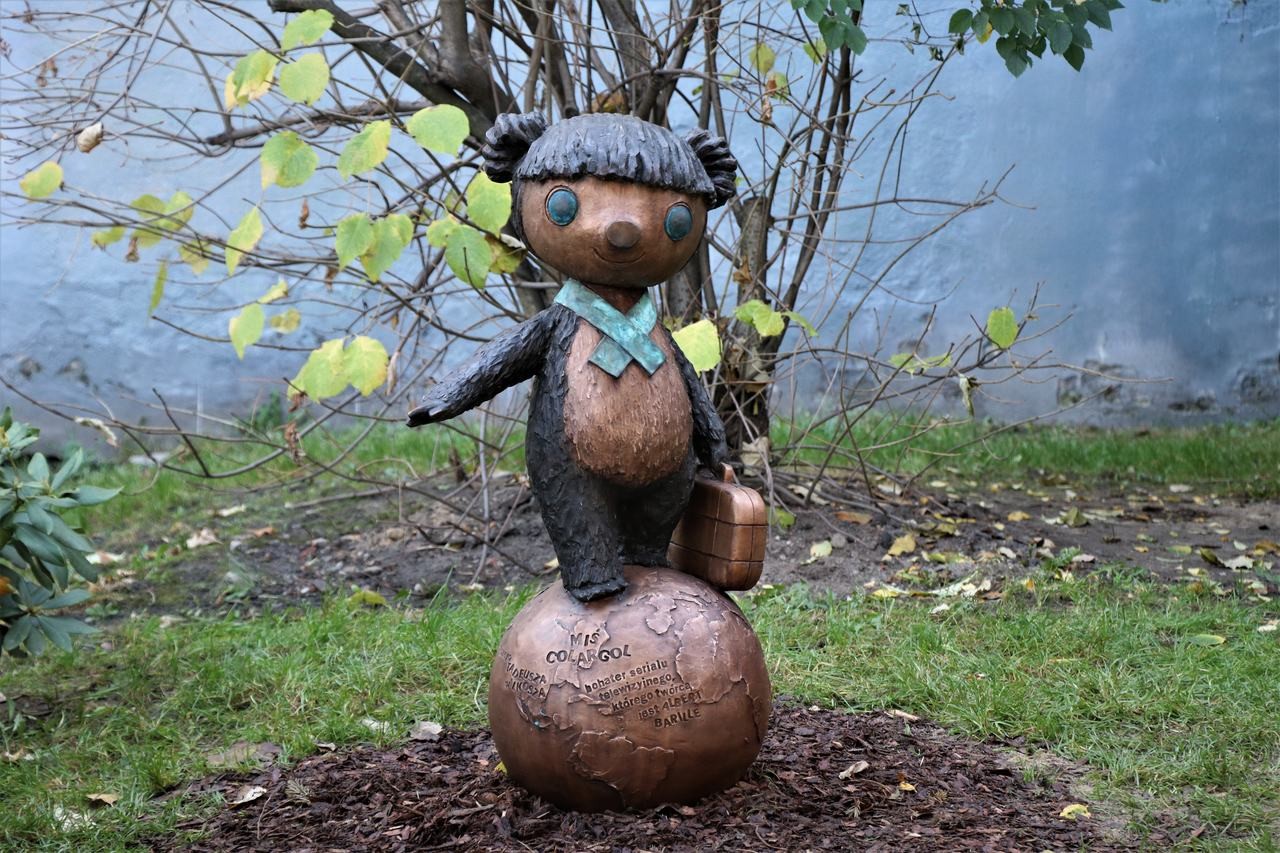
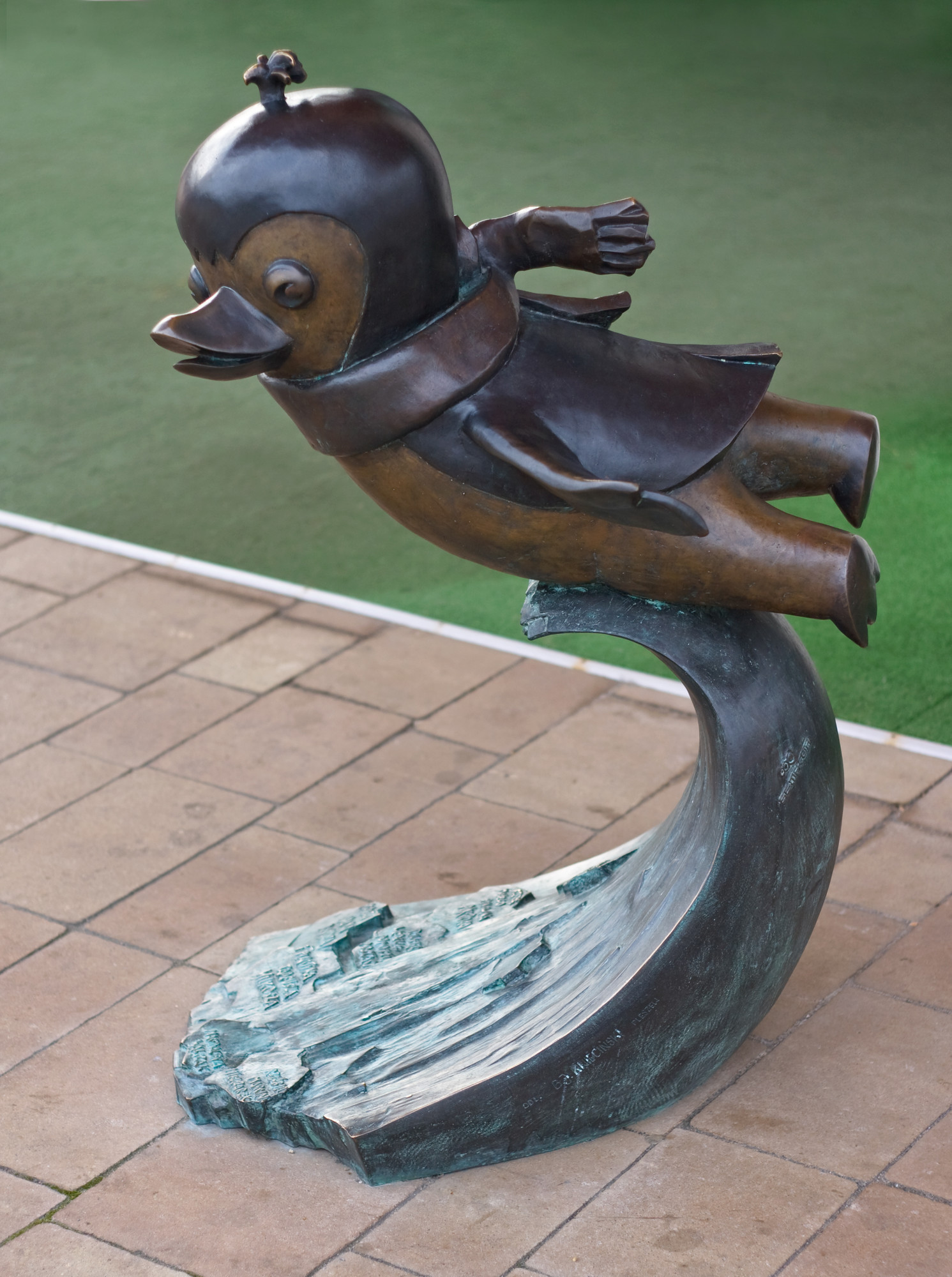
What started off as a novelty has now turned into a downright obsession with monuments. One of the latest to appear on the streets is a one metre, sixty kilo bronze bear. Unveiled on October 24, 2009, this little fella is Miś Uszatek, a fictional bear whose been entertaining Polish kids si [...]


Add your comment

ul. Piotrkowska 87

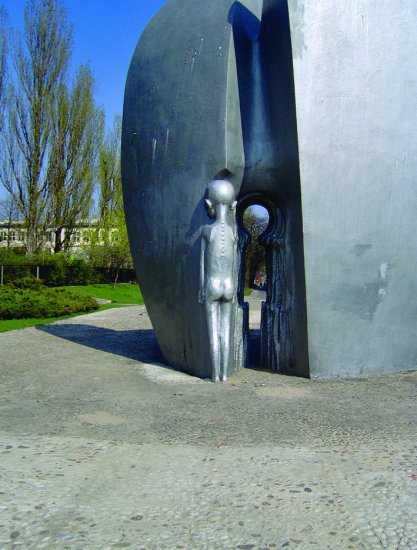
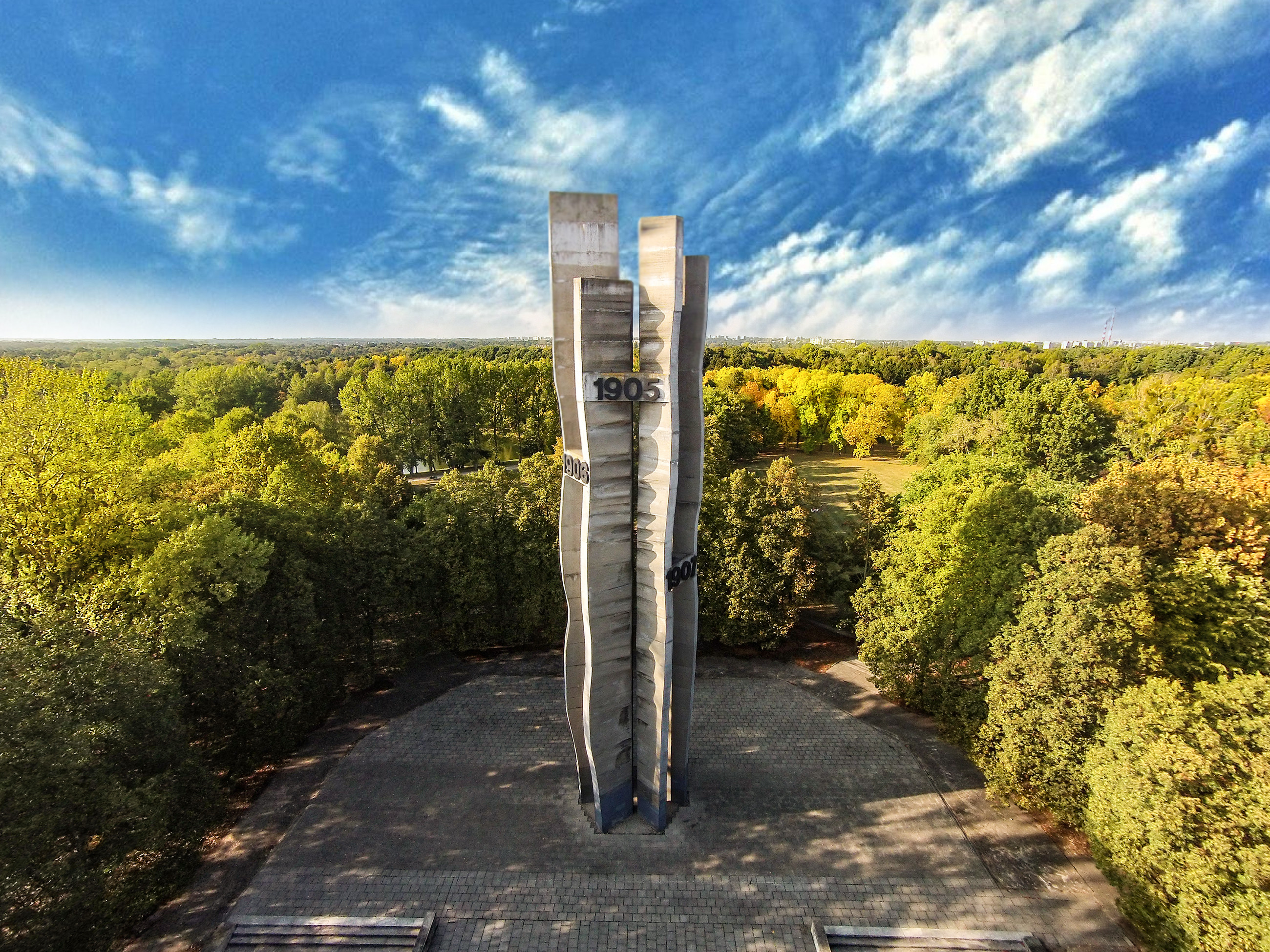
Designed by Franciszek Karpiński this statue is typical of 70s Polish art, and commemorates the 1905 industrial insurrection against Imperial Russia. Down with the bourgeois pigs etc. Read more about the doomed rebellion in our box on the 1905 Revolution.  [...]


Add your comment

Park Piłsudskiego (Polesie)

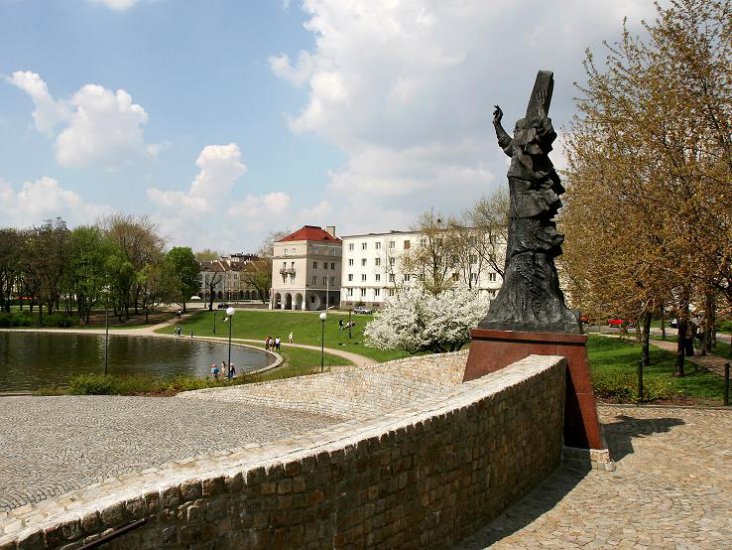
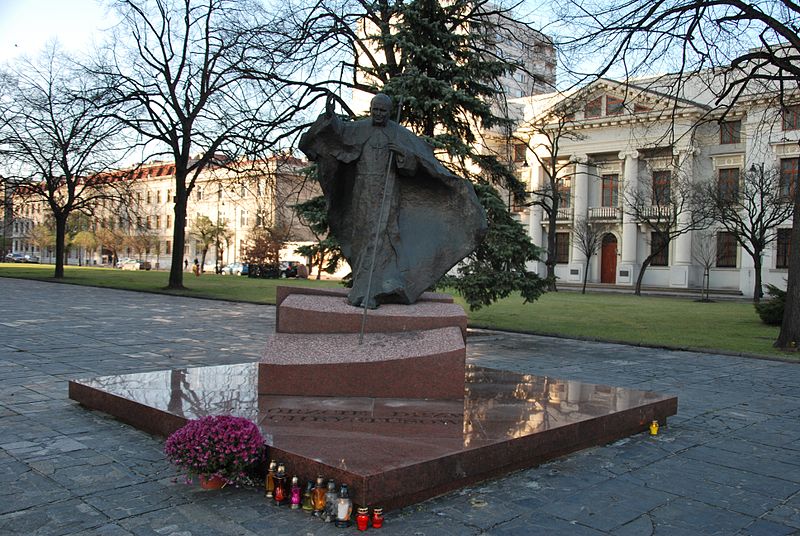
Unveiled on June 4, 2000 to coincide with the two thousand years of Christianity celebrations and 80 years of the Łódź diocese, Krystyna Fałdyga-Solska’s 2.2m bronze and granite sculpture shows John Paul II as a much younger man, a deliberate illusion referring to his visit to the city in 1987. The three granite blocks he’s standing on symbolise the three millennia between ourselves and the birth of Christ. [...]


Add your comment

Pl. Katedralny im. Jana Pawła II

Dominating the north end of Piotrkowska stand the towering figure of Poland’s most celebrated revolutionary. As the driving force behind the 1794 insurrection against foreign rule Tadeusz Kościuszko's finest moment came in the Battle of Racławica where his band of peasant soldiers scored a historic win over the Russian army. His life also saw him fight with distinction in the American War of Independence, and his work on American fortifications made a significant contribution to victories over the British at Saratoga and Ticonderoga. The statue, designed by Mieczysław Lubelski was erected in 1930, but was demolished in 1939 by occupying Wehrmacht forces. It was rebuilt in 1960. [...]


Add your comment

Pl. Wolności

Appearing in September 2007 Marcel Szytenchelm’s latest creation is the rather curious figure of a bloke climbing a ladder to fit a bulb onto a streetlight. Weighing more than a tonne the monument was unveiled to coincide with the 100th anniversary of the first electric streetlight to appear [...]


Add your comment

ul. Piotrkowska 37

Łódź is generally believed to be the creation of three visionary industrialists, celebrated here in a bronze statue dating from 2002. The three men in question are the Jewish philanthropist and industrialist Israel Poznański (1833-1900), Henryk Grohman (1862-1939), industrialist and patron of the arts and Karol Schreiber, creator of the city’s extraordinary Księży Młyn. [...]


Add your comment

ul. Piotrkowska 32

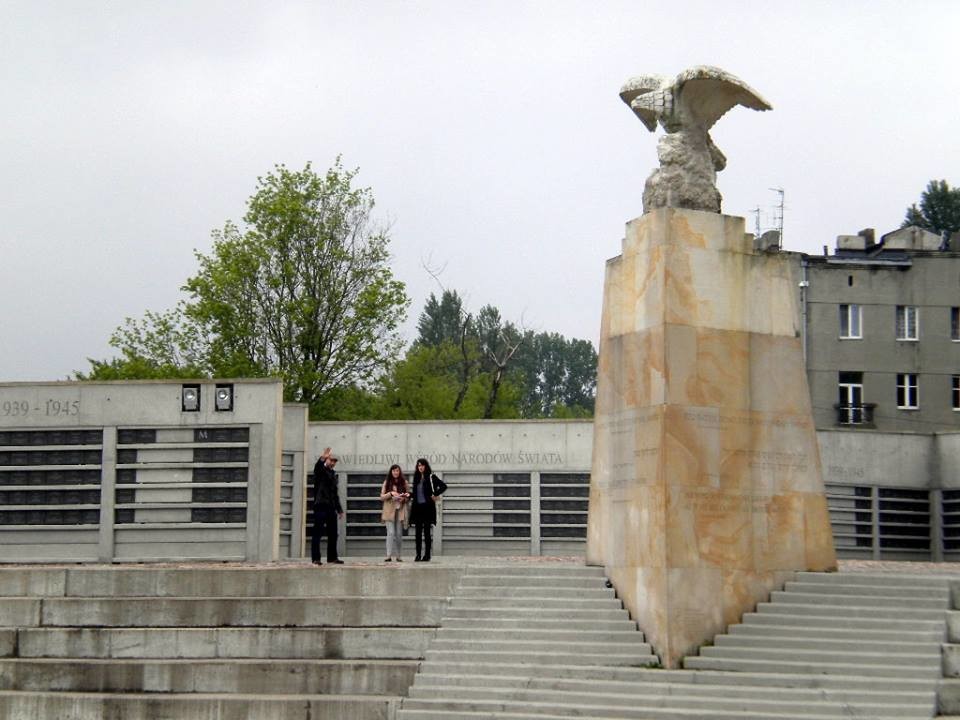
Idiotic monuments have become de rigeur in Łódź, so here’s one that actually merits it’s existence. Unveiled on December 12, 2009, and depicting a Polish eagle rising proudly above a set of bars, this 550,000 złoty monument is dedicated to all those who d [...]


Add your comment

al. Karola Anstadta

Polish writer and winner of the Nobel Prize for Literature in 1924. Brought up in the town of Tuszyn, close to Łódź, his early life proved inauspicious, with his only formal certificate of education being a qualification as a journeyman tailor. Refusing to make use of such a skill he ran away from home to join a traveling theatre, though financial practicalities forced him to return to his family where he worked for a while as a gateman at the railway crossing near Koluszki. The job failed to grasp his imagination and he worked for a while as a medium alongside a German spiritualist, before once again joining a theatre group. The publication of his work Korespondencje in 1892 saw another career turn and he traveled to Warsaw to pursue a life of writing. Over the following years he became one of Poland’s most prolific and admired writers, and his book Chłopi beat the likes of Mann, Hardy and Gorky to claim the Nobel Prize. Like his book Ziemia Obiecana, Chłopi is a moral tale presented to a background of gritty, industrial-age Łódź. He died the following year in 1925.
The statue you see is yet another work credited to the prolific hand of Marcel Szytenchelm and was unveiled in 2001.
[...]


Add your comment

ul. Piotrkowska 137