





Visiting the Wrocław University Museum
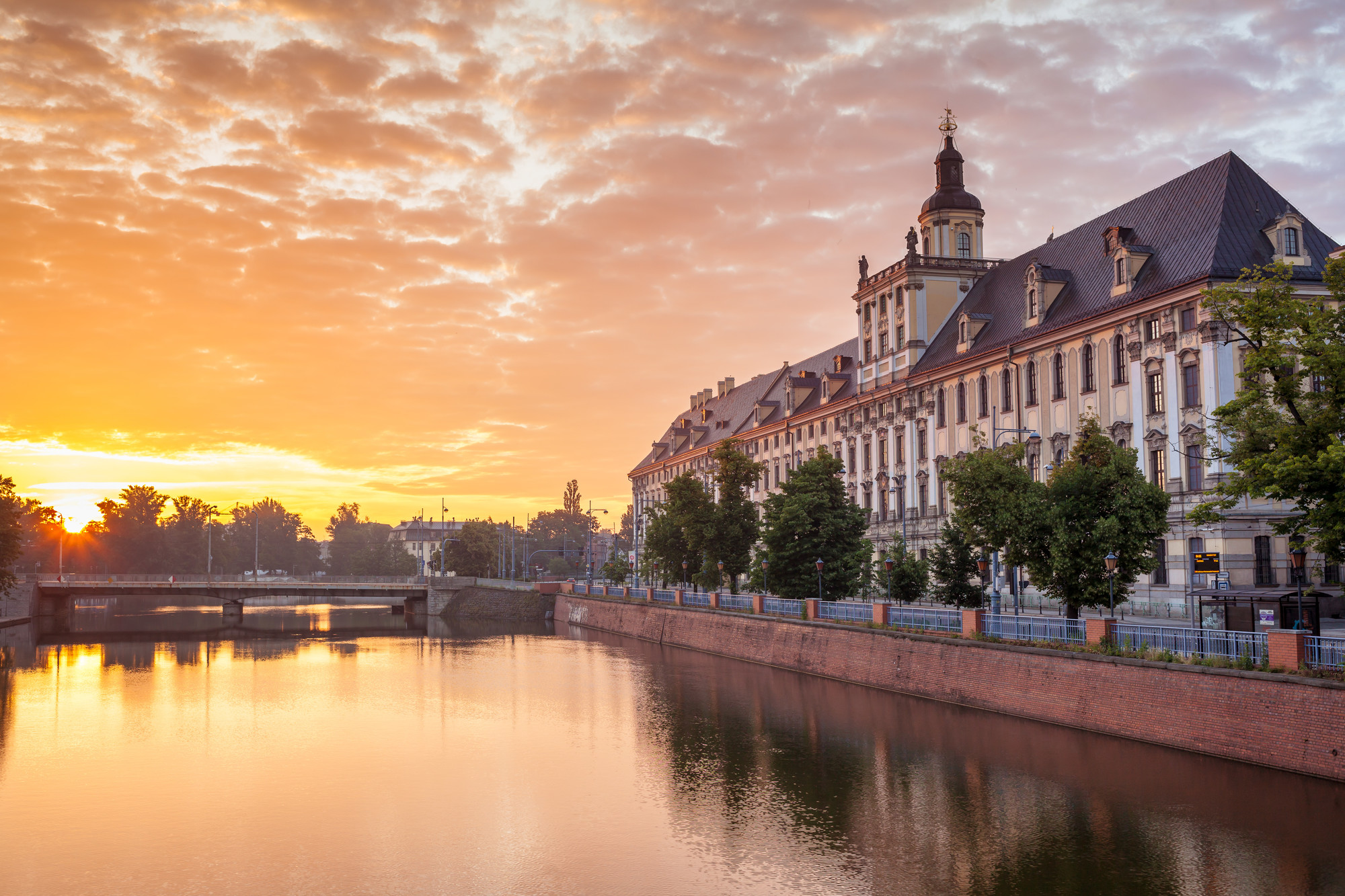
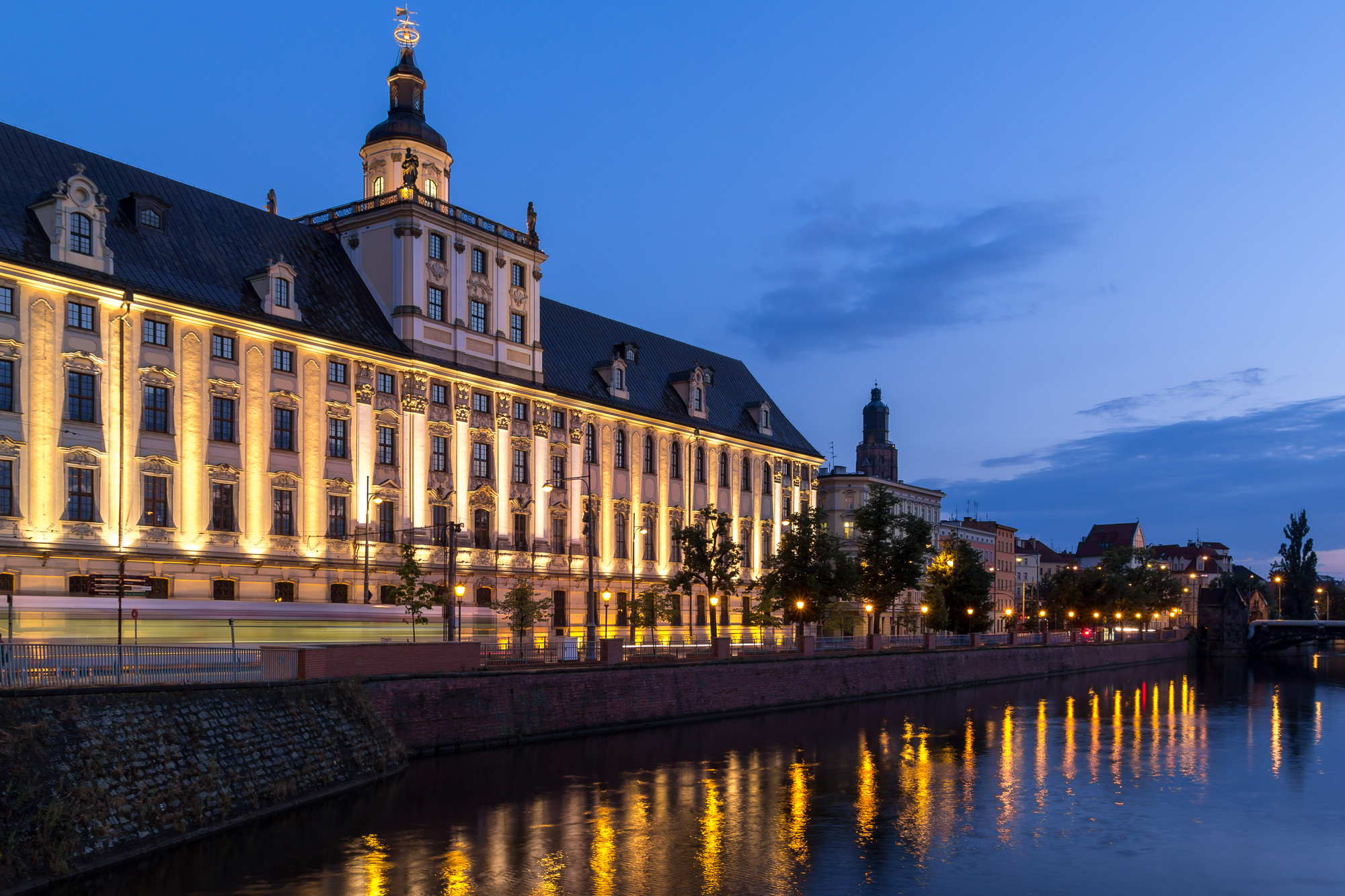
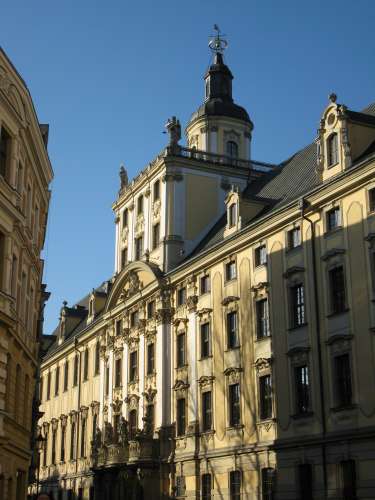
Despite its ongoing functions as an academic institution, the main university building is open to tourists who troop in and out primarily to take photos of the grand Baroque interiors. Various tickets are available, giving you access to 2-4 rooms (16/12-20/16zł, your choice), and all of the rooms are equipped with free audioguides in English, Polish, German, Russian, Czech, Spanish, and Italian. We recommend you just go crazy and pay that extra 2zł for all four rooms to avoid any later confusion and consternation.Highlights of the Wrocław University Museum
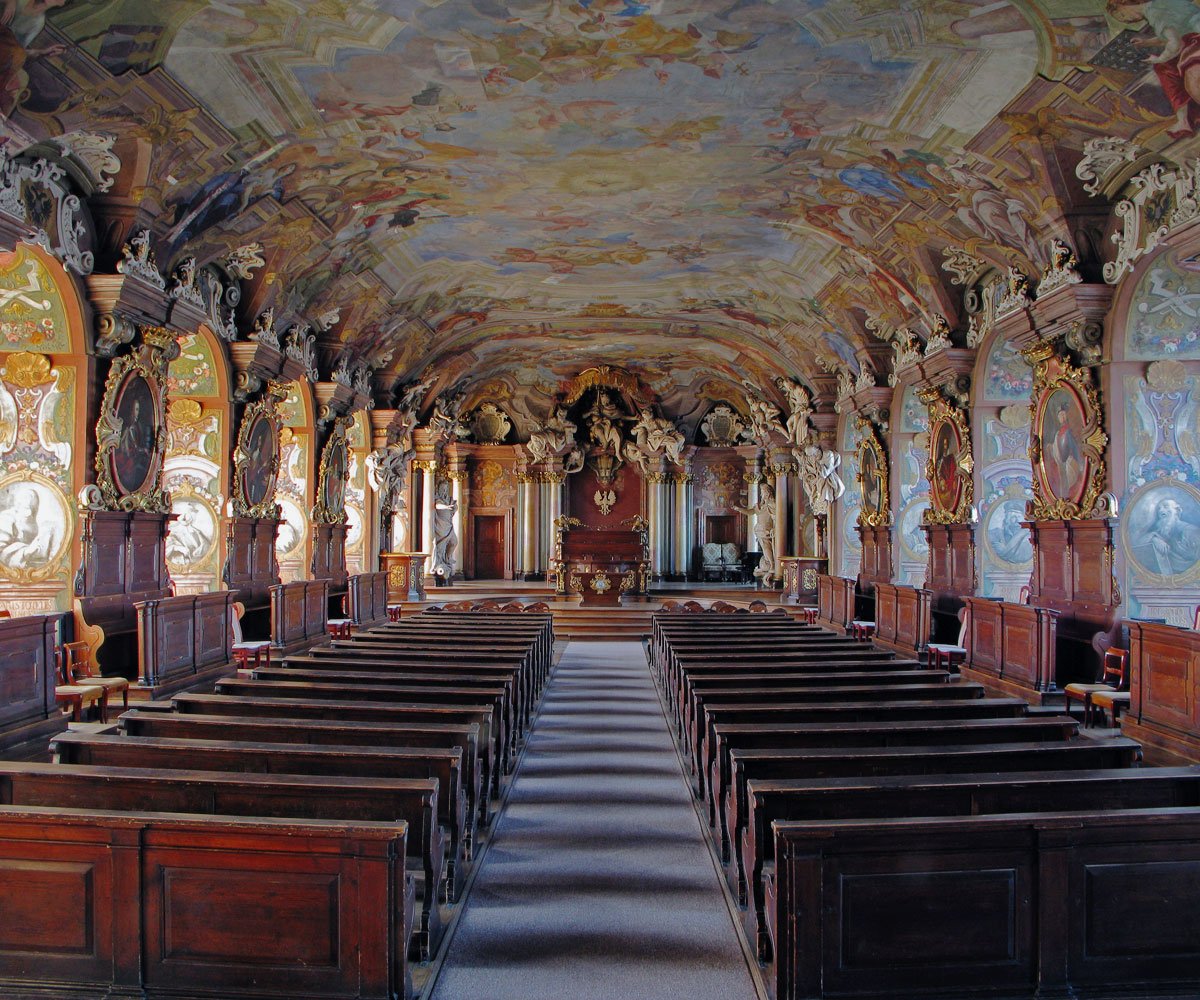
Disregarding (not that you should) the exhibition halls which trace the 300+ years of the University's politics and achievements, the first of the University Museum's three main highlights is undoubtedly 'Aula Leopoldina' (Leopoldin Hall). In true Baroque style, the ceremonial hall is a virtual explosion of cherubs and swag. The painting on the ceiling depicts the apotheosis of God's wisdom - reflecting the religious and academic mission of this room and the Jesuits. The portraits ringing the walls depict the founding fathers of the University. Some years ago four of them were stolen and two have yet to be returned.
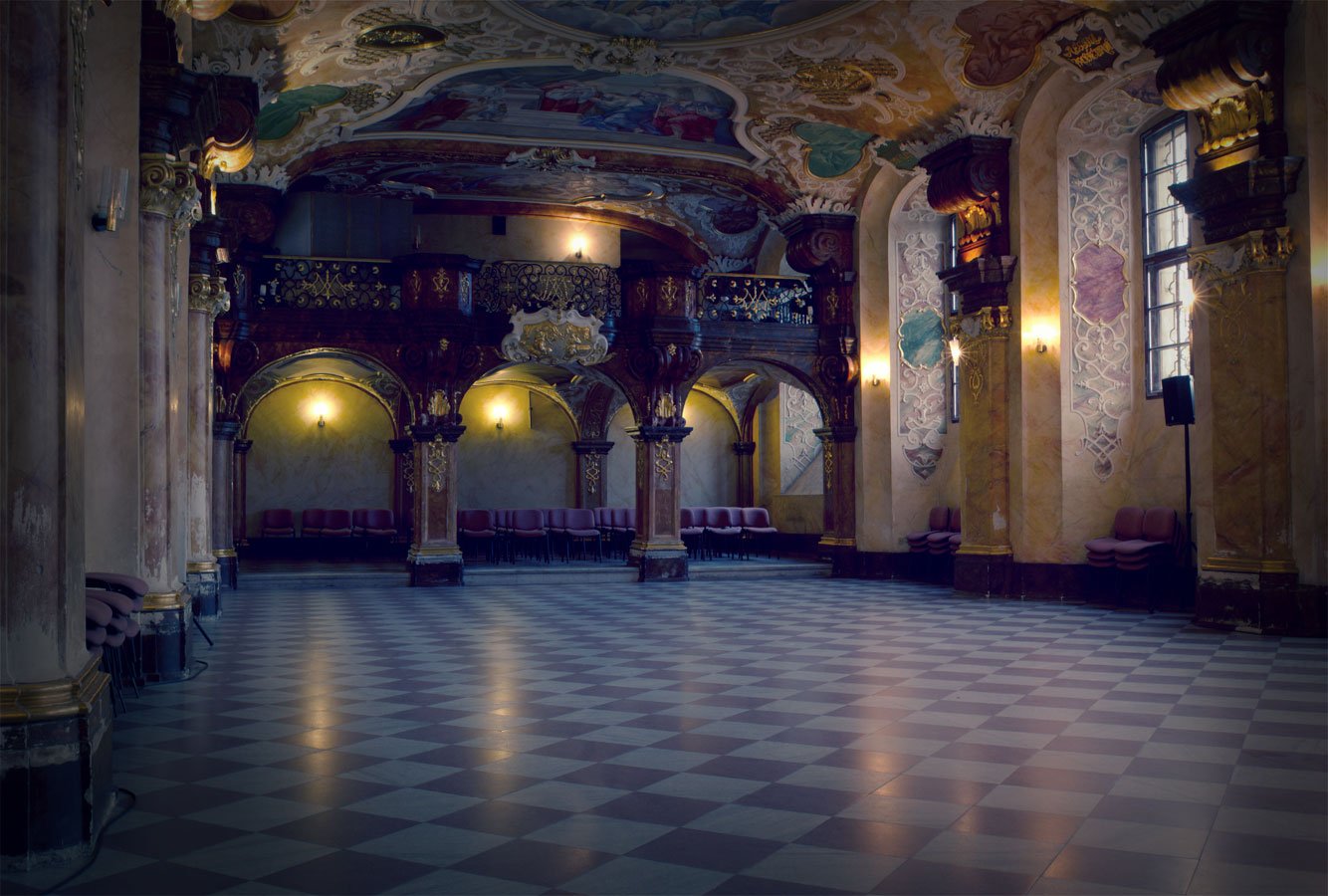
The second highlight is the recently restored Marianum Oratorium (Marian Oratory). Rich in Baroque frescos and stuccoed decoration, the Oratorium dates back to 1733, and, alongside the Aula Leopoldina and now lost Auditorium Comicum (theatre room), was among the most famous interiors of the University. One of the finest music halls in 19th century Breslau, the Oratorium was devastated during WWII and only recreated in the late 1990s. With the ceiling frescos finally restored in 2014, it has only recently been restored to former glory.
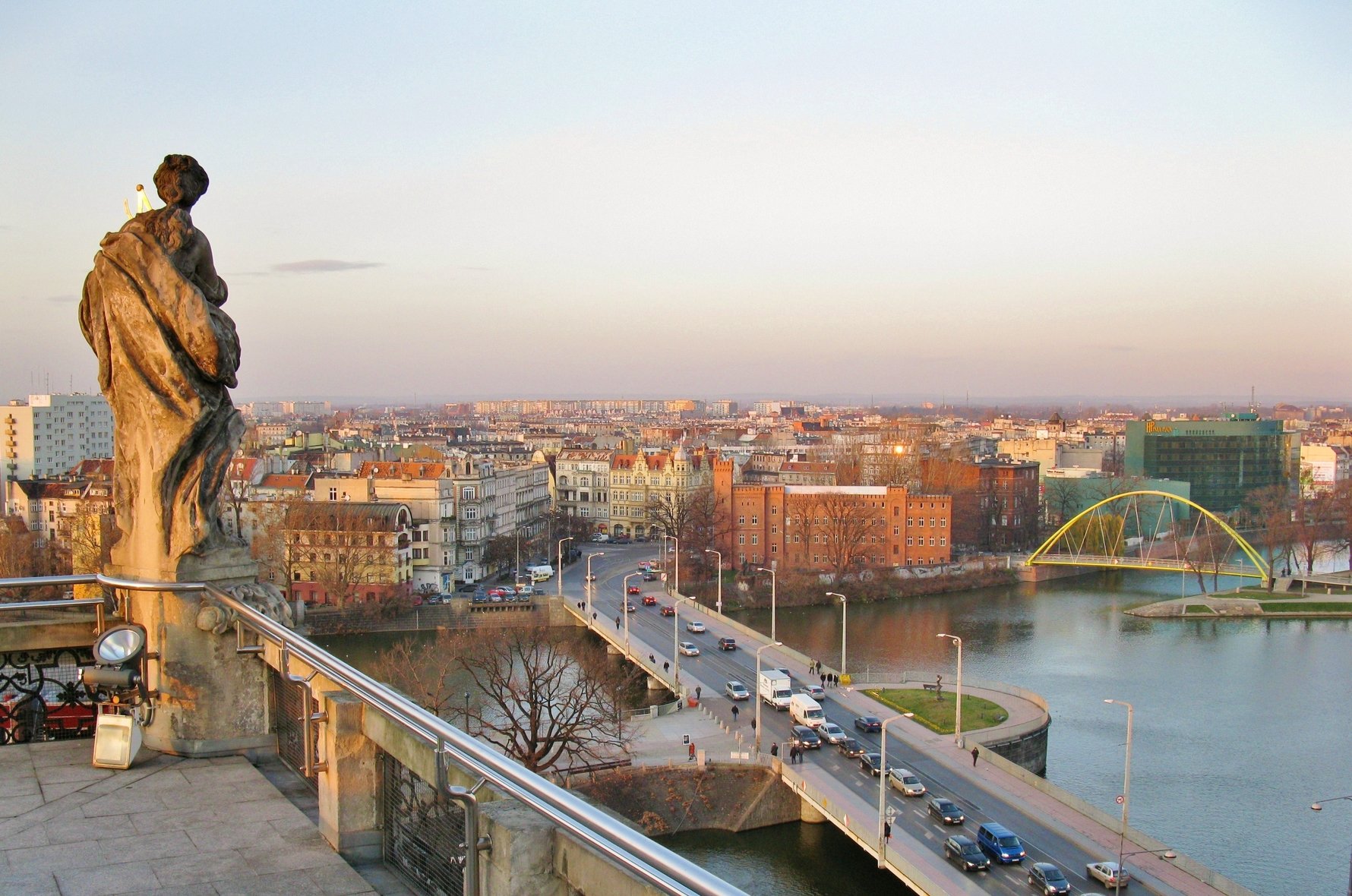
Finally, winding upstairs past a line in the floor demarcating the 51st parallel - which runs right through the building - your visit to the museum ends on the terrace of the university's 'Mathematical Tower' which affords great photo opportunities and panoramic views of the Old Town and Odra River.
Comments
Gerda Van meter
think it was wonderful to travel back in time. At one time,from 1926 until Jan.25th 1945 it wasmy Home.