

Religious ice swimming
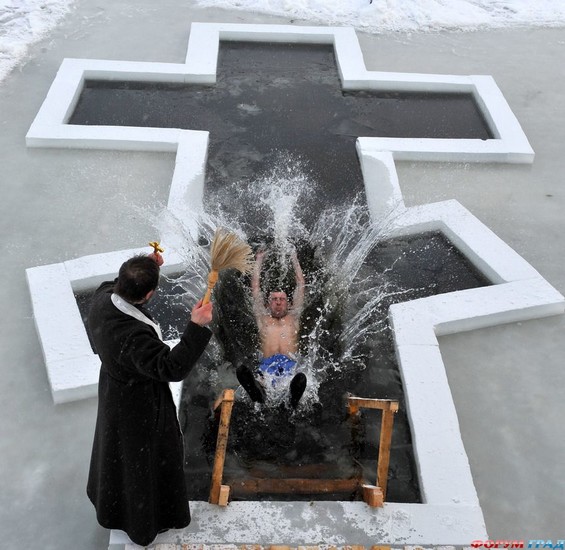
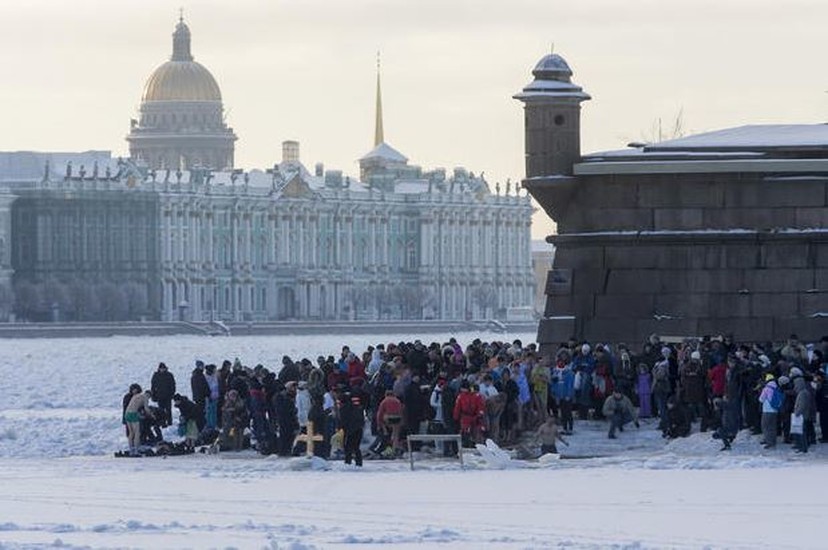
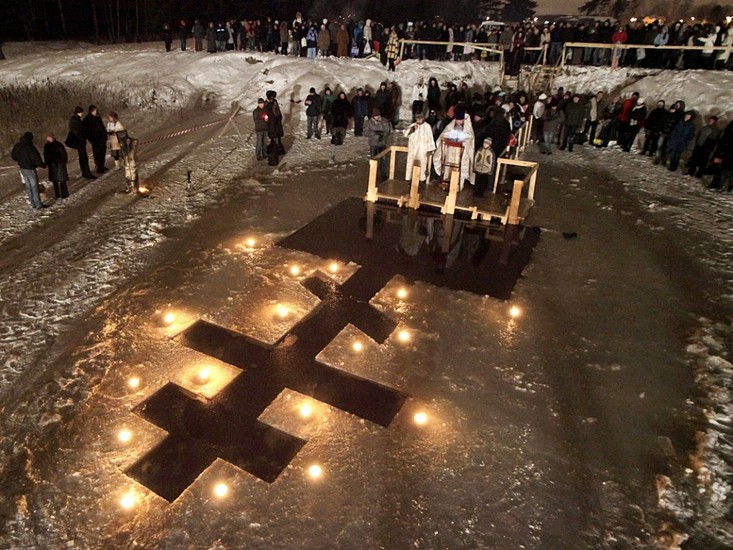
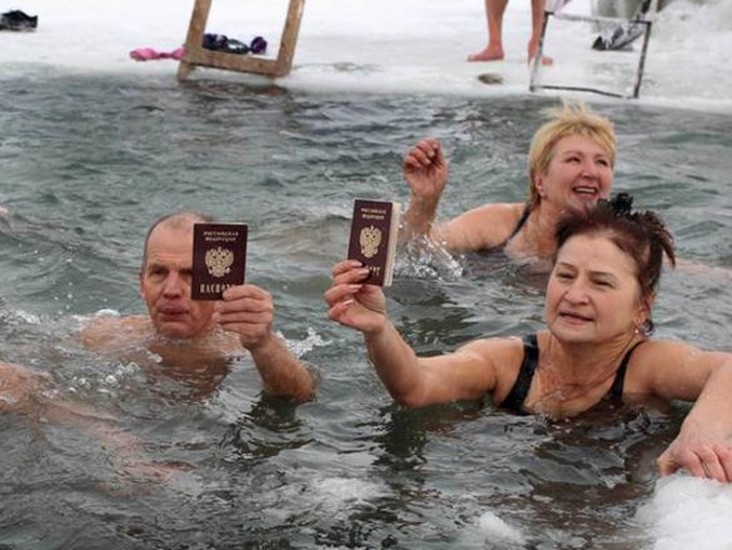
Ice swimming has been practiced in Russia for centuries and some historians suggest that the practice was a popular pagan tradition. The most common form of ice swimming however, is the religious ice baptism. Every year on the Epiphany (19 January in Russia) Russian Orthodox believers are plunged into a blessed section of frozen water three times in remembrance of Jesus’ baptism in the river Jordan by John the Baptist. It is also believed that being submerged into the water on this day will cleanse the body's sins and ensure a healthy year.This icy baptism was once a very popular practice for the devout, even the Tsars used to take part, traipsing down from the Winter Palace in St. Petersburg every year to their own personal prorub, or ice hole in the nearby Neva river. During the time of communism the tradition all but disappeared with the rest of public religious practice, but in recent years this way of marking the Kreschenie (Epiphany) has again become popular. In recent years more than 30,000 thousand people in Moscow alone took the plunge.
Russian walruses
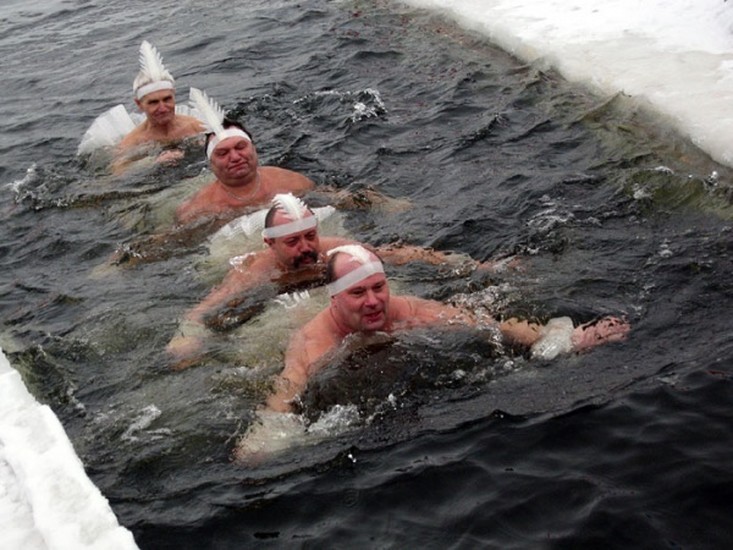
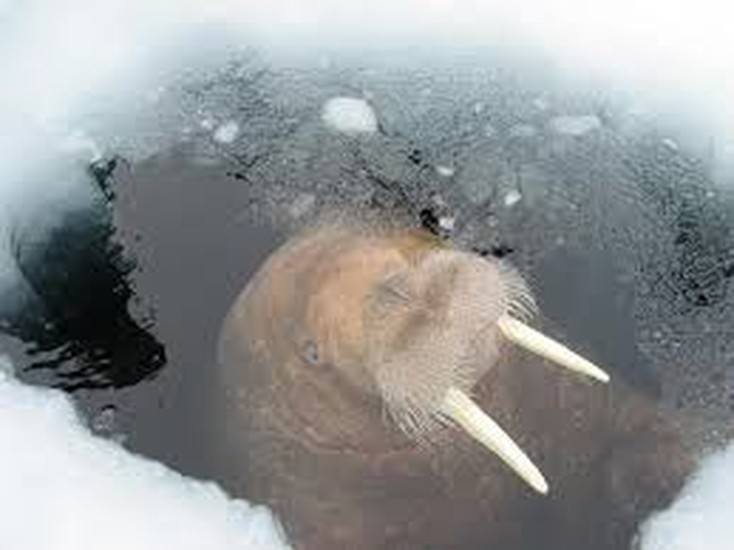
However, it is not only the religious jumping into freezing water. We previously mentioned the morzh or walruses whose numbers are increasing every year and are not exclusively religious. These Russian ice-swimmers simply believe in the health benefits of ice-swimming and can be found splashing about every week at their local morzh club.In Moscow one of the largest morzh clubs in the country likes to meet at the lakes of Serebranny bor. Here old women, young men and even children can all be seen taking the plunge, which is said to be a good way to cure depression, improve circulation and generally strengthen the body’s immune system. Currently their oldest swimmer is an 86 year old woman who says she’s never felt better and the youngest swimmers they’ve had haven’t even grown their first teeth yet! In St. Petersburg enthusiastic ice swimmers can often be spotted bathing the neva close to the walls of the Peter and Paul Fortress.
How to ice swim
The main thing to remember when ice swimming is that unless you are a very experienced 'walrus' more than 3 minutes spent in the water will prove extremely dangerous or even life-threatening for the body. Body heat is lost 25 times faster in water than in air and it is largely the body’s increased adrenaline which keeps it functioning during the plunge into cold water. Rapid cooling of the skin triggers various heart and breathing responses, usually manifesting in gasping and an increased heart rate.During a dunk under, the heart rate can increase by 50% and blood pressure increase can rise to around 175/93. Although a substantial strain on the heart, these changes are not likely to be a problem for a healthy, fit person but may be dangerous for those with underlying heart disease or hypertension.
The second thing to remember is to be prepared. First time swimmers should only go along with experienced ice-swimmers who can pull you out after and offer advice to help you enjoy the experience more. Absolutely no alcohol should be drunk before hand - it increases the chances of hyperthermia, and warm clothing should only be removed at the last moments and kept to hand to immediately dry the water off afterwards.



Comments