Co. Galway
When
Oliver Cromwell gave Irish people the ultimatum ‘To Hell or to Connacht’ it was with heavy hearts that they set out for Ireland’s west coast. In the intervening 400 years opinions have changed and the west is now one of Ireland’s most beloved locations.
The region has maintained many Irish traditions and it is celebrated for its large
Gaeltachts (Irish speaking districts) such as
Spiddal and
Carraroe.
Galway is the largest county in Connacht and home to Ireland’s third largest city, making it a perfect mix of rural relaxation and urban entertainment.
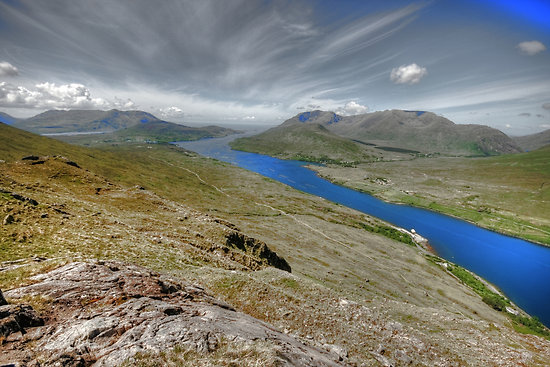
Lough Corrib splits the county in two, with the rugged, harsh and awe-inspiring
Connemara to the west and luscious pastoral land on the east.
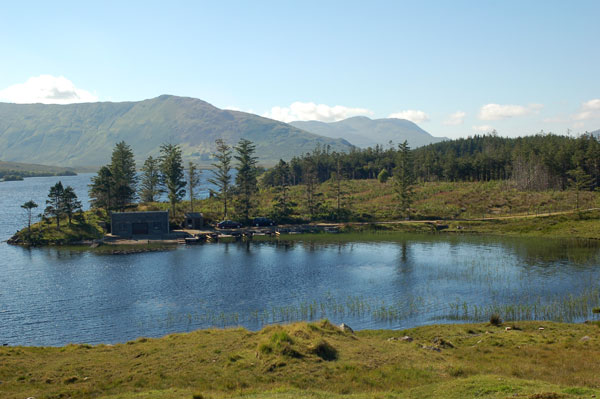
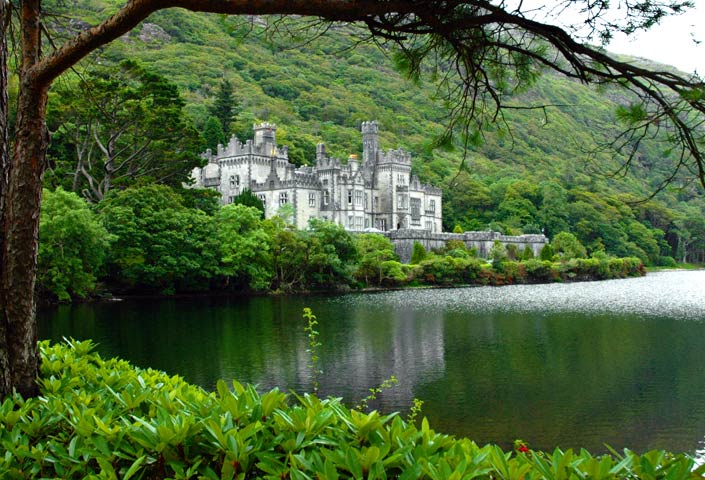
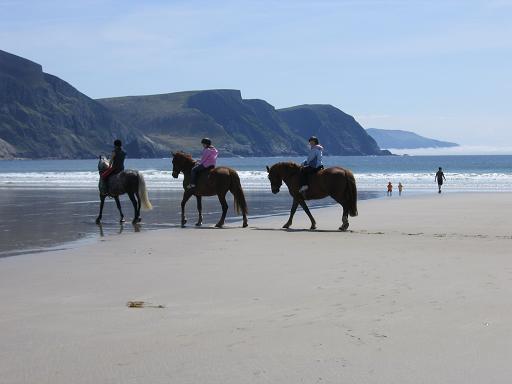
The Connemara region of Galway is one of the most beautiful and unspoiled areas in Ireland. Its wildness and solitude are a reminder of an Ireland long since past. Visit at different times of the year and enjoy its rugged beauty, from the moss-covered rocks to the summer wild flowers.
Clifden, the largest town in Connemara, is surrounded by the magnificent
Twelve Pins Mountains. The area has a great tradition in pony breeding and is host to the
Connemara Pony Show in August.
From Connemara set sail to the
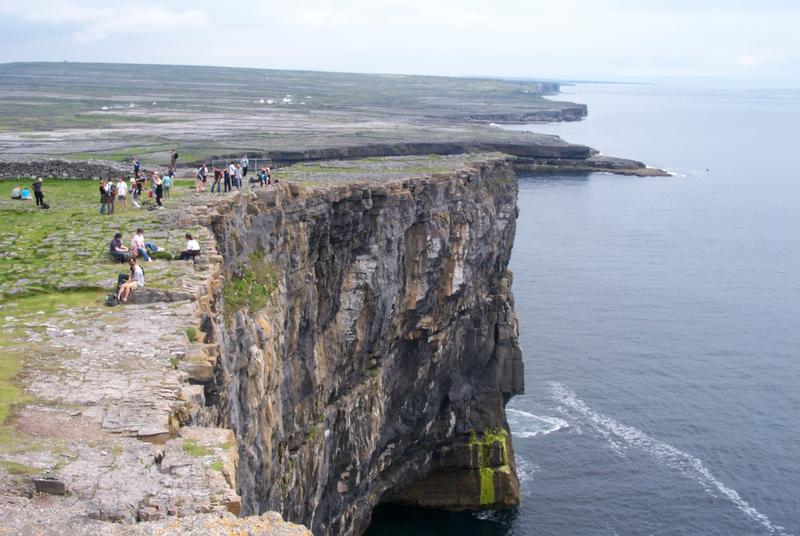
Aran Islands, a bastion of survival in the harsh Atlantic Ocean. The three limestone islands, which were once part of the
Burren in Co. Clare, were initially sparsely populated and largely cut-off from the mainland, but now you can sail or fly over for a day or more. When there, the tradition is to rent a bicycle and set out for
Dun Aonghasa (pic), a prehistoric stone fort built on the 300ft cliff edge of
Inish Mor (Big Island). And when you make your way back you can grab a bite and soak up the atmosphere of
Kilronan village before heading back to the mainland.
Galway city is lively and vivacious. It has developed into a great cultural venue hosting festivals such as: the
Galway Arts Festival (July), Galway Race Summer Festival (Jul/Aug), Galway International Oyster Festival (Sep), Galway Jazz Festival (Nov) and many more.
For most visitors to the city
Eyre Square will be your first view of Galway as Galway’s train and bus stations surround it. On sunny days join the locals as they enjoy a picnic lunch in the recently renovated square.
Eyre Square leads directly to the city’s main shopping thoroughfare, aptly called
Shop St. It’s a mix of high street stores, unique boutiques and small stores where you can pick up a traditional gift for the loved ones back home.
Follow the road to the left towards
Dominic St and
Quay St for even quainter shops.
While on Quay St pay a visit to “the smallest museum in Europe with the biggest gift shop".
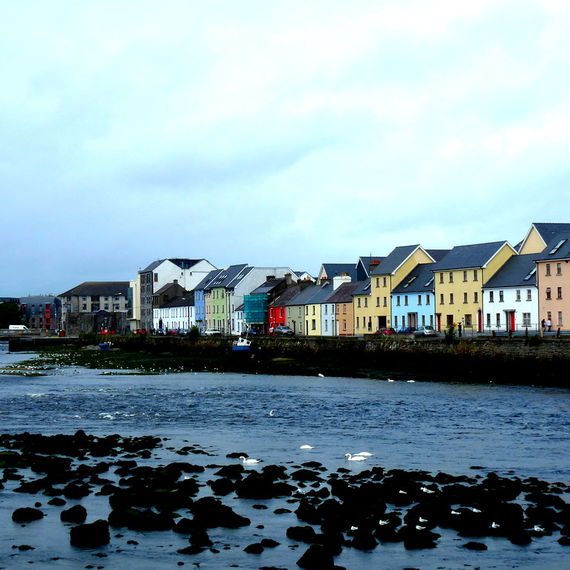
Thomas Dillon’s Claddagh Gold is the oldest producer of Claddagh rings. The rings, which have been produced since the 1700s, show two hands holding a heart that wears a crown. The sentiment of the ring is: "Let Love and Friendship reign". Closely associated with the Claddagh region of Galway, the ring makes an ideal memento of your trip to the city.
On Saturdays a market is held at the gates of
St. Nicholas’ Church on - the once again aptly titled -
Market St. What started as a farmers' market has grown to include not only locally produced fruit and vegetables but also traditional crafts, clothes and mouth-watering food stalls. The homemade produce is pretty impossible to resist, no matter how hungry you are!
Once you’ve had your fill, take a short stroll to
Nora Barnacle’s House Museum. Once the home of James Joyce’s wife, the museum contains correspondence between the two and shows their links with Galway. Open to the public during the summer months with guided tours available.
Also worth visiting is Galway’s impressive
Cathedral on
Nun’s Island. En route you will pass over the
Salmon Weir Bridge, so cast an eye out for fishermen tackling the Corrib’s leaping salmon stock.
For more tourist info visit
www.discoverireland.com/west.