Park of Culture & Recreation
Aside from perhaps
Warsaw, Upper Silesia - and particularly its ‘capital’ city,
Katowice - feels like the region of
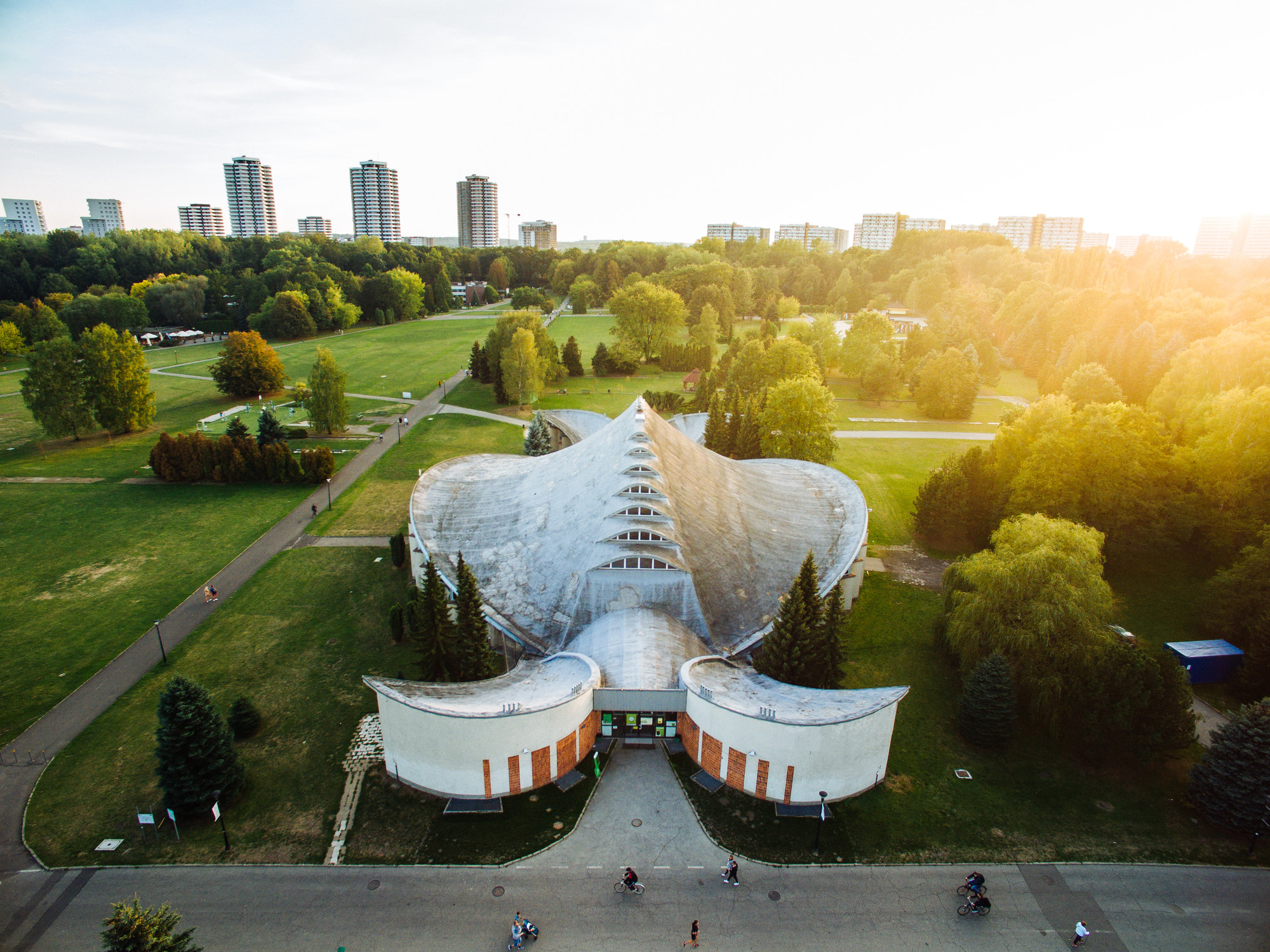
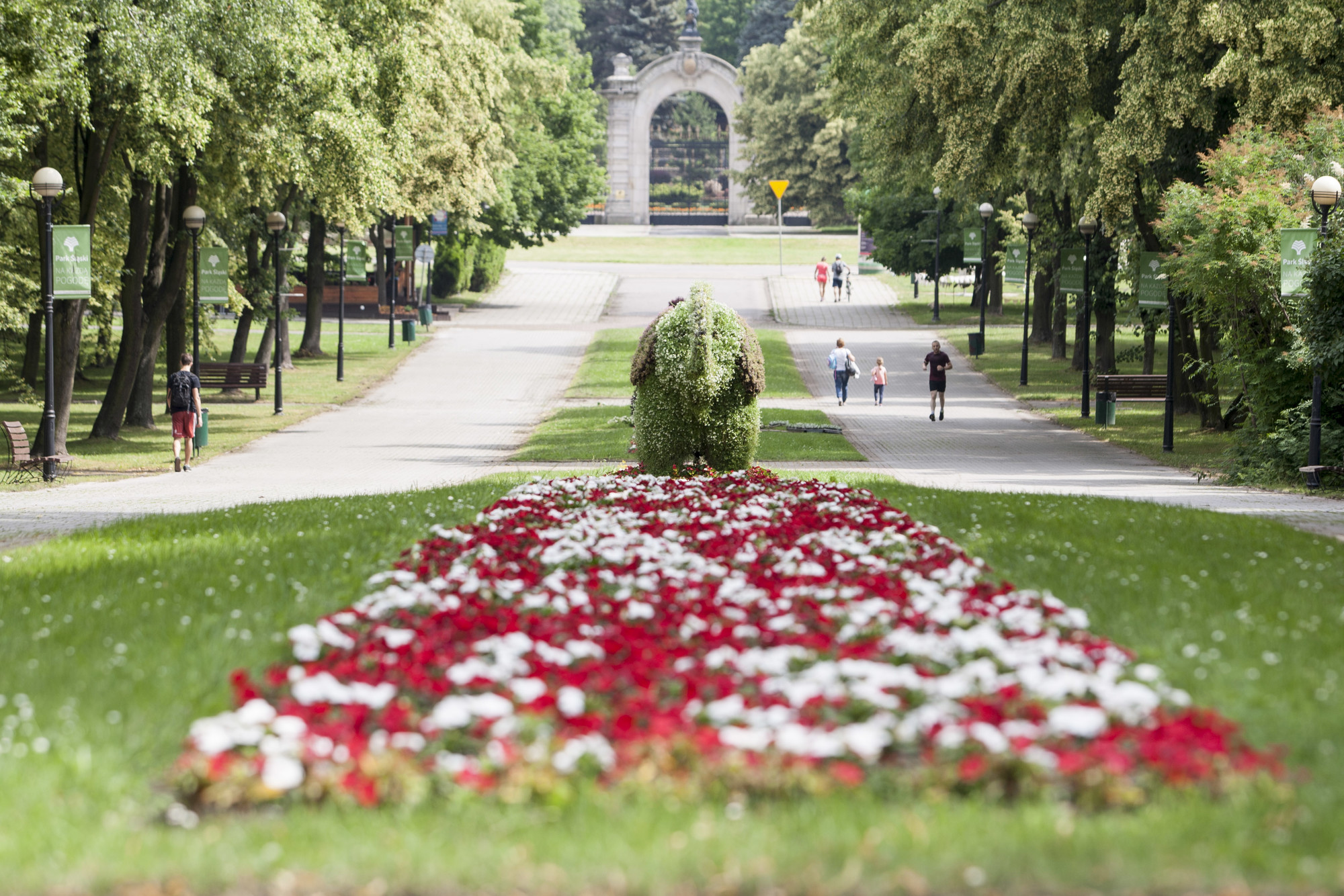
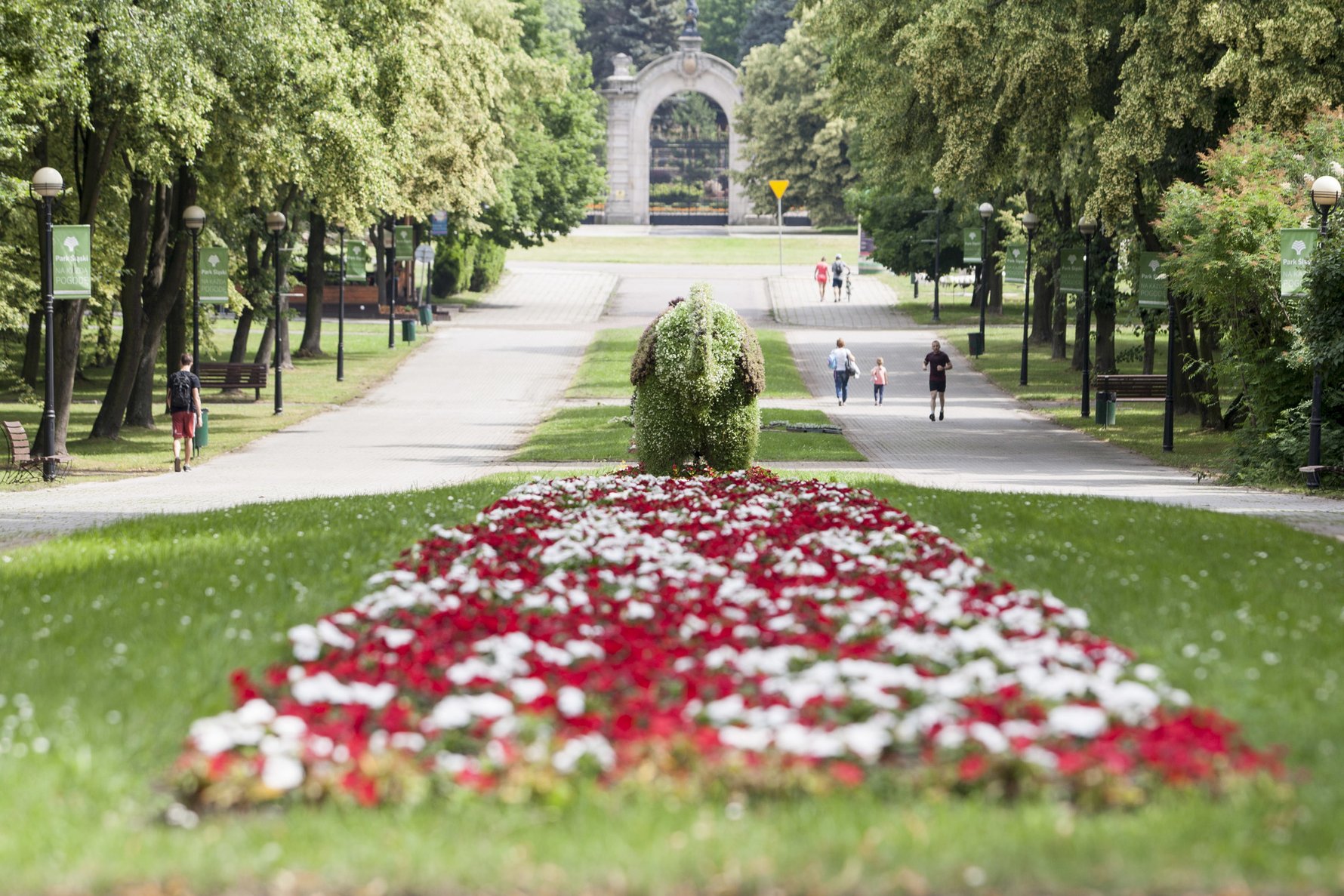
Poland most buggered by the communists. The scars are sadly everywhere, from the brutal, artless architecture of Katowice’s downtown to the highway overpass that passes for Chorzów’s market square, not to mention the gigantic smokestacks, abandoned pit heads and dilapidated mining complexes strewn about. However, Poland’s communist regime was not completely without forward vision (or innovative attempts at placating its citizenry), and only a few years removed from having ‘inherited’ the stripped industrial wastes of Upper Silesia after World War II, party leaders had earmarked a vast 620 hectare plot on the borderlands of Katowice and Chorzów with the intention of creating the largest urban park in Europe. Like many PRL development projects, the party vision didn’t simply call for setting aside some open space for public use, but building a communist super park that would deliver entertainment, art, education, culture and sports to the masses. Nor was the land in question an easily relegated untouched patch of wilderness. On the contrary, the designated area was 75 percent devastated by mining and industrial waste, with the rest being undesirable marshland and dead trees. Under the direction of local hero Jerzy Ziętek - an important Silesian Insurrectionist turned politician - work began as early as 1950 on what was to become known as the
Provincial Park of Culture and Recreation (Wojewódzki Park Kultury i Wypoczynku or
WPKiW): one of the most ambitious and pioneering environmental renewal projects ever undertaken in Europe.
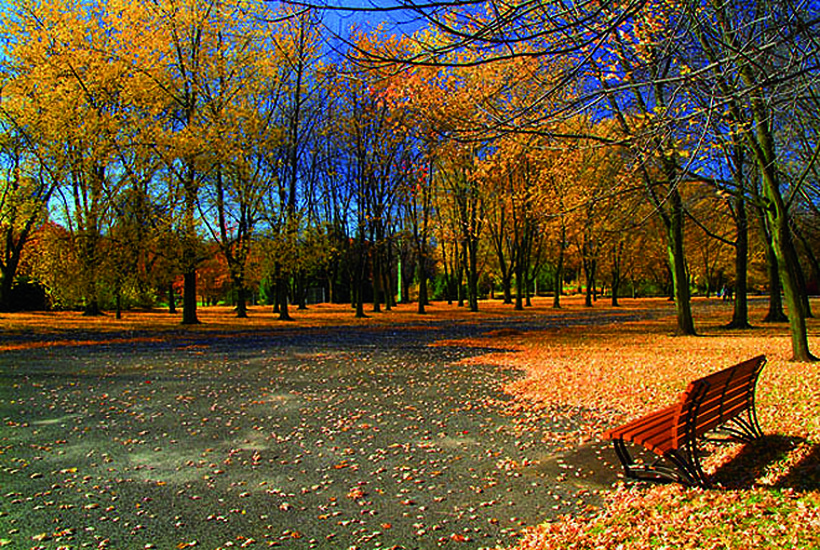
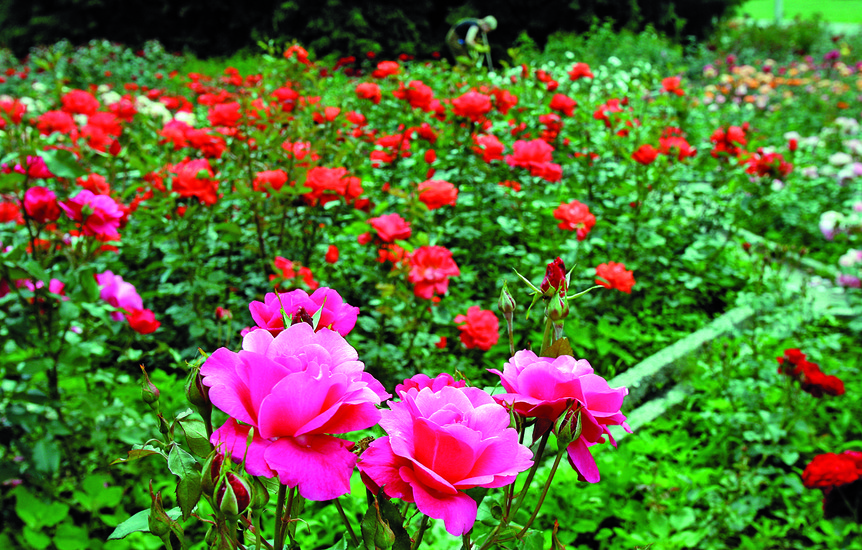
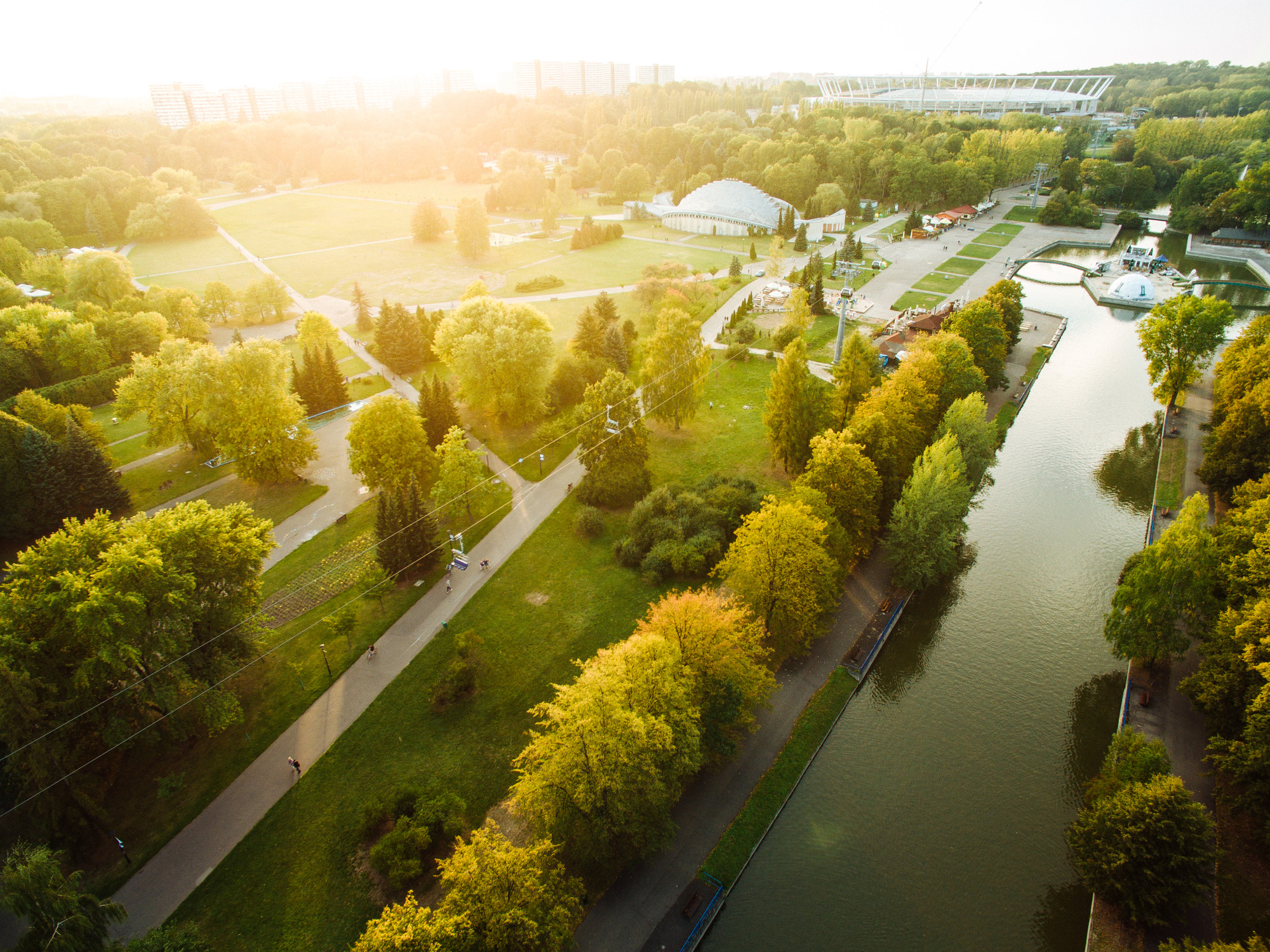
In typical party fashion, Silesia’s working class was strongly encouraged to participate in the creation of this ‘people’s park’; park resources were even used to instruct people on how to contribute through a series of public workshops. Support for the project was massive, and indeed everyone from industrial workers to school children (wait, that is everyone) joined in the digging and planting of an astounding 3.5 million trees and shrubs in the first year alone, as the project moved forward at a record clip. Over 70 different plant species were introduced, primarily poplar, willow, birch, black cherry and elderberry trees known for their ability to grow quickly and resist the effects of the industrial pollution that characterised the ‘Black Triangle’, as the region was then known. The park itself was quickly dubbed the ‘Green Lung of Silesia’ and as the project developed successfully over the years, a microclimate conducive to more sensitive species was established, wherein a variety of more common or exotic plants are able to flourish today, including a beautiful
rose garden. In total 3.5 million tonnes of soil were moved to shape the area of the park, and 500,000 cubic metres of humus used to fertilise it. After completing the rehabilitation of the park’s landscape, the park committee systematically set about establishing a series of attractions in the vast space of WPKiW – including the
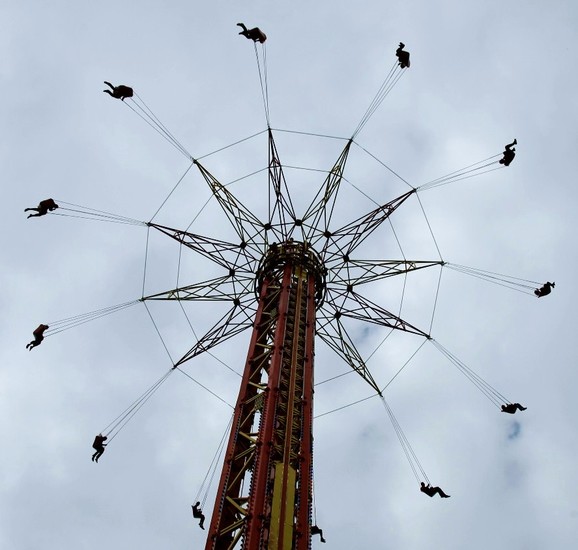
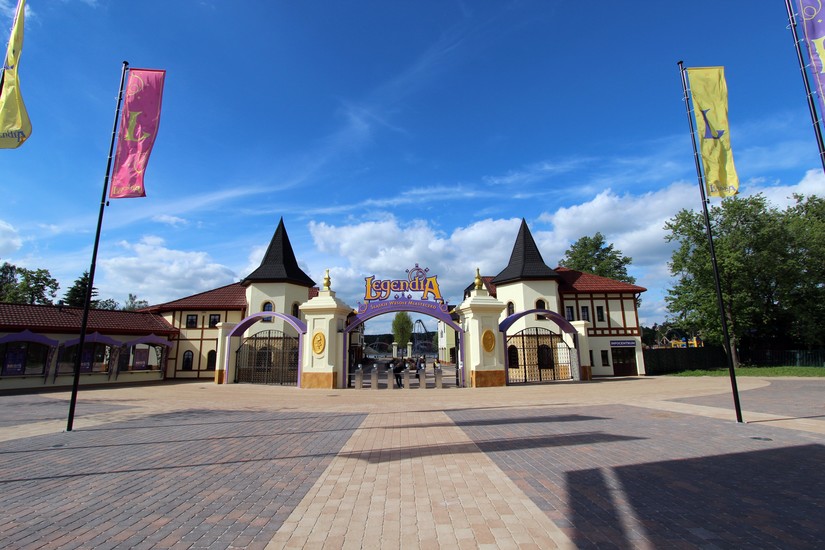
amusement park,
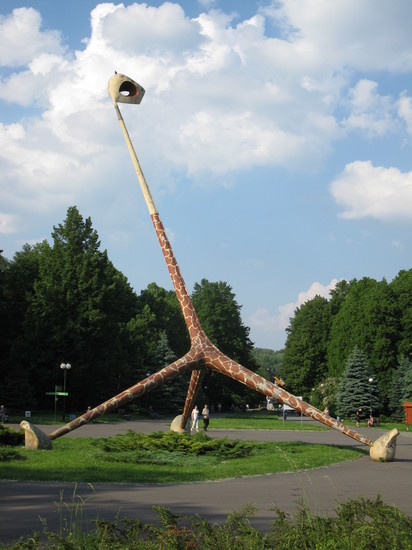
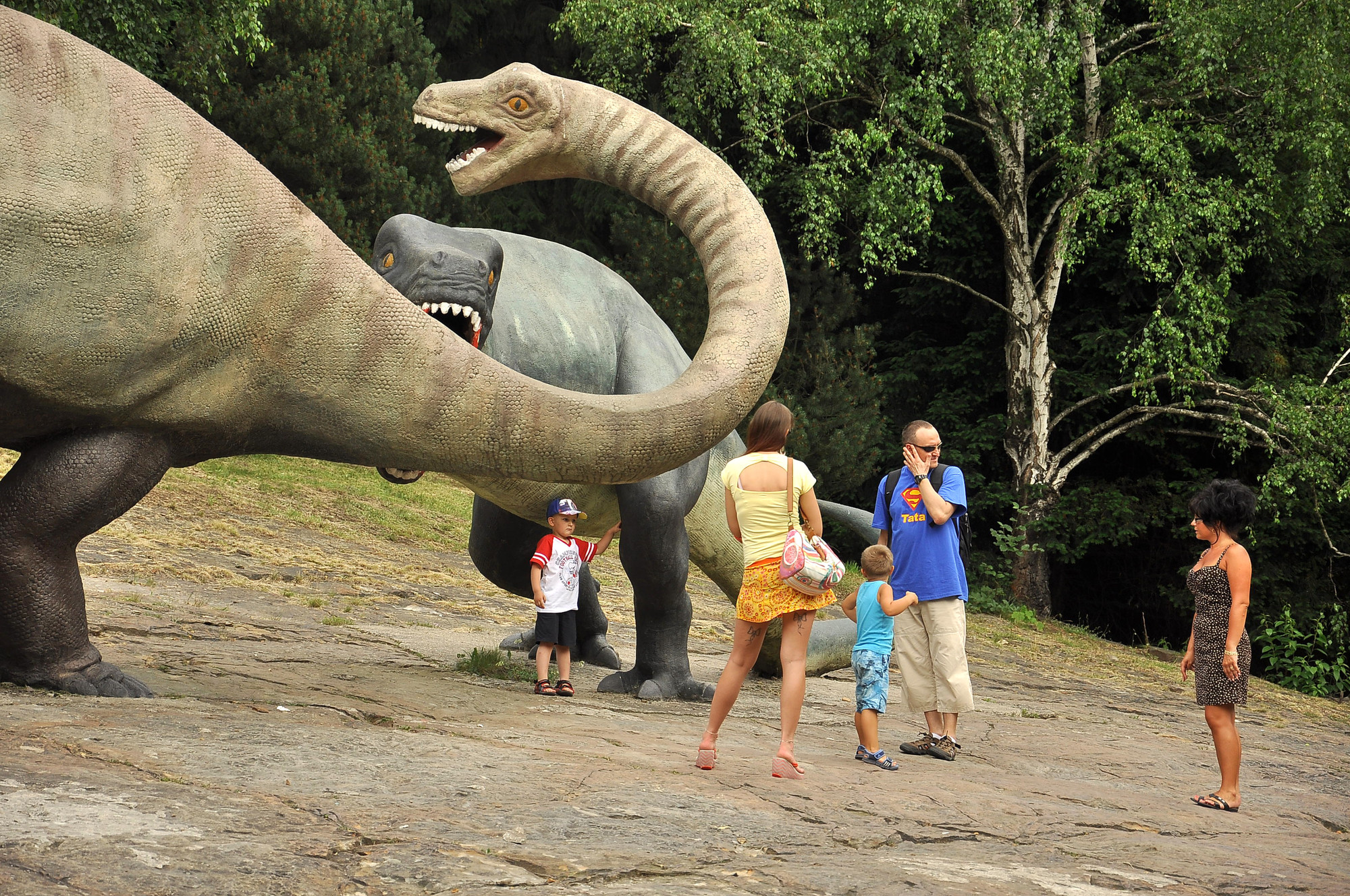
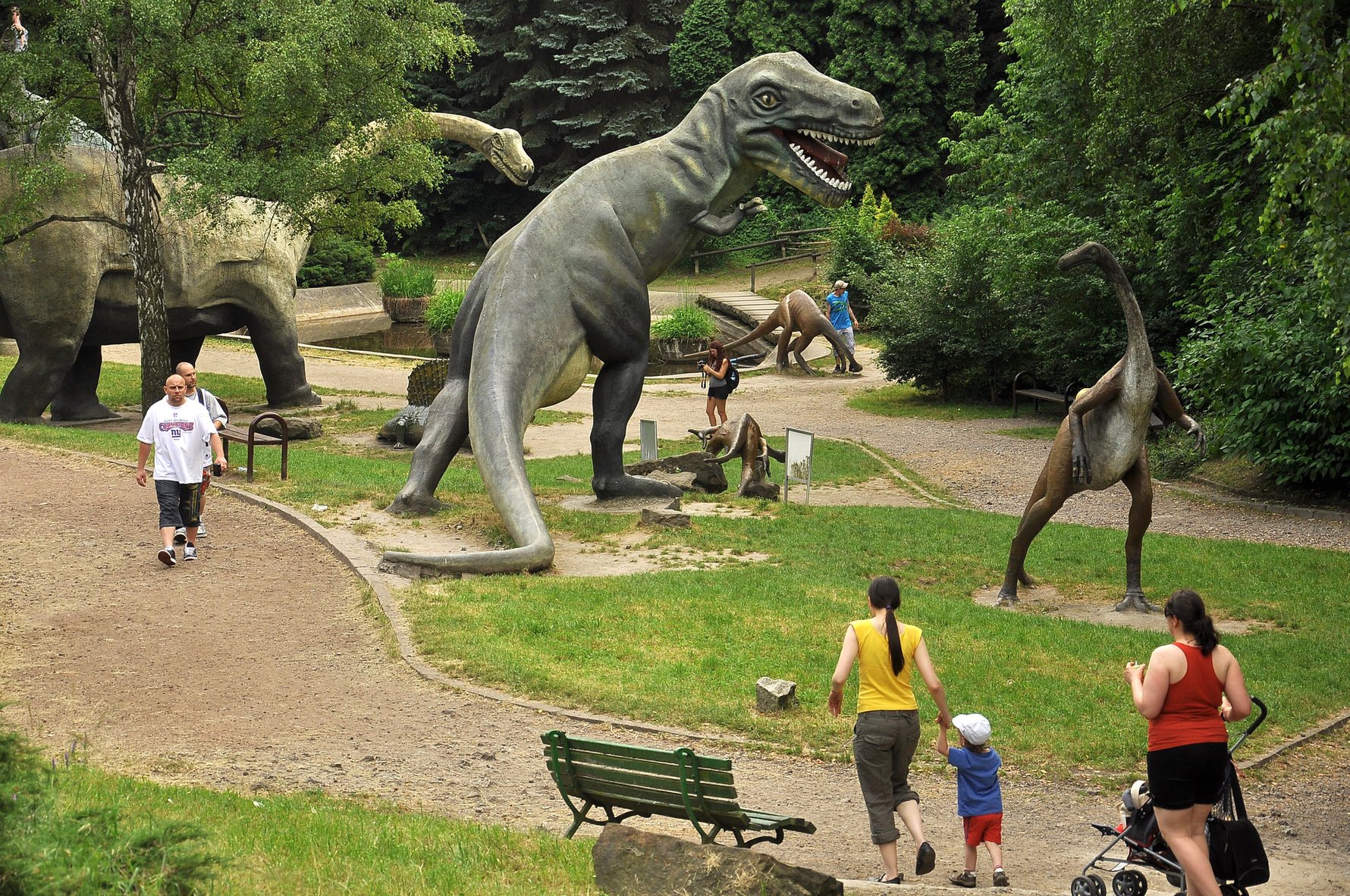
zoo,
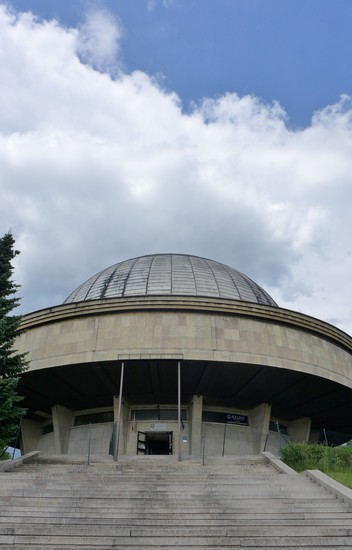
planetarium,
narrow-gauge railway,
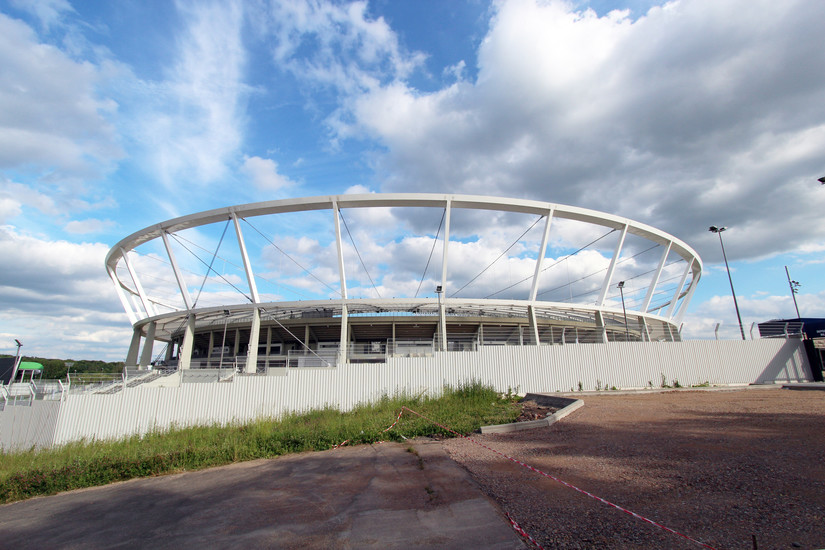
Silesian Stadium,
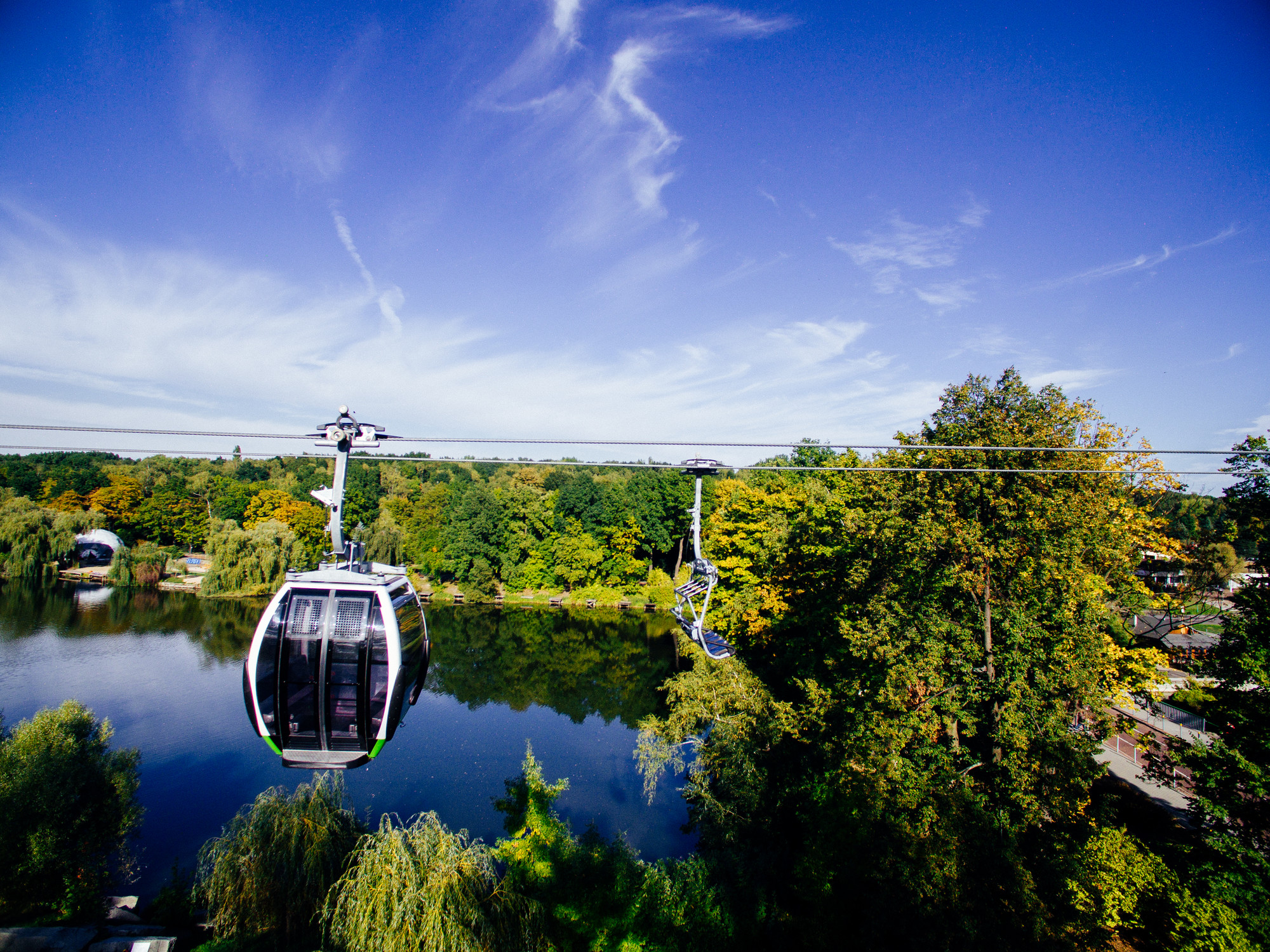
Elka cableway and others – as the park developed intensively in the 50s, 60s and 70s. Two zones were essentially created which remain today, with the rear half left natural and the attractions stacked toward ul. Chorzowska where the main entry points to the park are located. In the 1970s as many as 1,300 people were employed by WPKiW, of which 500 worked on the landscaping of the park (today about 40 people do this job).
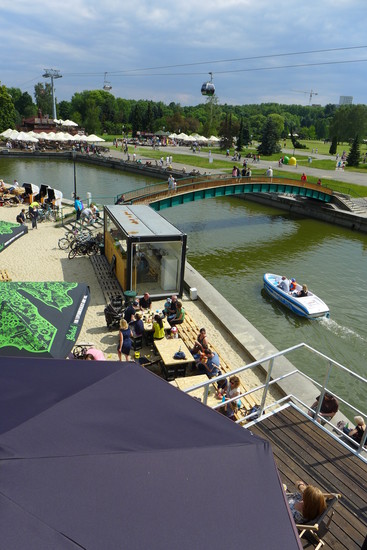
In an ironic inversion of t he situation faced by many ot her Polish historical and cultural monuments, the hard times came in 1989 when the communist regime crumbled and the park began a period of stagnation, neglect and eventual bankruptcy. However WPKiK has been on the rebound since it became a public enterprise subsidised by the state budget in 2003, and today is on the way to re-establishing itself as one of southern Poland’s biggest tourist attractions. The last several years have seen world-class rides added to the amusement park, as well as the opening of parks for more popular modern pursuits including the
paintball park (currently being renovated),
skate park, rope park and
dirt bike course. Numerous new high class restaurants, cafes, bars and hotels continue to open in and around the park while currently plans are afoot to create new attractions including the renovation of the famous Elka cableway (now closed but planned to re-open in spring of 2013). The total modernisation of Silesian Stadium (Stadion Śląski) – one of the first attractions to open in WPKiK in the 50s – is also well under way as it looks to increase its capacity to upwards of 55,000, adding sky and press boxes and a partial dome that will cover all of the seating; a popular venue for some of the country’s biggest concerts in addition to sporting events, the stadium isn’t due to host matches during the Euro 2012 football tournament as Gdańsk, Poznań, Wrocław and Warsaw are the chosen venues. With problems with the roof delaying the completion of the re-building work that appears just as well.
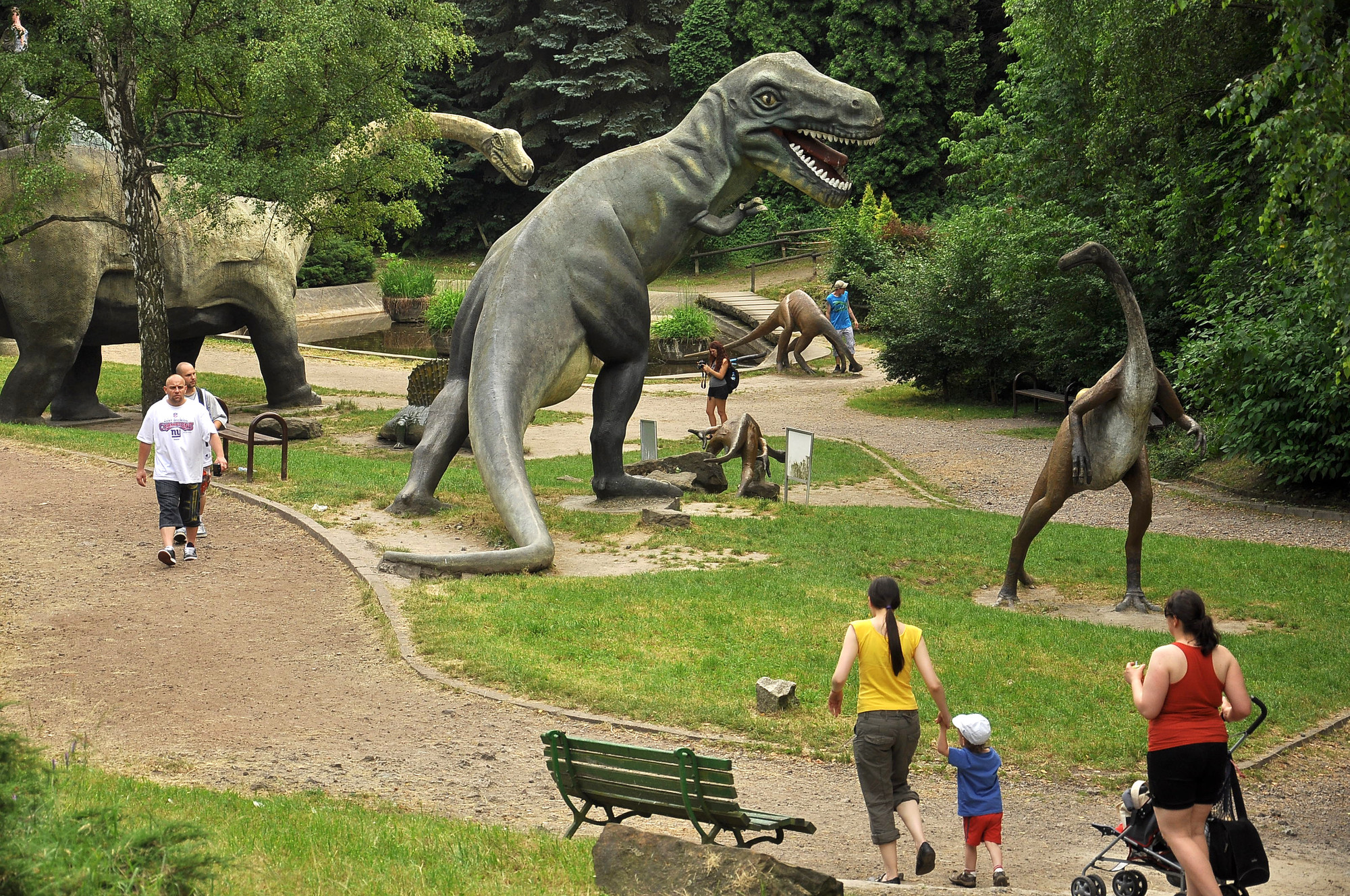
Despite all of the recent improvements, today the attractions of WPKiW still stand in a state of transition between faded communist funpark and modern wonderland, making a visit all the more unique, if not more interesting. The contrast is most evident in the amusement park, where original rides and games from its opening days are still in use, while a trip to the planetarium offers a portal into the world of 1950s science fiction. Though the zoo is unlikely to change your views about keeping animals in captivity, and numerous crumbling pathways and crude concrete concourses are still in need of attention or reinvention, there can be no doubt that WPKiW has the potential to develop into one of the greatest parks in all of Europe; and in the heart of Upper Silesia, no less. Enjoy it.