More features:
-
Euro 2012 In Your Pocket
With the Euro 2012 finals in Poland and Ukraine now just days away, there has never been a better time to check out In Your Pocket's guides to the host cities....
-
Krzysztof Komeda
Born in Poznań in 1931, Krzysztof Komeda stands out as one of Poland’s finest music talents and remains, even in death, a source of inspiration....
-
Polish Alcohol
Proven masters of make-do with the potato as their primary resource, the Poles have been producing and drinking vodka since the early Middle Ages, distilling their skill into some of the best vodka blends available in the world, many of which date back centuries....
-
The Syrenka
The sight of a Polish Maluch – a flimsy death trap on wheels – is still common on the streets of Poland....
-
Jan Karski
‘Every government and church says, “We tried to help the Jews,” because they are ashamed, they want to keep their reputations....
-
Creepy Poland
You have not come to Poland to visit a pyramid, but that’s exactly what you can do if your journey takes you up north....
-
Władsyław Szpilman
Born in 1911, in Sosnowiec, south Poland, Wladyslaw Szpilman studied the piano in Berlin, before embarking on a successful career as a composer and concert pianist for Polish national radio....
-
Polish Name Days (Imieniny)
In Poland, name days (imieniny) are widely celebrated and have traditionally been given a greater importance than birthday celebrations, particularly as one gets on in years....
-
The Pianist
Based on the biographical novel by Wladsylaw Szpilman, the Oscar-winning film charts Szpilman’s battle for survival in the Warsaw ghetto....
-
Tipping Tribulations
Polish tipping etiquette can be a bit confusing for foreigners. While in other civilized countries it’s ...
-
Irena Sendler
Known as the female Schindler, Irena Sendler - who died in May 2008 at the age of 98 - is credited with having saved the lives of some 2,500 Jewish children in the Warsaw ghetto during the Second World War....
-
Wojtek the bear
Fond of a bevvy and a fag Wojtek’s habits weren’t too different from your typical soldier, but typical he most certainly wasn’t....
-
Superstitions
While it would be inaccurate to claim the Poles as being a deeply superstitious nation visitors will be delighted to know the country has more than its fair share of quirky beliefs and customs....
Three Kings
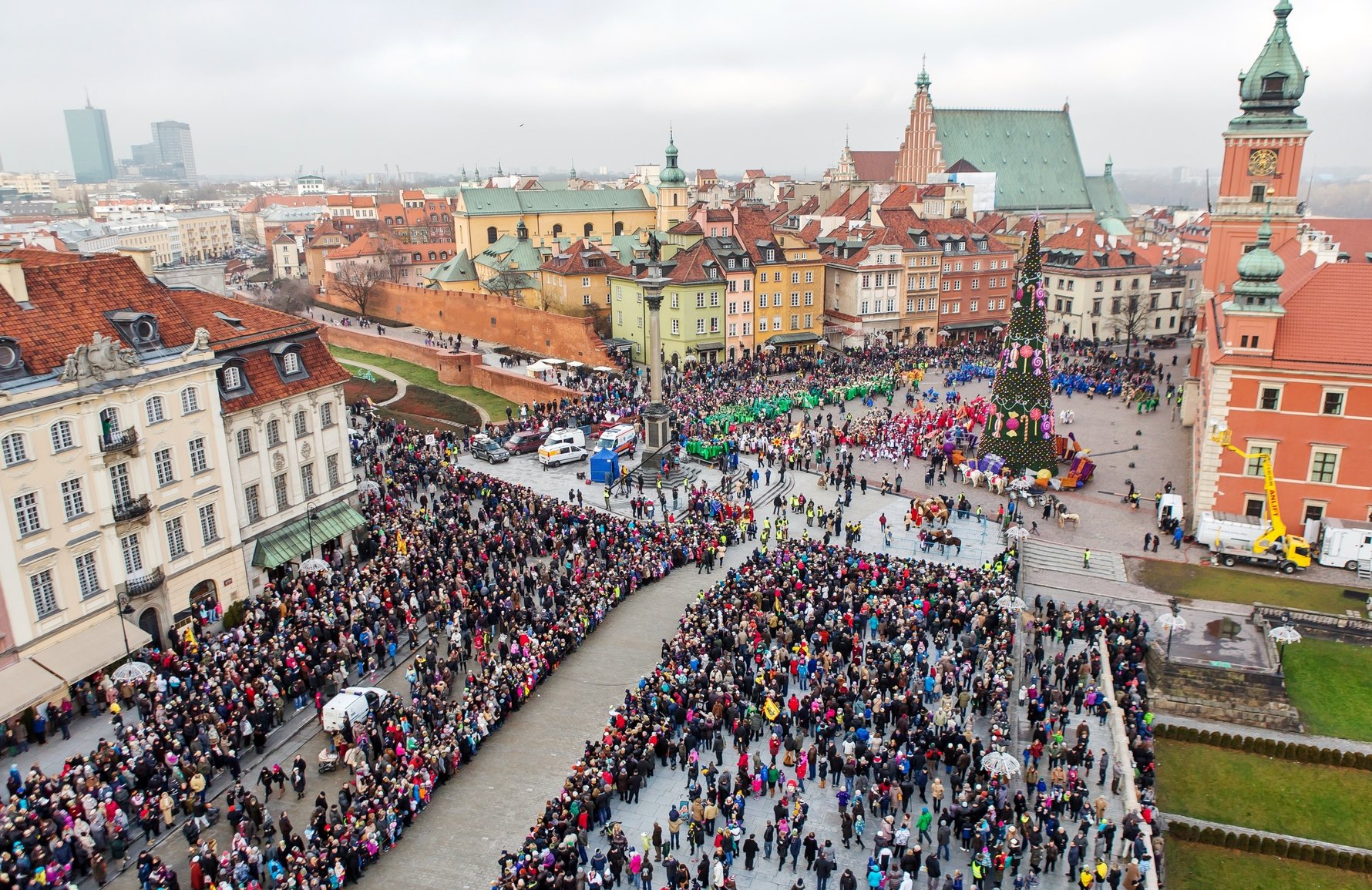
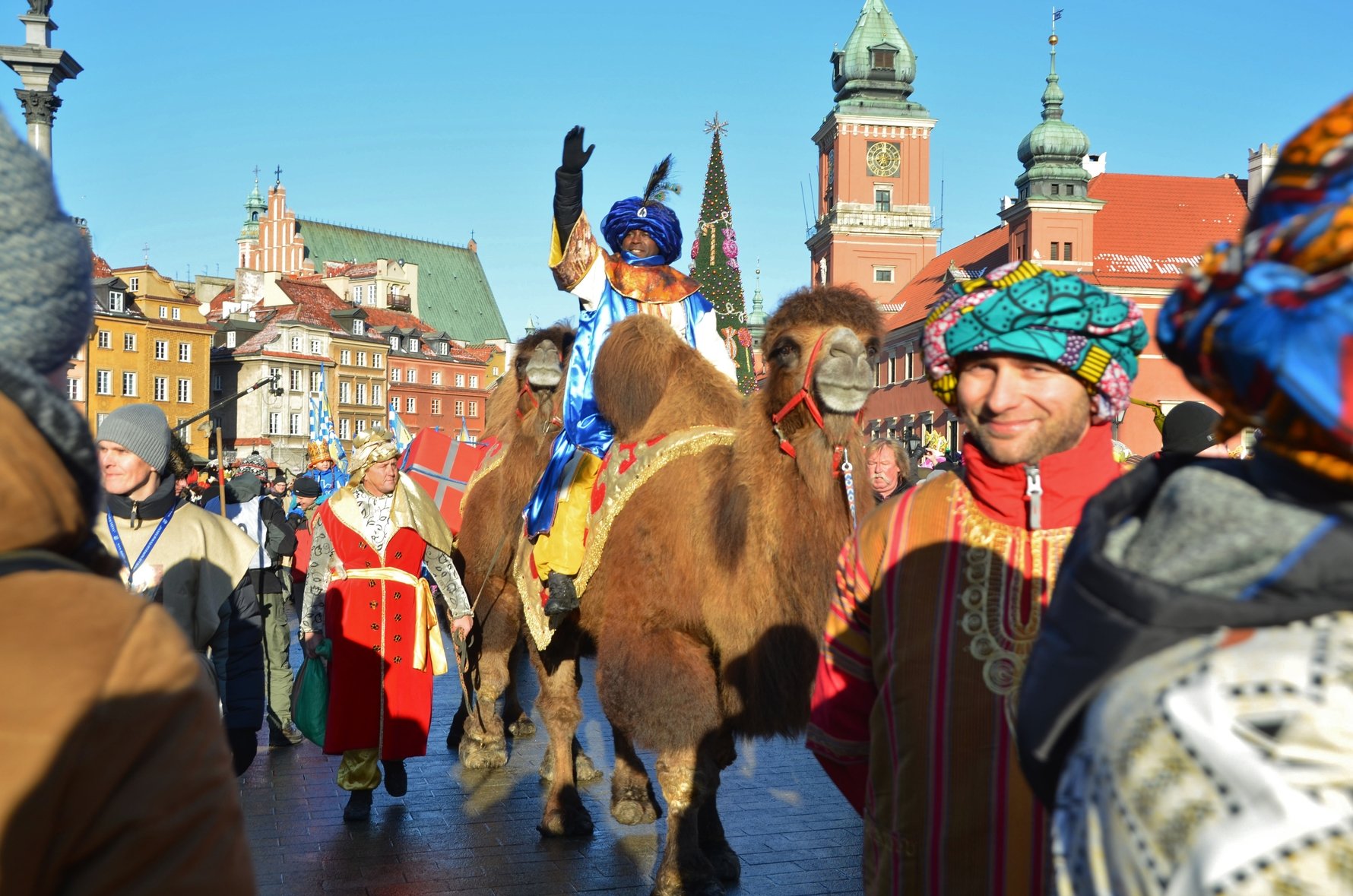
picture credit: Bolando, pl.wikipedia.orgThe holiday of Three Kings or
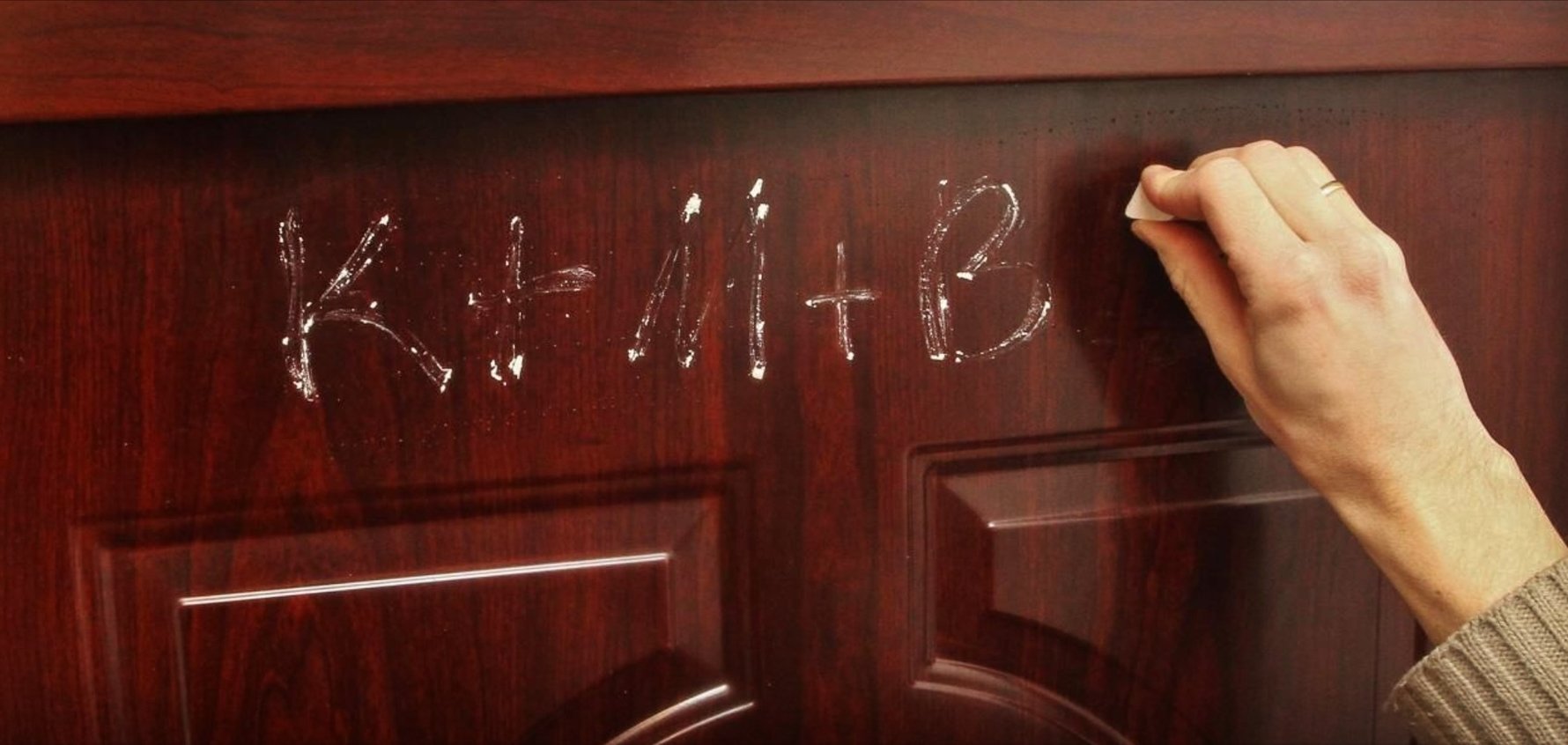
Trzech Króli (January 6) marks the end of the Christmas season in impressive style throughout Poland. A wholly Catholic holiday, 3 Kings honours Kaspar, Melchior and Balthazar, the three wise men who visited Jesus at his birth. Celebrations range from small to grand but often include a parade welcoming the wise men, with characters passing out candy and children dressed in colours signifying Asia, Africa and Europe (the respective homelands of the wise men). Mass is also a compulsory part of the Three Kings holiday as well, with families picking up a piece of blessed chalk during the service that is taken home and used to write the year and the initials “KMB,” with a cross between each letter, above the front door. This tradition is said to protect the family from sickness and misfortune for the year. Fun is also had during the day’s feast when a Three Kings cake is served with either an almond or coin baked inside. Whoever is fortunate enough to land the surprise slice is considered king (or queen) for the day and lucky for the rest of the year. If your cake – which varies by region and can be anything from sponge to fruitcake – is decorated with a crown the lucky almond-eater gets the honour of wearing it. An additional reason to celebrate: In 2011 Parliament officially restored the date as a non-working national public holiday in Poland for the first time since it was cancelled by the communists 50 years earlier, so there’s no need to go work!