

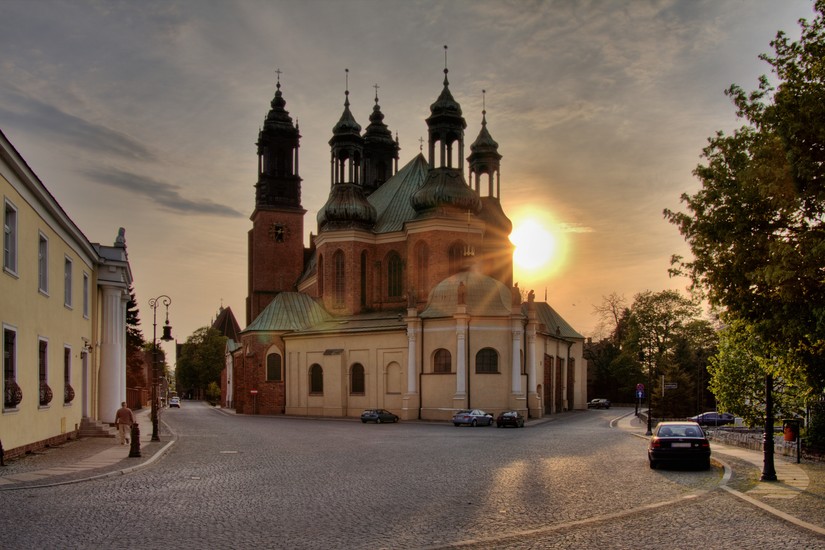
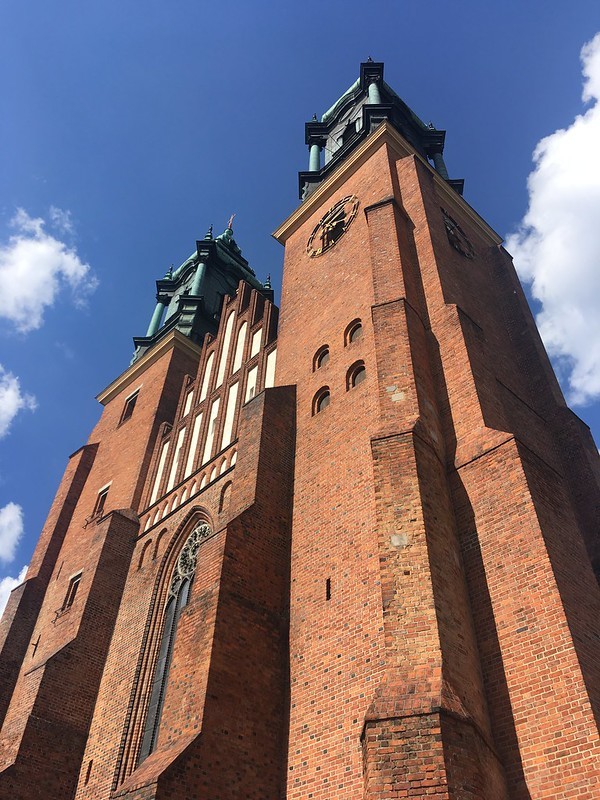
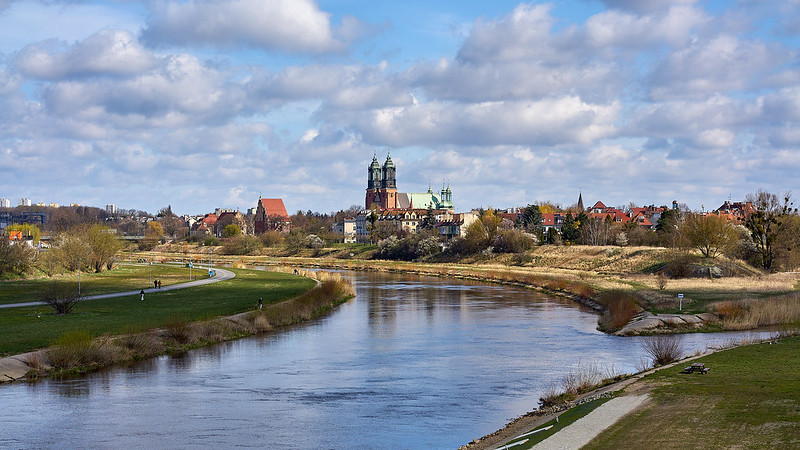
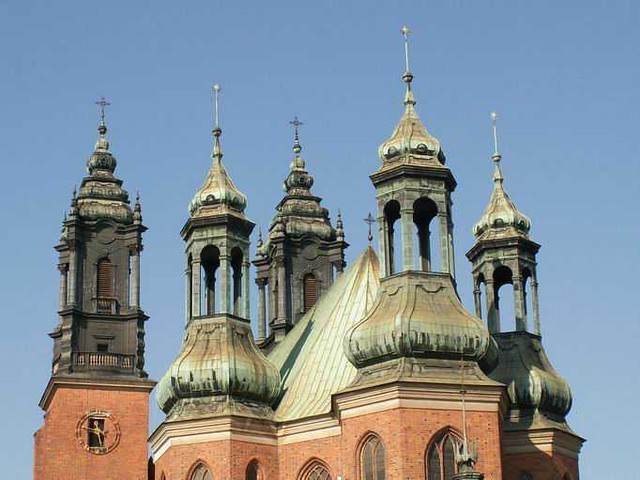
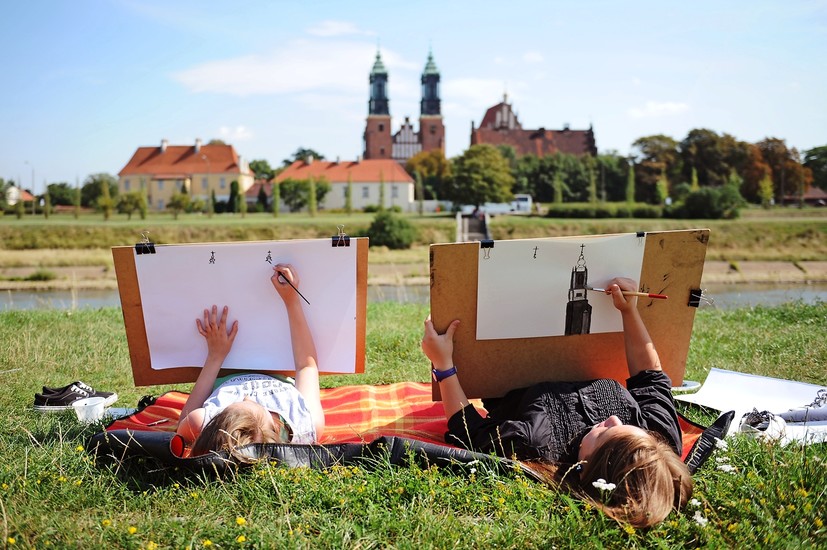
The most stunning site on Ostrów Tumski is the structure’s oldest site, and the one ‘Cathedral Island’ is named after - Peter & Paul Cathedral. More commonly called ‘Poznań Cathedral,’ the original edifice was erected way, way back in 968, but has subsequently been razed, rebuilt, and remodelled numerous times over the centuries, each resulting in the addition of a new architectural style: a 1622 fire led to a Baroque finish, while a 1722 fire ushered in a change to neo-Classicism. During the 1945 battle to liberate Poznań, 65 percent of the Cathedral once again burned down, exposing the building’s buried Gothic elements and leading to its restoration in the style visitors see today.
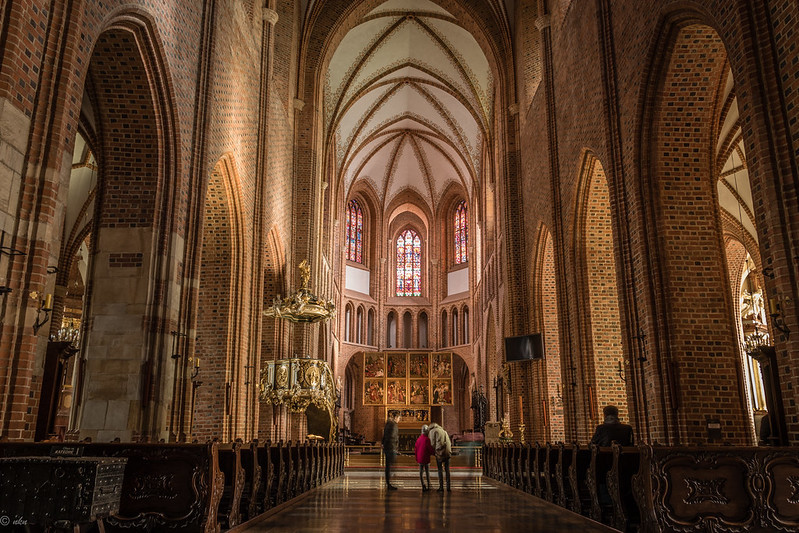
Inside the Cathedral are a number of elements of interest. Surrounding the interior are twelve different chapels, including the Chapel of the Holy Sacrament, which has several outstanding examples of Renaissance art (the tombstones of the Górka family and Bishop Benedykt Izbieński, to be specific) and the Baroque altar houses a miraculous crucifix brought to the Cathedral from the former Wrocławska town gate. The Golden Chapel was designed as the mausoleum of the first Polish monarchs and houses the sarcophagi of kings Mieszko I and Bolesław Chrobry; the two kings are also depicted in a bronze monument together, above which is a painting by January Suchodolski showing Mieszko I, the instigator of Catholicism in Poland, destroying pagan idols. The chapel is indeed thoroughly golden, but to fully admire the glitz you must drop a coin into an absurd contraption, whereupon the illumination will come on.
The eye-catching high altar at the centre of the Cathedral is a 14th/15th polyptych depicting Our Lady surrounded by 14 female saints, while the outer wings feature eight paintings depicting the Passion of the Christ. The Cathedral’s lavish Baroque pulpit is equally stunning and dates to 1720. Also worth noting are the Cathedral’s five Gothic and early Renaissance bronze tomb slabs, which originated at the famed Nuremburg workshop of Herman and Peter Vischer. The slabs were originally on the Cathedral floor to cover the entrances to tombs, but were later mounted on pillars and chapel walls. Stolen during the war, the slabs were returned to Poznań in 1993 and are back on display. One of the newer elements of Poland’s oldest Cathedral is the giant 52-pipe organ at the rear of the building, which perfectly frames the large stained glass window.
The Cathedral’s crypt is certainly worth a look (visit the vestry to request entry). Visitors can feast their eyes on the remains of the pre-Romanesque and Romanesque versions of the Cathedral and a 10th century baptismal font most likely used to baptise the first Polish sovereign and his subjects. The Cathedral also unearthed two tombs, most likely of the first Polish monarchs Mieszko I and King Bolesław Chrobry. The second crypt houses an exhibition of various pieces found during the excavation like plates and stones, and it also leads to the crypt of the Poznań archbishops. Be aware that while the lights in the crypt work for free (no coins!), they are motion-activated, so if you stand and look too long, you’ll suddenly end up in the dark.
Visiting time: approx. 45mins.
Comments