


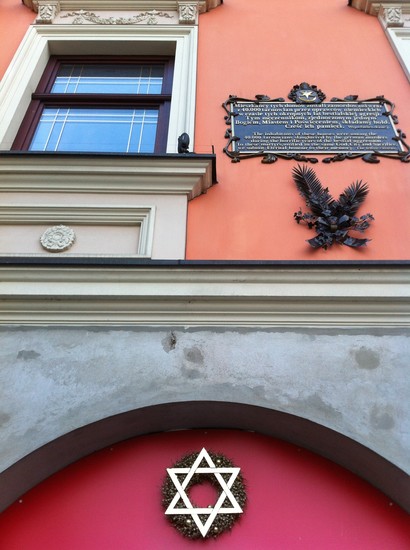
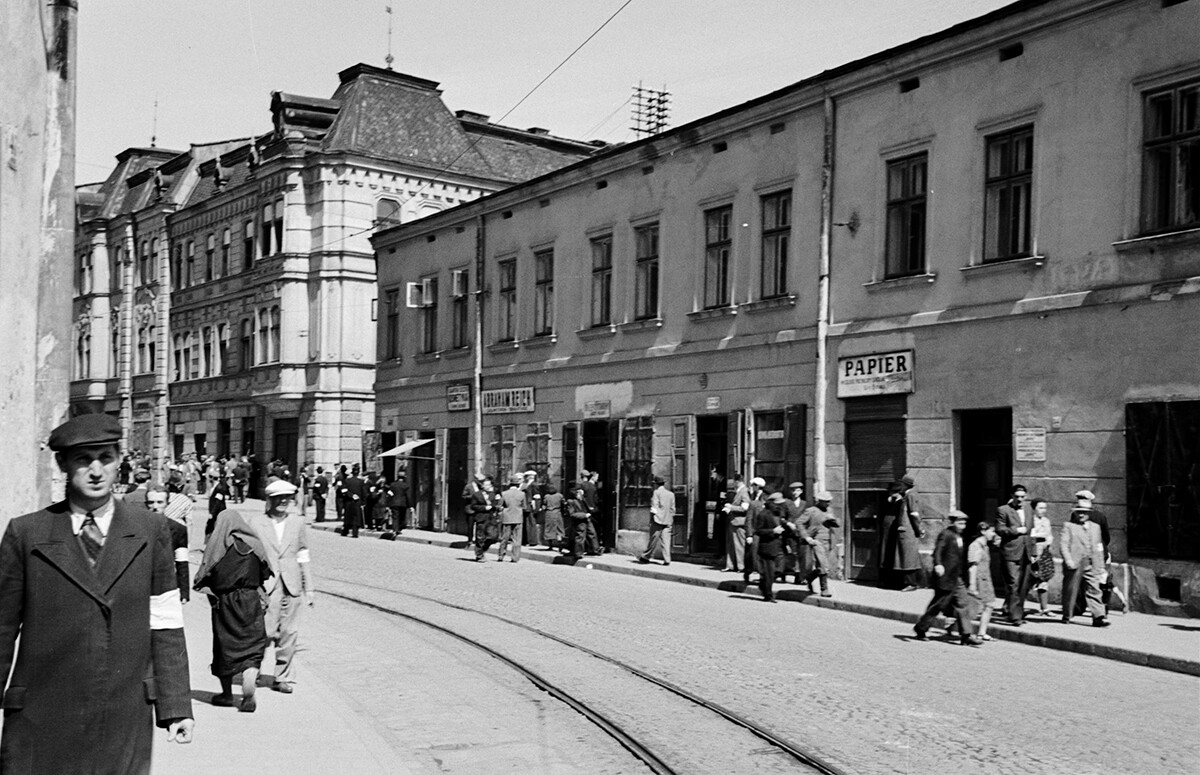
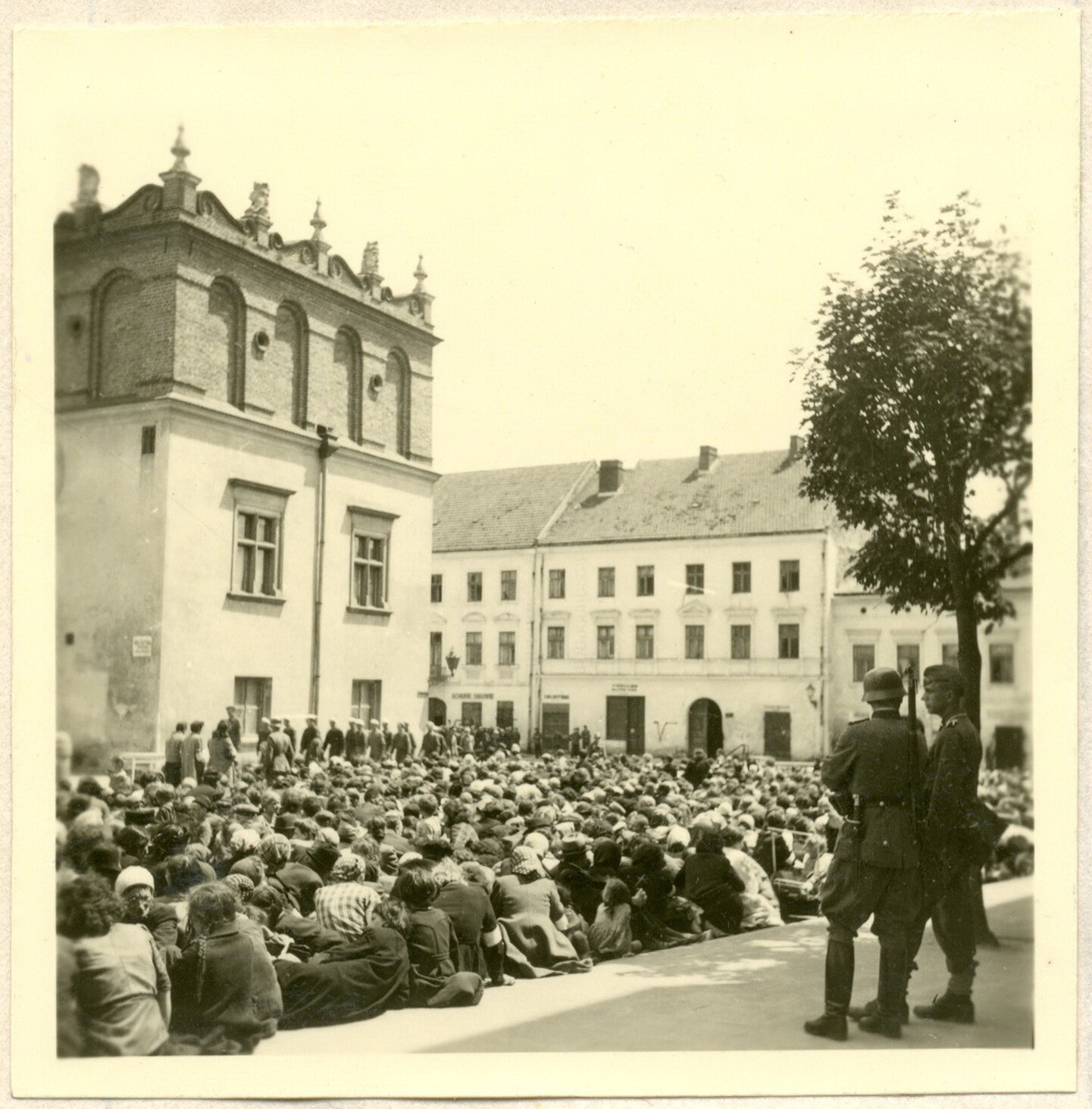
On the day WWII broke out in Europe there were about 25,000 Jews living in Tarnów, making up about 45% of the city’s population. The Nazis formed a ghetto for their internment in the area directly east of the Rynek, where the majority of the Jewish population already lived. Between June 1942 and September 1943 virtually the entire Jewish population of Tarnów was either shot or deported - almost certainly to their deaths, ending almost exactly 500 years of Jewish cultural life in the city. A sinister footnote in the history of the Holocaust relates to Tarnów; as early as October 20, 1939, Tarnów's Jews were forced to wear Star of David armbands, making this the first town in Poland to do so.
Traces of Jewish Culture in Tarnów Today
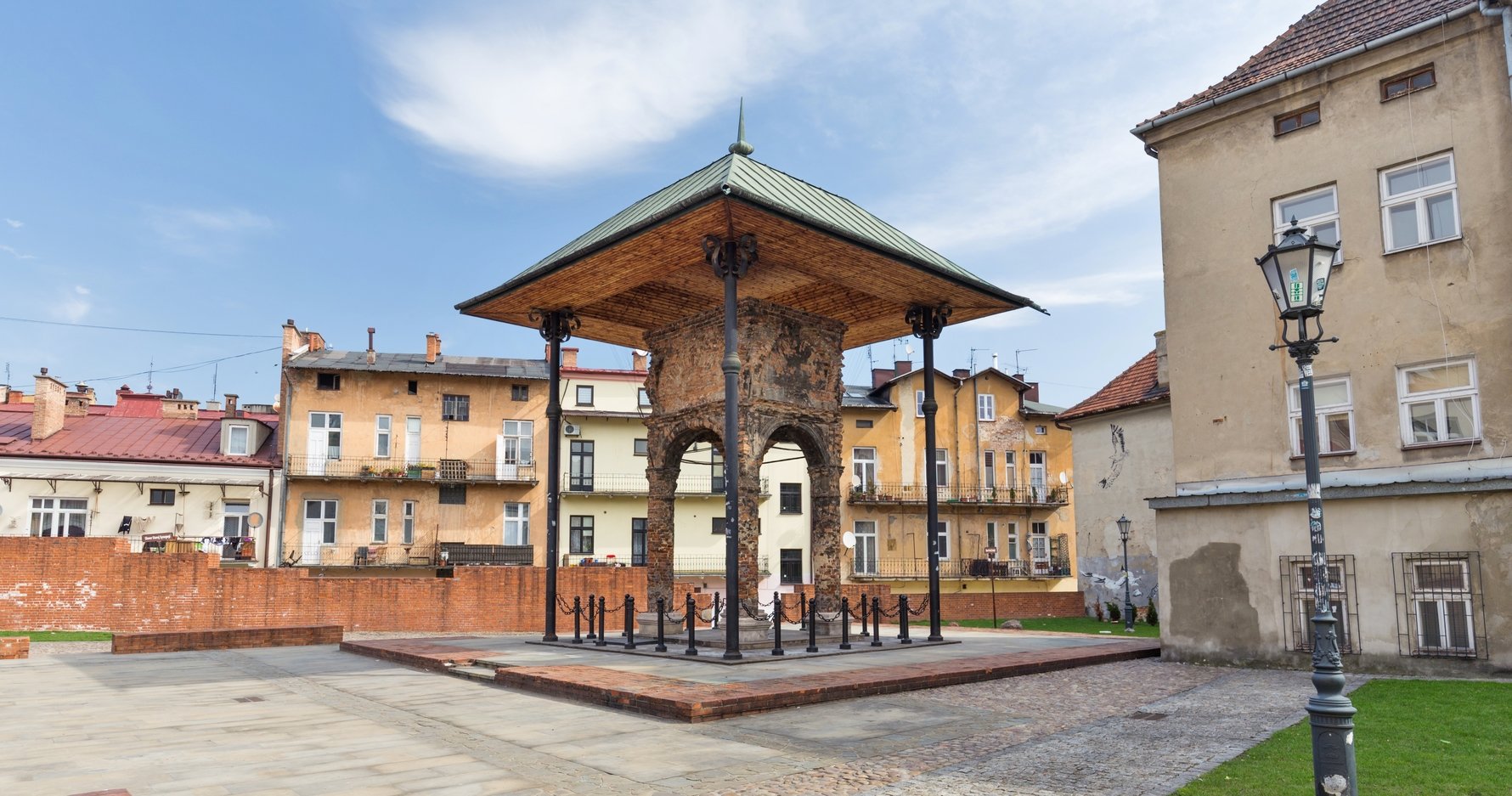
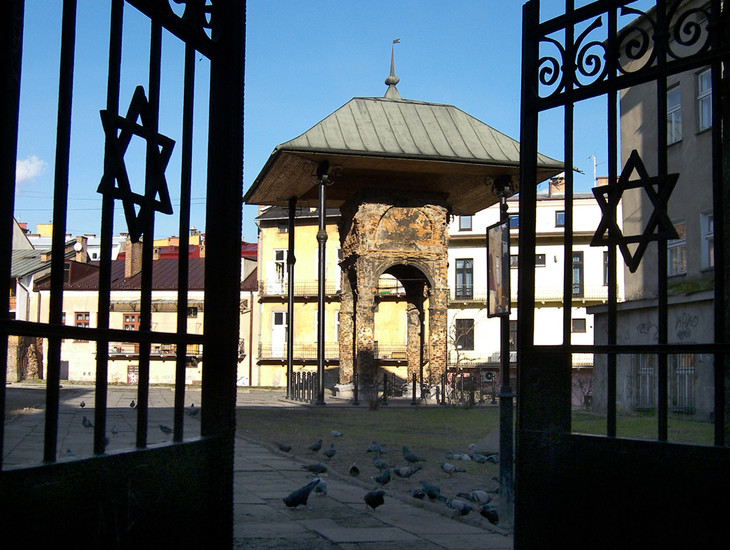
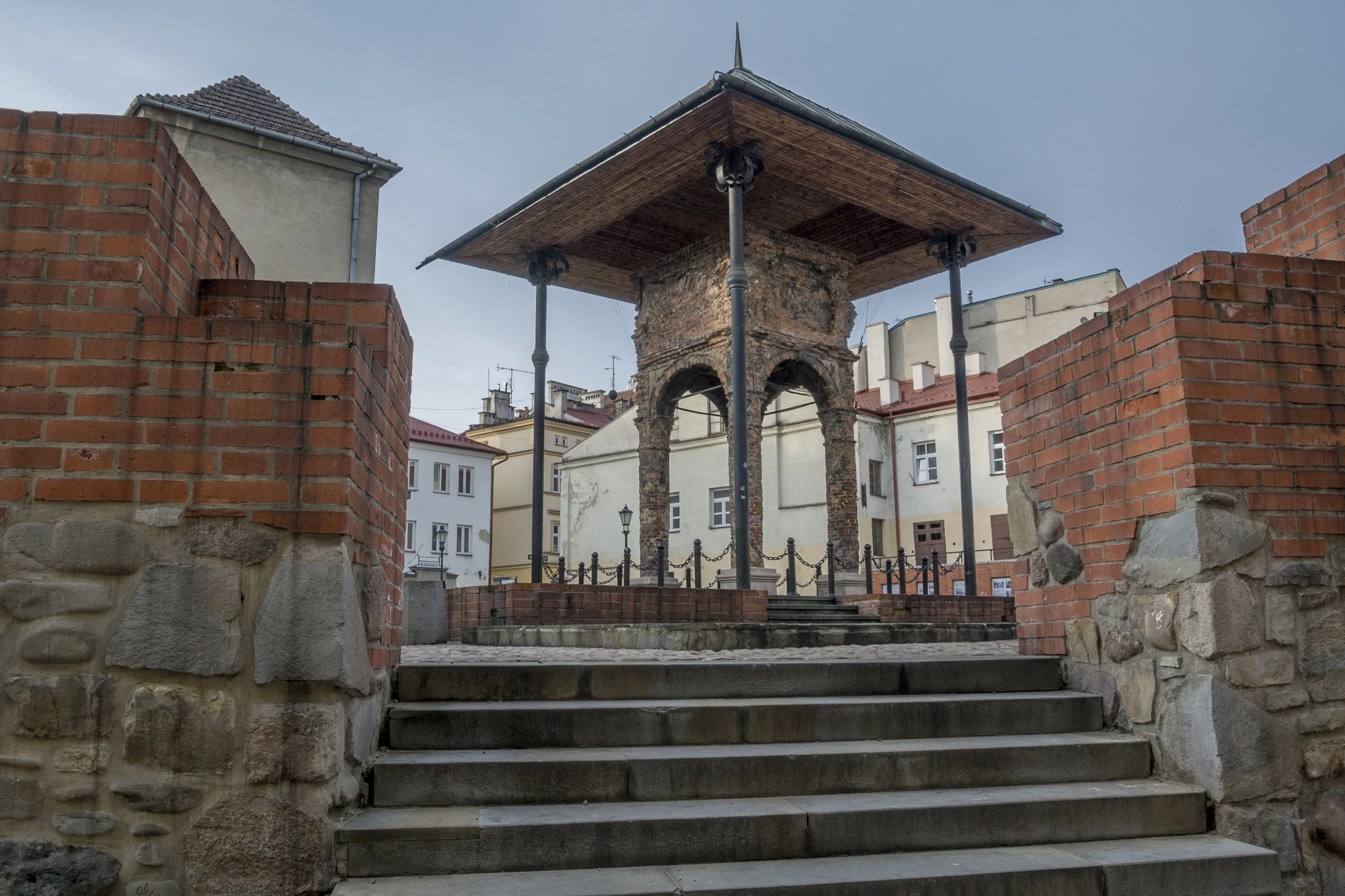
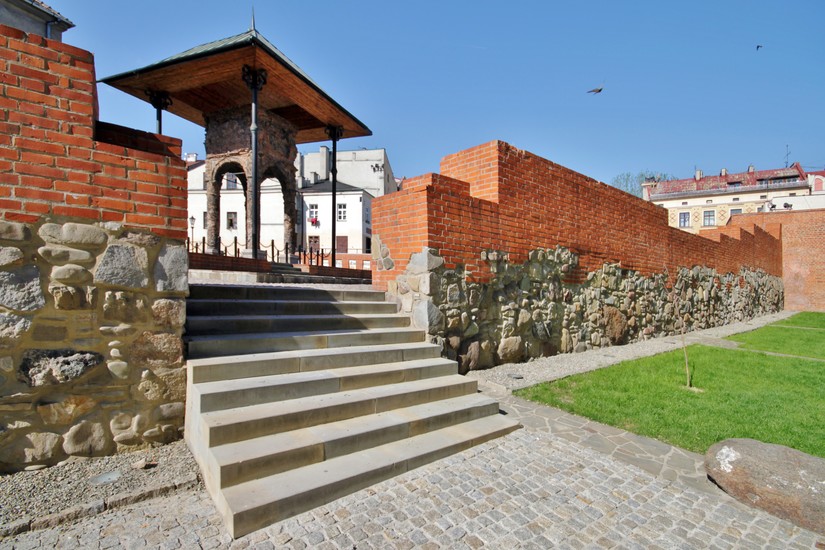
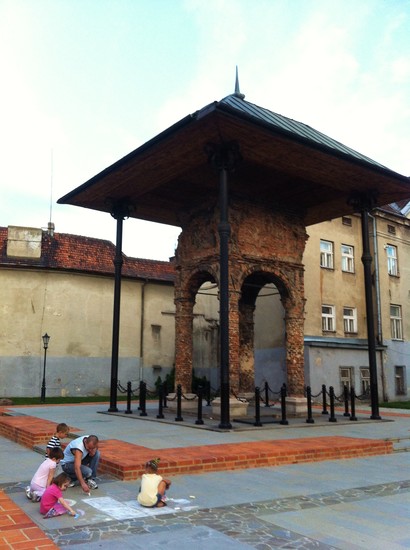
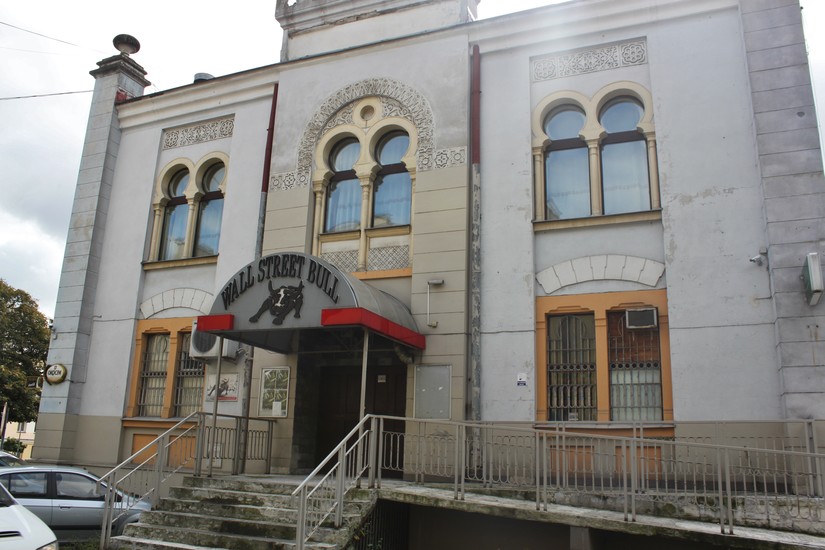
The Nazi occupation of Tarnów during WWII ensured that not only was the local Jewish community obliterated, but that their cultural monuments were also destroyed wherever possible. Thanks in part to uncharacteristic sloppiness on the part of the Germans, and the fact that the city’s architecture came out of the war relatively unscathed, a few traces of Tarnów’s Jewish past are still visible, particularly around ulica Żydowska and ulica Piekarska in the northeast corner of the Old Town. Midway down ul. Żydowska (Jewish Street) on the left side is Old Synagogue Square (Skwer Starej Synagogi), where the city's 17th-century synagogue once stood. Burned to the ground by the Germans on the night of November 8, 1939, all that remains are the four large columns and pulpit that made up its bimah.
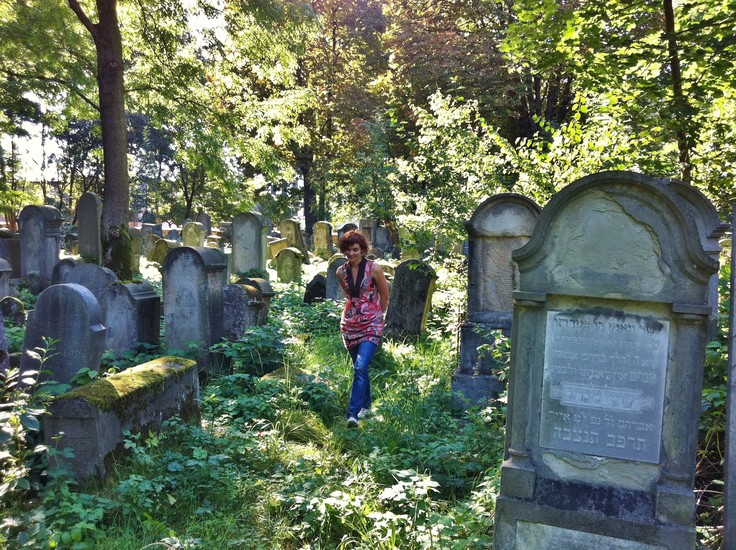
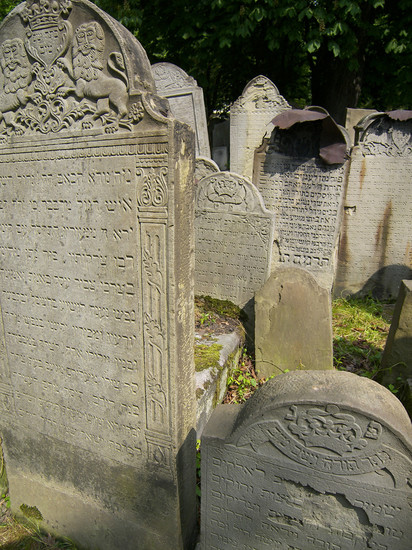
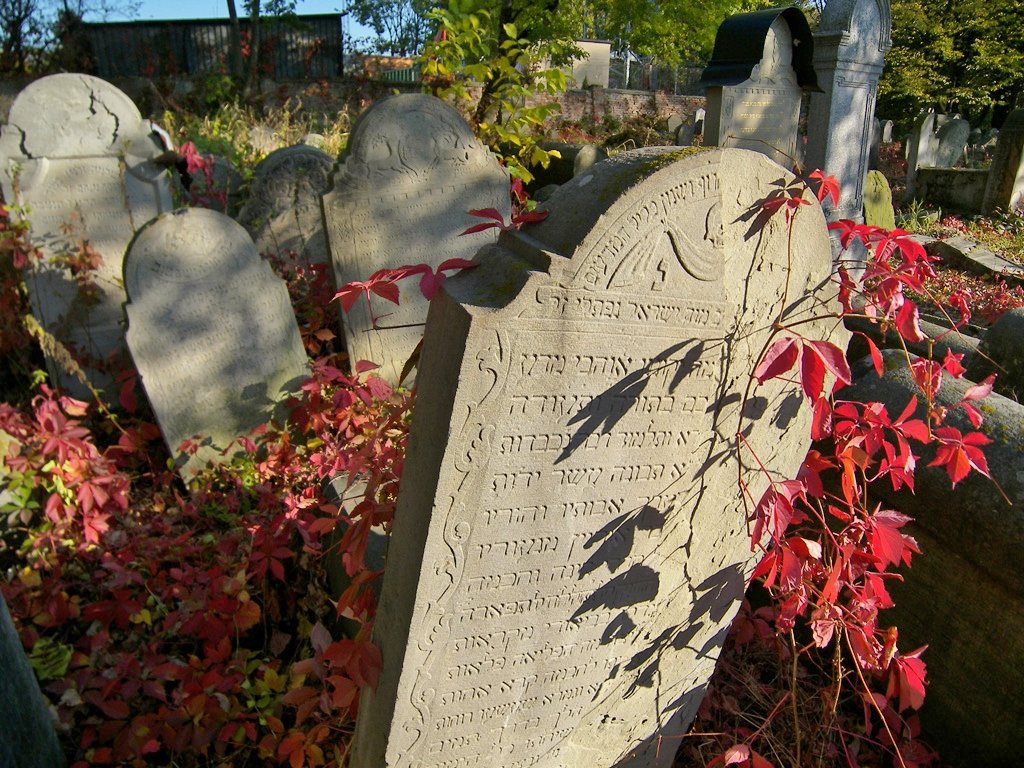
The largest surviving relic of Tarnów’s Jewish past lies inside the four walls that surround the city’s Jewish Cemetery. A 10-minute walk north of the Old Town, just east of the junction of ul. Słoneczna and ul. Matki Bożej Fatimskiej, the cemetery was established in the early 1580s and is one of the oldest and largest in Poland, with about 6000 gravestones. Used by the Nazis as a mass execution site for Jews from the Tarnów Ghetto, the cemetery lay devastated until the end of the communist era, but in recent years has seen millions invested into its conservation. Near the entrance is a large memorial to the Jews of Tarnów, built from one of the columns of the city’s destroyed New Synagogue. The cemetery’s original gates are now in Washington’s Holocaust Museum, and their replacements are kept firmly locked, however it is possible to borrow the key card by leaving a 50zł deposit at the Tourist Information Office at Rynek 7. At Tourist Information you can also pick up a small, free booklet with more comprehensive information on Tarnów’s remaining Jewish sights and their histories than is covered here.
Comments