


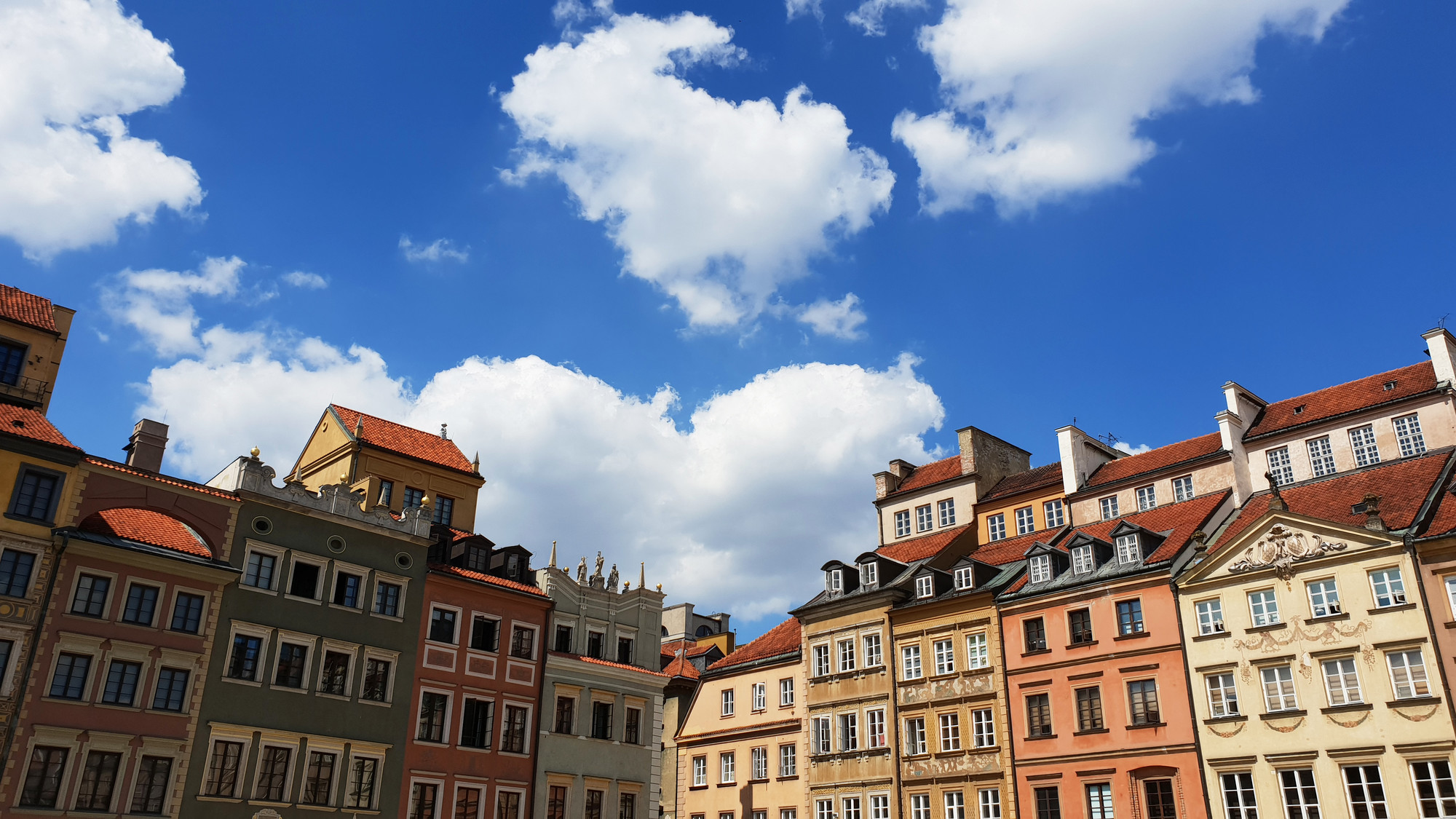
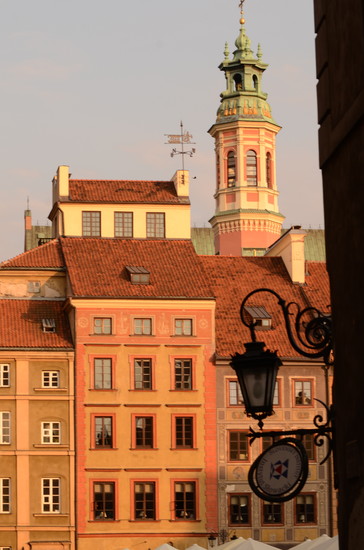
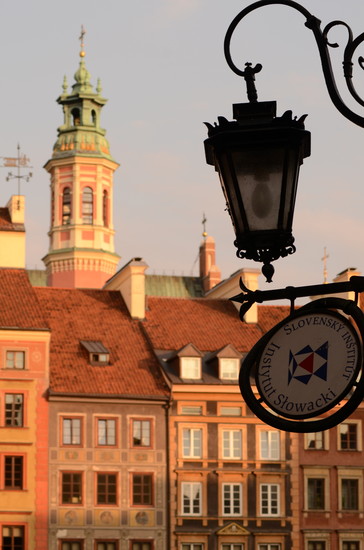
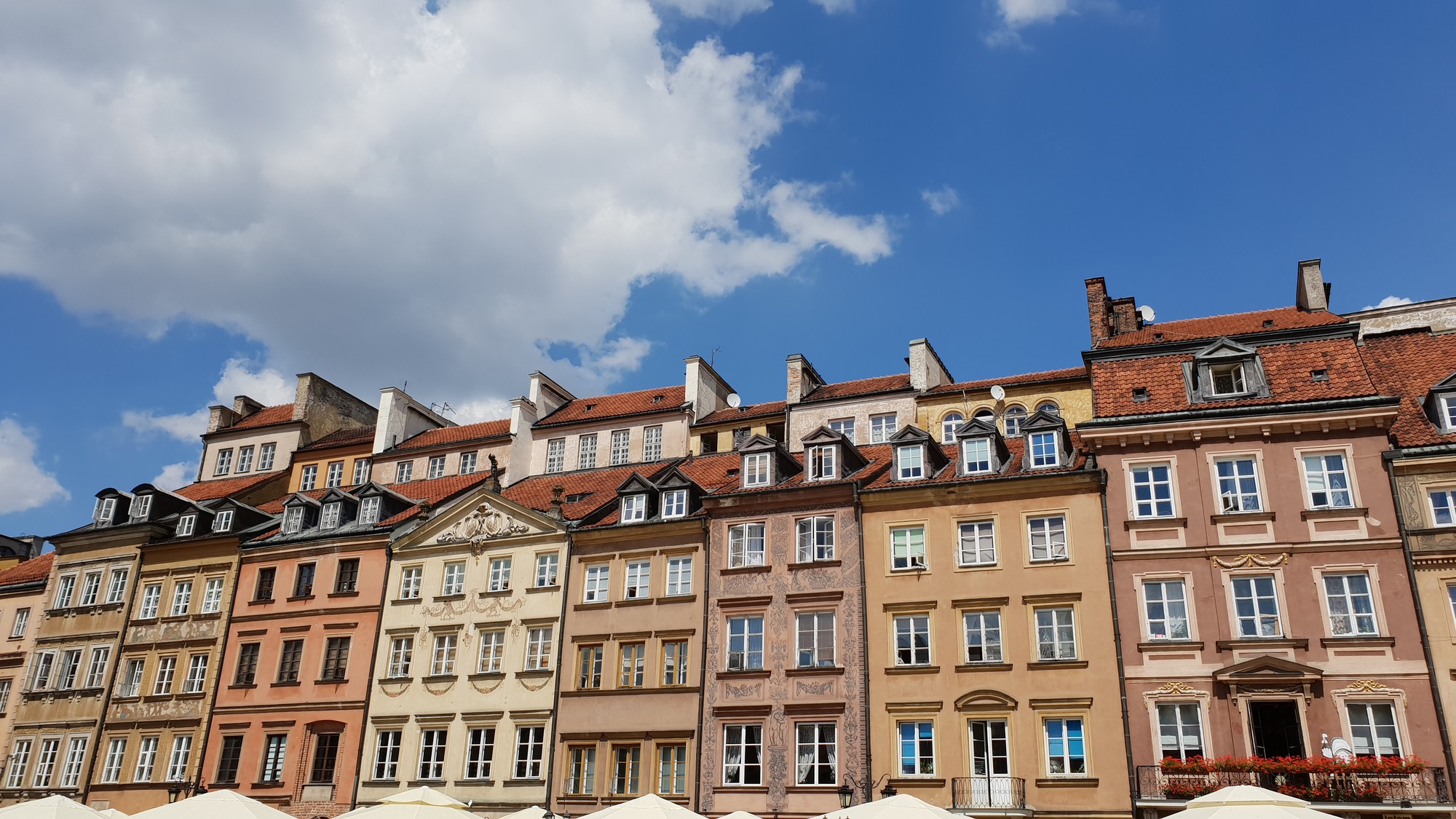
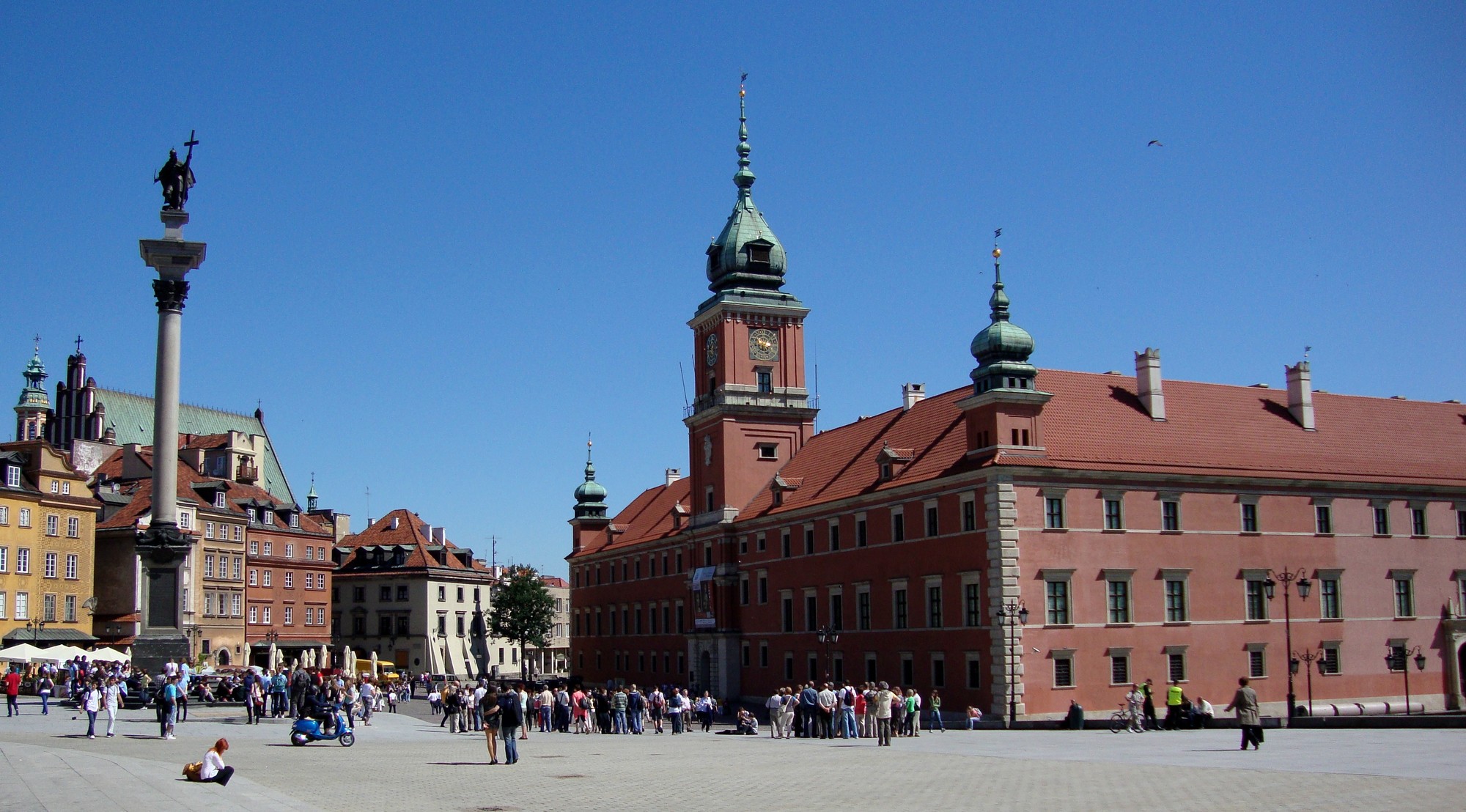
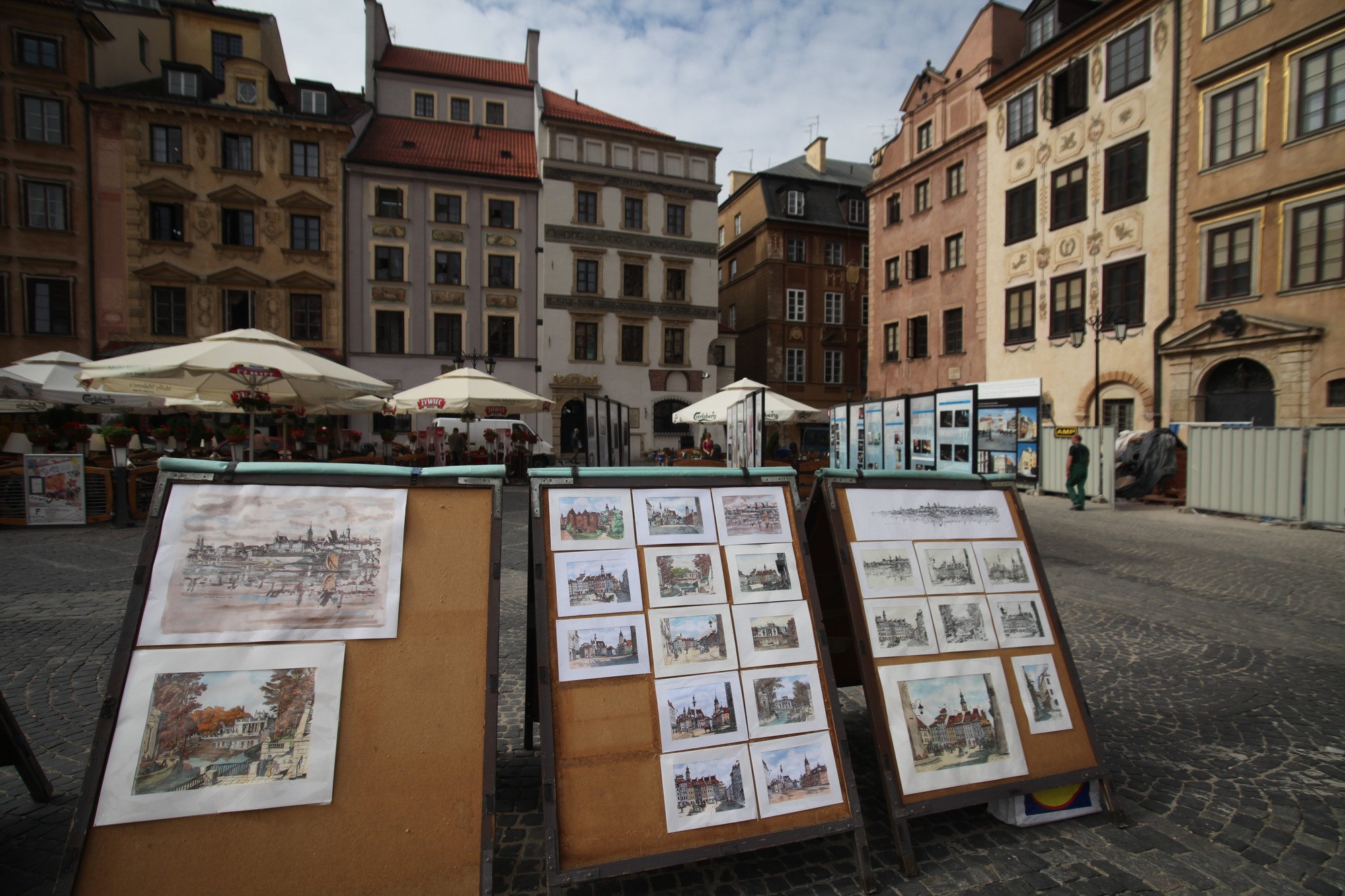
When US General Dwight Eisenhower visited Warsaw after the war he was moved to comment, "I have seen many towns destroyed, but nowhere have I been faced with such destruction." Buried beneath twenty million cubic metres of rubble the city resembled a shattered shell; over half the population had been killed, and 85% of the city razed to the ground. The Old Town had been hit with particular Nazi efficiency, and by the time the Red Army rolled across the river it was little more than a smouldering wasteland. To their credit the Capital Reconstruction Bureau chose to rebuild the historic centre, a painstaking process that would last until 1962. Using pre-war sketches, paintings and photographs the Old Town was carefully rebuilt, though only at the considerable expense of Poland's 'recovered territories.’ Szczecin, for instance, was coerced into demolishing many of its historic buildings in order to 'donate' an estimated 27 million bricks to the Warsaw rebuilding program; so too Wrocław, which at one stage was sending a staggering one million bricks to Warsaw per day. Although now only half a century old, Warsaw's historic quarter is an architectural miracle, and a stunning tribute to the city’s will to survive.
SELF-GUIDED WALKING TOUR
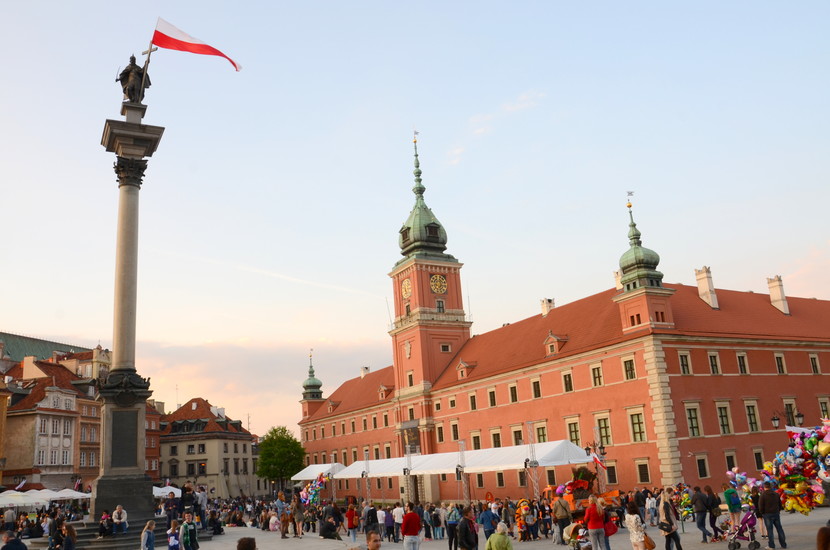
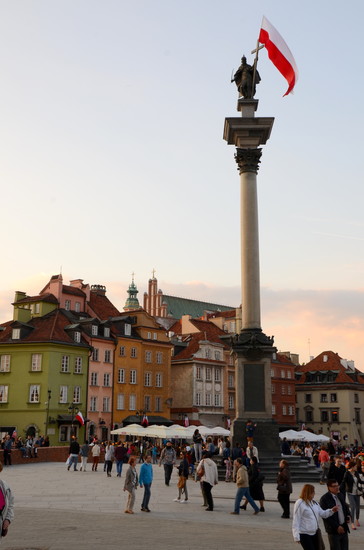
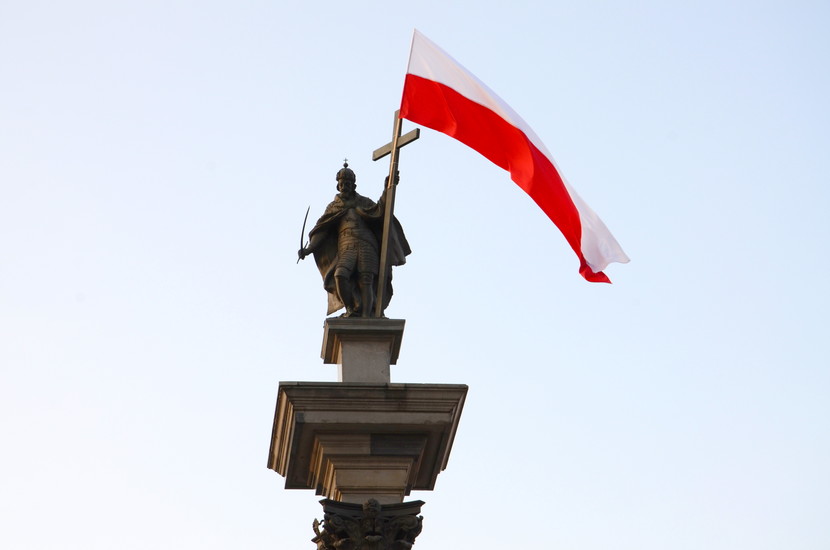
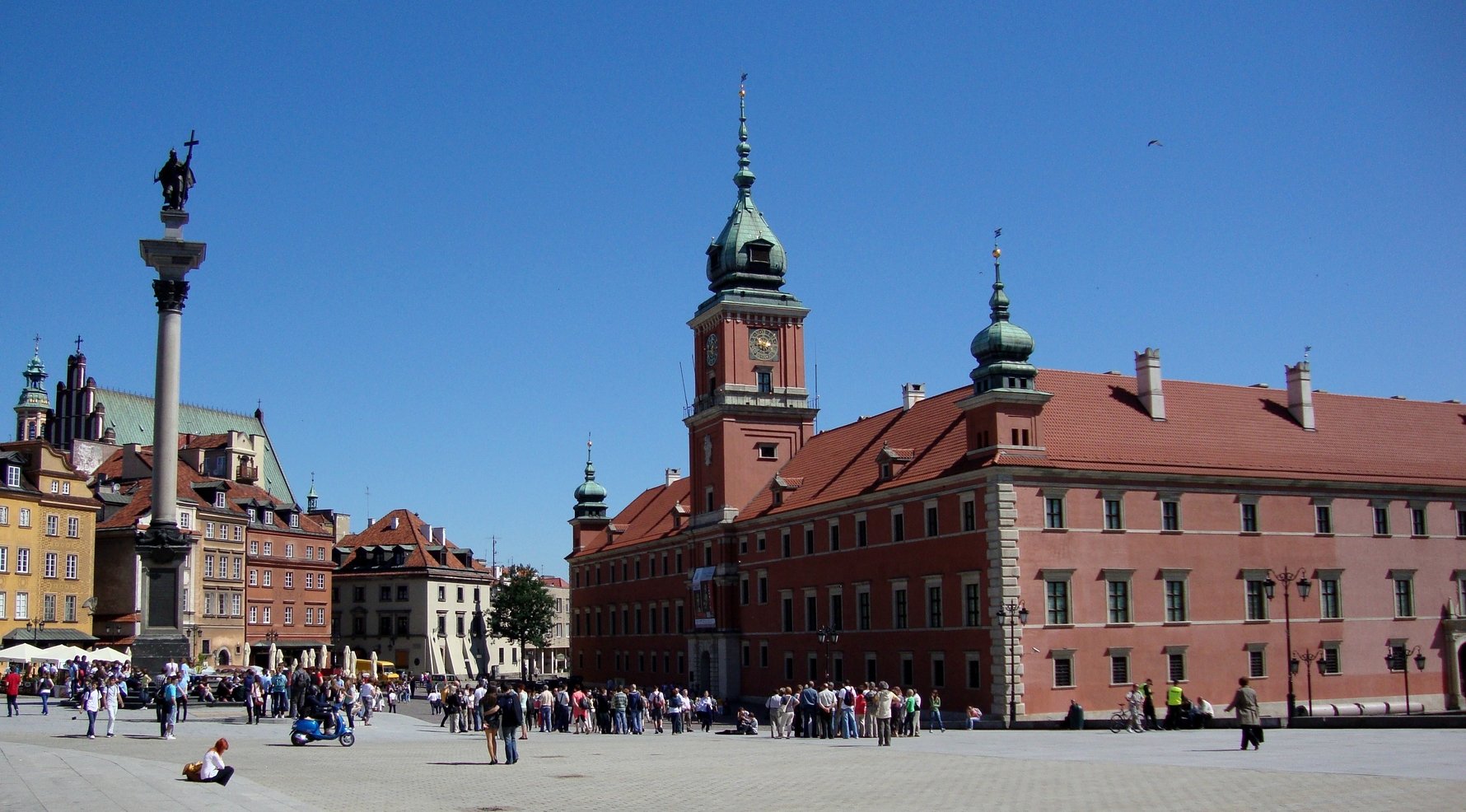
Most visits to the Old Town begin on Plac Zamkowy under King Sigismund’s Column. There isn't a more popular meeting place in the city, and not a minute of the day when the steps to the statue aren't besieged by dating couples, school kids and skateboarders. Erected in 1644 by Sigismund's son, Władysław IV, the twenty-two metre column was designed by Italian architects Augustyn Locci and Constantino Tencalla, and the figure of Sigismund ranks as Poland's second oldest monument - the oldest being the Neptune Fountain in Gdańsk. Local legend asserts that Sigismund rattles his sabre whenever Warsaw is in trouble, an occurrence that was first reported during the 1794 Kościuszko Uprising and again during WWII. With the Warsaw Uprising in full swing the column took a direct hit from a tank shell and came crashing down. Amazingly Sigismund survived, losing only his sword, and he was returned to his new perch in 1949. The remains of the original column can be seen nearby at the side of the Royal Castle.
Moving forward, head down ul. Świętojańska towards St. John the Baptist Cathedral (ul. Świętojańska 8). Inside you will find the Baruczkowski Crucifix - a 16th century cross renowned for its mysterious powers. Famed in particular for its crypt, this neo-Gothic masterpiece also contains stunning artworks, as well as the treads of a remote-controlled German tank used to attack the Cathedral in 1944, today seen on an exterior wall. Also, don't miss out on the Jesuit Church next door (ul. Świętojańska 10), a Renaissance building described in detail in our Churches section.
It's hard to believe that at the end of 1944 all before you was just rubble, but that's exactly what it was. Evidence of this can be viewed on ul. Zapiecek where black and white photographs illustrate the devastation. The Old Town's subsequent inclusion on the UNESCO World Heritage List in 1980 is also remembered in some cobblestone pavers here. Resisting the draw of the market square for the time being, instead head down ul. Piwna - aptly named ‘Beer Street’ after the 15th century breweries that once operated here - for a glimpse of St. Martin's Church at ul. Piwna 9/11. Flattened during the war, the only fragment to survive was a half-burned figure of Jesus. During the period of Martial Law, Solidarity supporters would convene here to worship and hold secret meetings. As with the rest of the Old Town, the real beauty of ul. Piwna lies in the details - check out the elaborate paintings and gargoyles that peer from the facades, and don't miss the portal at number 6. Known locally as Pod Gołębiami (Under the Pigeons), and housing a popular restaurant and shot bar called Karmnik, this place acquired its name after the war when an eccentric old woman settled in the ruins in order to look after the pigeons that strutted around the rubble.
Stay on the left flank of the Old Town to check out the area around ul. Piekarska and ul. Rycerska, once home to a small square used for executions. Nicknamed ‘Piekarka,’ this is where witches and other ne'er do wells were burned at the stake, hung, or beheaded. Marking the end of Piekarska, just outside the old city walls, check out the sword waving figure of Jan Kiliński - a legendary Polish patriot and hero of the 1794 Kościuszko Uprising. Tadeusz Kościuszko himself once lived nearby at Szeroki Dunaj 5; this wide street was formerly home to Warsaw's fish market, while the narrow street running at a 90 degree angle, Wąski Dunaj, was the town's Jewish Quarter during the Middle Ages. Directly behind the wall, and onto ul. Podwale, you'll find one of Warsaw's most poignant landmarks - The Monument to the Little Insurgent - depicting a young lad weighed down by a machine gun and over-sized helmet. The monument honours the memory of the child soldiers who fought and died during the 1944 Warsaw Uprising.
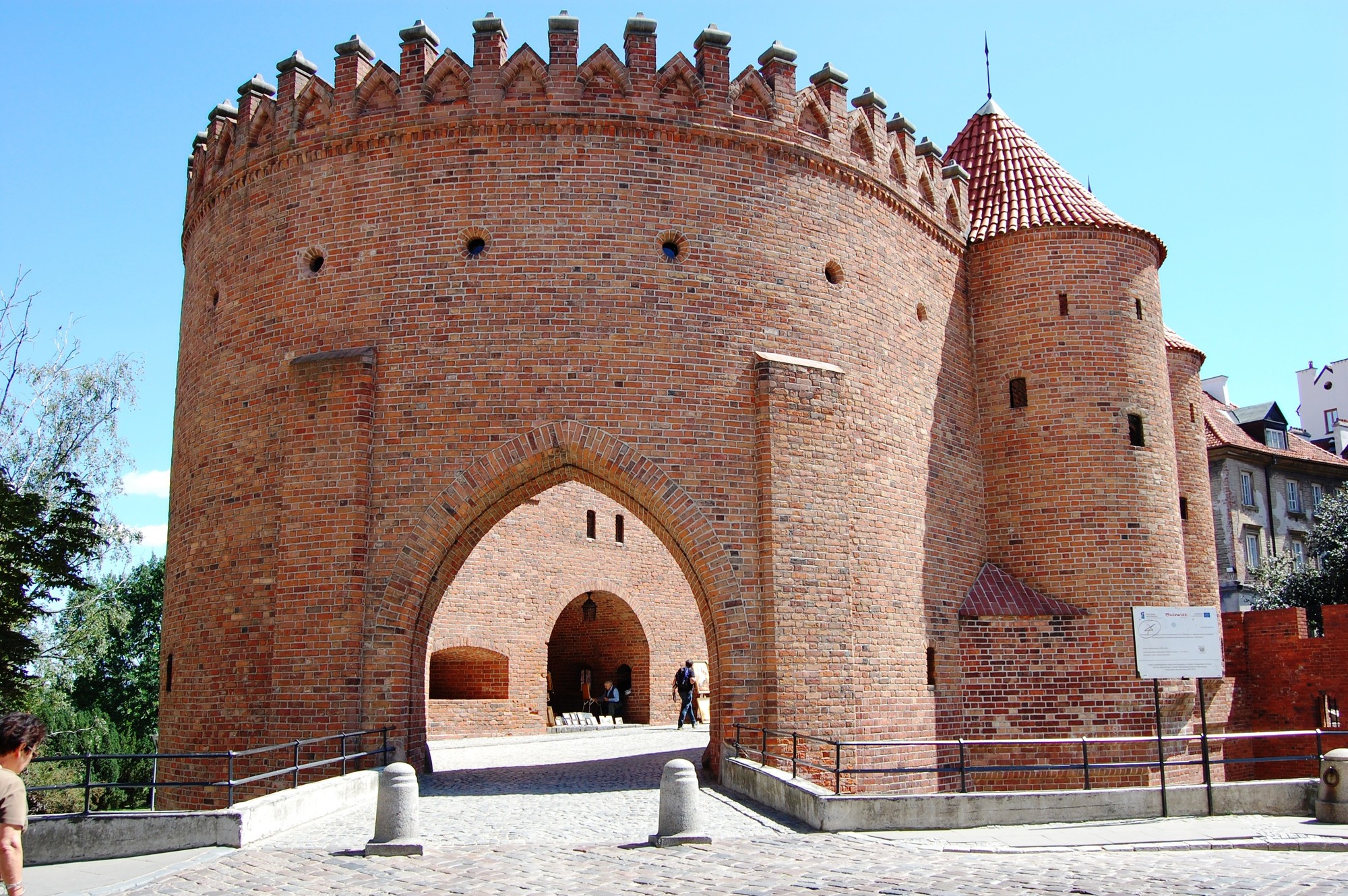
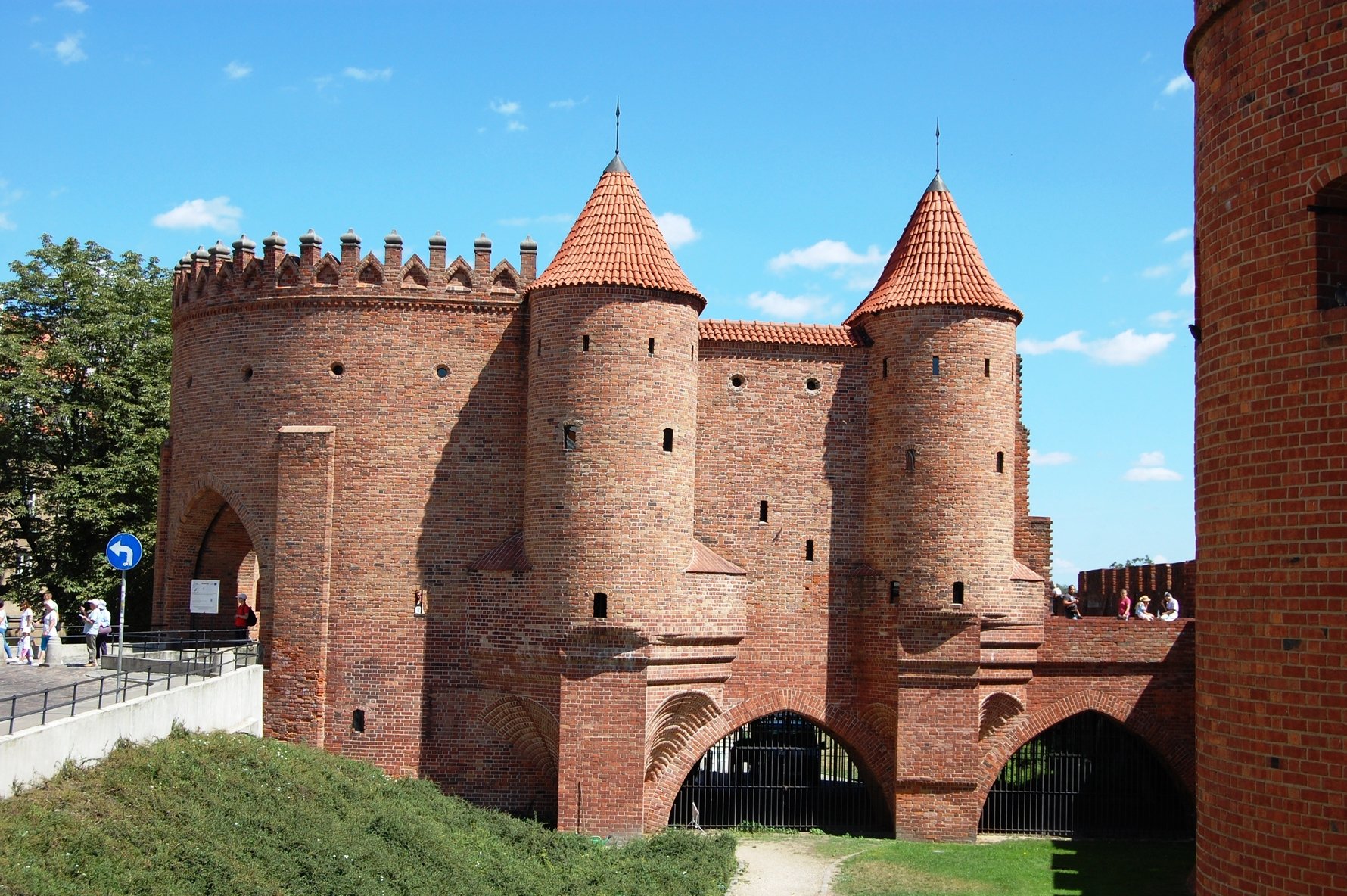
Follow Podwale as it curves northwards, and if you're feeling peckish pop into Podwale Kompania Piwna at number 25. Resembling a typical European beer hall this place is legendary, with servings of meat and cabbage practically forklifted onto the sturdy tables; you might be feeling like a python who just swallowed a pig afterwards. In that case, slither along to the Barbican. Crowning the set of defensive walls which once protected the city, this fearsome rotund structure dates from 1548. Today it serves as a bridge between the Old and New Town, and is also the hangout of choice for teenage drinkers and 'artists' selling their wares. During the summer months you can visit the interior, though it’s best avoided if you have an aversion to confined spaces. The moat around the area is another relatively recent addition. The original ditch was filled in back in the 18th century and the walls were incorporated into the dense tangle of new townhouses. Fragments of these forgotten defences were unearthed in 1937 and a decade later, with Warsaw in ruins, architects took the decision to restore the ancient walls.
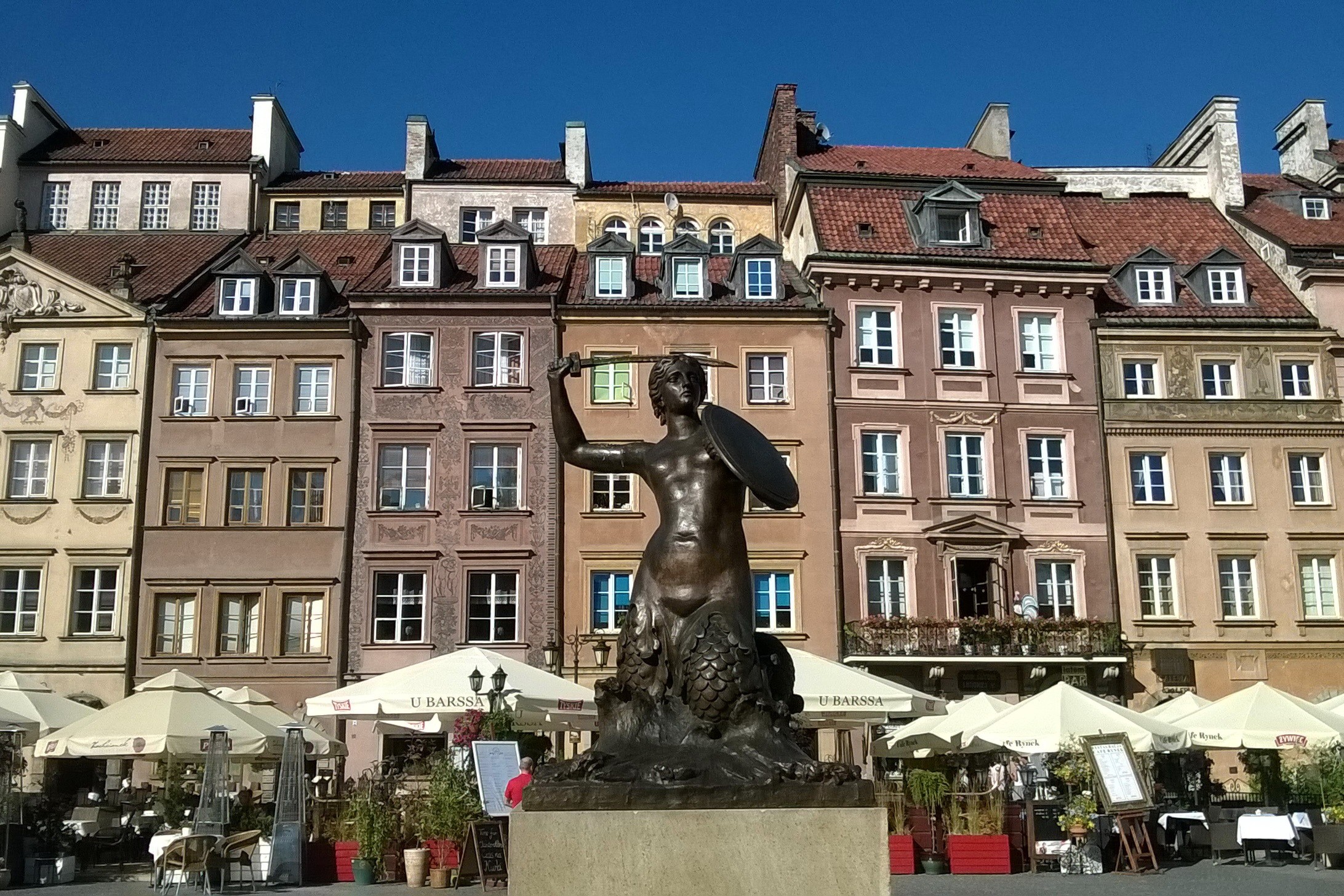
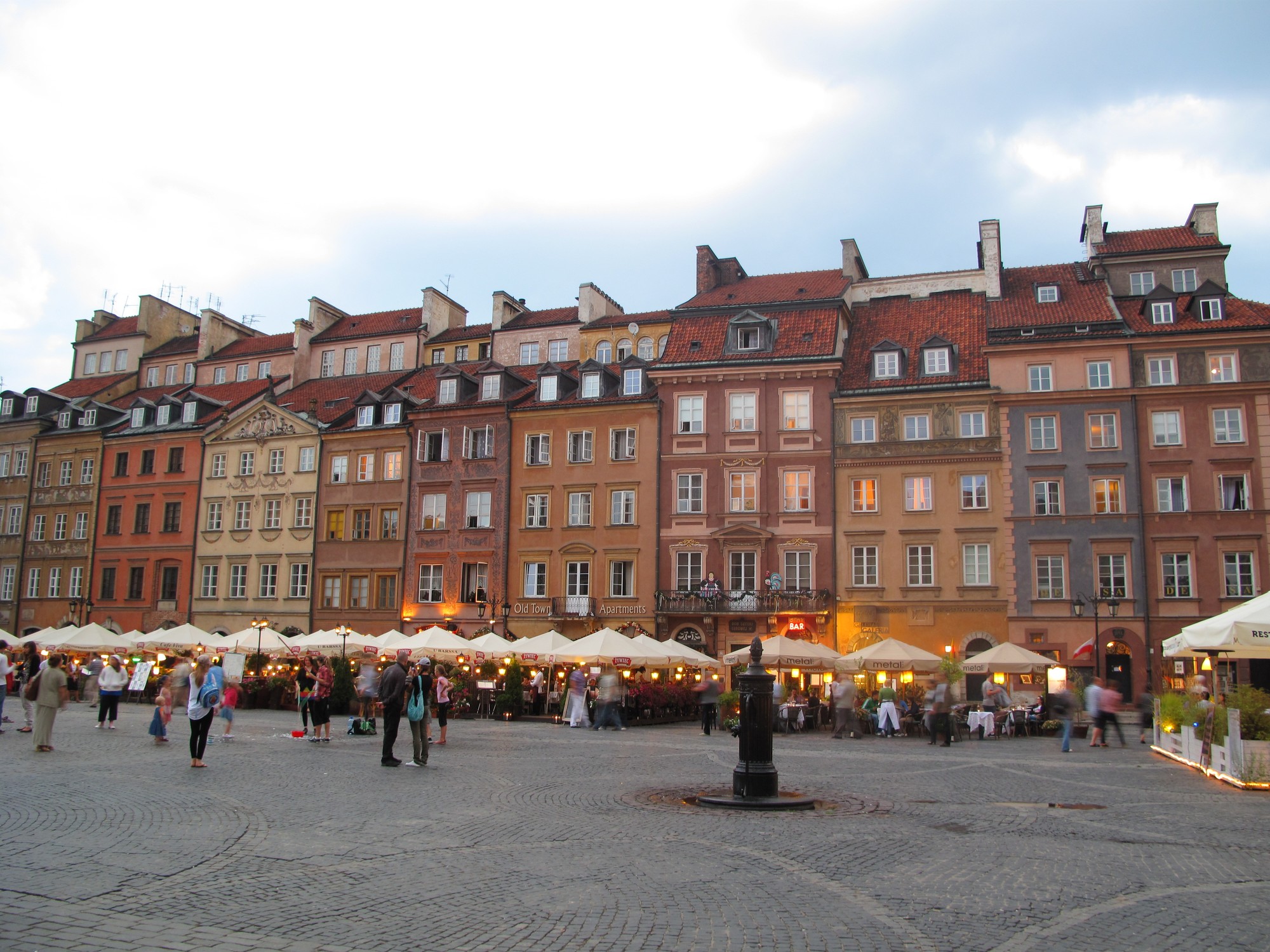
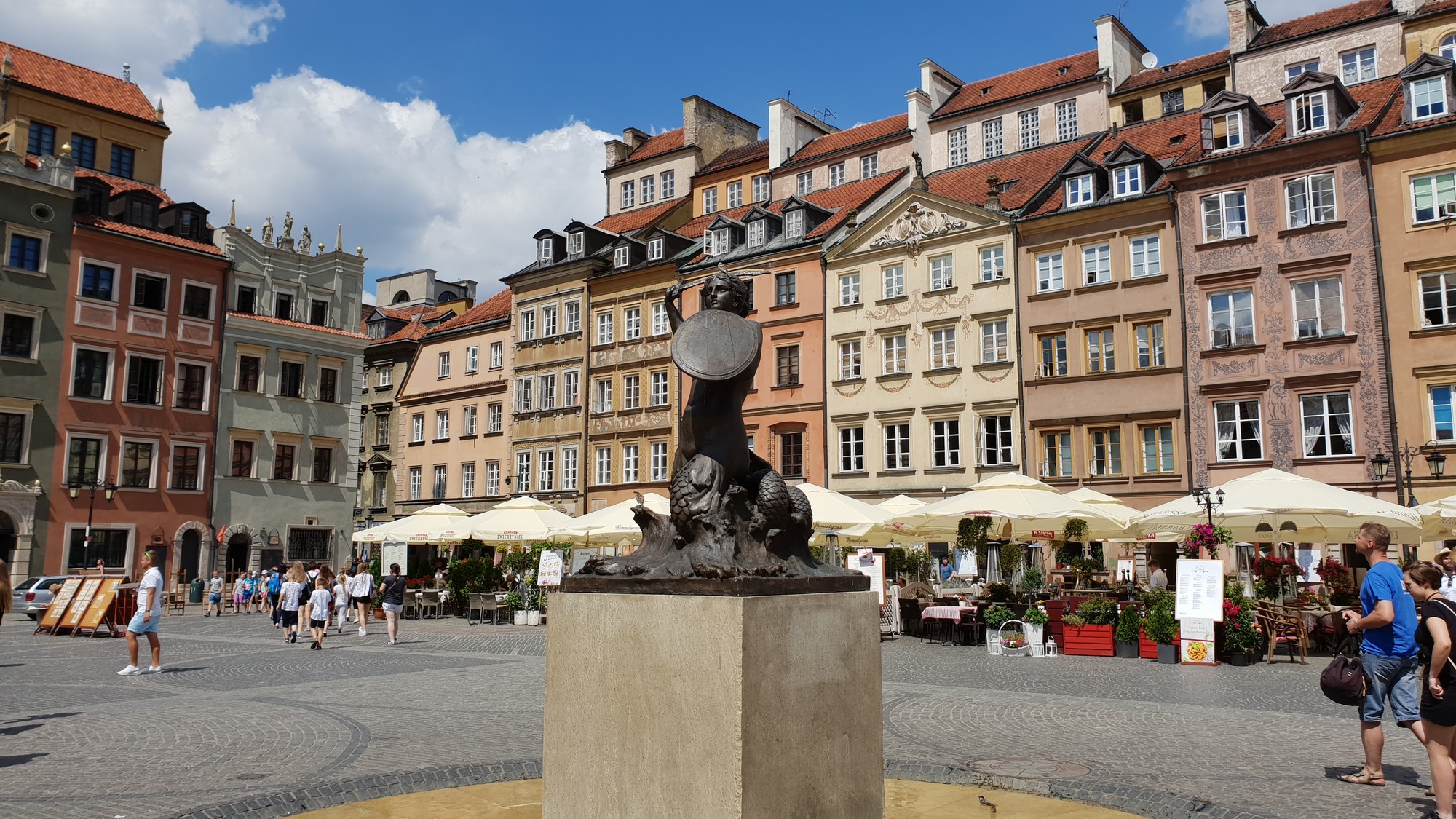
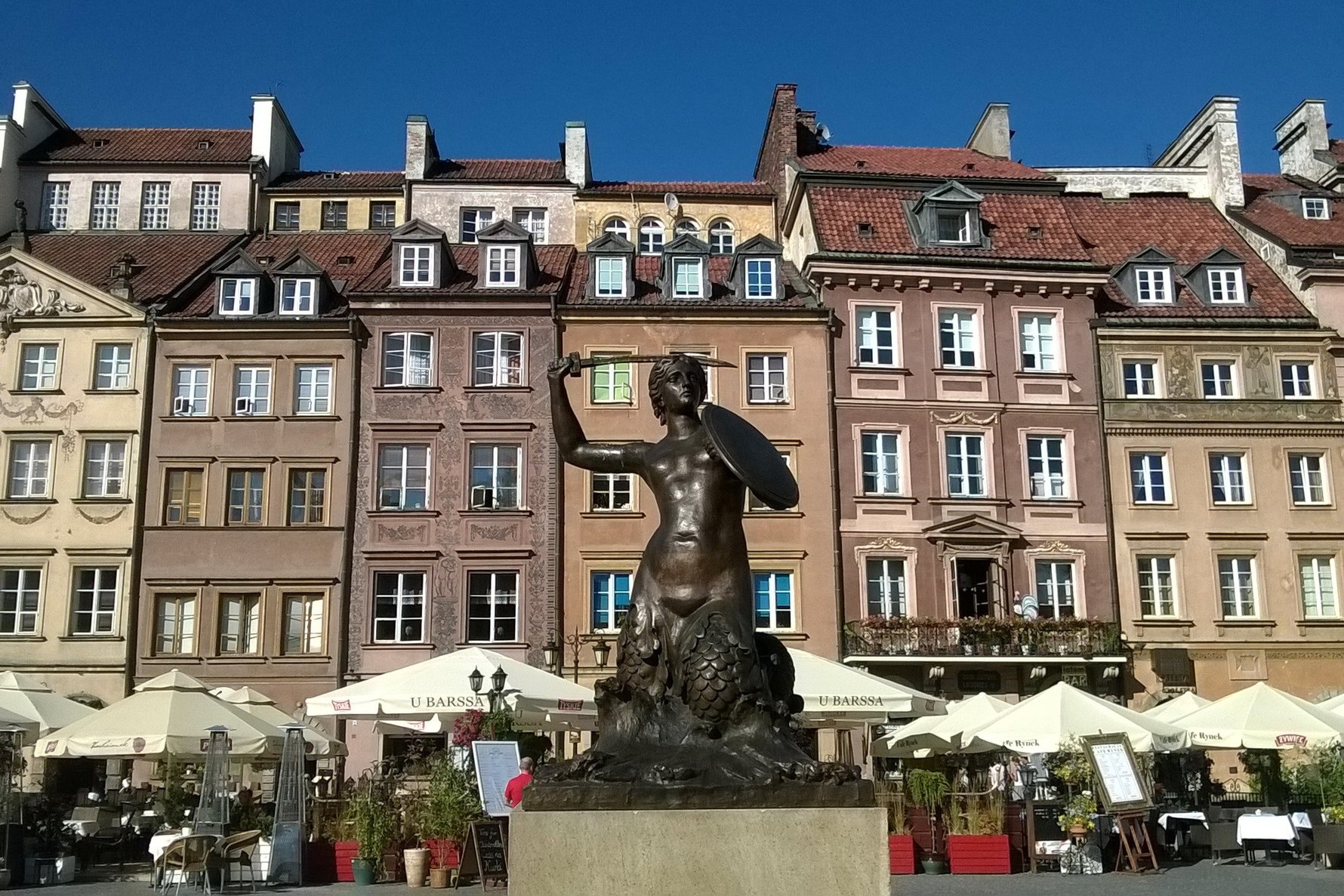
At this point you'll find your nose pointing straight down ul. Nowomiejska. Continue forward to reach the beautiful Old Town Square (Rynek). Measuring 90 by 73 metres this square is Warsaw's defining highlight, lined with richly decorated burgher houses. During the 15th century the Old Town Square was home to Warsaw's Town Hall, though this was pulled down in 1817 and never replaced. Today you'll find a couple of water pumps dating from the 19th century, as well as Warsaw's best loved monument - Syrenka. Cast in 1855 this mermaid's form graces every bus, tram and coat of arms you'll find in the capital.
While the Old Town Square presents no shortage of ways to part tourists from their cash, one place that is worth popping into is U Fukiera at number 27. The culinary tradition here dates from 1810 when the Fukier family turned this place into Warsaw's top winery. Today the restaurant is in the hands of the famed Gessler family, and their guest list reads as something of a Who's Who of stage and screen. Close by is the Warsaw Museum (Rynek Starego Miasta 28-42).
Leaving the square now, head down ul. Kamienne Schodki - not only the longest stairwell in the Old Town, but also where Napoleon stood in 1806, pensively staring eastward on the eve of his Russian campaign. From here walk south down ul. Brzozowa until you reach the grassy bank that offers sweeping views of the River Wisła. Known as Gnojna Góra (Compost Hill), this small knoll once served as the town rubbish dump, and at one stage was also renowned for its healing properties - people with obscene amounts of money would actually come here to be buried up to their necks in rubbish in a supposed cure for syphilis. Doesn't work, we've tried.
Head back towards the Old Town by walking towards ul. Dawna, whose trademark blue archway is one of the most picturesque sights in the city. Finally, conclude your epic walking tour by swerving onto ul. Kanonia. Once a graveyard, this little square features a cracked cathedral bell (that promises good luck if you touch the top and circle it) as well as one of the world's most narrow houses at number 20/22 (Etgar Keret’s House at ul. Chłodna 22/ul. Żelazna 74 actually holds the claim for world’s most narrow). Close by note the covered walkway linking the Cathedral to the Royal Castle. This was built after a failed assassination attempt on Sigismund III. The King escaped unharmed, but the hapless hitman, Michał Piekarski, found himself skinned alive, stretched by four horses and then chopped into pieces with an axe!
You yourself are now within horse-stretching distance of your starting point by Sigismund’s Column. Point your fatigued figure in the direction of Krakowskie Przedmieście and prepare yourself to take the path of Kings along The Royal Route. Cue fanfare!
Comments