



Find the Crane and more of Gdansk's top sights and experiences in our beautiful new guidebook. Get your copy now!
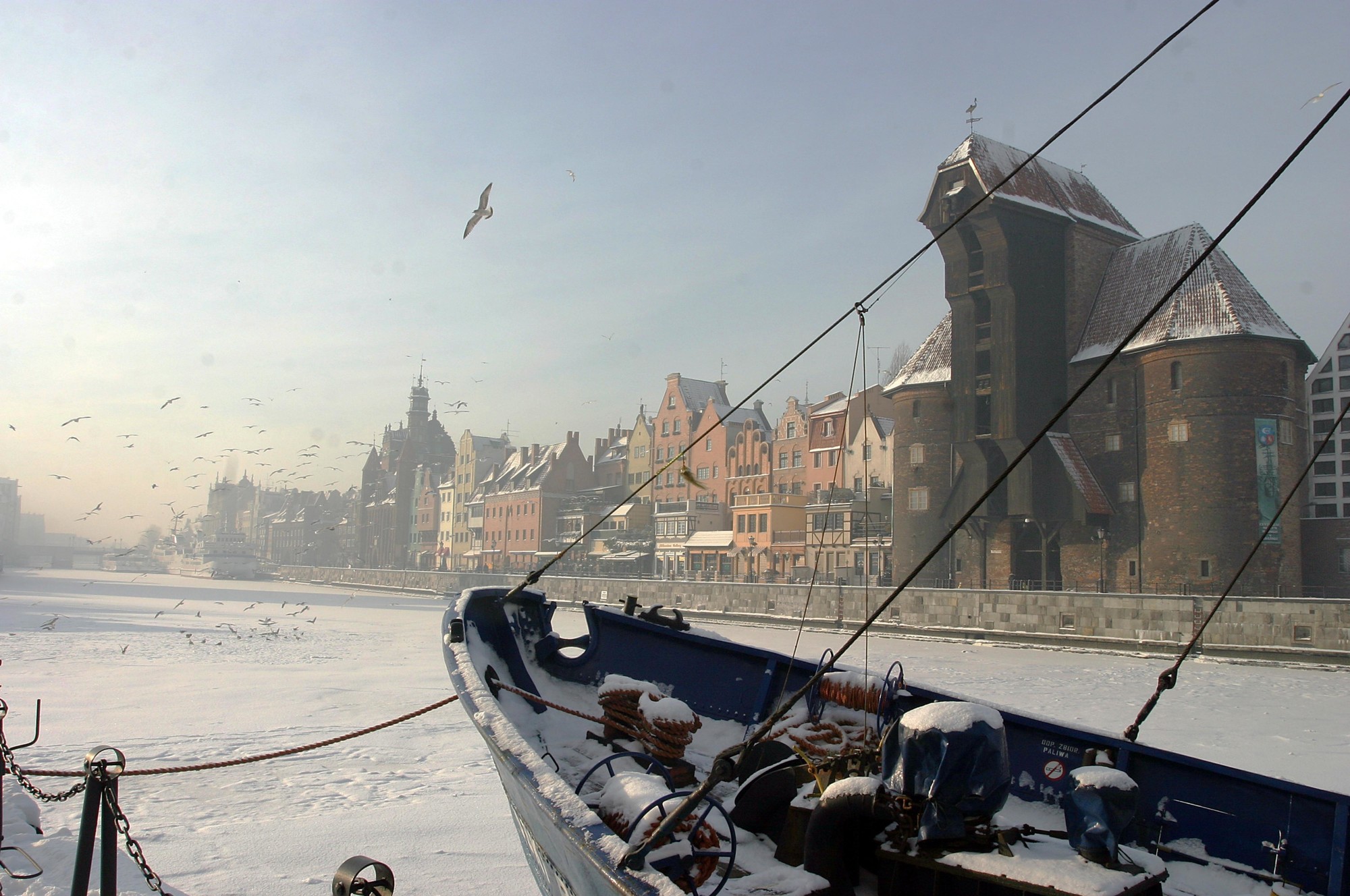
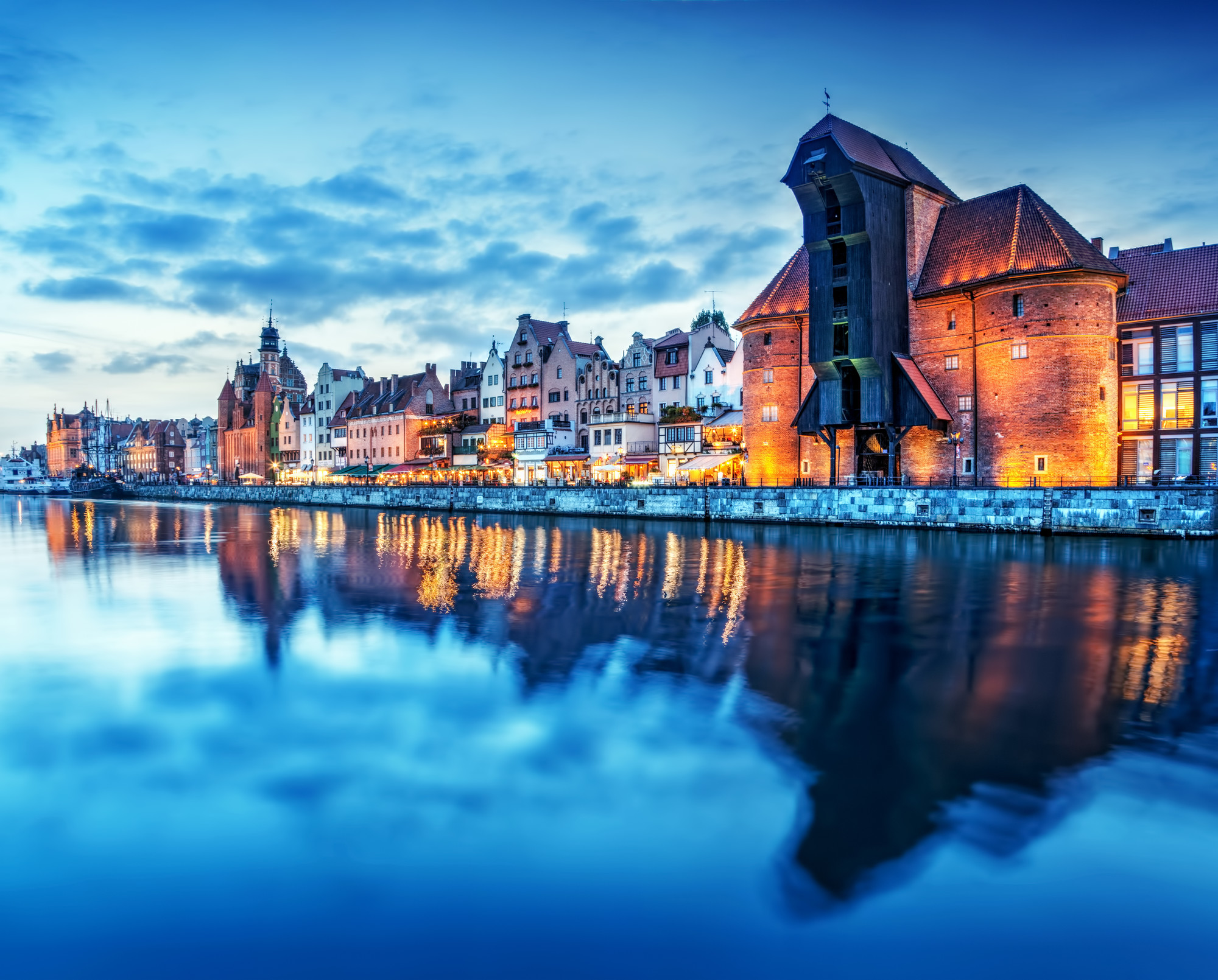
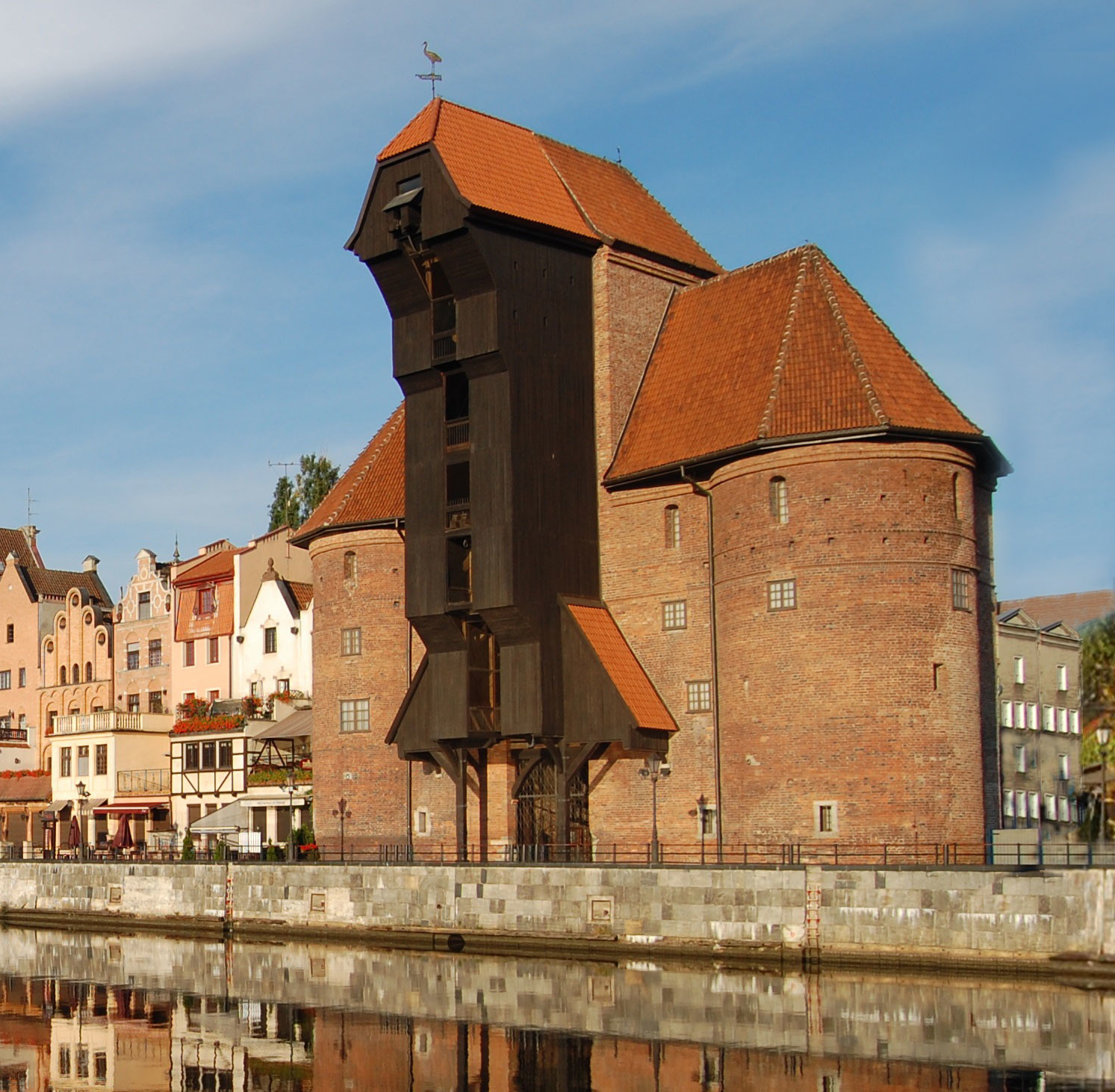
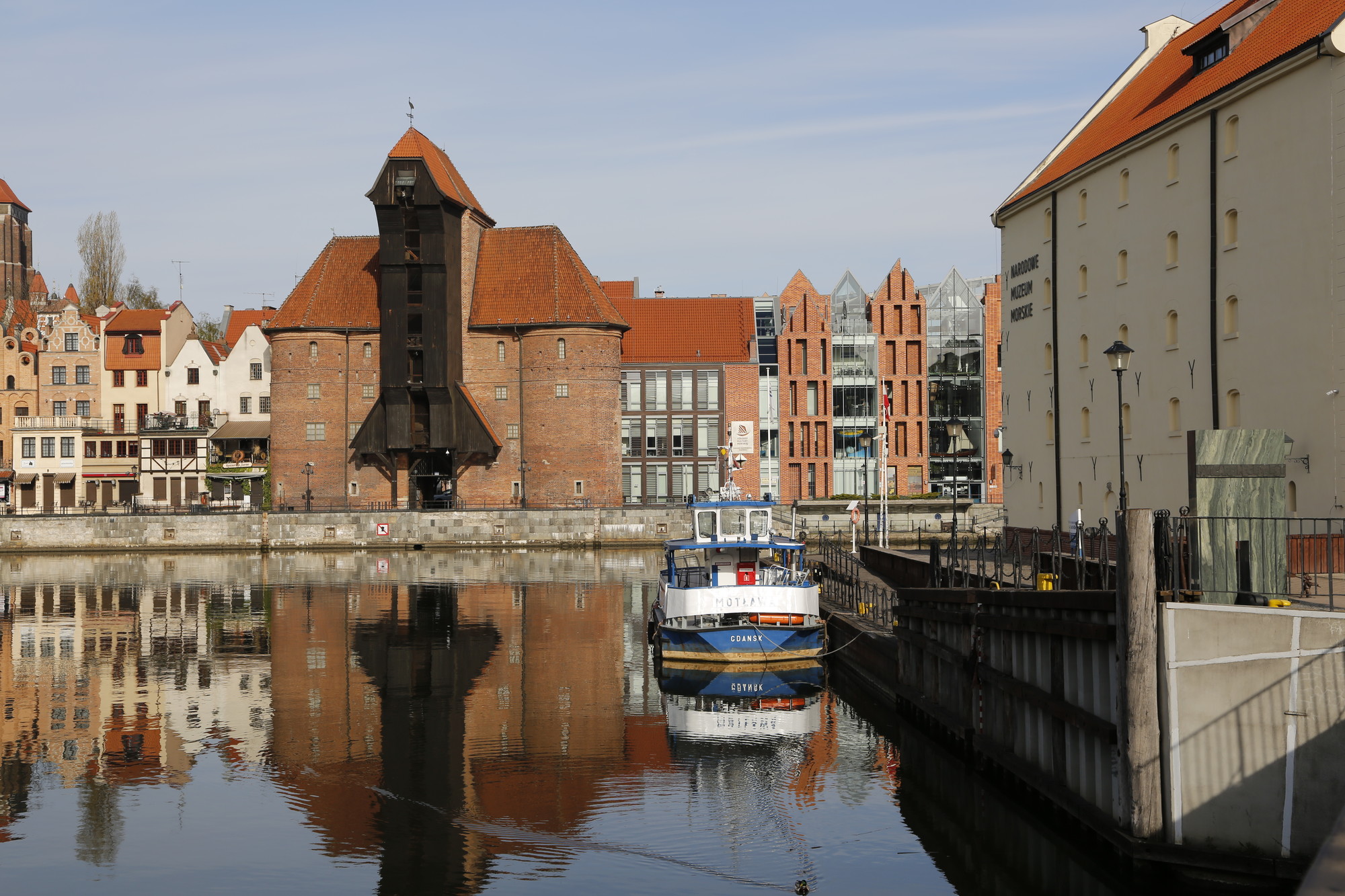
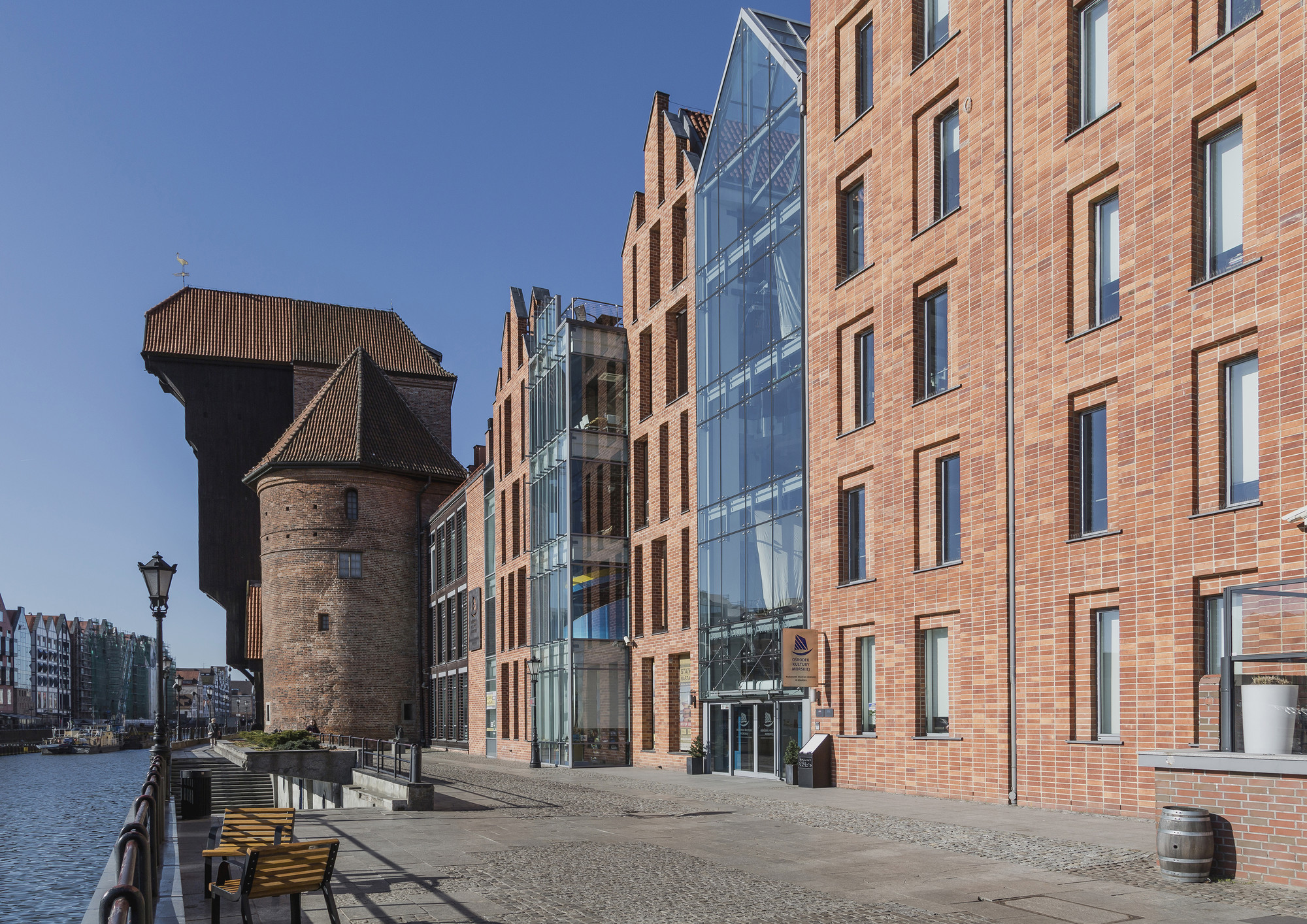
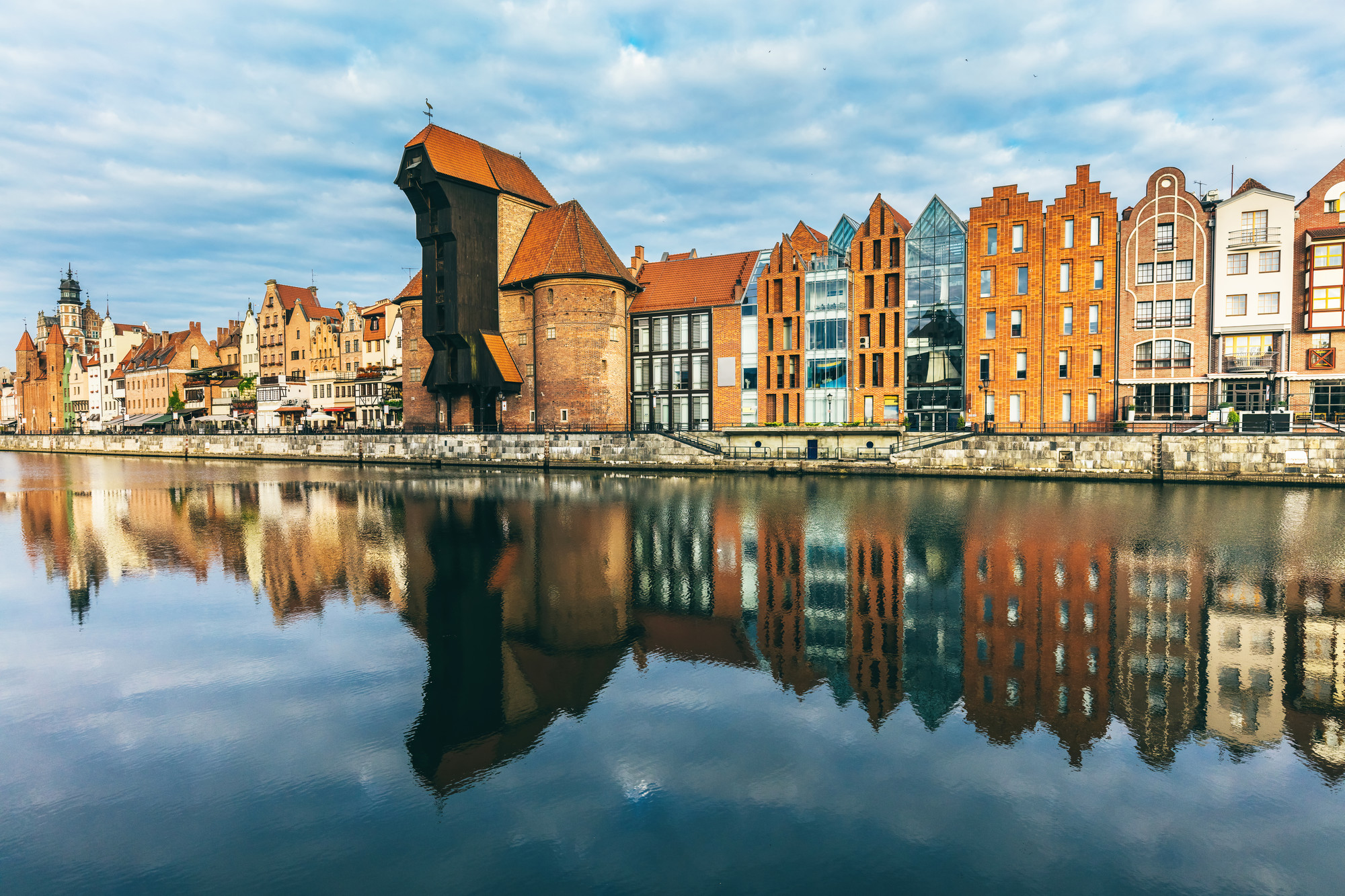
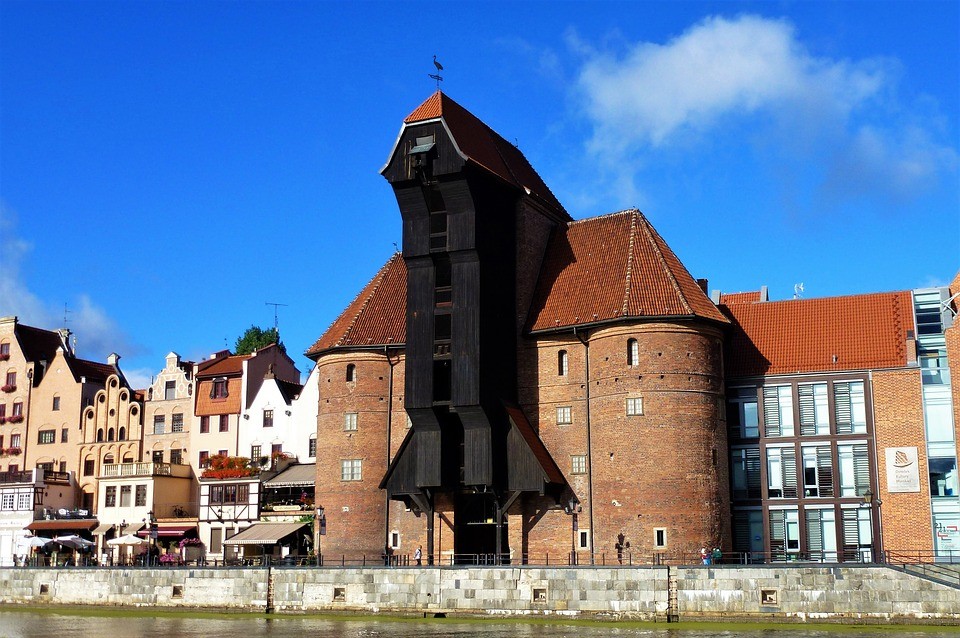
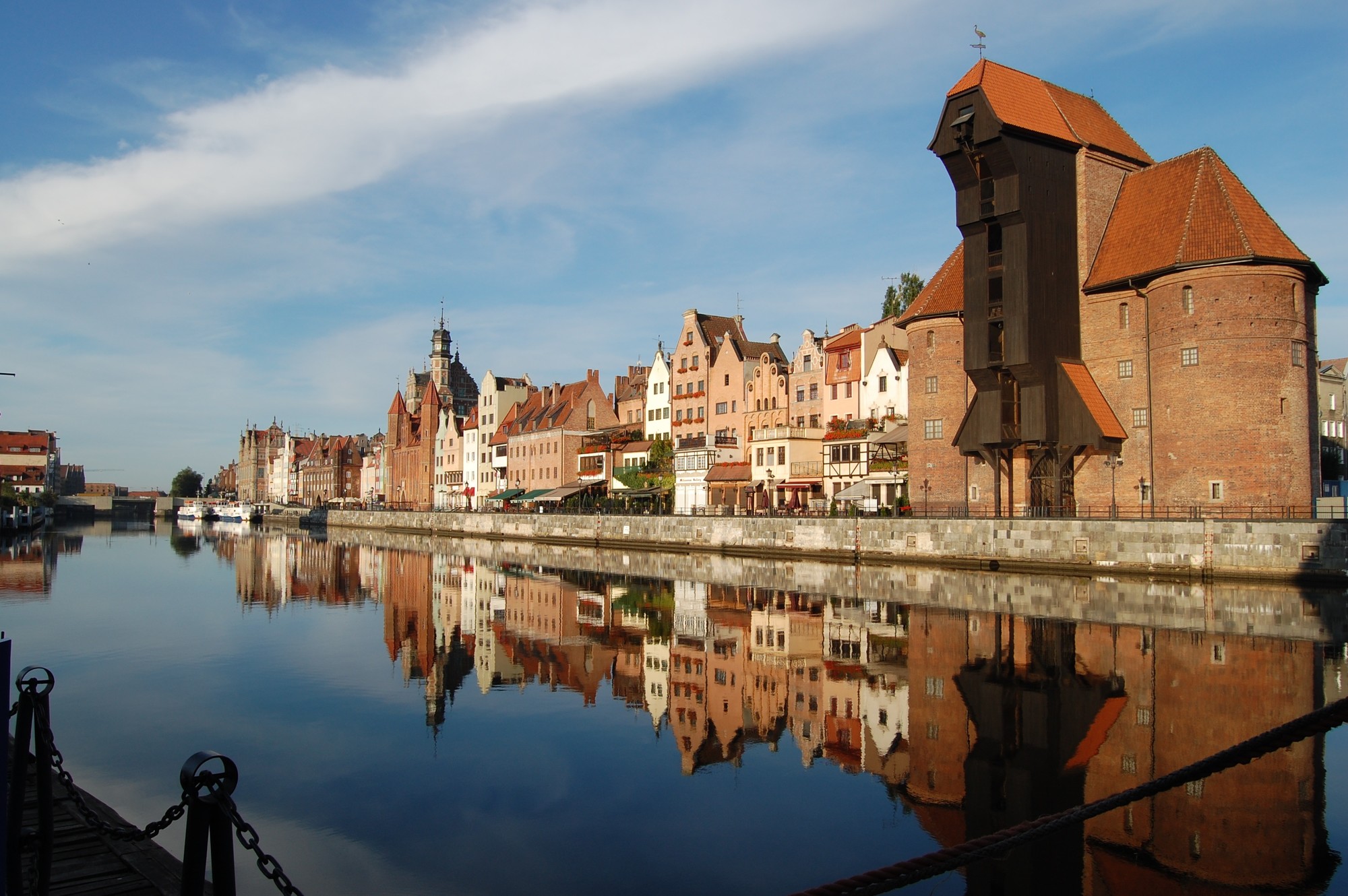
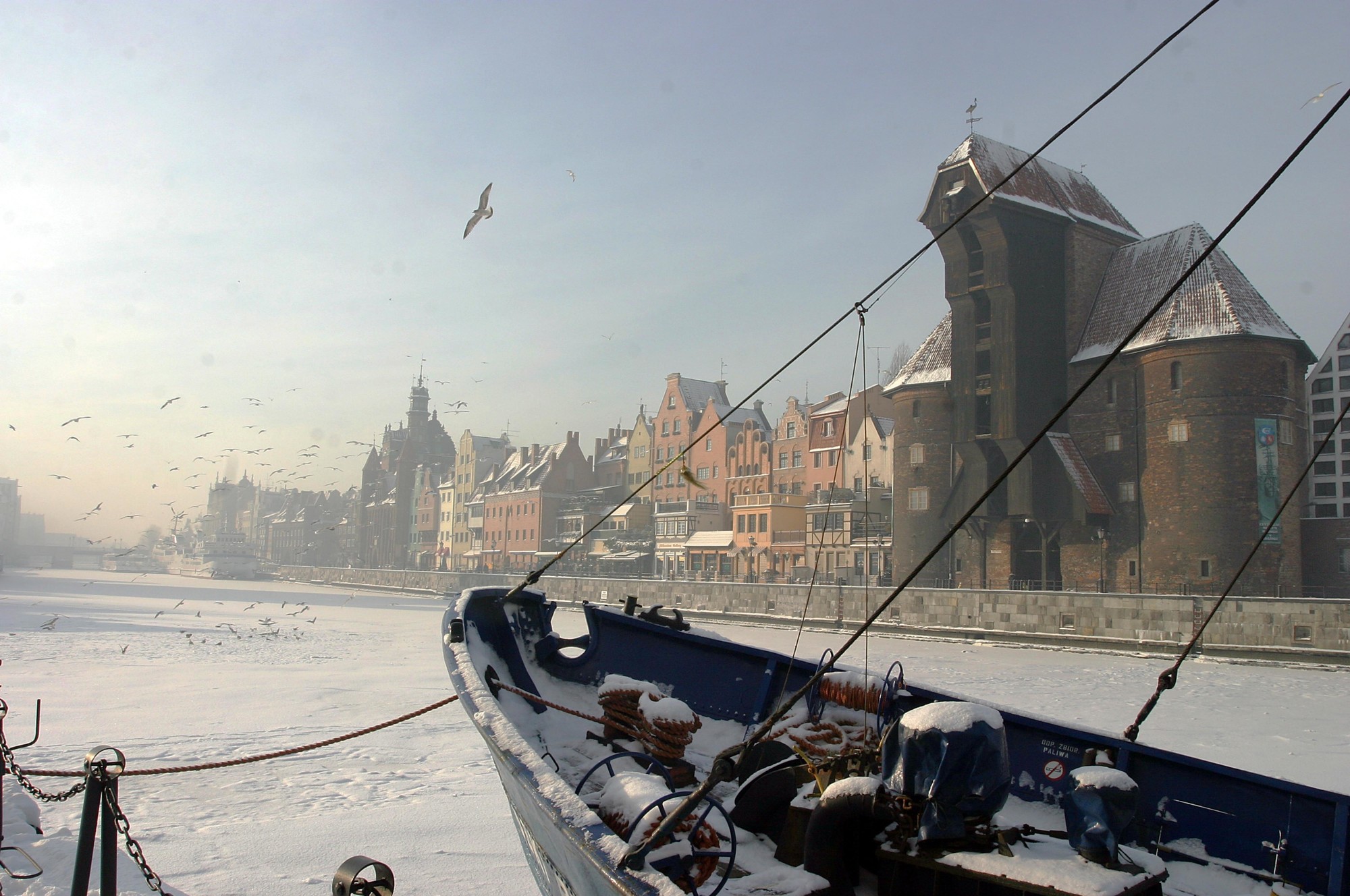
The Crane is one of the defining symbols of Gdańsk and represents what little is left of the city’s great trading age. First mentioned in 1367 the original structure burnt down in 1442 before its current design was created in 1442-1444. As a working crane it was used to transfer cargoes and to put up masts on ships. At one time this was the biggest working crane in the world but it also served a defence function and as one of the gates to the city. It had a lifting capacity of 4 tonnes to a height of 11 metres and this was achieved by two huge wooden wheels at its heart each with a diameter of 6 metres. These wheels were originally powered by men walking inside of them to turn the lifting mechanism. It remained a working crane until the middle of the 19th century and was 80% destroyed in 1945 in The Battle for Gdańsk.
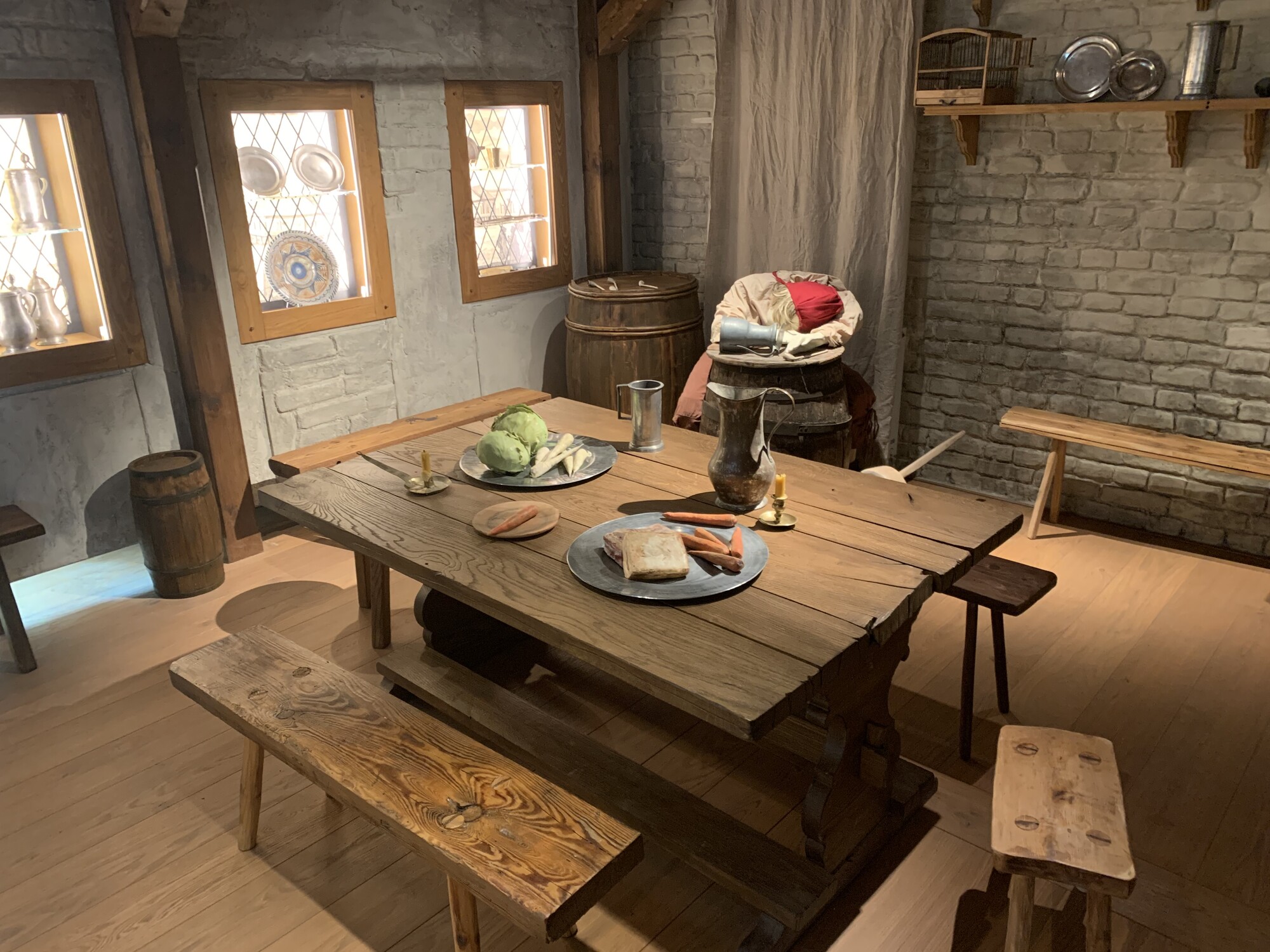
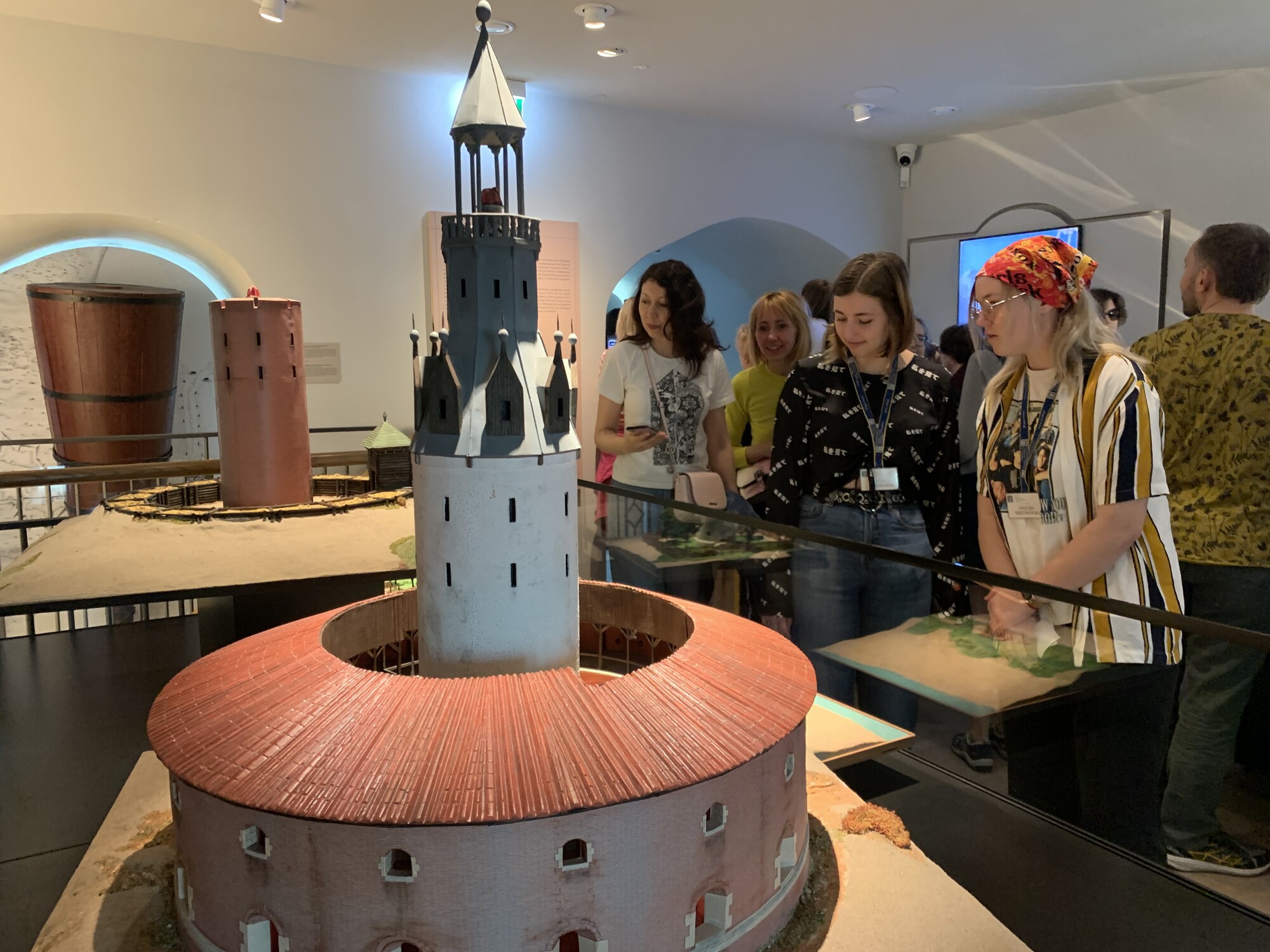
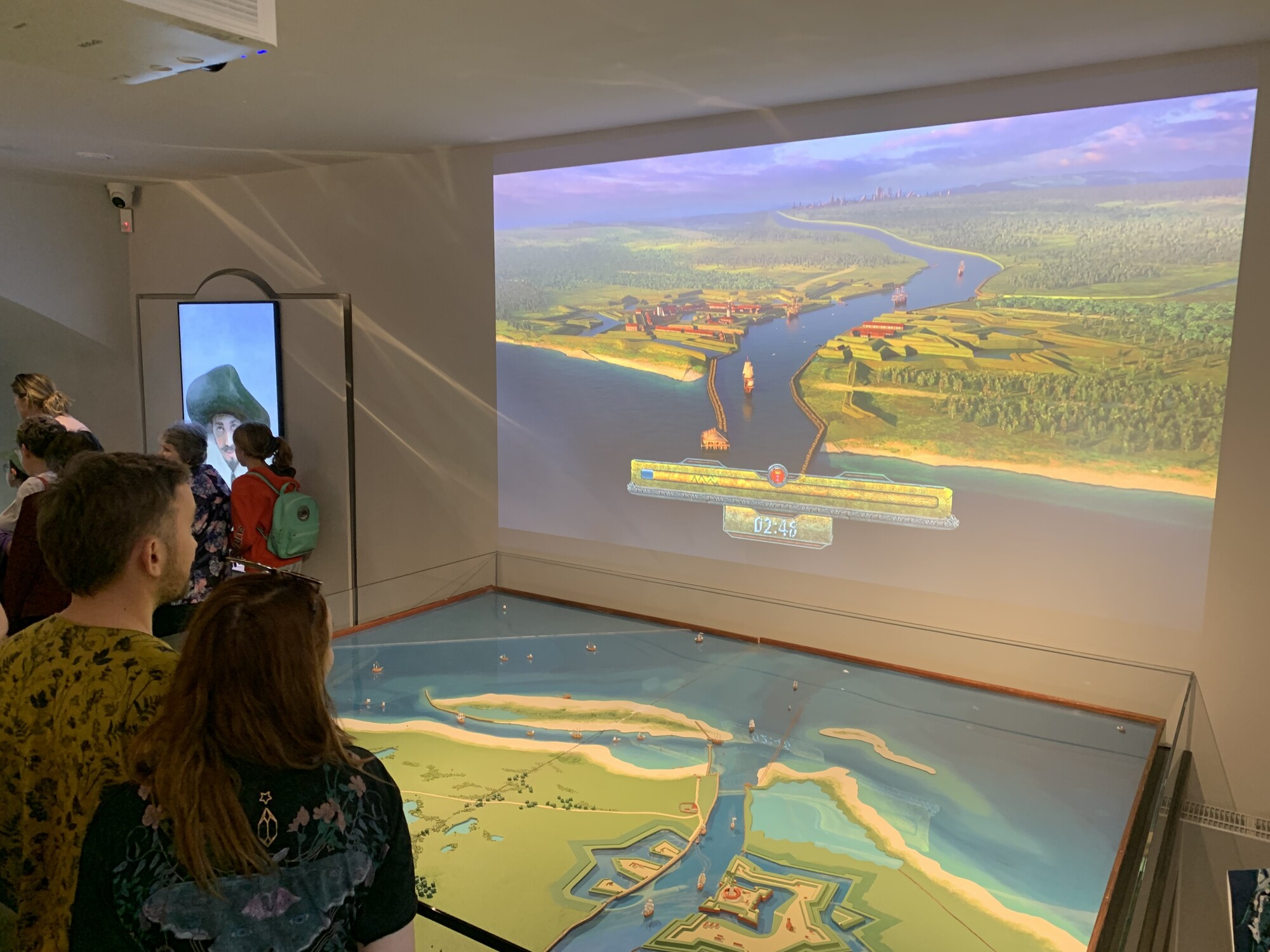
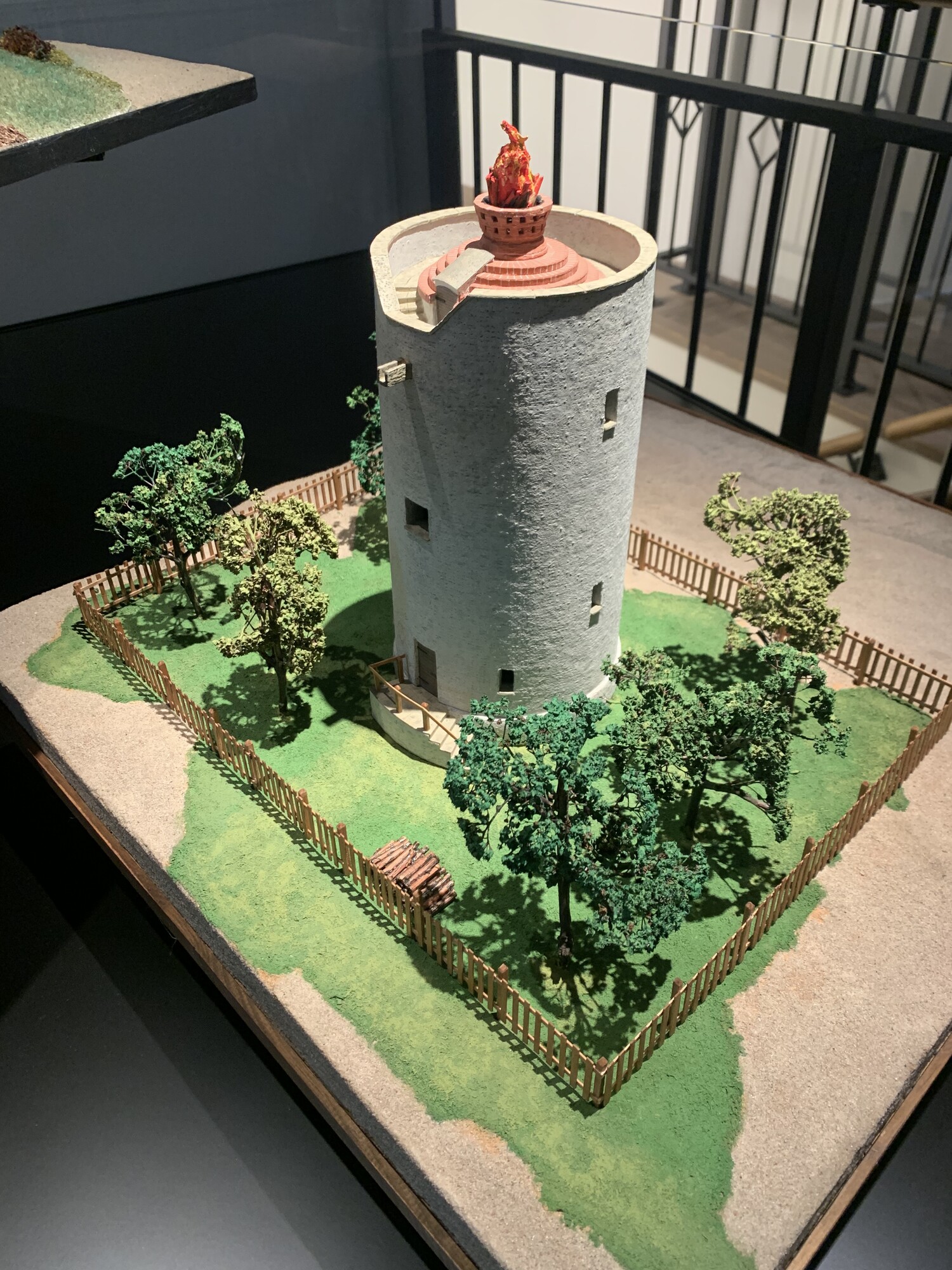
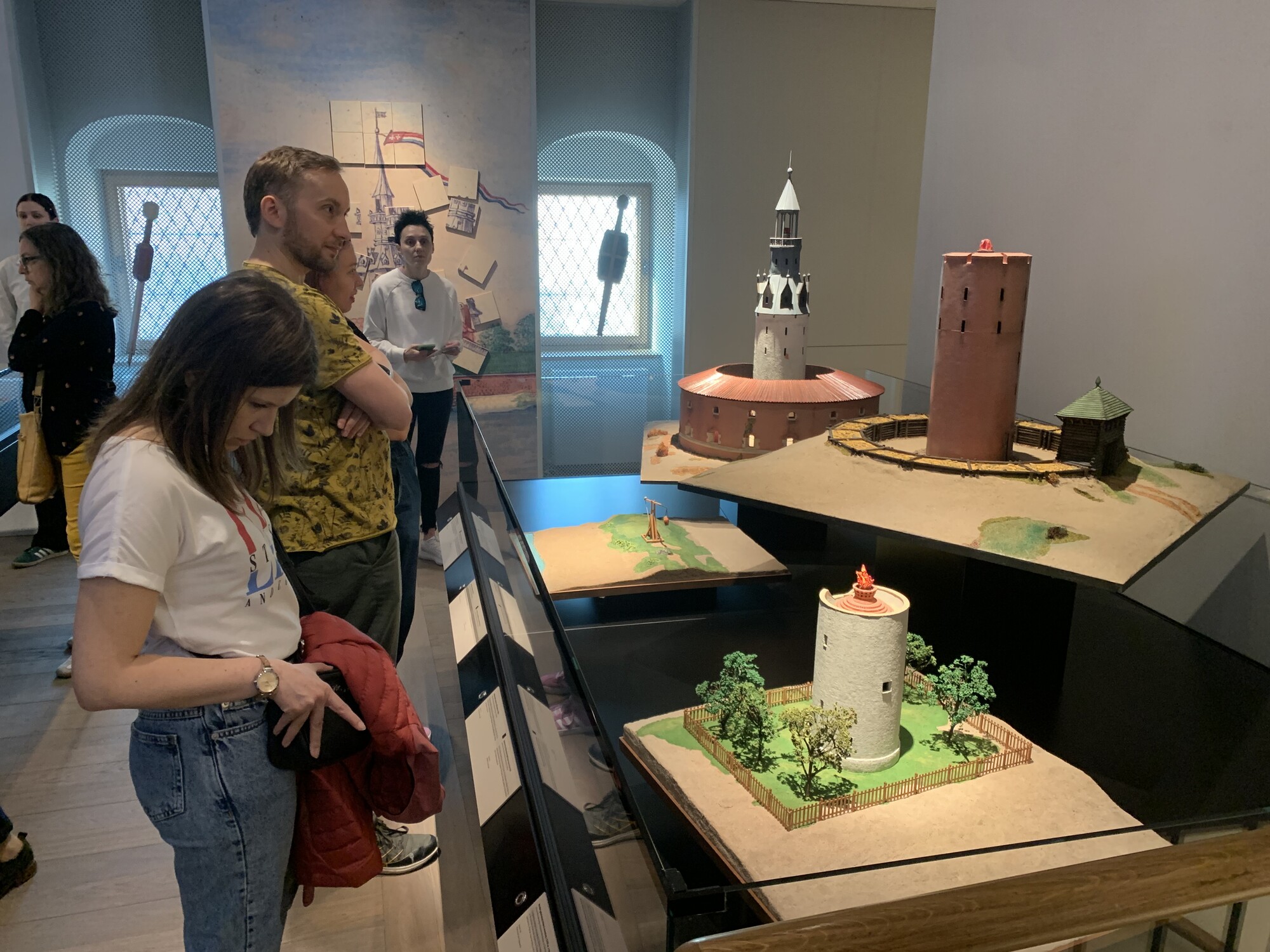
After the war, it was rebuilt and donated to the Polish Maritime Museum of which it remains a part today. You will be able to view a collection of permanent exhibitions inside including one on port life between the 16th and 18th centuries. In Polish only, displays include models of lighthouses, the old port, life-size recreations of counting houses and old port life in general plus access to the crane's two huge drive-wheels.
Inside, the existing 17th-century 'Golden Age' interiors host its permanent exhibition across six rooms on three floors. Here you can learn about the secrets of navigation when a ship enters the old port, types of goods imported to Gdańsk at the time, old shipbuilding techniques and entertainment of the port city in a historic tavern.
The Crane and the Long Waterfront are featured in the game The Witcher III: The Wild Hunt.
Read our article on The Witcher in Gdańsk.

Comments
Ekaterina
An amazing place That the building and the cranes are conserved after so much time and wars is incredible. And it is not the only one there are more than 10 wheel cranes that are still preserved in Europe. Here is a list https://quierodecorarte.com/grua-de-rueda-medieval/