






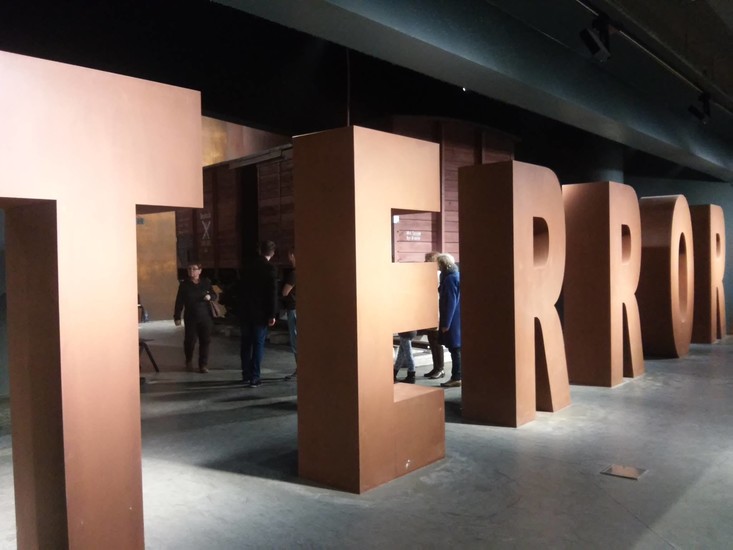

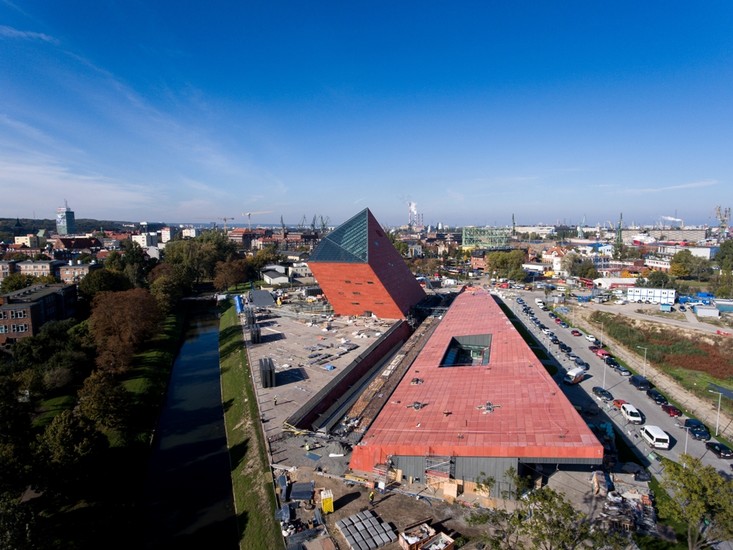
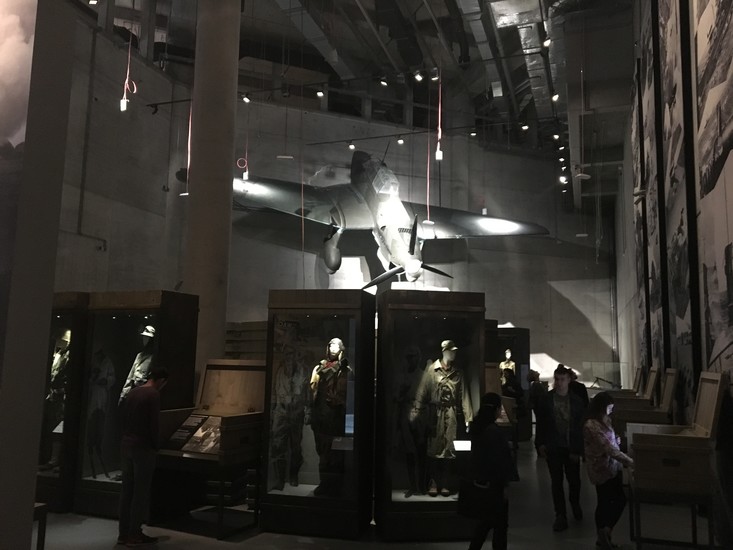
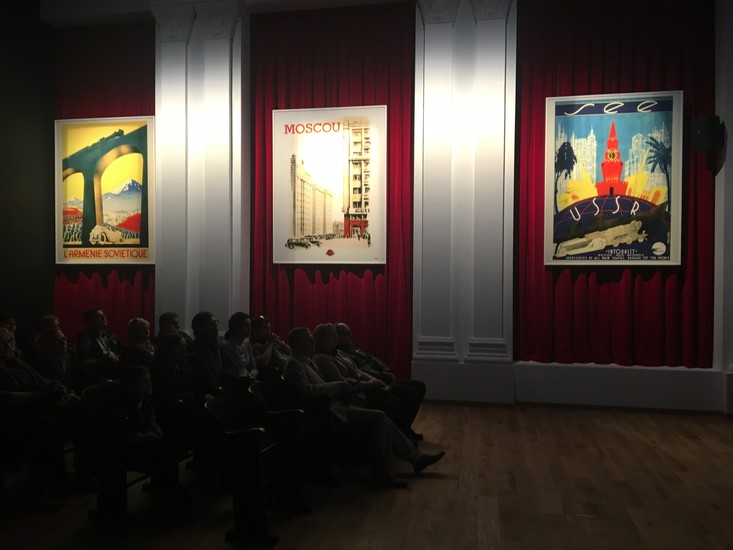
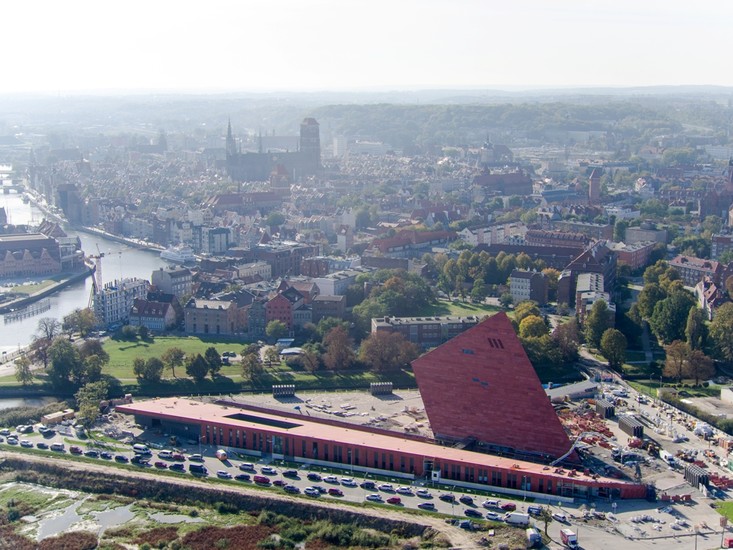
Those interested in the topic can easily spend a whole day there, and we recommend you don't allot yourself anything less than 3 hours. Our other advice is to spend the extra 12zł for the excellent multilingual audio-guide, which senses where you are and tells you what you are looking at. You can also download the new audioguide app, Muzeum II Wojny Światowej, from Apple Store or Google Play. It's currently available the following in languages: Polish, English, German, French, Ukrainian and Russian. There is possibility to visit the museum's cinema, which has an impressive program of international films (not necessarily WWII-related), and ticket prices of 18zł (reduced 15zł) are comparatively cheaper than your average big cinema chain in Poland.
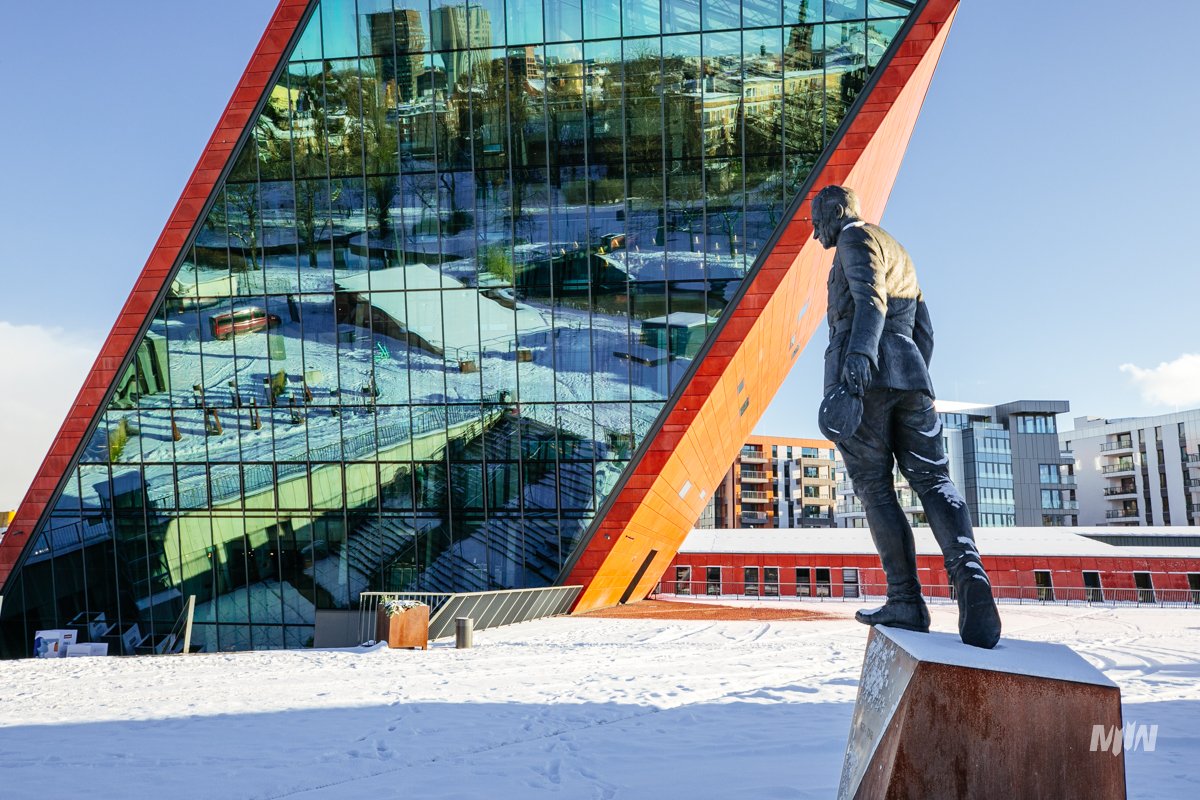
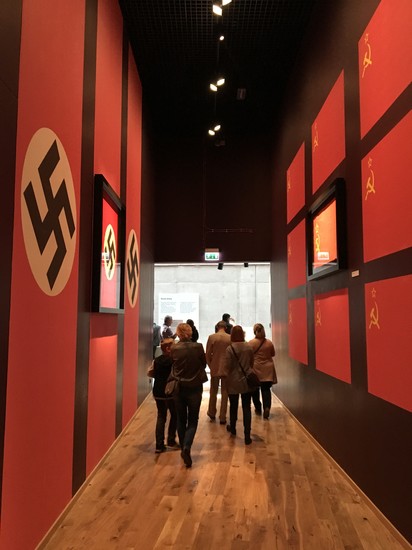
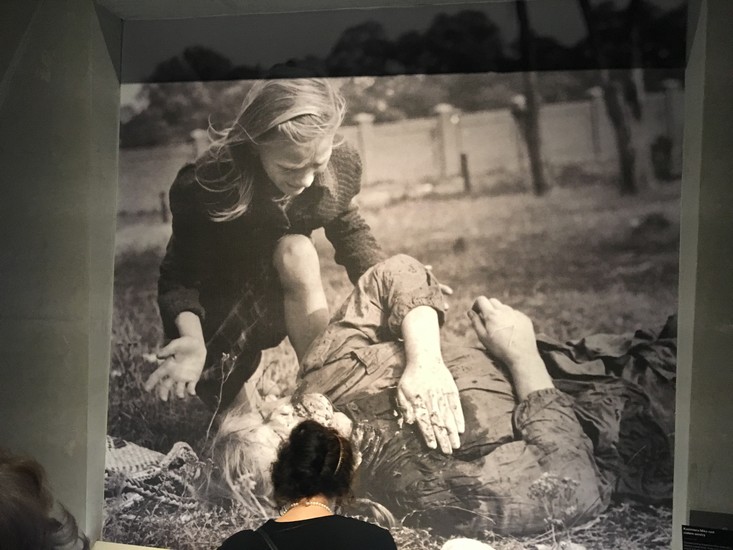
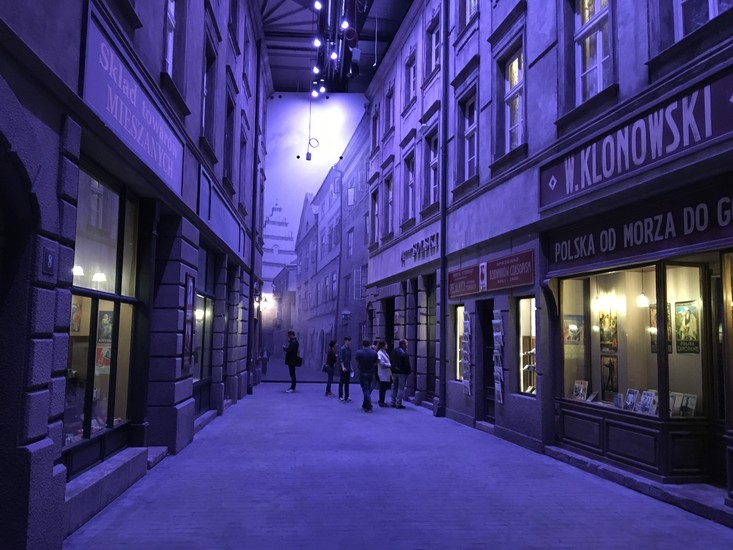
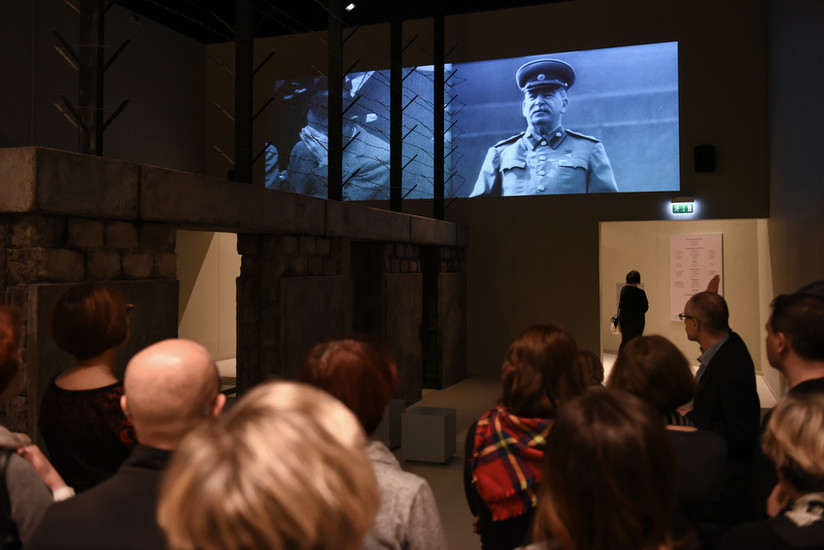
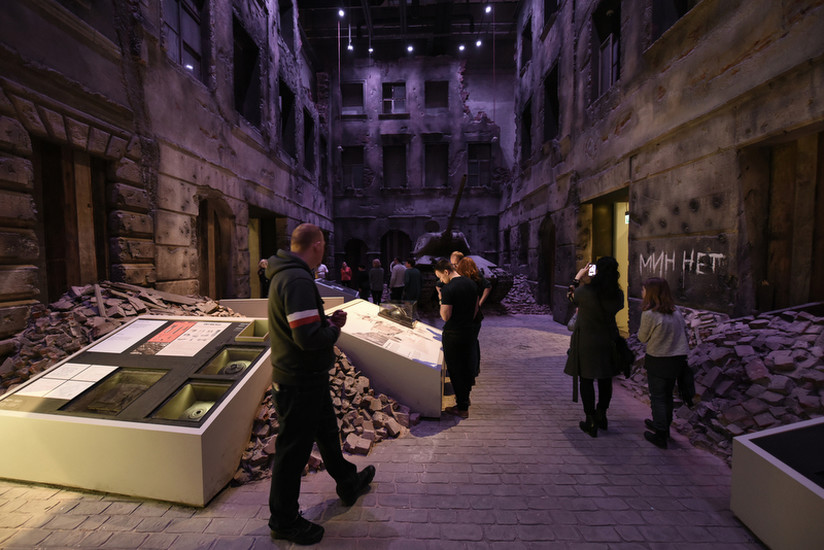
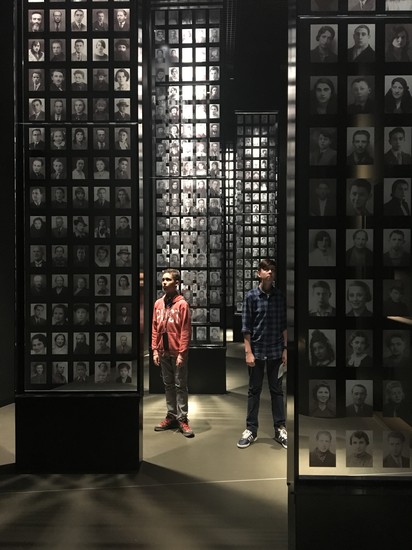
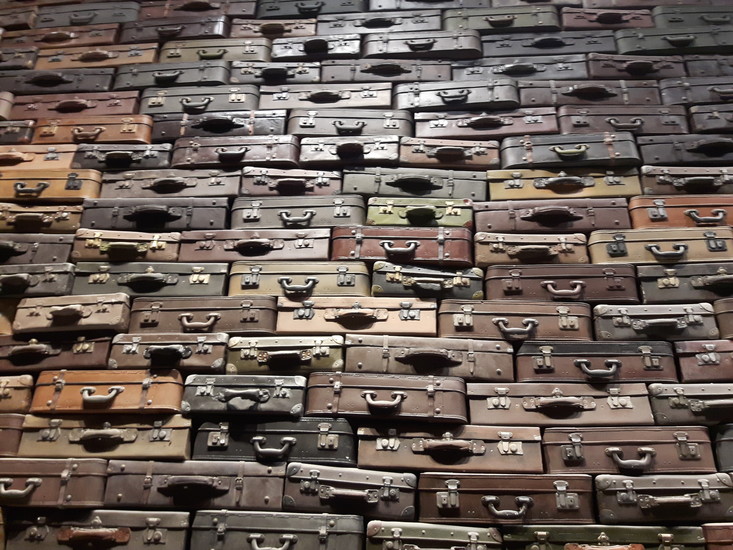
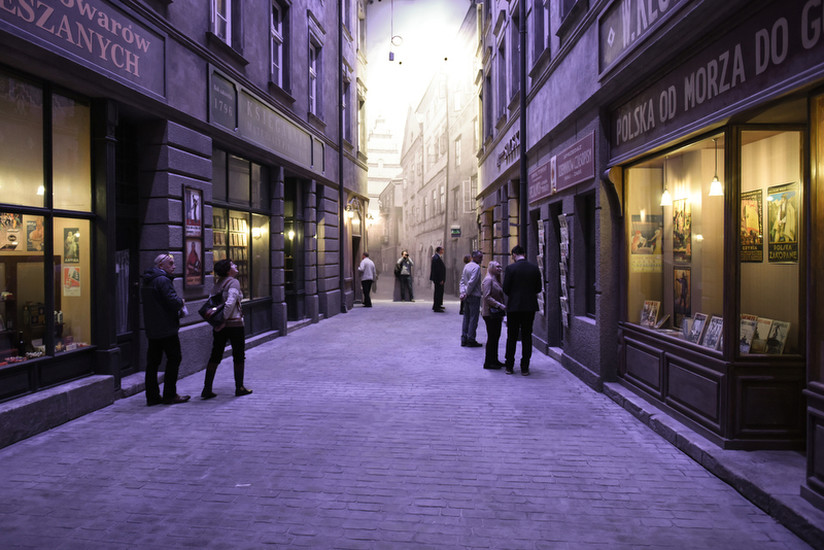
The heart of the museum is the permanent exhibition which is split into three parts – Road to War, The Horror of War and The Long Shadow of War. Within these three areas, there are a total of 18 rooms or thematic sections covering different aspects of how World War II came about and developed and the suffering it caused. In addition, there is an exhibition for children 'Travel Through Time', which is set in a pre-war time classroom and a temporary exhibition. While the numerous films, photographs and excellent translations mark this museum as one of the best we’ve ever visited, it is the collection of artefacts, many of them personal effects donated by private individuals, that really bring the personal tragedies of World War II to life. While the museum takes a broad international scope, it also trains its lens locally of course, and the story of what happened to Poland and her people during and as a result of the war will no doubt leave an indelible mark on all visitors. There are so many of aspects of the museum to recommend that we've dedicated a separate feature to it, but to summarise, we feel this exhibit is so excellent that it alone justifies a journey to Gdańsk. Make the time, get your tickets and don't miss this.
Comments
Gavin
Krakow
Reserving tickets ahead of time is imperative and should really be emphasised above all else. We failed to reserve and as a result we couldn''t visit the museum, despite arriving in person in the morning. A real shame because it looks pretty amazing. As there was no restaurant/cafe, shop or anything else open there, we simply had to leave (the nearby Polish Post Office Museum served as a bite-sized, though bit outdated consolation prize). I wanted to buy the book of the exhibit, which they had museum copies of for perusal, but surprisingly they had none for sale. This was in June, so I hope they''ve fixed that. Will have to try and visit again next time I''m in Gdansk.
Editor Poland
Gdansk
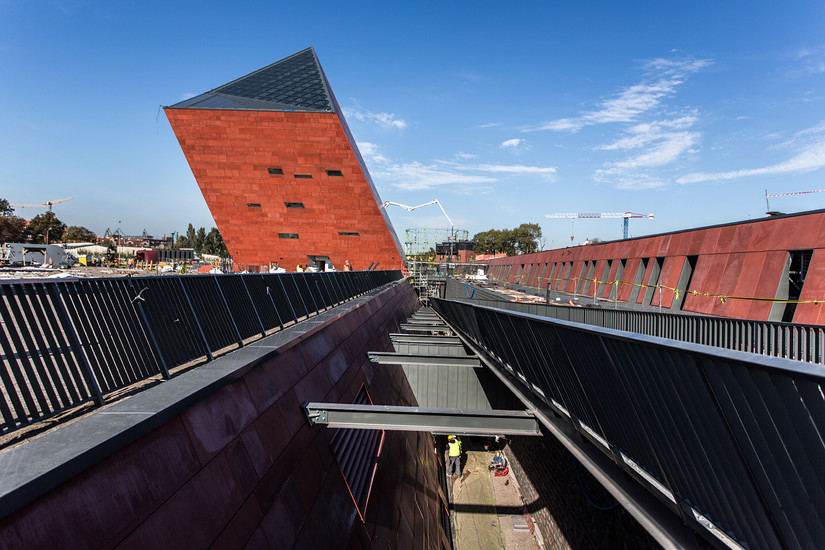
We don't usually encourage you to comment on specific venues but we''ll make an exception here. If you visit the museum please go onto our website and let us and the people running the museum know what you thought of it. If, like us, you are impressed then please let us and more importantly them know that. Like any new venture there are things that could be tweaked and improved upon but considering the size of this project and the immensely complicated story it is trying to tell, we think the team behind the exhibition and the architects and construction teams have done a quite phenomenal job. Help us to let them know that.
Vaughan Elliott
Gdansk
Excellent museum: an impossible task to cover the whole war, but this really seems to do it. What I liked about it most was the mixture of traditional objects in glass boxes with lost of text and multi-media exhibits: touch screen as well as many interviews with people sharing their memories and experiences. Unlike lots of other new museums, whilst there is music and background sound, it is never too loud, mawkish and overcooked. That said, there was one harrowing section about ethnic cleansing accompanied unintentionally by ''The House of the Rising Sun'' creeping in from the final post-war room, but this is a minor quibble. (I''m in my 50s now and can''t stand loud museums - Roads to Freedom and Warsaw Uprising Museum drove me potty and should come with ear defenders.) One criticism - we were told this would take 4 hours and planned accordingly, small nieces in tow, but 8 hours wouldn''t have been enough to see, read and, especially, listen to all the exhibits and testimonies. Plan to spend a whole day. However, at the moment there''s no food on sale, so sneak in a Mars Bar or two. There has been some inexplicable political controversy surrounding the museum, but for me to complain that it isn''t Polish enough is: 1. Simply not true - Poland is always at the heart of the museum''s narrative. 2. Missing the point - if I go to the National Gallery I don''t moan that all the best paintings are by Italians. This is a museum for the world and the creators and curators have done Gdansk and Poland proud.