Muzeum Stutthof w Sztutowie

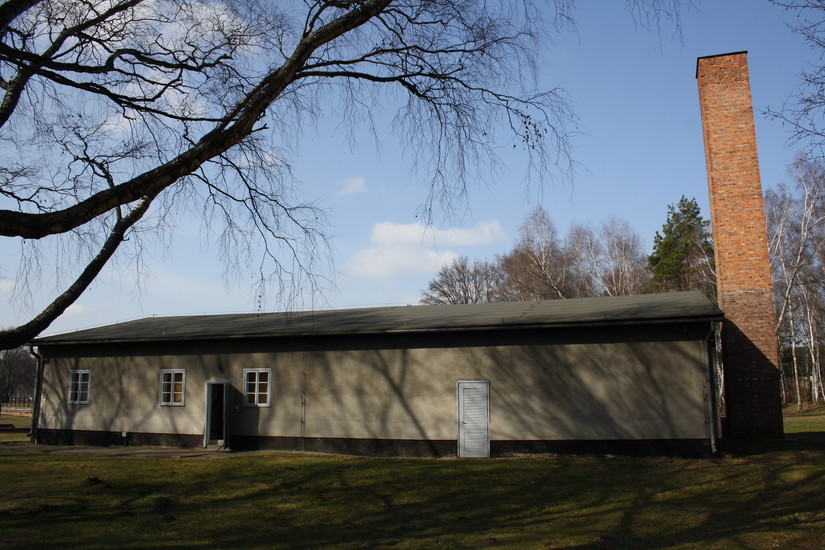
In the years after the war Stutthof was allowed to fall into disrepair, many of its buildings falling prey to both the elements and looters. The Kommandatur building at the front – once the administrative heart of the concentration camp – existed for over a decade as a tourist hotel, while the former DAW Armaments Factory passed into state hands. The decision to turn Stutthof into a museum was only reached in 1961, and what you see today is the result of years of research and restoration. Covering around 20% of the former camp area, Stutthof Museum has undergone a significant program of progress to allow non-Polish visitors the chance to understand what happened here: English language signs, walking trails and explanation boards – for so long mono-lingual – have been added, while in the car park a small booth sells books, guides and memorial candles - this might be getting knocked down soon, so head instead to the year-round store inside the main museum building. To fully appreciate the history of Stutthof purchase Janina Grabowska-Chałka’s excellent guide book for 25zł, or one of the new small printed guides available in Polish, English and German for 4zł.

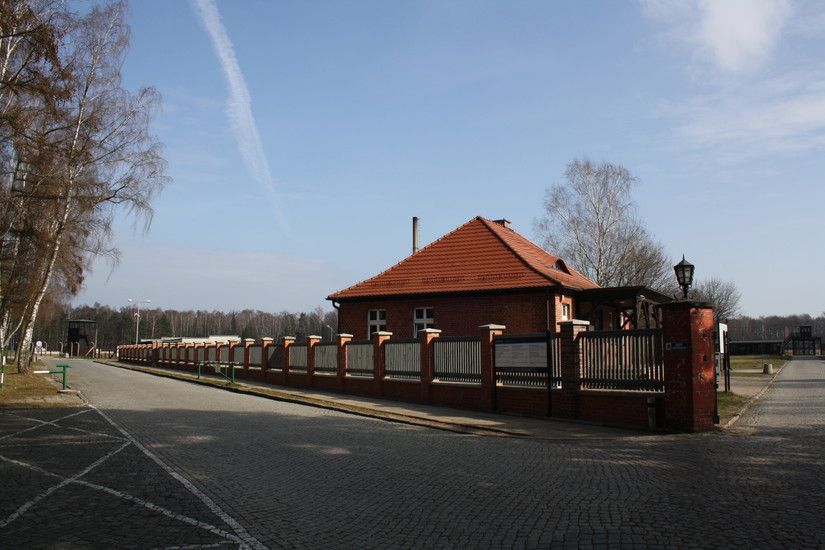
Walking from the car park visitors should follow the path to the main gates. Tour guides are available from the former SS guardhouse to the left, while sobering films detailing everyday life in the camp are shown in the Kommandatur further on. Screenings are shown every half hour (minimum of four people necessary, with the last screening at 14:30 weekdays, 13:45 on Saturday and no films on Sunday), and the films act as a fitting prelude to what you are about to see. It’s also here, in corridors that once resounded to the thump of jackboots, you’ll find temporary exhibitions of inmate art as well as the archive and book of remembrance (which is on display variously depending on exhibits).

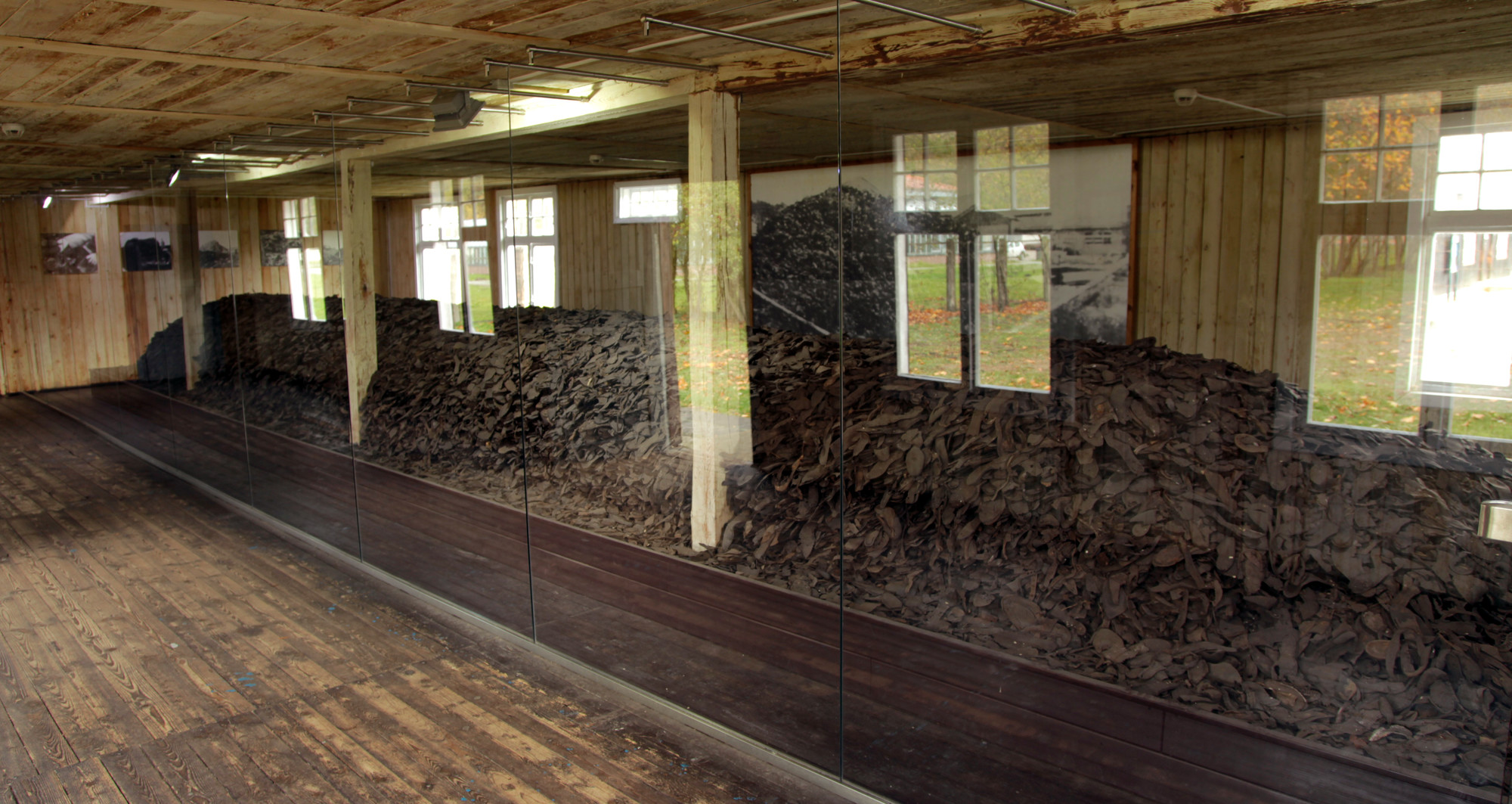
Having left the admin building the scale of atrocities hits home on entering the first proper exhibit: thousands of shoes confiscated from prisoners lie piled up in dusty stacks, presenting visitors with a stark, grim image that takes a long time to dispel. It’s after this visitors pass through what was once referred to as ‘the death gate’ – the main entrance through which tens of thousands entered the camp. Directly to the right a hot and musty barracks tells the wartime history of both the camp and the regime. The outbreak of the war is covered in specific detail, with accompanying photos and mugshots of the first arrests and Nazi murders, while further on other sections deal with the camps construction and the SS crews employed within; Himmler’s visit is given particular attention, as are the roles played out by his underlings in Stutthof – on show a commemorative goblet presented to the first commandant, Max Pauly, by his colleagues.

Just how fast Stutthof swelled and increased in size is illustrated next, as well as individual stories of heroism and escape; only Wlodzimierz Steyer is recognized as having successfully fled, testament enough to the camps reputation as being escape proof. A huge scale model, hidden behind glass, demonstrates the size of the challenge prisoners would have faced while planning such break-outs.

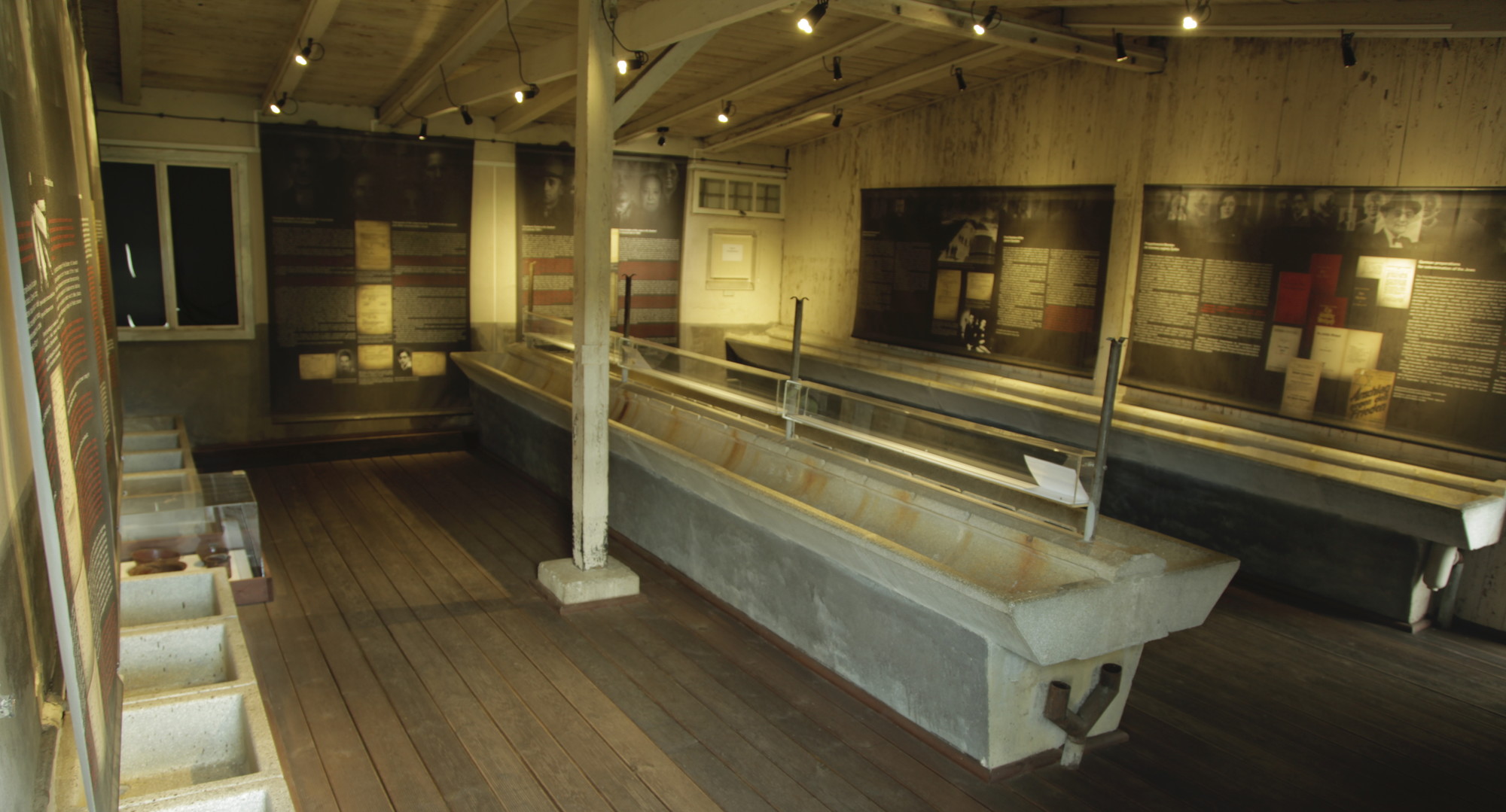
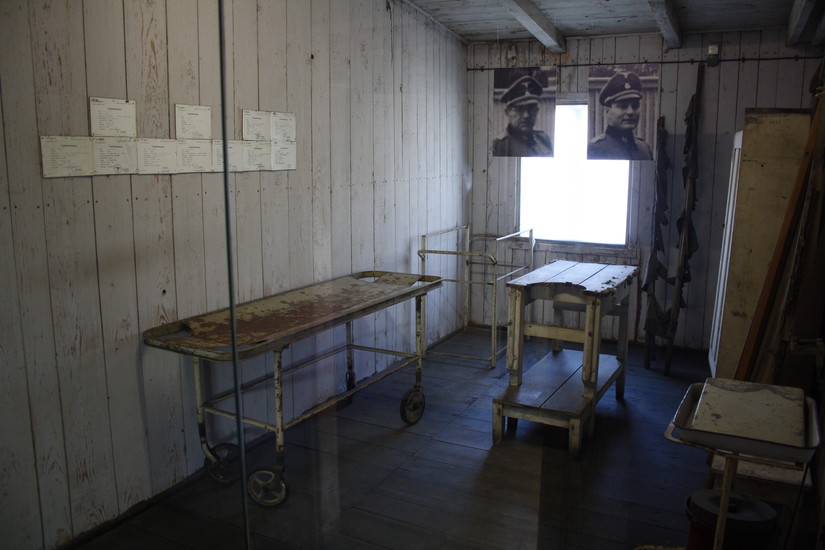
From here visitors cross the grass to reach the barracks that formerly housed the women’s block. English explanations decrease in frequency at this stage, though the maps showing prisoner transports, striped uniforms and photographs of gaunt looking prisoners prove self-explanatory enough. Most poignant of all, a host of personal items are also on display. These include rings crafted illegally by prisoners, dolls and pictures drawn by children – lollipop trees et al. It’s powerful stuff, and the experience gains further significance as you shuffle across creaking wooden floors. One barrack is stacked solid with original triple tier bunks, while others are home to a brutal looking operating theatre as well as a slab on which prisoners would lie before being given a fatal injection of phenol. The sight of clunky looking syringes repulses the body.

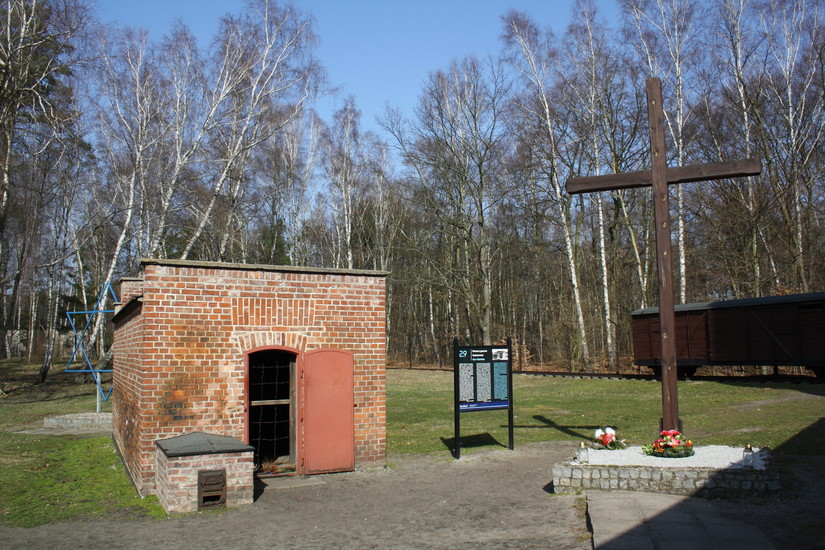
As the war lengthened the killing process was streamlined, and next on your tour is a brick gas chamber used to execute anything up to a hundred prisoners at a time. A Star of David and Catholic cross outside recognizes the beliefs of those who died, while to the right is a gloomy crematorium used to burn corpses. Three original ovens have been preserved, and these are flanked by memorial notices, candles and floral tributes. Walk through further chambers outlining the Nazis’ murderous methods, as well as rooms dedicated to the death marches and the Nazi trials that followed after. An original gallows stands outside, as well as cattle trucks used to transport men and women from across occupied Europe.

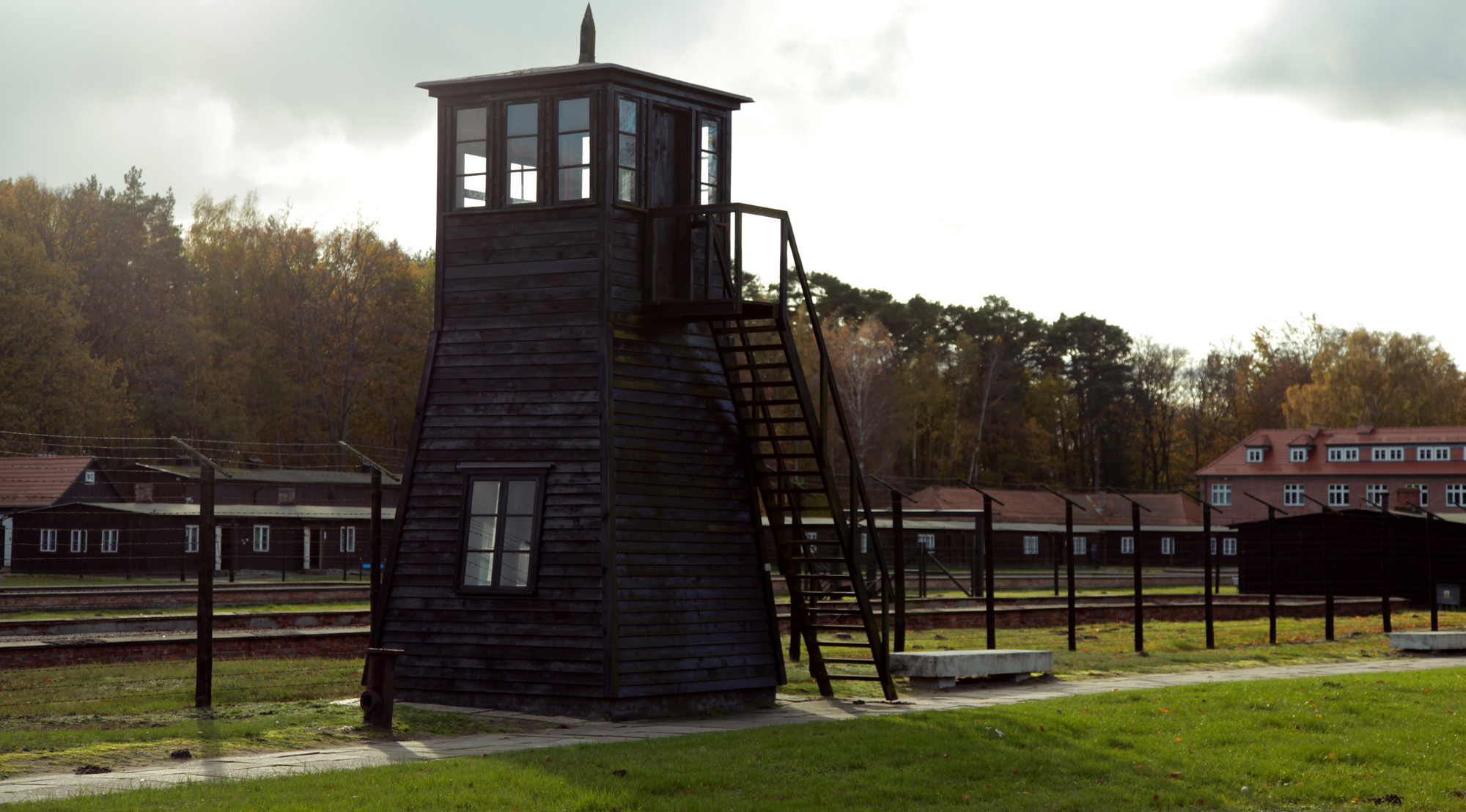
As you loop around to the area of the ‘new camp’ your route takes you past an epic memorial that dominates the skyline. Known as the Monument to Fight and Freedom, and designed by Wiktor Tolkin, it was unveiled on May 9, 1968, the 23rd anniversary of the camps liberation. Forming a part of this landmark obelisk is a horizontal shaped reliquary containing the human ashes and bone fragments recovered from the soil in the excavations that followed in the years after liberation. Remembrance services are held here on the first Saturday of September to mark the creation of the camp.

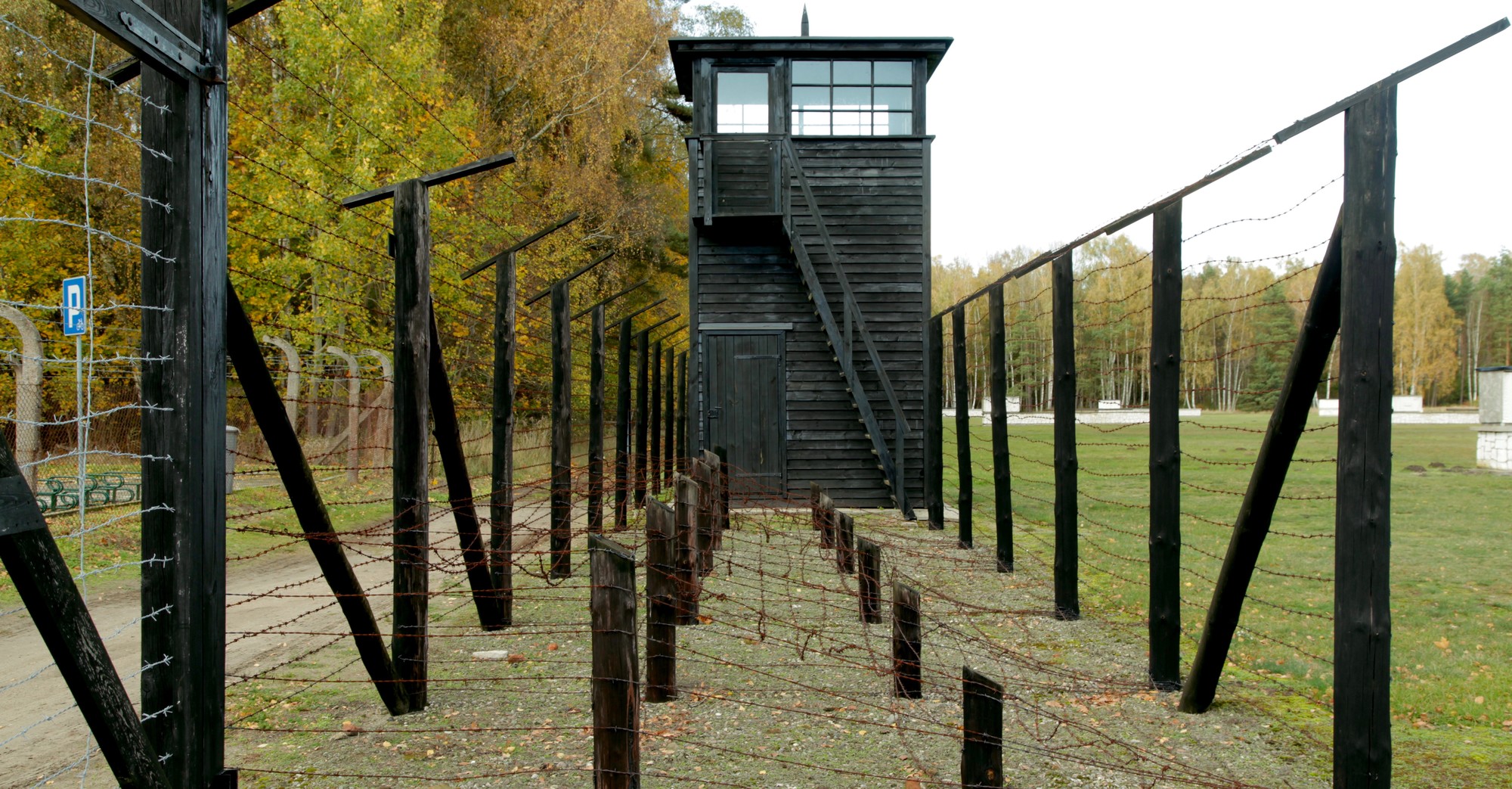
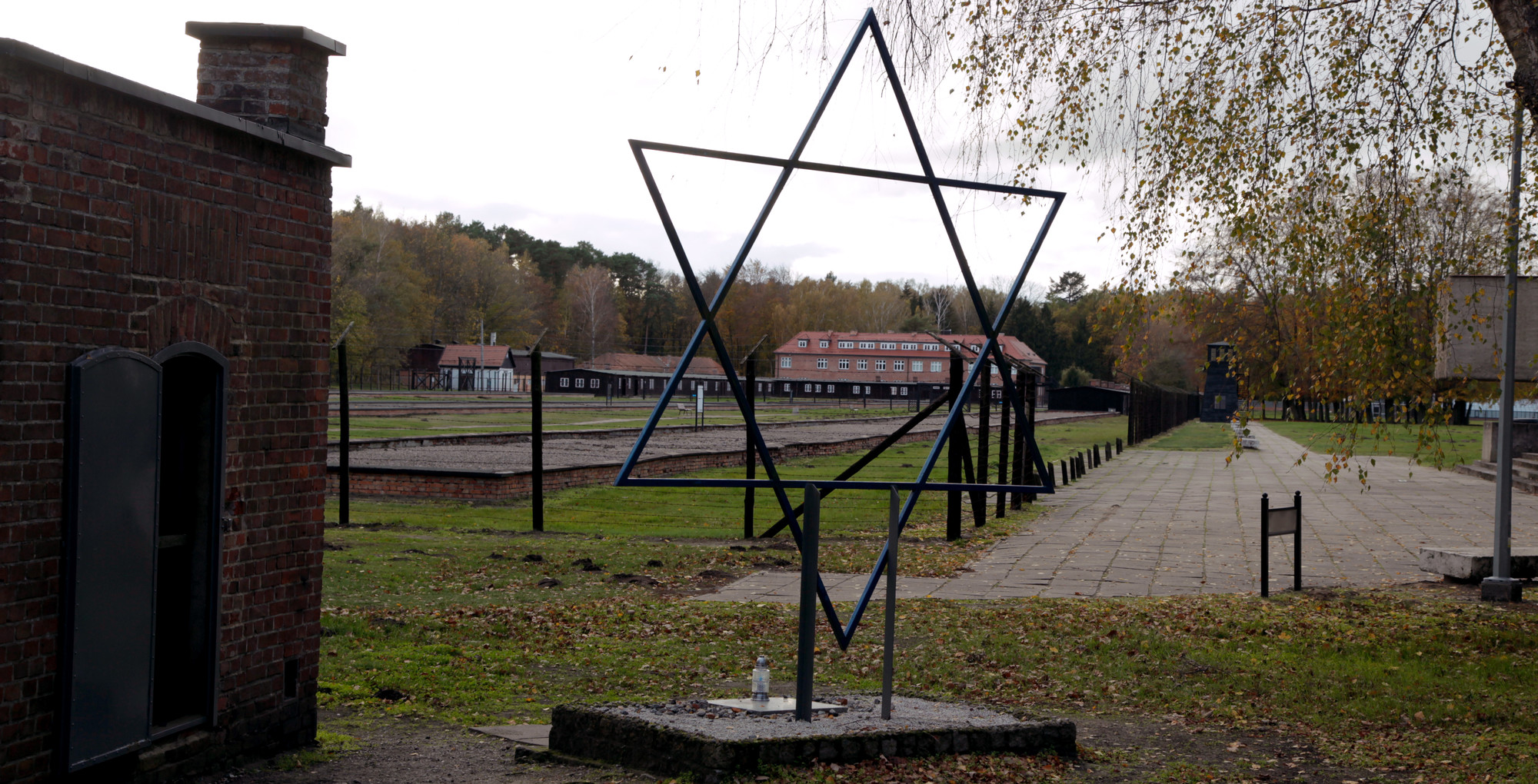
Much of Stutthof was razed to the ground as the Nazis sought to hide traces of their crimes, and as such the area known as ‘new camp’ now has 21 concrete blocks placed in the area where the barracks once were, as well as a Star of David marking what was once the Jewish area of the camp. Walking across this wind blasted field allows plenty of opportunity for reflection, though don’t think your visit has ended. Around 500 metres into the forest to the north of the perimeter is what is referred to as ‘the Holocaust stake’. Prior to the construction of the gas chamber it’s here that thousands of Jews were herded before being executed by firing squads, their bodies then burned on funeral pyres. A ring of symbolic stones marks the edge of the pit.

Admission free (contributions welcomed). Film exhibit 3zł. Guided tours 140zł. Audioguides 15zł. Children under 13 should not visit the museum.


Muzeum Stutthof w Sztutowie comments Add Yours

  • Geoffrey Piesik - Liverpool 21 February 2011
    For as long as I shall live and breathe Gods given air and beauty , every breathe I take shall be in forever thought of these soul that were taken away from this precious life on earth.My father was a prisoner in this camp. Polish Air Force Paratrooper and managed to escape alongside four other Airmen. This was due to the high rate of drunkenness amongst the German guards on the gate. I have much more to tell you on this subject. A superb site .God bless you all.
  • Liam O Conlocha - eindhoven 15 February 2010
    Speechless! How far the madness of one man can stretch!

YOUR COMMENTS

Write your own review or add your comments for this venue here. Note: this is for reader's reviews only; contact the venue directly for information or reservation requests.

What do you think? *
Name *

Email *

Country/State *

City

*Required fields
Terms and conditions
View in maps.inyourpocket.com

Open:

Open 09:00 - 15:00.

Address:

ul. Muzealna 6, Sztutowo

Phone:

(+48) 55 247 83 53

www:

http://www.stutthof.org