

.jpg)

History
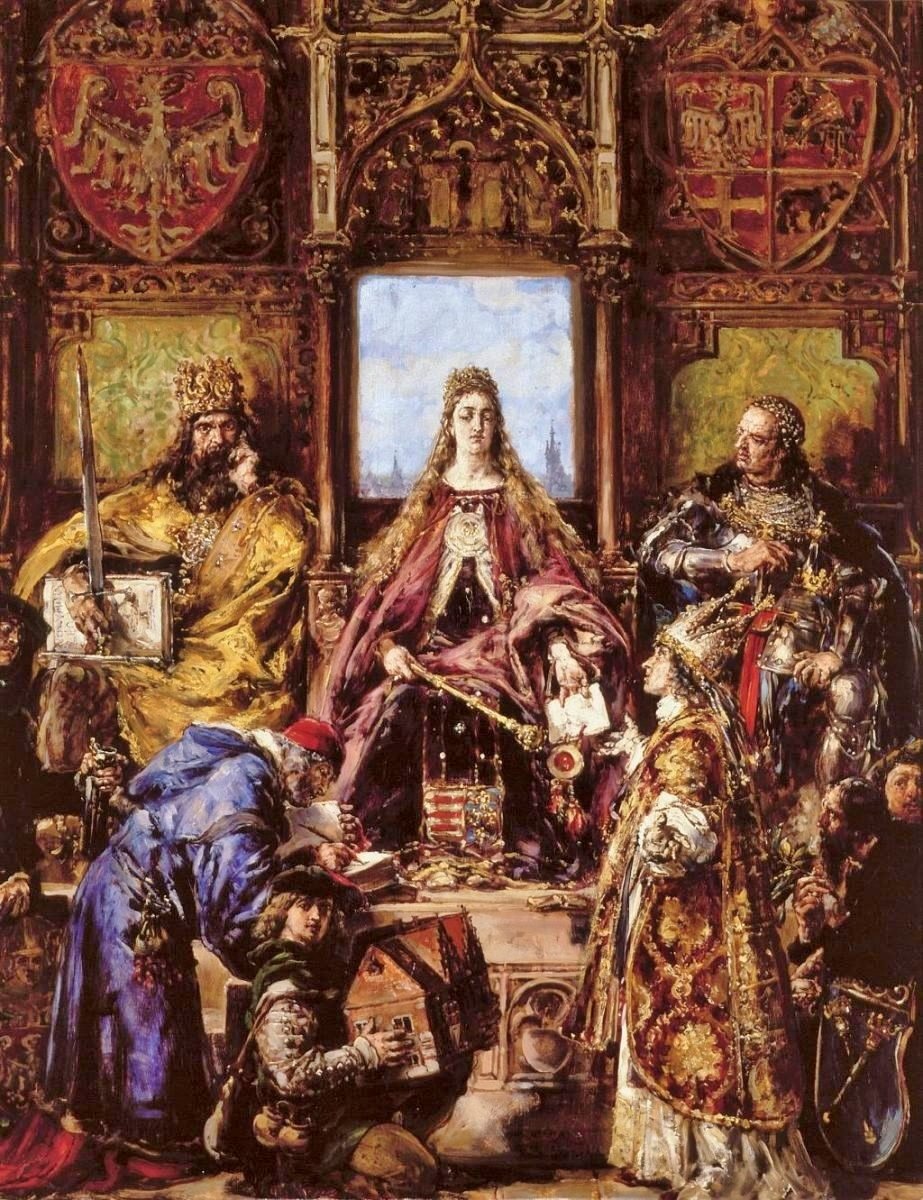
The university’s ‘golden age’ was certainly during the Polish Renaissance in the early 16th century when the Jagiellonian Library was established and the school set an attendance record that wouldn’t be surpassed until the late 18th century.
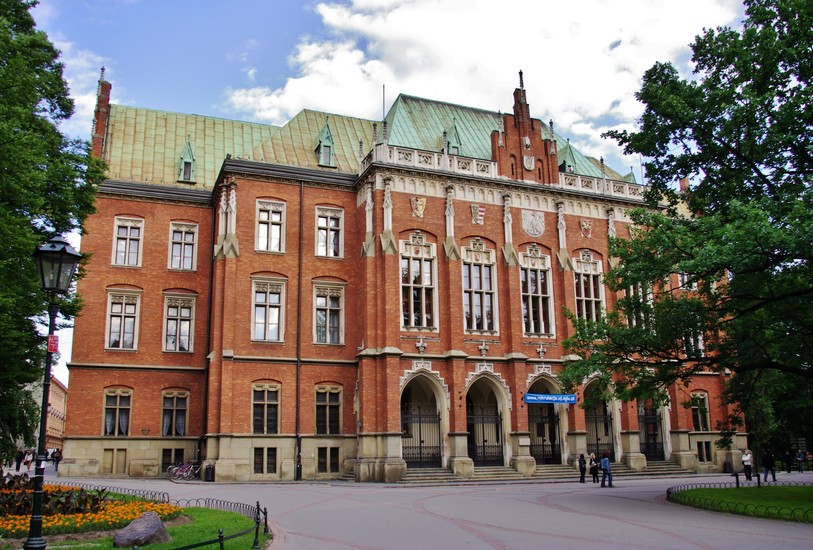
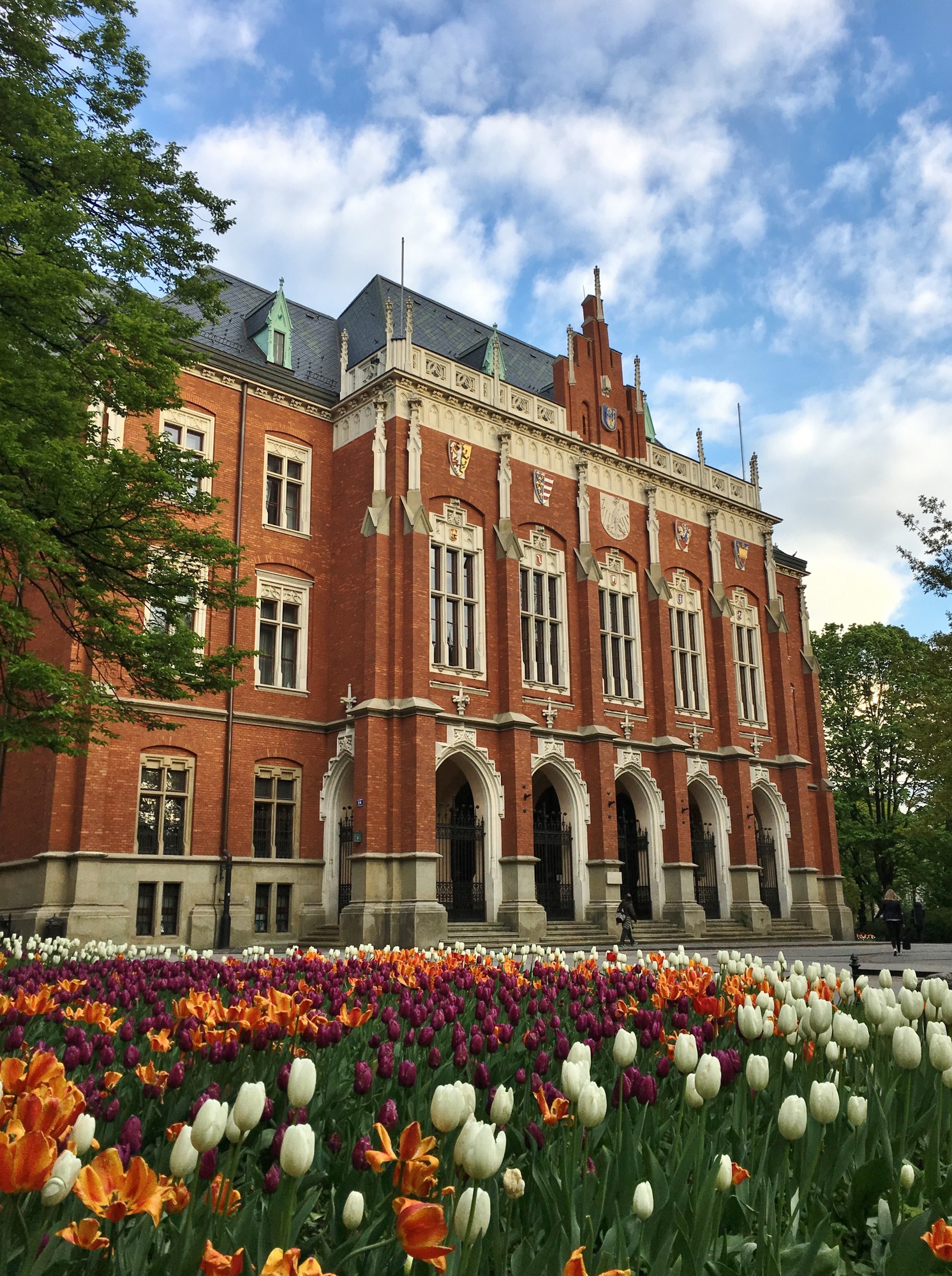
When Poland’s capital was moved from Kraków to Warsaw in 1596, the university’s fortunes declined along with those of the city. During Poland’s era of partitions the university was actually threatened with closure before being saved by a decree from Austrian Emperor Ferdinand I. In an about-face from their initial hostilities towards the university, the occupying Austrians actually began to invest heavily in its development and by the 1870s the school had re-established its lofty reputation. It was at this time that the Neo-Gothic Collegium Novum was built and one of the university’s greatest moments came in 1883 when professors Zygmunt Wróblewski and Karol Olszewski achieved the liquefaction of nitrogen and oxygen.
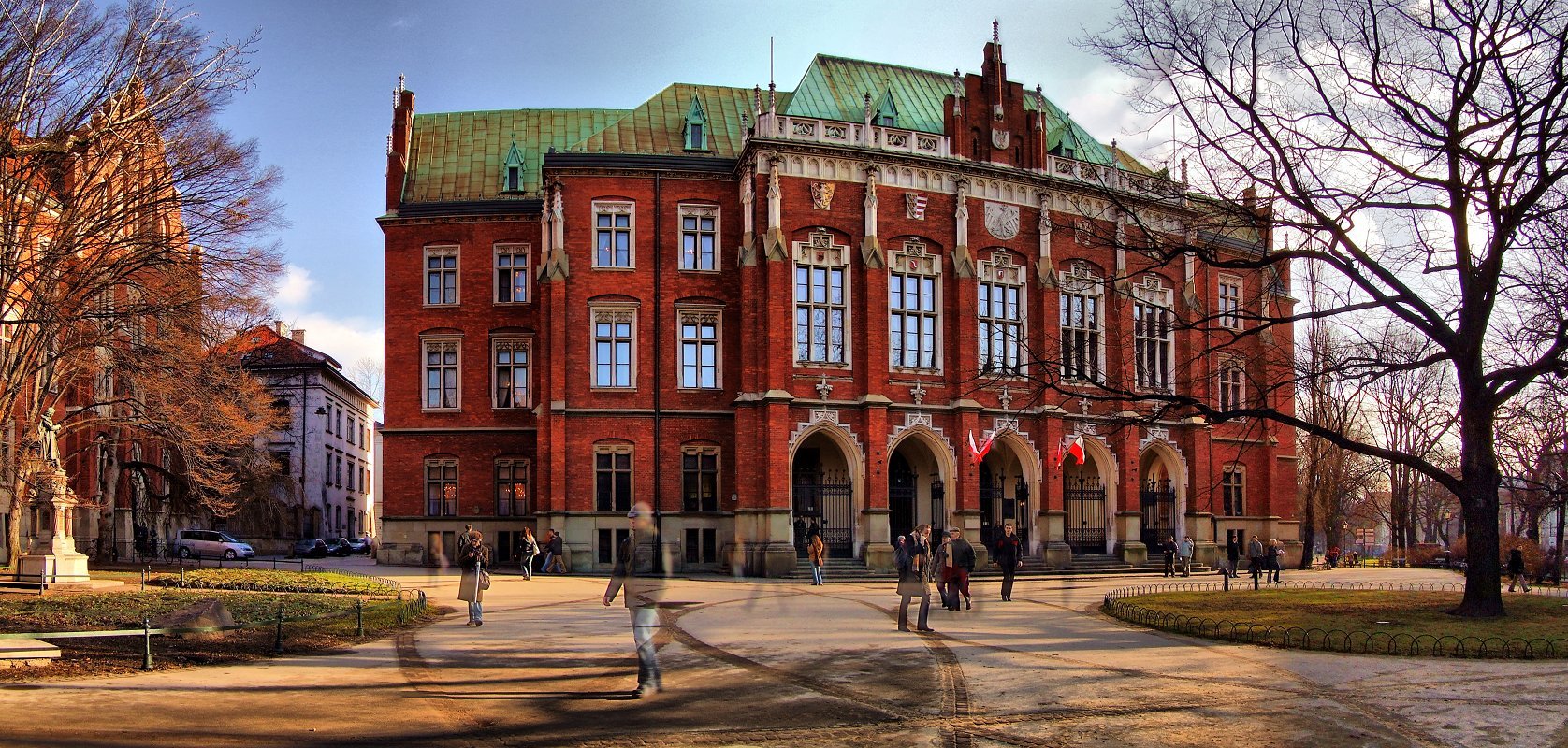
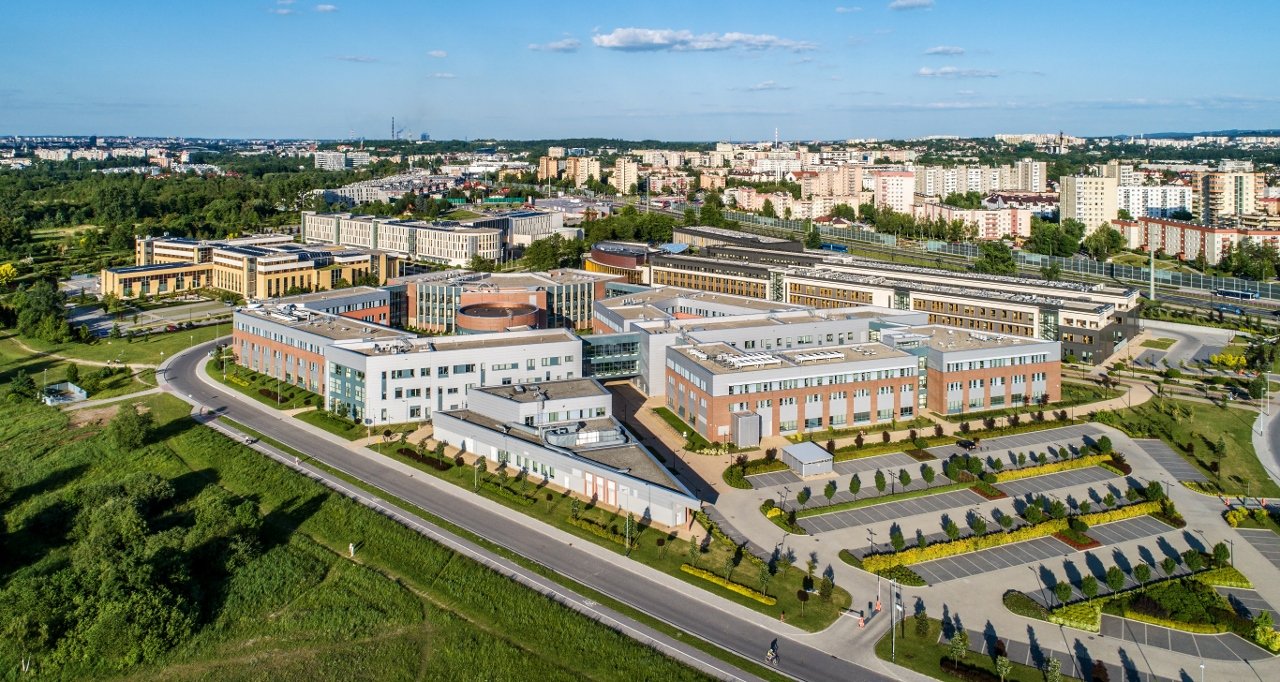
Photo by Kilhan/Adobestock.
Notable Alumni
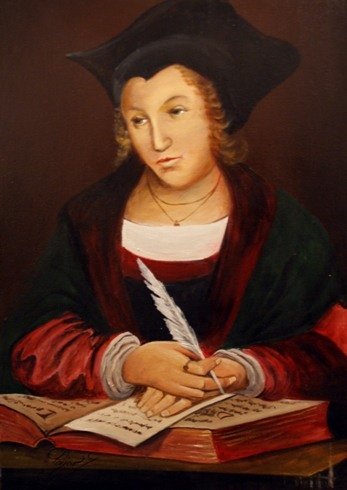
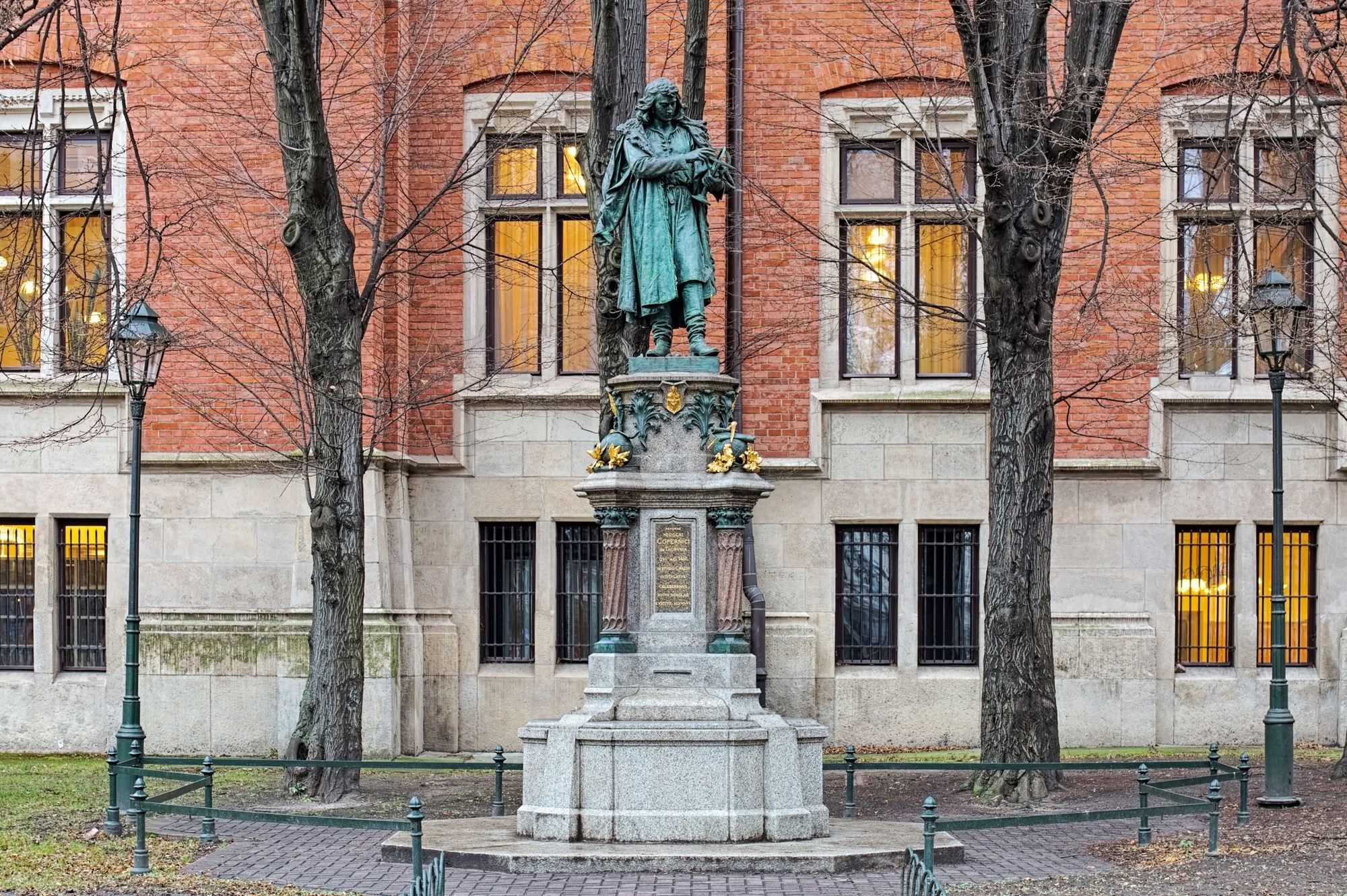
Nawojka's fabled time at the uni predates by almost a century that of Jagiellonian's most famous alumni - Mikołaj Kopernik (Nicolas Copernicus), a product of the class of 1492. Lauded as the founder of modern astronomy, you might know him for being the first to assert that the earth orbited the sun - a conclusion which he came to while studying at Kraków's Collegium Maius, and which he left unpublished until only months before his death, for fear of being burnt at the stake. Today his monument stands in the Planty at the end of ul. Gołębia near Collegium Novum.
Other students of note include Jan Matejko, who would go on to paint many of Poland’s most revered works of art - see some of them in the 19th Century Polish Art Gallery, visit his house (today a museum) on ul. Floriańska, and see his monument next to the Barbican. Karol Wojtyla, better known today as Pope John Paul II studied in the Philology department, as did the Nobel Laureates Ivo Andrie and Wisława Szymborska (whose Nobel for Literature can be seen on display in Collegium Maius). Leo Henryk Sternbach (1908-2005), who earned a master's in Pharmacy and a doctorate in Organic Chemistry from Jagiellonian, went on patent 241 new drugs in his career, including Valium - the most prescribed drug in the world from 1969 to 1982.
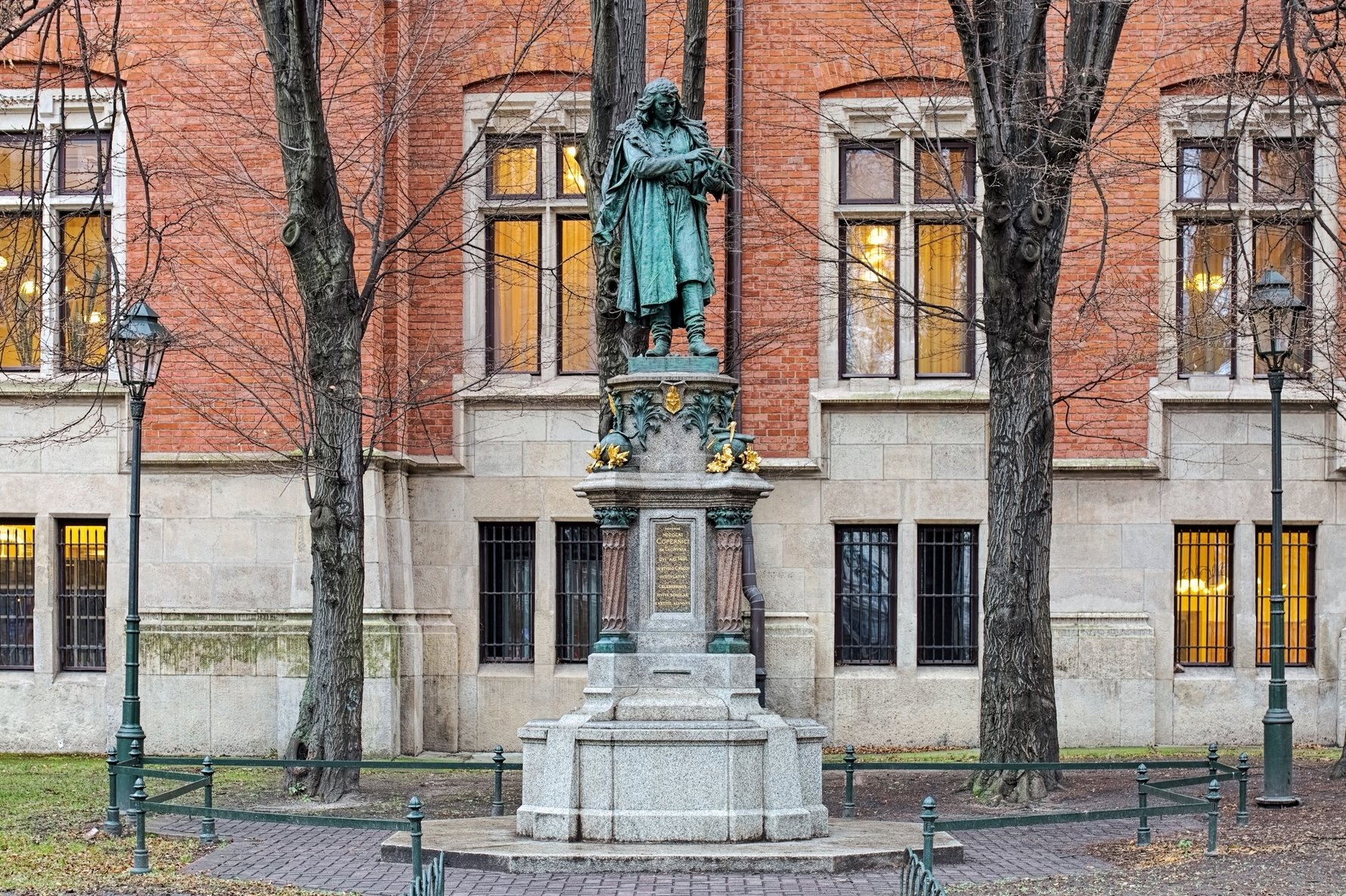
Photo by Mikhail Markovskiy/Adobestock.
Not all of Jagiellonian's students proved so diligent, however; Stanisław Lem, who would go on to pen the sci-fi classic Solaris, hated his medical studies so much he flunked his exams on purpose.
From its early beginnings Jagiellonian’s students proved to be a bit of a handful; exempt from local justice and answerable only to the rector they frequently ran wild - the Hungarian students were particularly prone to launching pogroms on the town’s Jewish population when that was in fashion. And if they sound bad then they’re not a patch on Pan Twardowski - also known as ‘the Polish Faust’ - who allegedly studied alchemy at Jagiellonian in the 16th century before gaining notoriety for entering a pact with the devil and riding around on a giant rooster.
Worth Visiting
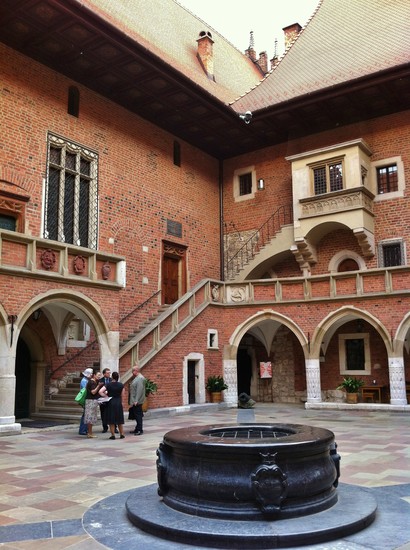
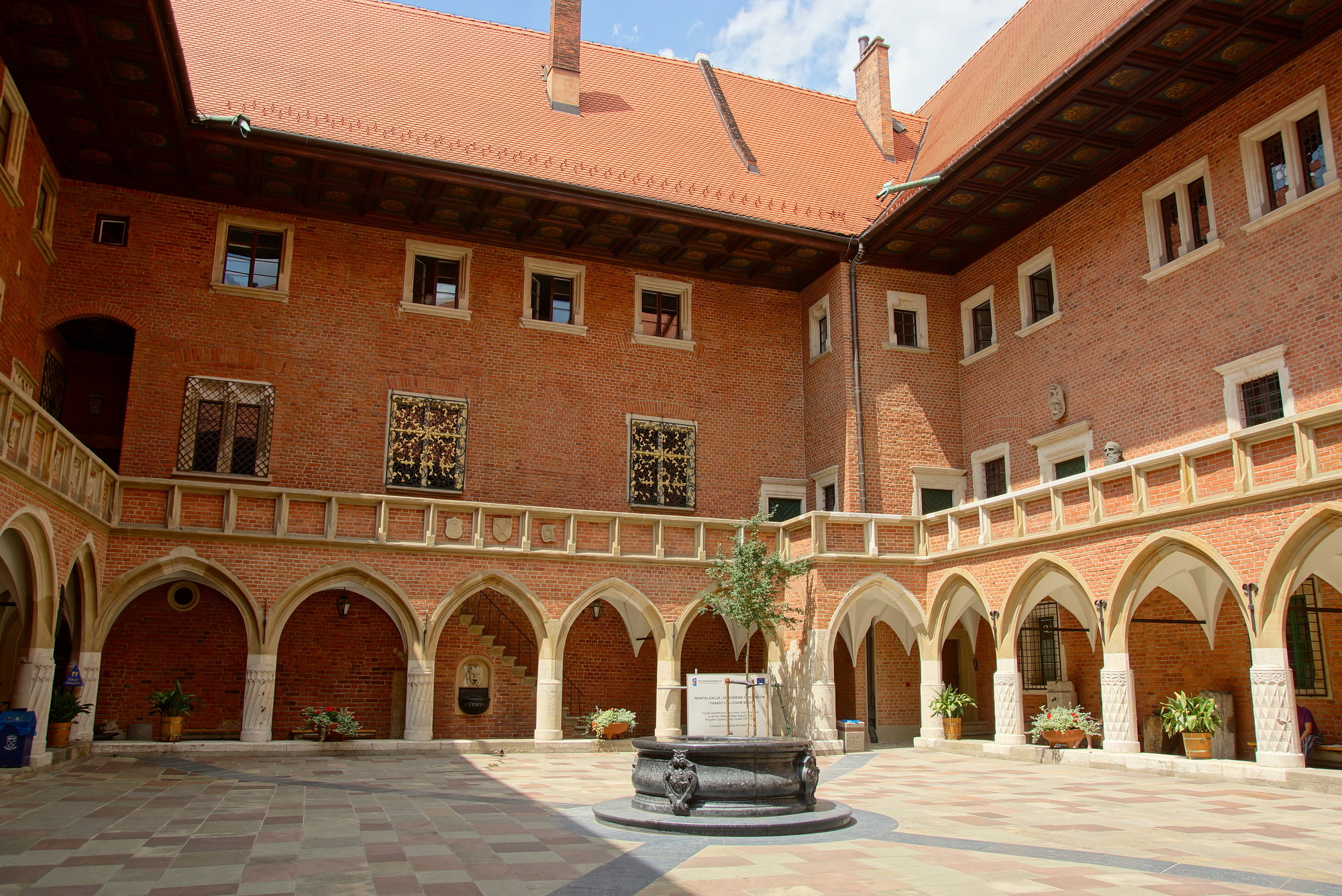
Jagiellonian is made up of several campuses and academies all over Kraków, but the centre of the old campus can be found just minutes from the southwest corner of the market square, clustered around ul. Św. Anny and ul. Jagiellońska. In this area you'll find Collegium Maius – the university’s oldest building and home to its museum, the adjacent Professors' Garden, and the Gothic Collegium Novum, beside which stands a monument to Copernicus.1. COLLEGIUM MAIUS
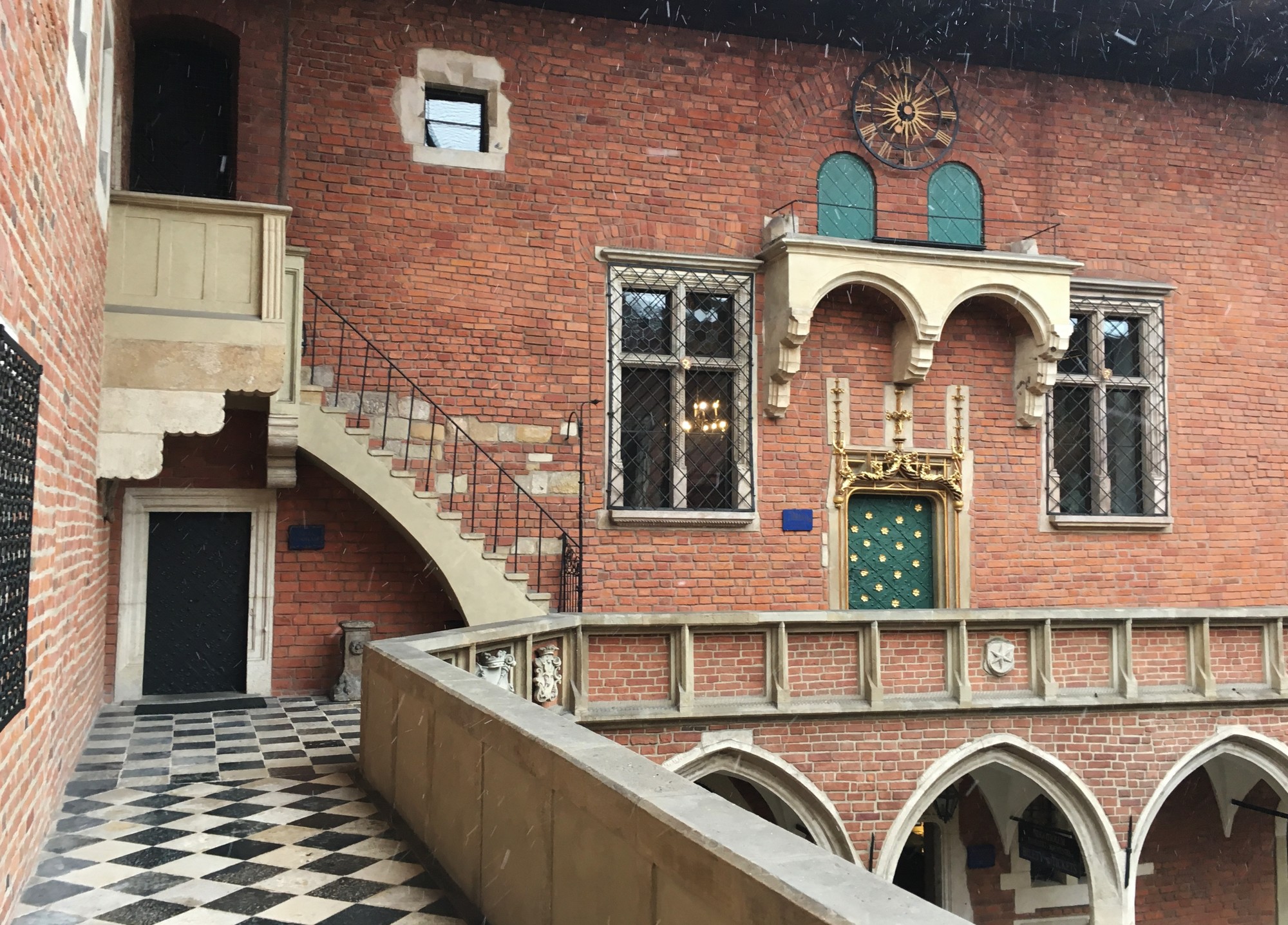
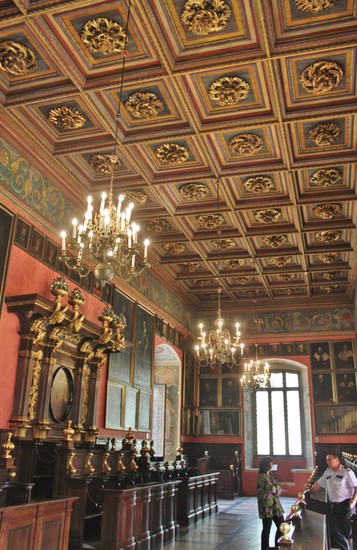
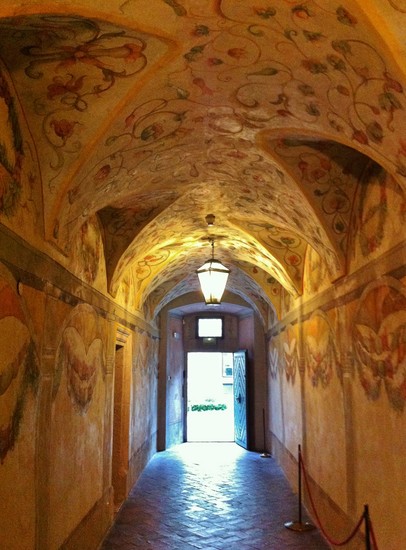
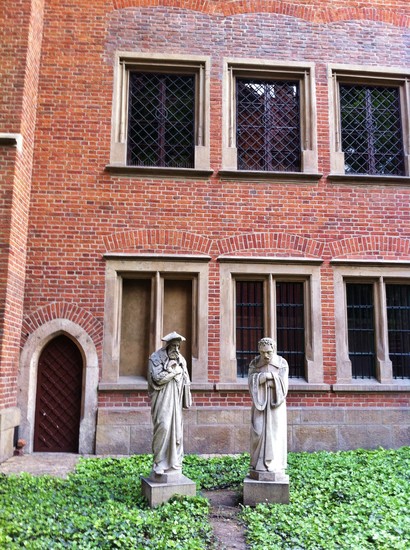
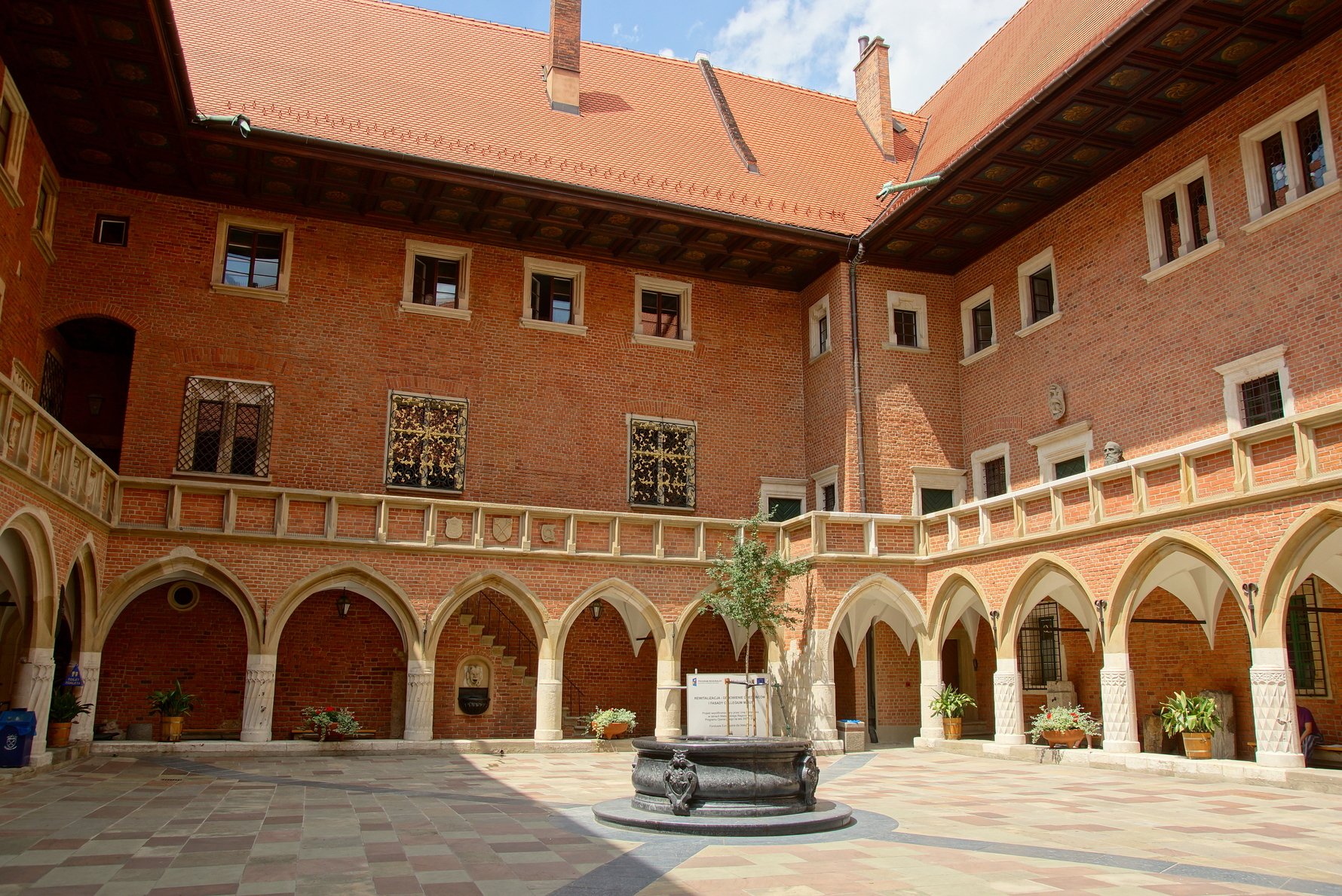
One of Kraków’s oldest buildings, Collegium Maius was the university's first proper campus, built in the late 14th century, and remodelled in the Gothic style seen today a century later. Today it is the University Museum, featuring gorgeous interiors filled with period furnishings, paintings, historical artefacts and memorabilia. The building’s courtyard - where you might catch a parade of wooden figures emerge from the university clock - is free to enter, and in warmer months you can take a stroll through the University Gardens alongside.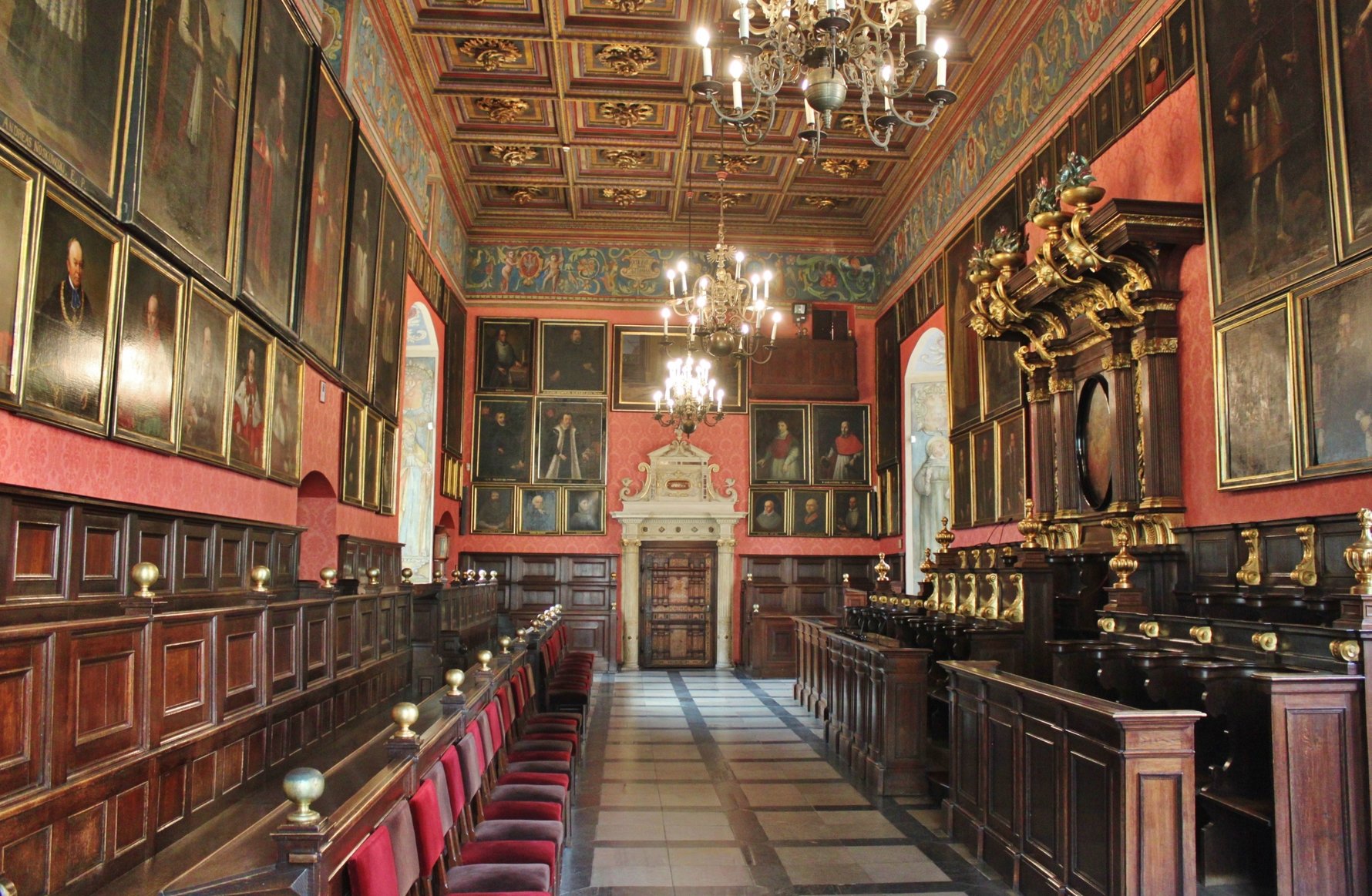
2. PHARMACY MUSEUM
Certainly one of Kraków’s most niche and underrated museums, Jagiellonian’s Pharmacy Museum is located in a four-storey townhouse right on ul. Floriańska, and filled from attic to cellar with handsome pharmacy furnishings from various periods, including an abundance of vessels, mortars and pestles. But it’s not all pots and jars; while learning about medicinal plants, the study of alchemy, and the role of the ‘apteka’ in Kraków over the centuries - particularly Tadeusz Pankiweicz and the Kraków Ghetto Pharmacy, you’ll also see alligators hanging from the ceiling and beastly snakes in jars. More fascinating than it would first appear and worth a visit for fans of obscure curiosities.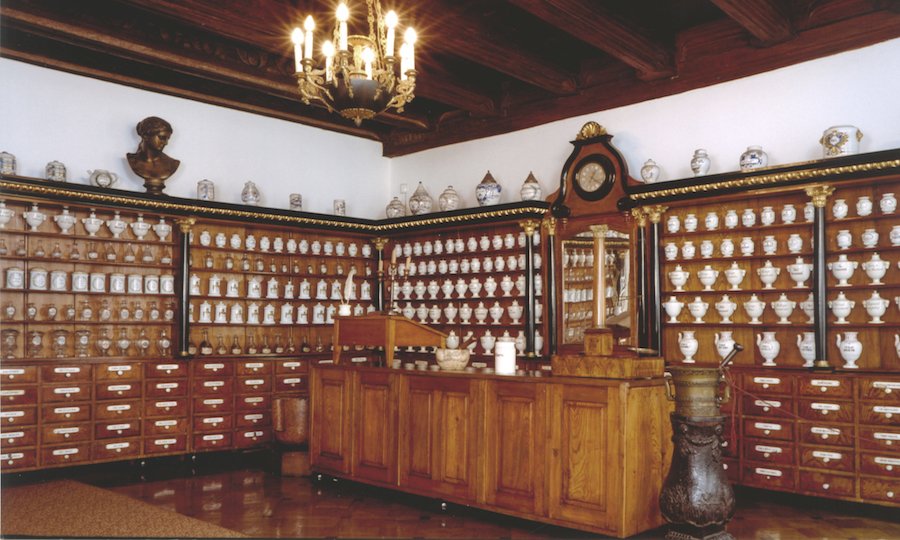
3. BOTANICAL GARDENS
Under the stewardship of Jagiellonian University’s Institute of Botany, Kraków’s 9.6 hectare botanical gardens date back to 1783, including the beautiful and historic ‘Victoria’ greenhouses full of exotic tropical flora and carnivorous plants. With picturesque ponds, fountains and bridges along the lush winding paths amongst dozens of miniature gardens and ancient trees, this place is perfect for a romantic rendezvous, or simply finding some peace and quiet away from the crowds.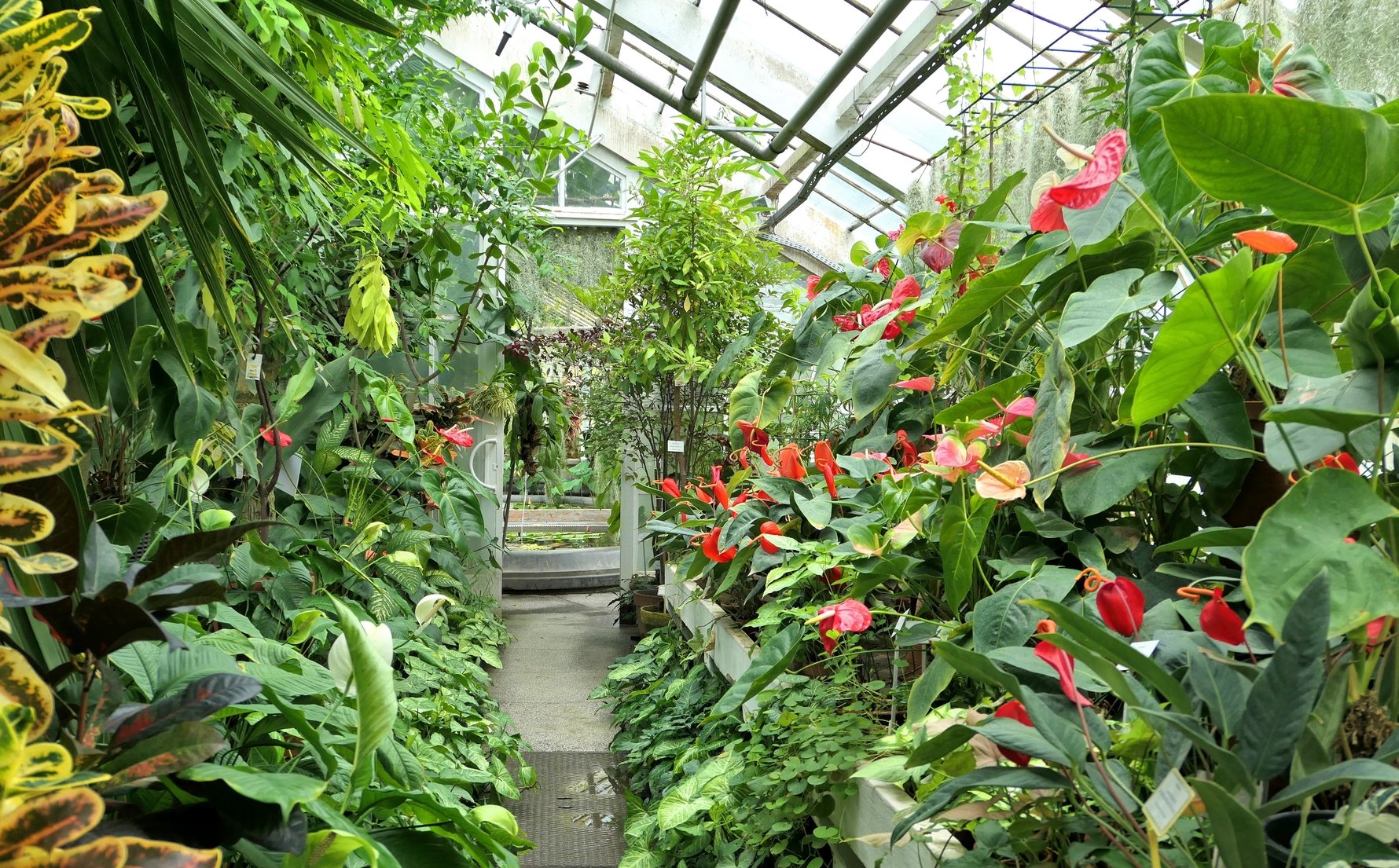
Comments