




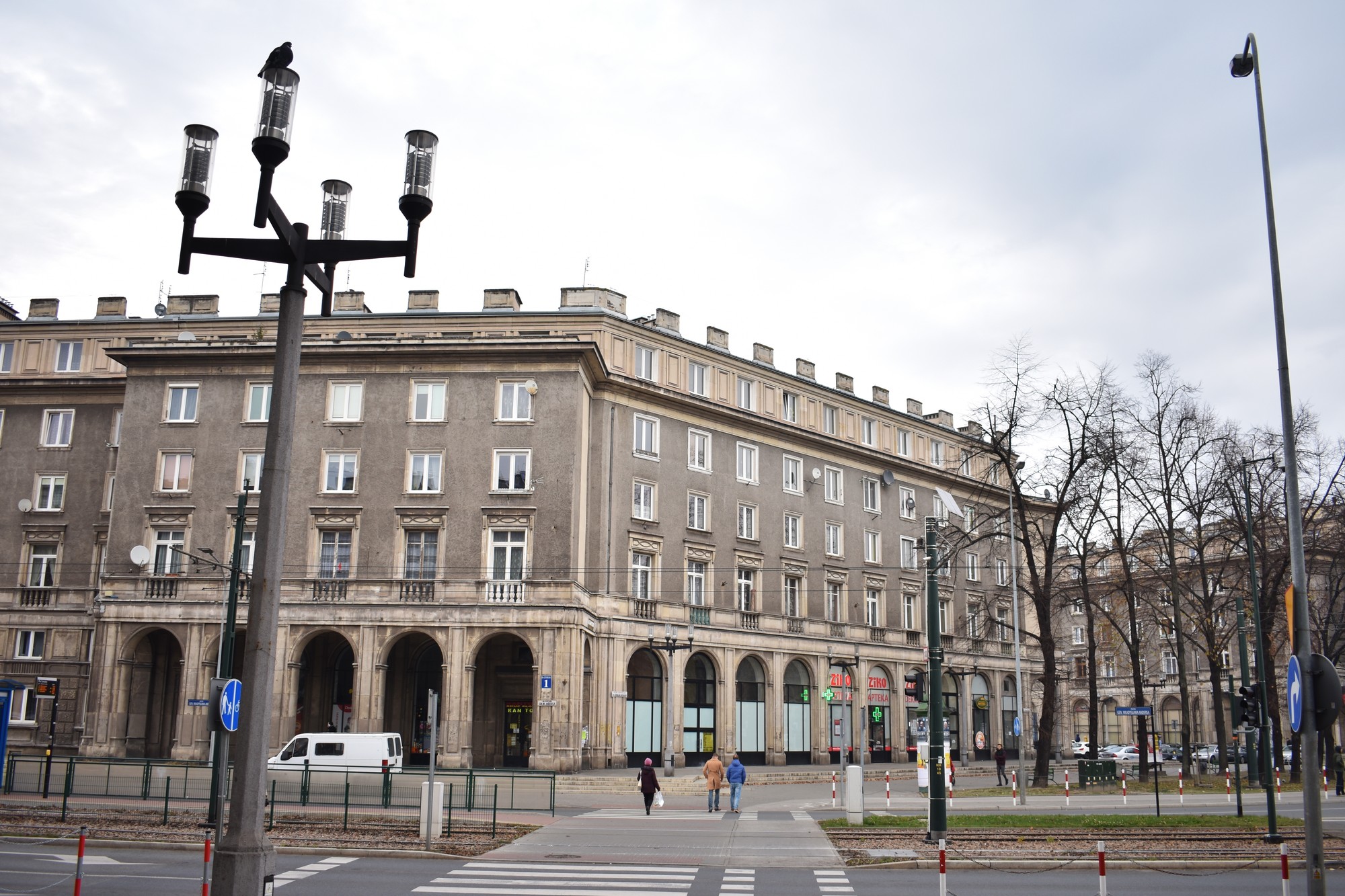
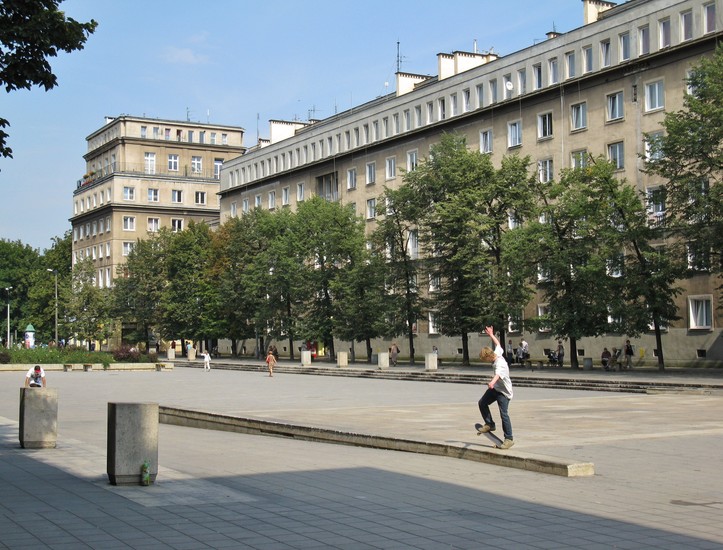




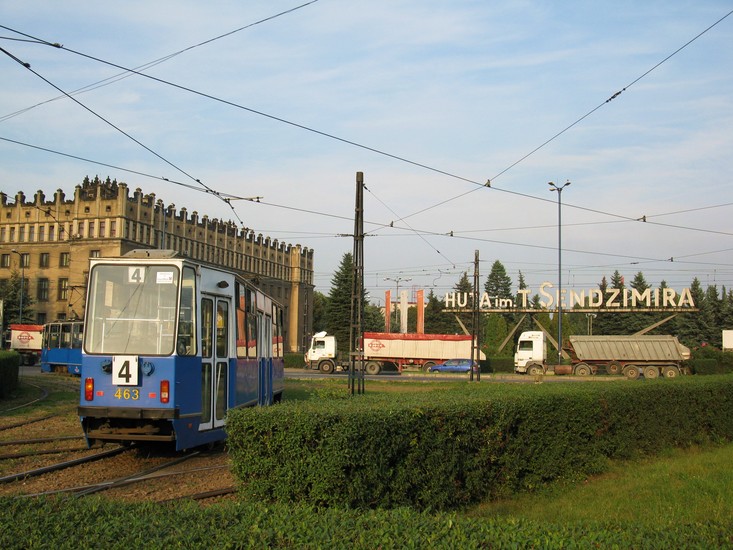
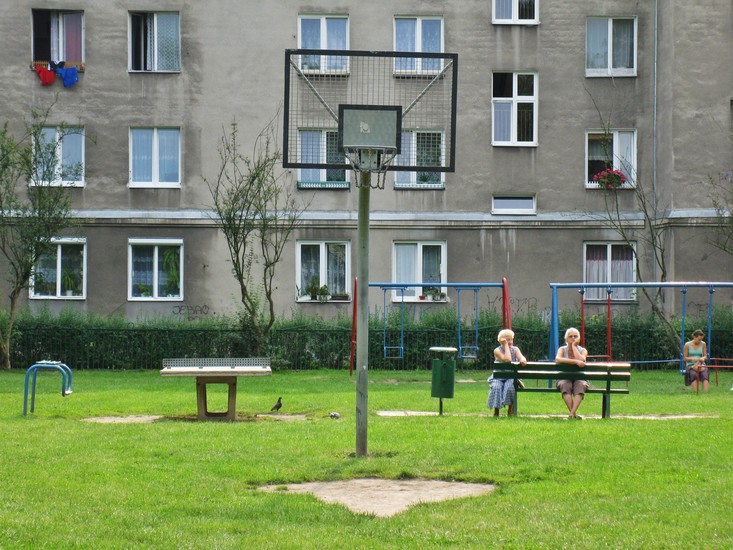
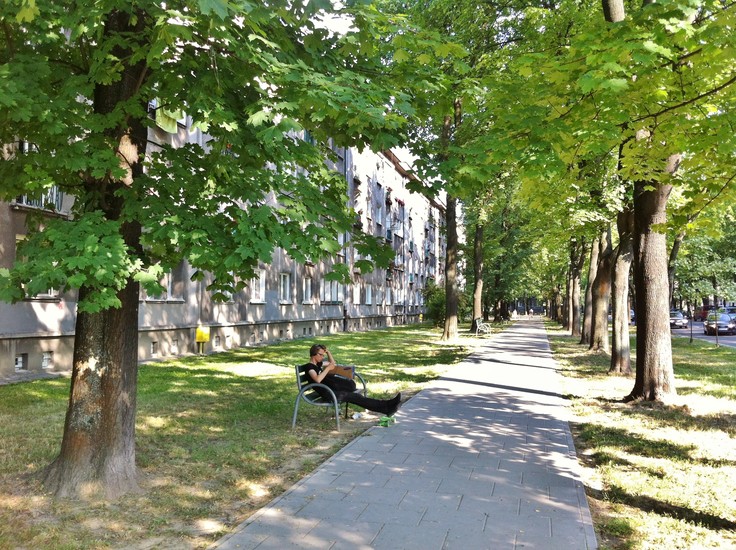
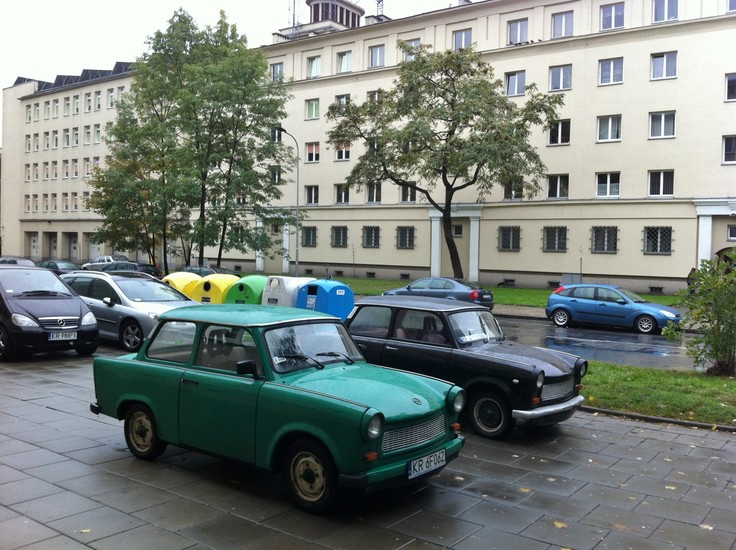
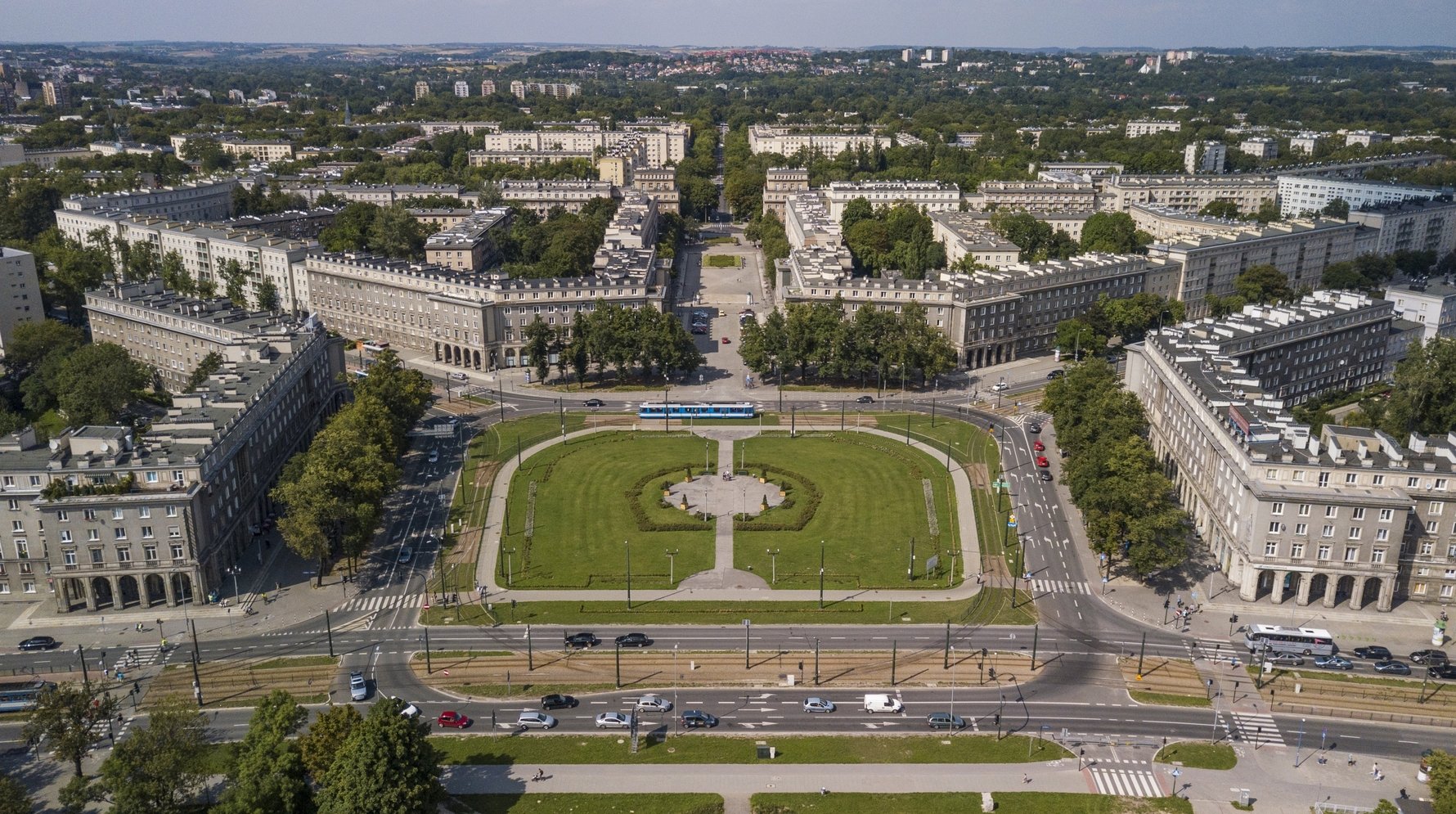
As intended, the colourless concrete conurbation of Kraków's Nowa Huta district is the direct antithesis of the city's Old Town. Ornate architecture, cobbled lanes and tourist crowds? Not here.
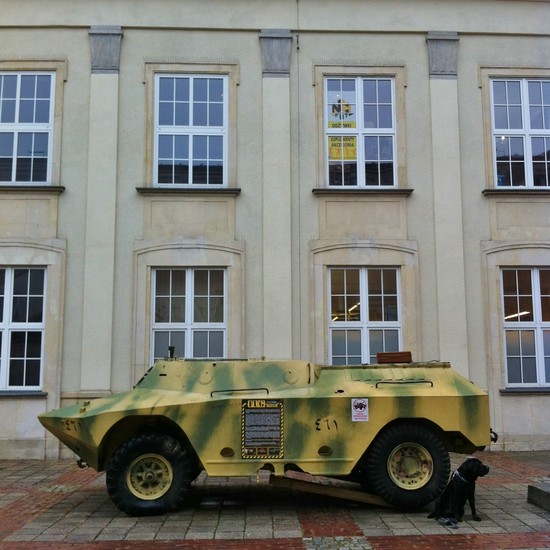
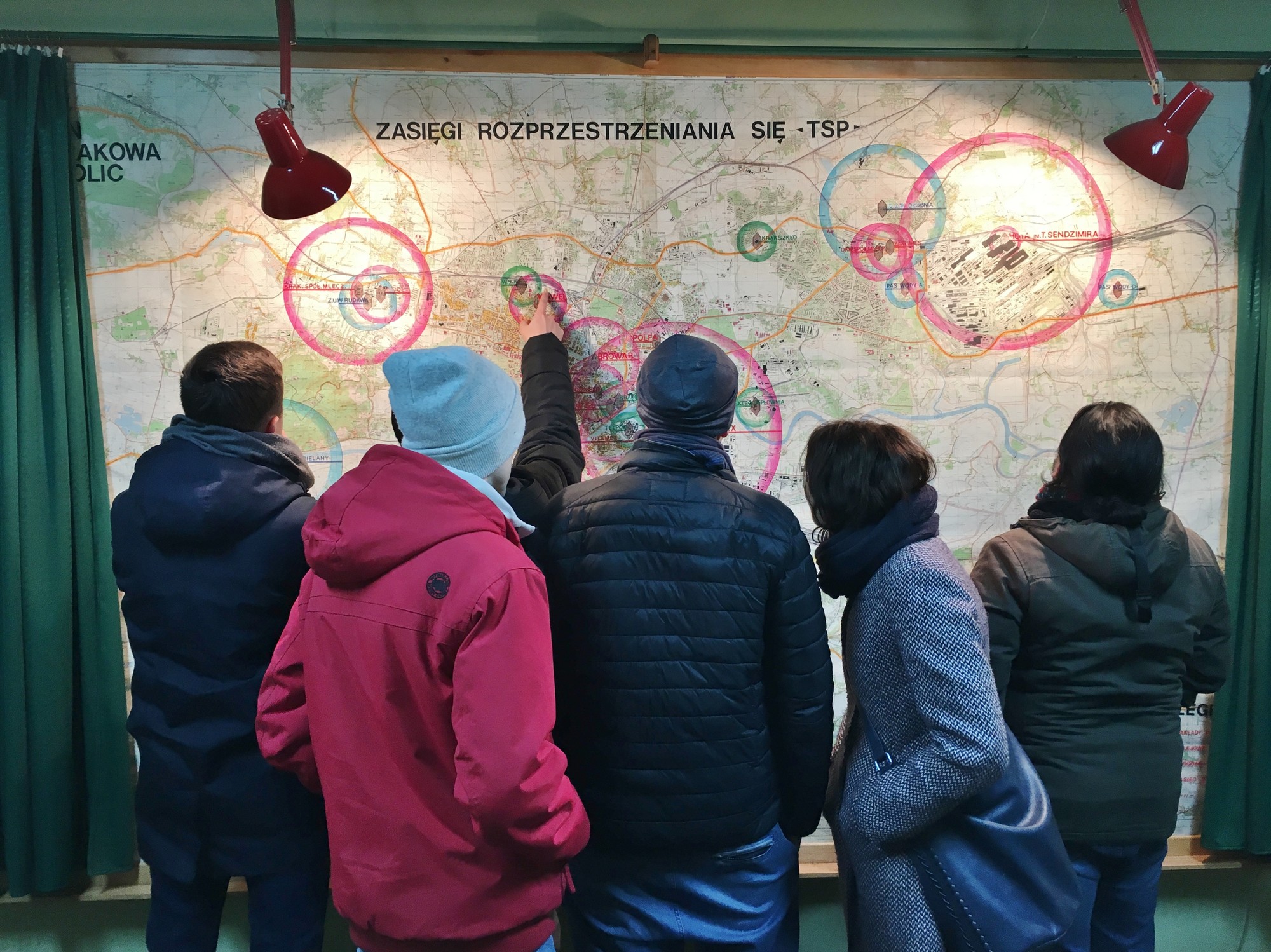
One of only two entirely pre-planned socialist realism cities ever built (the other being Magnitogorsk in Russia’s Ural Mountains), this Orwellian encampment is one of the finest examples of deliberate social engineering in the world. For tourists, but also for Poles, a visit is akin to travelling back in time to the communist era in Poland.
Raising the Behemoth: The Building of Nowa Huta
Funded by the Soviet Union, Nowa Huta swallowed up a huge swathe of ideal agricultural land, and the ancient village of Kościelniki (as well as parts of Mogiła and Krzesławice) in an attempt to create an in-your-face proletarian opponent to intellectual, artsy-fartsy, fairytale Kraków. Though today a separate district and suburb of Kraków, Nowa Huta was conceived as a separate city entirely, completely self-sufficient and intended to be superior to its neighbour.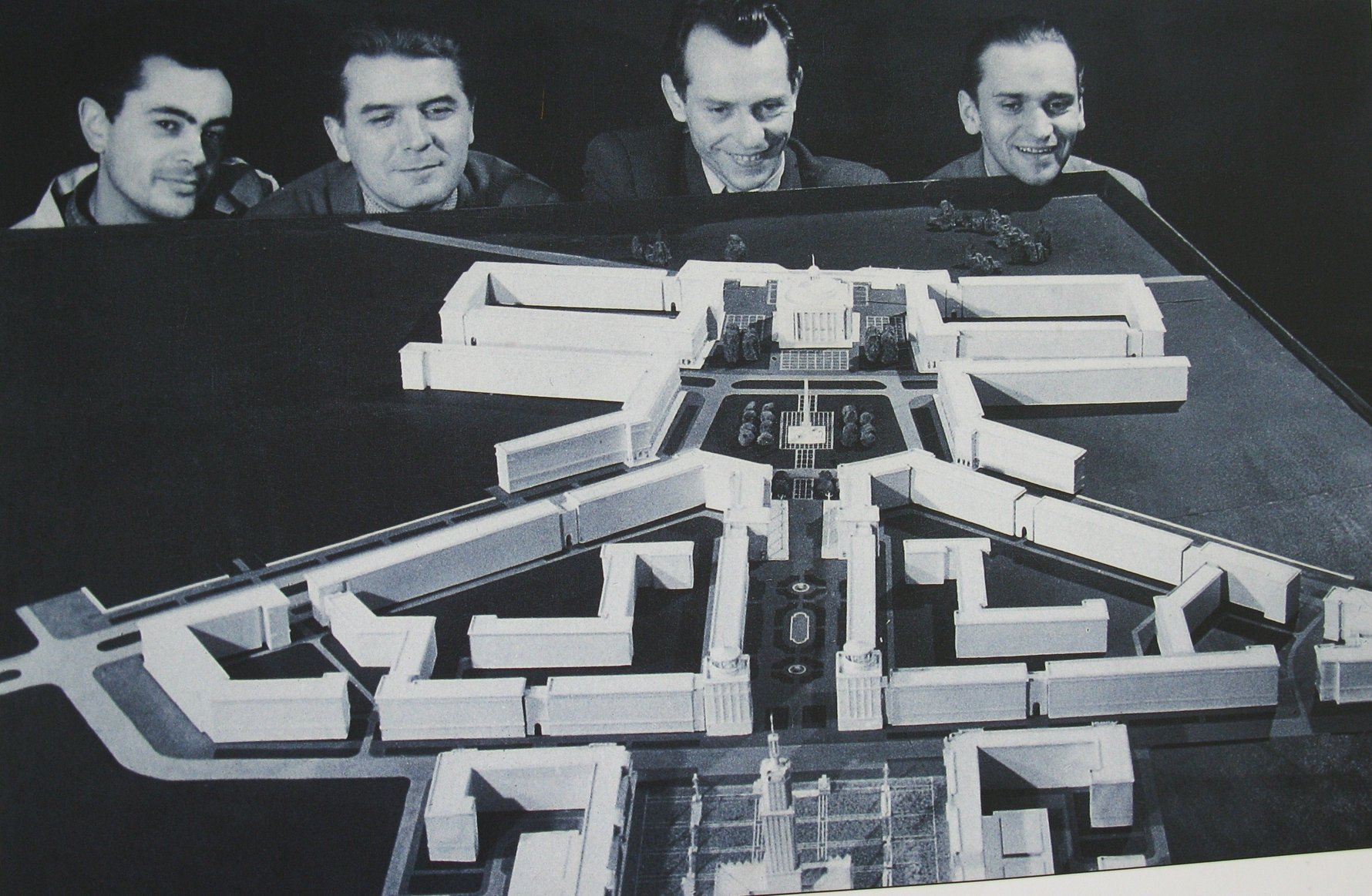
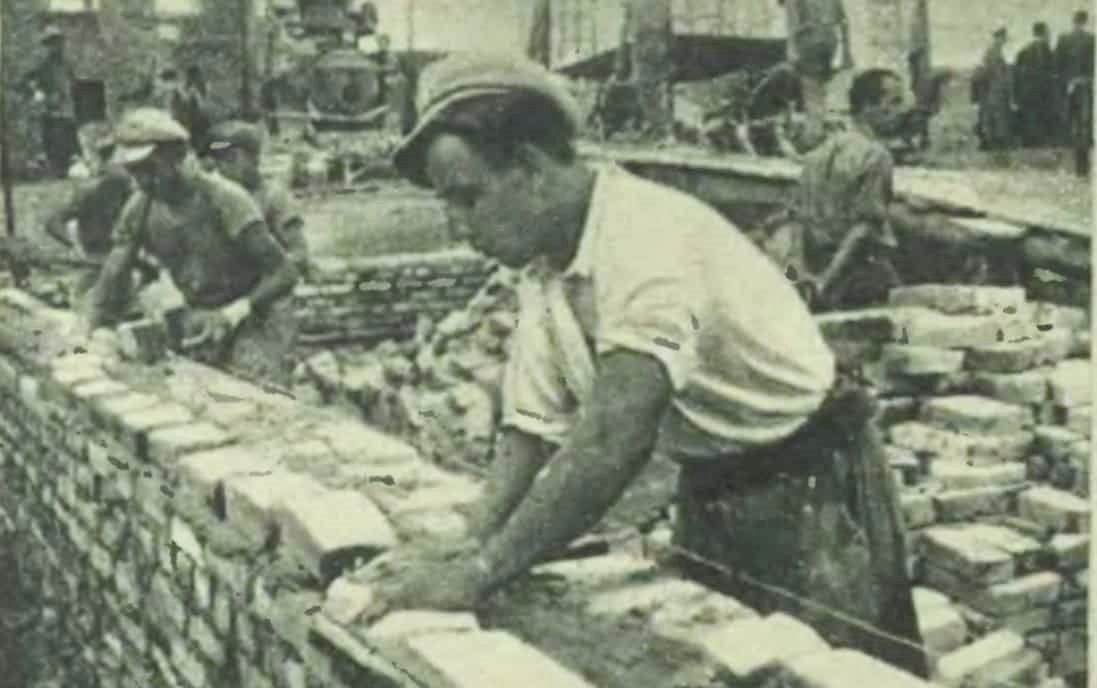
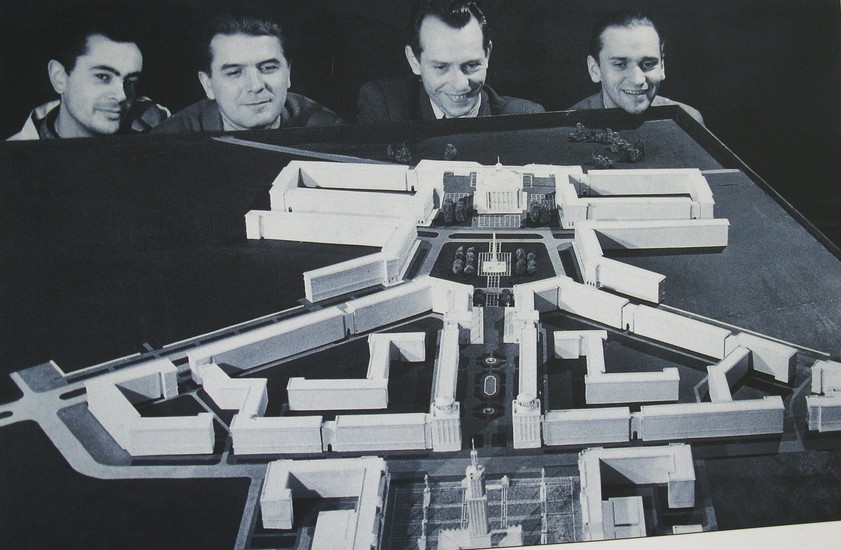
press photo, 1950.
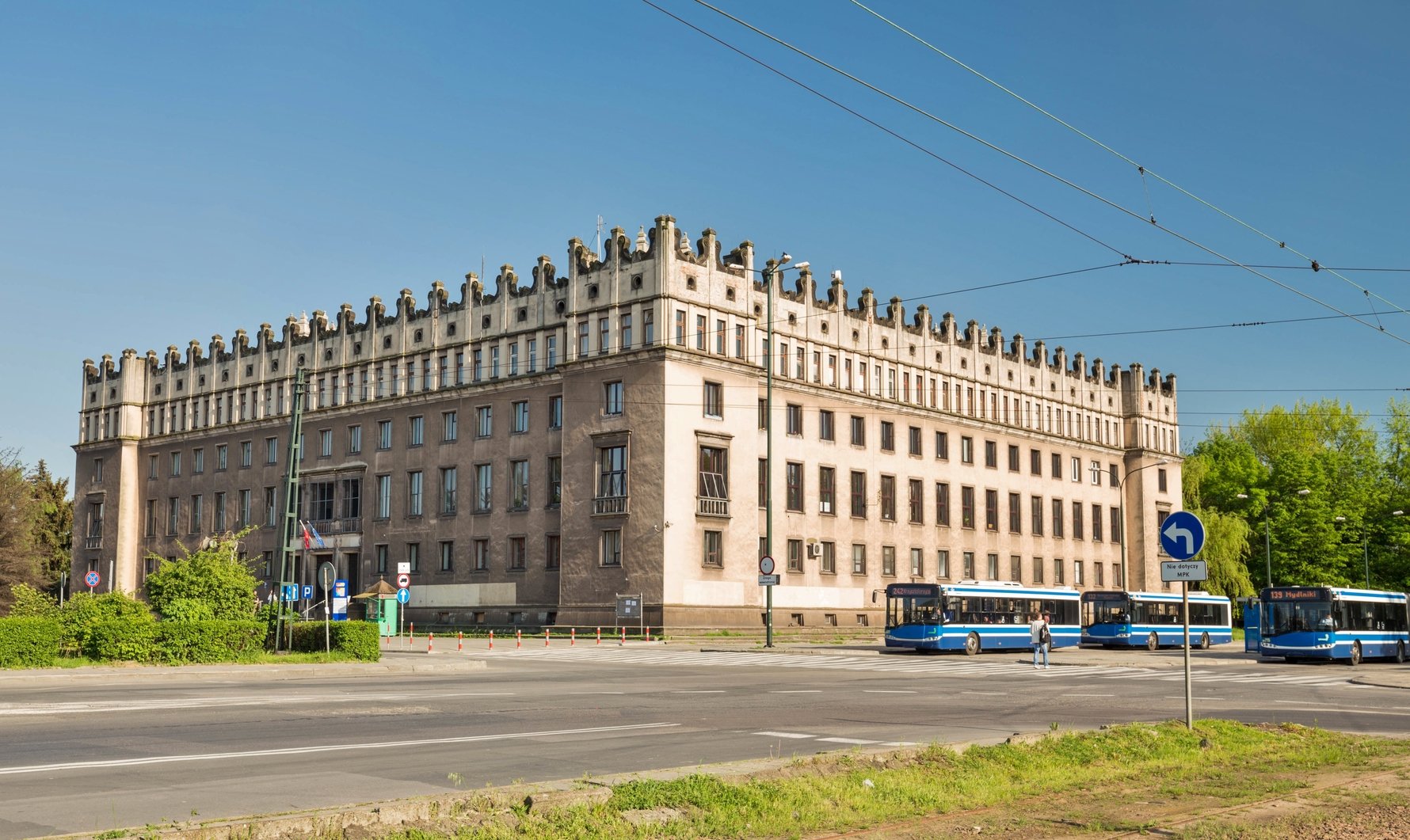
the only buildings visible or open to the public in any capacity today.
Explore Nowa Huta OFFLINE with the Kraków IYP guidebook.
What to See in Nowa Huta Today
Around Plac Centralny
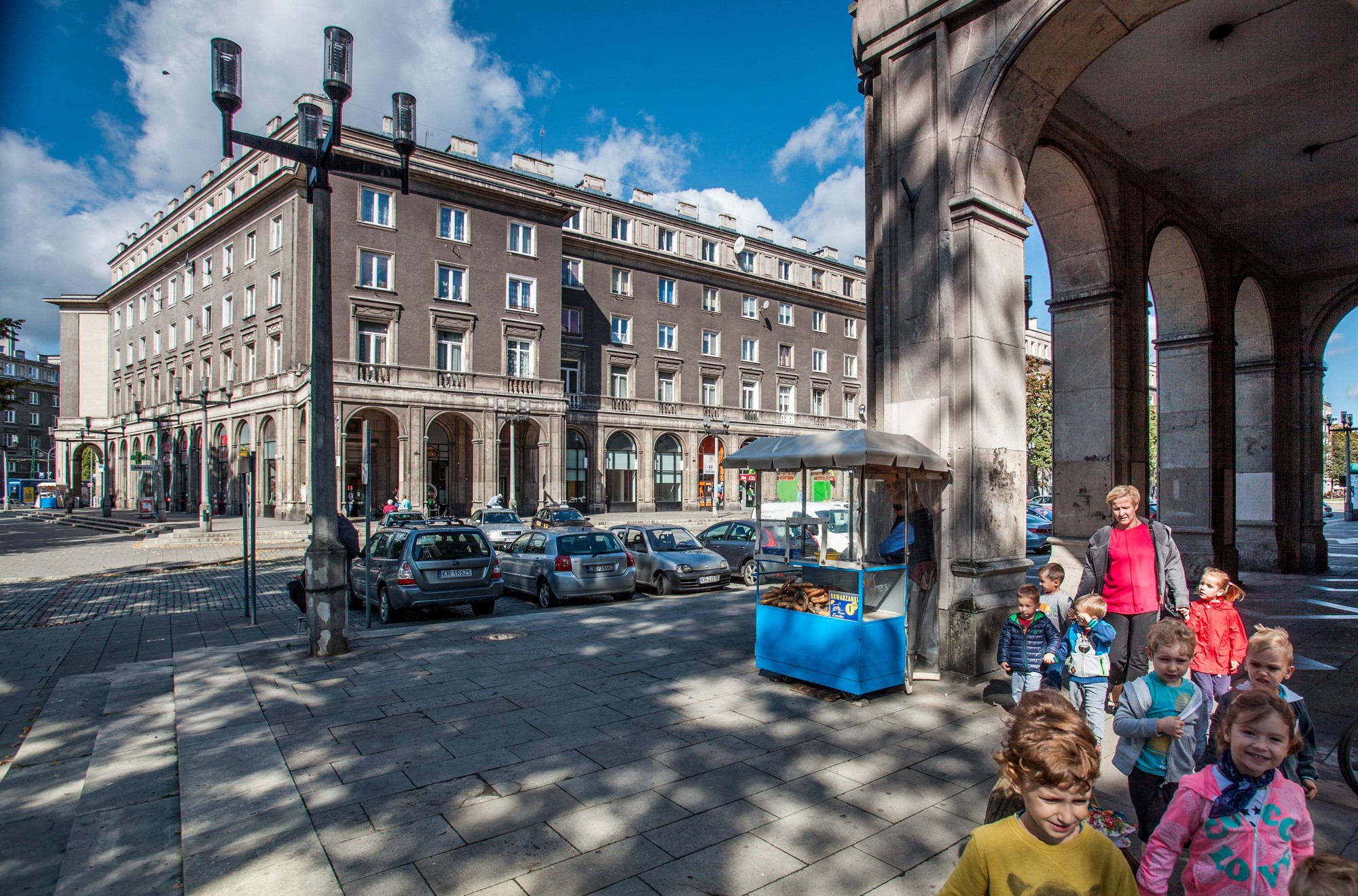
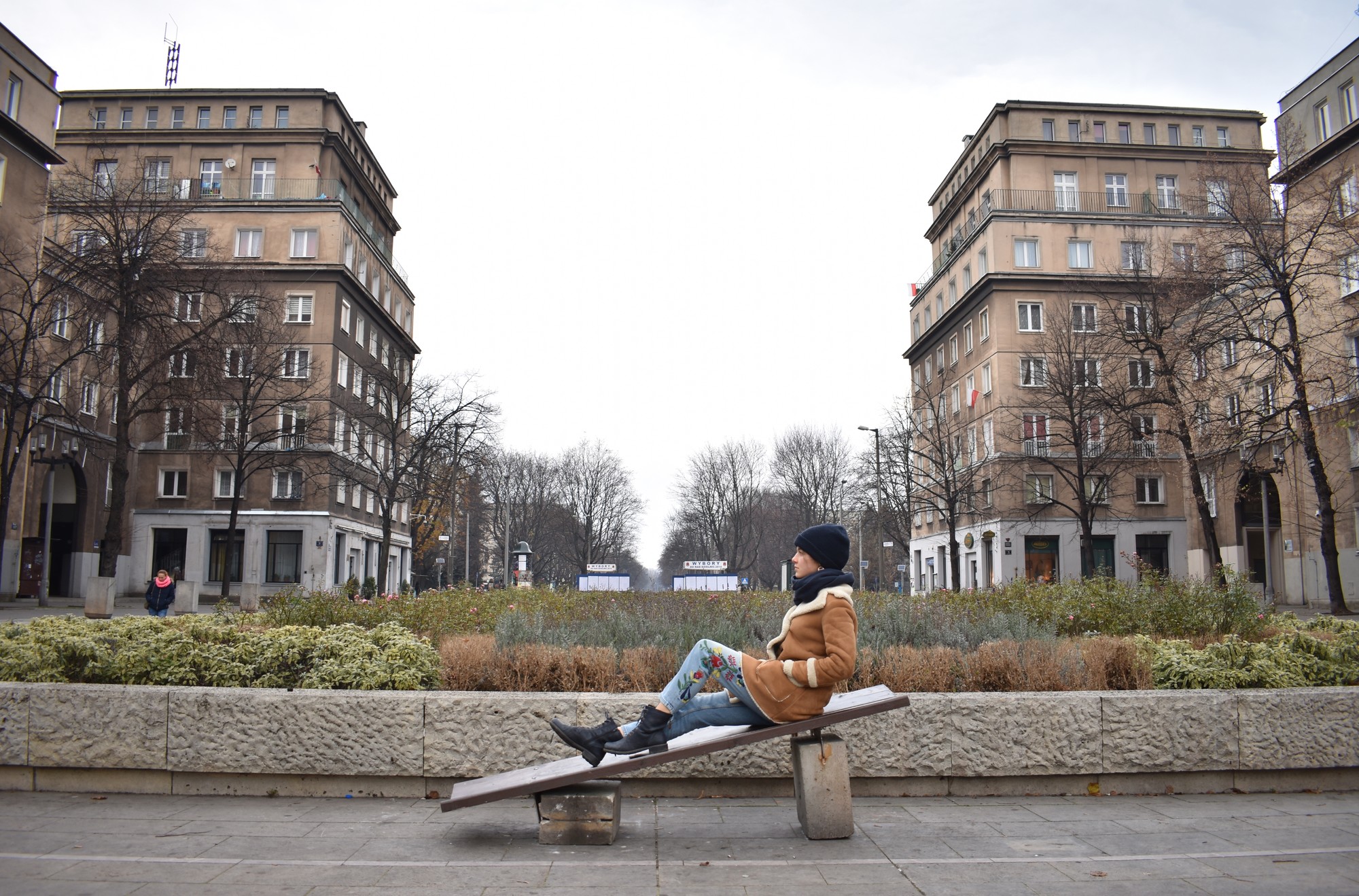
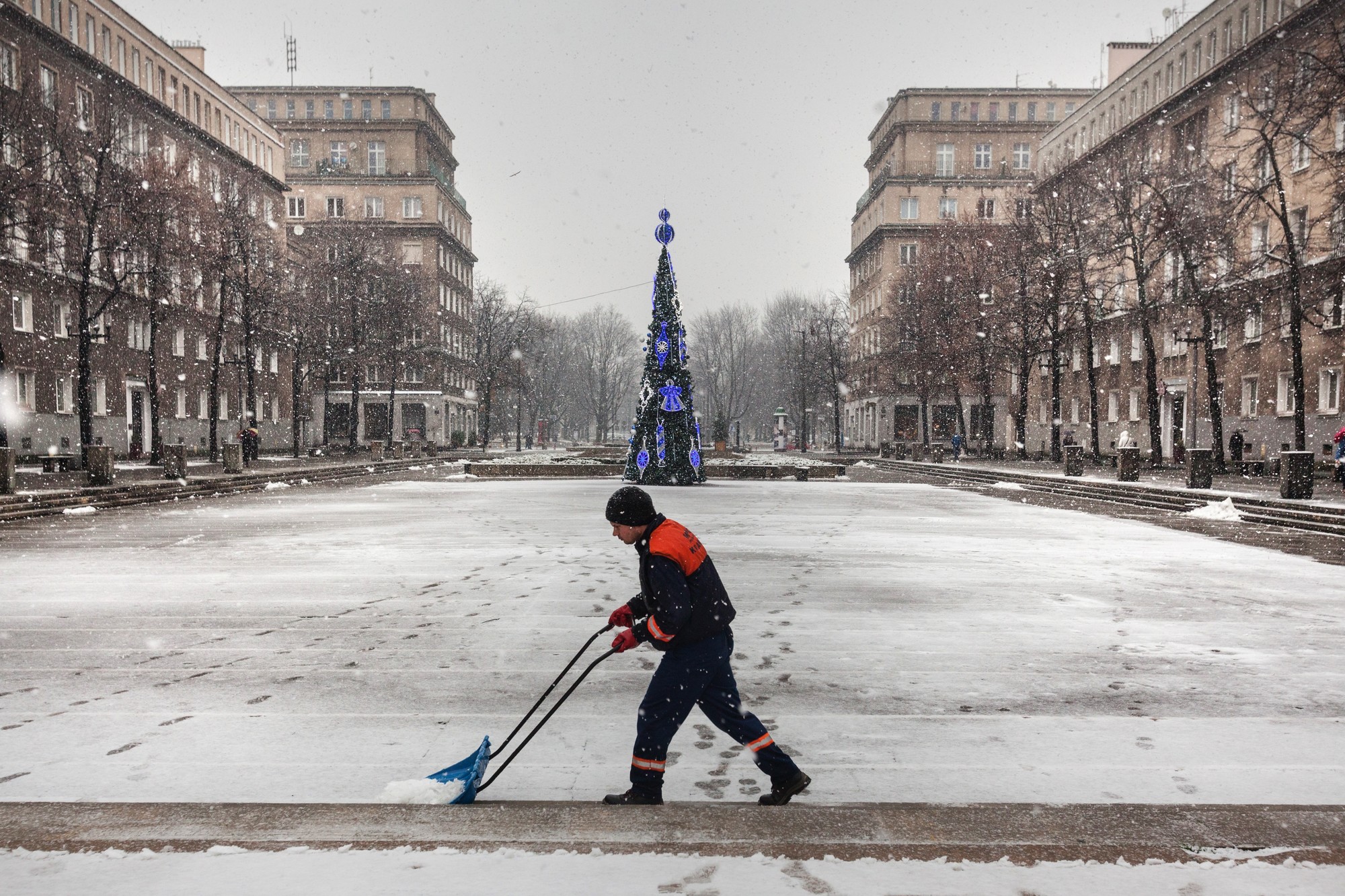
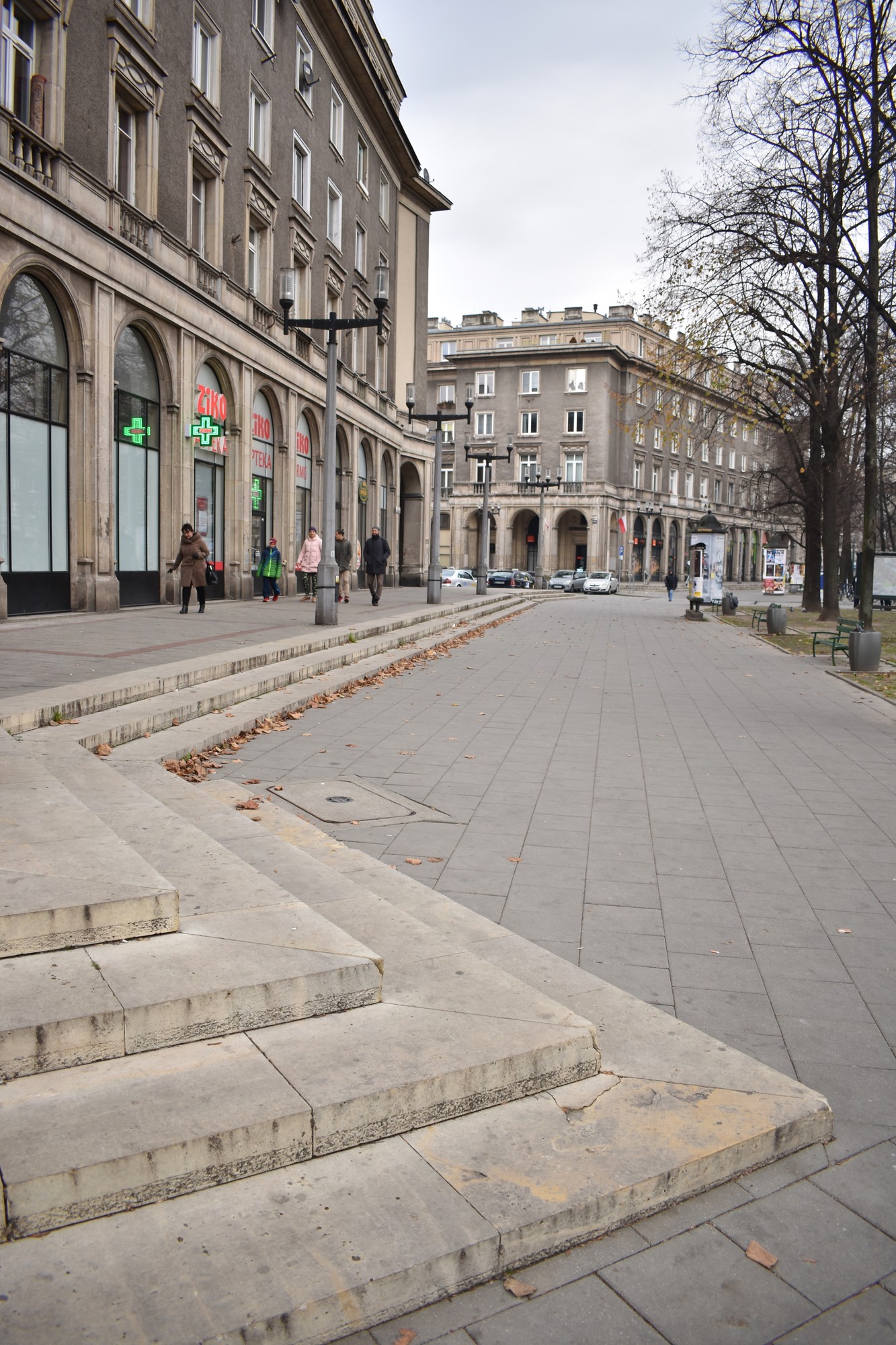
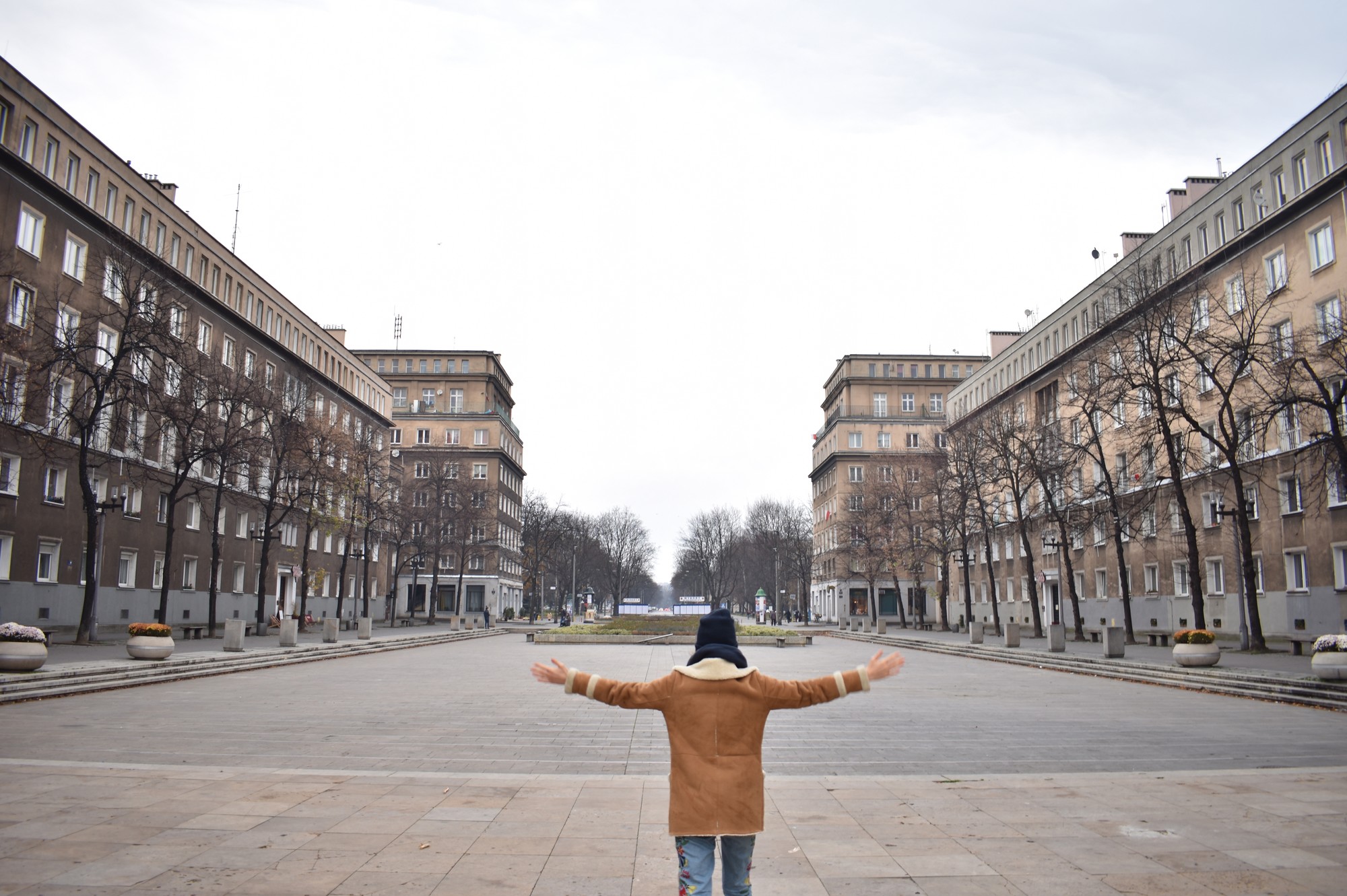
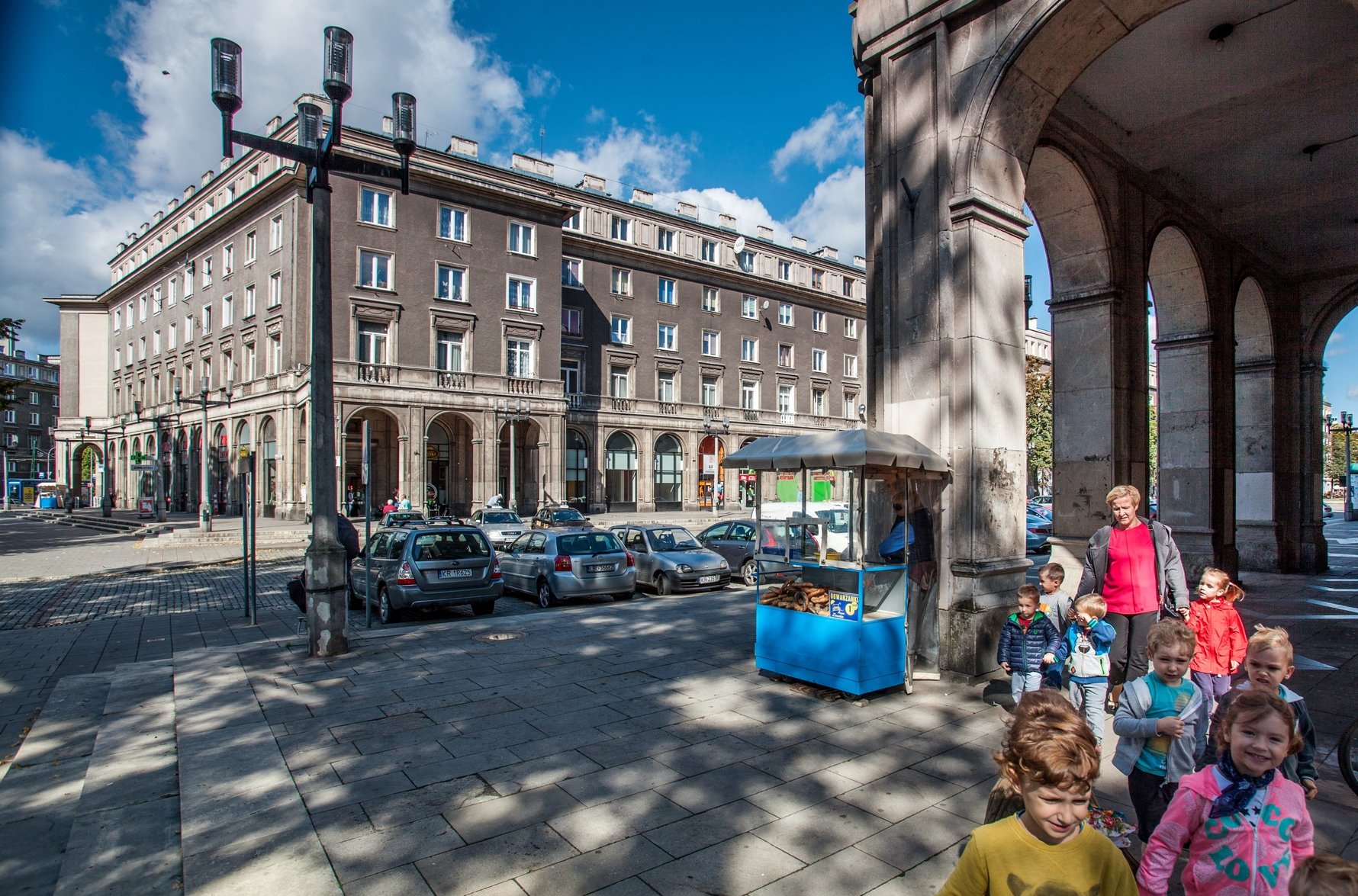
Jump off a tram at the ‘Plac Centralny’ stop, and find yourself at the very nucleus of Nowa Huta. Dating from 1949, the Central Square is a masterpiece of Soviet social planning, and the brainchild of architect Tadeusz Ptaszycki, whose socialist realism design gives the district its unique character. From 1973 to 1989 an enormous monument of Vladimir Lenin in full stride actually towered over the citizens of Nowa Huta at the north end of Plac Centralny. Dismantling it after the fall of communism in Poland was an important symbolic act (cheered by thousands of spectators), which later turned into almost comic irony when the square he once stood on - and which was named for a time after Joseph Stalin - was officially re-designated ‘Ronald Reagan Central Square’ in 2004. Speak to any local, however, and you’ll still hear it only referred to as Plac Centralny - a walk around the fearsome arcades of which will bring you to several points of interest, including the iconic Markiza neon sign, and Cepelix folk art shop.
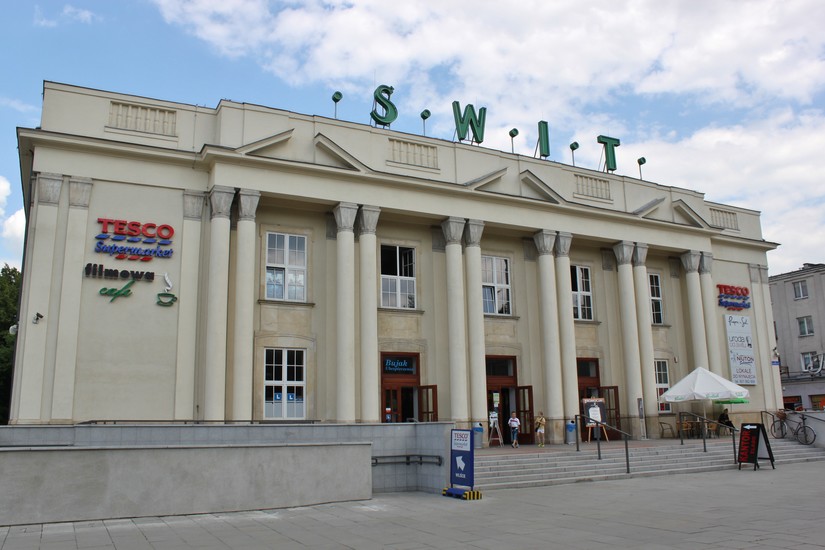
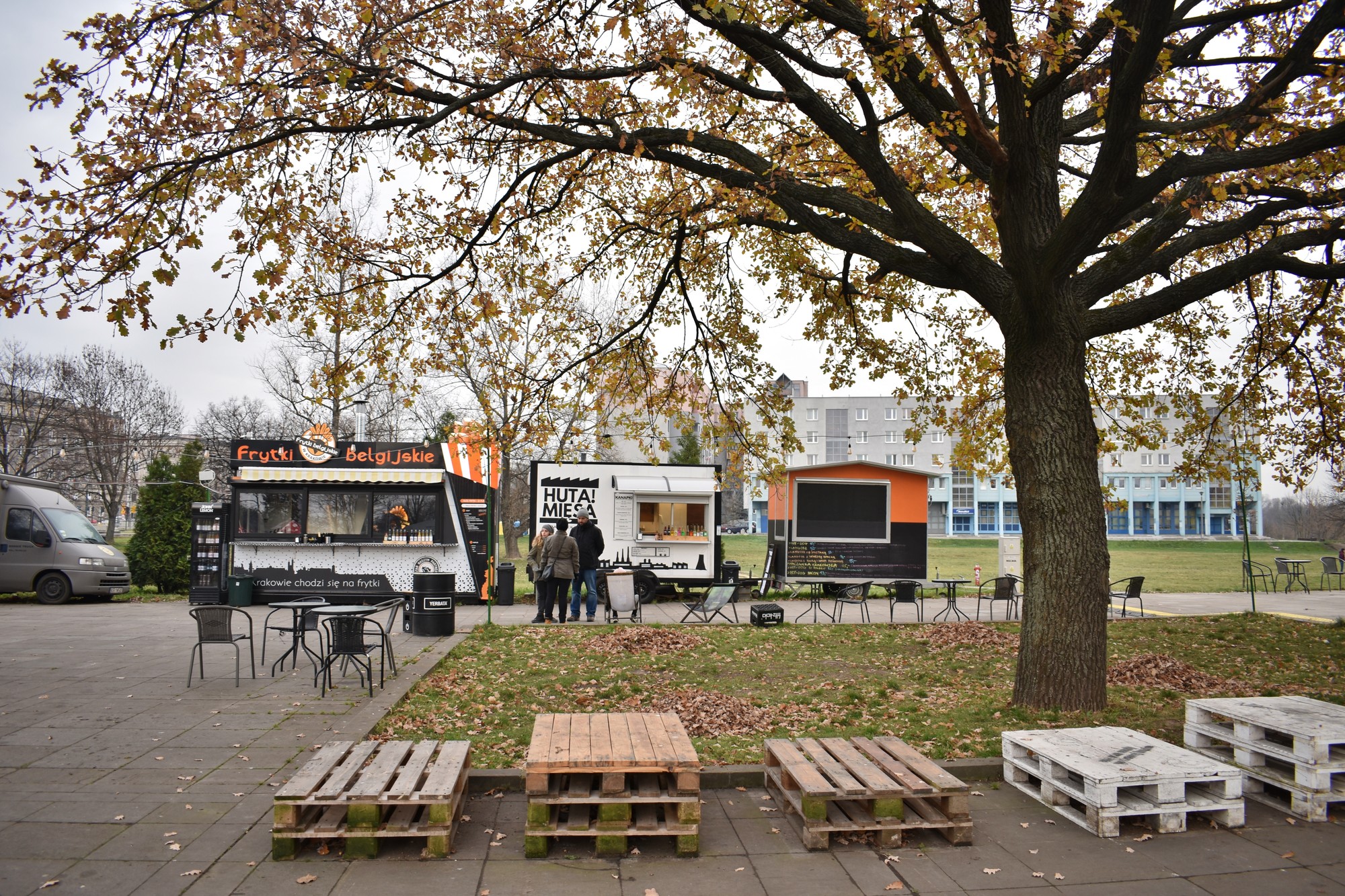
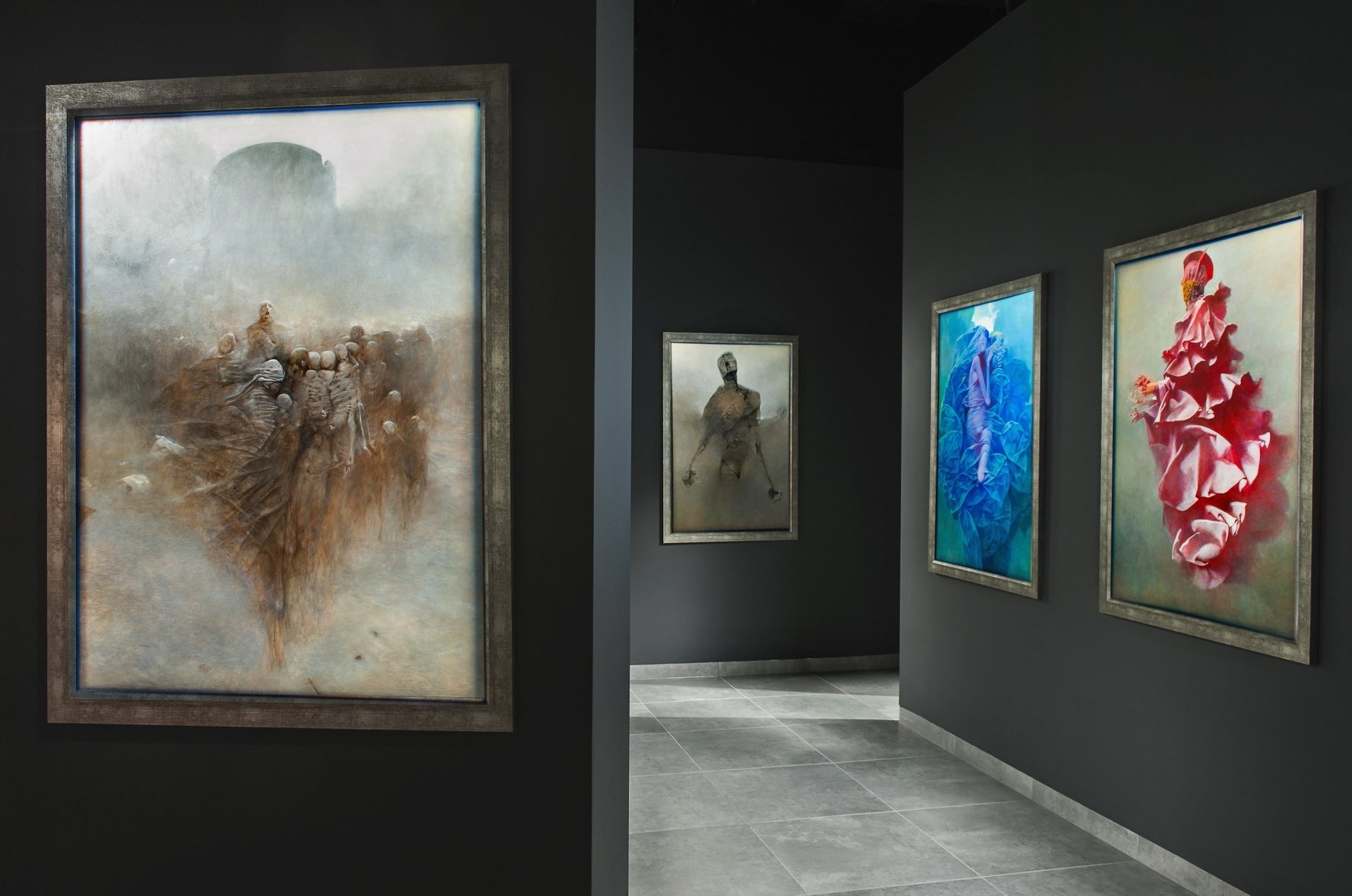
Just south of the square is the Nowa Huta Cultural Centre (NCK) - home to a winter ice rink, year-round food trucks (some of the only eats in the area) and two truly worthwhile 20th century art exhibits: iconic Polish artists Zdzisław Beksiński and Jerzy Duda Gracz both painted their own unique visions of the grotesque, and both have separate permanent exhibits inside the building. From the NCK it’s easy walking distance to the former Światowid cinema - another social realist stalwart that today houses the fantastic Nowa Huta Museum.
The Steelworks & Nowa Huta Underground
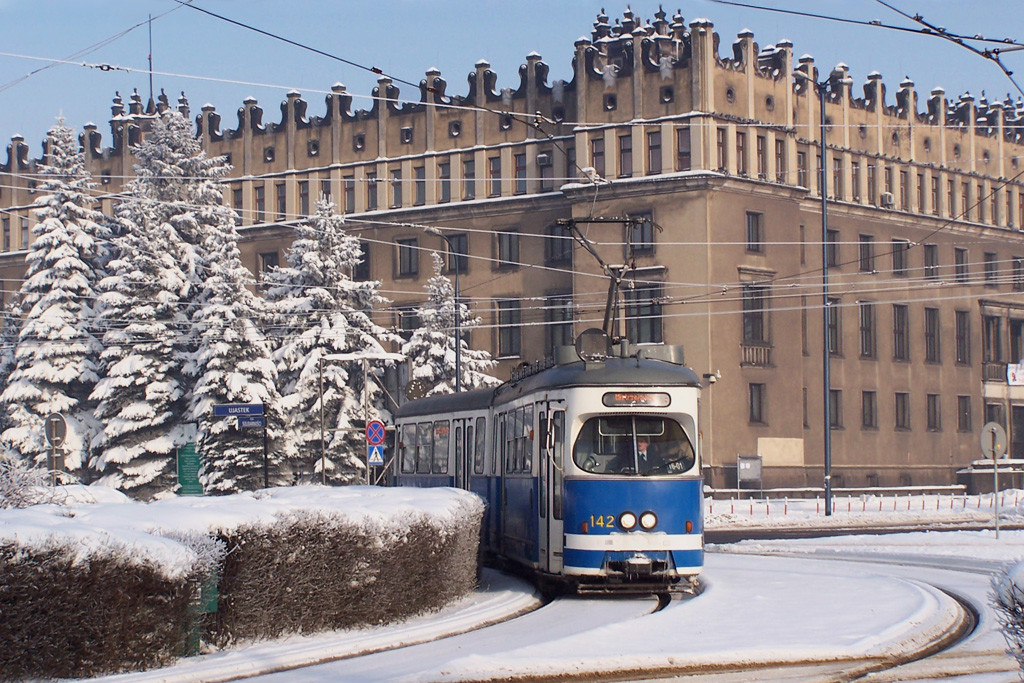
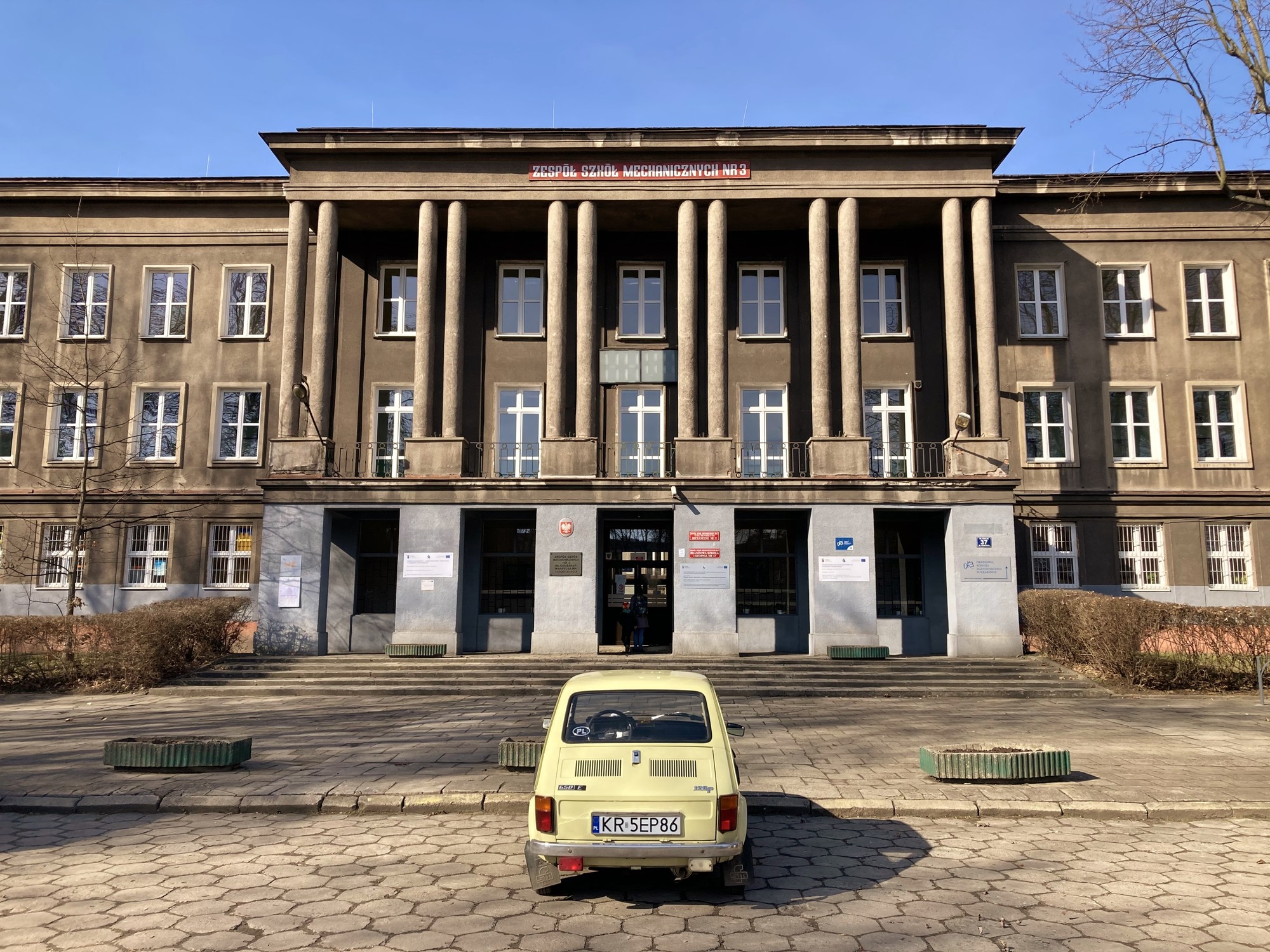
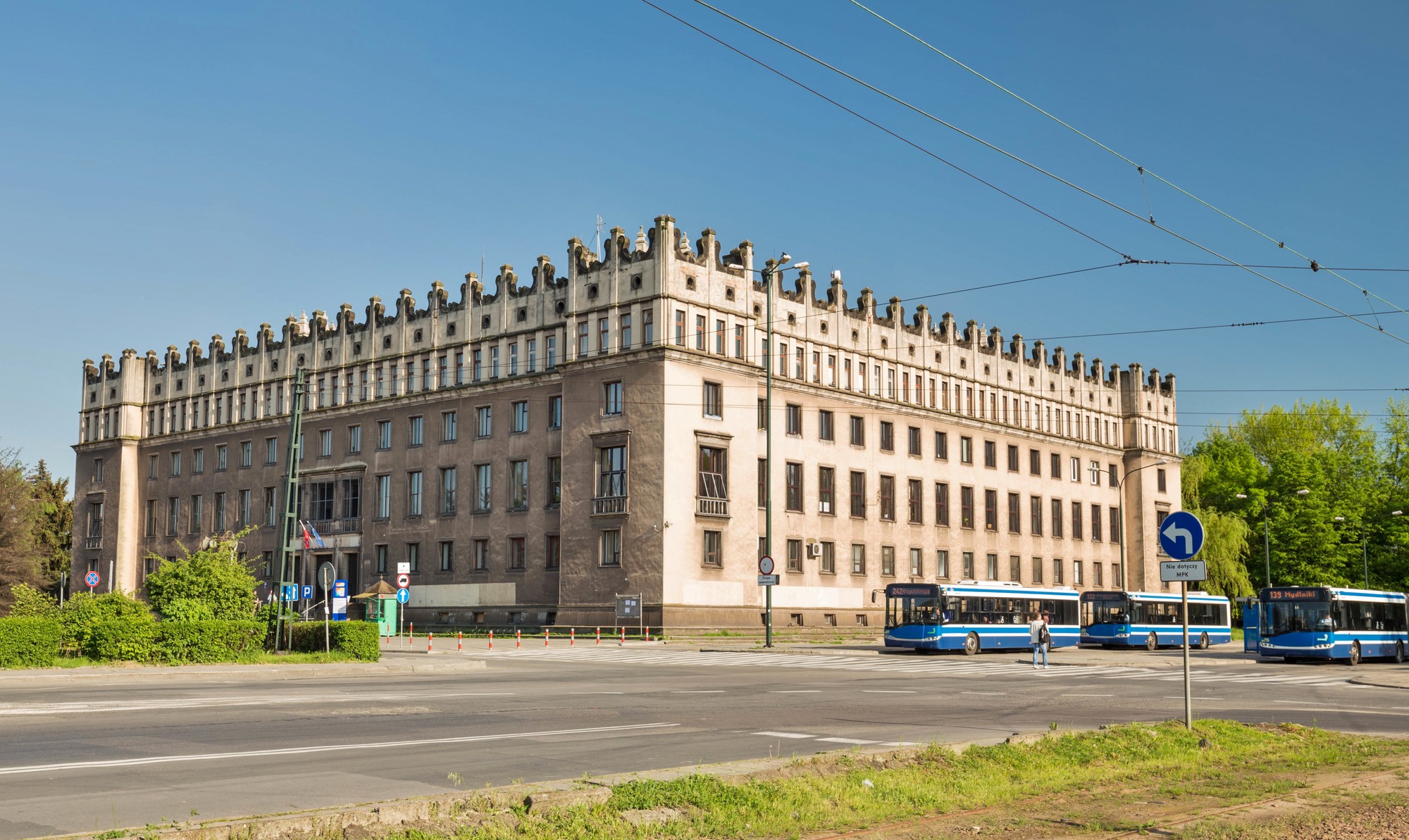
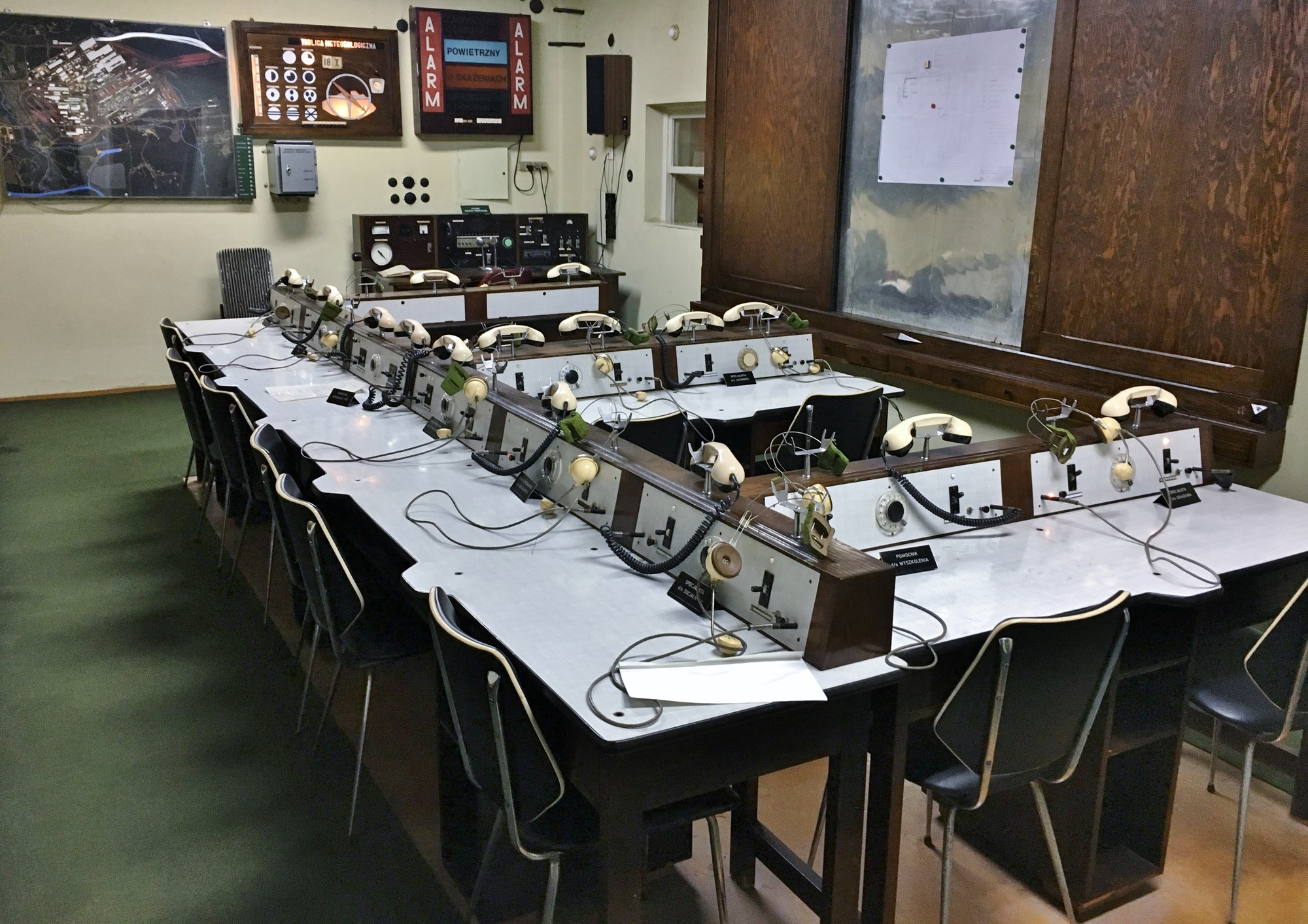
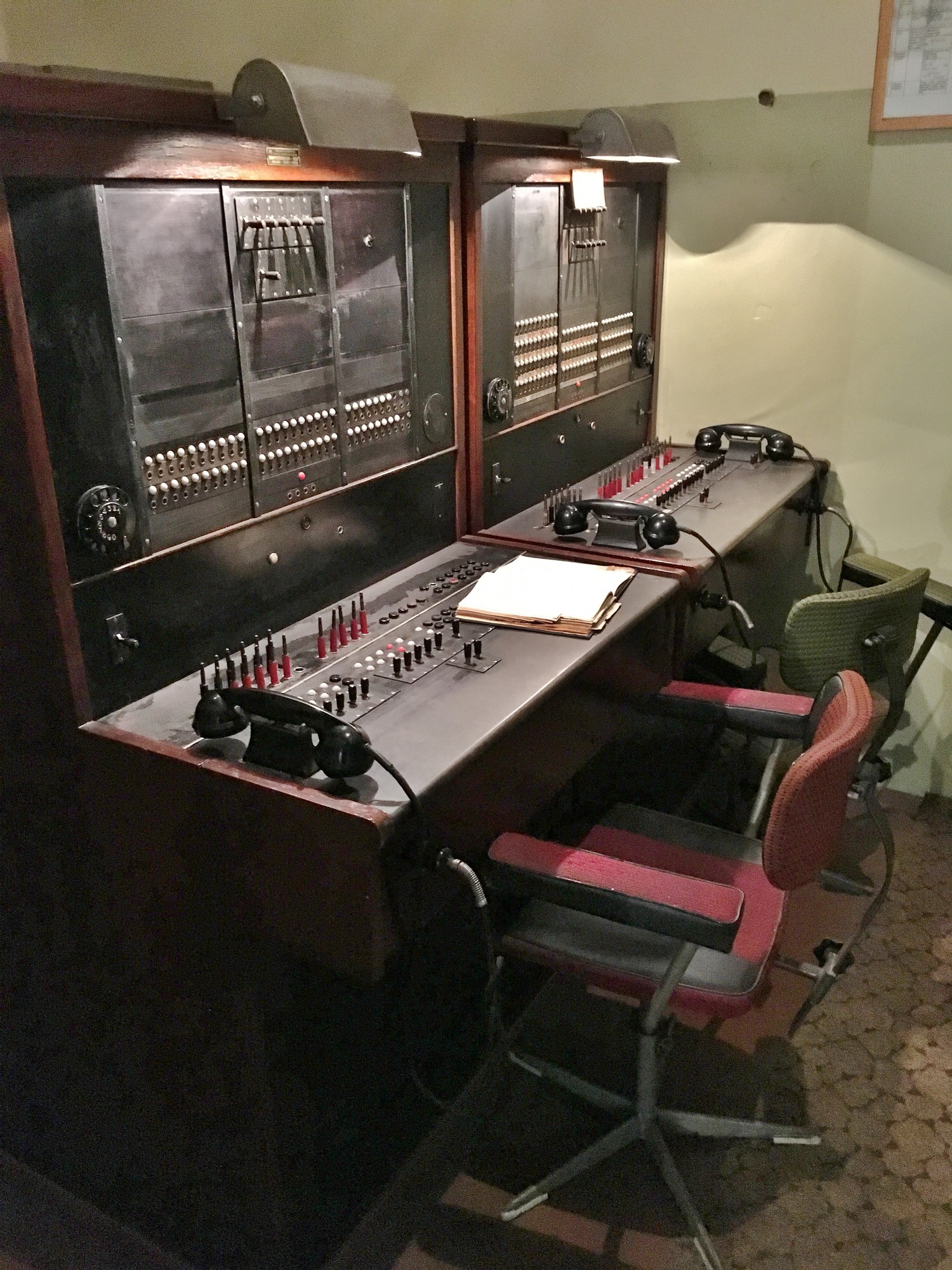
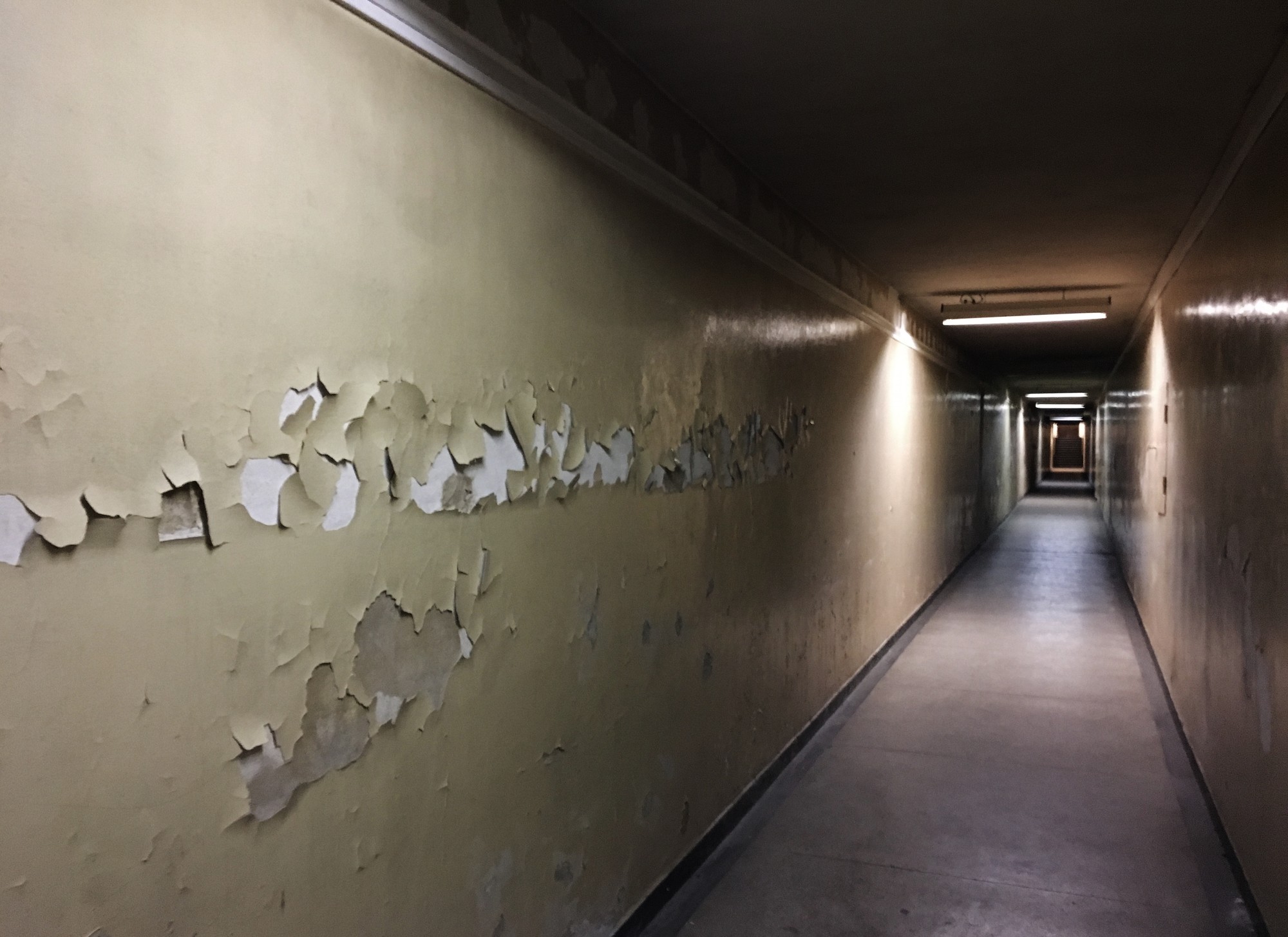
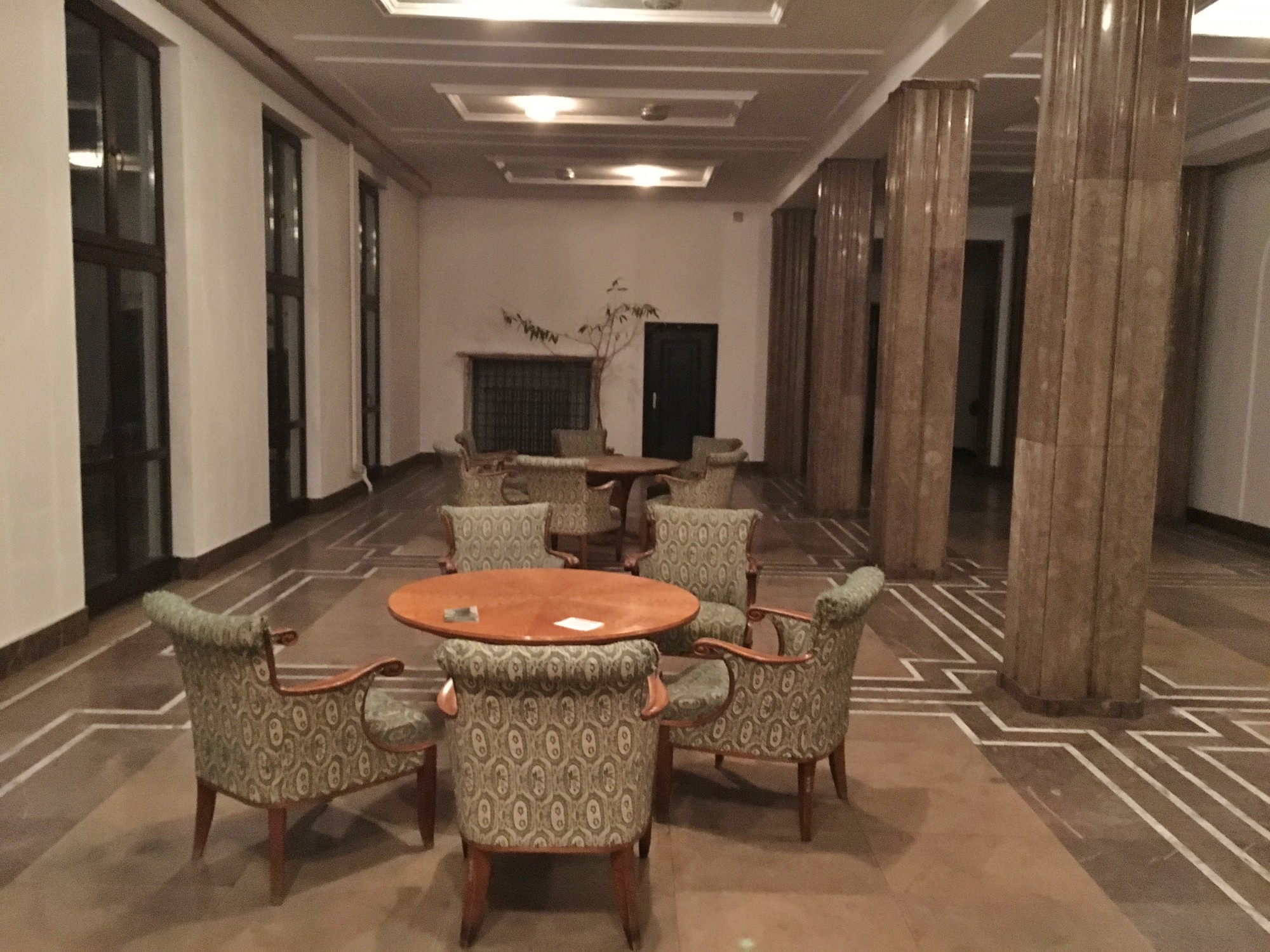
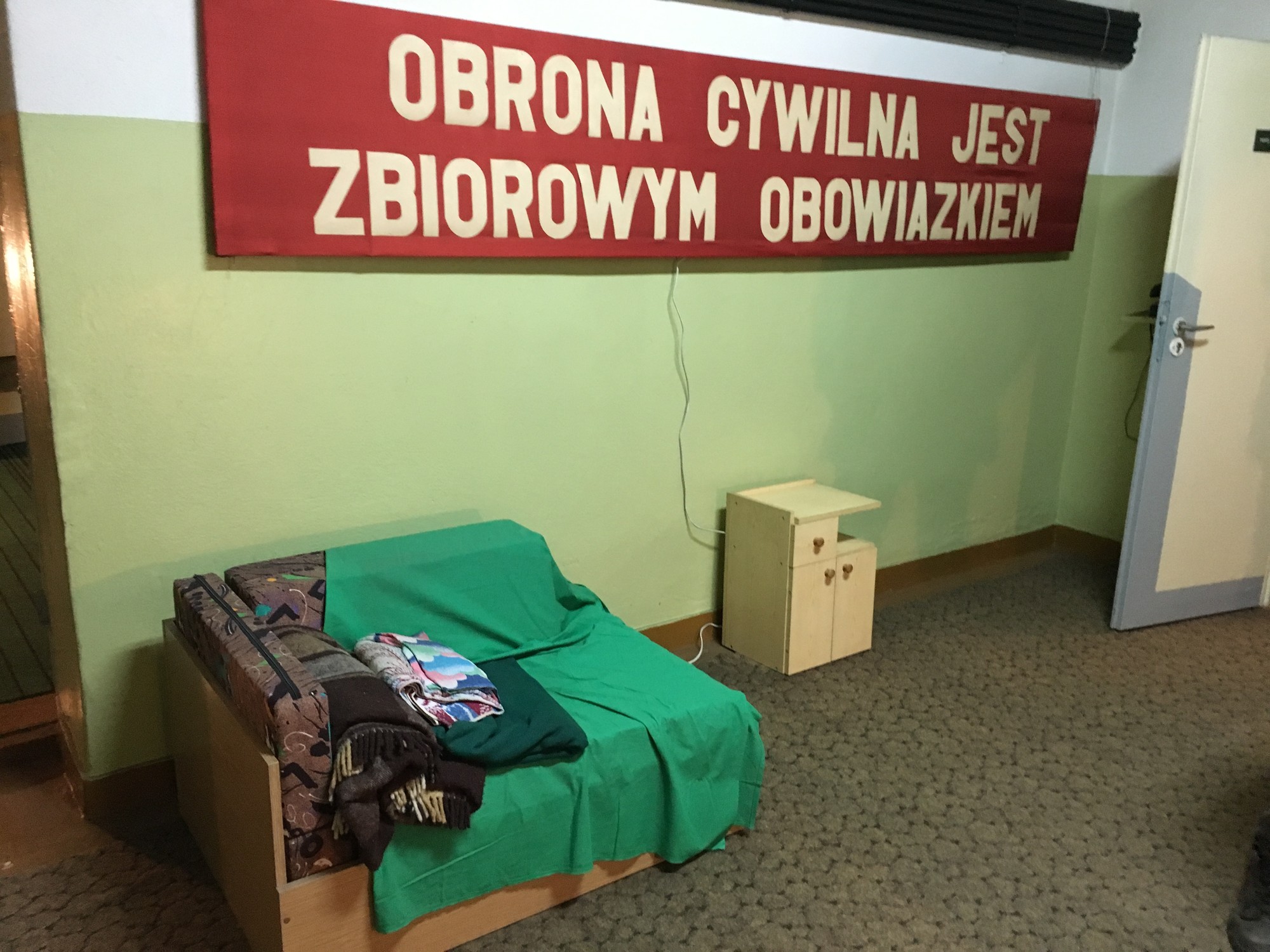
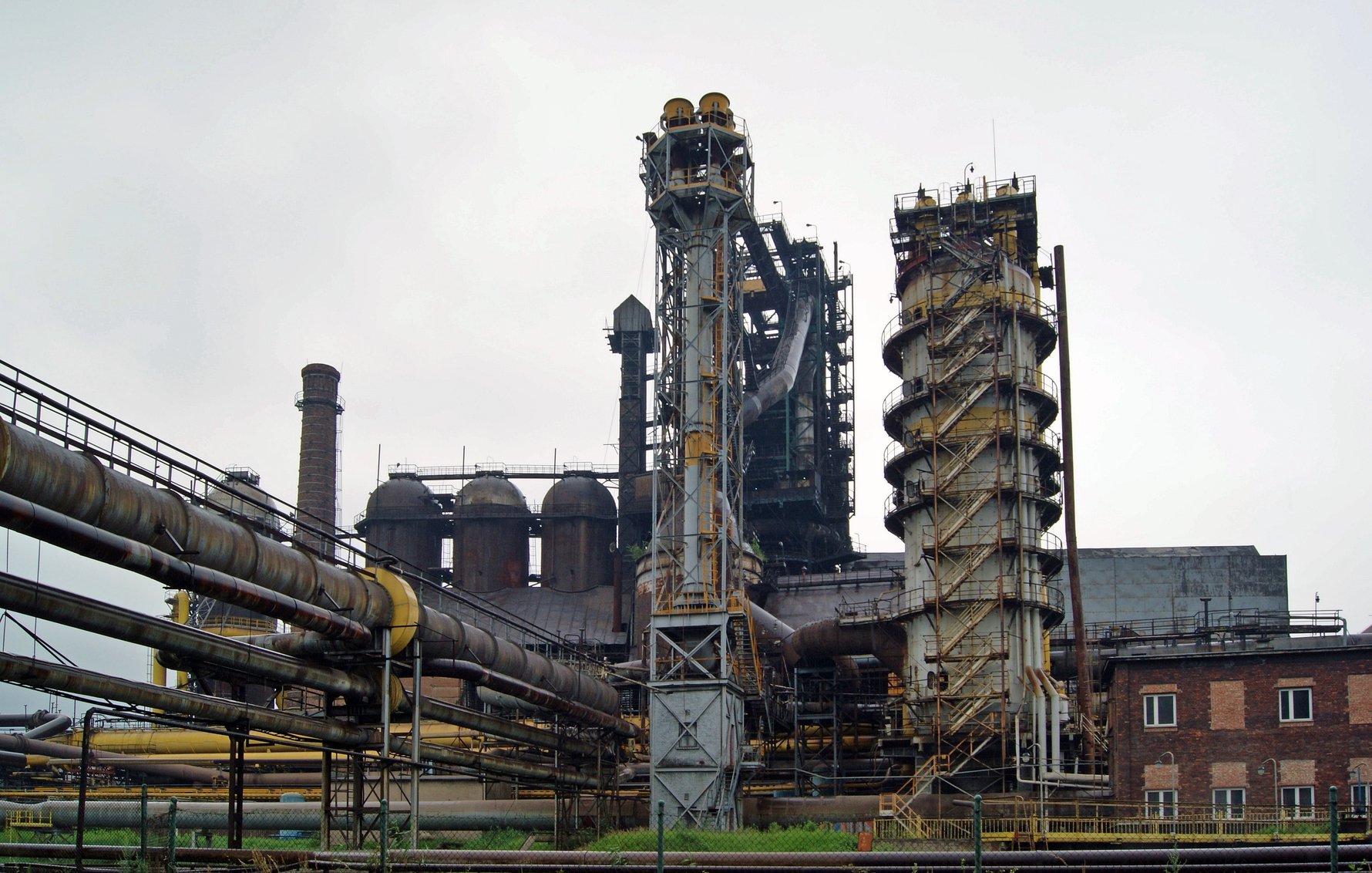
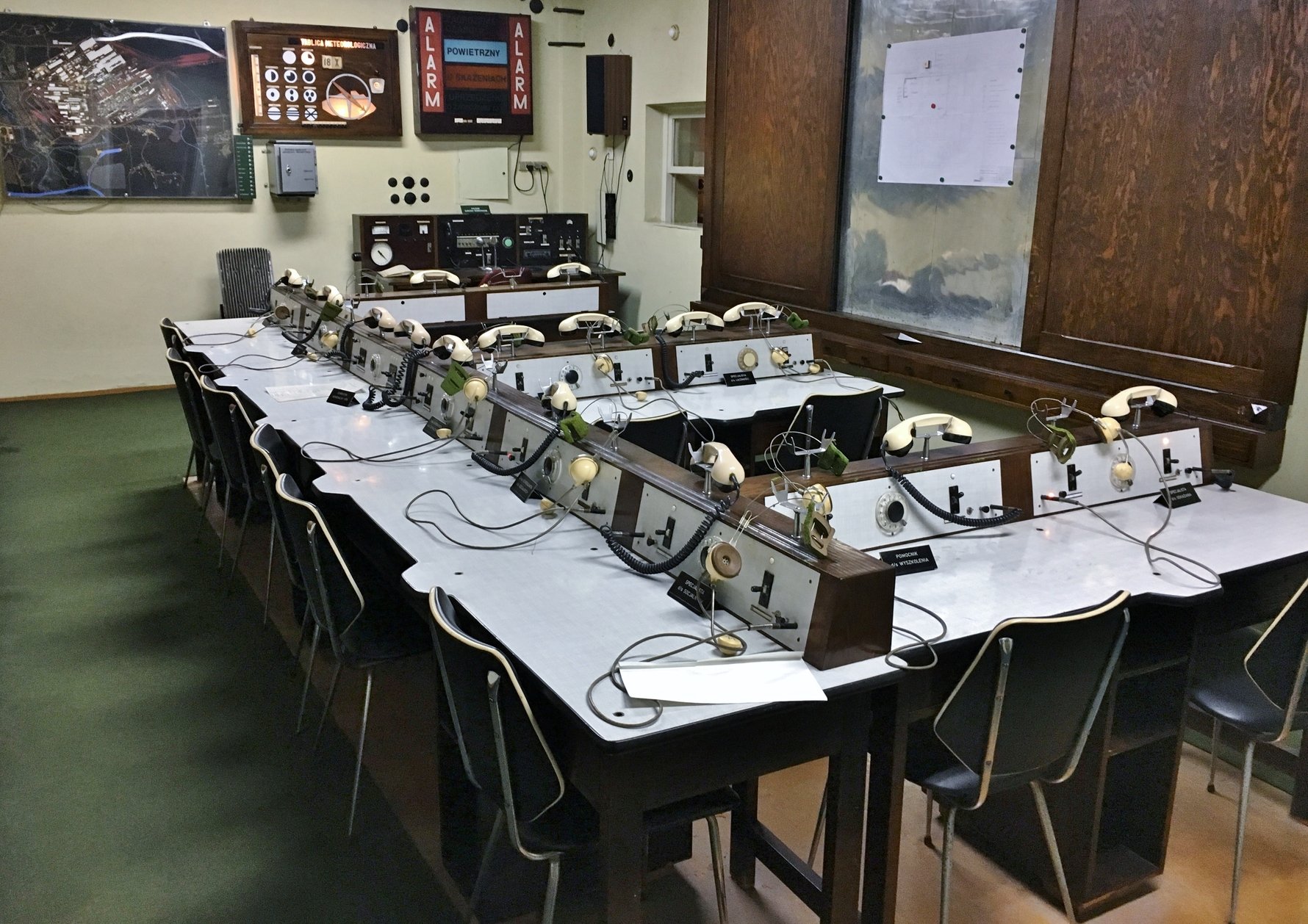
Although the area around Plac Centralny serves as the district’s focal point, it’s the Steelworks that Nowa Huta is famous for, not to mention named after. Found at the end of al. Solidarności the entrance is flanked by two austere concrete buildings which represent the pinnacle of socialist realism architecture in PL. These are the former Administrative Buildings - the only part of the complex currently open to visitors. If you’re the type who loves trespassing in abandoned buildings, or alternative tourism, make the arrangements to get inside. Similarly, the Nowa Huta Underground project is now making areas of the air-raid shelters beneath the city accessible to tourists; go underground near the picturesque Nowa Huta Reservoir, or in the cellars of the Nowa Huta Museum.
Around Nowa Huta Reservoir & Krzesławice
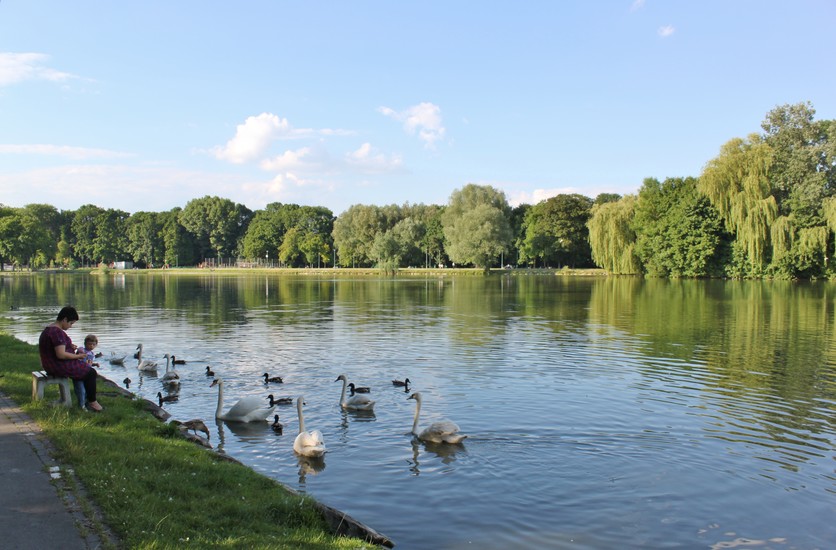
Officially Kraków's greenest neighbourhood, Nowa Huta is full of parks and recreation areas, the nicest of which is certainly the Nowa Huta Reservoir - located midway between the Steelworks and Plac Centralny, just off of Al. Solidarnośći and only steps away from a branch of Nowa Huta Underground. The source of extensive investment and development in recent years, this artificial lake now features a boardwalk, artificial beach, benches and beach chairs, food trucks, new playgrounds, basketball courts, kayak rentals and even a graduation tower. A popular place for families and fishermen, some locals even go so far as to take a dip in the water in summer, which is home to numerous, swans, ducks and other waterfowl.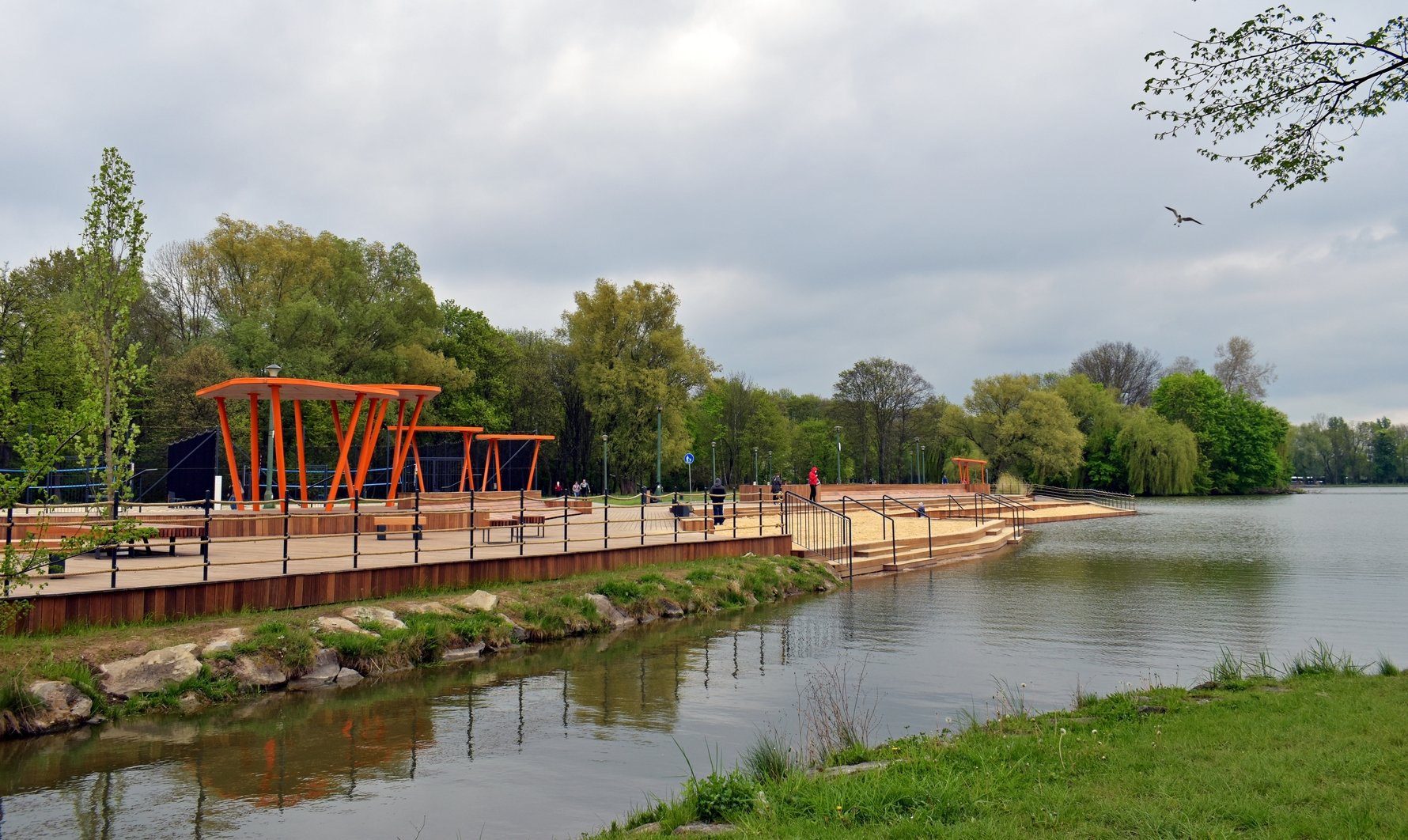
Mogiła
While much of Nowa Huta is the product of the last half century, a true tour of the area reveals numerous sites of much older historical value. The most epitomising example of a pre-steel age in the area has to be Wanda’s Mound in Mogiła - a mysterious prehistoric earthwork that proves the area’s settlement predates that of Kraków’s Old Town. Alleged to be the burial mound of Kraków's first queen, though the mound itself may not be much to visit today, Wanda's story is certainly compelling.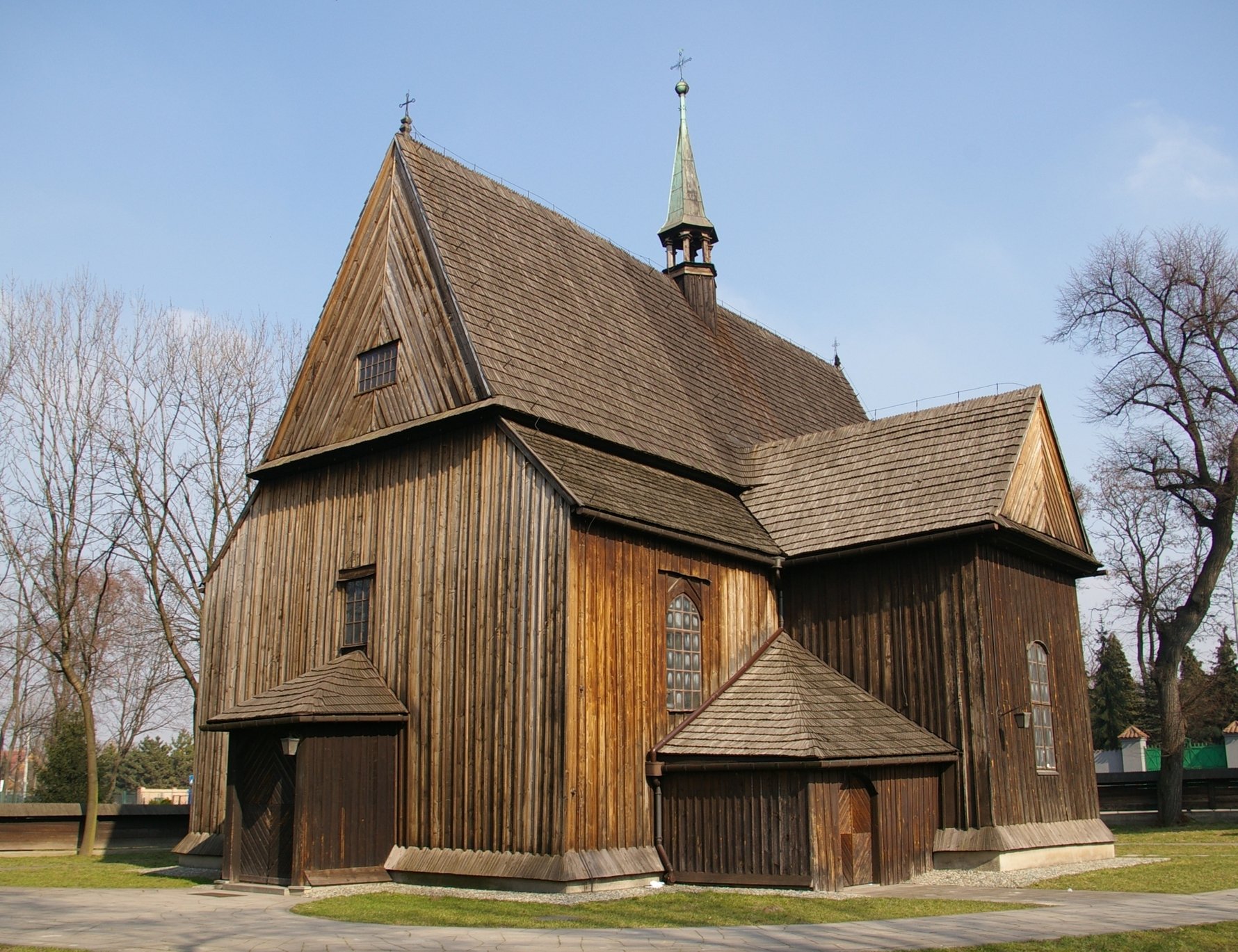
Getting to Nowa Huta
Getting to Nowa Huta from the centre of Kraków is a cinch thanks to a well-designed tram network. Trams 4, 10 and 74 from 'Teatr Słowackiego' (near the train station) go straight to Plac Centralny in about 20mins.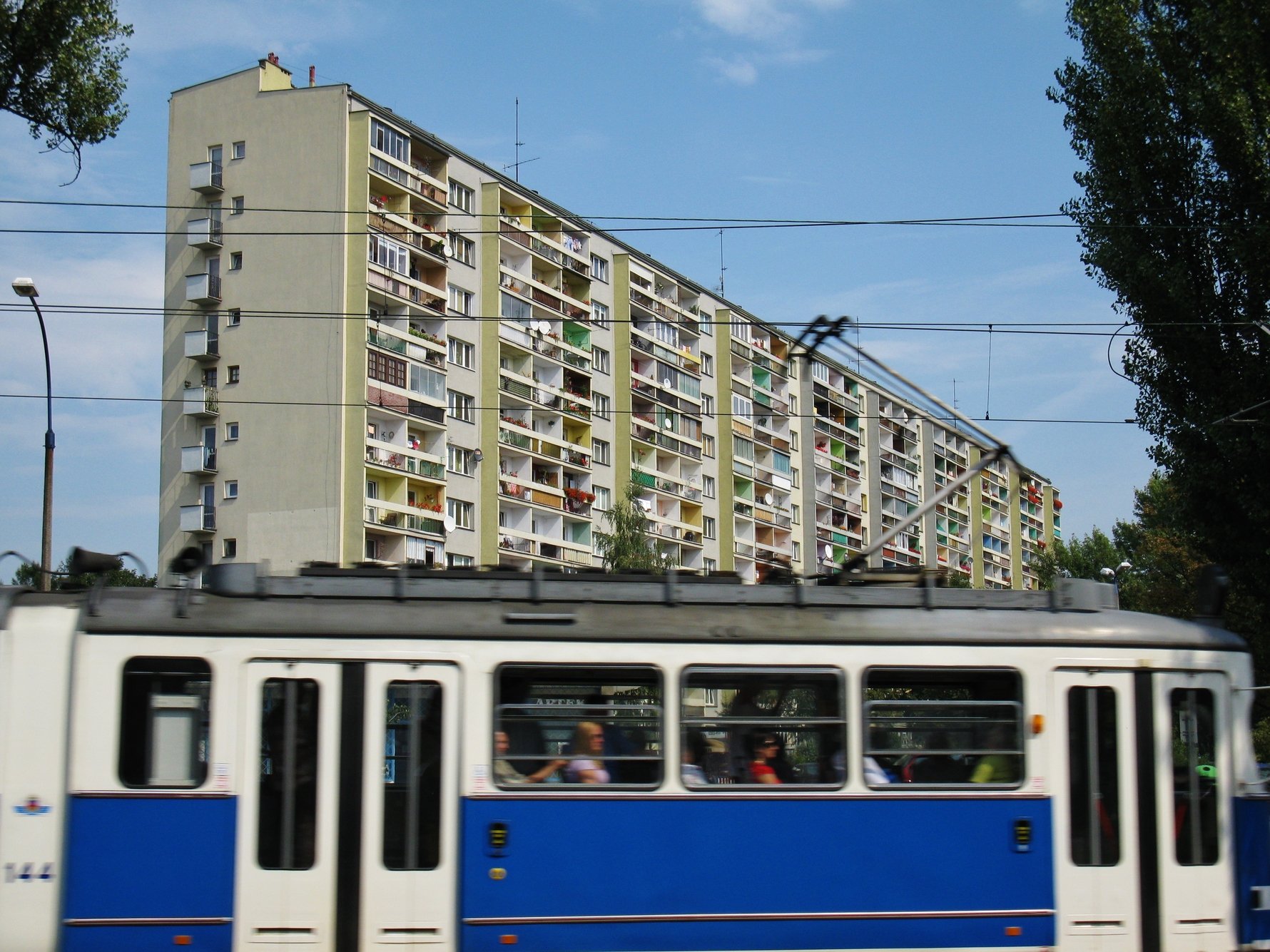
Comments